Xavier Malina

4K posts

Xavier Malina banner
Xavier Malina

Xavier Malina

@xaviermalina

making magic @ Disney Imagineering R&D, ex-@Google || genAI, robotics, 3D printing

yes Katılım Ağustos 2008
3.4K Takip Edilen872 Takipçiler
Sabitlenmiş Tweet
Xavier Malina
Xavier Malina@xaviermalina·
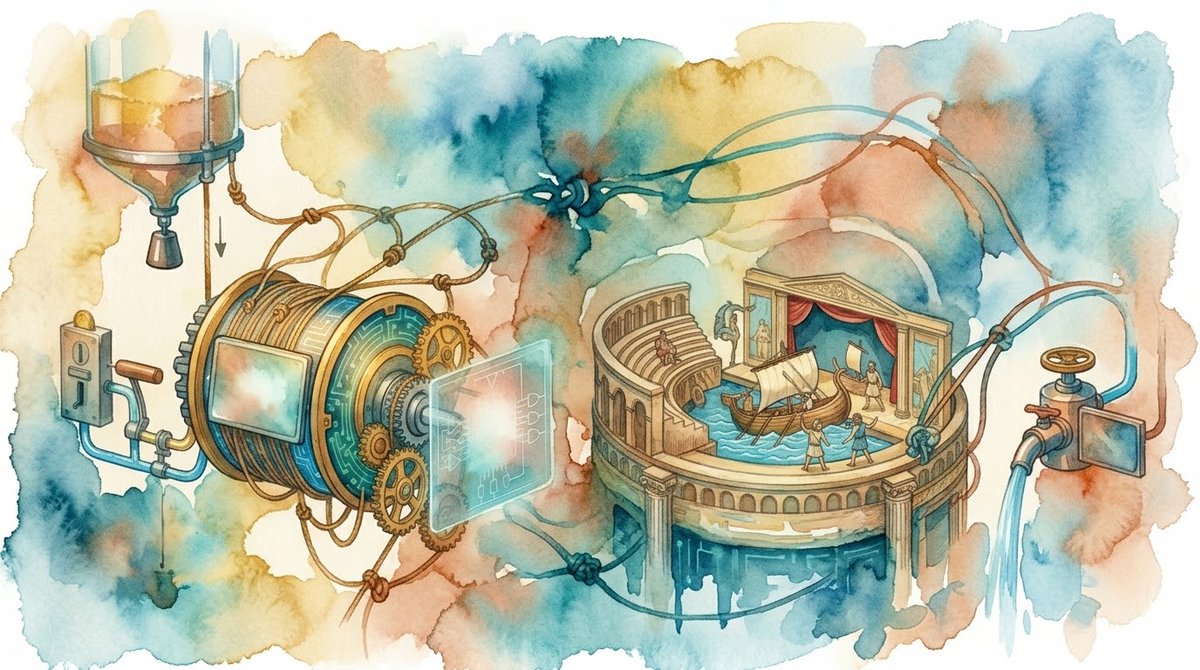
Wrote up a recent finding of mine on how to significantly improve the quality of your Claude Code Plans. If you try it out let me know. @xaviermalina/i-taught-claude-code-to-distrust-its-own-plans-dd67156f13f1" target="_blank" rel="nofollow noopener">medium.com/@xaviermalina/… @claudeai
Xavier Malina tweet media
English
0
0
1
114
Xavier Malina
Xavier Malina@xaviermalina·
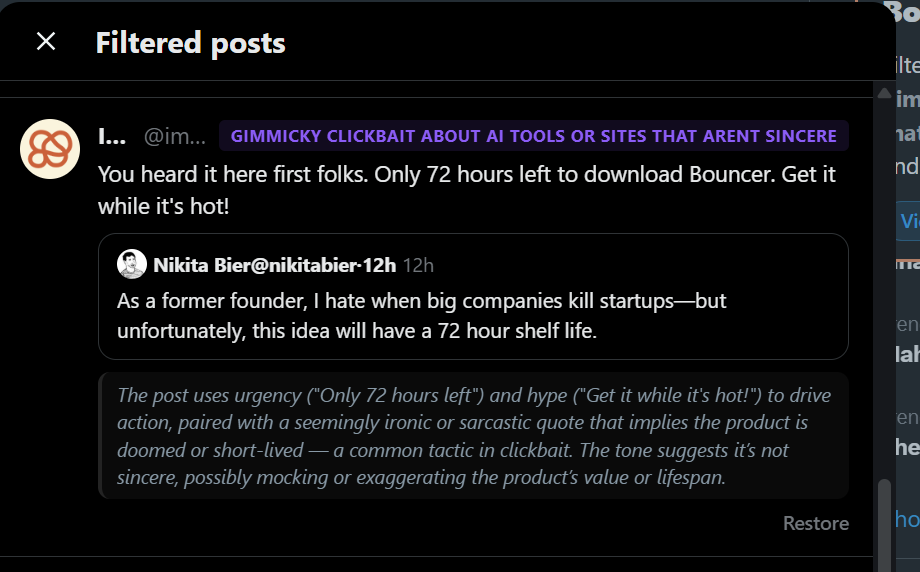
@imbue_ai i really enjoy trying all your tools. Tried Bouncer. think you might have some false positives going on? (I assume this is because Haiku under the hood?) I tried to filter out 'gimmicky clickbait about AI tools that arent sincere' any tips on how to be more precise?
Xavier Malina tweet media
English
0
0
0
22
Xavier Malina retweetledi
Chris White
Chris White@cknasaboy·
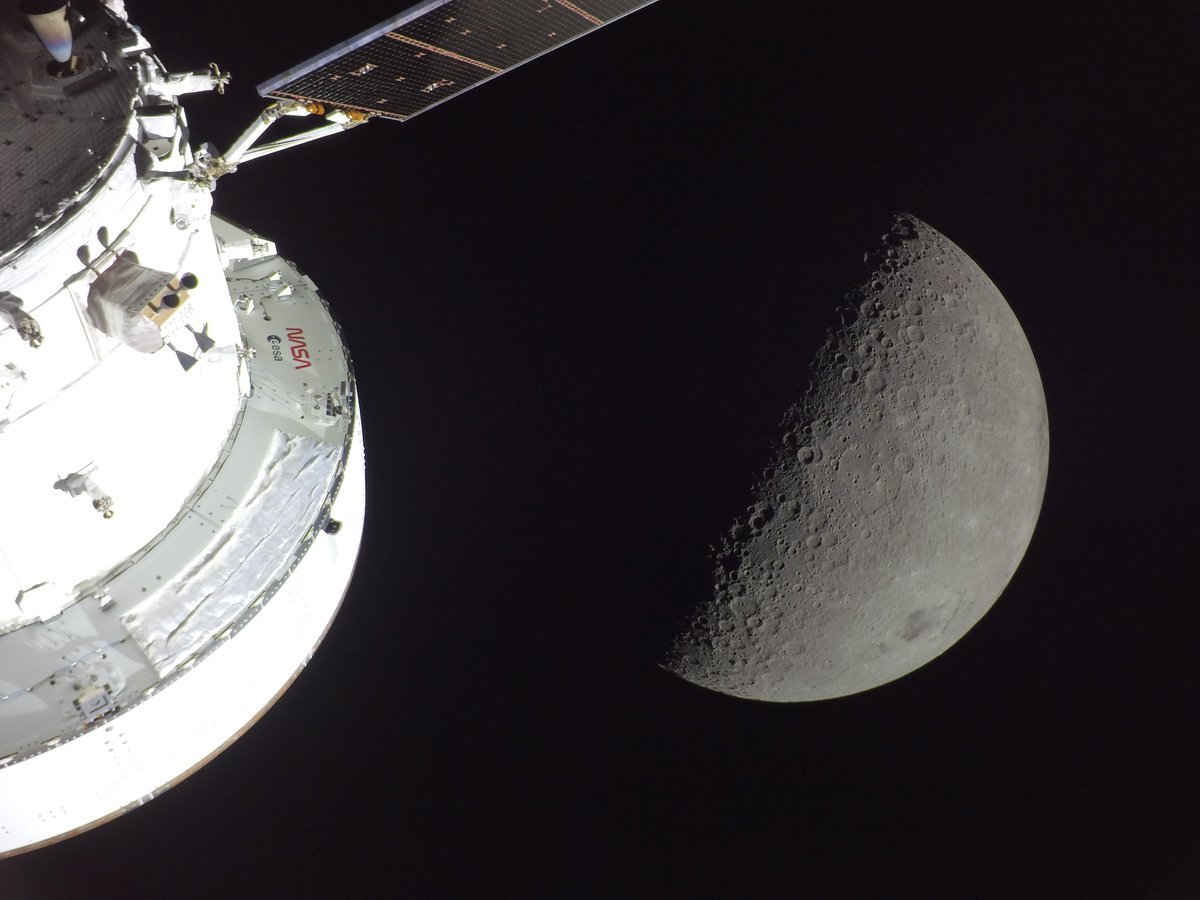
For years I've been photographing the moon using @Space_Station's External High Definition Cameras. Yesterday, I was incredibly privileged to do the moon using @NASA_Orion's Solar Array Wing Cameras Ad Lunam y'all
Chris White tweet mediaChris White tweet mediaChris White tweet mediaChris White tweet media
English
24
114
793
13.5K
Xavier Malina
Xavier Malina@xaviermalina·
@assert_ok @wimbet So like, 99% of apps on the marketplace for the next X months. So let's lean into this gemini control of apps at least as a bridge, I say
English
0
0
1
19
Realist
Realist@assert_ok·
@xaviermalina @wimbet Let's assume both exist. I think I'd stop using Gemini if the apps own AI integration is done well. So Gemini works for apps that don't invest in AI integration themselves.
English
1
0
0
19
Taylor Wimberly
Taylor Wimberly@wimbet·
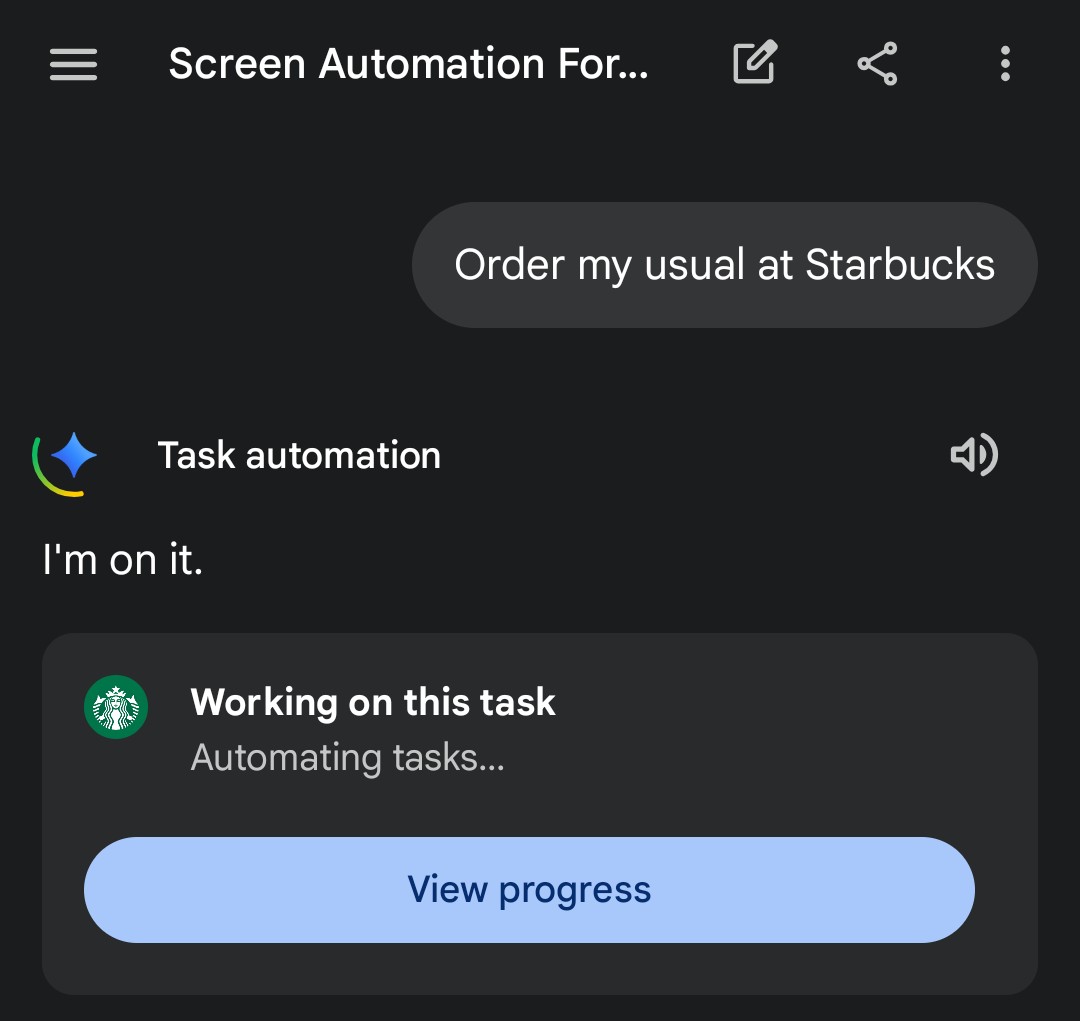
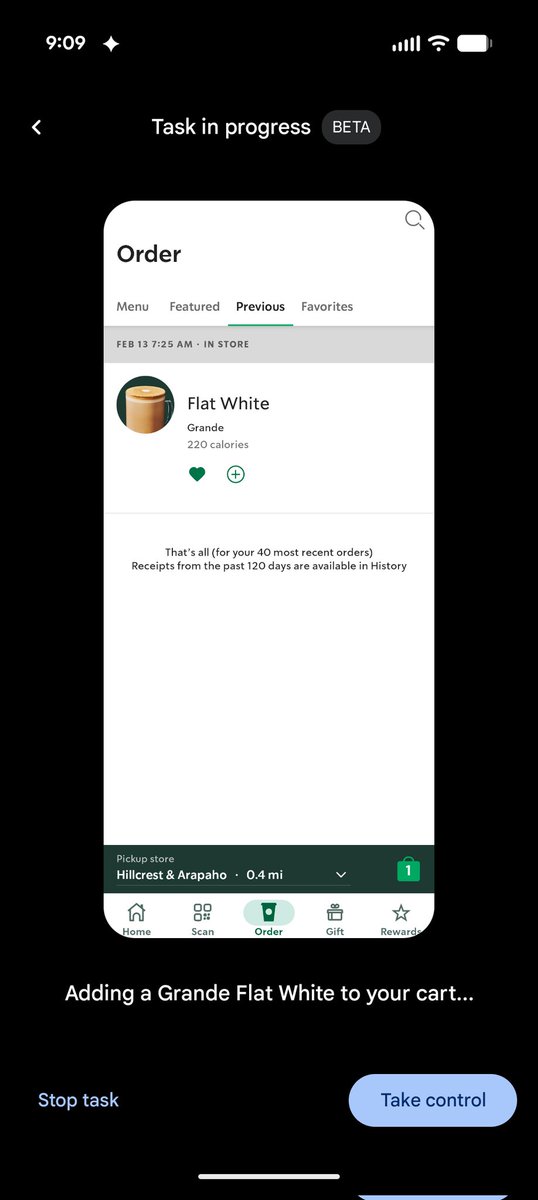
I just watched Gemini order my usual at Starbucks
Taylor Wimberly tweet mediaTaylor Wimberly tweet mediaTaylor Wimberly tweet mediaTaylor Wimberly tweet media
English
38
66
2.5K
269.4K
Xavier Malina
Xavier Malina@xaviermalina·
@assert_ok @wimbet What's faster, letting Gemini interact with apps or waiting for every developer to integrate with the api?
English
1
0
1
35
Realist
Realist@assert_ok·
@wimbet I'm not convinced this is the right way. Don't you think first class integration that product devs do in their own products will be better than Gemini being stuck on on top?
English
2
0
0
1.8K
Winter
Winter@WinterArc2125·
Most people don’t realize this: You get 1,500 free daily requests to Gemma 4 31B on @GoogleAIStudio. That’s plenty of free inference (imo). And you can route it into @NousResearch Hermes Agent via Vercel’s AI Gateway: 1. Create an API key on Google AI Studio 2. Add it under BYOK (Google) in Vercel AI Gateway 3. Create a Vercel Gateway API key 4. In Hermes → select “Vercel AI Gateway” + your Google model Now all your Google model requests route through your free AI Studio quota. Basically: free 31B model access inside your agent stack. (Tradeoff: not as private as running locally)
English
47
143
2K
138.9K
Xavier Malina
Xavier Malina@xaviermalina·
@HilaShmuel @karpathy Thanks for sharing! Looks awesome except that I'm trying to do everything locally, and eventually make my repo public
English
0
0
1
31
Hila Shmuel
Hila Shmuel@HilaShmuel·
Cool use case! In your case i would consider getcandlekeep.com - this guy created an agents that specialises in taking books and ingesting the data so the results are super impressive (for example in security research, i remember he fed claude code with security books and the results were %% better for security audits). Cabinet is more for day2day management with agents.
English
1
0
1
95
Andrej Karpathy
Andrej Karpathy@karpathy·
Wow, this tweet went very viral! I wanted share a possibly slightly improved version of the tweet in an "idea file". The idea of the idea file is that in this era of LLM agents, there is less of a point/need of sharing the specific code/app, you just share the idea, then the other person's agent customizes & builds it for your specific needs. So here's the idea in a gist format: gist.github.com/karpathy/442a6… You can give this to your agent and it can build you your own LLM wiki and guide you on how to use it etc. It's intentionally kept a little bit abstract/vague because there are so many directions to take this in. And ofc, people can adjust the idea or contribute their own in the Discussion which is cool.
Andrej Karpathy@karpathy

LLM Knowledge Bases Something I'm finding very useful recently: using LLMs to build personal knowledge bases for various topics of research interest. In this way, a large fraction of my recent token throughput is going less into manipulating code, and more into manipulating knowledge (stored as markdown and images). The latest LLMs are quite good at it. So: Data ingest: I index source documents (articles, papers, repos, datasets, images, etc.) into a raw/ directory, then I use an LLM to incrementally "compile" a wiki, which is just a collection of .md files in a directory structure. The wiki includes summaries of all the data in raw/, backlinks, and then it categorizes data into concepts, writes articles for them, and links them all. To convert web articles into .md files I like to use the Obsidian Web Clipper extension, and then I also use a hotkey to download all the related images to local so that my LLM can easily reference them. IDE: I use Obsidian as the IDE "frontend" where I can view the raw data, the the compiled wiki, and the derived visualizations. Important to note that the LLM writes and maintains all of the data of the wiki, I rarely touch it directly. I've played with a few Obsidian plugins to render and view data in other ways (e.g. Marp for slides). Q&A: Where things get interesting is that once your wiki is big enough (e.g. mine on some recent research is ~100 articles and ~400K words), you can ask your LLM agent all kinds of complex questions against the wiki, and it will go off, research the answers, etc. I thought I had to reach for fancy RAG, but the LLM has been pretty good about auto-maintaining index files and brief summaries of all the documents and it reads all the important related data fairly easily at this ~small scale. Output: Instead of getting answers in text/terminal, I like to have it render markdown files for me, or slide shows (Marp format), or matplotlib images, all of which I then view again in Obsidian. You can imagine many other visual output formats depending on the query. Often, I end up "filing" the outputs back into the wiki to enhance it for further queries. So my own explorations and queries always "add up" in the knowledge base. Linting: I've run some LLM "health checks" over the wiki to e.g. find inconsistent data, impute missing data (with web searchers), find interesting connections for new article candidates, etc., to incrementally clean up the wiki and enhance its overall data integrity. The LLMs are quite good at suggesting further questions to ask and look into. Extra tools: I find myself developing additional tools to process the data, e.g. I vibe coded a small and naive search engine over the wiki, which I both use directly (in a web ui), but more often I want to hand it off to an LLM via CLI as a tool for larger queries. Further explorations: As the repo grows, the natural desire is to also think about synthetic data generation + finetuning to have your LLM "know" the data in its weights instead of just context windows. TLDR: raw data from a given number of sources is collected, then compiled by an LLM into a .md wiki, then operated on by various CLIs by the LLM to do Q&A and to incrementally enhance the wiki, and all of it viewable in Obsidian. You rarely ever write or edit the wiki manually, it's the domain of the LLM. I think there is room here for an incredible new product instead of a hacky collection of scripts.

English
1K
2.7K
25.7K
6.4M
Xavier Malina
Xavier Malina@xaviermalina·
@HilaShmuel @karpathy First of all, love the site. Clean design + execution. Clear vision. Question: I'm building a knowledgebase related to an ancient inventor I'm researching. I have 80+ documents, maybe 30 are books with several hundred pages. How well would it work for my application?
English
1
0
1
99
Hila Shmuel
Hila Shmuel@HilaShmuel·
@karpathy Hi @karpathy Meet Cabinet: Paper Clip + KB. for quite some time I've been thinking how LLMs are missing the knowledge base - where I can dump CSVs, PDFs, and most important - inline web app. running on Claude Code with agents with heartbeats and jobs runcabinet.com
English
1
0
22
1.1K
Xavier Malina retweetledi
Barack Obama
Barack Obama@BarackObama·
It was inspiring to watch the Artemis II launch yesterday — @NASA’s first crewed mission around the moon since 1972. Our space program has always captured an essential part of what it means to reach beyond what we thought was possible, and I hope the four brave astronauts on this mission will inspire a new generation to follow in their footsteps.
Barack Obama tweet mediaBarack Obama tweet media
English
13.4K
31.7K
456K
57M
Xavier Malina
Xavier Malina@xaviermalina·
@jerryjliu0 How much better is liteparse for PDFs? Like academic journal articles
English
0
0
0
264
Jerry Liu
Jerry Liu@jerryjliu0·
This is exactly what I've been doing with Claude Code. The biggest bottleneck with my ability to use these agents is ensuring they preserve relevant context between relevant sessions. Having the agent output files in .md and .html is not only a nicer way to view outputs than in the terminal, but also a good way to preserve context for future sessions. also been using Obsidian to view locally generated .md files the only slight hiccup is that the native harnesses aren't amazing at handling non-plaintext files (.pdf, .pptx, and more); the open-source skills use libraries that aren't optimized for generating readable text from complex layout docs. we built liteparse for this purpose to replace pypdf/pymupdf (github.com/run-llama/lite…) i use it as part of my local claude code harness
Andrej Karpathy@karpathy

LLM Knowledge Bases Something I'm finding very useful recently: using LLMs to build personal knowledge bases for various topics of research interest. In this way, a large fraction of my recent token throughput is going less into manipulating code, and more into manipulating knowledge (stored as markdown and images). The latest LLMs are quite good at it. So: Data ingest: I index source documents (articles, papers, repos, datasets, images, etc.) into a raw/ directory, then I use an LLM to incrementally "compile" a wiki, which is just a collection of .md files in a directory structure. The wiki includes summaries of all the data in raw/, backlinks, and then it categorizes data into concepts, writes articles for them, and links them all. To convert web articles into .md files I like to use the Obsidian Web Clipper extension, and then I also use a hotkey to download all the related images to local so that my LLM can easily reference them. IDE: I use Obsidian as the IDE "frontend" where I can view the raw data, the the compiled wiki, and the derived visualizations. Important to note that the LLM writes and maintains all of the data of the wiki, I rarely touch it directly. I've played with a few Obsidian plugins to render and view data in other ways (e.g. Marp for slides). Q&A: Where things get interesting is that once your wiki is big enough (e.g. mine on some recent research is ~100 articles and ~400K words), you can ask your LLM agent all kinds of complex questions against the wiki, and it will go off, research the answers, etc. I thought I had to reach for fancy RAG, but the LLM has been pretty good about auto-maintaining index files and brief summaries of all the documents and it reads all the important related data fairly easily at this ~small scale. Output: Instead of getting answers in text/terminal, I like to have it render markdown files for me, or slide shows (Marp format), or matplotlib images, all of which I then view again in Obsidian. You can imagine many other visual output formats depending on the query. Often, I end up "filing" the outputs back into the wiki to enhance it for further queries. So my own explorations and queries always "add up" in the knowledge base. Linting: I've run some LLM "health checks" over the wiki to e.g. find inconsistent data, impute missing data (with web searchers), find interesting connections for new article candidates, etc., to incrementally clean up the wiki and enhance its overall data integrity. The LLMs are quite good at suggesting further questions to ask and look into. Extra tools: I find myself developing additional tools to process the data, e.g. I vibe coded a small and naive search engine over the wiki, which I both use directly (in a web ui), but more often I want to hand it off to an LLM via CLI as a tool for larger queries. Further explorations: As the repo grows, the natural desire is to also think about synthetic data generation + finetuning to have your LLM "know" the data in its weights instead of just context windows. TLDR: raw data from a given number of sources is collected, then compiled by an LLM into a .md wiki, then operated on by various CLIs by the LLM to do Q&A and to incrementally enhance the wiki, and all of it viewable in Obsidian. You rarely ever write or edit the wiki manually, it's the domain of the LLM. I think there is room here for an incredible new product instead of a hacky collection of scripts.

English
33
48
623
140.6K
Xavier Malina
Xavier Malina@xaviermalina·
@ahc What do you think AI is getting wrong?
English
0
0
0
754
Andy Crouch
Andy Crouch@ahc·
Just spent two days with senior staff at Anthropic and a group of Christians deeply committed to finding redemptive paths for AI. Encouraging on many fronts. Above all I think the guests were unanimously blown away by the humility and moral seriousness of Anthropic's leadership.
English
48
43
940
82.8K
Robbie King
Robbie King@robbieking1000·
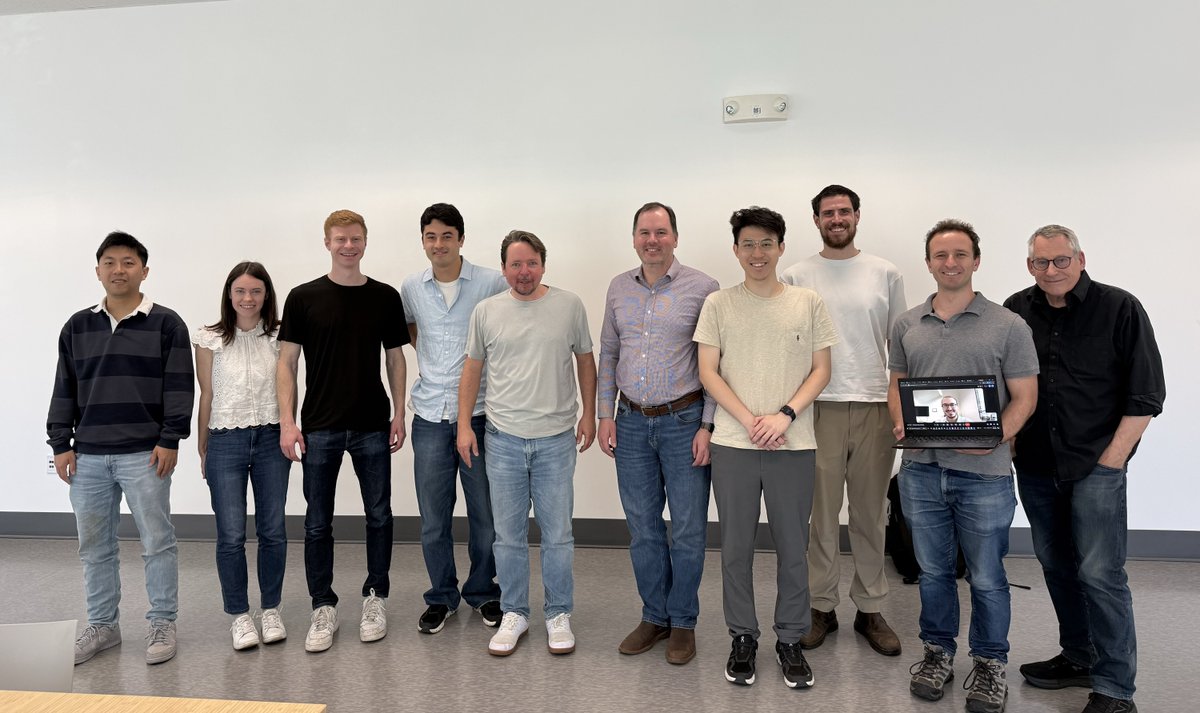
Today we are announcing Oratomic. Based in Pasadena, our goal is to build the world’s first fault-tolerant quantum computer using neutral atom qubits. Last Fall, I came to fully appreciate the potential of neutral atoms combined with high-rate error correction. Soon after, I made the decision to leave Google and Berkeley to go all-in on what is now Oratomic. My teammates are truly exceptional, and it’s an honor to work alongside them with a chance to make history. If you are excited by this mission, please get in touch! Website → oratomic.com
Robbie King tweet media
English
15
31
279
22K
Xavier Malina
Xavier Malina@xaviermalina·
@emollick @nealstephenson Surely if you just expand it to other languages would be sufficient? Could add translation before training or after...maybe?
English
0
0
0
48
Ethan Mollick
Ethan Mollick@emollick·
I wish the corpus from the era was big enough that we could do counterfactual history. I wonder if you can generate enough synthetic data to get it to work. If I could, I'd love to assign a Victorian agentic scientist to discover the luminous aether. Very @nealstephenson
English
15
3
150
22.8K
Ethan Mollick
Ethan Mollick@emollick·
Want to talk to the past? Here is an LLM "trained entirely from scratch on a corpus of over 28,000 Victorian-era British texts published between 1837 and 1899, drawn from a dataset made available by the British Library." Quite different from an LLM roleplaying a Victorian.
Ethan Mollick tweet mediaEthan Mollick tweet media
English
132
219
2.6K
234.5K
Richard Seroter
Richard Seroter@rseroter·
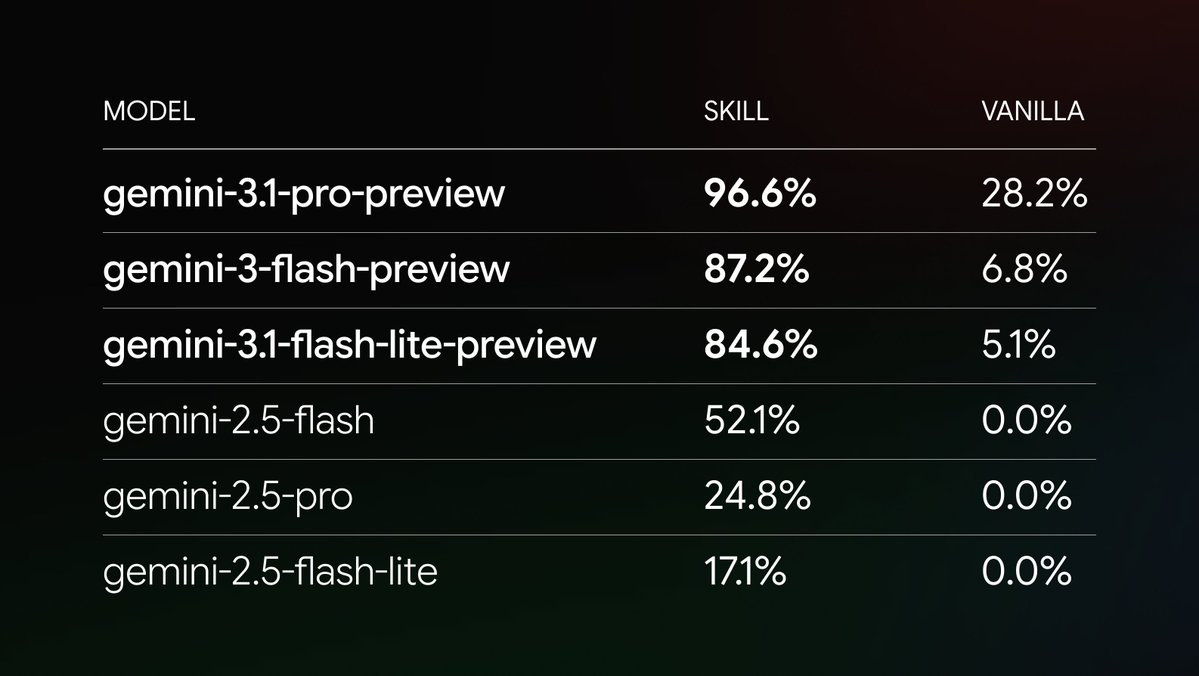
The difference between a "vanilla" request to the Gemini model and enabling this new skill? Pretty dramatic. More to do, but we'll all keep learning the best way to apply these to our agents and tools. developers.googleblog.com/en/closing-the…
Richard Seroter tweet media
English
24
60
947
133.3K
Zara Zhang
Zara Zhang@zarazhangrui·
My single biggest pain point right now: AI-induced attention deficit I have 5 Claude Code sessions running 10 Terminal tabs open 50 browser tabs open 100 X articles in my bookmarks When there are multiple AIs working for you, you're constantly task switching When you're waiting for AI to output, you're constantly distracted Because what used to be hard is now so easy, you always wanna do more, more, more Because of the speed of the AI news cycle, you feel a constant need to be on this app Add all this up and the result: you live in a constant state of distraction & delirium. Focus & deep work is harder than ever If anyone has figured this out pls teach me how
English
521
128
2.1K
237.4K
Xavier Malina
Xavier Malina@xaviermalina·
@adcock_brett I didn't become useful until I did startups after leaving Google. Was a hard adjustment but startups really test your mettle.
English
0
0
0
127
Brett Adcock
Brett Adcock@adcock_brett·
I’ve been hiring for 20 years and I’m batting .000 when hiring senior ppl from big established companies. It doesn’t work
Machine Pulse@machinepulse_

What do billionaires optimise for when hiring? @adcock_brett founder of Figure AI discussed what he looks for in a hire on the WTF Online Podcast: "I think the conventional wisdom is to go out and hire somebody really experienced, that makes you feel really good, from a really good background, at a successful company. And I found that playbook is just complete crap. Throw that right out the door. Even now, Figure has gotten to a point where we have these big shots knocking on our door wanting to come work here, from big companies and wherever else. But it's just not the right approach. If you look at every generational company, it's not like they went out and picked the VP here and the VP here and the VP here and put it together. It's like the opposite of what Meta is doing right now. Look at Meta's superintelligence lab. It's like putting 15 Tom Bradys together and making that work. It's just immediately going to collapse. It's not going to work. My view is you just need to find people that really care. That's the core axiom of what I look for in talent."

English
75
55
933
216.9K