
John Smith
14.4K posts

He’s like a Saturday Night Live parody of figure skating
JD@DryPeace
@junkolawonko Plushenko's bolero ? bamboozling at the max
English

Le 7 mai 1701, Mme la duchesse de Bourgogne a ses premières règles. La duchesse du Lude, sa dame d’honneur, demande une audience particulière, à Louis XIV, pour lui annoncer.
#7mai #histoire #versailles

Français
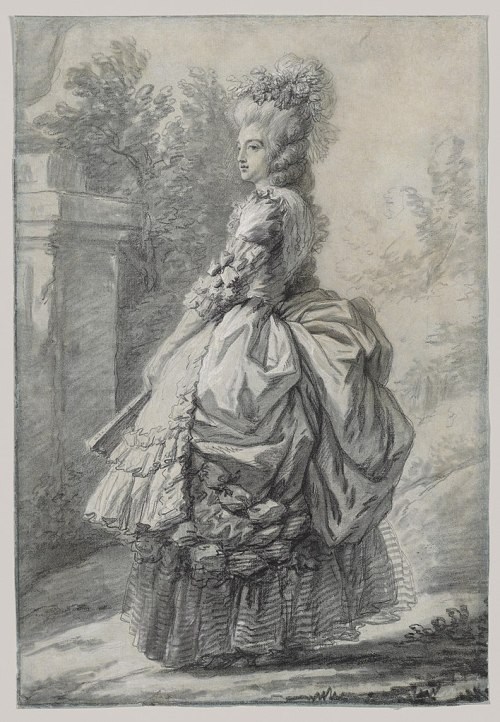
A drawing of Marie Antoinette by Elisabeth Vigee-Lebrun, circa 1780-1781.
English


There is no more beautiful Waltz ever. All elements of young, innocent, expectations, freedom, love, all in one untouchable piece.
English
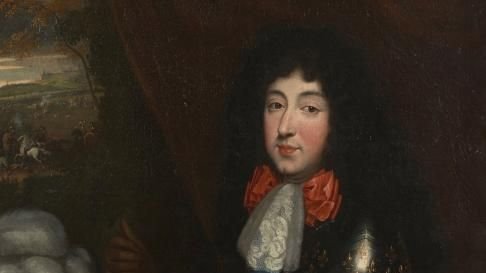
Du 6 mai 1692, installation de la Cour à Versailles, jusqu’au décès de Mme la Dauphine, le 20 avril 1690, Louis XIV dîne avec la Reine Marie Thérèse d’Autriche, jusqu’à sa mort le 30 juillet 1683, puis avec Mme la Dauphine Marie Anne de Bavière. Le dîner se déroule, que ce soit avec la Reine ou Mme la Dauphine, dans l’Antichambre de la Reine.
Après la mort de Mme la Dauphine, Louis XIV dîne, dans sa chambre, au petit couvert. Il mange seul, servi par le Grand Chambellan de France, en son absence par le premier gentilhomme de la chambre du Roi, d’année.
Les courtisans sont debout en cercle. Il n’y a pas de dames.
Lorsque Monsieur est présent au dîner du Roi, ce dernier l’invite à prendre place à ses côtés et, éventuellement, de manger avec lui.
#histoire #6mai #versailles


Français

FIVE CAME BACK (39) Top survival drama. 12 plane passengers crash-land in rain forest just east of the Andes; while the pilots fix the aircraft, the travelers get to know each other. Fast-paced drama rolls right along, with the usual introductions handled w/flair & flip sarcasm.

English

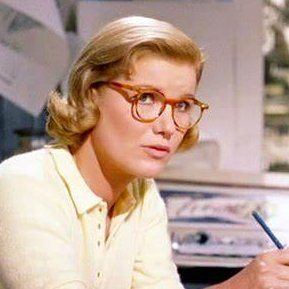
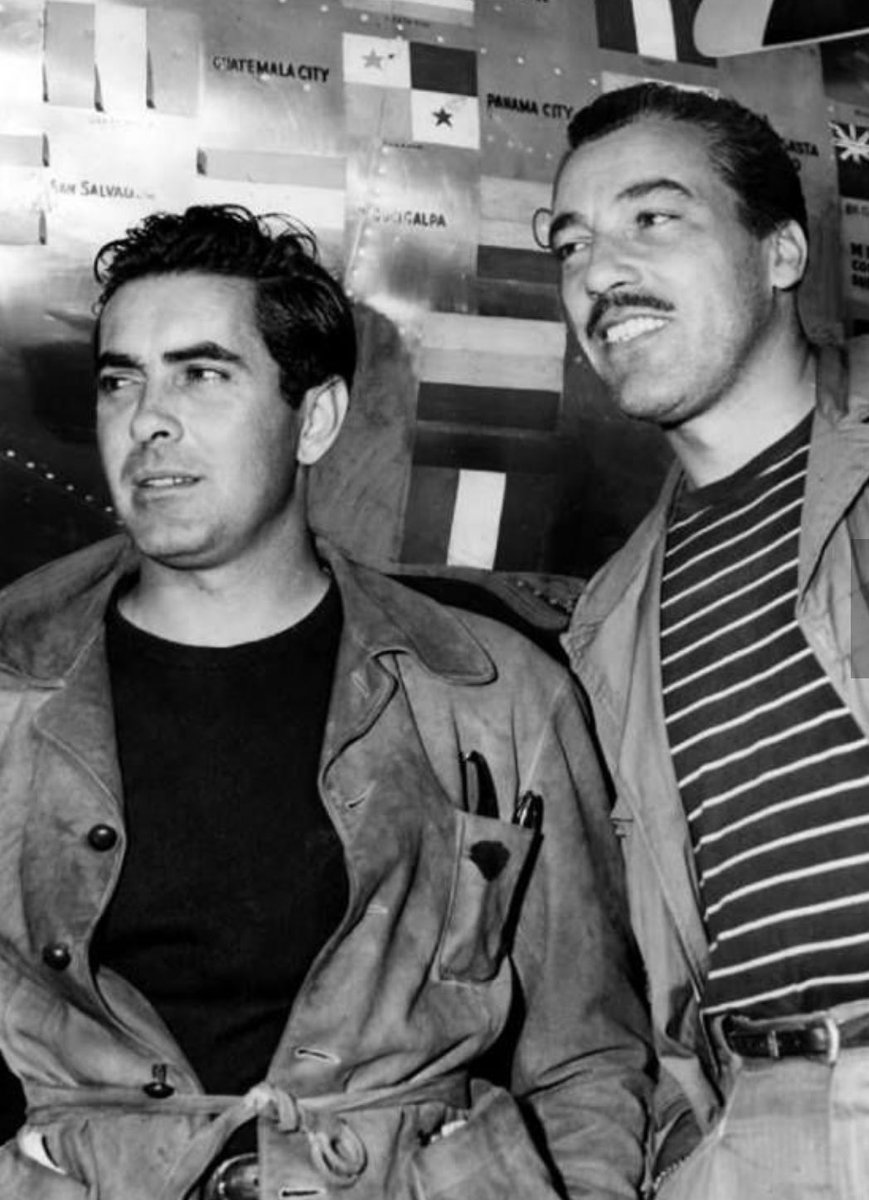
Rewatching Ladies in Love, neither drama nor comedy, whose few redeeming qualities are Connie Bennett’s magic clout, an early appearance by Ty Power (though he has little to do), and Don Ameche’s congeniality. The rest is a nondescript precursor to How to Marry a Millionaire.

English

205 years ago today, Napoleon Bonaparte died on a tiny British prison island in the middle of the South Atlantic. He was 51. He had ruled most of Europe. And he changed the world so thoroughly that you are still living inside the systems he built.
Start with the obvious one. The Napoleonic Code. He commissioned it in 1800, sat in on the drafting sessions personally, argued with the lawyers, and pushed it through in four years. Equality before the law. Property rights. Religious freedom. The end of feudal privilege. It is still the basis of civil law in France, Belgium, the Netherlands, Italy, Spain, Portugal, most of Latin America, Quebec, Louisiana, and chunks of the Middle East and Africa. About a third of the planet writes contracts using rules a Corsican artillery officer wrote between battles.
He sold Louisiana to Thomas Jefferson in 1803 for 15 million dollars. Roughly four cents an acre. It doubled the size of the United States overnight. Without that deal there is no St. Louis, no New Orleans as an American city, no Lewis and Clark, no Manifest Destiny. The American century starts with Napoleon needing cash for a war.
He invaded Egypt in 1798 with an army and, weirdly, 167 scientists, mathematicians, and artists. They found the Rosetta Stone. That single slab is the reason we can read hieroglyphs at all. Egyptology as a field exists because Napoleon brought scholars to a war.
He built the Bank of France, which still runs French monetary policy. He created the lycée system that still educates French teenagers. He shoved the metric system across Europe at sword-point until it stuck. He emancipated the Jews of every territory he conquered, tearing down ghetto walls in Rome, Venice, Frankfurt. He abolished serfdom in Poland. He standardized road networks, civil registries, and tax codes that European governments still operate from.
And then there's the soldiering. He fought around 60 major battles and won most of them. Austerlitz, in 1805, against the combined Russian and Austrian empires, is still taught at West Point as one of the closest things to a tactically perfect battle ever fought. He was outnumbered, baited the enemy onto ground he had pre-selected, and broke them in a single afternoon. Three emperors took the field that morning. Only one walked off it on his own terms.
He slept four hours a night. He read constantly, dictated letters to four secretaries at the same time, and personally signed off on everything from cavalry boot specs to the seating chart at the Comédie-Française. Wellington, the man who finally beat him at Waterloo, was asked decades later who the greatest general in history was. He answered without hesitating. "In this age, in past ages, in any age, Napoleon."
He lost, in the end, because he could not stop. Russia in 1812 swallowed his army whole. Six hundred thousand men marched in. Maybe a tenth came back. He abdicated in 1814, escaped from Elba, ruled France again for 100 days, and lost it all for good in a wheat field in Belgium in June 1815.
The British shipped him to St. Helena, a volcanic dot 1,200 miles off the African coast, and waited. He spent six years there dictating his memoirs, gardening, complaining about the dampness, and quietly rewriting his own legend so effectively that Europe spent the next century arguing about him.
He died on May 5, 1821, during a storm so violent it ripped up the willow tree he liked to read under. His last words trailed off into fever. France. The army. Joséphine.
Nineteen years later France brought him home. Two million people stood in the snow to watch the coffin go by.
He was a tyrant. He was a reformer. He started wars that killed somewhere between three and six million people. He also wrote the rulebook that a third of humanity still lives under.
Most people who try to conquer the world are forgotten inside a generation. Napoleon has been dead for 205 years and we are still arguing about him because we are still using his furniture.

English
Baby Tyrone Power as one of the “ghost children” in Lois Weber’s outstanding WHERE ARE MY CHILDREN? (1916). The film stars both of his parents. #BOTD

English
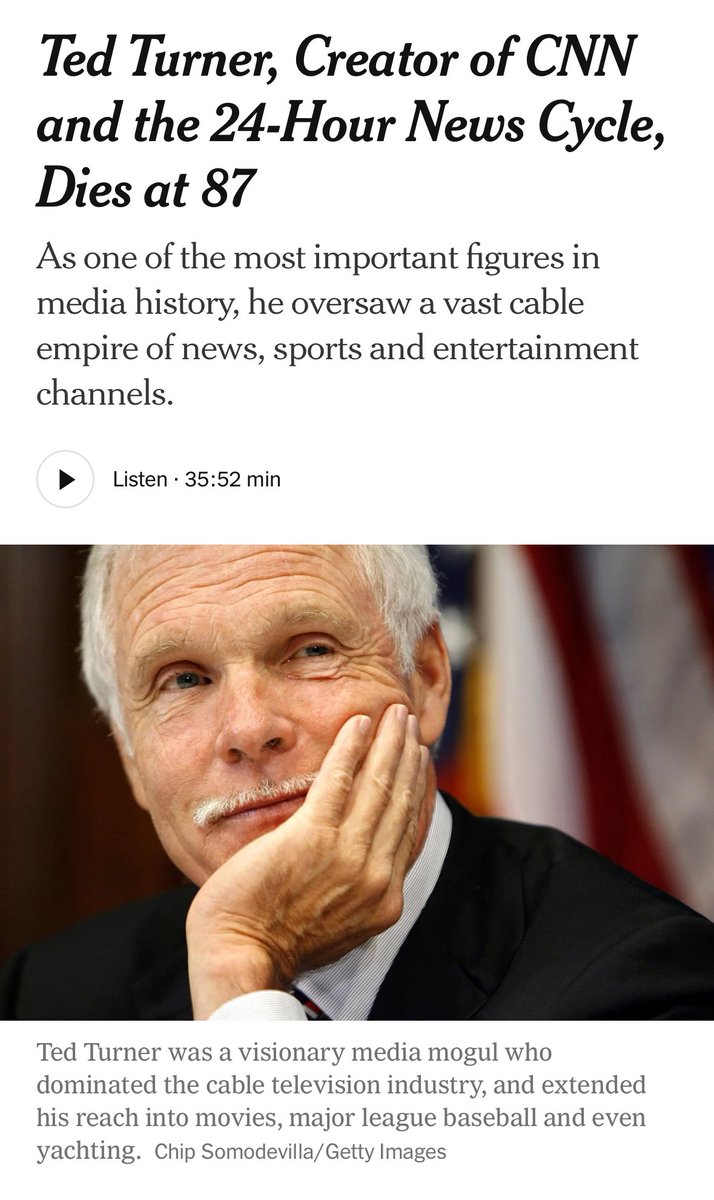
Classic film lovers owe Ted Turner so much. Rest peacefully…
English

@noirgal17 @Ali__Woo I do love that accent tho it is very hard to understand. It’s English!
English
Meet our cruise director aboard Carnival Miracle, Gary from Glasgow! When I told him how much we love Glasgow, and that I’m a really big fan of TAGGART, he replied “Wow. That’s a really old show.”
Cheeky wee 🤬🤬🤬. 😂 (IYKYK) @Ali__Woo

English

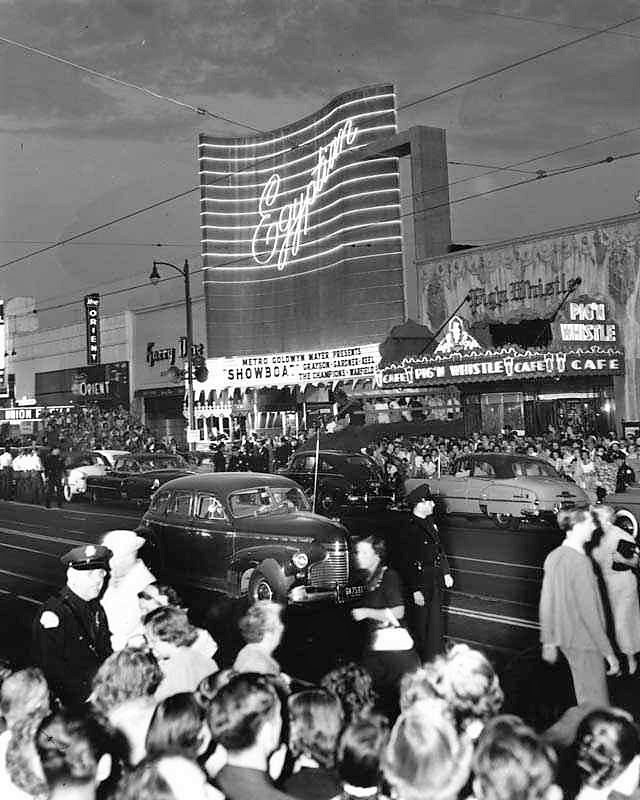
Crowds pack the Hollywood Blvd sidewalks for the July 17, 1951 premiere of MGM’s “Showboat" at the Egyptian—normally big premieres like this took place at the Chinese—but it didn’t stop the movie fans from showing up for a glimpse of the stars and a taste of the excitement.
English
@TurnbullMartin My grandfather, as a horny pilot from Mississippi, met my grandmother, who was a rollerskating waitress at the P&W, on leave there in 1940!
English
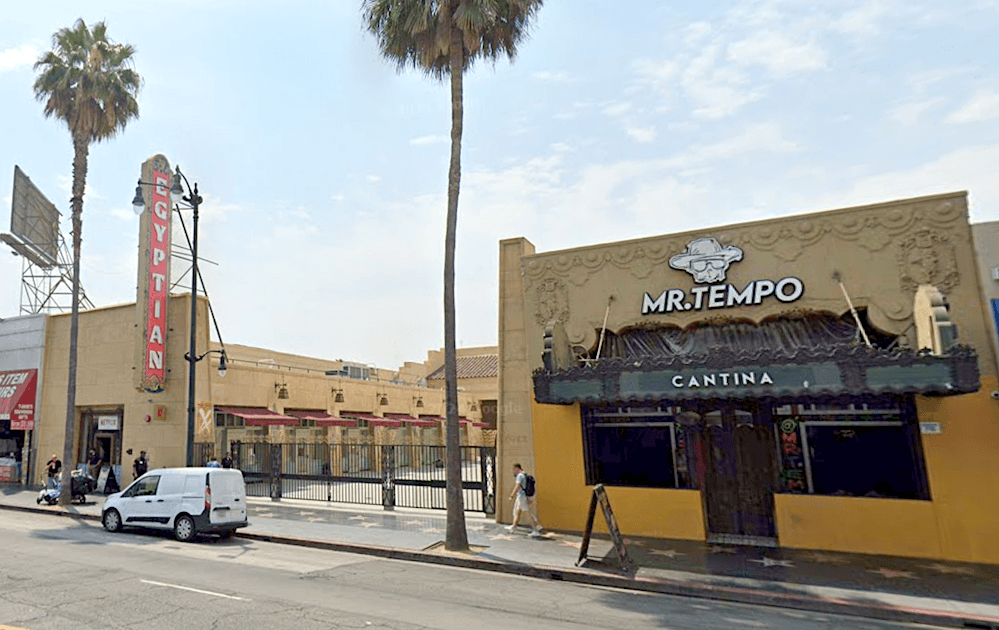
This is roughly how that view looked in July 2024 (and don’t get me started on losing the Pig’n'Whistle.)
Martin Turnbull, author@TurnbullMartin
Crowds pack the Hollywood Blvd sidewalks for the July 17, 1951 premiere of MGM’s “Showboat" at the Egyptian—normally big premieres like this took place at the Chinese—but it didn’t stop the movie fans from showing up for a glimpse of the stars and a taste of the excitement.
English
@SlothTheeSid @OlympicChenpion Carmen was a fitting role for her but it was unwise to invite comparison with La Witt…
English

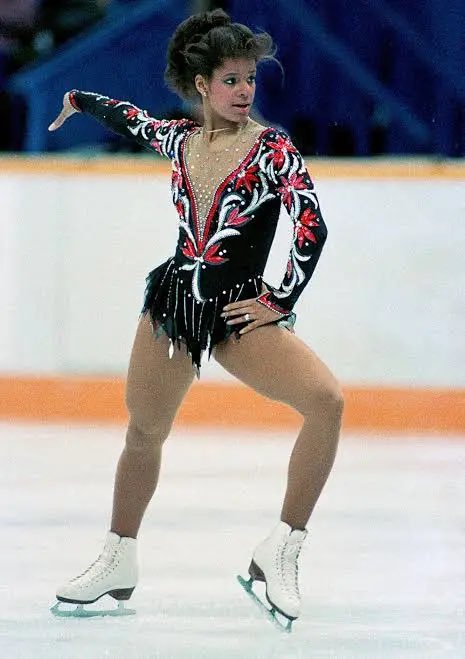
just learned that when she won bronze at the 1988 olympics debi thomas was not just the first black figure skater to win an olympic medal but was in fact the first black athlete from any sport to win a medal at the winter olympics😤😤
English

#OnThisDay in 1826 Eugénie de Montijo, Empress of the French, was born as the daughter of Cipriano de Palafox y Portocarrero and María Manuela Enriqueta Kirkpatrick de Closbourn y de Grevigné.
historyofroyalwomen.com/eugenie-de-mon…
Español

5 May 1826 | Eugénie de Montijo, Empress of the French was born in Granada, Spain
Eugénie was born into a Spanish Nobel family. She was raised by her socially ambitious mother and educated in Paris, Madrid and Bristol. She was an athletic women with interest in politics

English
@palaceprincess @europeroyalsfan Because he was an a-hole…I am sorry to be vulgar but it’s true…
English

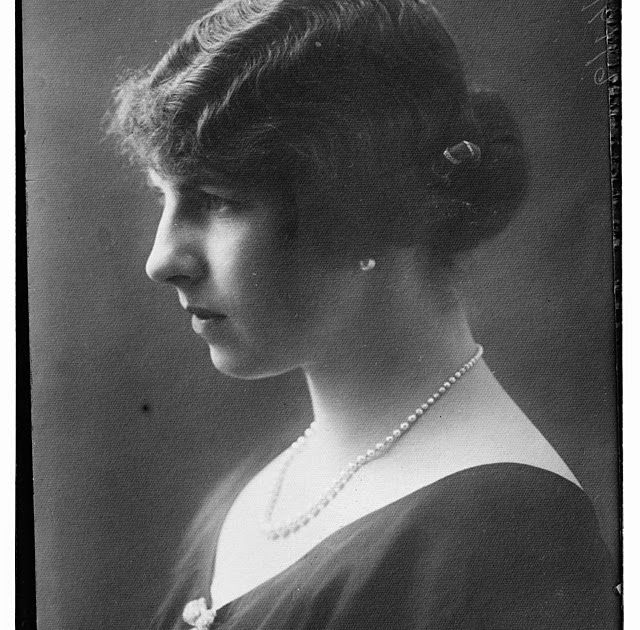
In 1896, Helen of Greece was born #OnThisDay. She married the future King of Romania, but never wore the crown herself. hrhprincesspalace.blogspot.com/2022/06/double…
English
Not everyone was in favor Elizabeth's choice of husband, including her father The King. #100HoursOfQEII #QueensCentenary hrhprincesspalace.blogspot.com/2010/05/moonst…

English