yadgen.eth
2.1K posts
yadgen.eth
@yadgen_eth
Ride the wave of innovation with web3 and NFTs, revolutionizing how we create, own, and share digital assets. 🌊🌐
Denmark Katılım Nisan 2012
2.4K Takip Edilen700 Takipçiler
yadgen.eth retweetledi

yadgen.eth retweetledi

It's ABSOLUTELY INSANE what's happening right before our eyes
A young guy made almost 5 BILLION in profit for his company in a year. He was fired from OpenAI, accused of leaking information, and attacked by everyone who could be bothered. But he just worked and delivered results. So, meet Leopold Aschenbrenner
Some interesting facts from his biography:
- He entered university at the age of 15 and graduated with honors at the age of 19. His major was economics and mathematics/statistics
- He worked for Sam himself at his FTX Future Fund charity. Fun fact: the “charitable foundation” did not help starving gay people in Somalia or save transgender penguins, but rather sought out projects in the fields of AI, infrastructure for global disasters, biological weapons, forecasting and prediction markets, and many other interesting areas
- So our prodigy was forced to look for a job and ended up at OpenAI in Ilya Sutskever and Jan Leike's “Superalignment” team, which dealt with AI control and ethics issues. Incidentally, the team was later shut down. Well, you can see for yourself what the ethics are like there, with WarGPT in every rocket and machine gun
- Around the same time, our hero was fired from OpenAI, accused of leaking internal information. The story is murky, but the true Aryan himself claims that he was fired because he identified security issues and espionage risks
- After chilling out for a couple of months, our hero published a whopping 165-page manifesto entitled Situational Awareness: The Decade Ahead, about AGI, the exponential growth of AI capabilities, and the associated geopolitics and risks. The manifesto went viral and was supported by many prominent figures, from AI nerds to Ivanka Trump.
- Simultaneously with the manifesto, Leopold launched a hedge fund of the same name. This is where the connections he had built up during his time with Sam came in handy, as well as, believe it or not, the readers of his blog: Nat Friedman (head of AI at Meta), his partner Daniel Gross, and the founders of Stripe, the Collison brothers. All of these wealthy citizens, who are quite young, by the way, became seed investors in his fund. Not bad, huh?
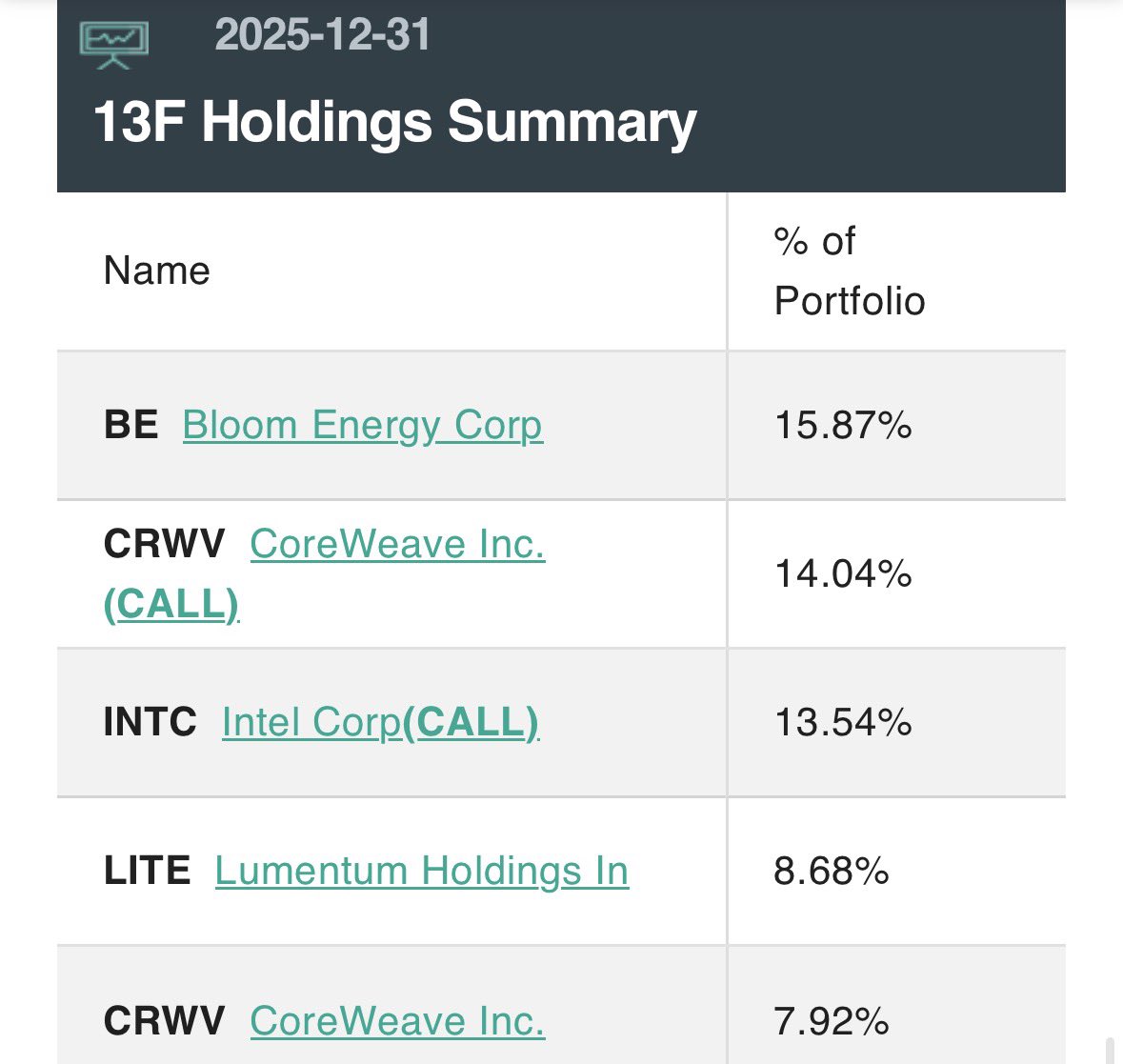
- The fund was built almost entirely on the ideas from the manifesto. The focus is on companies that benefit from the growth of AI infrastructure—chip manufacturers, data centers, cloud providers, power generation, and infrastructure. Shorting InfoSys companies, longing companies, manufacturers of generating infrastructure, buying up Bitcoin miners to repurpose them into AI data centers... In the last three months alone, the fund has added 1.5B.
This is undoubtedly an outstanding young man. The main question is: is his success due to skill or just good timing and coincidence?

English
yadgen.eth retweetledi
yadgen.eth retweetledi
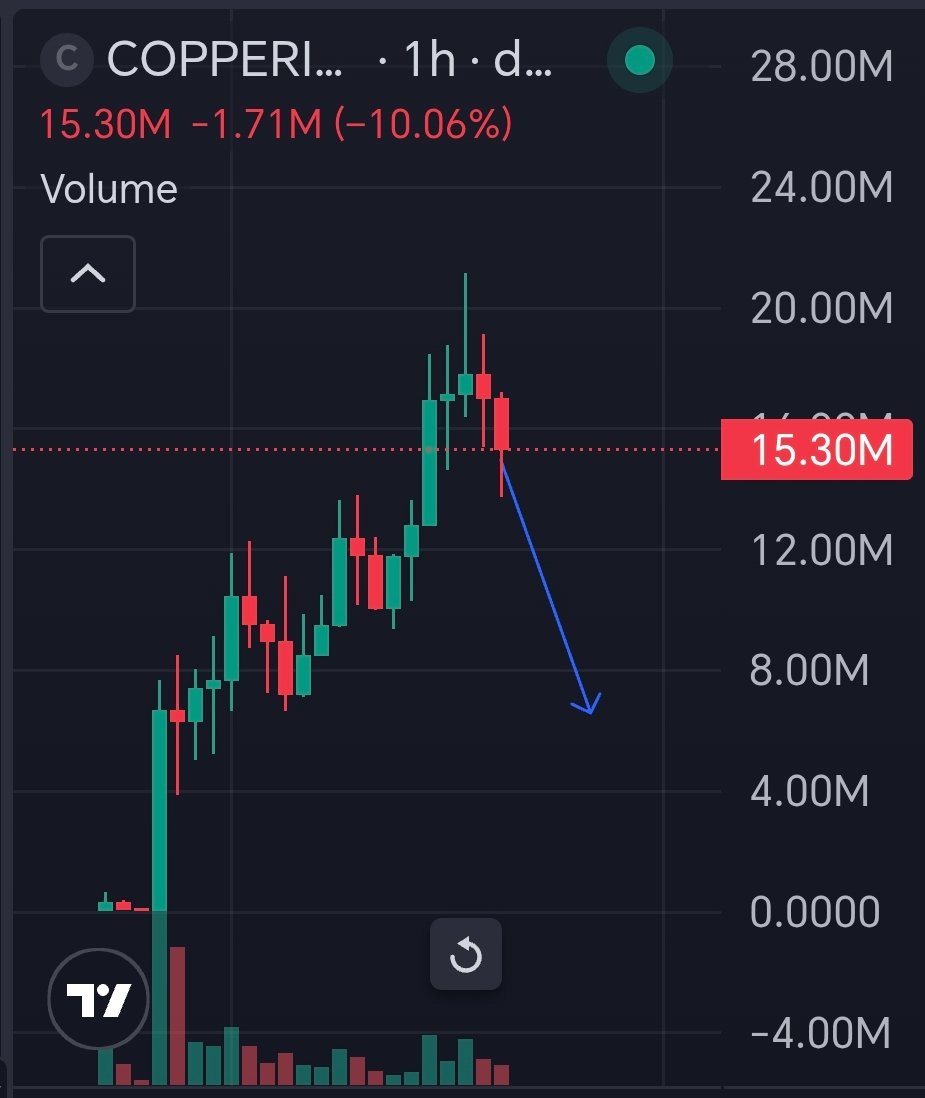
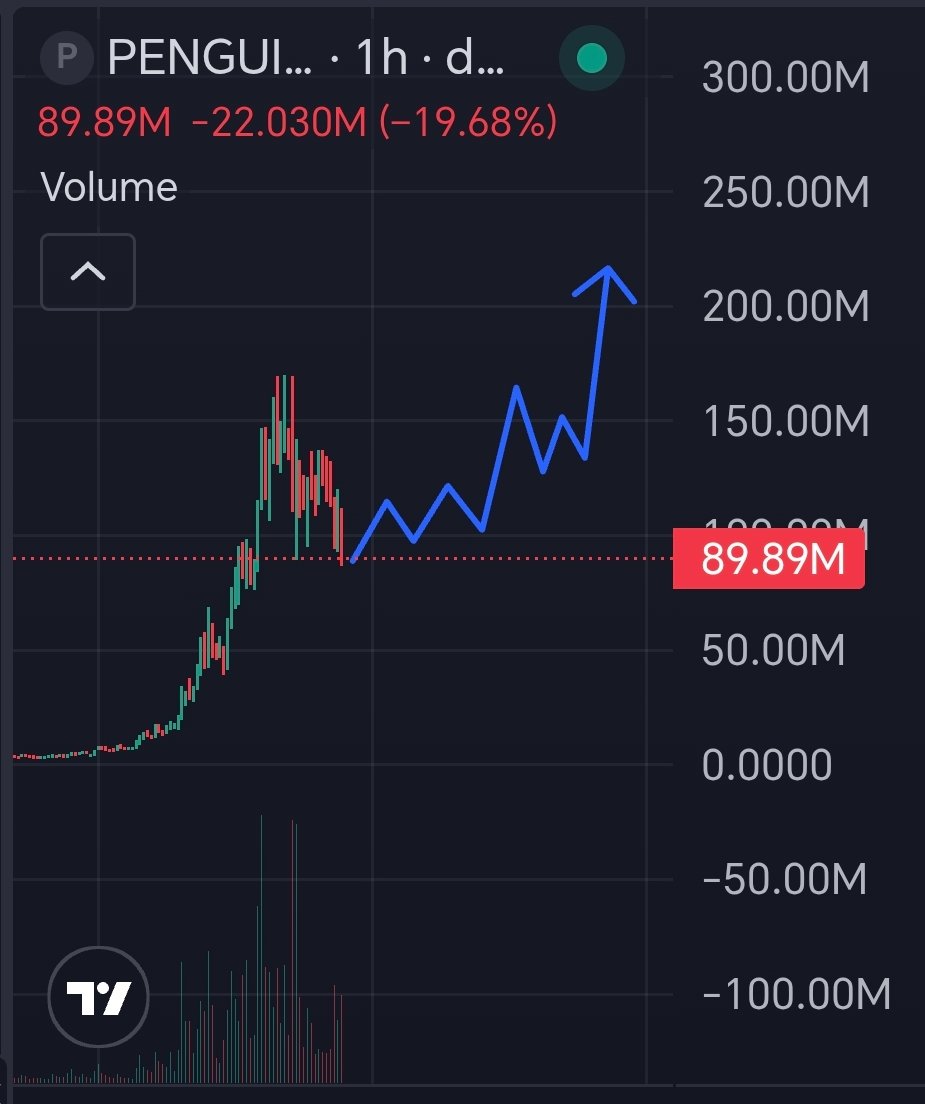
$PENGUIN is literally every trencher
You came here to go to those very “mountains”
You are ready to walk these 70 km if you are still here
You will die for what you do because you love it so much if you are still in the ranks
$PENGUIN is the embodiment of every trader, their style, their disagreement with the rules of the common world and the financial system
English
yadgen.eth retweetledi

yadgen.eth retweetledi

How to make predictions on Polymarket more successfully than others?
It seems like a simple question, and everyone knows the answer. But many forget the SIMPLEST truths that ANY self-respecting (this is an important trait) trader should adhere to:
<> Be yourself. Explore only those markets that you either understand or that you are REALLY interested in.
The mistake most people make is that they either blindly follow someone else's predictions or jump into every market in an attempt to hit the jackpot. This doesn't work in classic trading, let alone in prediction markets
You must understand the issue. You must understand the subject. You must love what you do and study. Only then will you succeed
<> Adapt. Conduct research constantly. Repeatedly.
The market is volatile, quotes are volatile, and you always need to keep an eye on this. And you always need to adapt to this; the same strategy will NOT work forever, the rules of the game have long since changed in ALL markets
Without thorough and detailed research into the smallest details, your thesis is incompetent a priori, and there will always be someone who can do it better than you if you suddenly become LAZY
<> Develop your trading system and risk management system.
As with any trading, skills are EXTREMELY important. You must clearly understand the risk involved in EVERY trade. You must clearly understand stop triggers. You must clearly understand take profits
Ultimately, you must have ironclad conviction in every trade you make. If you are not willing to stake your money on your prediction, then you are not confident in your words, your prediction, or your decision
Overtrading also harms your deposit, sometimes even more than all of the above
>< We have all entered a new field for us - Prediction Markets ><
Here, it is extremely important to UNDERSTAND THE RULES of each market. Here, it is extremely important to be able to see and understand each individual situation. And it will not be easy here
The sooner the majority understands this, the faster we will be able to cultivate a community of real and smart traders. @Polymarket is about systems, intelligence, and quality, but definitely not about gambling

English
Looks like this is the safest market on the entire Polymarket for 2026
Travolta@travolta1337
METEORITE STRIKE ON EARTH An interesting event has appeared on @Polymarket, where you can predict whether a meteorite with a power of at least 5 kt will hit our planet Earth in the coming year. This market has already attracted a decent amount of interest, and most traders believe that a strike on Earth will occur I am absolutely certain that this is purely speculation and has nothing to do with real science. My choice is, of course, “NO” Market: polymarket.com/event/5kt-mete… > For the next two years, scientists are not aware of any known objects with a non-zero probability of impact. > Precise estimates from the Earth Impact Effects Program (EIEP) model show that for an airburst with an energy of about 5 kt, the frequency is approximately once every 4.6 years. For 19 kt, it is once every 10 years, and for more powerful ones (for example, 82 kt), it is once every 27 years. Statistical estimate based on the Earth Impact Effects Program (EIEP) model, where the cumulative frequency of such events is about 0.38 per year (taking into account the distribution of energies from 5 kt and above) These figures are based on observation statistics and modeling of near-Earth object (NEO) flows > Astronomers do not guess, but calculate thousands of scenarios The probability of an impact is the fraction of possible orbits, not an “opinion” That is why analysts give an average statistical chance of 33% of an impact in this or any other year; this is simply a standard figure Since 2021, there have been no events ≥5 kt recorded in CNEOS public data, but this does not change the overall statistics — pauses of 5–6 years are possible at this frequency > Since 1988, according to NASA CNEOS data, about 1,000 fireballs of various magnitudes have been recorded, of which ~20–30 exceed 5 kt. In recent years (after 2020), CNEOS has recorded events <5 kt, but nothing larger than 2–3 kt has been noted in public data for 2026 NASA's Sentry system, which monitors potential impacts, has recorded two objects with a very low probability of impact in 2026. Object “2013 TP4” Probability of impact: 0.0035% Object “2023 BZ” Probability: 0.0038% NASA rules out significant risks from known asteroids in the coming years, including 2026; all potential impacts have probabilities below 0.01% <> As a result, we have a picture that it is SIMPLY ACCEPTED IN THE WORLD that once a year a meteorite falls somewhere on Earth. But in fact, this is idle talk without facts, without scientific opinion, without justification. Everything indicates that there is currently no REAL data on possible such impacts. Therefore, it is simply foolish to bet on “YES” <>
English
Polymarket High Win Rate Strategy
Many people spend weeks trying to automate profitability using @Polymarket, employing vibecoding or highly complex computational mechanisms... but it can be much simpler if you just use your imagination
I have found a solution that has shown a win rate of over 80% for the last month and over 70% for the last 90 days, and it requires absolutely no programming skills on your part, just your attention, perseverance, and at least a basic understanding of the market. But remember, the most important thing is to be patient and respond to signals according to your strategy in a timely manner
So, you will need:
- Market for $BTC or any other currency with a 15-minute timeframe; All tests were conducted with Bitcoin, market: polymarket.com/event/btc-updo…
- TradingView account, preferably with a basic subscription, to track backtesting in real time and change parameters at your discretion
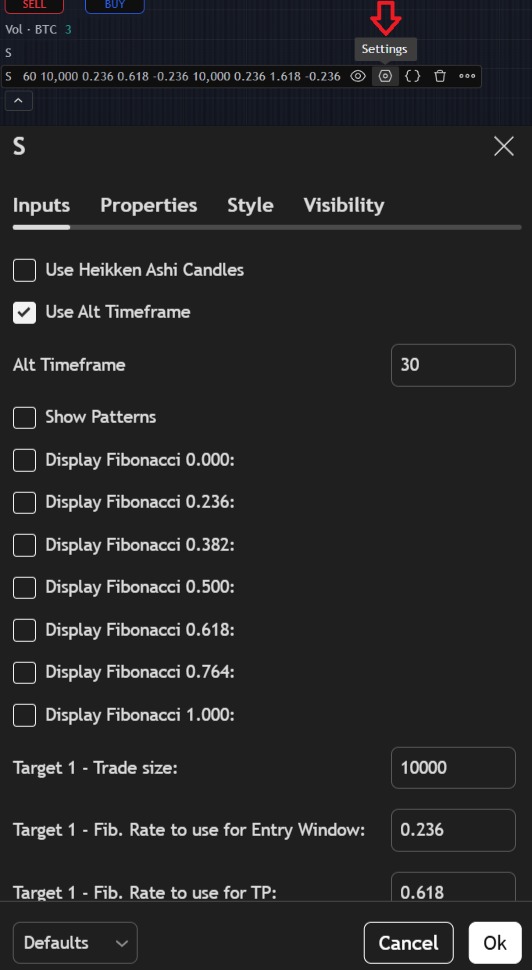
- Next, open the BTCUSD chart on Bitstamp in TradingView, Select a 15-minute timeframe. At the top of the screen, click on “Indicators” and enter “Strategy” in the search field. At the top of the screen, click on “Indicators” and enter ‘Strategy’ in the search field. We need “[STRATEGY][RS]ZigZag PA Strategy V4.1.” Click on it and the strategy will be added to the chart. I also recommend clicking on the star icon
- Next, open the strategy settings and set “Alt Timeframe=30”
You can uncheck all Fibonacci and pattern display options to make the chart clearer
- Now that the strategy is fully operational, your only task is to wait for a long or short signal. Depending on the signal, choose a “YES” or “NO” position on Polymarket in the corresponding market (in this case, 15m on BTC)
Disclaimer: Backtests were conducted using various indicators and dozens of different strategies, parameters, and variations. At the moment, this is the best solution that has been found, and it is practically free
It is incredibly important to be patient. As you can see, trades are not that frequent, but the win rate is impressive. This is not a sprint, it is a marathon. Only those who use their heads and critical thinking skills at the right time, those who came here to earn money in the long run, will win. Enjoy


English
@travolta1337 @Polymarket @PolymarketTrade Strategy looks really solid
So... I can use TradingView for Polymarket and win on this? Crazy
English
yadgen.eth retweetledi
Zendaya's pregnancy is nothing more than rumors
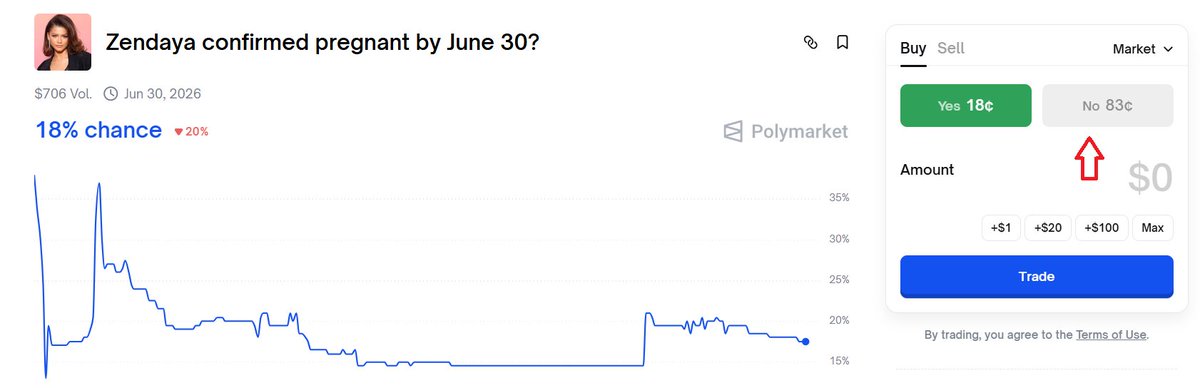
It's funny, but @Polymarket is one of the few platforms where you can earn money on predictions AGAINST various rumors about certain celebrities. For example, like with Zendaya, who is ALLEGEDLY pregnant. Market:
polymarket.com/event/zendaya-…
<>Arguments that people put forward in favor of pregnancy:
- Photos of Zendaya wearing looser-fitting clothes
- She has been appearing less often on camera and posting less on social media
<> But all of this is undermined by a number of truly OBJECTIVE arguments that say Zendaya is NOT PREGNANT:
- She doesn't appear on camera as often and posts less on social media? She is a famous person and has a lot of work, plus it's the holiday season. Nothing surprising there
- Looser-fitting clothes? It's just her style, nothing more. There's no need to look for hidden meanings where there aren't any
- Production of the movie “Dune Messiah” will begin in early 2026. No studio would sign a contract with a pregnant actress; no one wants those risks and financial costs, which amount to tens of millions of dollars
- Immediately after filming “Dune,” there will be a promotional tour, which has been confirmed
- The filming schedule for various resources and film studios is literally planned out for the entire year, and all information is available to EVERYONE on the internet
The easiest 18% on absolutely ANY SIZE with a prediction of “NO.” Thanks to Polymarket for the easy money


English
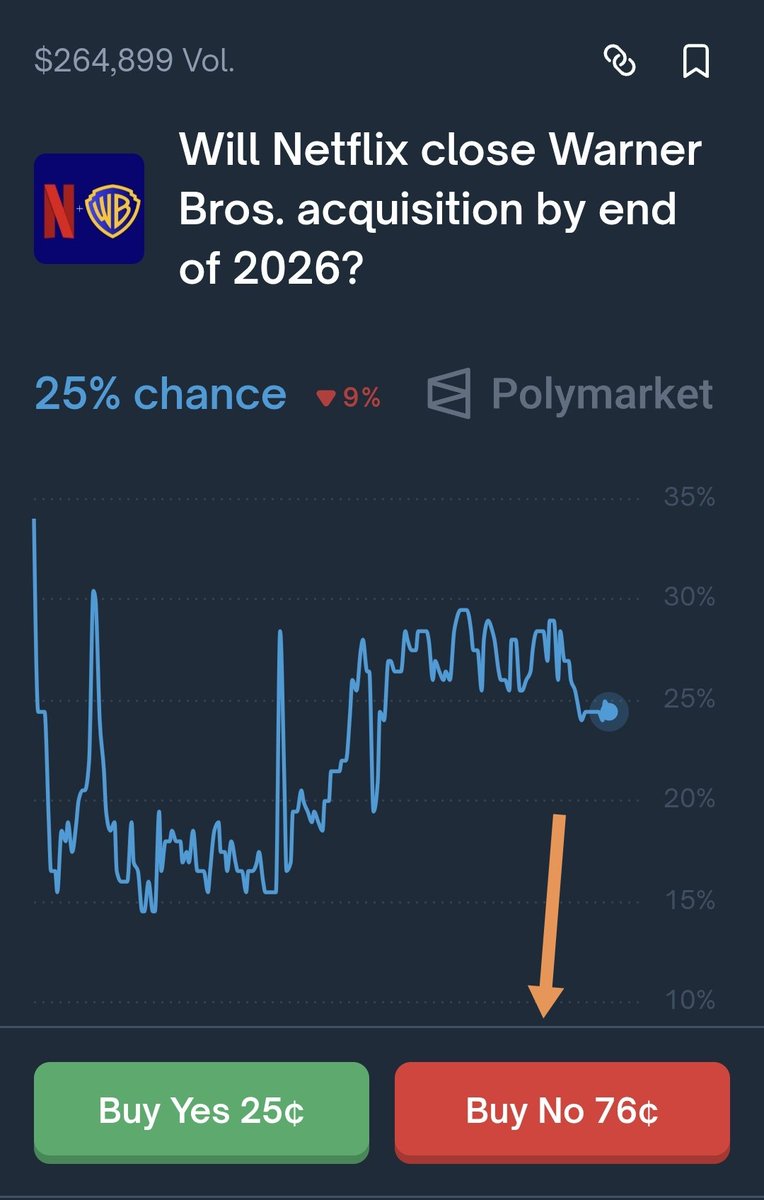
Netflix will face enormous difficulties in acquiring Warner Bros
In the end, the deal will still go through, but it will most likely take more than a year to complete. The global dominance of large streaming platforms is a huge threat and essentially a monopoly over the market, which is why everything possible will be done to prevent Netflix from buying Warner Bros
My prediction is “NO”
Most traders on Polymarket agree with me and are betting that this deal will not be completed before the end of 2026. Also you too can make your prediction here:
polymarket.com/event/will-net…
But let's go through the main points in detail:
> Elizabeth Warren and even Trump have already made it clear that they do not approve of such consolidation
> The Ministry of Justice will delay this process until 2027 or may block it entirely. A very influential lobby is monitoring this deal
> The merger between Paramount and Skydance took about 13 months. This merger is much more complicated, especially given the hostile bid, which can be considered more advantageous for existing WBD shareholders
> More than a dozen different countries must go through their regulatory authorities before this deal can be finalized. It is a very lengthy bureaucratic process
I am almost certain that Netflix will eventually buy Warner Bros., but not in 2026, and I will definitely bet on this event as soon as a prediction for it appears. Here's why:
> If you look at Paramount's latest balance sheet, about 68% of their revenue goes to cover current expenses, leaving very little room for financial resources. And only 38% is just terrible for a company that wants to compete with Netflix
> Netflix is also backed by Wells Fargo. That means they have liquidity. The more than $80 billion deal is the best price for Warner Bros
> It is evident that in the current circumstances, Netflix excels at business better than anyone else
Always read the prediction rules carefully. In this case, there is a clear deadline of December 31, 2026. It is practically impossible to complete the deal before that date. This is the most important point in my prediction, and that is why I choose “NO”
English
English
☻/
/▌
/\ This is Bob. Copy and paste him so he can take over internet. $Bob
5Q9XAG8b5JPrjkTwwRnQXDmAyQB8UuzrLYWbuKAdpump
English