
Yomi Fawehinmi
42.4K posts

Yomi Fawehinmi
@yomitheprof
Christian, Husband & Dad. Author | Speaker | Consultant |Trainer in HR, Career mgt, Learning & Development, DIEB, Leadership, Change Management & Education


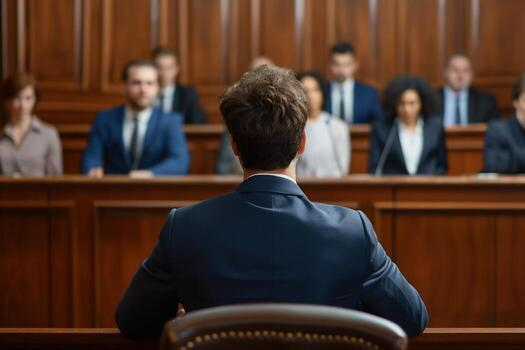
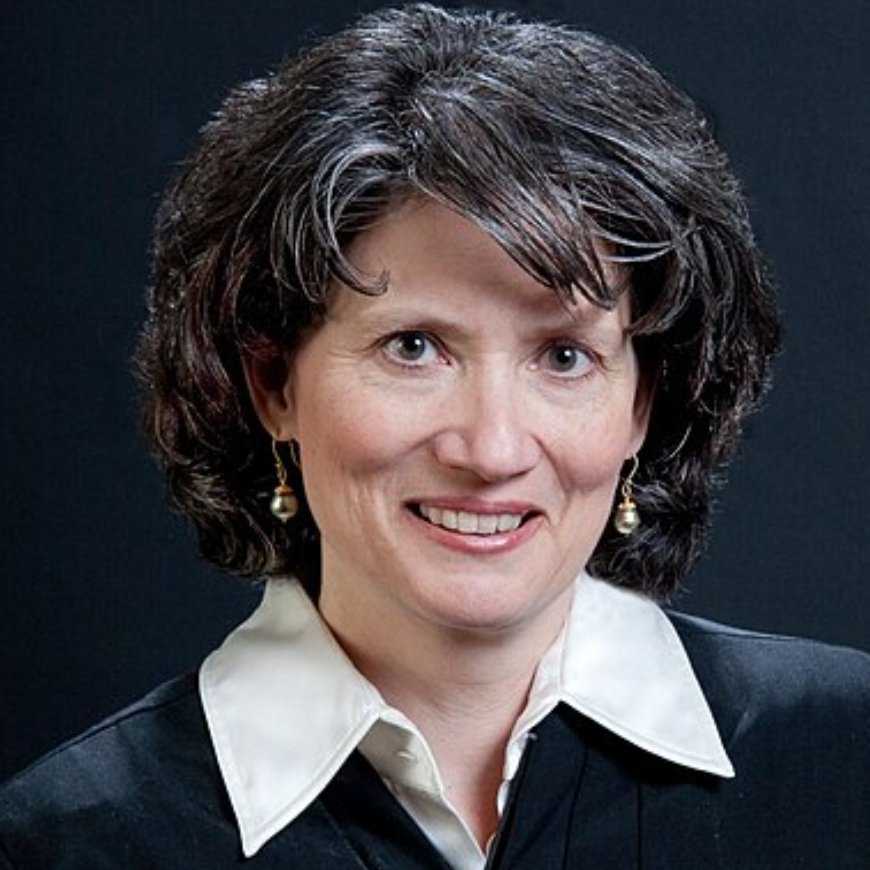
JUST IN: Jury instructions begin on Day 13 of Musk v. OpenAI trial, judge explains "clear and convincing evidence" standard Judge Yvonne Gonzalez Rogers began reading jury instructions on Day 13 of the Musk v. Altman/OpenAI federal trial in Oakland federal court. The judge explained the "clear and convincing evidence" standard of proof that applies to certain claims and defenses in the case. Judge Gonzalez Rogers told the jury that when a party has the burden of proving a claim or defense by clear and convincing evidence, the party must present evidence that leaves the jury with "a firm belief or conviction" that it is "highly probable" the factual contentions of the claim or defense are true. The judge clarified that this is a higher standard than the typical preponderance of the evidence used in civil cases, but lower than the proof beyond a reasonable doubt standard used in criminal cases. The judge then walked the jury through what constitutes evidence and what does not. Evidence the jury may consider: - Sworn testimony of any witness - Exhibits admitted into evidence - Stipulated facts agreed between the parties - Facts accepted by the court Not evidence: - Arguments and statements by lawyers - Questions and objections by lawyers - The court's rulings on objections - Testimony that was excluded or struck from the record On objections specifically, the judge told the jury that attorneys have a "duty to their clients to object" when they believe a question is improper. Jurors "should not be influenced by the objection or the court's ruling on it," she said.


JUST IN: Jury may disbelieve ALL of a witness's testimony if they "deliberately testified untruthfully" about something important, judge instructs on Day 13 Judge Yvonne Gonzalez Rogers continued her jury instructions in the Musk v. Altman/OpenAI trial, walking the jurors through how to weigh evidence and assess witness credibility. The judge gave a powerful instruction on witness credibility: if jurors decide a witness "deliberately testified untruthfully about something important," they "may choose not to believe anything that that witness has said." The judge listed the factors jurors may consider in evaluating witness credibility: - The opportunity and ability of the witness to see, hear or know the things to which they are testifying - The witness's memory - The witness's manner while testifying The judge also explained the difference between direct and circumstantial evidence, using a classic legal example. She told jurors that seeing a wet sidewalk in the morning might lead them to infer it rained the night before, but a turned-on garden hose could provide an alternative explanation. Direct and circumstantial evidence carry equal weight in the jury's consideration, the judge said. The judge also instructed jurors that expert opinion testimony is allowed "because of the specialized knowledge, skill, experience, training or education of these witnesses." She also told jurors they must ignore any question to which she sustained an objection.


JUST IN: Judge lays out legal framework for Elon Musk's breach of charitable trust claim against Altman, Brockman and OpenAI Foundation, Day 13 Judge Yvonne Gonzalez Rogers walked the jury through the plaintiff's claims in the Musk v. Altman/OpenAI trial. The first claim is breach of charitable trust against Sam Altman, Greg Brockman and the OpenAI Foundation. The second claim is restitution based on unjust enrichment, brought against Altman, Brockman, the OpenAI Foundation and OpenAI Group PBC. To prevail on the breach of charitable trust claim, the judge instructed that Musk must prove two elements: 1. That in making one or more charitable contributions to a defendant, Musk created a charitable trust through that contribution 2. That the defendant then breached the terms of the charitable trust A charitable trust requires (a) a proper manifestation by the plaintiff of intent to create a trust, (b) trust property and (c) a charitable purpose, the judge explained. The judge listed the recognized categories of charitable trust purposes: - Relief of poverty - Advancement of knowledge - Advancement of religion - Promotion of health - Government or municipal purposes - Other purposes beneficial to the community The "advancement of knowledge" category is directly applicable to OpenAI's stated mission of AI research for the benefit of humanity. The judge also instructed on corporate liability. She told the jury that "a corporation is considered to be a person" and "can only act through its employees, agents, directors and officers." A corporation is therefore responsible for the acts of its employees, agents, directors and officers acting within the scope of their authority.


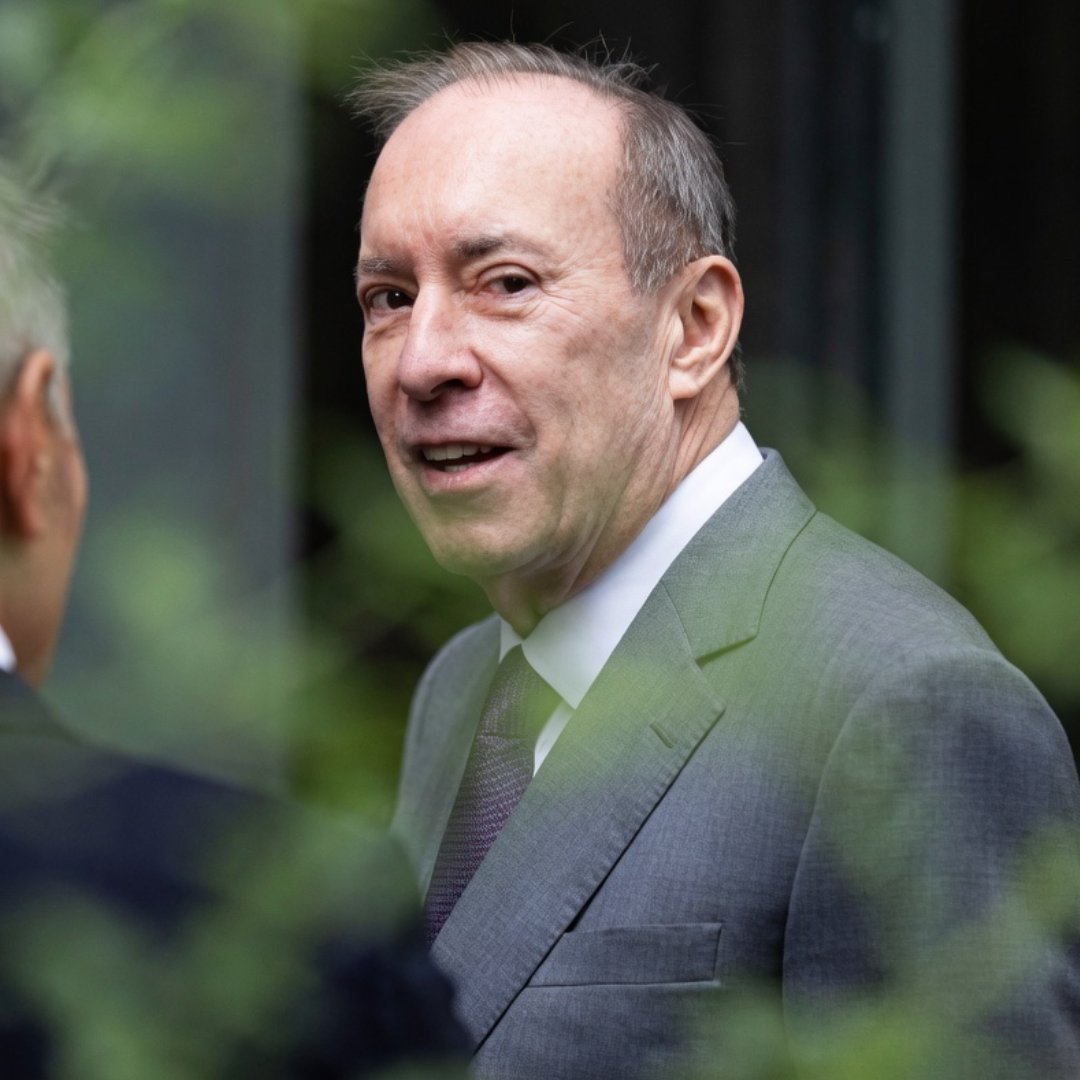
JUST IN: Elon Musk's lawyer Steve Molo attacks Sam Altman's trustworthiness in closing argument, Day 13 of trial Steven Molo, Elon Musk's lead counsel, continued his closing argument by walking the jury through key jury instructions and challenging the credibility of Sam Altman and Greg Brockman. On the burden of proof, Molo emphasized that the plaintiff must prove the claims by a preponderance of the evidence. Molo told the jury that even if it were "51-49," the jury could find with conviction for the plaintiff if they thought Musk's side was "just a little bit better." The judge's earlier instructions specified that the standard depends on whether the alleged trust was oral (clear and convincing evidence required) or written (preponderance of the evidence sufficient). On circumstantial evidence, Molo reminded the jury that circumstantial evidence carries equal weight to direct evidence. On witness credibility, Molo went directly at Greg Brockman. He told the jury that based on his transcript review, "17 times during the testimony" he had to ask Brockman to answer the question rather than give a prepared speech. Molo then turned to Sam Altman. He recounted his cross-examination of the OpenAI CEO: Molo: "Are you completely trustworthy?" Altman: "I believe so." Molo: "Don't you know whether you're completely trustworthy or not?" Altman: "I'll just amend my answer to say yes." The exchange was a centerpiece of Molo's credibility attack on the OpenAI defendants.


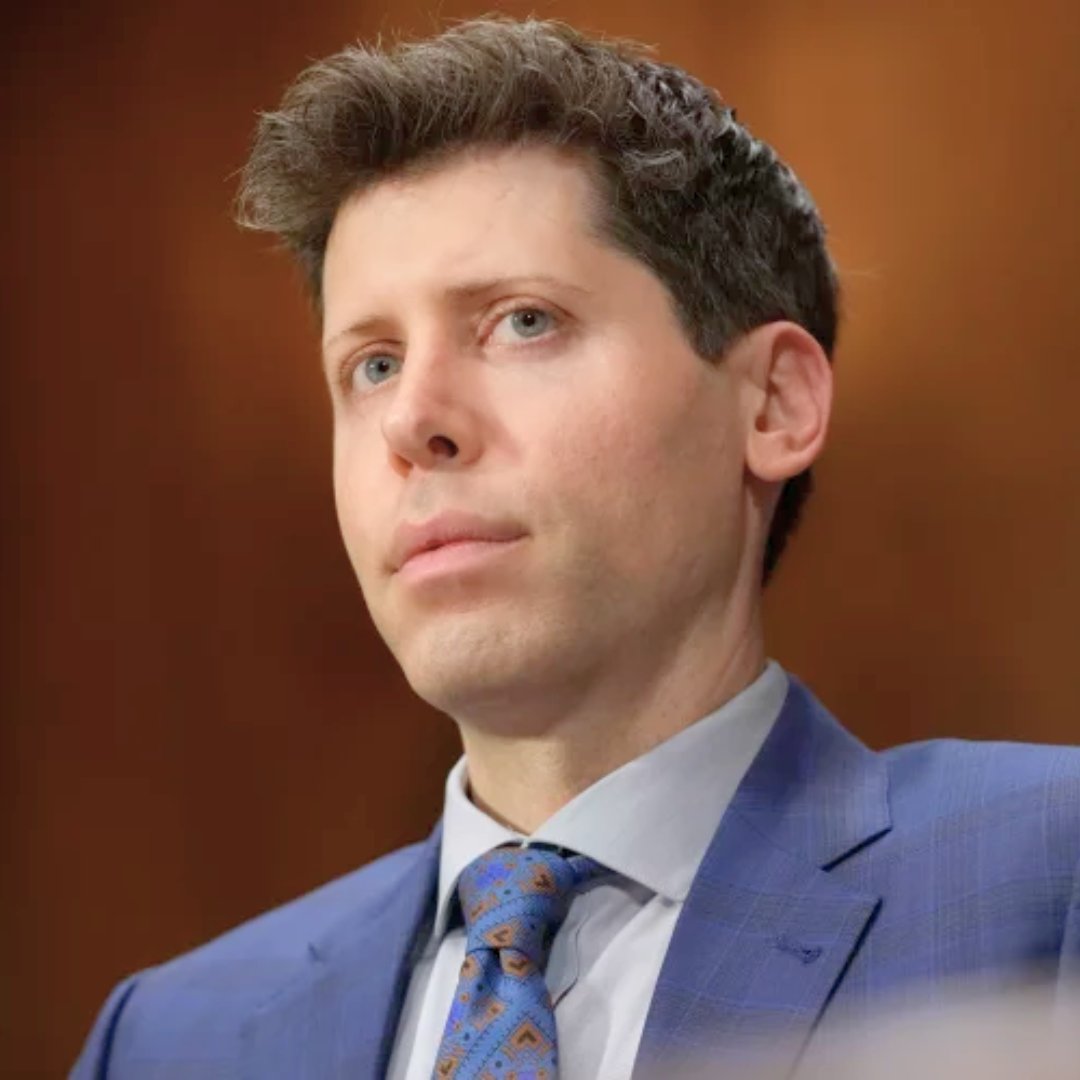
BREAKING: Five witnesses called Sam Altman a liar under oath, Elon Musk's lawyer reminds jury in closing argument on Day 13 Continuing his closing argument, Steven Molo, Elon Musk's lead counsel, pressed his attack on Sam Altman's credibility before the jury. Molo reminded jurors that during cross-examination, he had asked Altman: "With whom do you do business?" Altman's response did not address the question. Altman said only that he believed he was "an honest and trustworthy person." Molo then turned to the most damning evidence against Altman: five witnesses in this very trial, all people who have known and worked with Altman for years, called him a liar under oath. Those witnesses include: - Ilya Sutskever, OpenAI co-founder and former chief scientist - Mira Murati, former OpenAI CTO - Helen Toner, former OpenAI board member and Georgetown professor - Tasha McCauley, former OpenAI board member - Elon Musk, OpenAI co-founder and plaintiff in the case When Molo confronted Altman with this fact, Altman's response was: "I've not had a chance to listen to his testimony." Molo argued that a "truthful person" would have said "of course, I'm following the testimony of this case." Molo then drove home what he called the central point. He told the jury that "Sam Altman's credibility is directly at issue" and that the defendants "absolutely need you to believe Sam Altman."


JUST IN: "OpenAI exists because Larry Page called me a speciesist," Elon Musk's lawyer tells jury in closing argument on Day 13 Steven Molo, Elon Musk's lead counsel, walked the jury through OpenAI's founding purpose and Musk's original vision for the nonprofit. Molo told the jury that the evidence was clear OpenAI's purpose was to create a nonprofit that would build "safe AI that would be open sourced." He then recounted the famous origin story of OpenAI, in Musk's own words, that came out during the trial. "The reason OpenAI exists is because Larry Page called me a speciesist," Molo quoted Musk as saying. Musk added that "speciesist" was a "word I never heard before." Molo explained the context: Larry Page, the Google co-founder, had not taken AI safety seriously enough in Musk's view. Musk believed Page found him to be a problem "for being pro-humanity," and that there had to be "some kind of counterbalance to Google." That counterbalance was OpenAI, founded in 2015 as a nonprofit committed to developing safe artificial intelligence that would be open sourced and broadly beneficial to humanity. Molo also highlighted the AI risks Musk and the founding team were concerned about, including the potential for mass unemployment and the dangers of concentrated corporate control over the technology. The argument framed OpenAI's pivot to a for-profit, capped-profit structure dominated by Microsoft as a betrayal of those original safety and humanity-first principles.


BREAKING: Closing arguments begin in Musk v. OpenAI trial as Musk's lawyer slams Sam Altman's $30 billion equity stake on Day 13 Steven Molo of MoloLamken, lead counsel for Elon Musk, opened closing arguments on Day 13 of the federal trial in Oakland. Molo wasted no time targeting OpenAI's governance and Sam Altman directly. He reminded the jury that OpenAI was created as "a nonprofit devoted to the safe development of artificial intelligence" and that its purpose was the benefit of humanity. He then contrasted that mission with what OpenAI has become. Molo described "a senior insider who never provided any funding at all" who now has an equity stake worth $30 billion, in an apparent reference to Altman. Molo also targeted Altman's track record of "admittedly conflicted" transactions involving big dollars and big companies. He noted that another OpenAI insider received at least $7 million according to court testimony. "What could possibly be wrong with that? A lot," Molo told the jury. "Common sense tells you that there's a lot more of that." Molo closed his opening section of the argument by thanking the jury for their engagement throughout the trial. "We are very comfortable in trusting our fate in your hands," he said. The closing arguments mark the final stage before the jury begins deliberations on Musk's claims that OpenAI breached its charitable mission and that Altman, Brockman and the OpenAI Foundation should be held liable.

𝗬𝗔𝗕𝗔𝗧𝗘𝗖𝗛 𝗺𝗮𝘁𝗿𝗶𝗰𝘂𝗹𝗮𝘁𝗲𝘀 17,130 𝘀𝘁𝘂𝗱𝗲𝗻𝘁𝘀, 𝘄𝗮𝗿𝗻𝘀 𝗮𝗴𝗮𝗶𝗻𝘀𝘁 𝗰𝘂𝗹𝘁𝗶𝘀𝗺 𝗥𝗲𝗮𝗱 𝗠𝗼𝗿𝗲: punchng.com/yabatech-matri…


BREAKING NEWS: The Federal High Court sitting in Abuja has sentenced former Minister of Power, Saleh Mamman, to 75 years in prison for stealing public funds totalling about ₦33.8 billion.