
Sabitlenmiş Tweet
zactician
1.6K posts


zactician
@zactician
Strategic degeneracy refined through discipline, science, and the occasional cold plunge.
Katılım Nisan 2012
474 Takip Edilen454 Takipçiler
zactician retweetledi

zactician retweetledi

zactician retweetledi

Men admire in women masculine virtues (self-accountability, logic, composure, self-command) expressed through feminine embodiment - not as an imitation of man, but as a refinement of character.
Women admire in men feminine virtues (empathy, tenderness, intuition, receptivity) expressed through masculine embodiment - not as softness without toughness, but as completeness.
So each sex seeks the best of its own principle integrated in the opposite, their natural polarity preserved but elevated.
Men and women are thus seeking the best of themselves in their opposite in stable contrast - a marriage within so there can be a marriage between - recursive union - what beauty!
English
zactician retweetledi

Elon Musk avait dit un truc qui m'avait marqué sur l'allocation de ressources. En substance : passé un certain niveau de richesse, l'argent n'est plus de la consommation, c'est de l'allocation de capital.
Cette phrase change tout.
L'économie, dans le fond, c'est juste un problème d'allocation. Tu as des ressources finies et des usages infinis. Qui décide où va quoi ?
Imagine une cour de récré. 100 enfants, des paquets de cartes Pokémon distribués au hasard. Tu laisses faire. Très vite, un ordre émerge. Les bons joueurs accumulent les cartes rares, les collectionneurs trient, les négociateurs trouvent des deals. Personne n'a planifié. Et pourtant chaque carte finit dans les mains de celui qui en tire le plus de valeur. Le système maximise le bonheur total de la cour. C'est ça, la main invisible.
Maintenant fais entrer la maîtresse. Elle trouve ça injuste. Léo a 50 cartes, Tom en a 3. Elle confisque, redistribue, impose l'égalité. Trois effets immédiats. Les bons joueurs arrêtent de jouer, à quoi bon. Les mauvais n'ont plus de raison de progresser, ils auront leur part. Les échanges s'effondrent. La cour est égale, et morte. Elle a maximisé l'égalité, elle a détruit le bonheur.
Le problème de la maîtresse, c'est qu'elle ne peut pas avoir l'information que la cour avait collectivement. C'est le problème du calcul économique de Mises, formulé en 1920. L'URSS a essayé de le résoudre pendant 70 ans avec le Gosplan. Résultat : pénuries, queues, effondrement. Pas parce que les Soviétiques étaient bêtes, parce que le problème est mathématiquement insoluble en mode centralisé.
Quand Musk a 200 milliards, il ne les consomme pas, il les alloue. SpaceX, Starlink, Neuralink, xAI. Chaque dollar est un pari sur le futur. Et lui a un track record. PayPal, Tesla, SpaceX. Il a démontré qu'il sait identifier des problèmes immenses et y allouer des ressources avec un rendement spectaculaire.
L'État aussi a un track record. Hôpitaux qui s'effondrent, éducation qui décline, dette qui explose, services publics qui se dégradent malgré des budgets en hausse constante. Le marché identifie les bons allocateurs, la politique identifie les bons communicants.
Le profit n'est pas une finalité, c'est un signal. Il dit : tu as alloué des ressources rares vers un usage que les gens valorisent suffisamment pour payer. Plus le profit est gros, plus la création de valeur est grande. Quand Starlink est rentable, ça veut dire que des millions de gens dans des zones rurales ont enfin internet. Quand un ministère est en déficit, ça veut dire qu'il consomme plus qu'il ne produit. L'un crée, l'autre détruit, et on appelle ça redistribution.
Dans nos sociétés il y a deux catégories d'acteurs. Les entrepreneurs et les bureaucrates. L'entrepreneur prend un risque personnel pour identifier un problème, mobiliser des ressources, créer une solution. S'il se trompe il perd. S'il a raison, ses clients gagnent, ses employés gagnent, ses fournisseurs gagnent, l'État collecte des impôts. Il est la cellule de base du progrès humain.
Le bureaucrate ne prend aucun risque personnel. Son salaire est garanti. Au mieux il maintient une rente existante. Au pire il la détruit par excès de réglementation, mauvaise allocation forcée, incitations perverses qui découragent ceux qui produisent. Mais dans aucun cas il ne crée.
Regarde les 50 dernières années. iPhone, internet civil, SpaceX, Tesla, Google, Amazon, Stripe, mRNA, ChatGPT. Toutes des inventions privées, portées par des entrepreneurs, financées par du capital risque. Pas un seul ministère n'a inventé quoi que ce soit qui ait changé ta vie au quotidien.
La France est devenue le laboratoire mondial de la dérive bureaucratique. 57% du PIB en dépenses publiques, record absolu. Une administration tentaculaire, une fiscalité qui pénalise la création de richesse. Résultat : décrochage face aux États-Unis, à l'Allemagne, à la Suisse. Fuite des cerveaux. Désindustrialisation. Dette qui explose.
Et le pire c'est que la mauvaise allocation s'auto-renforce. Plus l'État prélève, moins les entrepreneurs créent. Moins ils créent, moins il y a de base fiscale. Plus l'État s'endette et taxe. Boucle de rétroaction négative parfaite. La maîtresse pense qu'elle aide, et chaque année la cour produit moins.
Dans nos sociétés, ce sont les entrepreneurs, toujours, qui font avancer la civilisation. Les bureaucrates au mieux maintiennent une rente, au pire la détruisent. Aucune société n'a jamais progressé en taxant ses créateurs pour subventionner ses gestionnaires.
La question n'est jamais qui a combien. C'est qui alloue le mieux la prochaine unité de ressource pour maximiser le futur de l'humanité. La réponse depuis 200 ans n'a jamais changé. Ce ne sont pas les fonctionnaires.
Français
zactician retweetledi

Glamorous JP Morgan exec accused of turning married male broker into her office sex slave: Viagra spiking and litany of obscene forced acts that made him cry trib.al/BiXXCM0
English
zactician retweetledi

Elon Musk was asked: “What’s one invention that’s made us worse, not better?”
His answer: short-form video.
He called it straight-up “brain rot.”
And he’s not wrong. A local news report highlighted how kids are getting flooded with dopamine hits every 15–30 seconds from YouTube Shorts and TikTok-style content. Brain scans show overactivation in the reward centers, which over time trains the brain to crave instant gratification, shortens attention spans, and contributes to attention problems, behavioral issues, and even emotional dysregulation.
Doctors are now seeing cases where it’s hard to tell the difference between true ADHD and what they’re calling “environmental ADHD” caused by excessive screen use.
78–84% of kids aged 2–12 are on YouTube, often for 2+ hours a day.
This one feels especially urgent for parents.
How much short-form video are your kids (or you) consuming daily — and have you noticed any real impact on attention span or mood?
English
zactician retweetledi

zactician retweetledi

In David Wilcock’s podcast two days ago, he said he was grateful for being alive and acknowledged how many researchers are being killed or suicided
English
zactician retweetledi

zactician retweetledi

Some extremely profound words of wisdom from Alan Watts.
"One day you'll realize you've already lived through some of the best days of your life and you didn't even know it at the time."
"You were too busy chasing what's next, busy worrying about what's missing. Thinking happiness was something you'd arrive at one day."
"But while you were waiting you were laughing with people who won't always be around. You were making memories in places you'll one day drive past and feel something you can't explain. You were standing in moments that didn't feel like the good old days until they were gone."
"So stop waiting for life to start. You're already living it."
English
zactician retweetledi

President Trump APPROVES Ibogaine for Drug Addiction after speaking with Joe Rogan
The FDA Traitors buried Ibogaine, a miracle cure for 56 years…after America was FLOODED with FENTANYL HELL that turned people into overdosing zombies…
THIS ENDS TODAY 🏆
English
zactician retweetledi

Can you IMAGINE?
8 colleagues in the same Radiology department at Pusat Perubatan UM all hit with Stage 4 cancer and thyroid disorders. AT THE SAME TIME.
possible radiation leak?
instead of fixing it, the HOD allegedly scolded and tried to silence staff who dared speak up about occupational safety
HOD must be fired the moment the investigation is done
also, huge respect to @PSMPetalingJaya for helping the workers raise their voices
PSM Petaling Jaya@PSMPetalingJaya
Something is wrong at UM-PPUM. Reports of a potential cancer cluster have emerged, but instead of transparency, staff are reporting a culture of silence. We’re demanding answers.
English
zactician retweetledi
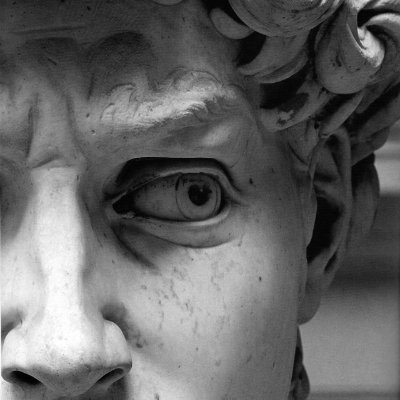
More people fixed their head by just walking outside for couple hours a day than by anything else. i know this for a fact, and it wasnt exercise, it wasnt mindfulness. they were just walking around like they had nowhere to be, looking at stupid fences and dead grass, and somehow their brain went oh we are doing this now ok, and started sorting itself out on its own. even when he walked the valley of shadow, he didnt heal by arriving somewhere. he healed by moving, because theres nothing to sell. just feet and dirt and time
English
zactician retweetledi
Demons. Sacrifices. A Gate to Hell.
Tucker Carlson talking about DMT has to be the best joke I've heard all day.
But he's not joking.
English
zactician retweetledi

If you’re trading prediction markets, check this out
Crisp is my dear friend @Yellowpantherx new project
Most traders miss moves because the data is scattered + execution is slow
This terminal gives you an edge + tools that allow you to track smart money, insider activity + real-time insights for each market
Sign up below 👇🏼

CRISP@CrispPredict
Introducing CRISP The Intelligence & Execution Terminal for Prediction Markets built for humans and AI agents. Signal over Noise; Wins over Losses.
English
zactician retweetledi

zactician retweetledi
You will have the MOST ENERGY when you walk through the world as if you are PASSIONATELY making love to everything in it
Choose to see the BEAUTY, AWE, and WONDER, hidden behind the mundane and ordinary… that everybody else seems to mindlessly sleepwalk through.
And watch what happens.
Few will understand.
English
zactician retweetledi

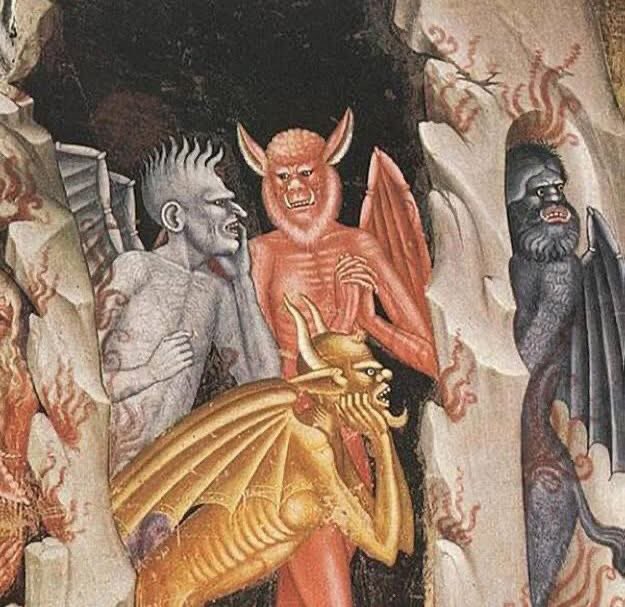
The demons work through thoughts. St. Anthony the Great—a man who spent decades in the desert face-to-face with demons—spoke of this directly: 'The demons have no power over us by themselves. They merely suggest thoughts to us—nothing more.'
What was he thinking? He refers not to the thought itself, but to the first impulse—a spark. Have you ever noticed this? You are calm, and then suddenly, for no reason, a feeling of frustration toward a loved one arises. Or a heavy, unnecessary gloom descends like a fog; or you suddenly want to say something offensive, and the words are already on the tip of your tongue."
Abba Dorotheos of Gaza described Eight Generic Logismoi (tempting thoughts):
1. Gluttony (gastrimargia): Excessive focus on food/drink.
2. Lust (porneia): Sexual immorality or delusional thoughts.
3. Avarice (philargyria): Attachment to money/possessions.
4. Sadness (lype): Grief arising from unsatisfied desires.
5. Anger (orge): Malice or rage.
6. Acedia (akedia): Spiritual listlessness, the "noonday demon".
7. Vainglory (kenodoxia): Seeking human praise.
8. Pride (hyperephania): Self-exaltation and separation from God.
Eight doors and at each door someone is waiting for us when we open it. Abba Evagree spoke not of sins, but of thoughts, of the first movement, because sin does not begin when we have done evil, but the moment we held on to a thought, we accepted it, we began to consider it. Abba Dorotheos of Gaza explains it this way: In the beginning, a thought comes. This is not yet a sin. Then we start talking to him, this is already a danger. Then we agree, this is already a defeat.
Three steps. Every single time. No exceptions. And the amazing thing is that this is exactly what is described in the Gospel, in the story of Christ's temptations in the desert. The devil did not force Christ with force, but offered, throwing away the thought: Turn stones into bread because you are hungry - this is reasonable. Throw yourself down, angels will catch you, that will prove your faith.
Bow down and ye shall receive all the earthly kingdom of the world - this is effective. Every time - a reasonable argument, every time - logic, and every time Christ responded with the word of God. Not with your own reasonings, but with the Word. This is a lesson for each of us. But here arises the question that is more important than it seems: If the devils only throw our thoughts at us, then they do not know what is inside us, then they act blindly? Pay attention here, because the answer to this question explains a lot of things in your life..
English
zactician retweetledi

> walk around your city catching pokémon
> game asks you to scan a fountain. sure why not
> 30 billion scans later
> niantic owns a more detailed map than any government
> sells game for $3.5B
> spins off a spatial AI company
> your pokéwalk is now classified infrastructure
> delivery robots now navigate using your walks
> you were never the player. you were the product.
BuBBliK@k1rallik
English
zactician retweetledi

Buddhism was essential for human evolution.
But Steiner is clear: it is not the final path for humanity.
Why?
Because Buddhism and Christianity aim at two completely different destinies for the human being.
Buddhism arose at a moment when humanity had already lost the old clairvoyant connection with the spiritual world.
The Buddha looked at life honestly and saw what no one could deny: sickness, aging, death, and suffering everywhere.
His conclusion:
Life in the world is bound to suffering.
Desire binds us to rebirth.
Freedom lies in overcoming the thirst for existence.
From this insight came one of the purest moral teachings in history: compassion.
Steiner repeatedly says the Buddha gave humanity a sublime gift; a profound gospel of compassion and renunciation.
But Buddhism ultimately points in one direction:
Freedom from earthly existence.
Christianity enters history with a completely different impulse.
Christ does not say: escape the world.
Christ says: transform the human being so the world itself can be redeemed.
The Buddhist path seeks liberation from rebirth.
The Christian path seeks the awakening of the higher “I” within the human being.
This is why Steiner says Buddhism was a magnificent preparation, but not the final stage of evolution.
Buddhism teaches compassion.
Christ gives humanity the power to transform existence itself.
Buddhism points toward Nirvana; release from the wheel.
Christ points toward resurrection; the transformation of the human being through the divine living within.
Or as St. Paul expressed it:
“Not I, but Christ lives in me.”
For Steiner, that sentence describes the future of humanity.
Not escape from the world.
But the spiritualization of the world.

English