Based Igor

4.7K posts

Based Igor

Based Igor

@BasedIgor

Gypsy soul to blame/born for leaving. Faulkner/Kafka/Proust/Joyce lover, former world-class barfly. TwinPeaks/Books/movies/pol and some sports. Happy Days!

USA Entrou em Kasım 2022
580 Seguindo182 Seguidores
Based Igor
Based Igor@BasedIgor·
@Shinich08413513 As someone who graduated HS in '93, the reason Nirvana was more popular was a) Smells Like Teen Spirit is the catchiest of all grunge songs and is supported by a killer video and 2) Kurt Cobain just seemed really cool. And I don't even like Nirvana.
English
1
0
18
1.5K
Based Igor
Based Igor@BasedIgor·
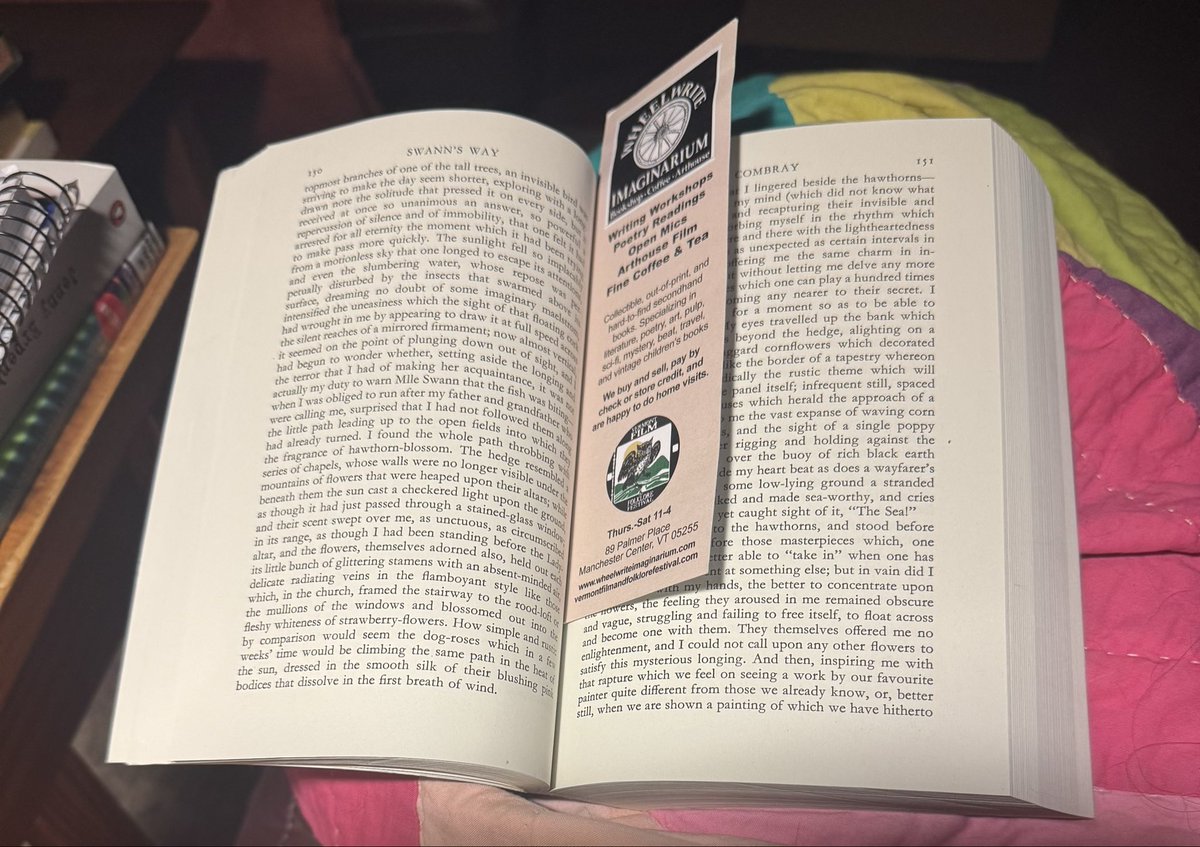
@OdenKate Currently on V5. I started by reading 20-30 pages a day at the end of November and slowed down last month because I don't want it to end.
English
0
0
0
18
Kate Ardis Oden
Kate Ardis Oden@OdenKate·
Trying to wrap my head around reading an hour of Proust a day to finish in five months…
Kate Ardis Oden tweet media
English
9
5
69
4.2K
Based Igor
Based Igor@BasedIgor·
@adrianmckinty Ranks after Apocalypse Now and Paths of Glory and just ahead of Bridge on the River Kwai on my list of best war movies. SPR is the most overrated and cynical war film ever made, big budget torture-porn.
English

9
0
49
8K
Based Igor
Based Igor@BasedIgor·
@ATRightMovies Based on how many times I've watched them, Patton, Barry Lyndon and Gone with the Wind.
English
0
0
2
229
Based Igor
Based Igor@BasedIgor·
@kristenrudd If you haven't read any Faulkner, do NOT start with Sound/Fury. RE BloodMer, hope animal cruelty doesn't bug you too much because there's a ton of it. The Judge is funny/awful tho.
English
1
0
1
176
Kristen Rudd
Kristen Rudd@kristenrudd·
About to start Blood Meridian for the first time. Give me all your best advice.
English

501
3
490
637.6K
Based Igor
Based Igor@BasedIgor·
@TimelessTrvlr I worked in VT twice last year - almost every town in the state feels that way.
English
0
0
2
284
The Timeless Traveler
The Timeless Traveler@TimelessTrvlr·
Montpelier, Vermont is America’s smallest capital....but with no chains, no rush, and bookstores, bakeries, and co-ops at its core, it feels like a place people actually choose to live, not somewhere built to impress.
English
30
40
956
93.5K
Based Igor retweetou
Greg Stoker
Greg Stoker@gregjstoker·
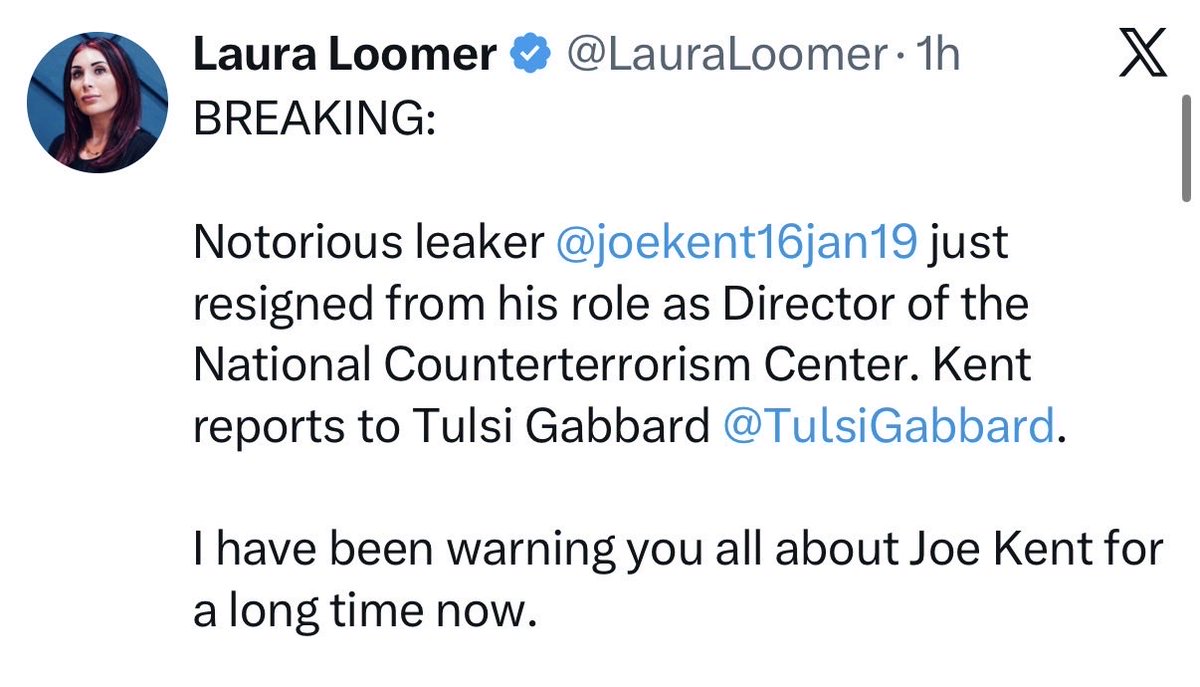
What is happening to Joe Kent should be instructive to every veteran and active service member in the Military - you can fight their wars for decades but the second you say “I don’t want to fight for Israel” they will come after you, your wife, and comb through every last detail of your life in order to destroy and cancel you.
English
438
5K
14.7K
231.6K
Based Igor retweetou
Robert Barnes
Robert Barnes@barnes_law·
If Joe Kent gets investigated before the pedophiles from Epstein Files, you'd have no better proof we've been taken over by a foreign country.
English
645
12.6K
68.5K
835.2K
Based Igor
Based Igor@BasedIgor·
@realMattKParker @nr_wayne It put the hook in me by halfway through the first volume. Now every time I pick it up it's like returning to a conversation with an old friend. I've slowed my pace on it (I started it in late November) because I don't want it to end. Volume 4 is the only one I didn't enjoy.
English
0
0
1
17
John ‘NR’ Wayne
John ‘NR’ Wayne@nr_wayne·
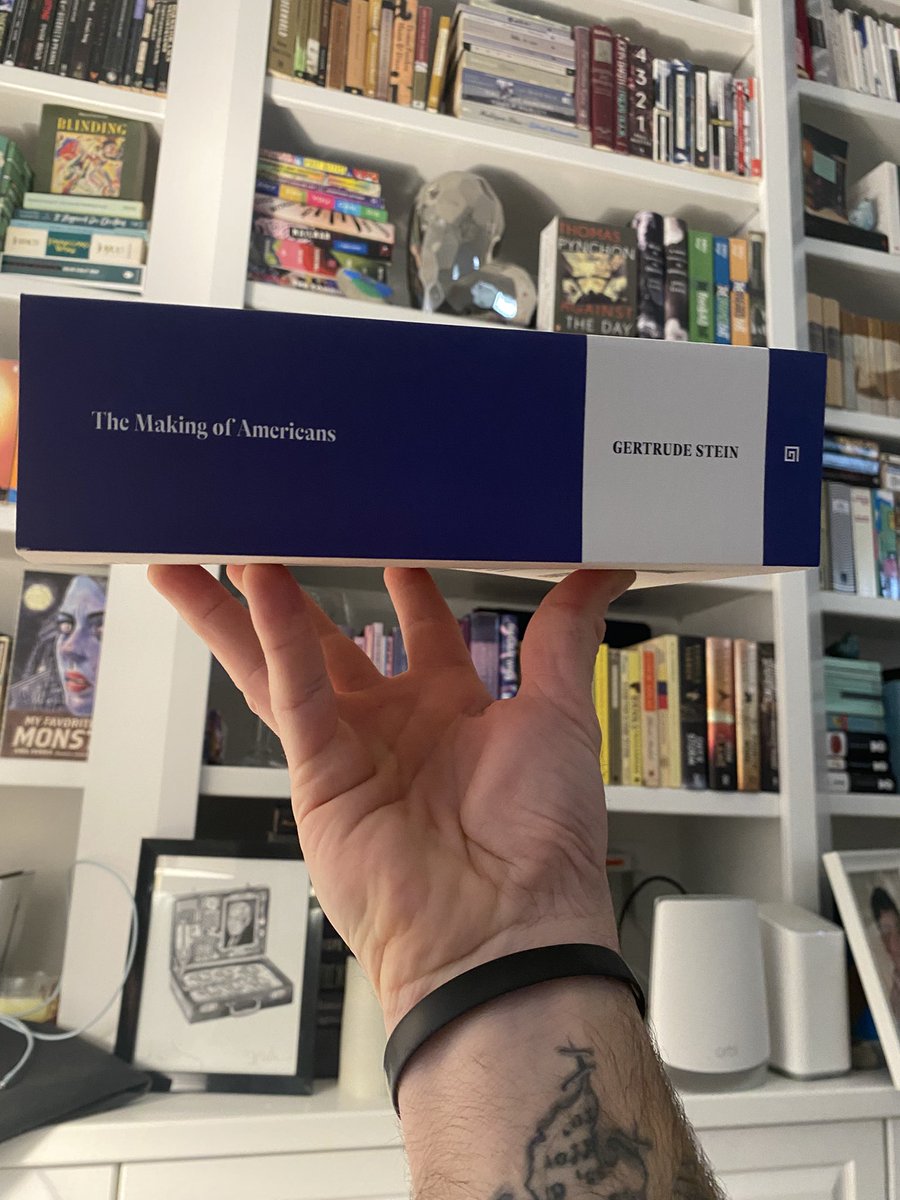
This thing is too big and beautiful not to own, however, certainly seems to garner much mixed reaction within the bookish circles I wander. Please chime in here with your thoughts. I hope to give it a try later this year. Maybe.. Cheers
John ‘NR’ Wayne tweet media
English
18
11
172
13.5K
Based Igor retweetou
Michael Brasher
Michael Brasher@2ndMississippi·
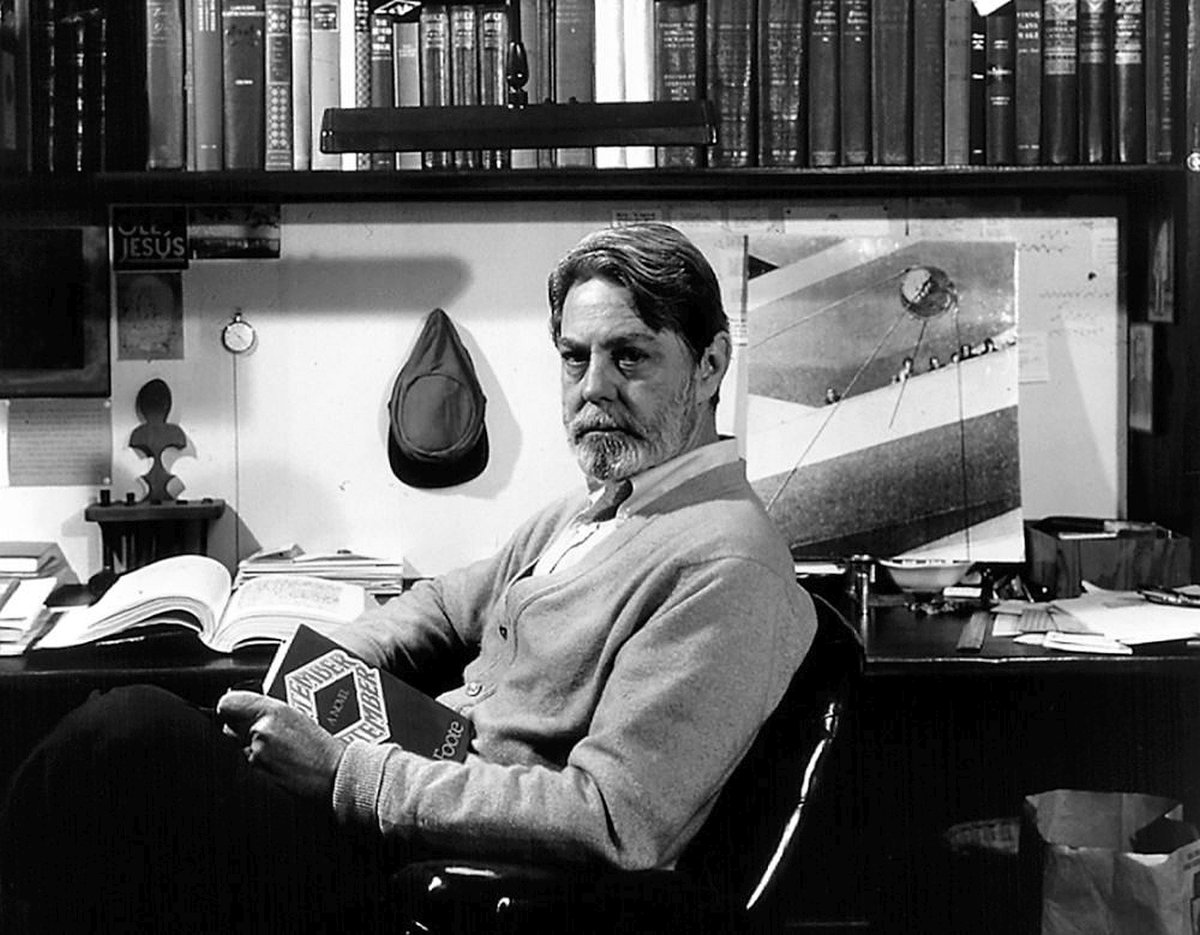
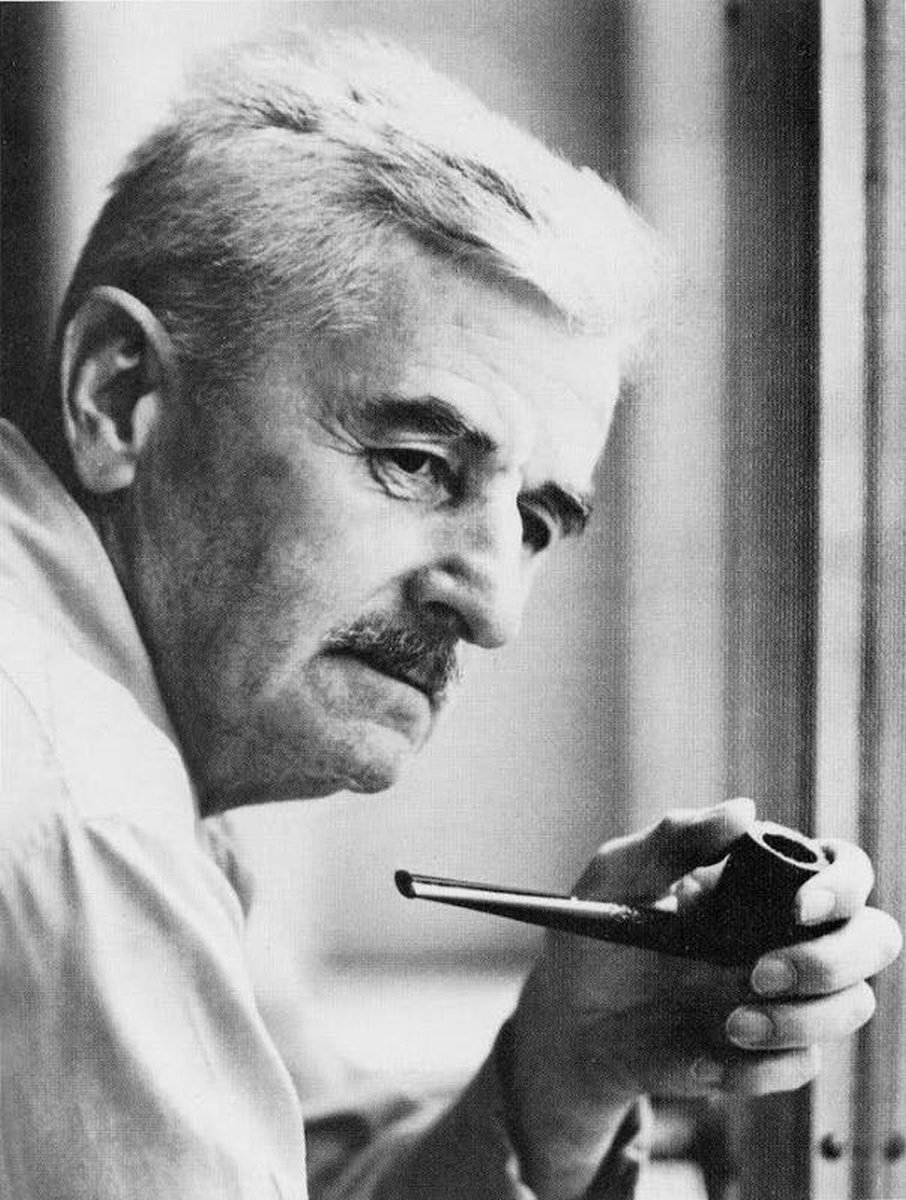
The Allure and Burden of the "Lost Cause" [A note before we begin: I come from deep Confederate Southern roots, and I know the phrase "Lost Cause" carries freight it was never meant to bear. I don't mean here the postwar mythology that whitewashed history or excused what cannot be excused. I mean something older and larger — the thing that Margaret Mitchell and Robert Heinlein and C. Vann Woodward and Shelby Foote and William Faulkner all circled around in their different ways: the strange enduring human pull of causes carried forward even in defeat. I don't normally stray far outside strictly military history, but while I study and write about Atlanta's fall and recall how 'Gone with the Wind' fixed it in memory.... all this makes me occasionally take time and pause to think through what the South's memory of loss did to its literature, its music, its voice.] There is a curious power in a lost cause. Not the kind of power that wins battles or changes governments — the other kind, the kind that outlasts victory, that gets under the skin of a people and won't let go. History knows this. Literature knows it. Even science fiction has grappled with it. Defeat leaves a mark that triumph somehow doesn't. Victories get celebrated, then filed away and half-forgotten. Losses endure. They become identities. Margaret Mitchell understood. When she put words in Rhett Butler's mouth — her roguish, half-cynical hero who had seen through the Confederacy from the start — she gave him the line that would echo longer than anything else in 'Gone with the Wind': "I'm going to join the army. … I've always had a weakness for lost causes once they're really lost." Clark Gable delivered it in the 1939 film almost word for word, and it landed just the way Mitchell meant it: half-romantic, half-rueful, a recognition that there's something noble, even seductive, about throwing your lot in with a cause that cannot win. Not nobility in the cause itself, mind you. Nobility in the gesture — in the going forward when the end is already written. Three decades later, Robert A. Heinlein circled the same truth from a different angle. In 'The Moon Is a Harsh Mistress,' his philosopher-revolutionary Bernardo de la Paz — guiding a Lunar rebellion against Earth that had no business succeeding — put it this way: "Revolution is an art that I pursue rather than a goal I expect to achieve. Nor is this a source of dismay; a lost cause can be as spiritually satisfying as a victory." Where Rhett saw romance, the Professor saw dignity. Principle mattered even when it lost. Maybe especially when it lost. In both cases, defeat became not just an end but a kind of transcendence. These are fictional voices, but they resonate because they're rooted in something real. The South knew it before Mitchell or Heinlein ever set pen to paper. William Faulkner, who carried the South's ghosts in his bones, wrote it plainest in 'Requiem for a Nun': "The past is never dead. It's not even past." For Faulkner, defeat wasn't abstract. It was woven into the fabric of the present — individuals and families and whole communities laboring in webs spun long before their time, bound by consequence and memory they didn't choose but couldn't escape. The Confederacy's loss wasn't a closed chapter. It was a living ghost. C. Vann Woodward gave this sensibility its scholarly form in 'The Irony of Southern History.' He argued that the South bore a burden the rest of the United States did not — couldn't, really, because the rest of the country had never known total defeat. While the nation at large celebrated triumphs and expansion and exceptionalism, the South carried humiliation, poverty, racial crisis, and the plain fact of having been conquered. Woodward put it this way: "Southern history, unlike American, includes large components of frustration, failure and defeat. It includes not only an overwhelming military defeat but long decades of defeat in the provinces of economic, social, and political life." That's not sentiment. That's fact. The South lost the war, then lost the peace, then spent generations losing arguments about what it all meant. Defeat piled on defeat until defeat itself became the defining experience. Shelby Foote — novelist turned historian, Southerner to the marrow — said it even simpler in Ken Burns' 'The Civil War': "As a Southerner I would have to say that one of the main importances of the War is that Southerners have a sense of defeat which none of the rest of the country has." Where Woodward dissected irony, Foote described feeling. That sense of defeat became a cultural inheritance, passed down not in history books alone but in songs, in humor, in manners, in the way people talked about time itself. Taken together — Rhett Butler's gallantry, Heinlein's philosophy, Faulkner's haunted prose, Woodward's historical irony, Foote's cultural lament — these voices converge on a single truth: defeat carries its own kind of permanence. Victories can be celebrated and then forgotten. Losses endure. They become identities. They inspire literature and music, color politics and culture, shape how people see themselves in the stream of history. For the American South, that defeat was the Civil War. The Midwest remembers sacrifice and Union preserved. The West folded the war into its larger frontier myth. The North celebrated vindication. But the South? The South lives with memory of catastrophe. Its cause wasn't merely lost — it was woven into identity itself, inseparable from the question of what it meant to be Southern at all. That's why the South produced so much of the nation's most powerful literature, music, cultural expression. Because it carried the burden of memory. The blues, with its mournful beauty. Country ballads of loss. Faulkner's haunted Yoknapatawpha County, where every field held a ghost and every family carried a curse. All threads in that web. The past is not past. And in the South, defeat proved as enduring — perhaps even more spiritually satisfying — than victory. Shelby Foote and William Faulkner
Michael Brasher tweet mediaMichael Brasher tweet media
English
43
74
374
35.9K
TaraBull
TaraBull@TaraBull·
What thing has got so expensive that you’ve quietly stopped buying it?
English
497
8
120
43.4K
Based Igor retweetou
Gabbar
Gabbar@Gabbar0099·
“Our soldiers are in Israel right now in order to defend the Israelis. Do the Israelis pay for our military? Are they the ones who are shelling out a trillion dollars a year for our military? NO!" Ana Kasparian the only journalist in America with Spine 🔥❤️
English
1.1K
19.6K
90K
1.6M
NUCLR GOLF
NUCLR GOLF@NUCLRGOLF·
⛳️🍹#GOLF DRINK — Dirty Dr. Pepper 🔥 ☄️ Fireball 🍹Amaretto 🥤Dr. Pepper (Via: thefashionIab/TT)
English
33
44
679
180K
Based Igor retweetou
Music is Life
Music is Life@ArtOfMusic_·
Gotta give Afroman his flowers for creating a song that brought us these sweet, fake victim tears 😆😆😆😂😂😂
English
412
2.5K
20.1K
842K
Based Igor retweetou
Uncommon Sense
Uncommon Sense@Uncommonsince76·
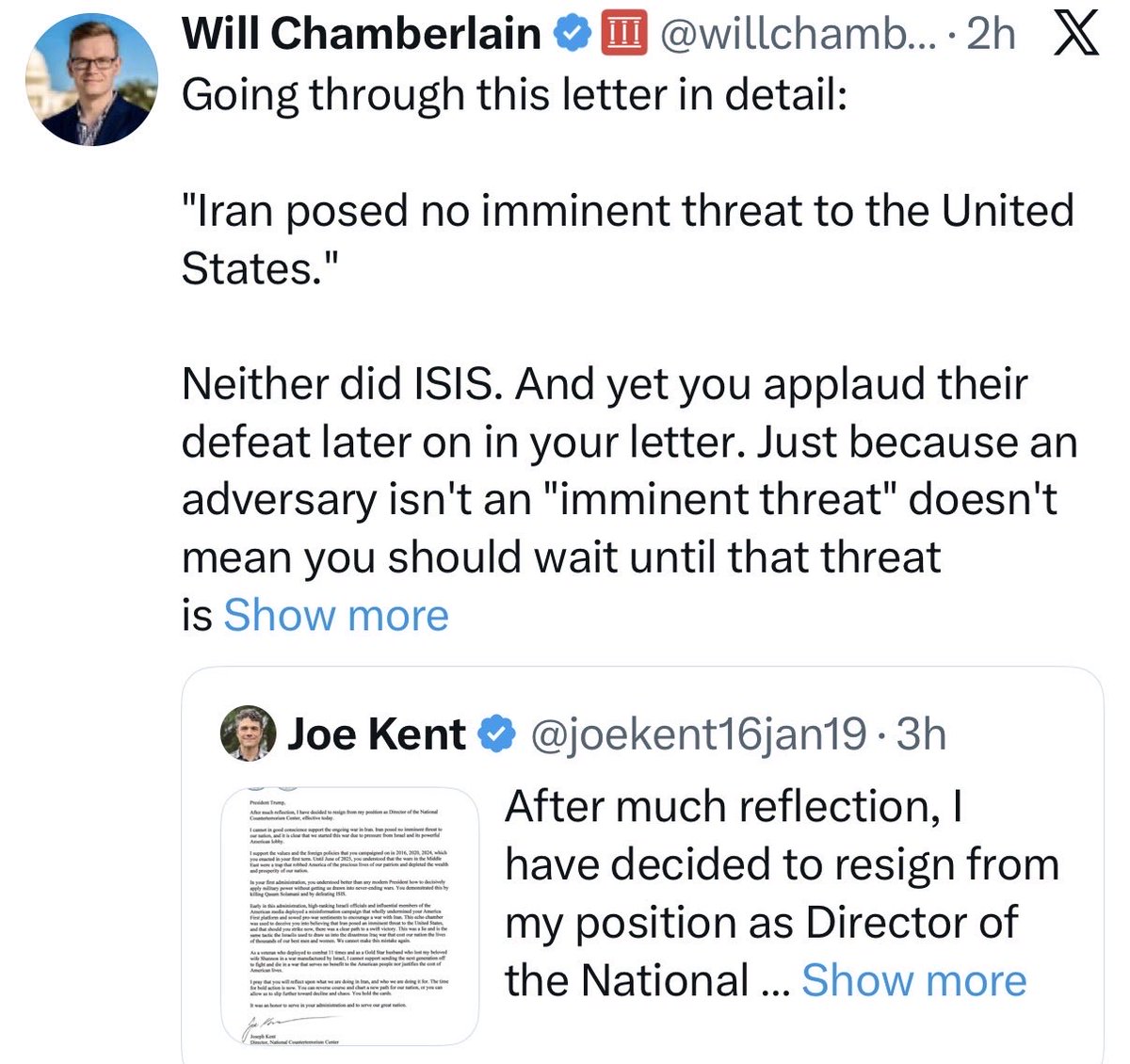
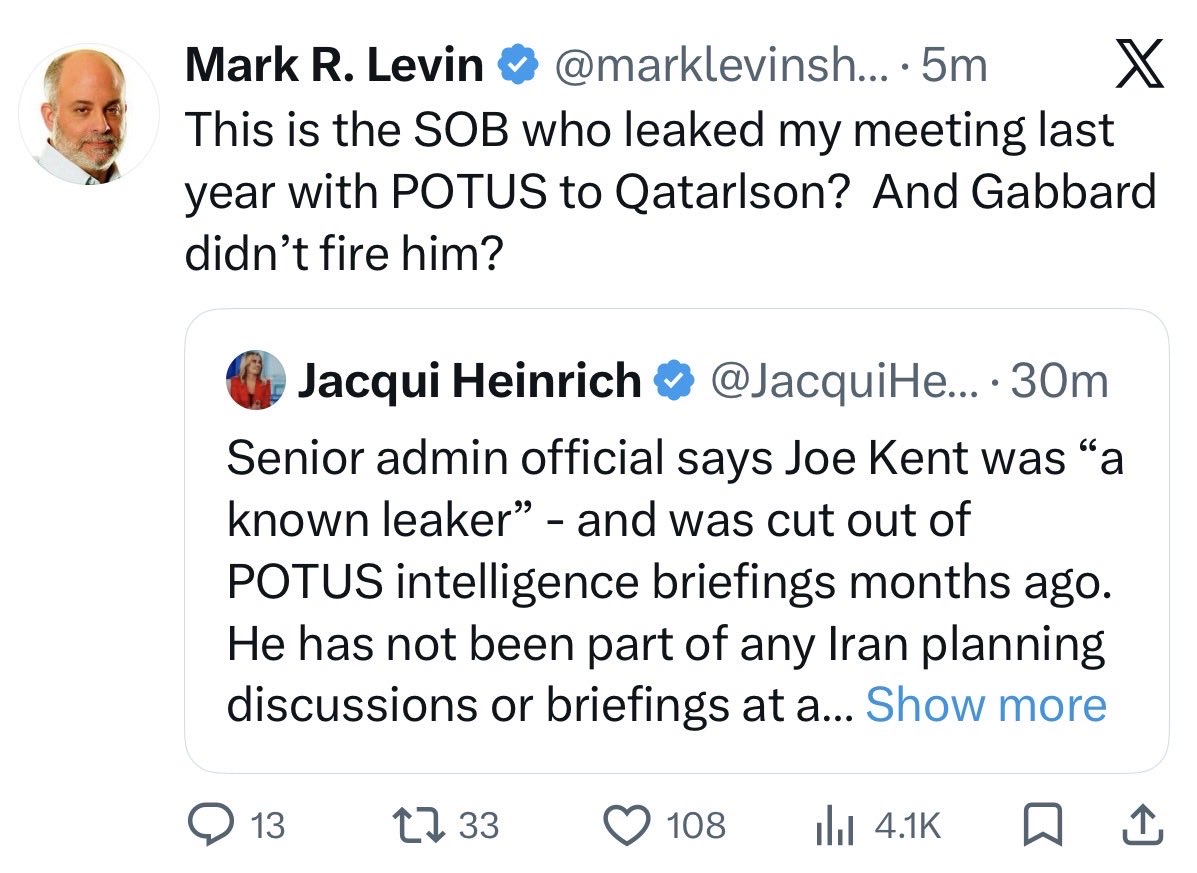
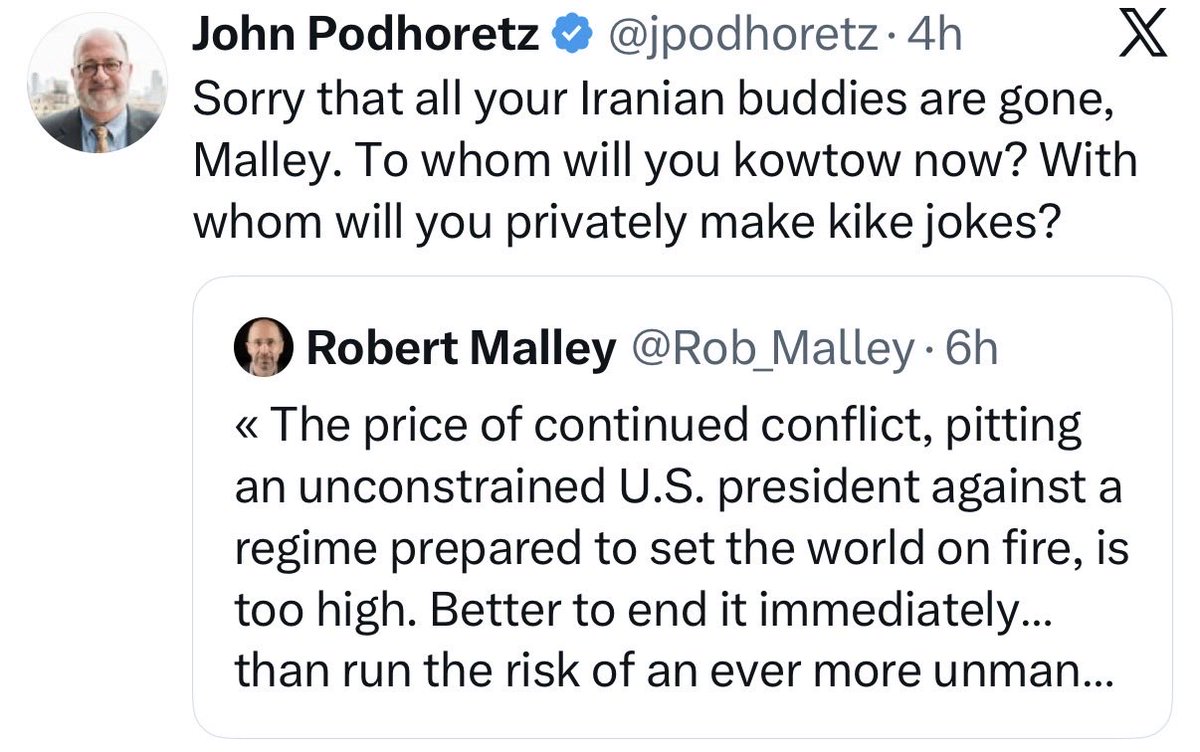
I’m noticing a pattern from all the accounts kvetching over Joe Kent’s resignation…. -Laura Loomer (jew) -Will Chamberlain (jew) -Mark Levin (jew) -John Podhoretz (jew) I also notice virtually every patriotic American supports what he said in his letter. Americans don’t want to die for a foreign government… Curious. 🧐
Uncommon Sense tweet mediaUncommon Sense tweet mediaUncommon Sense tweet mediaUncommon Sense tweet media
English
611
4K
20.2K
412.3K
Based Igor
Based Igor@BasedIgor·
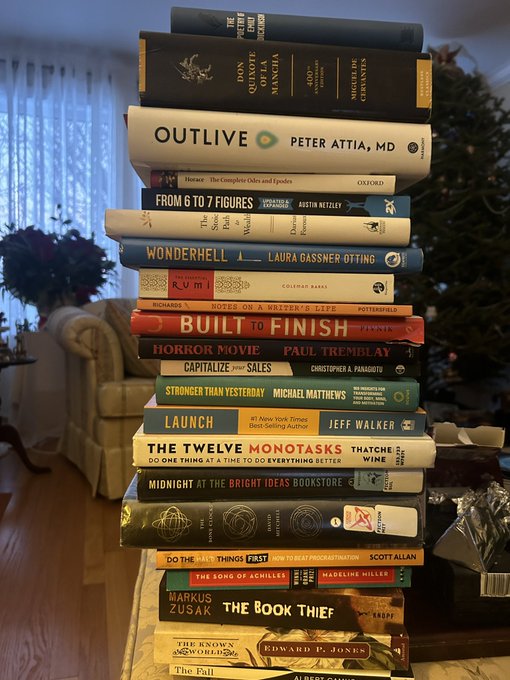
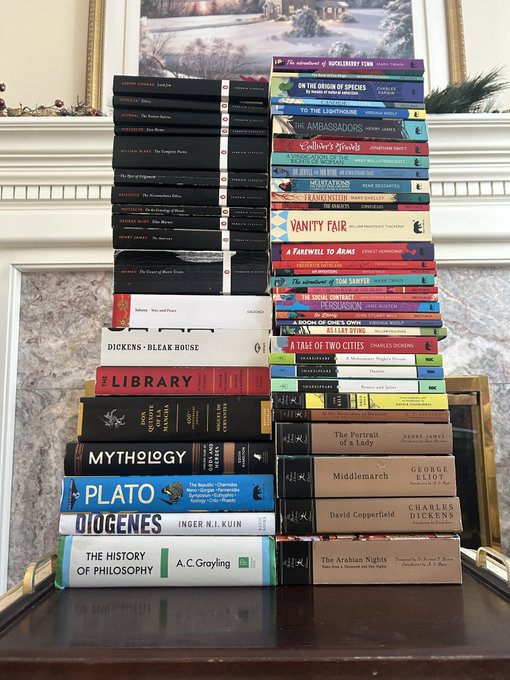
@MattKaramazov Nice - top 3% in books in my library, but even prouder of my being top .14% on TouchTunes.
English
1
0
2
106
Matt Karamazov
Matt Karamazov@MattKaramazov·
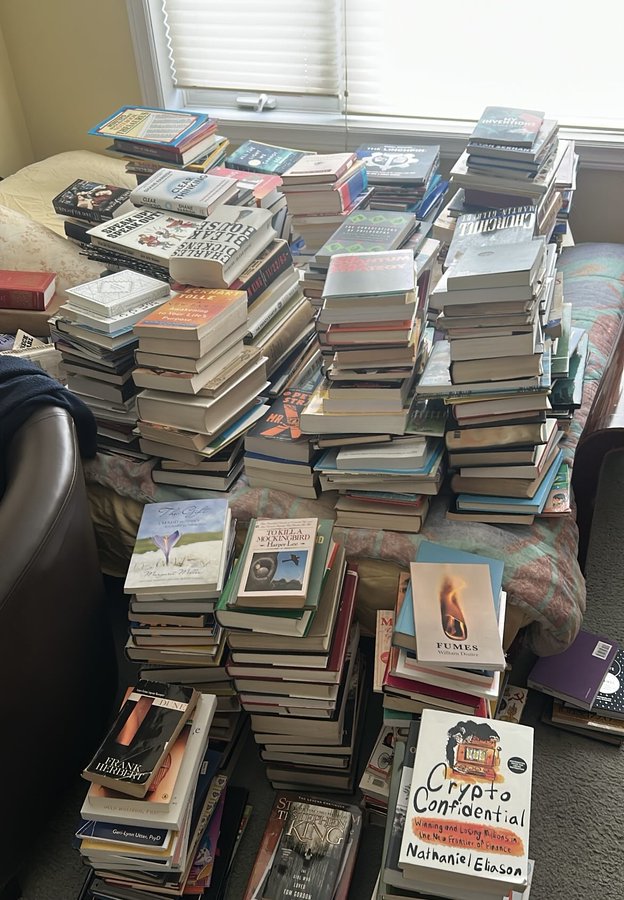
It's totally not a competition, but it looks like I finally made it into the top 3% of something! Where are you? Book Ownership Among Americans: 0 books: 9% 1–10 books: 20% 11–25 books: 14% 26–50 books: 13% 51–100 books: 12% 101–200 books: 10% 201–500 books: 7% 501–1,000 books: 4% Over 1,000 books: 3% *Okay, fine, I'm Canadian. But I couldn't help myself!
Matt Karamazov tweet mediaMatt Karamazov tweet mediaMatt Karamazov tweet mediaMatt Karamazov tweet media
English
26
33
504
22.1K
Based Igor
Based Igor@BasedIgor·
@CigsMake If you haven't read Madden's early 80s memoir "Hey Wait A Minute - I Wrote a Book" I question your love of both literature and classic NFL lore.
English
0
0
2
55
Cigarette Nostalgia
Cigarette Nostalgia@CigsMake·
Vintage Miller Lite commercial hosted by John Madden (1986)
English
3
10
136
14K