
Tweet fixado
Nephron
186 posts

Nephron
@BasiruDawda
RN | PhD Student | Activist | Public Speaker | Pan African
USA Entrou em Kasım 2025
254 Seguindo111 Seguidores


@maurice_voice @euros_kelvin @GhArmedForces @GhPoliceService I was not referencing to you. But who are the innocent civilians here? The ones who shot the military convoy or the ones in the buses escorted by the military?
English

@BasiruDawda @euros_kelvin @GhArmedForces @GhPoliceService If only you knew the facts on grounds you wouldn't be labelling me a suspect.
English

English

@maurice_voice @GhArmedForces Wo Maame tw3 wate
Aboa bi ba te s3 wo
Who's innocent???
Wagyimi anaaaa

Imagine leaving a first date and getting a performance review 😭

English
Nephron retweetou

Nephron retweetou

Foreign corporations are shaping government policy by selling them the dream of a digital revolution, while communities still lack electricity and access to clean water.
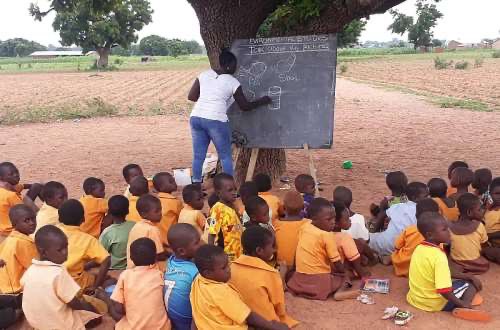
Children are learning under trees without textbooks, yet we somehow expect them to grow and master the digital world.
[ We are a republic of no ideas ]
English
Nephron retweetou
While you hustle, they steal millions. And when you complain, they will tell you to sell more coconuts.
It is good that you are okay with that reality. I am not okay.
We can industrialize today if they stop stealing the millions.
#StopGalamseyNow@LevelmicroMicro
@DonkorST A friend and I currently run a coconut joint and it's very successful. We source the coconut plus transportation at a cost of 4ghc and sells at 10ghc. We are able to sell 150 pieces everyday so do the math, we will expand and make money whiles u wait for givt to industrialize
English
Nephron retweetou

Extraditing a former minister from the USA, who is not even a US citizen, is beyond Ghana's control
Yet you're pushing a bill so dual citizens can hold sensitive positions so that your kids with foreign passports can rule us without losing their advanced country passports. Vim 🥲
DailyGraphic GraphicOnline@Graphicgh
President Mahama: Ofori-Atta extradition beyond Ghana’s control Read more here: graphic.com.gh/news/general-n…
English
I wanted to comment on this, but I still couldn’t find the source of this information. No court name ? No location ? Just a story!
KAY-KAY 🇬🇭@GodsonKankani
A Ghanaian man, Opoku Afriyie, has been sentenced to one year in prison for stealing medication worth GH¢60 from a pharmacy in a desperate bid to treat his rheumatism. According to reports, Afriyie had been prescribed drugs he could not fully afford. With only GH¢20 in his possession, he seized a moment when the pharmacy attendant stepped away and left with the medication without paying. In a surprising twist, he later returned to the same pharmacy to purchase more drugs, where he was immediately recognized and arrested. The court convicted him of theft and imposed a 12-month custodial sentence. The ruling has ignited public debate in Ghana, with many citizens questioning the severity of the punishment given Afriyie’s poor health and dire financial situation.
English
A citizen who cannot afford medication worth $6 should prompt any prosecutor with a conscience to acknowledge they are operating within a deeply dysfunctional state.
At worst, jurisprudence demands a suspended sentence or community service for someone who is, plainly, a victim of that same dysfunction.
Instead, the state deploys resources probably worth more than a hundred times the amount he took, to punish a sick man for being poor. This is what the law looks like when it is built to oppress rather than protect.
KAY-KAY 🇬🇭@GodsonKankani
A Ghanaian man, Opoku Afriyie, has been sentenced to one year in prison for stealing medication worth GH¢60 from a pharmacy in a desperate bid to treat his rheumatism. According to reports, Afriyie had been prescribed drugs he could not fully afford. With only GH¢20 in his possession, he seized a moment when the pharmacy attendant stepped away and left with the medication without paying. In a surprising twist, he later returned to the same pharmacy to purchase more drugs, where he was immediately recognized and arrested. The court convicted him of theft and imposed a 12-month custodial sentence. The ruling has ignited public debate in Ghana, with many citizens questioning the severity of the punishment given Afriyie’s poor health and dire financial situation.
English
Nephron retweetou

We did it for Africa and all people of African descent.

English
Nephron retweetou
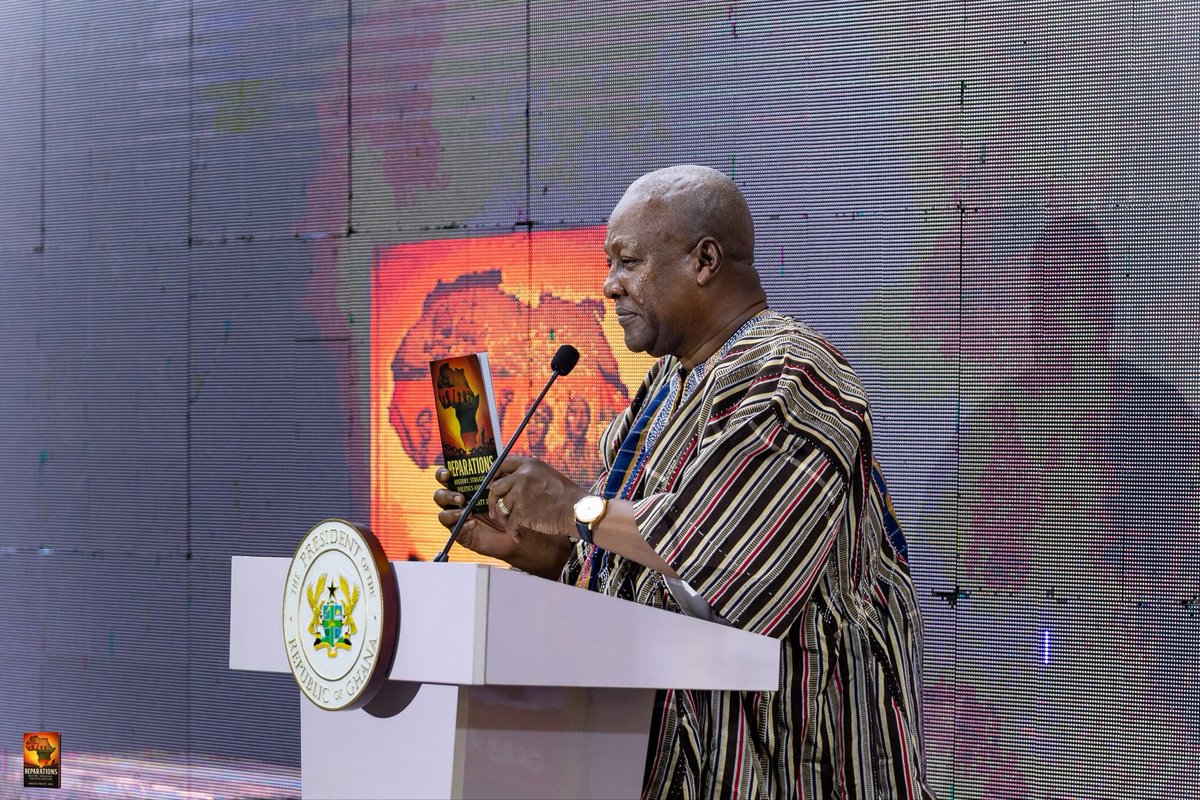
Today at the UN plenary on the transatlantic slave trade, H.E. John Dramani Mahama introduced a resolution condemning the transatlantic slave travel as a crimes against humanity, pushing reparations back onto the global agenda.
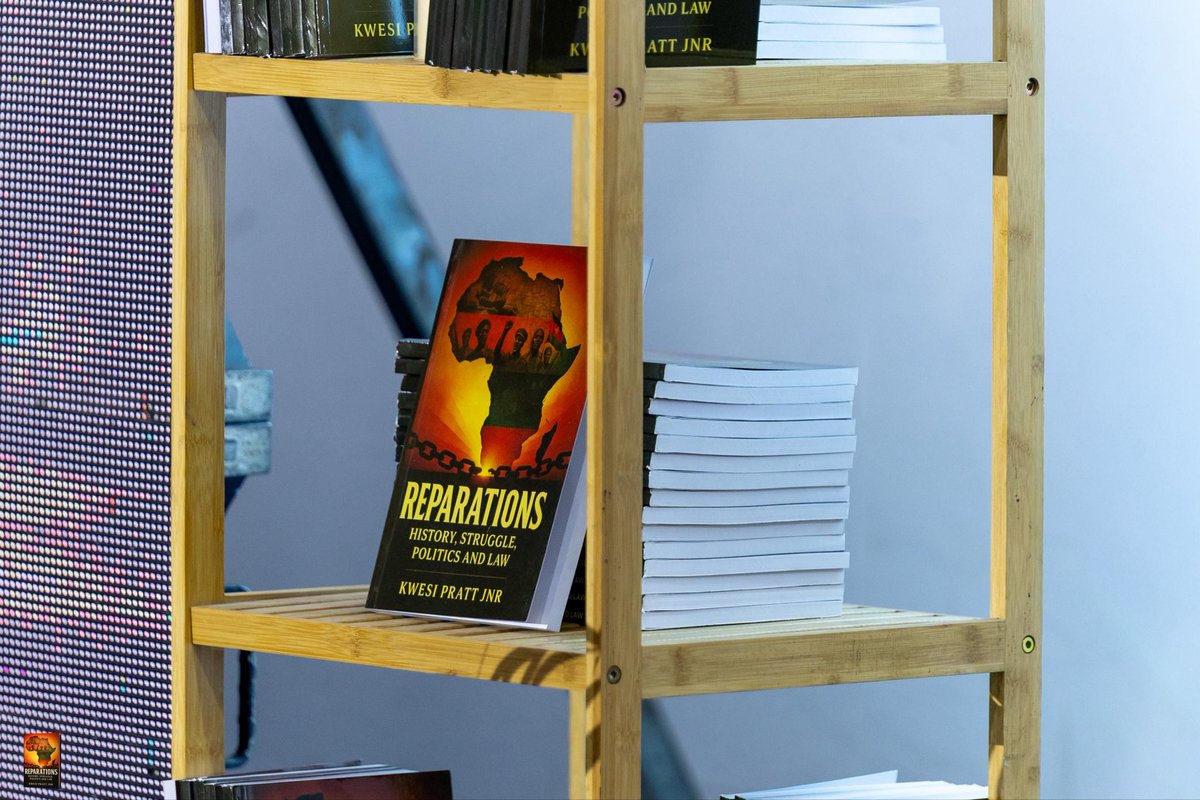
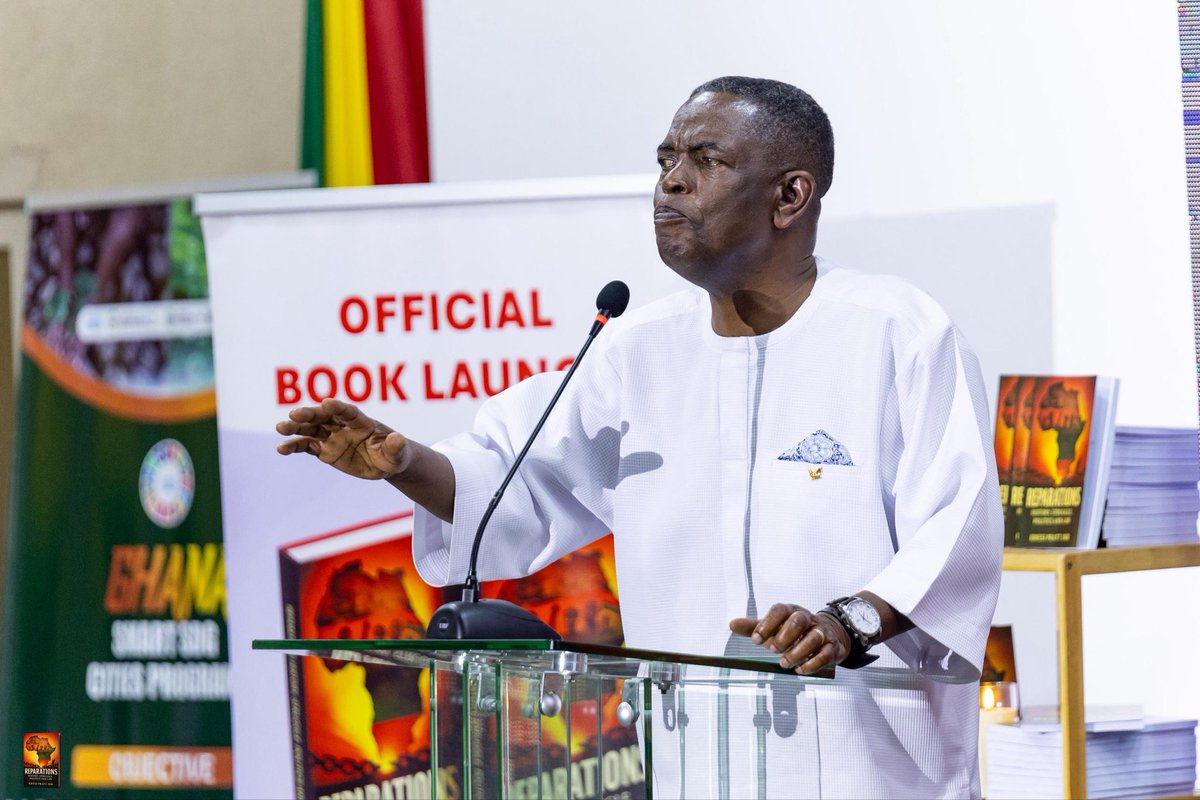
My book Reparations: History, Struggle, Politics and Law (foreword by Mahama) speaks to this moment.
Available in Accra and online!
a.co/d/0cgiDPyl
#ReparationsNow
#UNPlenary #TransatlanticSlaveTrade #ReparationsNow #GlobalJustice #HistoricalJustice #Decolonization
English
Nephron retweetou
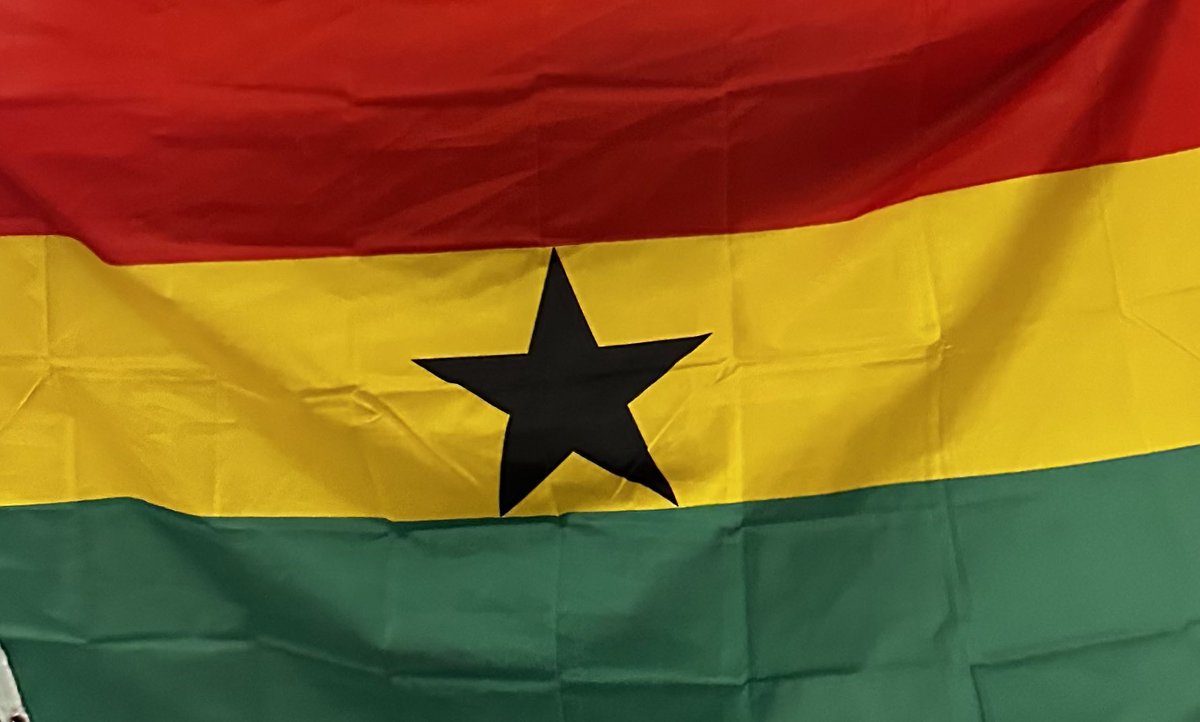
As the first sub-Saharan African entity to break from British colonial grip, Ghana resolved in 1957 to advance the dignity of Africans and to renew respect for black people in world affairs.
Today is one other great step towards that ambitious goal.
Nkrumah’s Ghana remains a prestigious badge for the African.
English
What level of hatred, bitterness, unpatriotism is this ?
Whoever did this should be brought to face the law.
SIKAOFFICIAL🦍@SIKAOFFICIAL1
Residents have expressed concerns after an unidentified individual vandalized some sections of the beautiful murals created by SHS Visual art students, which were intended to beautify interchanges in the city as part of the AshantiFest celebrations. [🎥: gh_base1]
English
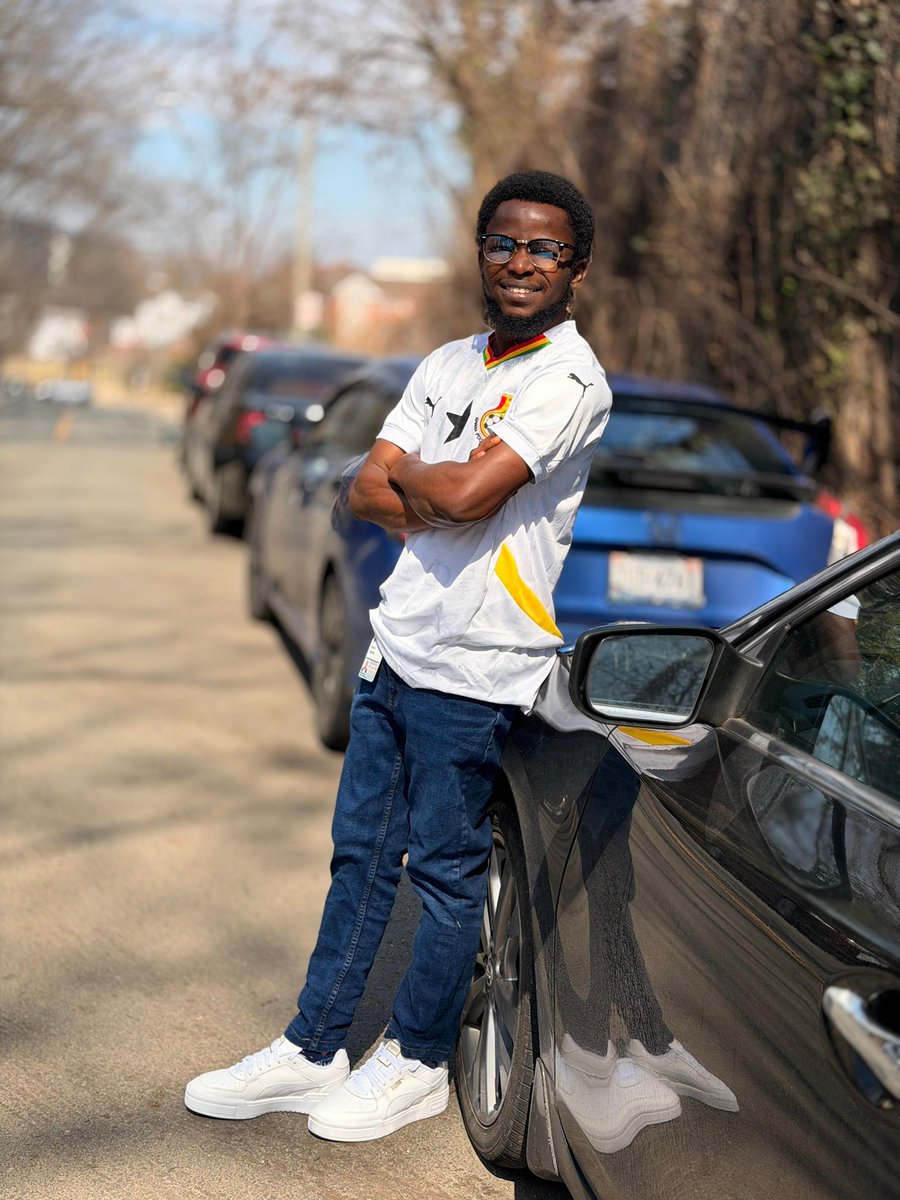
As we are all happy celebrating Ghana’s independence, let’s pause for a moment and ask ourselves, are we really independent? What defines independence? What does independence means to you as a person?
@GTV_Ghana
@tv3_ghana
@GhanaPresidency
@Citi973
@JoyNewsOnTV
@utvghana
English

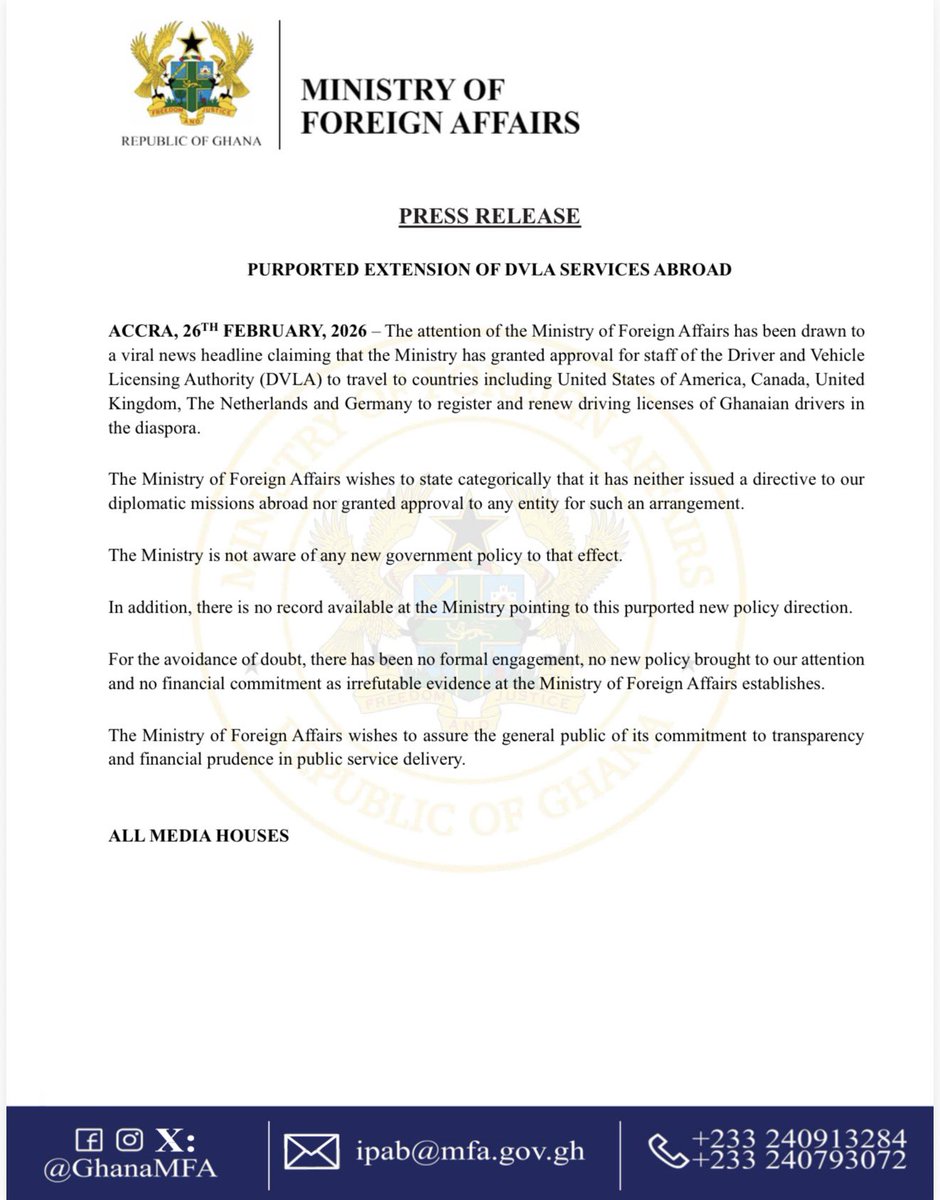
@S_OkudzetoAblak DVLA is just tempting us to break our fast early and descend on them. The devil is a liar.
English
Foreign Ministry’s statement on purported approval for extension of DVLA services abroad.
English
Reset!
JoyNews@JoyNewsOnTV
“We’re going to stop foreign funding for the purchase of our cocoa. We’re going to raise domestic bonds to buy our own cocoa. We have enough cedis in Ghana to pay for our cocoa. We don’t need to collateralise the beans. We have the capacity to process 400,000 tonnes of those beans.” President Mahama at the Accra Reset Addis Reckoning event in Addis Ababa, Ethiopia. #JoyNews
English
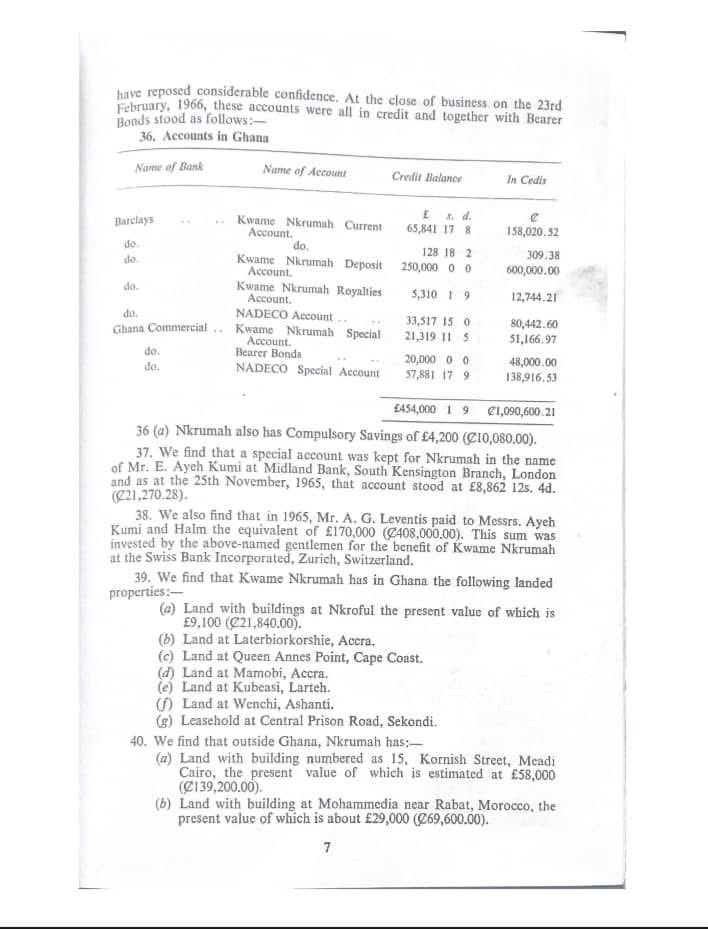
@koftownboy @MPKwarteng_ I will like to know the source of this and if you could direct me to it
English

@MPKwarteng_ Report of the Justice Apaloo Commission, appointed under the Commissions of EnquiryAct, 1964 (Act 250) to Enquire into the Kwame Nkrumah Properties.
There are a lot of things we don’t know

English

Ghana owes her spirit, heart and breath to Osagyefo Dr. Kwame Nkrumah. He built nations while others built mansions.
Nkrumah’s family was literally broke when he left power. Some of his children have not forgiven him even in death.
When espousing historical views, it is only appropriate to put in context the feelings of the time. You cannot pull the letters at comfort and run commentary on historical antecedents most of us were unlikely to have shared in it without the possible triggers.
On October 3, 1962, the State newspaper reported that: “NKRUMAH REFUSES TO BE LIFE PRESIDENT”.
Interestingly, this was when the Parliament pushed for it.
Why the sudden change in 1964 should be your question. Why did Nkrumah backtrack? Something might have necessitated it. No be so? Or he just felt the urge to be?
The Ghanaian Times reported in March 1963 that: “BUSIA DIRECTED THE BOMB OUTRAGES”, United Party plotted in Lome to overthrow the Government by force.”
Do you get where the one-party State inspiration came from? Since when did political parties become insurrectionist or terrorist groups?
If your duty as opposition party is to plot how to overthrow democratically elected government, then you are better off disbanded. Periodt!
When impunity becomes the order, destruction becomes law.
It may be distasteful but once you choose the path of constitutional disorder for expediency, be prepared to embrace the agony of incineration.
Kwame Nkrumah was never a DICTATOR nor DESPOT as some describe him.
The situation at the time — corroborated by actions of the opposition, their elements and assigns; and the incessant murder attempts on his life coupled with the sense of urgency to protect and secure his mandate — incipienced the legislative policies such as the monsterous Preventive Detention Act.
Nobody, even in private life, loosens their personal security architecture after arm robbers attack. Such person might be a clown.
Where the police, military, civil service, etc. were infiltrated with elements of the opposition poisoned in mind to obliterate Nkrumah, his sole reliance on constitutional order would have been his death warrant signed.
You may disgaree but looking at the exigencies of the time, he was RIGHT.
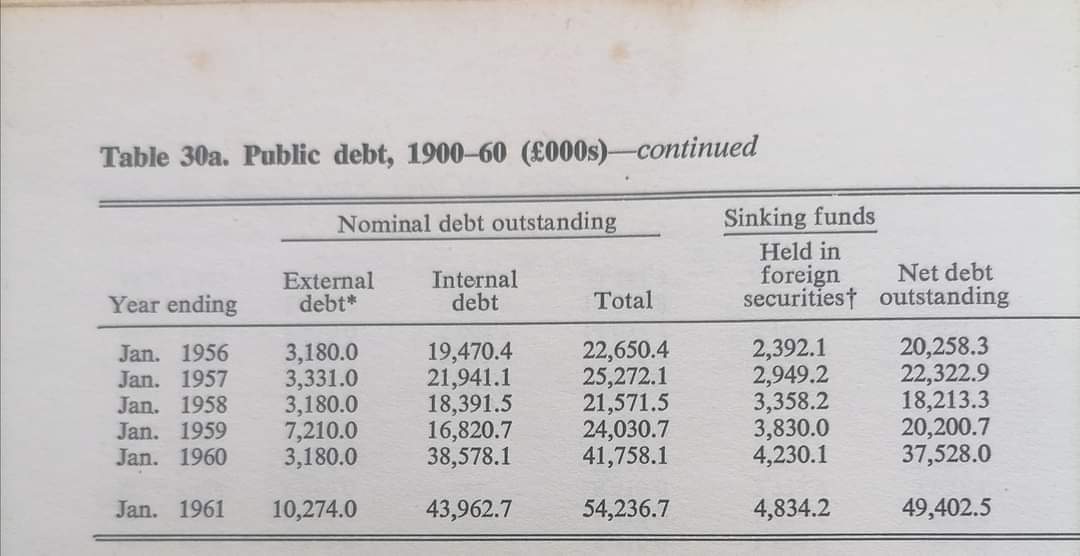
On debts, it was not all that rosy. Two months before the attainment of independence — January 1957 — there was £25.272M debt bequeathed by the colonial government.
We always heard of monies left for us without the side of debt that demanded amortization.
How could there have been the numerous projects such as schools, factories, roads, hospitals, banks, housing, hotels, etc. without loan?
What happened to these critical investments after his oustion?
The man who never had any assets in his name cannot be bad and greedy. Look at those who came after him. For goodness sake, the man only had proper rule from 1960-1966.
History is clear: Nkrumah invested in Ghana, not a personal fortune. He built nations, not family bank accounts. His assets? While some later chose self-enrichment, he chose sacrifice. Let’s not confuse legacy with loot.
If self-enrichment is the benchmark for greatness, then, indeed, Nkrumah was unwise.
However, when we evaluate his contributions to nation-building, dignity, and ideological clarity, despite the insecurity he lived in, he emerges as a figure far more distinguished than leaders who traded genuine liberation for mere tea and handshakes with colonisers.
History does not celebrate collaborators in the same manner as it venerates visionaries.
The discomfort shows how normalized political profiteering has become so much that, when someone does the opposite, we question their intelligence instead of asking why integrity feels so unfamiliar in leadership.
It appears political leaders pilfering public coffers for self aggrandizement is so normalized that when a leader doesn’t do it, he is questioned his sense of reasoning.
Even a gifted cloth was inscribed as “Property of Ghana”.



Franklin CUDJOE@lordcudjoe
Thanks everyone who attempted to debate my position that Nkrumah was a dictator. To all those who were emotional rather than provide rational arguments against my position, please do you deny answers to the following questions? 1. Did Nkrumah make himself a president for life? Answer: Yes he did through a flawed and rigged Referendum on January 31,1964 with 99.91% of the votes. 2. Did Nkrumah make Ghana a one-party state by banning all political parties except his CPP from existing? Yes, he did on February 1, 1964. 3. Did Nkrumah suppress freedom by arresting and detaining political opponents and banning media and even threatening Judges who ruled against him? Yes, Nkrumah suppressed freedom with laws like the Preventive Detention Act (1958) to imprison political rivals, including figures like J.B. Danquah who was fed, Garri, Salt and Water, got dehydrated and later died. You think these were not enough grounds to remove him from power? Nkrumah was visionary when it came to African unity and perhaps the only reason we eulogise him.in Ghana is simply because successive governments after his had been poorer. Let me add that Nkrumah mismanaged Ghana's economy and most of his state-owned enterprises were running at a loss. By 1966, more than fifty state enterprises set up were badly managed, weighed down by inefficient bureaucracies and run at a huge loss. Ghana’s official external debt reached £184 million in 1963. A year later, it stood at £349 million. It was clear that Nkrumah’s handling of the economy was frightening. He had within a relatively short time plunged Ghana, a beacon of hope to the rest of Africa and one of the most prosperous countries in the tropical world into bankruptcy. Historian Martin Meredith explains that a spending spree of £430 million between 1959 and 1964 left Ghana “scores of loss-making industries and a fast-shrinking agricultural sector.”
English