Cosmiclab

8.2K posts

Cosmiclab banner
Cosmiclab

Cosmiclab

@Cosmiclab_Space

🚀 Space | Sci-Fi | Astronomy 🌌 The universe is stranger than you think 🧠 Explained in 10 seconds 👇 Follow to upgrade your perspective

Hyderabad Entrou em Aralık 2019
3.3K Seguindo1.9K Seguidores
Cosmiclab
Cosmiclab@Cosmiclab_Space·
Have you seen this video claiming to be a real photograph of a human cell? 🔬 It’s actually not a photograph. The structures inside a cell are literally smaller than visible light, so we can't take a picture of them like this. Instead, this is a highly accurate 3D map built by scientists using atomic level data. This isn't art; it’s a blueprint. Every single shape you see is a biological machine. Right now, inside your body, there are 30 trillion of these microscopic cities running at full speed. They are repairing your DNA, fighting viruses, and keeping you alive. You think you are just one person, but you are actually a walking, breathing galaxy. ✨ #Biology #CosmicLab #Science #Universe #DeepThoughts #FactCheck #SciFi
English
0
0
0
18
Cosmiclab
Cosmiclab@Cosmiclab_Space·
@zone_astronomy We spend all our time looking out into the vastness of the universe, completely ignoring the terrifying, mechanical micro universes that actually build us. You aren't just one living thing. You are a walking galaxy of machines. ✨
English
0
1
2
16
Physics & Astronomy Zone
Physics & Astronomy Zone@zone_astronomy·
The most detailed image ever captured of a human cell. For perspective, the human body contains around 37 trillion cells. Life truly is a miracle.
English
5
13
46
2.5K
Cosmiclab
Cosmiclab@Cosmiclab_Space·
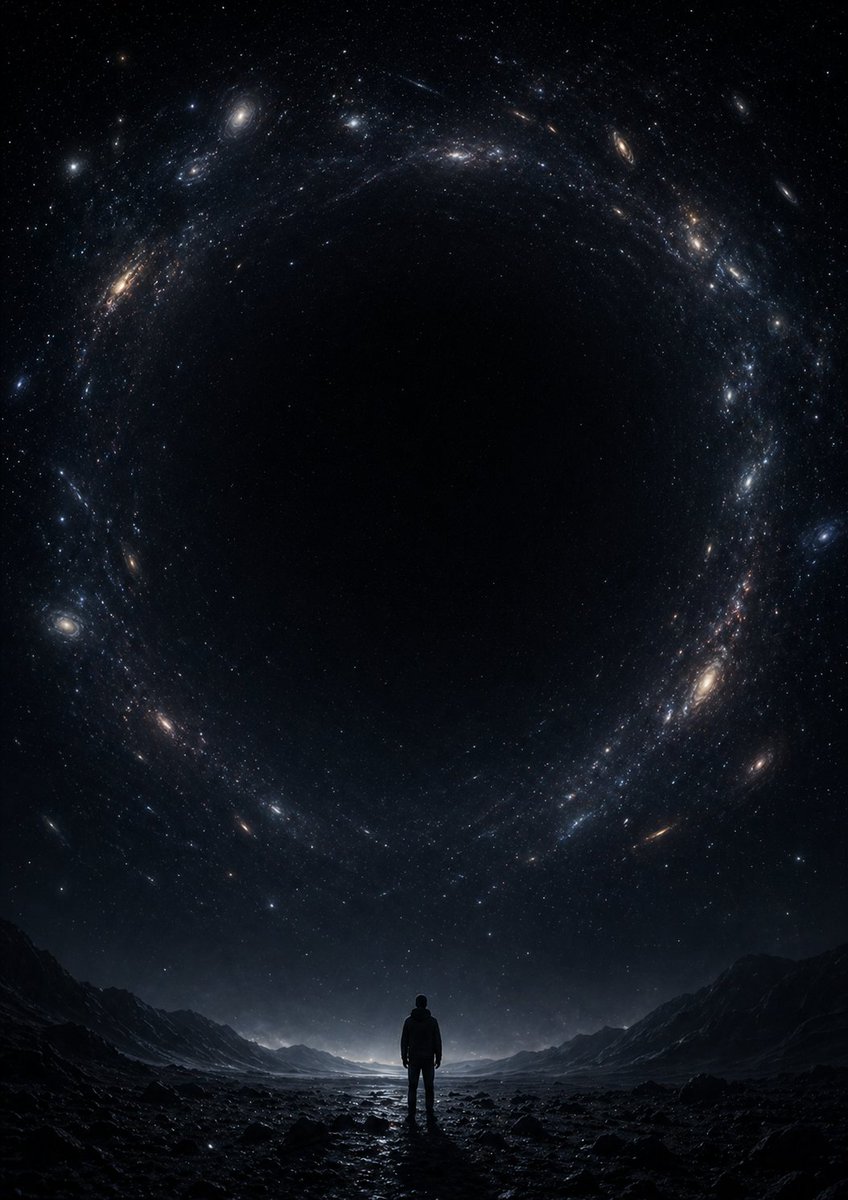
There is a region of space so massive and so empty, it breaks our understanding of the universe. The Bootes Void is a spherical region of the cosmos spanning 330 million light years in diameter. Based on the density of the rest of the universe, there should be about 10,000 galaxies in there. We have only found about 60. If the Earth were placed right in the center of the Bootes Void, the night sky would be so incredibly dark that humanity wouldn’t have even known other galaxies existed until telescopes were invented in the 1960s. It is the ultimate cosmic ghost town. 👻🤯 #BootesVoid #SpaceFacts #CosmicMystery #Universe #Astronomy #Cosmiclab
Cosmiclab tweet media
English
0
0
0
21
Cosmiclab
Cosmiclab@Cosmiclab_Space·
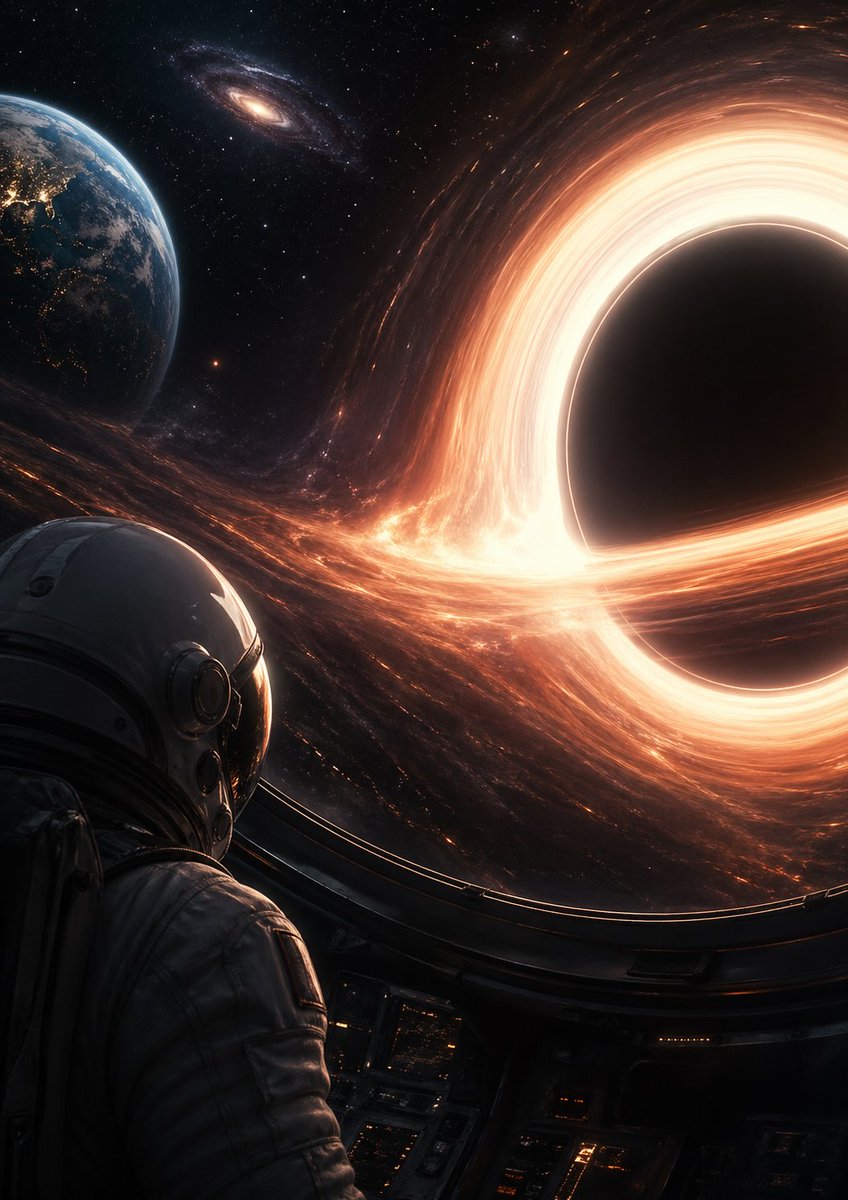
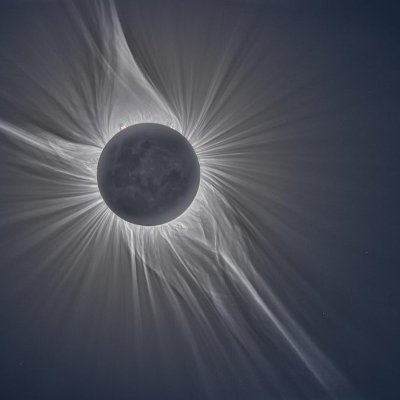
Gravity literally stretches time. If you fall into the wrong part of space, you could outlive everyone you love just by standing still. Near a supermassive black hole, the gravitational pull is so intense that it bends the fabric of spacetime. If you were to park a spaceship just outside the event horizon for a few hours, decades or even centuries would pass back on Earth. You wouldn't feel any different. Your watch would tick normally. But when you returned home, you would be a relic from the past, and everyone you knew would be gone. Time travel to the future is mathematically real, it just requires a one way ticket to a black hole. #CosmicLab #ScienceFacts #Universe #SpaceExploration #Physics
Cosmiclab tweet media
English
0
0
0
15
Cosmiclab
Cosmiclab@Cosmiclab_Space·
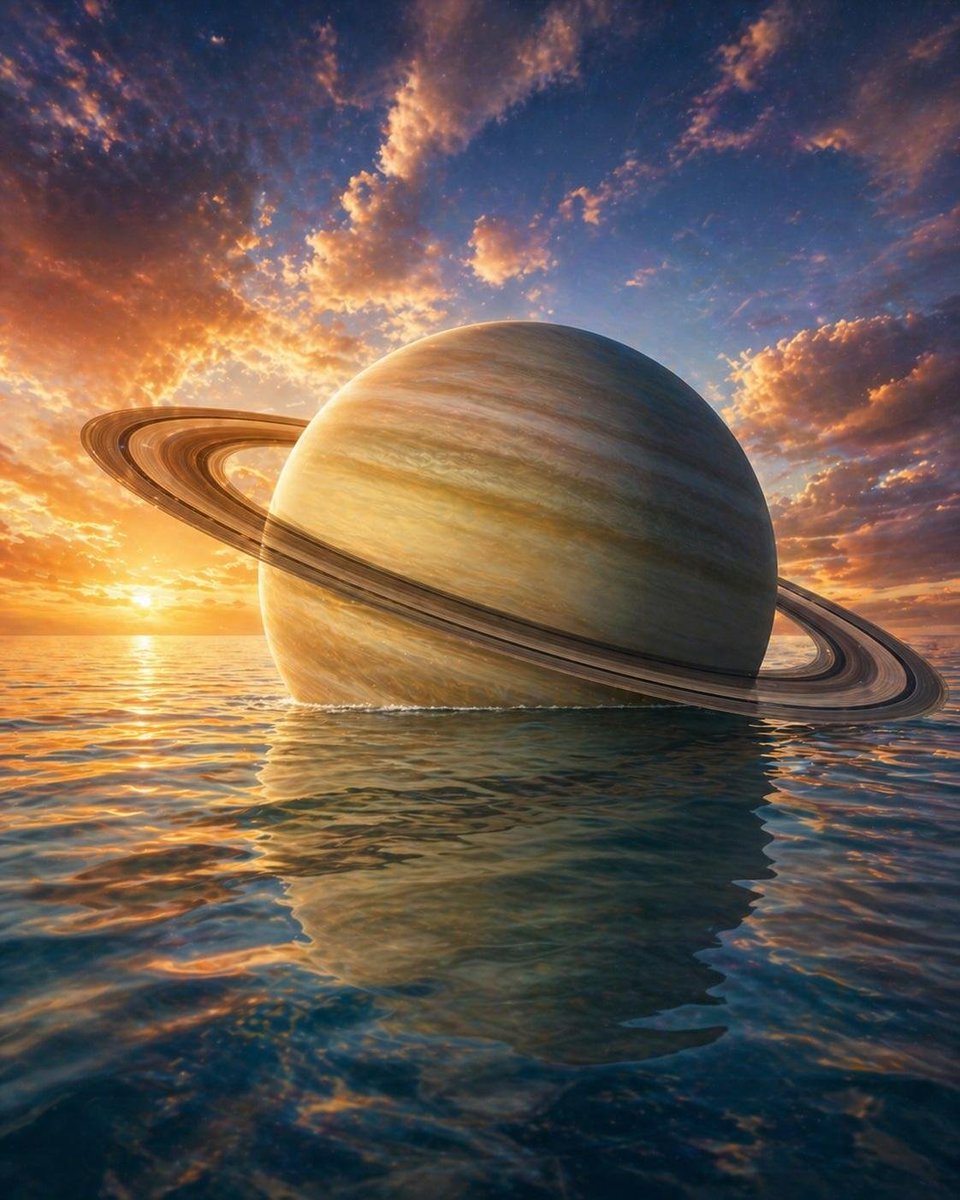
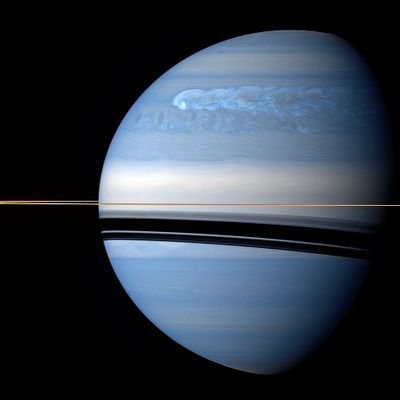
What if you dropped Saturn into an ocean? 🌊🪐 It wouldn't sink. It would float. Even though Saturn is the second largest planet in our solar system, big enough to swallow Earth hundreds of times over, it is basically a massive cosmic balloon. It is made mostly of hydrogen and helium. Because of this, its density is actually lighter than water. If you had a bathtub big enough, this terrifying gas giant would just bob on the surface like an apple. Physics on a cosmic scale doesn't make any logical sense to the human brain. #Astronomy #ScienceFactS #Cosmiclab #Saturn
Cosmiclab tweet media
English
0
0
0
15
Cosmiclab
Cosmiclab@Cosmiclab_Space·
Scientists really just casually dropped in another universe into the conversation like it's no big deal. 🤯 We are still struggling to understand our own solar system, and now we might be looking at a literal doorway created by a collision in a parallel reality. The scale of the cosmos is terrifyingly beautiful.
English
0
0
0
22
Physics & Astronomy Zone
Physics & Astronomy Zone@zone_astronomy·
🚨 A black hole called GW190521 may actually be a wormhole — scientists suggest it could have formed after two black holes merged in another universe.
Physics & Astronomy Zone tweet mediaPhysics & Astronomy Zone tweet media
English
4
9
44
2.6K
Cosmiclab
Cosmiclab@Cosmiclab_Space·
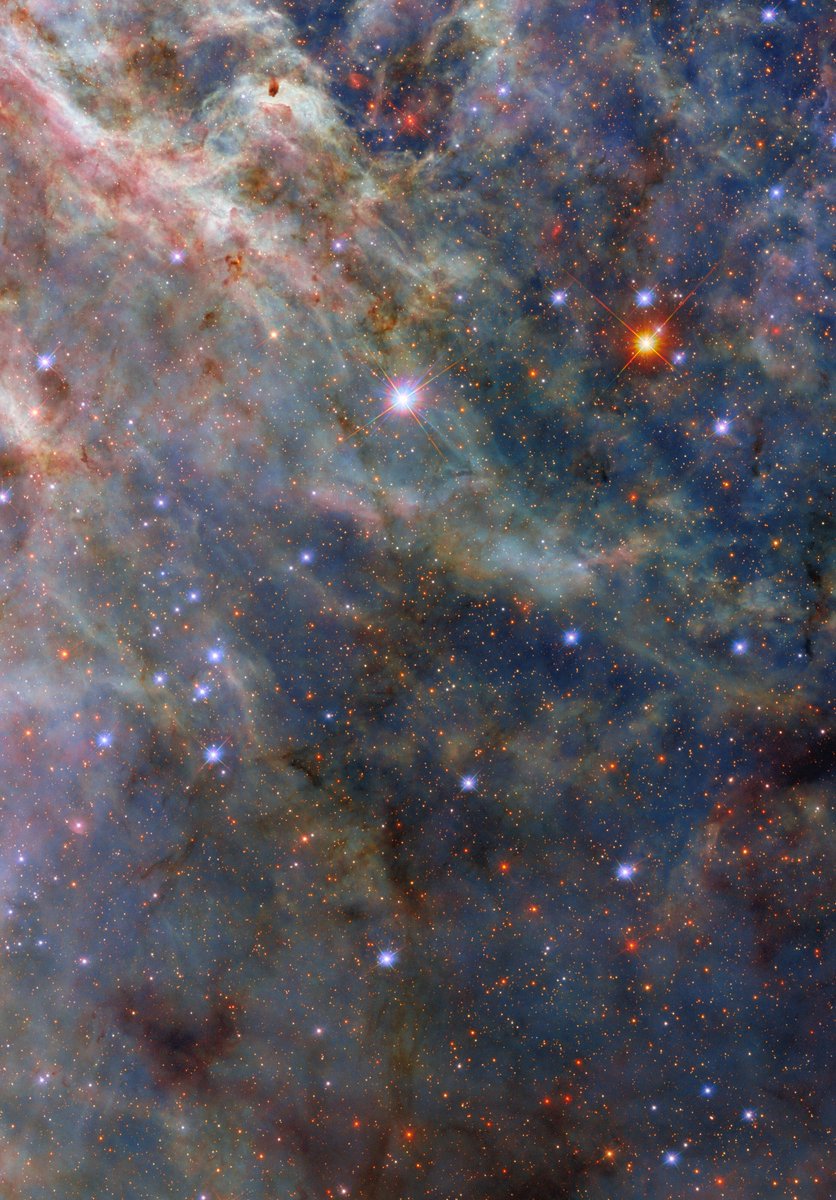
160,000 light years away means we are looking at this nebula exactly as it was 160,000 years ago. 🤯⏳ Early humans were barely figuring out how to survive on Earth when the light from this star factory started its journey to our telescopes. Space is the ultimate time machine! 🌌✨
English
0
0
0
12
World and Science
World and Science@WorldAndScience·
Witness the splendour of the Tarantula Nebula, a breathtaking star factory in the LMC galaxy, 160,000 light-years away. This nebula hosts some of the heaviest stars ever discovered! (Credit: ESA/Hubble & NASA, C. Murray
World and Science tweet media
English
4
46
168
7K
NASA Artemis
NASA Artemis@NASAArtemis·
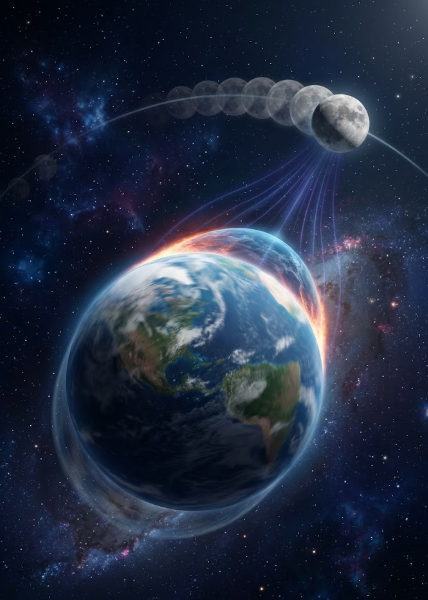
Earth looks different from over 250,000 miles away. Using optical communications, NASA was able to receive high-definition photos and videos during the Artemis II mission while the radio frequency communications focused on mission-critical data. go.nasa.gov/4sXRVfB
NASA Artemis tweet media
English
75
387
2.7K
57.1K
Cosmiclab
Cosmiclab@Cosmiclab_Space·
@NextScience We carry the most powerful supercomputer in the known universe inside our skulls, yet we spend most of our time using it to stress over emails and overthink past conversations. 🤯💭 Time to start using that processing power for better things! ✨
English
0
0
0
13
Next Science
Next Science@NextScience·
🧠 Your Brain Might Be a Supercomputer Hiding a Secret What if I told you your brain could store more information than all the computers on Earth combined? Scientists say it has billions of neurons, each connecting in ways that could hold millions of gigabytes of memories, skills, and secrets. Imagine remembering every face, every book you’ve ever read, and even tiny details you didn’t notice—your brain might just have room for all of it… and then some. The real mystery? We haven’t even begun to fully understand its power. Every thought, every memory, every idea is a tiny spark in a universe you carry in your own head. Source: Buzsáki, G. The Brain from Inside Out.
Next Science tweet media
English
9
29
83
1.6K
Cosmiclab
Cosmiclab@Cosmiclab_Space·
@NASAEarth @NASAGoddard We literally put a machine into orbit that looks down and studies microscopic ocean critters. Let that sink in. 🤯🌊 As much as we focus on exploring deep space, the fact that we use our most advanced technology to understand our own pale blue dot is incredibly poetic. 🌍✨
English
0
0
0
28
NASA Earth
NASA Earth@NASAEarth·
What can’t PACE do? 👑 Monitoring wildfires and smoke, tracking harmful algae blooms, identifying microscopic critters in the ocean, seeing clouds in 3D, studying plants on land — the @NASAGoddard PACE satellite can do it all!
English
11
84
333
18.9K
Cosmiclab
Cosmiclab@Cosmiclab_Space·
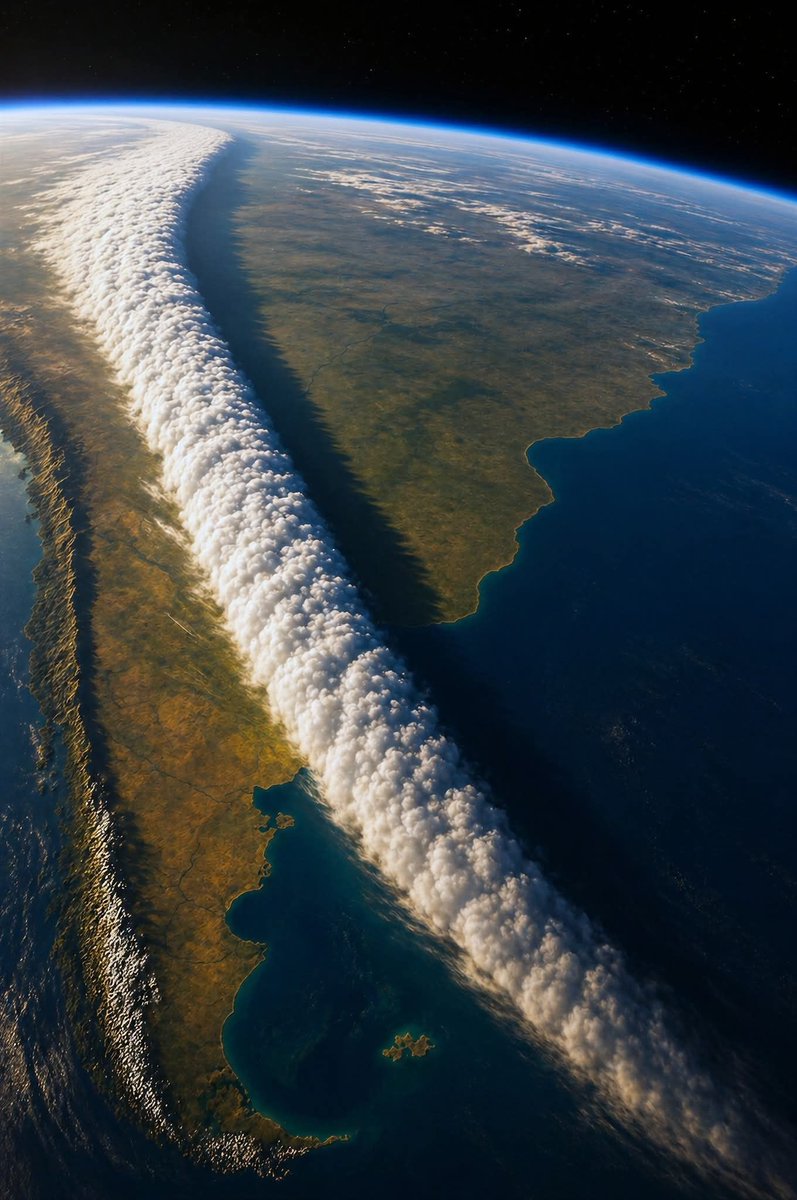
We complain about a sudden drop in temperature ruining our plans, while 300 miles above us, there is a literal continental collision of atmospheric oceans taking place. 🤯🌍 The scale of this planet makes our daily problems feel incredibly small. We are just walking around inside a massive, chaotic fluid dynamics engine! ✨
English
0
0
0
45
Physics-astronomy
Physics-astronomy@Physicsastronmy·
Cold fronts don’t just change how the air feels—they create stunning patterns you can actually see from space. From orbit, satellites capture them as long, sweeping bands of clouds stretching across entire continents, marking the sharp boundary where cold, dense air pushes beneath warmer air. It looks like the atmosphere is drawing a line across the planet. These cloud formations reveal the clash between two different air masses in real time, often signaling the arrival of storms, strong winds, and sudden temperature drops. Meteorologists rely on these satellite views to track developing systems early, forecast severe weather, and issue warnings days before conditions reach the ground. That sudden chill you feel outside is often part of something far bigger—a massive atmospheric collision visible hundreds of miles above Earth. Nature’s weather drama, written across the sky. Source: Satellite imagery and meteorological observation
Physics-astronomy tweet media
English
3
14
71
2.2K
Cosmiclab
Cosmiclab@Cosmiclab_Space·
Did you know the days on Earth are getting longer? 🛑⏳ Every century, Earth’s rotation slows down by 1.7 milliseconds. Why? Because of the Moon. The Moon’s gravity creates our ocean tides, and the friction from all that shifting water acts like a massive brake pad on the planet. Because Earth is slowing down, it is losing momentum, causing the Moon to slowly drift away from us by about an inch and a half every year. When the dinosaurs were alive, a day was only 23 and a half hours. 1.4 billion years ago, a day was just 18 hours. Time is literally stretching. ✨ #CosmicLab #EarthFacts #ScienceFacts #Universe #SpaceExploration #RandomThoughts #Physics
Cosmiclab tweet media
English
0
0
0
16
Cosmiclab
Cosmiclab@Cosmiclab_Space·
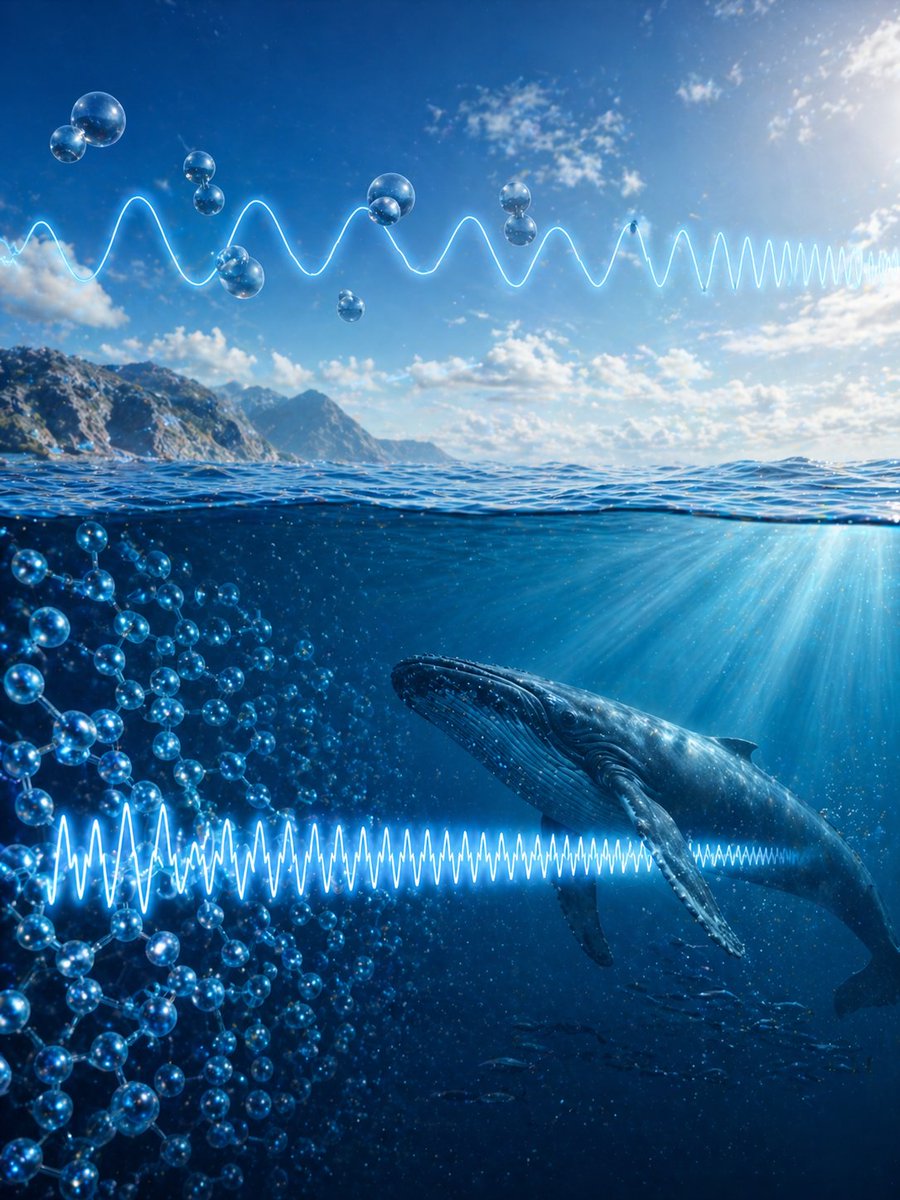
Did you know sound travels way faster in water than in the air? 🌊 ​It feels wrong. Water is thick and heavy, so it should slow things down, right? ​But sound is just a vibration moving through molecules. In the air around us, molecules are spread far apart, so the sound has to work to cross the gaps. ​But in the ocean, water molecules are completely packed together. That means the vibration transfers almost instantly. Sound moves more than four times faster underwater over 3,300 miles per hour! ​The ocean is a massive, high-speed acoustic highway. ✨ ​#CosmicLab #ScienceFacts #Physics #Ocean #RandomThoughts #DeepThoughts #EarthFacts
Cosmiclab tweet media
English
0
0
0
22
Cosmiclab
Cosmiclab@Cosmiclab_Space·
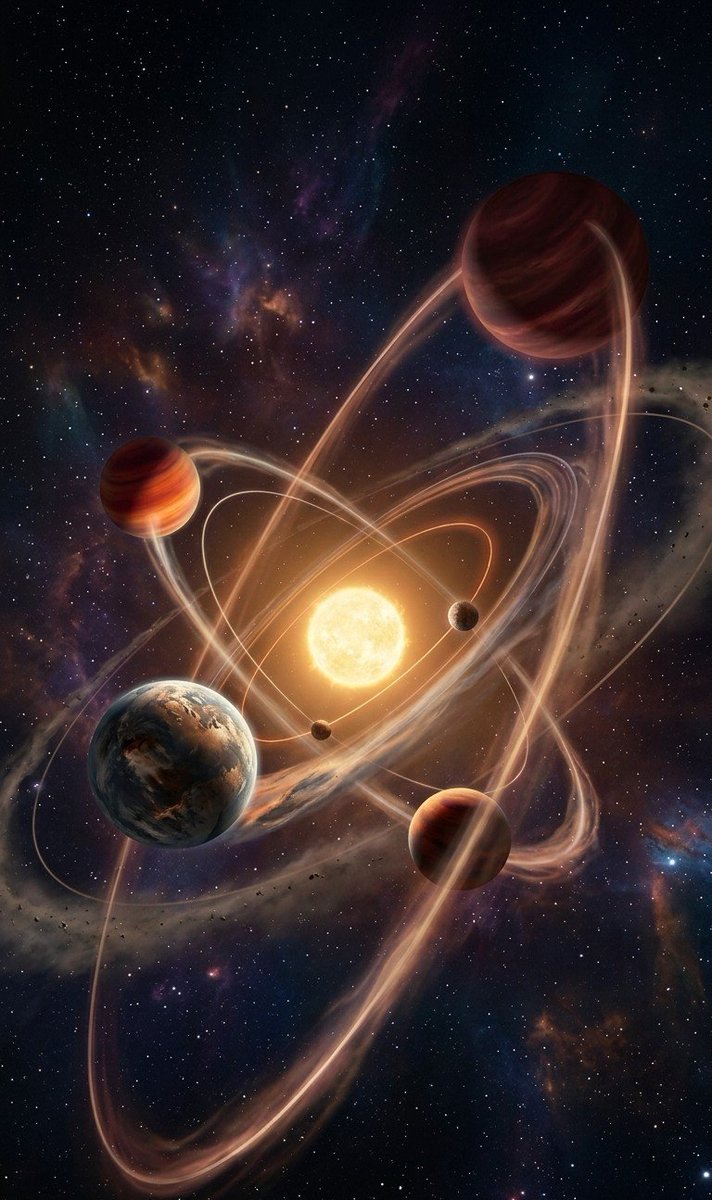
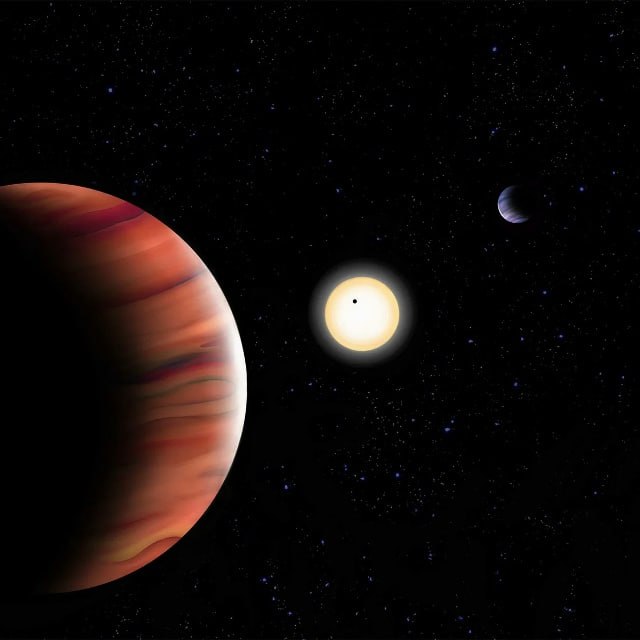
What happens when a solar system loses its balance? 🪐 ​This is the TOI-201 system, located 370 light-years away. For billions of years, our own solar system has been incredibly stable. Our planets sit in a neat, flat plane. ​But TOI-201 is an active gravitational war. It contains a super Earth, a warm gas giant, and a massive brown dwarf. The brown dwarf's gravity is so intense that it is actively pulling the other planets out of their orbital alignment. ​The orbits are shifting so rapidly that in just 200 years, these planets will wobble entirely out of our line of sight, and we won't be able to see them anymore. ​The universe is moving a lot faster than you think. ✨ ​#SpaceExploration #CosmicLab #Science #Astronomy #RandomThoughts #DeepSpace #Planets
Cosmiclab tweet media
English
0
0
0
20
Cosmiclab
Cosmiclab@Cosmiclab_Space·
@konstructivizm We are used to thinking of space as ancient, slow, and unchanging. But TOI-201 is proof that the universe is highly active, violent, and constantly shifting. We just happened to catch a 200 year window to watch the show before the lights go out. ✨
English
0
0
0
62
Black Hole
Black Hole@konstructivizm·
The Transiting Exoplanet Survey Satellite (TESS) has discovered a strange exoplanet system unlike any previously known. The exoplanets orbiting the star TOI-201 have orbits that change so rapidly that scientists can observe these changes almost in real time. The behavior of this system, located approximately 370 light-years from Earth, represents something completely new to science. Most planetary systems look like "peas in a pod," meaning the planets have similar parameters and lie in roughly the same orbital plane. But the TOI-201 system is different. It contains three objects that are radically different from each other and yet interact gravitationally with each other. Changes in planetary systems and orbital shifts are not unique in themselves, but such transformations typically occur on timescales of millions or even billions of years. The TOI-201 system stands out due to the highly elliptical and inclined orbit of its outer planet, which gravitationally influences the inner worlds. This influence causes shifts in the orientation of the inner planets' orbits and changes in the timing of their transits—the moments when a planet passes directly in front of its parent star. The situation is so extreme that in about 200 years, the planets will no longer align in front of their star, and their transits will cease. In the Solar System, almost all planets are coplanar, meaning they lie in the same plane, but here this is not the case, and each planet is unique. This indicates active orbital reorganization within the system, allowing scientists to observe a process that occurs shortly after the planets' formation.
Black Hole tweet media
English
3
19
75
4.2K
Cosmiclab
Cosmiclab@Cosmiclab_Space·
@amazing_physics Which reality scares you more? That we are just one tiny, fragile civilization in a crowded universe full of apex predators? Or that the universe is completely empty, and we are the only minds keeping the lights on? ✨
English
0
0
0
37
Amazing Physics
Amazing Physics@amazing_physics·
“Do you think we’re alone in this universe… or not? 🤔🌌”
Amazing Physics tweet media
English
108
43
214
6.7K
Cosmiclab
Cosmiclab@Cosmiclab_Space·
Look at the sheer scale of the universe, and then ask yourself: Are we alone? 🌌 ​There are more stars in the observable universe than there are grains of sand on every beach on Earth. The math says we absolutely cannot be the only living things out here. ​So where is everybody? ​Scientists call this the Great Filter. The theory is that as civilizations become advanced, they inevitably hit a wall, whether it's nuclear war, climate collapse, or an asteroid and they get wiped out before they can colonize the stars. ​The terrifying question isn't whether life exists out there. The question is: Is the Great Filter behind us, or is it still waiting for us in the dark? ✨ ​#SpaceTok #CosmicLab #Science #DeepSpace #Aliens #RandomThoughts #Astrophysics
Cosmiclab tweet media
English
0
1
0
13
Cosmiclab
Cosmiclab@Cosmiclab_Space·
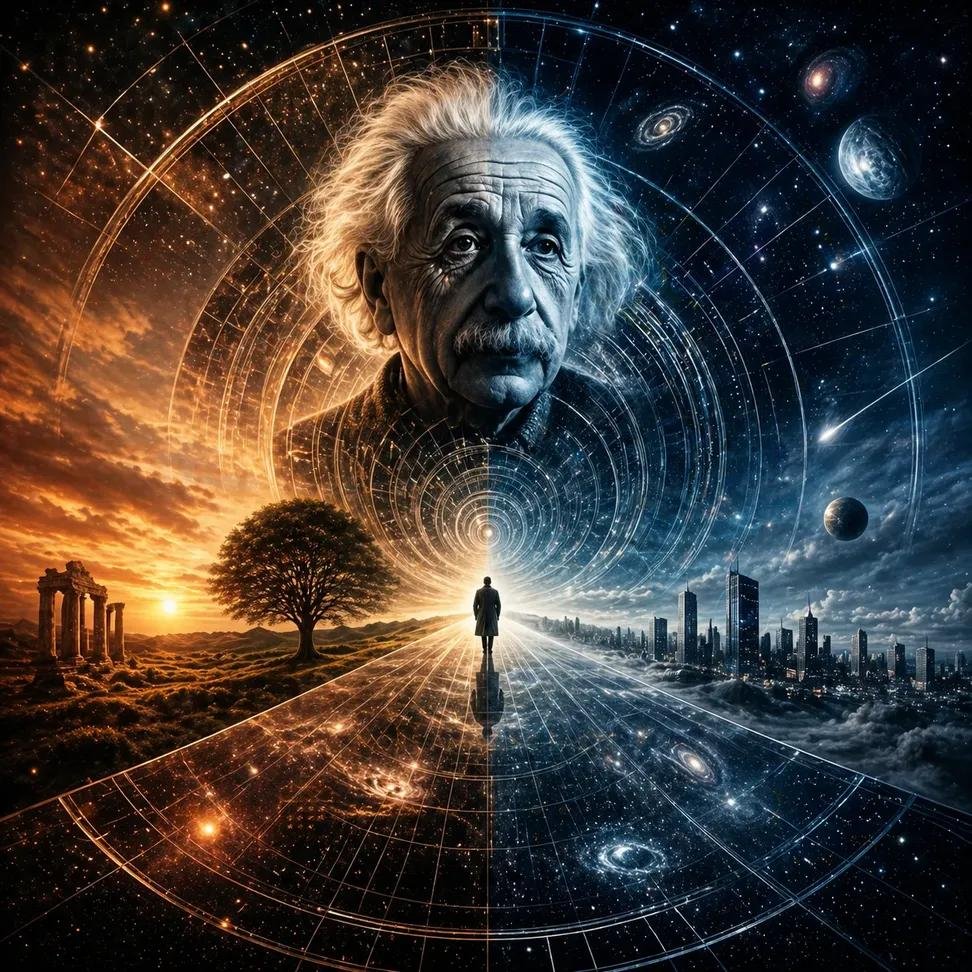
According to Albert Einstein, the past, present, and future are all happening at the exact same time. ⏳ Physics suggests that the passage of time, the feeling of a flowing now is nothing but a stubbornly persistent illusion created by the human brain. Because of Relativity, time isn't a universal clock ticking away. It bends and warps based on speed and gravity. #Astronomy #SciFi #Einstein
Cosmiclab tweet media
English
0
0
0
15
Cosmiclab
Cosmiclab@Cosmiclab_Space·
@AstronomyVibes If we aren't alone, the Great Silence is the most terrifying part. What do they know that we don't?
English
0
0
0
10
Astronomy Vibes
Astronomy Vibes@AstronomyVibes·
Somewhere in the cosmos, life may be asking the same question we do, gazing at stars and wondering if they are alone.
Astronomy Vibes tweet media
English
9
32
121
2.3K
Cosmiclab
Cosmiclab@Cosmiclab_Space·
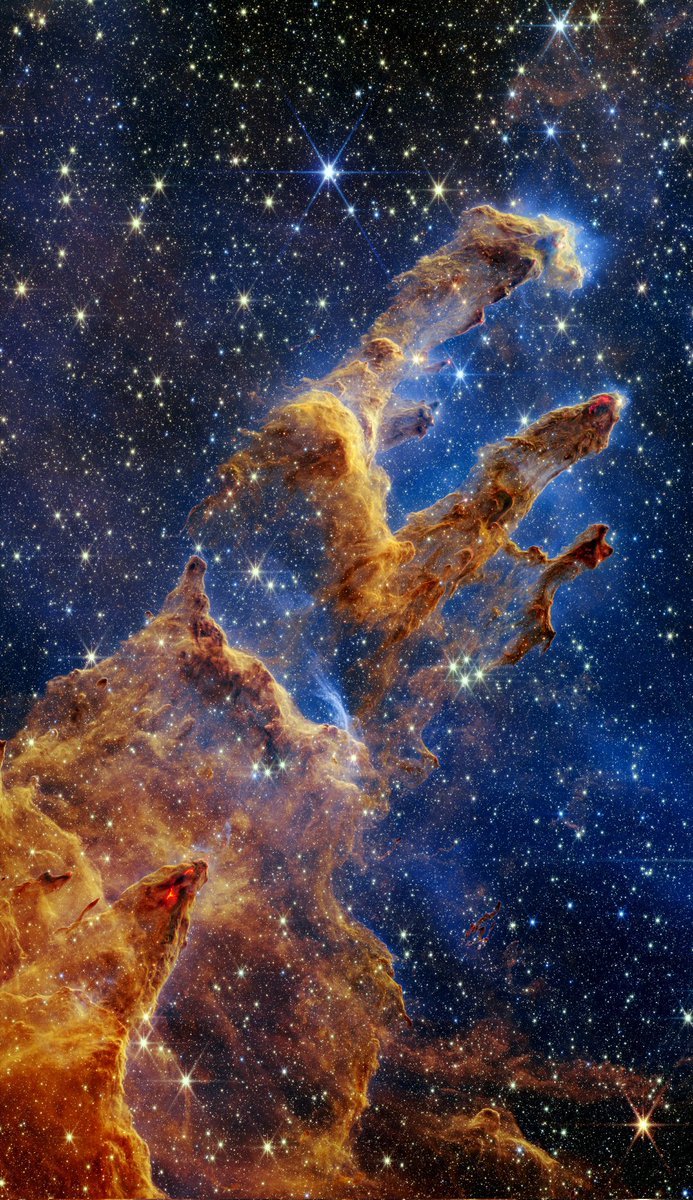
What if I told you this entire structure might have already been destroyed? 🌌 These are the Pillars of Creation, shot by the James Webb Space Telescope. It is a massive cloud of gas and dust where new stars are actively being born. But this structure is 6,500 light years away. That means the light we are seeing right now is thousands of years old. Astronomers have found evidence of a massive supernova shockwave tearing through this exact region. It is highly likely that these pillars were violently blown apart millennia ago. But because the speed of light is so incredibly slow on a cosmic scale, we are still watching a live broadcast of a ghost. ✨ #SpaceTok #CosmicLab #Astronomy #ScienceFacts #SpaceExploration #JWST #DeepThoughts
Cosmiclab tweet media
English
0
0
0
19