Michael Rockman, MD, PhD

5.1K posts

Michael Rockman, MD, PhD banner
Michael Rockman, MD, PhD

Michael Rockman, MD, PhD

@DataExplorer21

Cardiology Fellow @uw_cvm 🫀@hERGologie lab 🔬Aspiring electrophysiologist physician-scientist

Madison, WI Entrou em Ekim 2018
9.3K Seguindo8.5K Seguidores
Michael Rockman, MD, PhD retweetou
John Mandrola, MD
John Mandrola, MD@drjohnm·
> 600,000 left atrial appendage devices have been placed NOT NONINFERIOR 👇🏻 Trial is large, nonindustry funded and done in experienced centers in Germany Endpoint had both efficacy and safety components and still did not make non-inferiority I tried to tell you all
NEJM@NEJM

Among patients with atrial fibrillation at high risk for stroke and bleeding, left atrial appendage closure was not noninferior to medical therapy in reducing the risk of stroke, embolism, major bleeding, or death at 3 years. Full CLOSURE-AF trial results: nejm.org/doi/full/10.10… Editorial: Left Atrial Appendage Closure — Another Overused Method in Cardiology? nejm.org/doi/full/10.10…

English
43
122
530
193.3K
Michael Rockman, MD, PhD retweetou
Venk Murthy MD PhD
Venk Murthy MD PhD@venkmurthy·
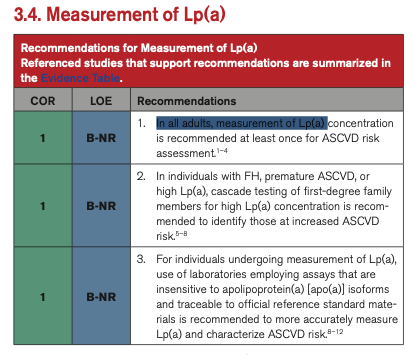
The problem with issuing class I recommendations without strong evidence is that many interpret these as standard of care - meaning failure to do these things is low quality care or maybe even malpractice Next chapter, we could see quality metrics mandating CAC/Lp(a) tests!
English
6
11
52
42.4K
Michael Rockman, MD, PhD retweetou
Samuel Hume
Samuel Hume@DrSamuelBHume·
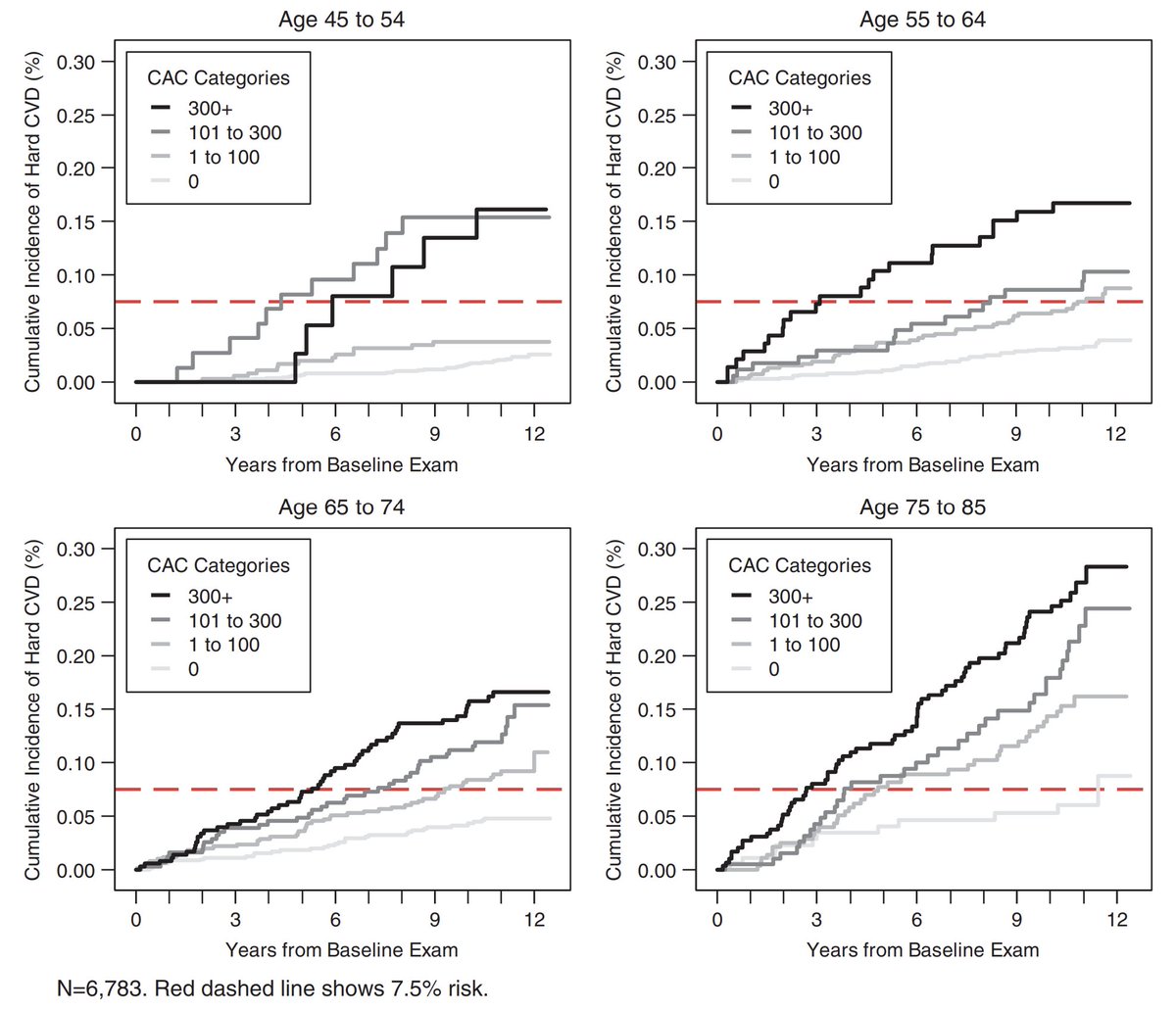
Very interesting guideline change — these are some of the key data that supported it (A coronary artery calcium, CAC, score of 0 predicts a very low risk of heart attack/stroke over the next 10 years)
Samuel Hume tweet media
Khurram Nasir@khurramn1

One of the most meaningful evolutions in the 2026 ACC/AHA dyslipidemia guideline is the continued elevation of CAC as a central tool in preventive decision-making. We have come a long way. 1. In the 2013 guidelines, CAC was effectively sidelined. 2. By 2019, it re-emerged as a decision aid. 3. In 2026, it is now clearly embedded in the framework of risk assessment, treatment initiation, and treatment intensity. Two messages stand out. 1. First, CAC has become the preferred decision aid when treatment decisions are uncertain. This is not an uncommon situation. In real-world practice, uncertainty is the rule rather than the exception, especially in borderline or intermediate-risk individuals. #PowerOfZero provides a clear distinction who is and not at risk that for the decision whether lipid-lowering therapy should be initiated. 2. Second, the guideline goes beyond initiation. CAC is increasingly used to guide the intensity of therapy. Increasing plaque burden corresponds to progressively more aggressive LDL targets and therapeutic strategies. For example, individuals with CAC ≥300–1000 are recommended to pursue LDL reduction strategies approaching secondary prevention intensity, reflecting event rates comparable to treated ASCVD populations. This is a MAJOR shift. CAC is no longer simply a tie-breaker for statin decisions. It is evolving into a disease-guided framework for preventive intensity. From a practical standpoint, this matters.Risk equations estimate probability. CAC visualizes disease. 1. When uncertainty exists, seeing the burden of atherosclerosis often changes the conversation for both clinician and patient. 2. It also aligns therapy more closely with biology (GREATER DISEASE, MORE INTENSE THE TREATMENT) rather than risk-factor projections alone. IN 2026. CAC has moved from the margins of guidelines to the center of preventive cardiology. For clinicians, that represents one of the most practical advances in translating risk assessment into actionable care. Congrats @rblument1 @RonBlankstein @DrMichaelShapir & rest of the guideline authors @AJPCardio @ASPCardio @MichaelJBlaha @Sadeer_AlKindi @HMethodistCV

English
3
18
71
20.1K
Michael Rockman, MD, PhD retweetou
Brandon Ballinger
Brandon Ballinger@bballinger·
The AHA is now recommending everybody check their Lp(a) at least once. New 2026 guidelines released today.
Brandon Ballinger tweet media
English
7
11
55
27K
Michael Rockman, MD, PhD retweetou
Dr. Catharine Young
Dr. Catharine Young@DrCatharineY·
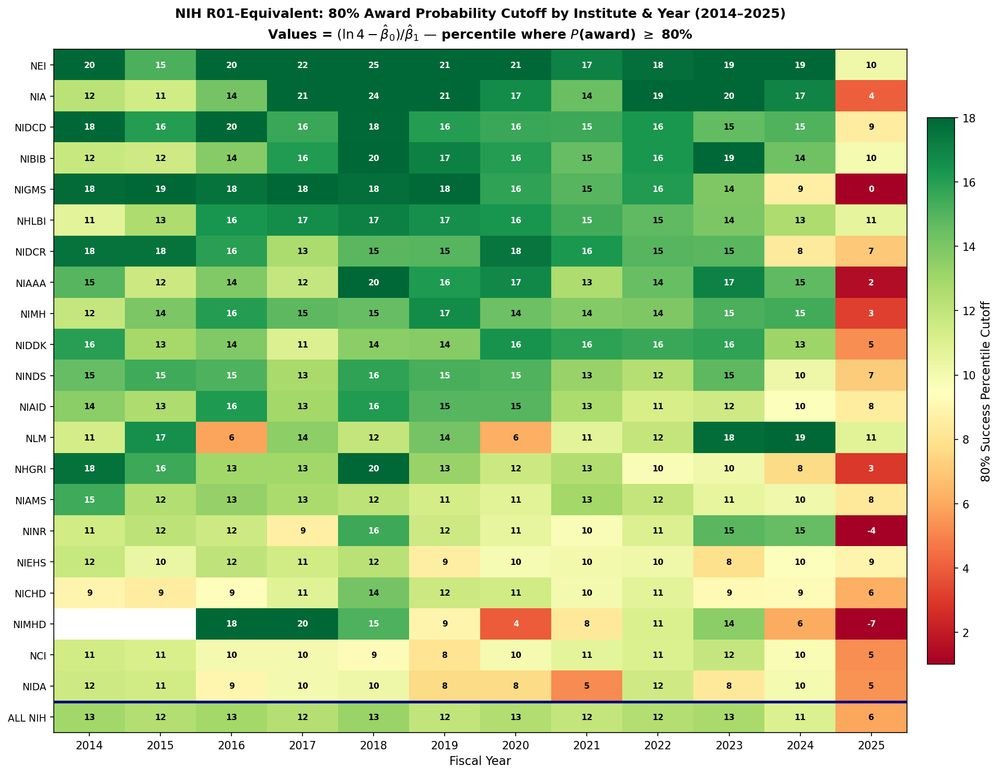
The pipeline that drives discovery - new knowledge and treatments for diseases that affect us all - is collapsing in the United States. New NIH funding opportunities are down 91% this fiscal year.
Dr. Catharine Young tweet media
English
59
779
1.5K
213.9K
Michael Rockman, MD, PhD retweetou
Max Jordan Nguemeni
Max Jordan Nguemeni@MaxJordan_N·
Strongly disagree. Billing creates incentives in a way that takes away from the focus on learning/training. Maybe you can argue that health systems should on the back end calculate residents’ value add to better negotiate what CMS pays them per resident but that’s it.
Abbas M. Hassan, MD, PhD@AbbasHassanMD

Should residents & fellows bill? A single resident can provide >$300k/yr in uncompensated care due to outdated @CMSGov rules. Our @NEJM paper proposes a competency-based framework to capture this revenue, improve trainee pay, and offset massive debt. #MedTwitter #MedEd #GME

English
3
2
28
11.4K
Michael Rockman, MD, PhD retweetou
Mukund Iyengar
Mukund Iyengar@mukundiyngr·
The cuts aren’t random. They’re targeting on-ramps. When we zoom into 2026 funding decline by mechanism, the deepest cuts land on new ideas entering the system: ▪️Small R (R03 / R15) ↓81% ▪️R21 exploratory grants ↓73% ▪️Other high-variance mechanisms ↓70%+ If you want to stall science, this is exactly how. Meanwhile, among other news: ▪️R01s ↓47% ▪️R37 MERIT ↓40% In other words, the earliest-stage bets are being starved first. When the on-ramps close, the damage shows up later: ↓ pilot data ↓ resubmissions that mature into R01s ↓ new labs surviving their early years ↓ shared cores that support entire departments ↓ discoveries that ever reach trials So much remains unanswered. This week we’re digging deeper: -which disease areas rely most on these mechanisms -which institutions are most exposed -where the first downstream breaks appear (trials, screening, imaging, prevention, survivorship) If you run a lab, grants office, or cancer center, tell us what cut you want. Source: NIH RePORTER via @Jori_health
Mukund Iyengar tweet media
English
6
49
97
39.4K
Michael Rockman, MD, PhD retweetou
Dr. Jean Fan
Dr. Jean Fan@JEFworks·
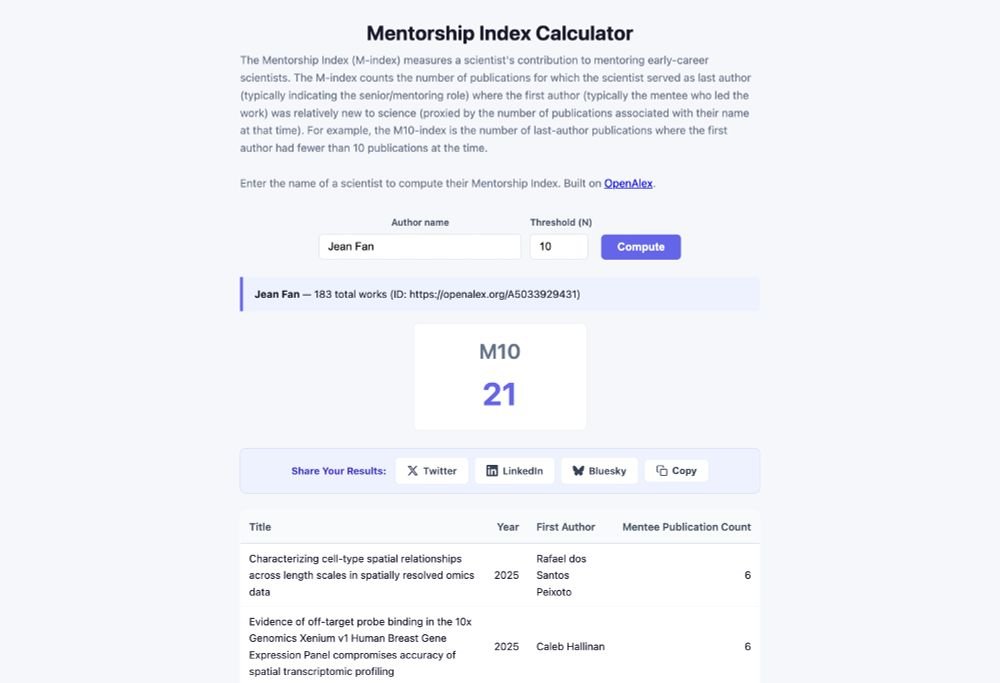
As an alternative to the h-index, I made the Mentorship Index (M-index) to proxy a scientist's contribution to mentoring junior scientists. M10-index = # last-author pubs where the first author had < 10 pubs. Calculate yours: jef.works/Mentorship-Ind… 🧵👇
Dr. Jean Fan tweet media
English
15
54
248
25.9K
Michael Rockman, MD, PhD retweetou
Ross Prager
Ross Prager@ross_prager·
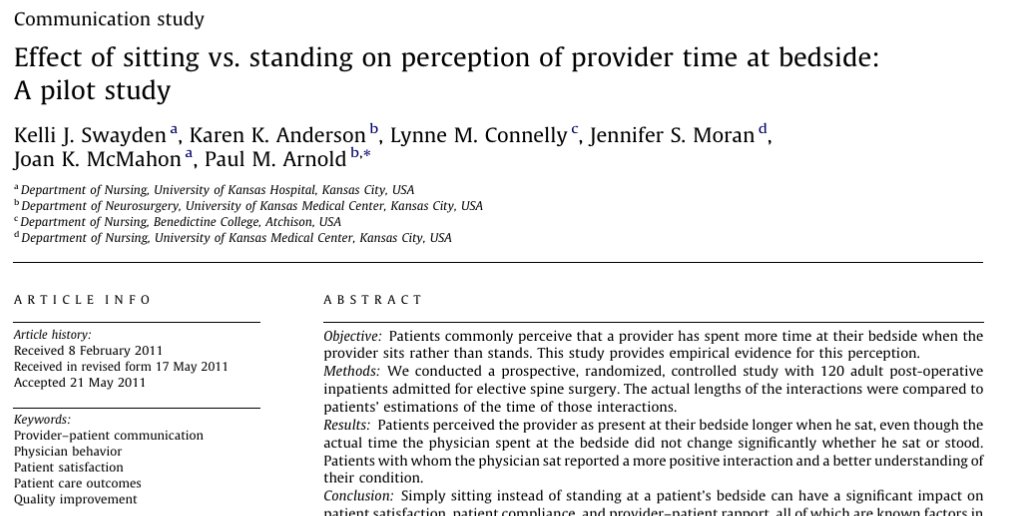
Physicians who sit at the bedside (compared to standing) are perceived to have spent longer with their patient and have higher patient satisfaction.
Ross Prager tweet media
English
33
202
1.1K
229.5K
Michael Rockman, MD, PhD retweetou
Paul Sax
Paul Sax@PaulSaxMD·
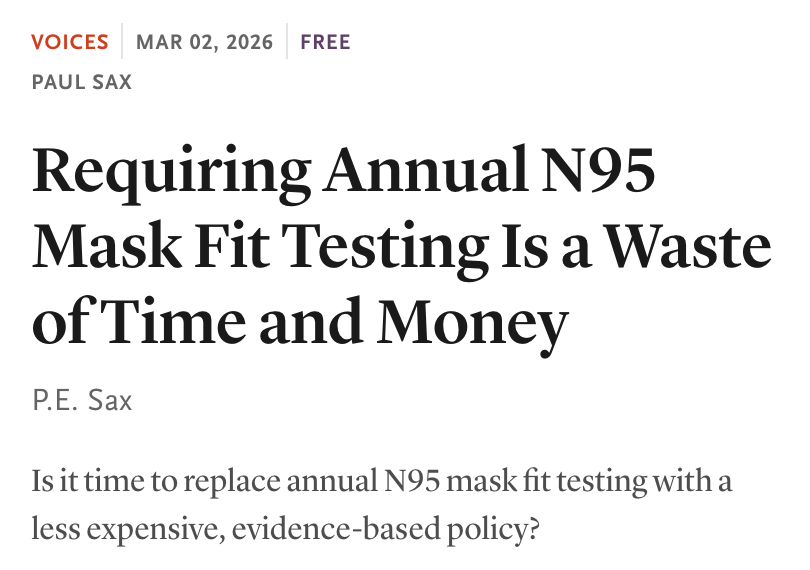
Hey look! @nejm moved my writing to a new spot. Here's the first post, a rant about a particularly annoying requirement for those of us in work in hospitals (link below) 1/3
Paul Sax tweet media
English
44
103
786
114.8K
Michael Rockman, MD, PhD retweetou
David Sinclair
David Sinclair@davidasinclair·
In science, p < 0.05 has become a religion It is simply a probability statement about data under assumptions, yet scientists and society treat it as the essential stamp of truth
Brad Schoenfeld, PhD@BradSchoenfeld

"Not statistically significant" does not necessarily mean "no differences." The two terms are commonly conflated in exercise science research, which confuses messaging to the general public. We need to do better...

English
46
73
829
122.5K
Michael Rockman, MD, PhD retweetou
Dr. Catharine Young
Dr. Catharine Young@DrCatharineY·
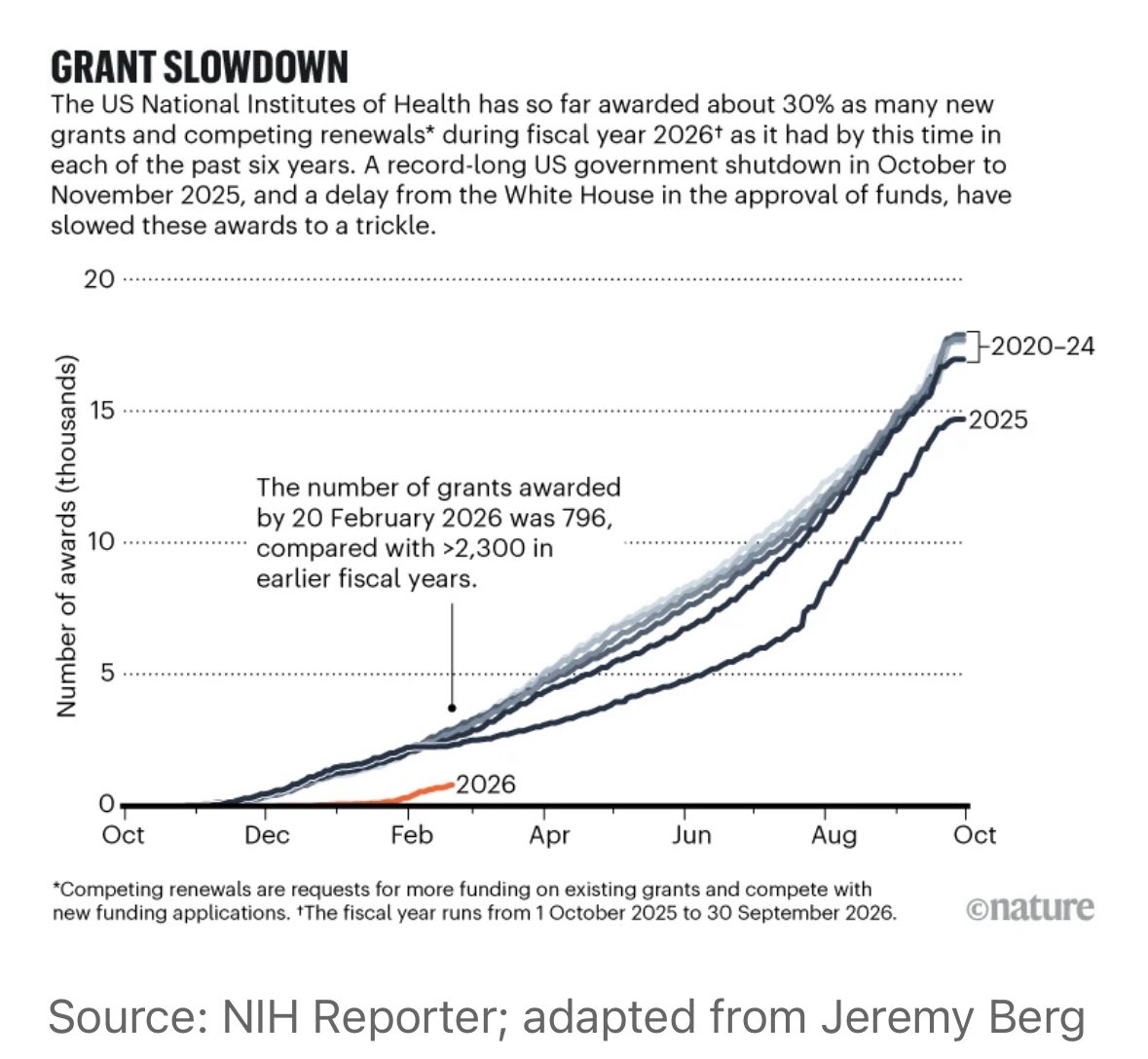
NIH has issued ~65% fewer (796 vs. 2300) new grants so far this year compared to the same point in prior years. Combined with the delayed release of already-appropriated funding and we are witnessing unbelievable real-time damage to the U.S. scientific enterprise.
Dr. Catharine Young tweet media
English
42
363
717
40.8K
Michael Rockman, MD, PhD retweetou
David Sinclair
David Sinclair@davidasinclair·
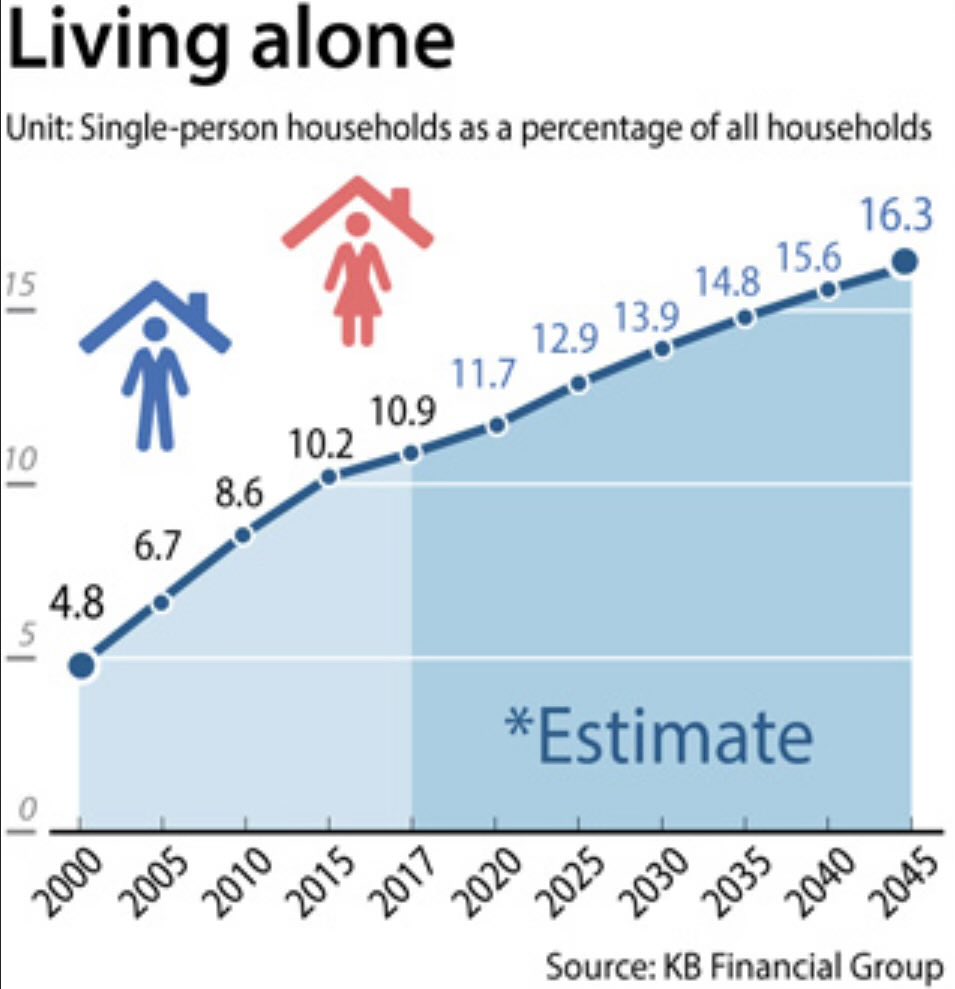
Longevity’s strongest correlate is having a dependable partner. We are creatures whose optimal biology requires tight social bonds, presumably because our ancestors’ survival once depended on them. For optimal health, rebel against today’s antisocial society 💪
David Sinclair tweet media
Brandon Luu, MD@BrandonLuuMD

Very few factors significantly slow epigenetic aging. Strong social connection is one of them. The data keep pointing the same way: healthy relationships are a key to a long and healthy life.

English
48
107
904
65.1K
Michael Rockman, MD, PhD retweetou
Denis Wirtz
Denis Wirtz@deniswirtz·
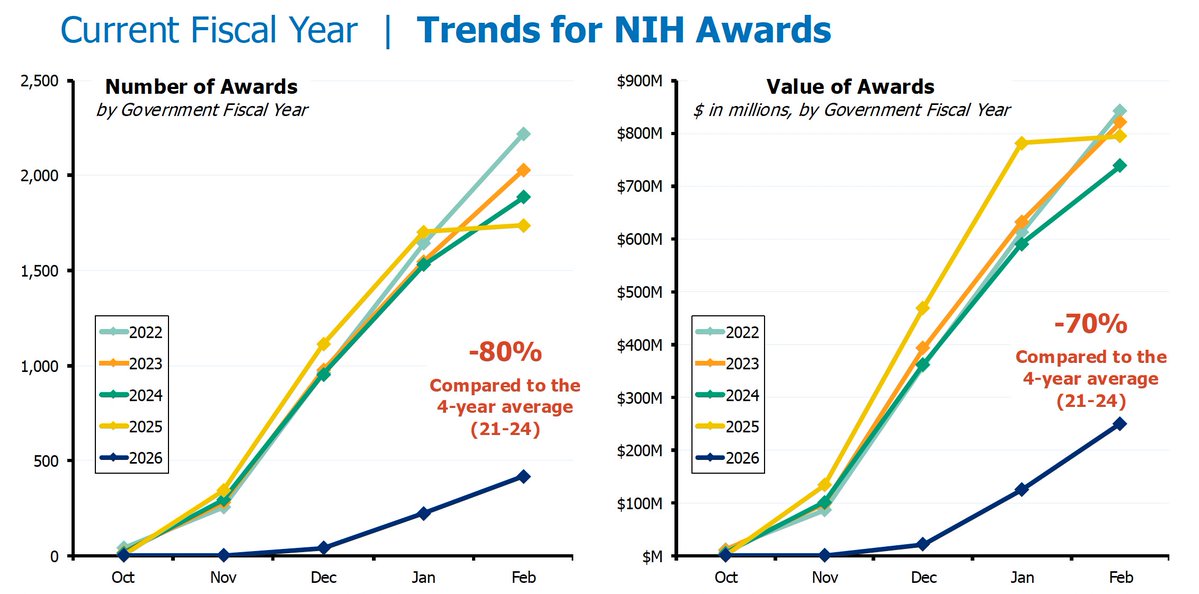
Federal funding for US biomedical research is moribund. Since October 1 2025, NIH is -80% in new grants and -70% in values (total dollars). Labs are closing down and researchers are leaving science. To what end?
Denis Wirtz tweet media
English
43
347
737
175.7K
Michael Rockman, MD, PhD retweetou
Jay Van Bavel, PhD
Jay Van Bavel, PhD@jayvanbavel·
A new article in Nature Medicine found that social connections were a surprisingly powerful predictor of a long life. Living with a partner was roughly as beneficial as exercise. Regular visits with family or having someone to confide in also appeared to be associated with lower mortality. Loneliness also affects mental wellbeing—another factor in longevity. Happy Valentine's Day! powerofusnewsletter.com/p/debunking-bl…
Jay Van Bavel, PhD tweet media
English
55
431
2.2K
237.8K
Michael Rockman, MD, PhD retweetou
Eric Topol
Eric Topol@EricTopol·
The real story about statin safety from >122,000 RCT participants with individual level data. They can cause new-onset diabetes (especially with intensive Rx) and muscle pain/weakness, but other than that they are remarkably safe for 62 outcomes. Rare (0.13%/yr) liver function test abnormalities thelancet.com/journals/lance…
Eric Topol tweet media
English
33
141
570
103.4K
Michael Rockman, MD, PhD retweetou
Laura Vater, MD, MPH
Laura Vater, MD, MPH@doclauravater·
One study found that after an extended shift (24 hours+), doctors were twice as likely to report a car crash & six times as likely to report a near miss. When extended shifts are unavoidable, clinicians need ride share options & real rest spaces for during and after a shift.
English
13
18
107
5.7K