Neil Winward

2.5K posts

Neil Winward banner
Neil Winward

Neil Winward

@NeilWinward

AI Infrastructure | Grid Constraints, Power, Capital Allocation $3B+ structured | Founder @ Dakota Ridge Capital Writing The AI Grid Report

New York, New York Entrou em Haziran 2013
156 Seguindo241 Seguidores
Tweet fixado
Neil Winward
Neil Winward@NeilWinward·
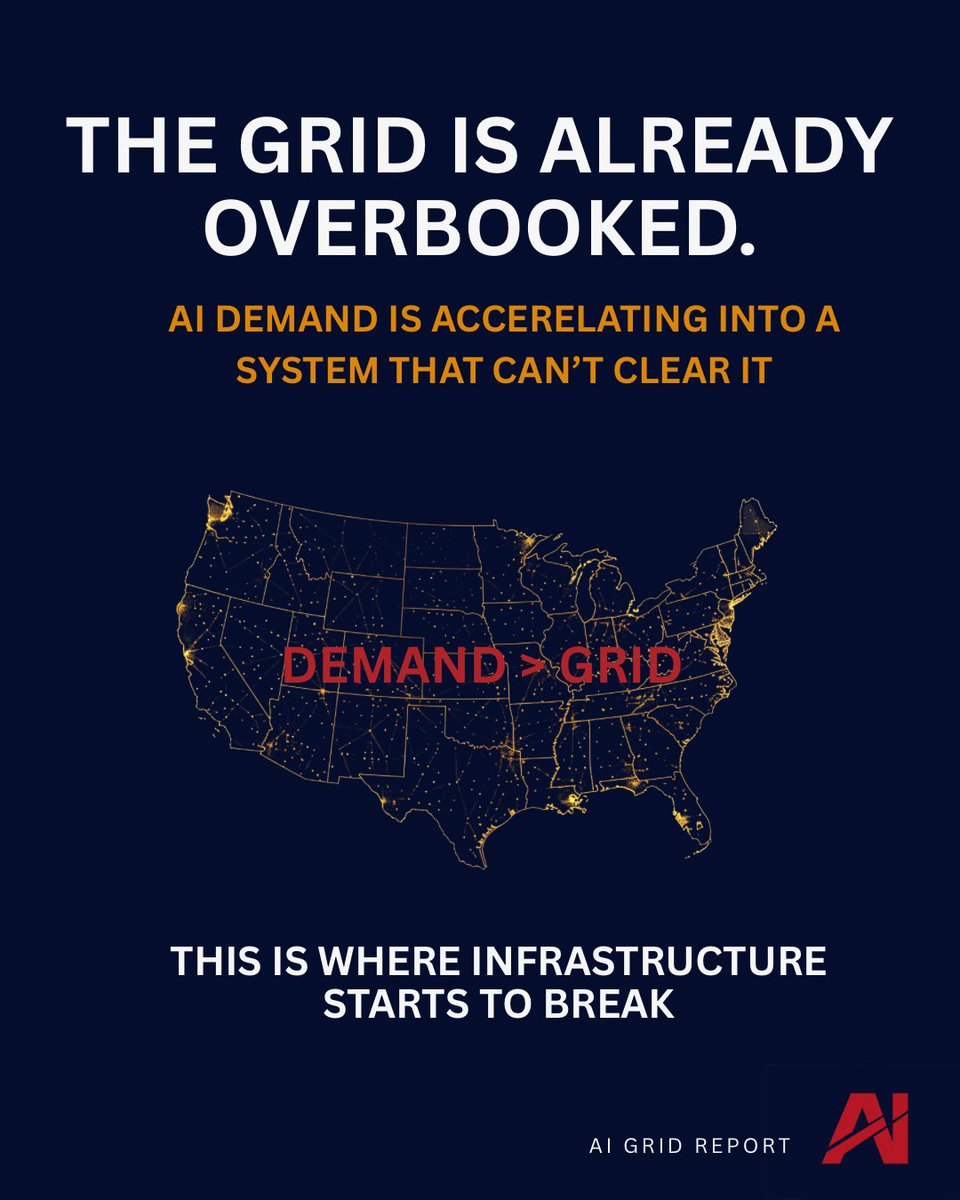
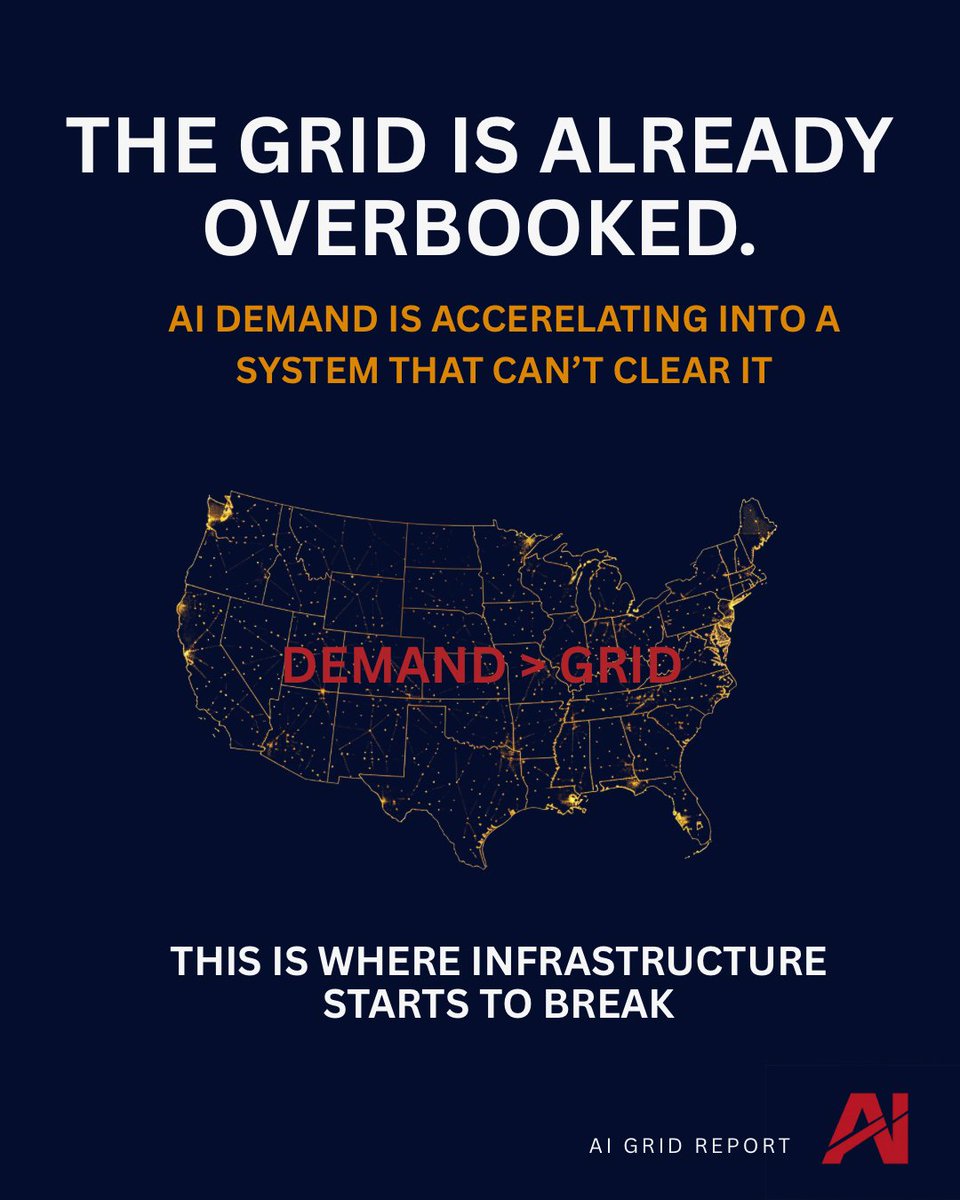
AI doesn’t scale where capital flows. It scales where power connects. For nearly two decades, U.S. electricity demand was flat. Now AI is forcing a step change. But the system it’s hitting — transmission, interconnection, generation — was built for stability, not acceleration. That creates a structural mismatch: Demand moves fast. Infrastructure moves slow. That gap is where constraints form. And once constraints show up, everything changes: – pricing – location decisions – capital allocation This is not a technology story. It’s an infrastructure story. I write The AI Grid Report where I break down: – where capacity actually exists – where bottlenecks are forming – what it means for investors and operators Read here → theaigridreport.substack.com
Neil Winward tweet media
English
0
0
0
22
Neil Winward
Neil Winward@NeilWinward·
Most people think AI is a compute problem. It’s not. It’s a power problem. And we’re just starting to see it.
English
0
0
0
5
The Cytadel
The Cytadel@thecytadel·
"A Thin Line" is out to subscribers. The market is still pricing this like a temporary interruption. It is not. The bottleneck is physical again. That is the line. And it is getting thinner. thecytadel.com/research-hub/a…
English
2
2
4
962
Neil Winward
Neil Winward@NeilWinward·
“The software age did not fail. It succeeded so completely that it recreated physical scarcity at a higher level of the stack. And once that happens, capital does what it always does: It moves toward the bottleneck. That is the real transition underway. Not less technology, more of it. But this time, built in steel, copper, silicon, transformers, cooling pipes, and electrons. The future is still being pulled forward. It just needs a lot more power to get there.” This is so spot on. It’s why I paused two newsletters to write this new one. theaigridreport.com
Neil Winward tweet media
English
0
0
0
17
Neil Winward
Neil Winward@NeilWinward·
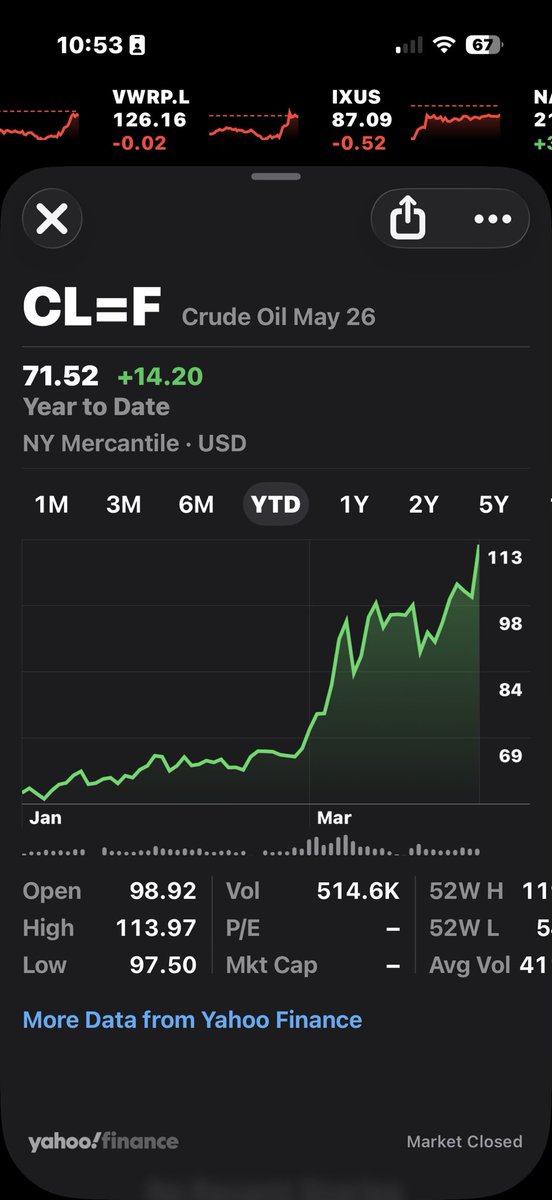
Any idea why Apple Stocks app is pulling bad data this morning?
Neil Winward tweet media
English
0
0
0
12
Neil Winward
Neil Winward@NeilWinward·
2,300 GW waiting in interconnection queues 1,200 GW installed across the U.S. The queue is nearly twice the grid. This isn’t a backlog. It’s a filter. Full analysis →f.mtr.cool/fraeyuhjog
English
0
0
0
8
Neil Winward
Neil Winward@NeilWinward·
@IEA I love this. But increased electrification—at least in the U.S.—is going to hit a grid that is already creaking under the pressure of data centers.
English
0
0
0
9
International Energy Agency
Global oil markets are facing a historic supply disruption amid the war in the Middle East, pushing up prices for consumers. Our new report sets out 10 immediate demand-side options to help governments, businesses & households ease the economic impacts → iea.li/4sGjMl9
English
6
20
30
3.4K
Neil Winward
Neil Winward@NeilWinward·
@ShanuMathew93 Have you looked at Peter Kind's work on the Utility Death Spiral that arises from BTM? It's supposed to be a solution to high retail prices. Make intuitive sense, but the facts say otherwise.
English
0
0
0
18
Shanu Mathew
Shanu Mathew@ShanuMathew93·
"Google pushed back on that framing. Their view is that once you start building isolated systems, you end up overbuilding for reliability and tie up more capital into assets that run a fraction of the time. And none of that investment actually improves the grid. There’s also a concern that it could lead to higher system costs over time if those resources aren’t shared."
Stephen Lacey@Stphn_Lacey

There’s a growing amount of excitement and trepidation around off-grid data centers. I’m not convinced many will actually go fully off-grid -- probably as a bridge in most cases. But it’s surfacing a more interesting tension about how we build the system. As @ceboudreau detailed, that tension played out on stage at CERAWeek between Fermi and Google. Fermi is leaning into the “power island” model that pairs data centers with dedicated generation, starting with gas and potentially nuclear. The idea is to move faster, avoid interconnection bottlenecks, and not push costs onto the broader system. Google pushed back on that framing. Their view is that once you start building isolated systems, you end up overbuilding for reliability and tie up more capital into assets that run a fraction of the time. And none of that investment actually improves the grid. There’s also a concern that it could lead to higher system costs over time if those resources aren’t shared. We will clearly see some version of both of these approaches, but I agree more with Google's @AmandaCorio on this one: “We are focusing too narrowly on this moment and the bottlenecks, and not thinking collectively as a system in 10 years."

English
2
7
48
14.8K
Neil Winward
Neil Winward@NeilWinward·
Residential is the visible story - and the one showing up at State Houses on the data center controversies. Any plans to add commercial and industrial rates? That's where the grid math actually breaks when you start thinking about supposed solutions using BTM: who foots the bill?
English
0
0
0
11
Jesse D. Jenkins
Jesse D. Jenkins@JesseJenkins·
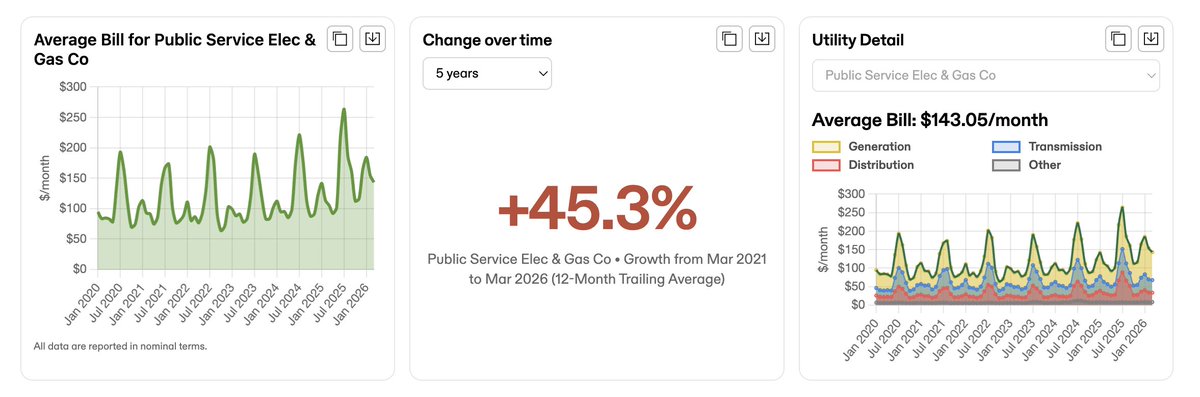
My friends @heatmap_news and @mitceepr just released the Electricity Price Hub, a new public data platform that provides monthly, utility-level estimates of residential electricity rates and bills across the United States going back to 2021, broken down by generation, transmission, and distribution costs. Here's what it looks like for my utility in NJ.
Jesse D. Jenkins tweet mediaJesse D. Jenkins tweet media
English
3
29
114
10.4K
Neil Winward
Neil Winward@NeilWinward·
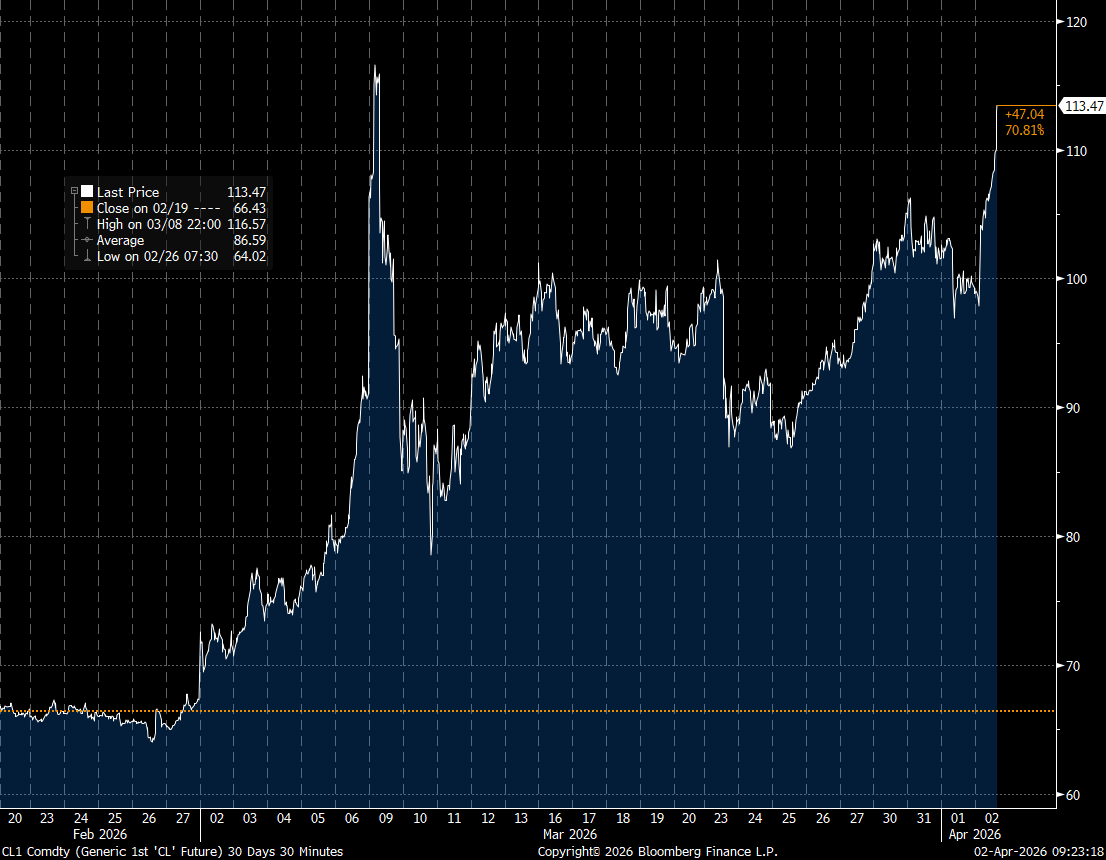
@Rory_Johnston $113 WTI is the best marketing the electrification thesis ever had. The question nobody's asking: where does the load go when it shows up? The US grid's interconnection queues can't absorb it inside 4-years.
English
0
0
0
86
Rory Johnston
Rory Johnston@Rory_Johnston·
WTI crude just absolutely sending it. The US crude benchmark is now at its highest level since that melt-up we got on the second Monday of the war.
Rory Johnston tweet media
English
26
62
514
52.5K
Neil Winward
Neil Winward@NeilWinward·
Everyone is focused on AI chips. The constraint is power. The real question isn’t: “How fast can AI scale?” It’s: “Where can it actually get built?” We just launched The AI Grid Report → f.mtr.cool/gikvrcksad
Neil Winward tweet media
English
0
0
0
14
Neil Winward
Neil Winward@NeilWinward·
Two out of three power projects never get built. Not because they fail. Because the grid can’t absorb them. AI is scaling. The grid isn’t. Read the full breakdown → f.mtr.cool/oonaibxynq
Neil Winward tweet media
English
0
0
0
7
Neil Winward
Neil Winward@NeilWinward·
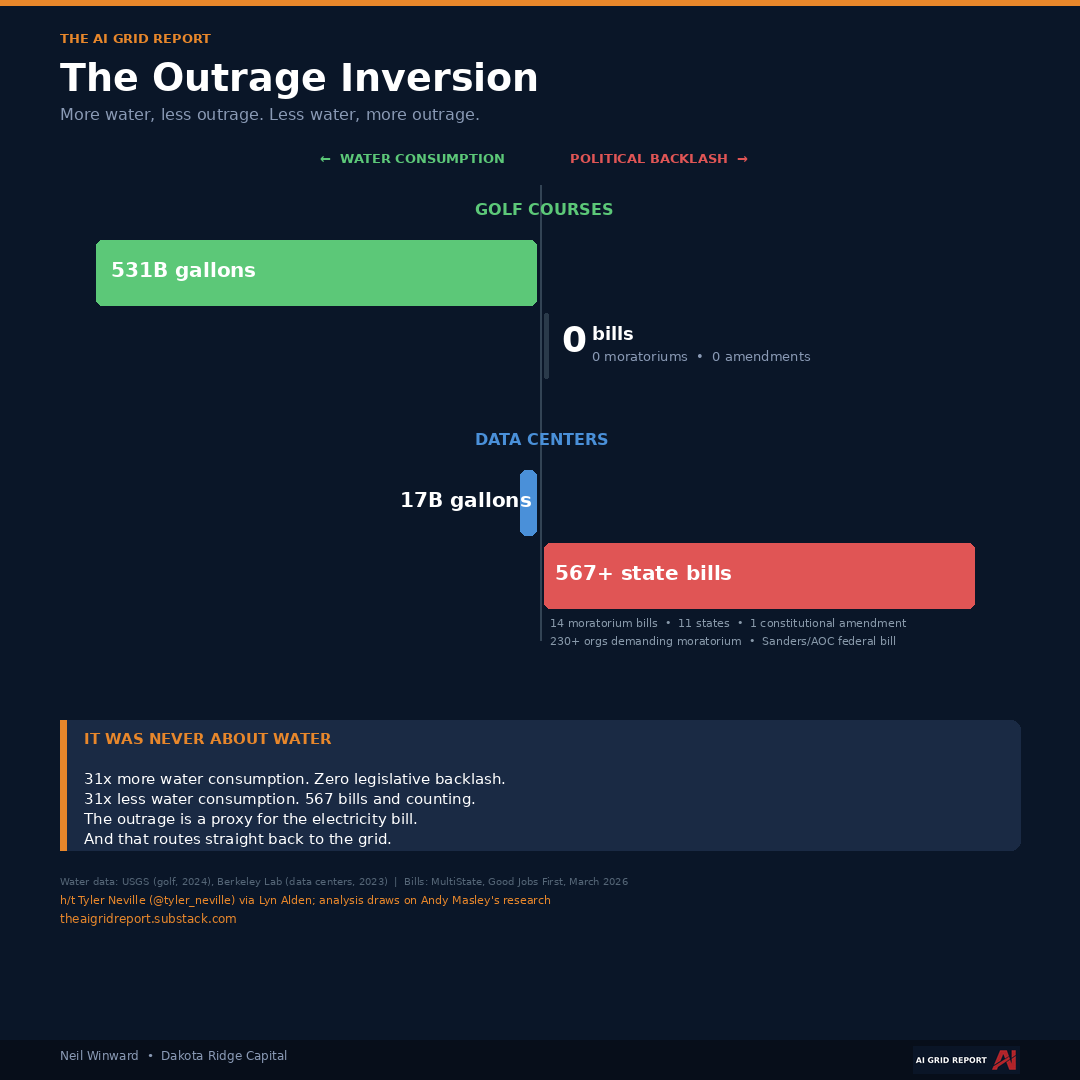
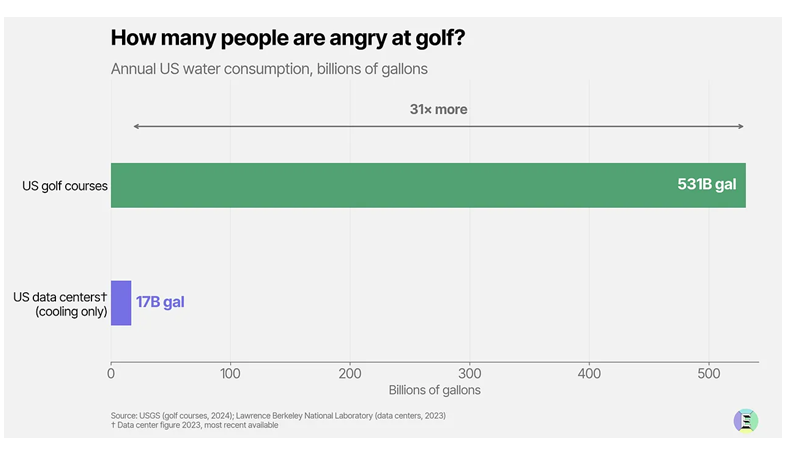
A subscriber to The AI Grid Report asked me to write about data center water usage as another aspect of the grid constraints on data centers. Then this chart by @tyler_neville, reposted by @LynAldenContact, showed up in my feed. Perfect. So I took it one step further and created an index. Golf courses: 531B gallons. 0 bills. 0 moratoriums. Data centers: 17B gallons. 567+ bills. 14 moratoriums. 1 constitutional amendment. 31x more water. Zero outrage. 31x less water. 567 bills and counting. It was never about water. It's about the electricity bill. theaigridreport.substack.com
Neil Winward tweet media
English
1
1
6
984
Tyler Neville
Tyler Neville@Tyler_Neville_·
This is a wild chart on Golf vs. Data Centers. Bottom line- people like golfers more than tech bros trying to centralize the world in AI dystopia 😂
Tyler Neville tweet media
English
77
105
1.2K
138.8K
Neil Winward
Neil Winward@NeilWinward·
@AStuttaford And so begins another quest for snatching defeat from the jaws of victory.
English
0
0
1
18
Andrew Stuttaford
Andrew Stuttaford@AStuttaford·
Progressives Give Wealth Confiscation Another Go "Warren is expanding the wealth tax before it has even been enacted, but it could swell further. One of the senator’s top influences, the inequality-obsessed economist Thomas Piketty, once floated the idea of taxing household wealth above a threshold as low as $260,000." nationalreview.com/2026/03/progre…
English
2
4
10
615
Neil Winward
Neil Winward@NeilWinward·
Claude seems to take Sunday mornings off. I have noticed poor work product then. It is a remarkable tool. But, rather like the slide rule (hands up who remembers that!), one needs to know roughly the answer one expects before being able to get it with precision. If I need six mountains to be climbed in order to find a particular well defined treasure, AI is the perfect tool. If I say “go climb six mountains and find me treasure,” it may bring back a lump of coal and expect praise for finding treasure.
English
1
0
1
21
Manish Jain
Manish Jain@makeitjain_·
Related thought. While working on documents, I've developed a weird behavior where I ask Claude to incorporate the changes before I've read through all of their suggested changes and show me the changes in line. Then I start reviewing the changes while Claude is working in parallel. This is an example of a behavior that would never fly in a traditional workplace. You wouldn't ask someone to go do the work before you had some strong sense the work would be worthwhile. (unless you worked in investment banking)
Olivia Moore@omooretweets

Funny model behavior I’ve noticed ChatGPT biases toward questions that continue the conversation Claude biases towards questions that end it 🤔

English
1
0
0
97
Neil Winward
Neil Winward@NeilWinward·
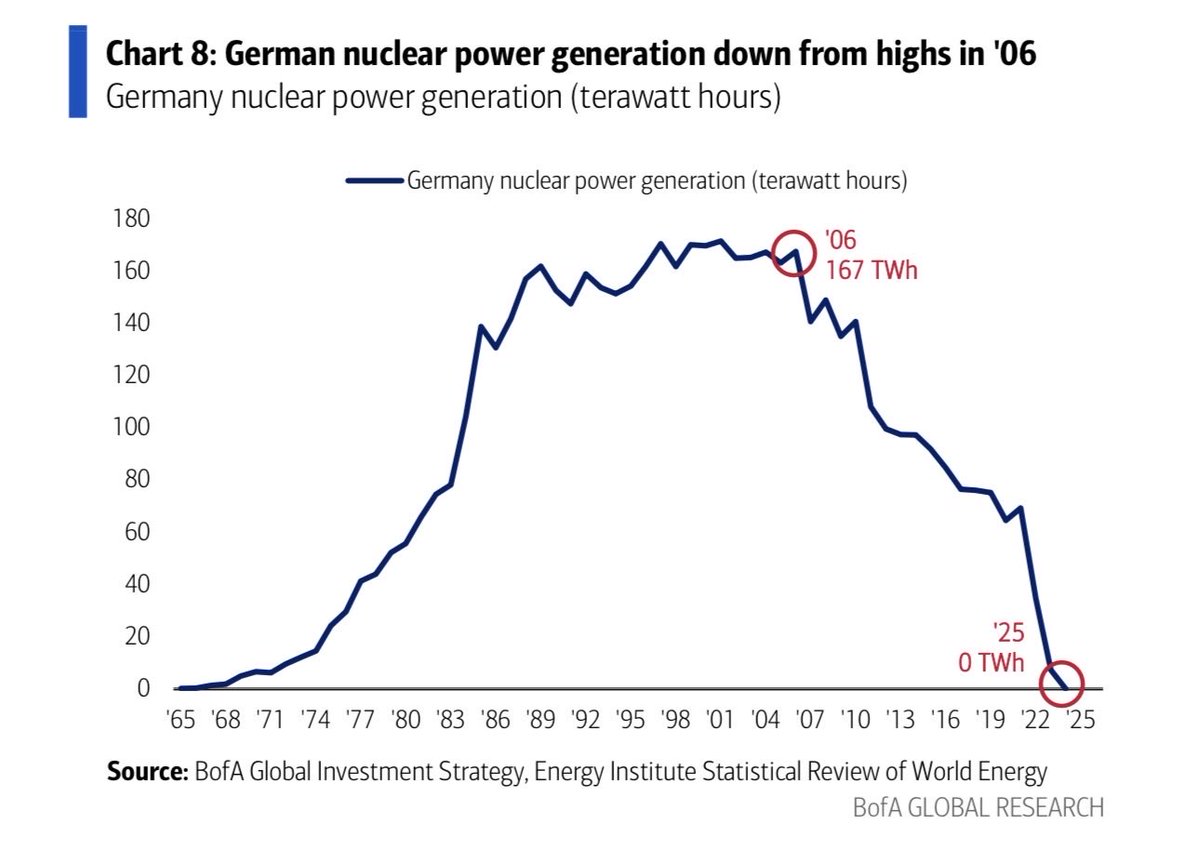
It was a deal Schroeder made in 1998 in coalition with the Greens. Then Merkel went in opposite direction…until Fukushima and a key election loss in Baden-Wurttemberg. It’s all political. Now Merz regrets it…Quick way to deindustrailize and mortgage future to Russian Nat gas. Shame.
English
0
0
27
3.7K
Lyn Alden
Lyn Alden@LynAldenContact·
Still can’t believe they did this.
Lyn Alden tweet media
English
1K
1.6K
12.5K
906.3K
Neil Winward
Neil Winward@NeilWinward·
AI doesn’t scale where capital flows. It scales where power connects. New piece on where data center capacity is actually getting stuck—and why interconnection is the real bottleneck. Read here → f.mtr.cool/jotqkaqhpz
Neil Winward tweet media
English
0
0
2
17
Neil Winward
Neil Winward@NeilWinward·
@AStuttaford 🤦‍♂️pure genius—why didn’t anyone think of this before? Wait…
English
0
0
2
11
Neil Winward
Neil Winward@NeilWinward·
@LynAldenContact We never know. I wonder what happened to Patrick Rothfuss’ Doors of Stone.
English
3
0
4
628
Lyn Alden
Lyn Alden@LynAldenContact·
Devon’s post hits hard. For most work I’ve done, whether engineering or management or finance, I can produce results consistently and on time. But for books, both nonfiction and fiction, I need to really *feel* it. I can’t force it. Creativity draws from something separate.
Devon Eriksen@Devon_Eriksen_

"Where's the sequel?" Any time this question gets asked nowdays, we are conversing by the flickering light of George Martin's spectacular self-immolation.   George Martin is an asshole. We can't just brush off the question like he does. Authors might not owe you another book, as Neil Gaiman pointed out while he wasn't busy being a sex pest, but... so what? I don't conduct relationships with my fans via double entry bookkeeping, in the same way that if I have a headache, Sara doesn't check the balance sheet before giving me a scalp massage. Readers pay my bills, they want a sequel, I want to deliver one, or least a transparent explanation of why it's taking a while. It's the obfuscations, false promises, and outright lies that make fans so angry. So here's what happened. I never expected Theft of Fire to hit as hard as it did. Debut novels don't do this, and if you think they do, that's not the first novel, just the first one that you heard of. I also never expected to take off on Twitter like I did. So, there were a lot of demands for attention. Appearing on podcasts, at conventions, that sort of thing. And that was, indeed, slowing down the writing. Handling a public presence was new to me. But had it been that alone, you'd have Box Of Trouble in your hands right now. It would have been later than a year, but not this late. But then I had to drive Sara to the ER at 5am in the morning, with the worst headache of her life, probably a fair description of what it feels like when you have a 5cm  stage 4 cancer bleeding into your brain. The next day, I read her the comments from people hoping and praying for her, as they wheeled her for brain surgery. That was the beginning of a very long year, full of more surgeries, radiation therapy, immunological infusions that made her sicker than the cancer itself, two hour drives to the treatment center, sometimes every other day. I tried to write. I tried. Not just because I was later than I wanted to be. Not because you asked me where the sequel was. Because I needed something I could do. Something I had control over. Something that felt like progress, instead of sitting around waiting to see if I was going to lose... Well, you know what it's like to love someone. We give hostages to fate when we love. Trying to work was a mistake. Brains work by association. For the meager payoff of what little progress I could make, I cross-linked my writing process with hospital waiting rooms, infusion centers, and that soft, empty feeling of waiting for death in blank rooms with old magazines and inoffensive white walls. When we were luckier than most, when our battle with cancer ended in triumph, I didn't feel triumphant. I didn't even feel relieved. I didn't feel anything. Something quiet and vital and nameless had switched off inside me, and because of that, I could keep marching forward. But the color had drained out of the world. I could rest now. Sleep. Sort of. A little bit. But I couldn't write. Whatever part of me had juggled ideas, tossing them up in the air with a laugh to see what came down, or whether they turned into birds and flew off and didn't down at all, well... that part wasn't laughing. It was curled up in the corner, tucked in a little ball with its arms around its knees, tunelessly humming a song I didn't like the lyrics of. I tried. So many authors, successful authors, far more experienced than I, talk about discipline and forming good habits and not waiting for inspiration. So I tried. I was late already, and it was eating at me. People were understanding, but I understand all too well that even a good excuse is not a result. I was... different. Angry. Snapping at people. Using my writing gifts to snarl at people over politics instead of play with fun ideas, saying things that were just expressions of frustration rather than insight. I lost some friends. I don't think I'll get all of them back. There are treatments for cancer. There aren't any treatments for the people in the splash zone. At the end of last November, the two-year mark since I published Theft of Fire, I realized I wasn't going to finish. Not like this. I had 85% of a complete manuscript, but you can't crawl across the finish line if you can't crawl. I had to stop and fix... everything. I sat down, stared at a wall, and thought about what I needed to do. Since I wasn't stupid enough to involve anyone who calls herself a "therapist", there were no lectures about intersectional feminism and toxic masculinity. Then I played video games for a month. And not much else. That doesn't sound like a great vacation. It sounds like laziness. But that's what it needed to be. I needed to not be responsible. If it were my job to build walls or dig ditches or fight wars or design aircraft parts or write software, I could have knuckled up and just done it. But telling stories isn't something that you can just work at. You have to play at it, too. And to do that, you have to remember what it feels like to play. So I had to ignore the advice that I'm sure was great for other people who aren't me, and I had to be lazy and play video games for a month, and then go scuba diving in the Florida keys, and then get sick and attend a convention as guest of honor while so drugged up that I barely remember anything I said. I had to realize that I was injured. And I had to put myself on the injured list. What do you do with a lifting injury? How do you rehab a damaged muscle? Well, you rest it until you can move it through the full range of motion, weakly. And then you lift weights again, but light ones. Only as much as you can handle without pain. So I sat down each day and wrote, just a little. A sentence or two, sometimes, if I couldn't get more. Never pushing myself, quitting when there wasn't any more in the tank, not nagging myself over deadlines long vanished in my rearview mirror. It started out as just 100 or 200 words, here and there. Then it started to feel okay again. Well, okayish. It wasn't enough. It wasn't the pace of a man trying to finish a race, or deliver on a delayed promise. But it was all I had to give. But yesterday, I wrote 1000 words. Today, 1100. And I didn't hate them. I'm still not 100%. I'm... diminished. Mentally and emotionally. Angry a lot of the time. Sometimes ashamed of myself over all this. A lot of things that used to bring me joy now bring... nothing. But I know what I have to do for myself so I can do this at all. And it's working enough to let me move forward. I have 132,000 words now. They're good. I don't hate them. They're better than Theft of Fire. I don't know where the finish line is, but I know it's somewhere out there. It feels closer now. I can't promise a date. I'm sorry. Things are still bad, even if they're better now, and I have to just do what I can, and not hate myself for it. There's a printed page taped to my wall. Above the monitors. Something I said to someone else once. Sometimes you have to be the person you wish you had. Cast your eyes down. You cannot see Samarkand from here, but the road is before you. Look to the road, see the footprints in the dust. Others have walked  this way. Take one step, and then another, and then a third. Rest in the  cool of the evening, and walk when the sun rises, when the muezzin  calls the faithful at dawn. Take one step, and then another, and then a  third. Others have walked this way. Look to the road, see the footprints  in the dust. The road is before you, though you cannot see Samarkand from here. Cast your eyes down. And walk.

English
47
6
278
78.9K
Neil Winward
Neil Winward@NeilWinward·
Low volatility does NOT mean low risk. It often means risk is concentrated. Thread: 1/ When vol compresses: Risk models expand exposure. 2/ Exposure increases crowding. 3/ Crowding narrows liquidity. 4/ Narrow liquidity breaks faster. 5/Vol spikes don’t drift higher. They jump. 6/The real risk isn’t volatility. It’s structural fragility during calm. Full breakdown + scoring model here: fearlessinvestor.substack.com/p/the-stabilit…
Neil Winward tweet media
English
0
0
1
16