UMiami Movement Disorders

147 posts

UMiami Movement Disorders banner
UMiami Movement Disorders

UMiami Movement Disorders

@UMiamiMoveDis

University of Miami Movement Disorders Division | Parkinson’s Center of Excellence | Huntington's Disease Center of Excellence | Tourette's Center of Excellence

Miami, FL Entrou em Nisan 2021
200 Seguindo178 Seguidores
UMiami Movement Disorders retweetou
Michael Okun
Michael Okun@MichaelOkun·
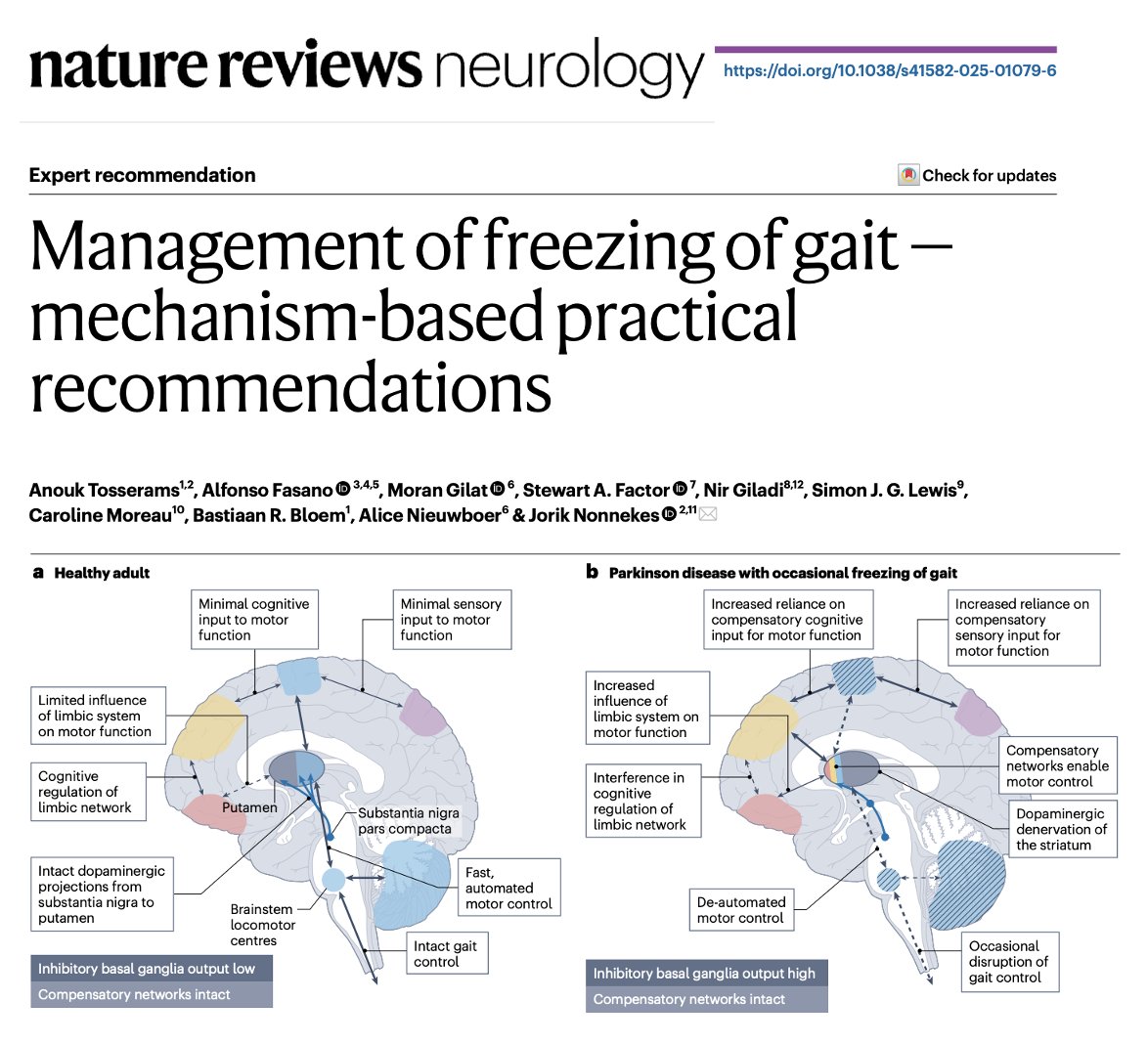
Do you have a plan for management of freezing of gait (FOG) in Parkinson's? I think about 5 things when constructing a PLAN. Check out the new paper by Tosserams, Fasano, Bloem, Nonnekes and colleagues in Nature Reviews Neurology. Key Points: - Freezing of gait is one of the most disabling symptoms in Parkinson’s. - It is one of the most frustrating for patients and caregivers alike. - People may describe it as feeling like their feet are glued to the floor, and FOG increases fall risk, anxiety, and loss of independence. My Take: I urge our community to take a step forward with more coordinated plans for FOG in Parkinson's. FOG in Parkinson’s: Why do we need a plan? This paper offers us a clear, comprehensive, pathophysiology-driven framework to build a person specific plan. An important point that resonates for me: FOG isn’t one thing, it’s many things. It demands listening, with a personalized, evolving approach. It must addresses motor and non-motor factors that may underpin the manifestation. Here are 5 key things I consider when treating freezing of gait (FOG): 1- Classify the type of FOG – Is it OFF-state, pseudo-ON, or dopamine-unresponsive? Your treatment will hinge on this. 2- Optimize dopamine – Tailor medications carefully, and consider infusion or DBS if or when appropriate. 3- Use non-drug strategies – Physical therapy, cueing, and gait training. These can be powerful, especially early in disease. 4- Treat the whole person. Anxiety, cognition, and sleep all interact with FOG. Addressing these features matters. 5- Think prevention: Exercise, balance training, and early identification. Can we delay FOG or treat the person more effectively so it does not emerge? Listen and optimize plans at every visit even if FOG is not present. Let’s turn these insights into action. BRAVO to the authors. Don't be nolens volens – willy-nilly about freezing of gait (FOG). nature.com/articles/s4158… #Parkinsons #FOG #FreezingOfGait #Neurology #DBS #Gait #MovementDisorders #ParkinsonsPlan #NeuroRehab #NeuroInnovation @ParkinsonDotOrg @FixelInstitute
Michael Okun tweet media
English
6
81
311
19.8K
UMiami Movement Disorders retweetou
Dr. Heli Shah
Dr. Heli Shah@dr_heli·
Are you aware of Approach to adult onset hereditary cerebellar ataxia ?? Newer Short tandem repeats causing cerebellar ataxia with their key clinical features @TheCerebellum @CNRG_Aus 🔷️FGF14(SCA27B) 🔷️RFC1(CANVAS) 🔷️ZFHX3(SCA4) 🔷️THAP11 doi.org/10.1007/s12311…
Dr. Heli Shah tweet mediaDr. Heli Shah tweet media
English
1
12
42
3.6K
UMiami Movement Disorders retweetou
Michael Okun
Michael Okun@MichaelOkun·
What are the key differences between the two new Parkinson's stem cell trials just published in Nature? What should you be thinking about when making decisions about potentially enrolling in stem cell research trials for Parkinson's. Key Points: - One study used induced pluripotent stem cells (iPSCs) from adult cells and one used human embryonic stem cells (hESCs). - They both aimed to make and implant dopaminergic neurons. - The autologous cell study likely has less risk of rejection compared to other study that may require immunosuppression drugs. - One study was 7 patients and one 12 patients. The 12 patients were divided into 5 low-dose and 7 high-dose. - Main findings of both studies: A handful of patients studied. The results revealed both approaches were reasonably safe. My take: Of all the potential therapies being pondered and developed for Parkinson's disease over the previous two decades, none has garnered more hope and attention than stem cell transplantation. The current two studies published in Nature were limited to the motor circuitry and thus to addressing mainly the motor symptoms of Parkinson's. Walking, balance, talking and thinking will not likely be addressed by this approach. Though there were only a small number of subjects included in each study, both stem cell approaches were safe and revealed some signal for improvement in clinical outcome(s). None of the subjects in either study experienced off medication 'runaway dyskinesia(s)' which was a formidable challenge w/ previous stem cell approaches. The autologous induced pluripotent stem cells did not require immunosuppression drugs. The human embryonic stem cell approach did require immunosuppression. Both approaches require neurosurgery for insertion of cells. Larger prospective long term trials will deliver the data we need to compare performance relative to Parkinson's medications, DBS and pump therapies. Here are the two studies: Tabar and colleagues: nature.com/articles/s4158… Sawamoto and colleagues: nature.com/articles/s4158… #Parkinsons @FixelInstitute @ParkinsonDotOrg @Nature
Michael Okun tweet media
English
1
15
56
4.4K
UMiami Movement Disorders retweetou
Corneliu Luca
Corneliu Luca@luca_corneliu·
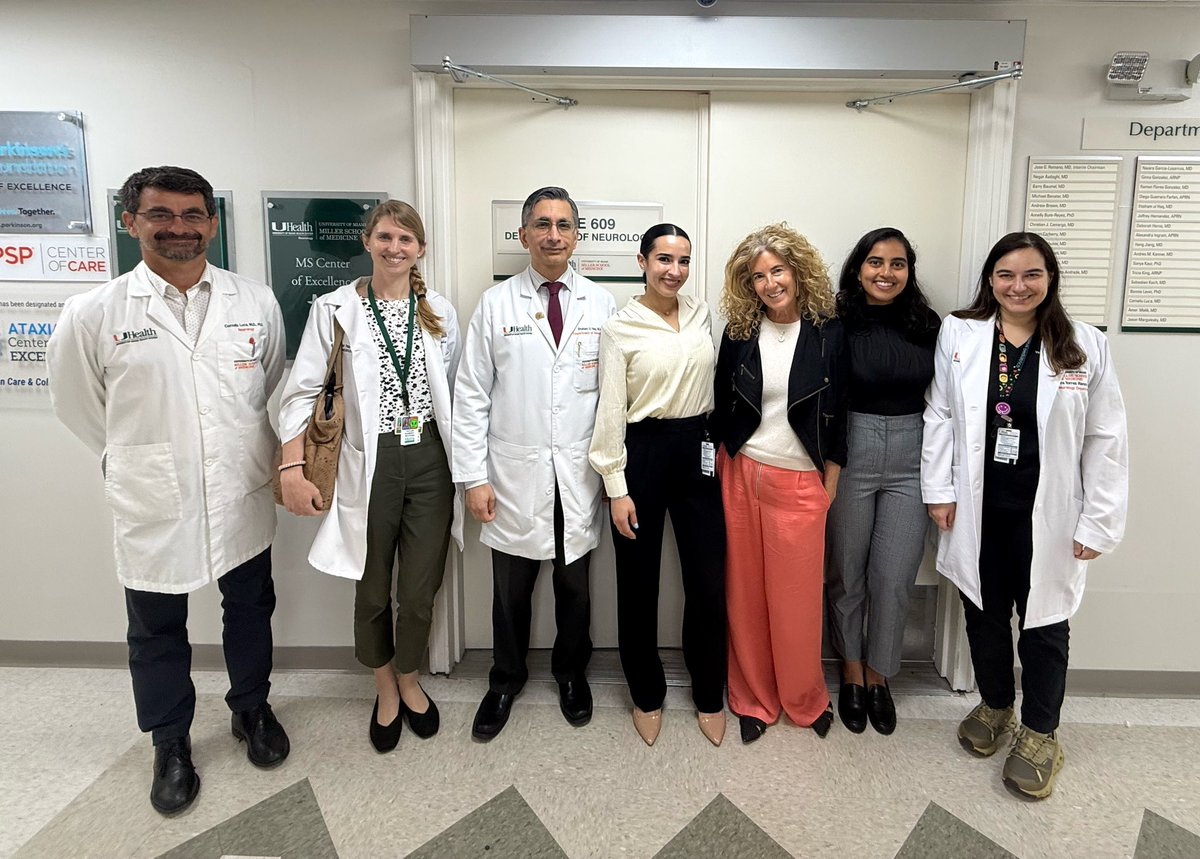
Very excited to be able to offer adaptive DBS to our patients with PD at University of Miami. Amazing team effort here at UM for the past 2 days initiating the therapy - more to come! @univmiami
Corneliu Luca tweet mediaCorneliu Luca tweet media
English
0
1
17
380
UMiami Movement Disorders retweetou
Corneliu Luca
Corneliu Luca@luca_corneliu·
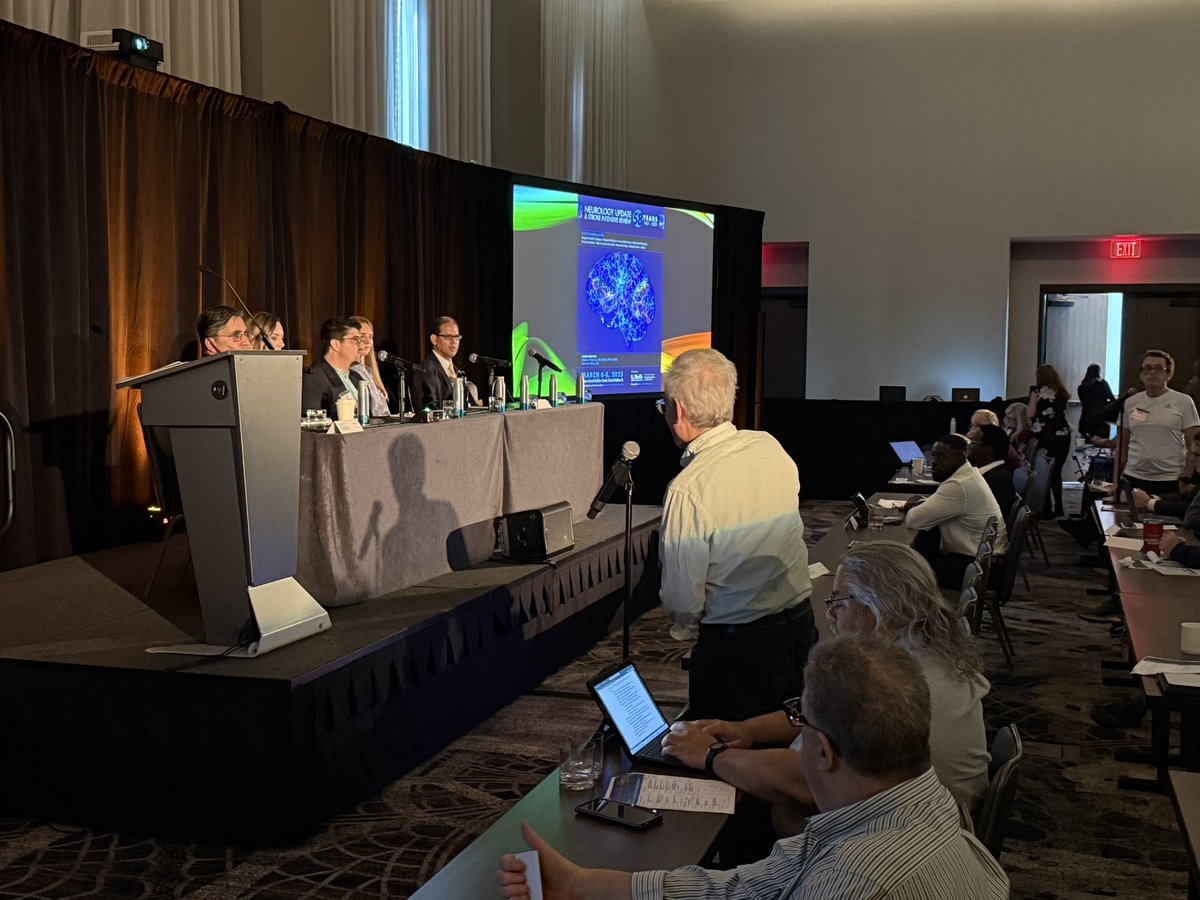
Great speakers and participation at our 2025 University of Miami Neurology Update. Learned a lot about new Parkinson’s disease treatments, atypical Parkinsonism and functional movement disorders from drs @DrHaqPD Henry Moore, Danielle Shpiner, @DrJ_tremorMD and Taylor Peabody.
Corneliu Luca tweet mediaCorneliu Luca tweet mediaCorneliu Luca tweet media
English
0
2
4
218
UMiami Movement Disorders retweetou
Michael Okun
Michael Okun@MichaelOkun·
The apomorphine pump (ONAPGO) has finally been FDA approved for treatment of Parkinson's. This will be another excellent option for treating 'off medication time' in Parkinson's, and the evidence has been there for a long time. We review the key points of @TheLancetNeuro TOLEDO trial by Regina Katzenschlager, @ajlees and colleagues that was published back in 2018 and provides the solid evidence base for this therapy. Key Points: - In their original trial apomorphine infusion reduced medication off time compared with placebo (~2.0 hours). - Seemed to be safe and well tolerated. - Skin reactions and nodules have been the most talked about side effect. - The name it will be sold under is ONAPGO. My take: This will be a nice addition to the treatment armamentarium for Parkinson's disease folks w/ motor fluctuations. It is a wearable subcutaneous infusion device similar to what is used for diabetes. Guess what folks? There is a ~30 year history of apomorphine use in Europe. This now FDA approved subcutaneous apomorphine pump joins the new subcutaneous foslevodopa/foscarbidopa pump, as another potential choice for treatment of Parkinson's symptoms. We will need to double down on our efforts to better identify and to match appropriate folks for treatment with each pump. We will need to learn how and when to pull the trigger for the more aggressive treatments, like DBS and focused ultrasound. It will be interesting to observe whether these pumps will be a huge add for those w/ gastric dysmotility and variable absorption of medication; and of course how well tolerated they will be in the real-world. Finally, how necessary will a good care-partner be to ensure success of a pump; I suspect this will be critical. I believe that we will – docendo discimus – learn by teaching, sharing and of course publishing our experience. thelancet.com/journals/laneu… Press release on approval: ir.supernus.com/news-releases/… #Parkinsons
Michael Okun tweet media
English
0
36
102
7.1K
UMiami Movement Disorders retweetou
Doris Wang
Doris Wang@DorisWangLab·
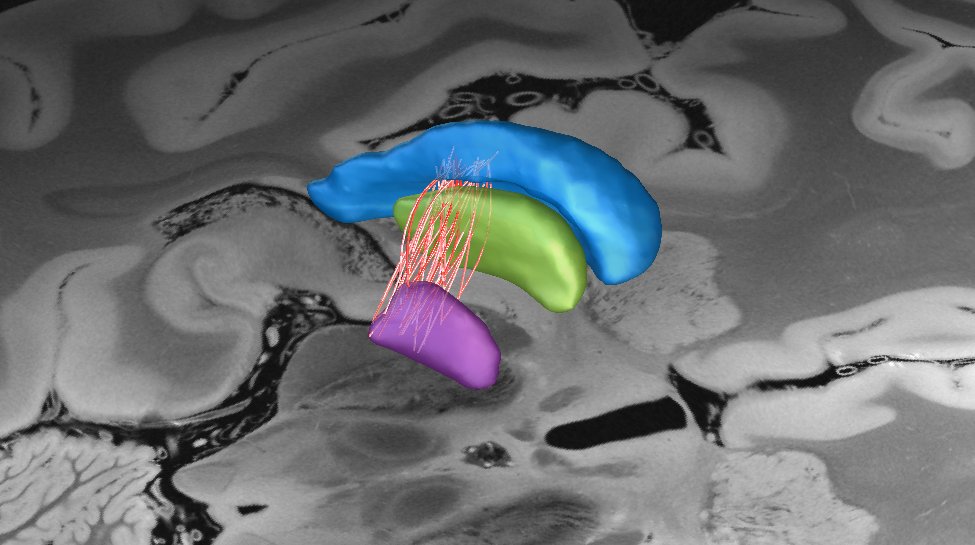
We are excited to share our preprints: Modeling and Optimizing Deep Brain Stimulation to Enhance Gait in Parkinson's Disease: Personalized Treatment with Neurophysiological Insights medrxiv.org/content/10.110…
English
1
7
42
3.1K
UMiami Movement Disorders retweetou
Corneliu Luca
Corneliu Luca@luca_corneliu·
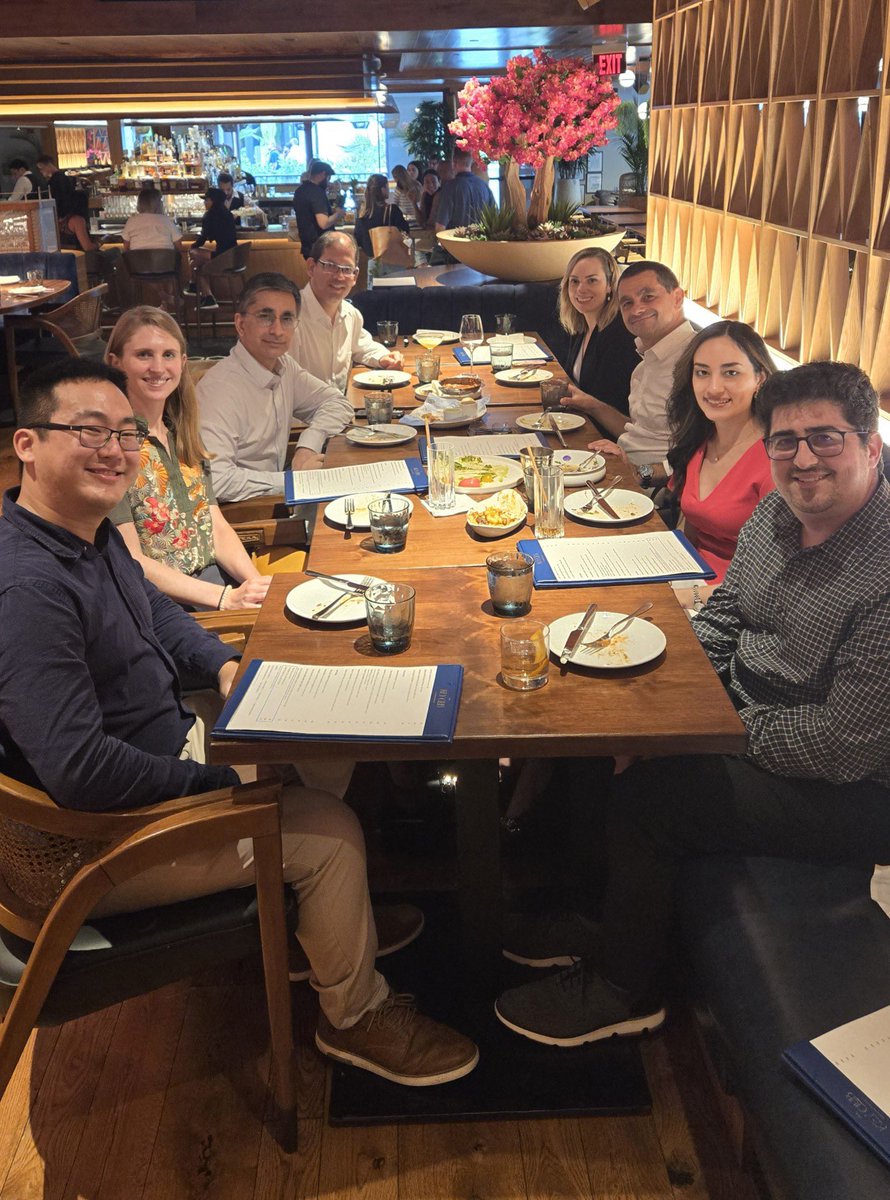
So happy to get together with our amazing UMiami residents and fellows ⁦@movedisorder⁩ Congress in Philly!
Corneliu Luca tweet media
English
0
2
19
815