

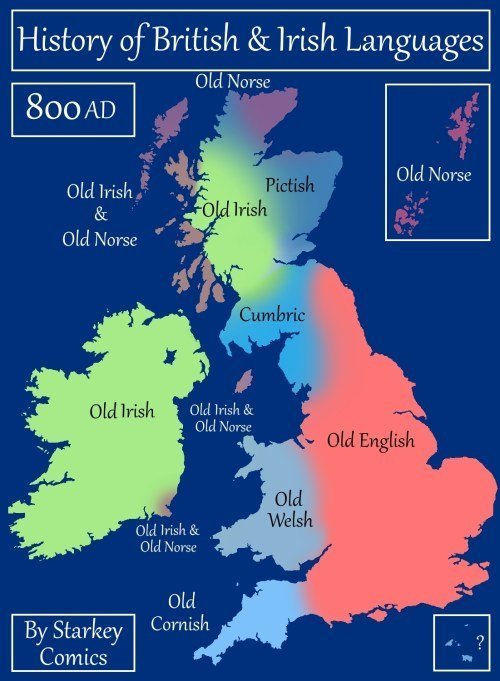
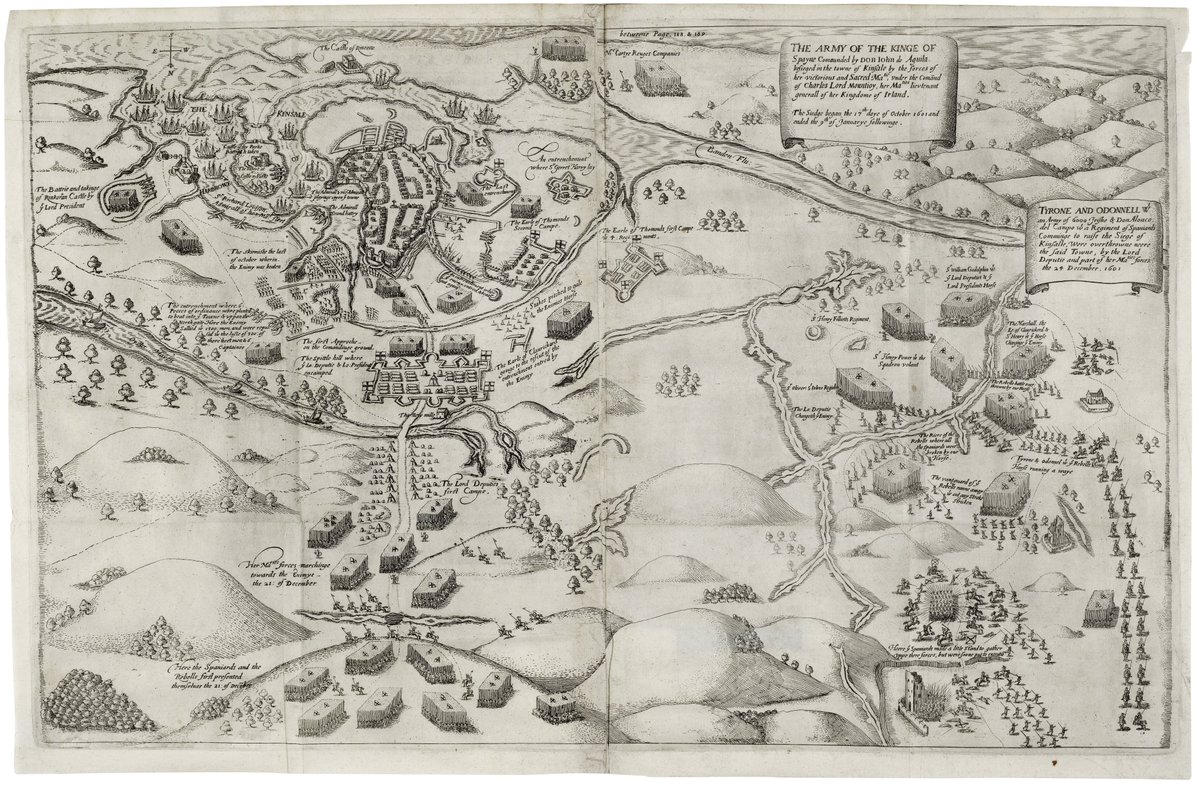
@NicholasOShaug1 @dalipolitial Galway did take part in the Confederation so they were rebels too - p.s. there are Welbys in Galway said to be escaping the reformation in England
English
Gearóid Mháirtín Sheáin Mhicil Mhaitias
393 posts

@anfothadh
Angla-Ghael: ní hé an réasún is cuspóir don réasúnaíocht



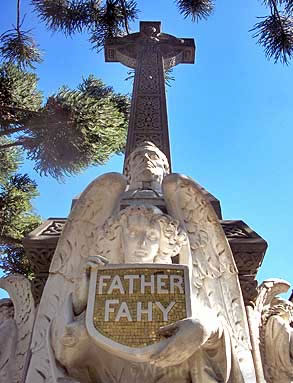


There are almost a million people of Irish descent in Argentina. We're not entirely sure, because the Irish who arrived in the 19th century were routinely classified as "Ingleses" in official records, filed away under British. Most wouldn't correct this either, as being English got you further in Buenos Aires than being Irish. Argentina is, by some distance, the largest Irish community in any non-English speaking country on earth, and the fifth largest Irish diaspora population in the world. From 1803 to 1815, Irish farm labourers had been feeding British soldiers through the Napoleonic Wars. When peace came, grain prices collapsed and landlords switched to cattle, which required far fewer hands. Then the Famine came. And across the water, Argentina was advertising for lads who could handle livestock. Argentine government agents arrived in the Irish Midlands selling the pampas as "the finest region under the southern cross." The greatest wave of emigration ran from 1850 to 1870, pulling predominantly from the coastline of County Wexford and the townlands around the Westmeath-Longford border. Most were single Catholic men in their twenties, non-inheriting sons who knew they would never see a deed in their own name if they stayed. They arrived as shepherds and rural labourers, working the "halves" or "thirds" system. You received a portion of the wool clip and the new lambs in lieu of wages. Do it long enough without dying, and you could rent land. Do that long enough, and you could buy it. The sheep-farming boom of 1840 to 1890 gave the Irish social mobility on the pampas. Men who had arrived with nothing ended up owning estancias. Father Anthony Dominic Fahy, a Galway-born Dominican, became the central figure. The Pallotine and Passionist orders followed, and the Sisters of Mercy established schools across the province. In remote areas where there was no state infrastructure worth mentioning, the Irish clergy were often the only institution that functioned. In 1875, a Galway priest called Patrick Joseph Dillon founded a newspaper in Buenos Aires called The Southern Cross, and it's still going today. Under the editorship of Father Federico Richards in the 1970s and 1980s, it was one of the few publications in Argentina willing to report on the junta's human rights abuses. One of the more interesting figures to pass through it was William Bulfin from Birr, County Offaly. He arrived in Argentina in the early 1880s, worked as a gaucho, married on a ranch owned by an Irish landowner, then ended up writing for the paper under the pen name "Che Buono" before buying it outright. A committed Irish nationalist, he established a branch of An Conradh na Gaeilge in Argentina before returning to Ireland. His son Eamonn, born in Buenos Aires, enrolled at Patrick Pearse's St. Enda's School and later fought in the 1916 Rising. One of Che Guevara's forebears, Patrick Lynch, was born in Galway in 1715. Three universities now have Irish Studies chairs: del Salvador, La Plata, and La Pampa. The Fahy Club runs Irish language classes for descendants. GAA clubs operate across the country, with two leagues playing Gaelic football and hurling. This community largely came to think of itself as Argentine through assimilation, particularly after the Falklands War of 1982, which drew a sharp line between British identity and Argentine identity and forced a choice. But the names remained. Duggan, Lobos, San Antonio de Areco. There are whole towns named for Irish families on the Buenos Aires pampas. Buy the Dublin Time Machine a pint and support the DTM Book ko-fi.com/buchanandublin…




@sammyinch @KeithMillsD7 @mmago75645 Ne Temere had nothing to do with the Free State government, it was a decree that applied to mixed marriages everywhere (except Germany for some reason)


This, of course, it wide of the mark. The new Irish State made multiple efforts to accommodate its Protestant minority. They were not always successful but the first Senate had many members of the minority in its ranks. Our first President was a member of the Protestant community. Yes, there was violence directed at Protestants during the war of independence & civil war but there was no systemic effort to drive out Protestants under the Free State. There was less intimidation of Protestants is the South than there was of Catholics in the north. Of course, the new Irish State was far from perfect but it did a decent job in difficult circumstances. And yes it was shaped by the fact that 90% of its population was Catholic. A better population mix would have led to a different outcome.





It takes being away from Ireland for a while to remember, and fully appreciate quite how vile its weather actually is

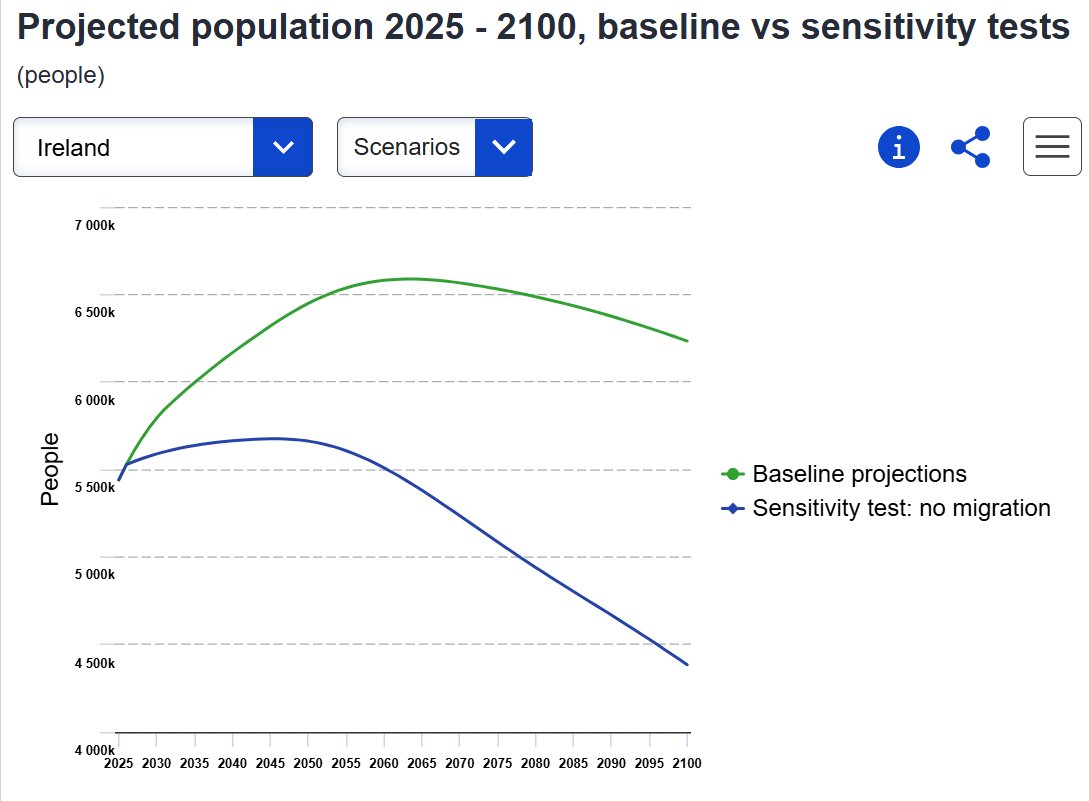
Yesterday's publication of @EU_Eurostat's long term demographic projections were interesting. But the Irish numbers are, frankly, batty. Births have been falling since 2010, yet the projection is that they (suddenly) rise again to mid-century. The massive projected decline in net immigration is more plausible, but that will only happen if government limits the very high rates of worker and student visa issuance since 2022. There's little sign of that. Incidentally, one of JP Morgan's top wall street economists joined my this week to discuss the economic outlook. Among other things, he said Ireland needed to reduce immigration owing to capacity constraints. Listen here. on.soundcloud.com/TcrsHQrNmpmdws… Spotify: open.spotify.com/episode/784dI0… YouTube Music: music.youtube.com/watch?v=qkVSns…