Закреплённый твит

In an ecosphere of bad or absent information, the best way to analyze the absence of evidence is to notice the messaging of those who operate as if there is certainty.
English
Rick Patton
29.7K posts

@TheRickPatton
Arizona Alum | Physics | Space Technologist | Tucson native | Liberty-Minded, Yet Fed Up | #BearDown 🐻⬇️


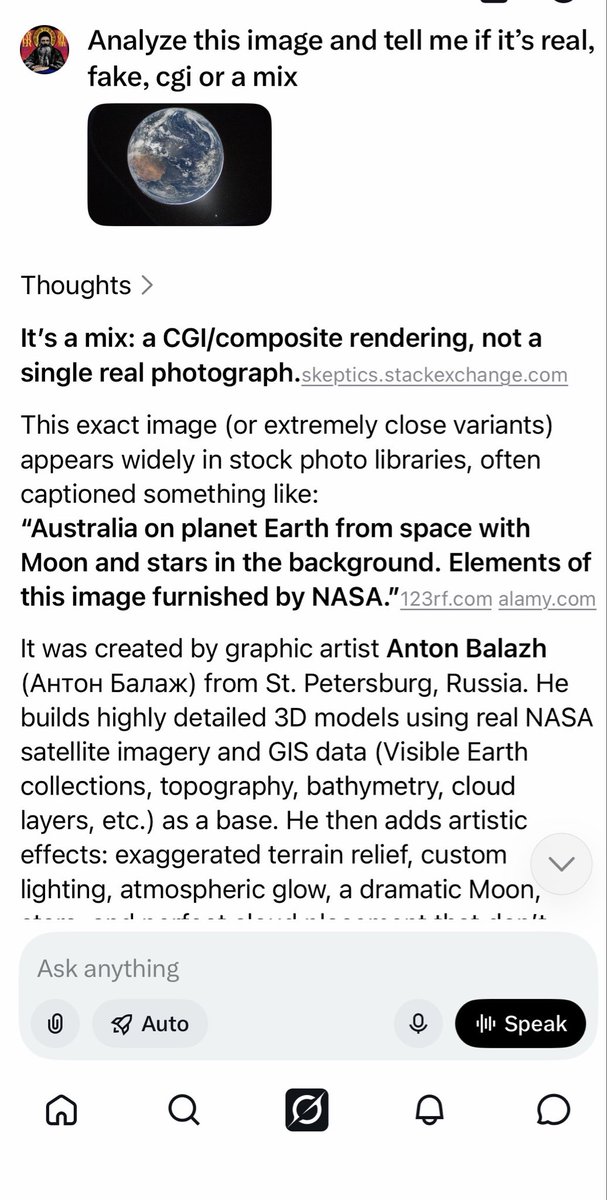
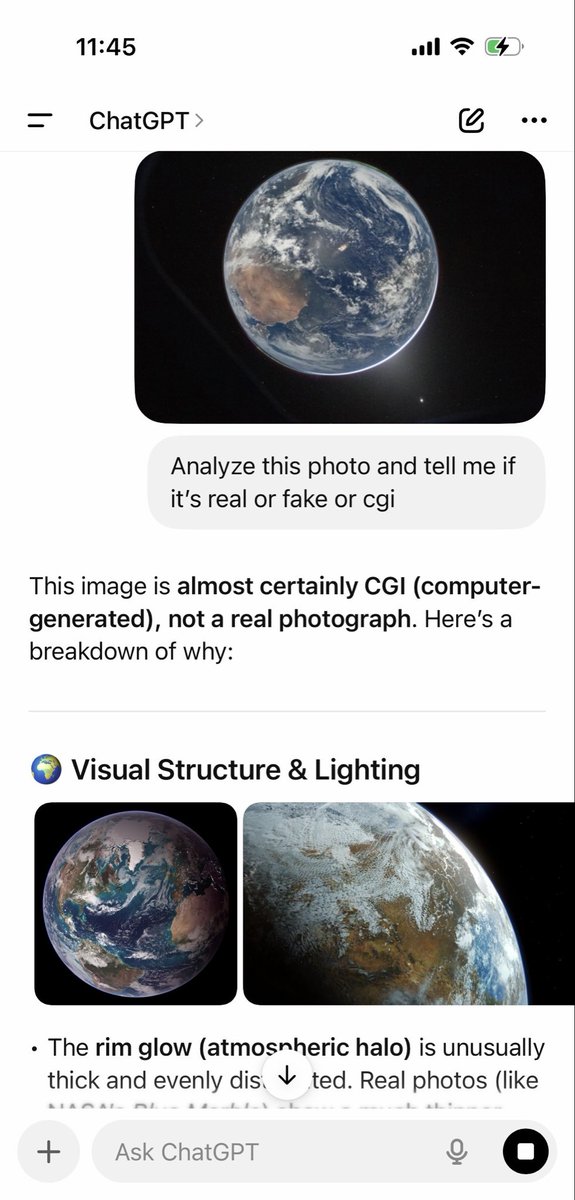
@naomirwolf The most recent photo is of the NIGHT side of the planet, genius. The difference you’re seeing is due to the shutter speed.


When Tommy comes home with the hardware, it's time to build the "We Stayed" statue of him and Noah Fifita in Tucson





You’re shown carefully selected images, same clouds, same angle, supposedly 12 hours apart, and no one stops to think. A skydiver can film everything in high quality, but somehow a multi-billion dollar mission gives you blurry, choppy footage, and people just accept it. They show you fragments, they distract you when it matters, and as long as no one questions it, the illusion holds realityrevolt.com

Can the photographers in the room explain to me how the sun is behind the earth in the photo but the dark side that is this image is somehow very well lit. This doesn’t make sense. You can clearly tell the sun is just over the horizon on the bottom right of the earth in this photo.





I keep looking for things to prove me wrong by NASA. Yet, they never cease to disappoint The Artemis crew finally speaks saying they will travel to the dark side of the moon, and chewing gum while he speaks. Chewing gum in space? That's considered an unwise choice. For the unaware: Chewing gum in a rocket or in space is generally considered unwise due to satety risks posed by microgravity, although it has historicallv been allowed in limited circumstances. While technically possible to chew. the risks of the gum becoming a floating hazard or affecting the crew's oral health in microgravity make it a poor choice. Studies suggest that microgravity already causes dry mouth and can exacerbate gum inflammation and bone loss. Extensive chewing might aggravate these conditions. Isn't it hot in Bermuda this time of year?🤣

🌍 | Another photo of Earth released by NASA. And once again: no traces of airplanes, ships, or even satellites. Even though around 10,000-11,000 active satellitesare orbiting our planet, and more than 30,000 orbital objects are being tracked. And still, in these images- nothing.