

uhdebbie
387 posts

@UhDebbie
Howdy! I do stuff online. Owner/developer of https://t.co/8ms4T7Hn1G. Opinions are my own, not a reflection of my employer(s).


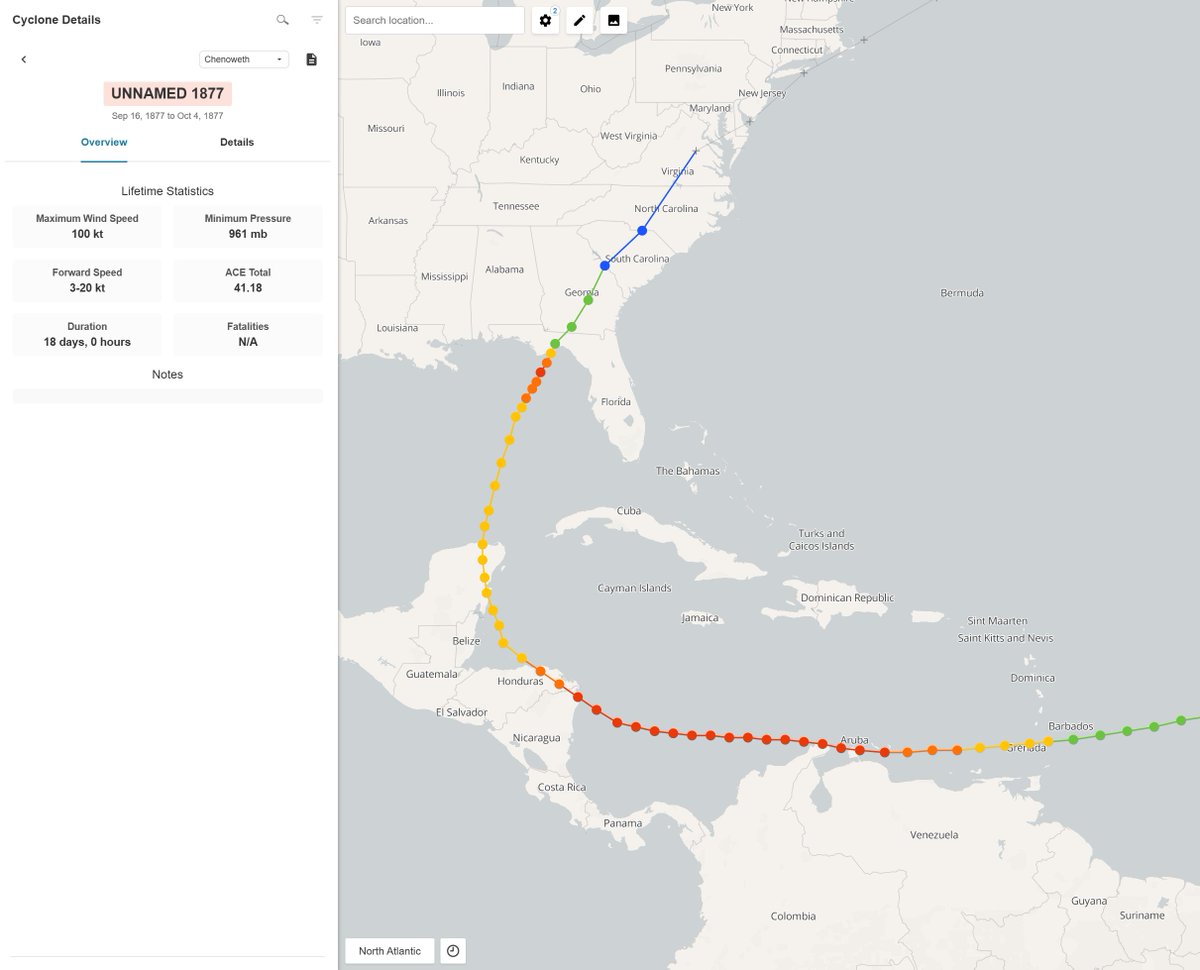
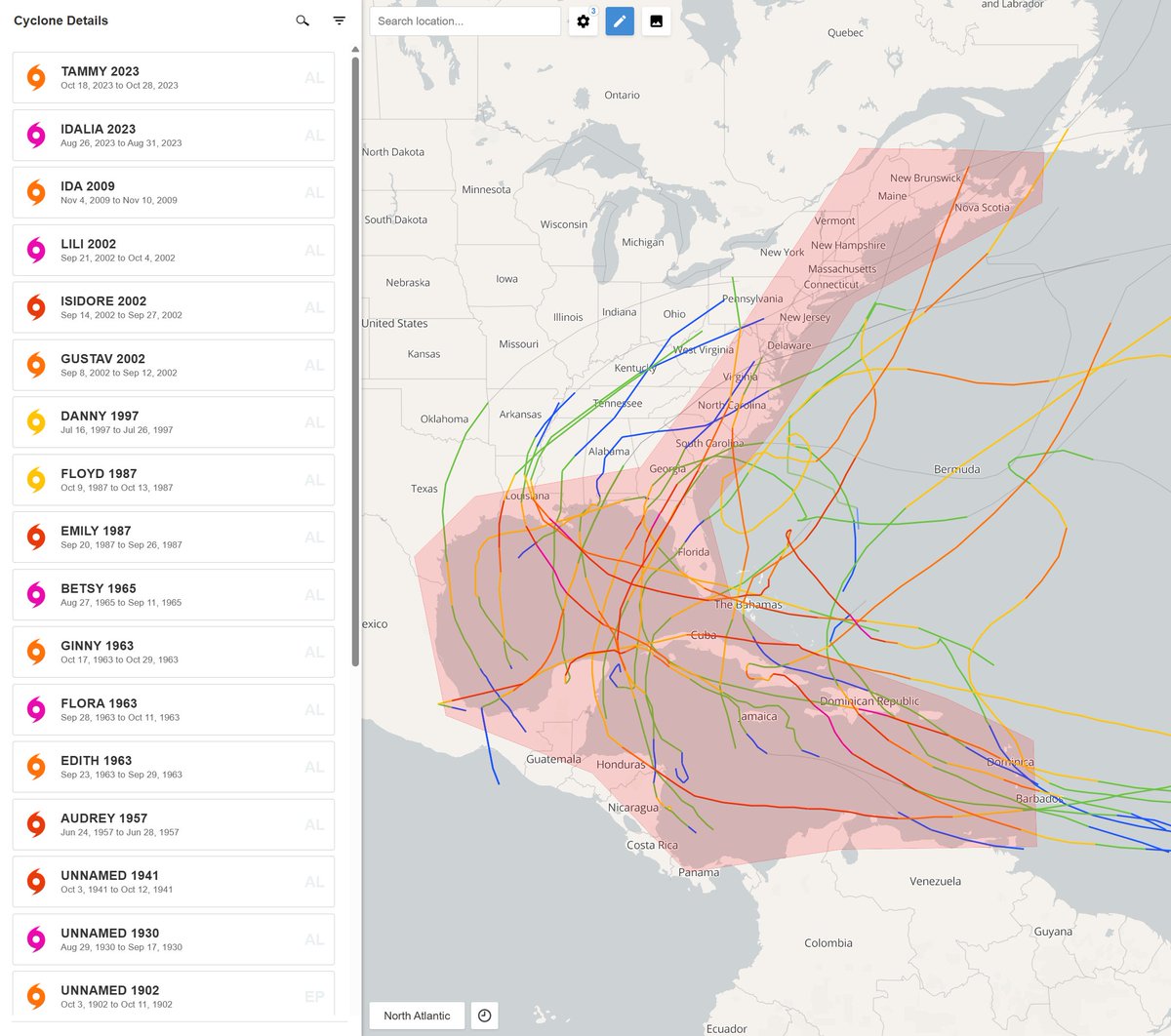
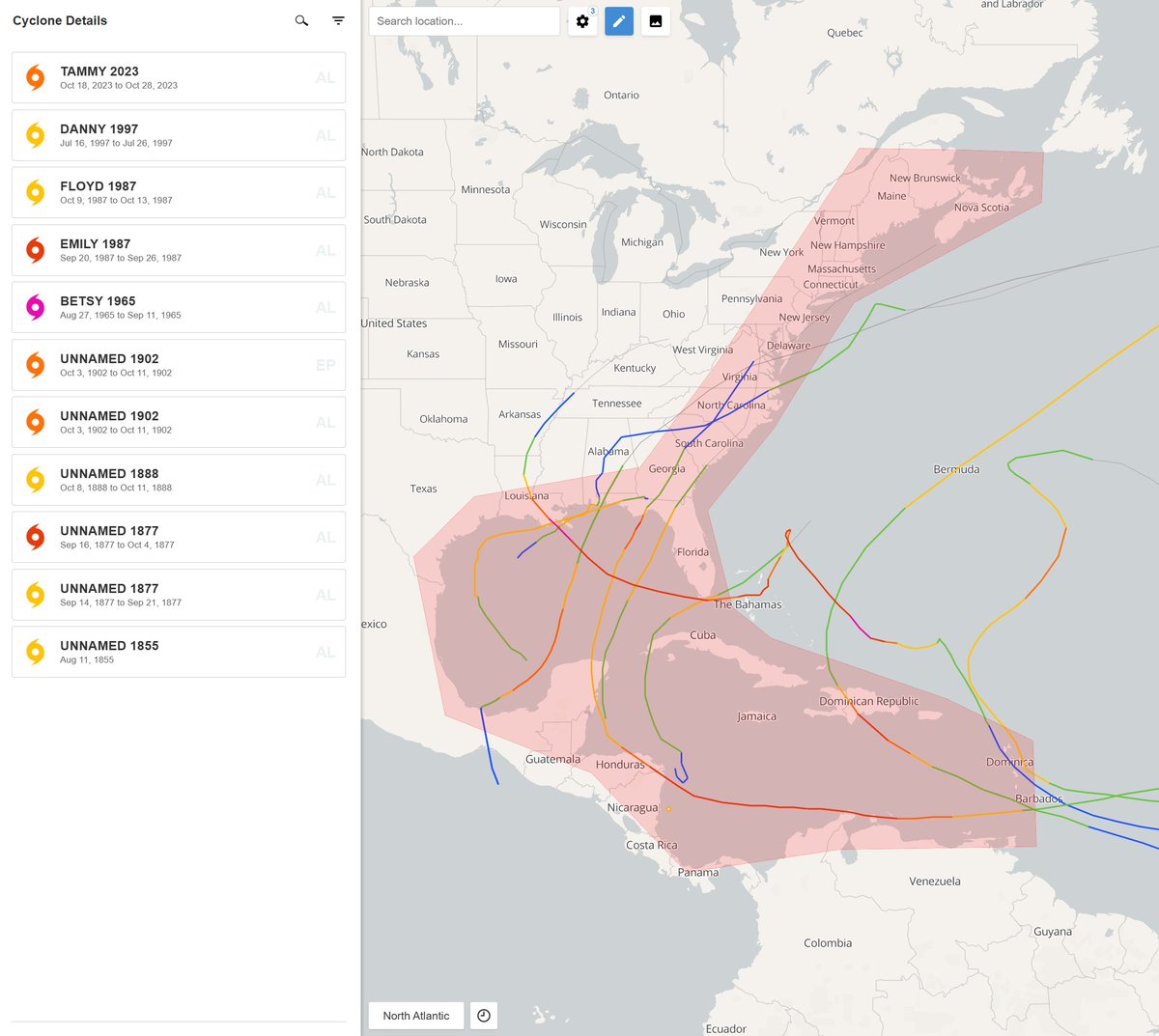
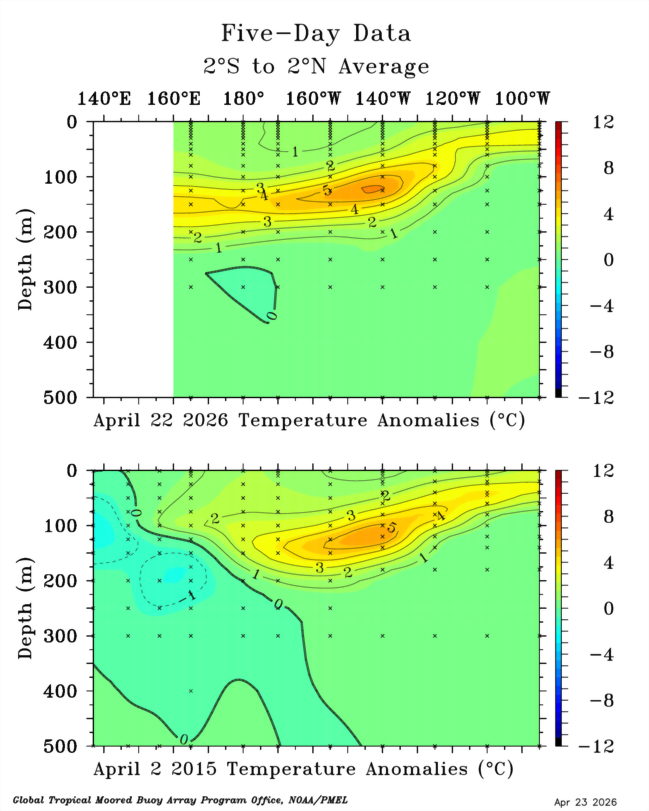
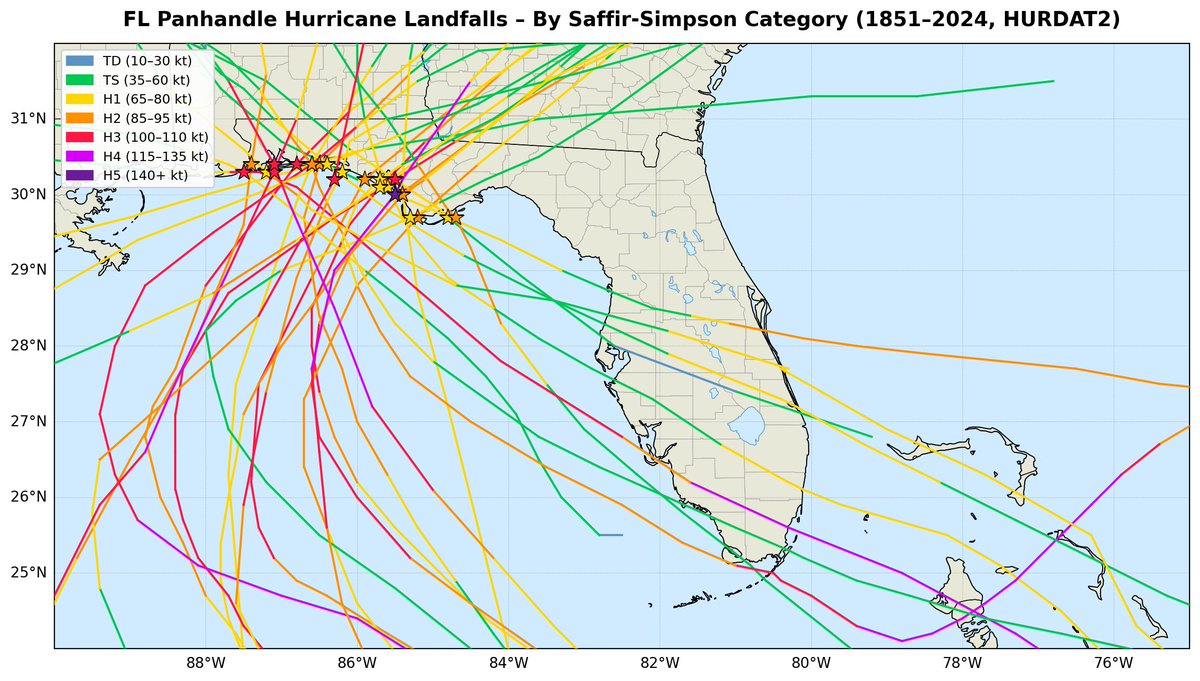
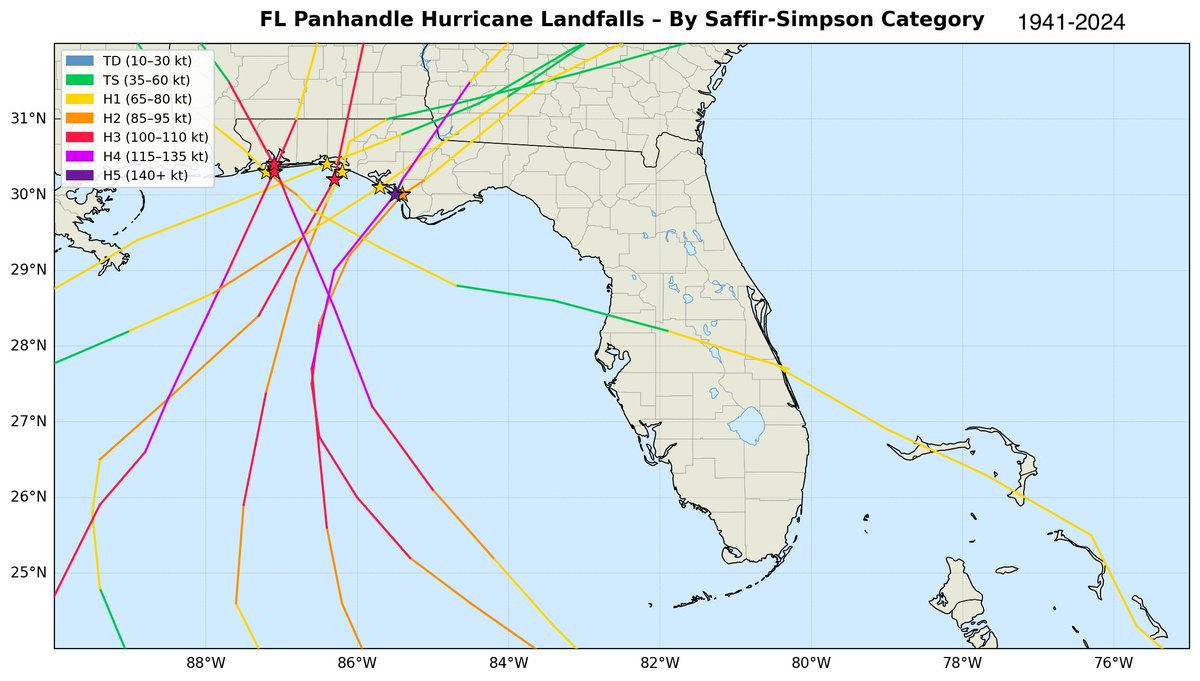
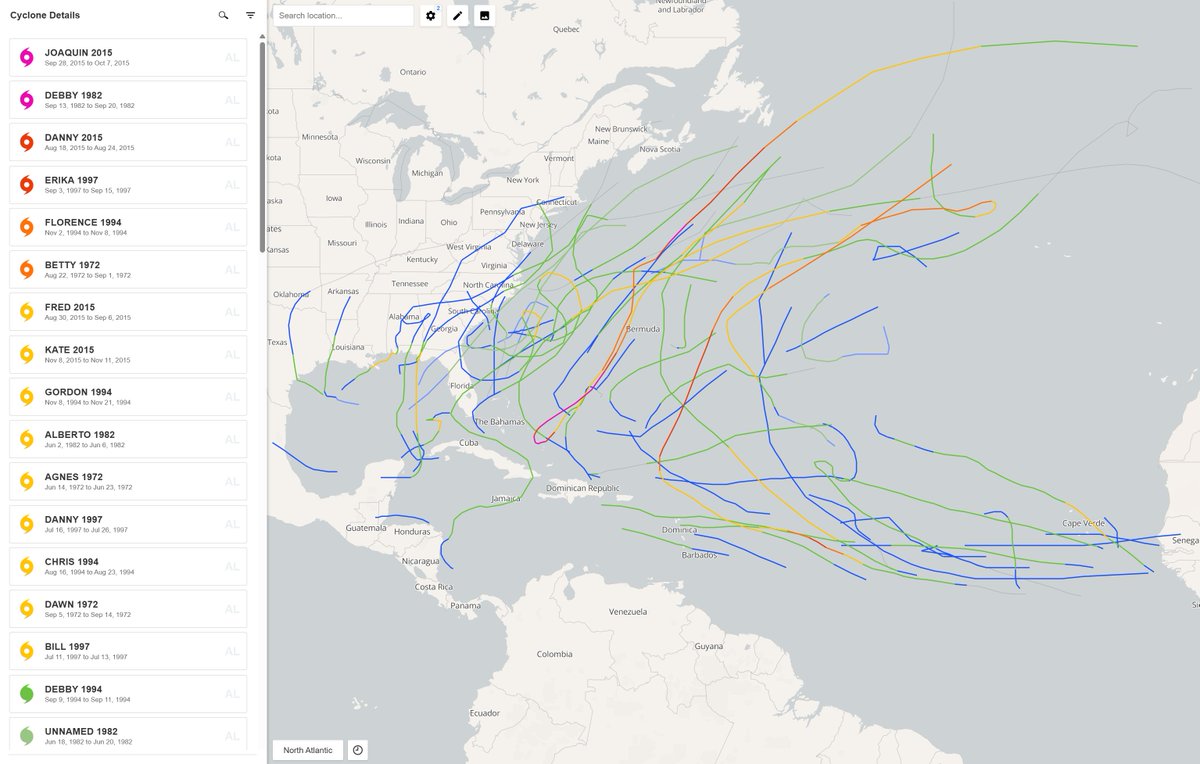
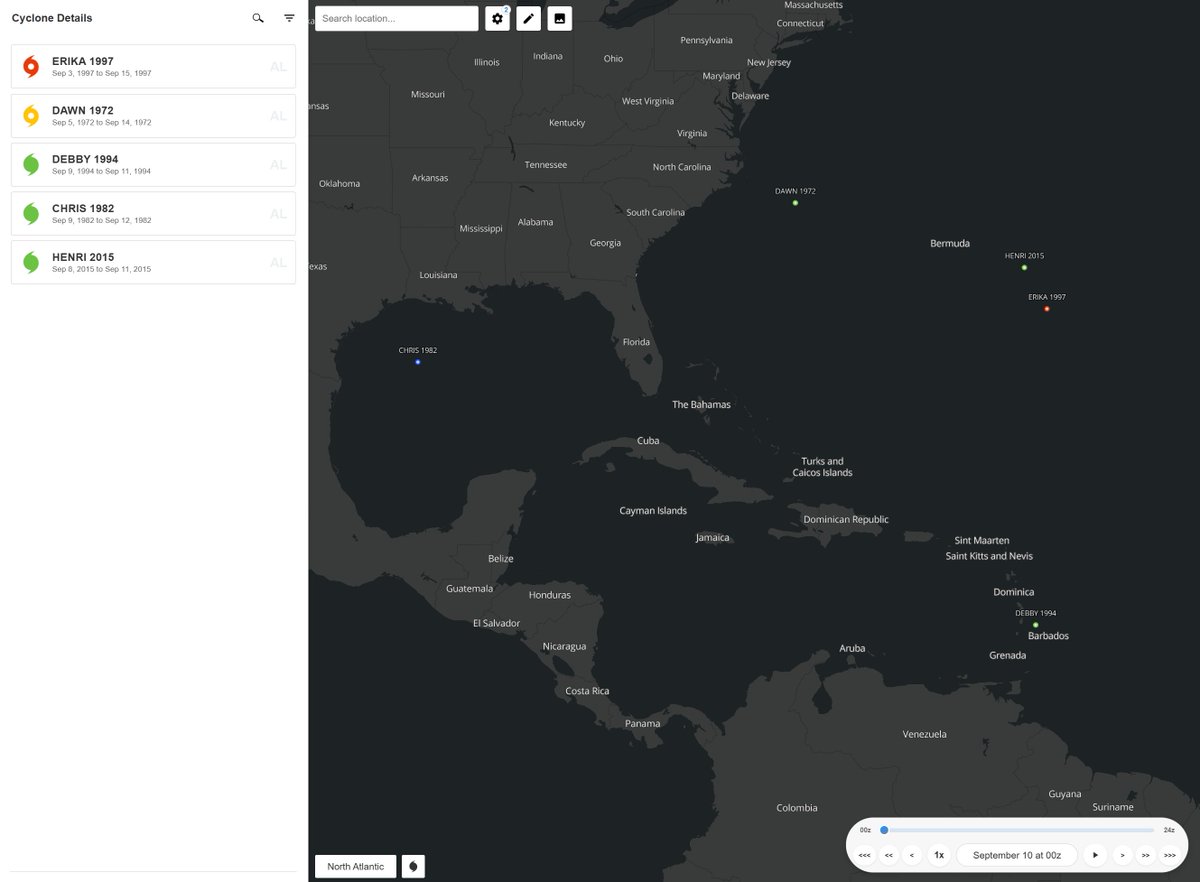
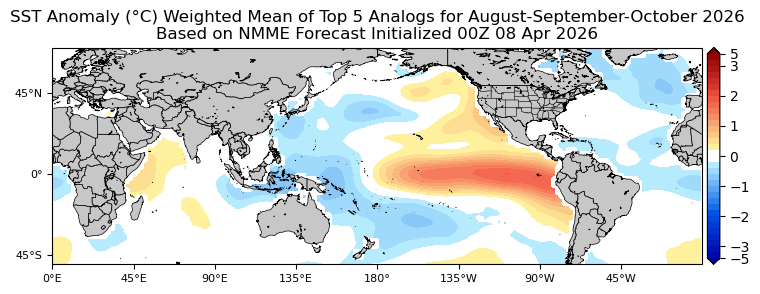
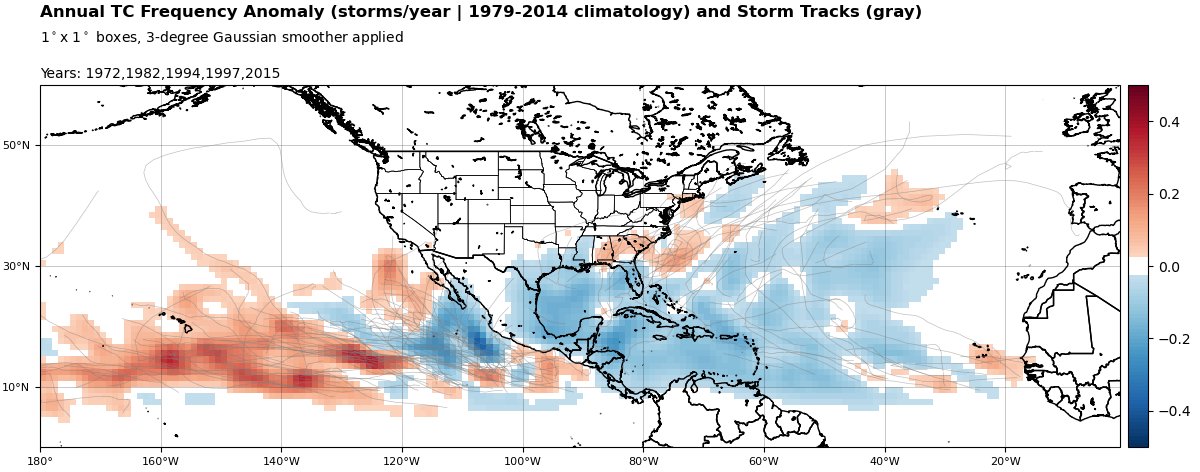
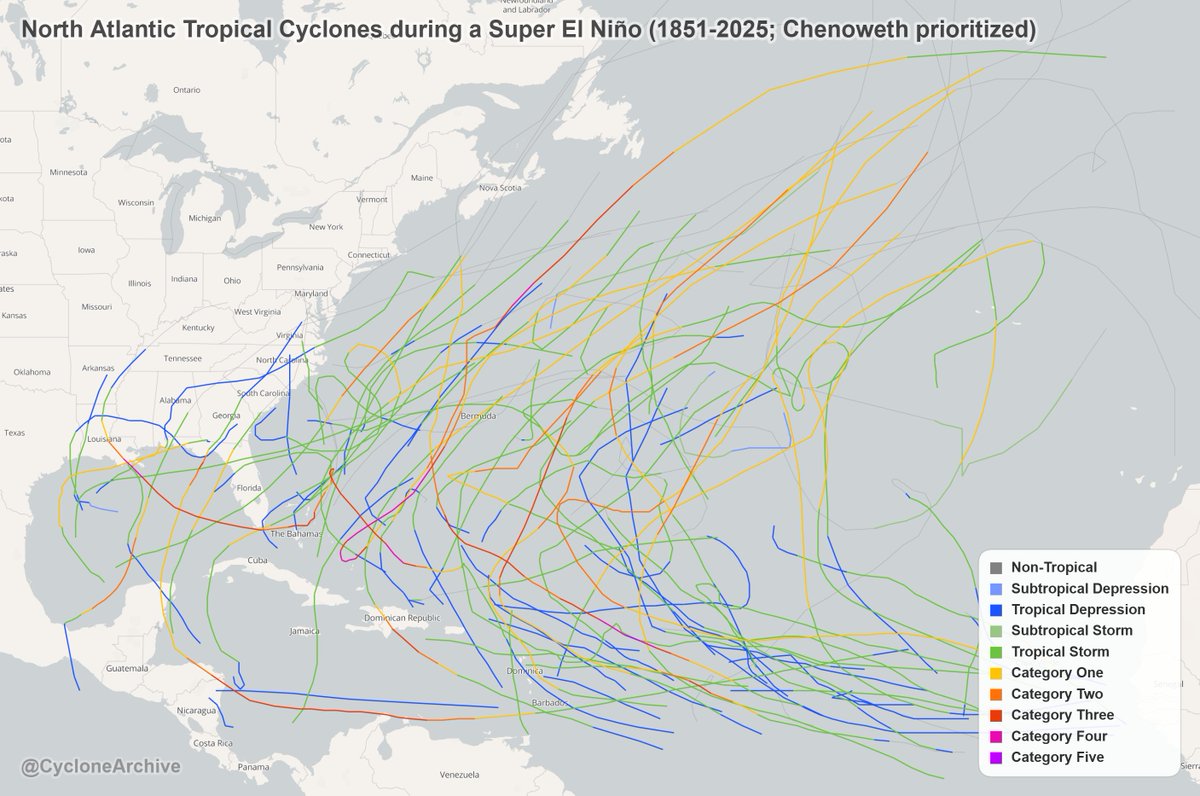
Big El Nino’s make a big difference! With the big El Niño expected this summer, I compared the recent 5 strongest El Nino’s with the 5 strongest La Nina’s. First, take a look at close to home - Gulf and Caribbean. During strong El Nino’s it’s much less active. Another big thing that stands out: many less “major” Cat 3,4,5 hurricanes. These limiting effects are both due to the major heating in the East Pacific - the adjacent basin to the Gulf/ Caribbean - which is overpowered by it’s relatively warmer neighbor, causing stable air and wind shear on the Atlantic side, suppressing hurricane activity. This #hurricane season may defy the odds, but odds are for a “relatively” quieter season. Nevertheless, we always say, “it only takes one”, so be prepared! #florida


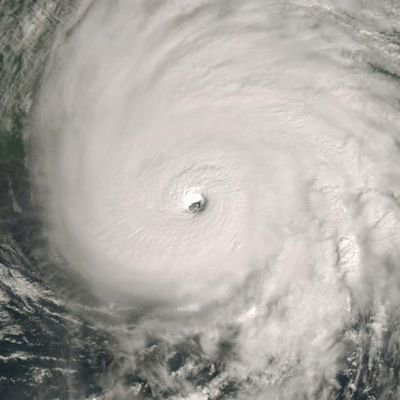
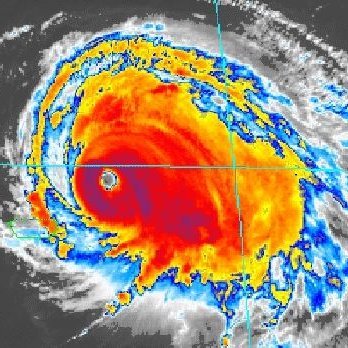
@EarthUncutTV One thing: WPAC cyclones typically have colder cloud tops than NATL ones, but that doesn't mean they're necessarily stronger. There've been papers on this. Between these, MELISSA looks stronger—it's more symmetric. If you're gonna bring sacred storms like MELISSA into it...😃


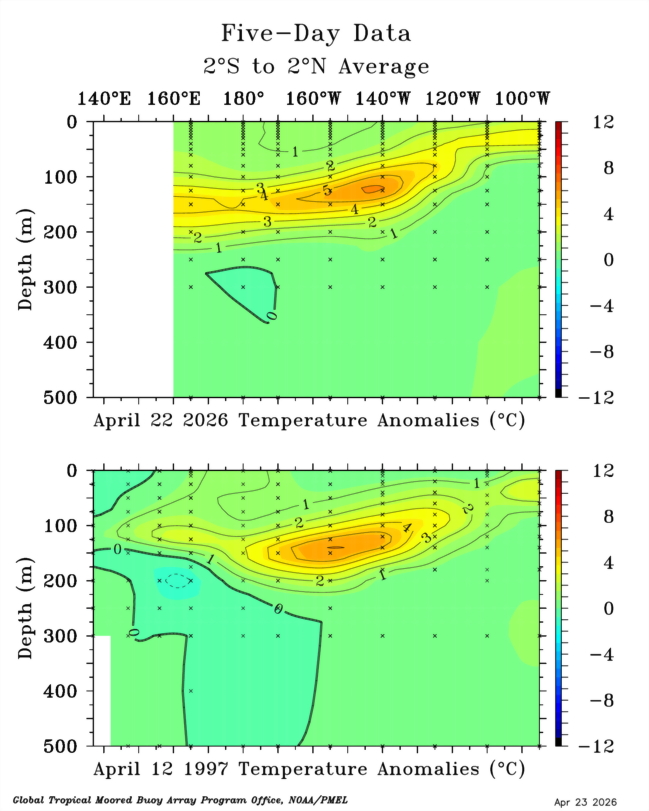
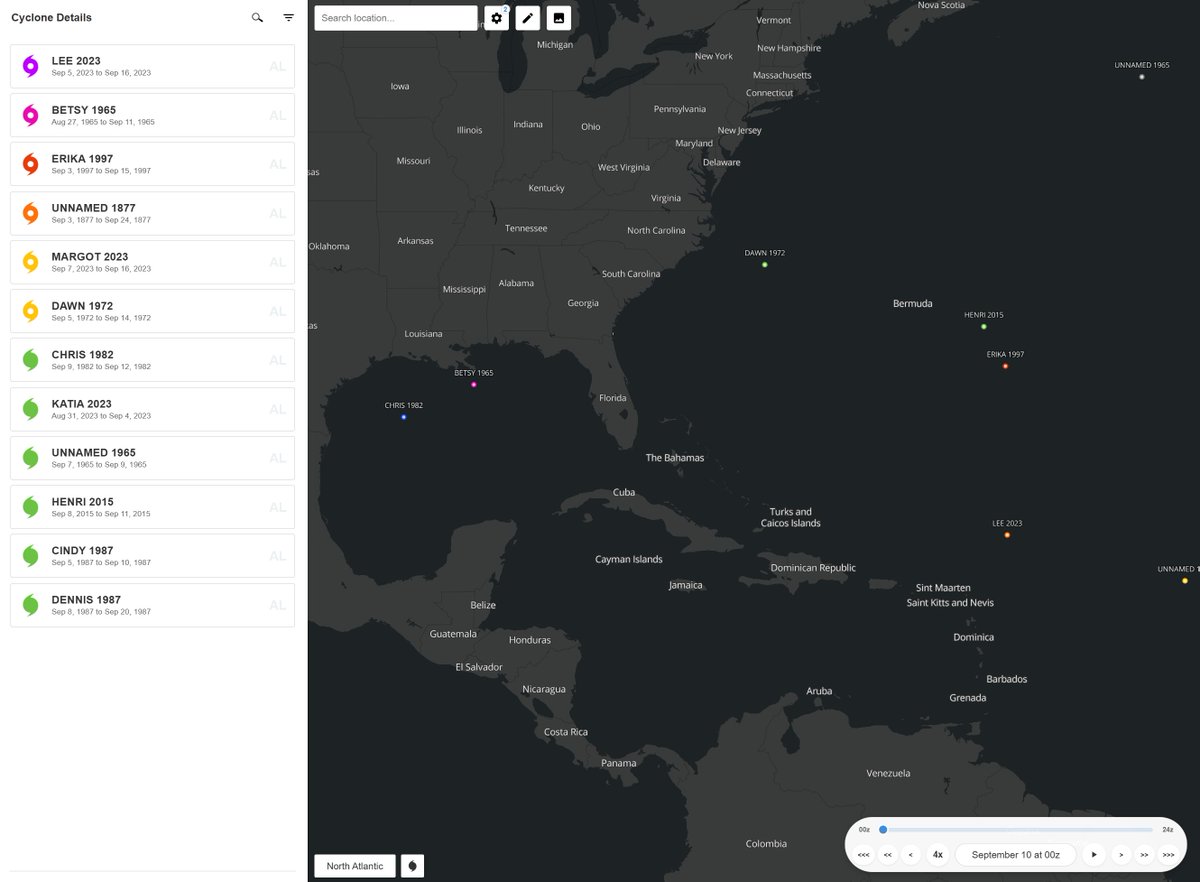
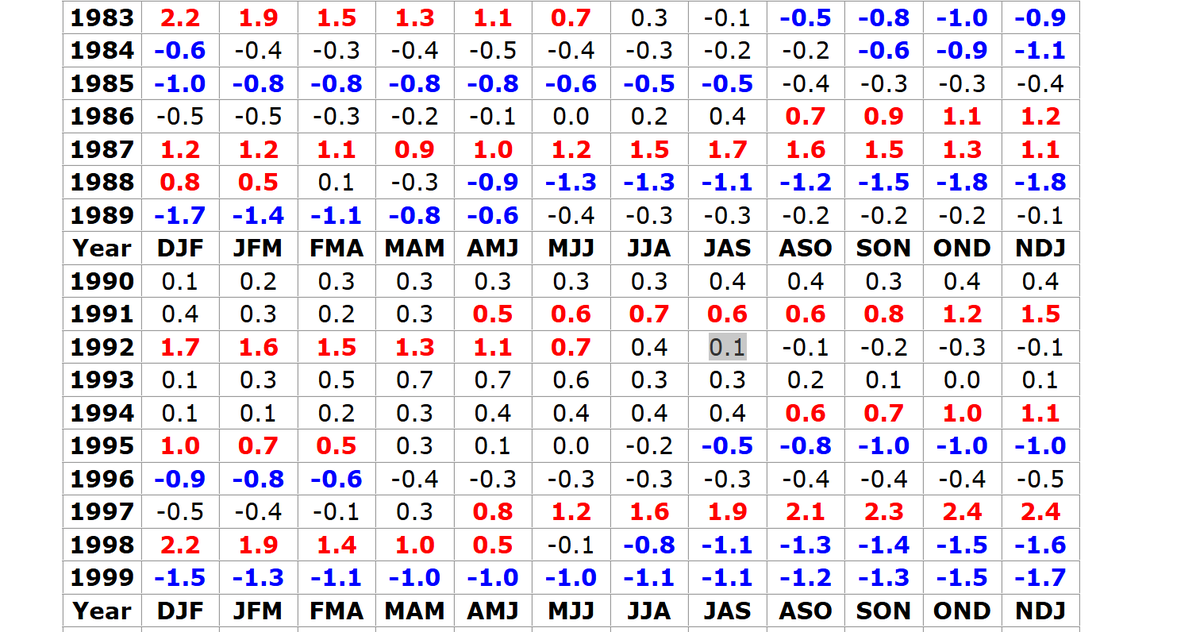
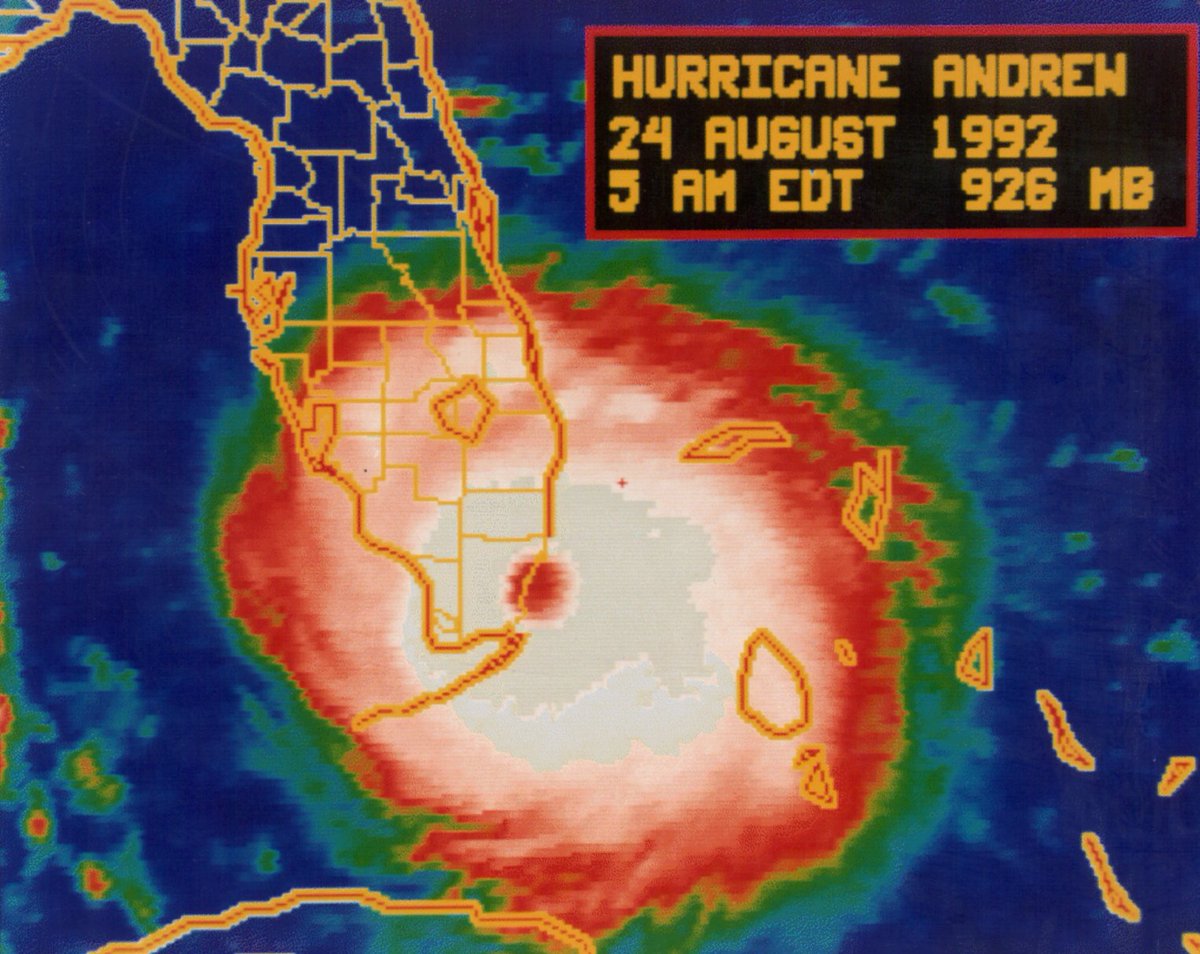
STRONG EL NIÑO POSSIBLE: New data shows the increasing potential for one by this Fall...leading into the peak of hurricane season. Could even be in the Top 5 strongest since 1950 (list below). Forecast is preliminary and subject to change. Historically, strong El #Niño events lead to greater wind shear and a suppression / lowering of tropical activity across the Atlantic Basin. While this would be good news, remember, still just takes one big storm landfall to seem like an active year (which can still occasionally occur even during El Niño years - Hurricane Betsy, 1965). Across the United States, it also favors a more active southern storm track, increasing the chances for greater rainfall and severe weather during the fall and winter. Stay tuned...


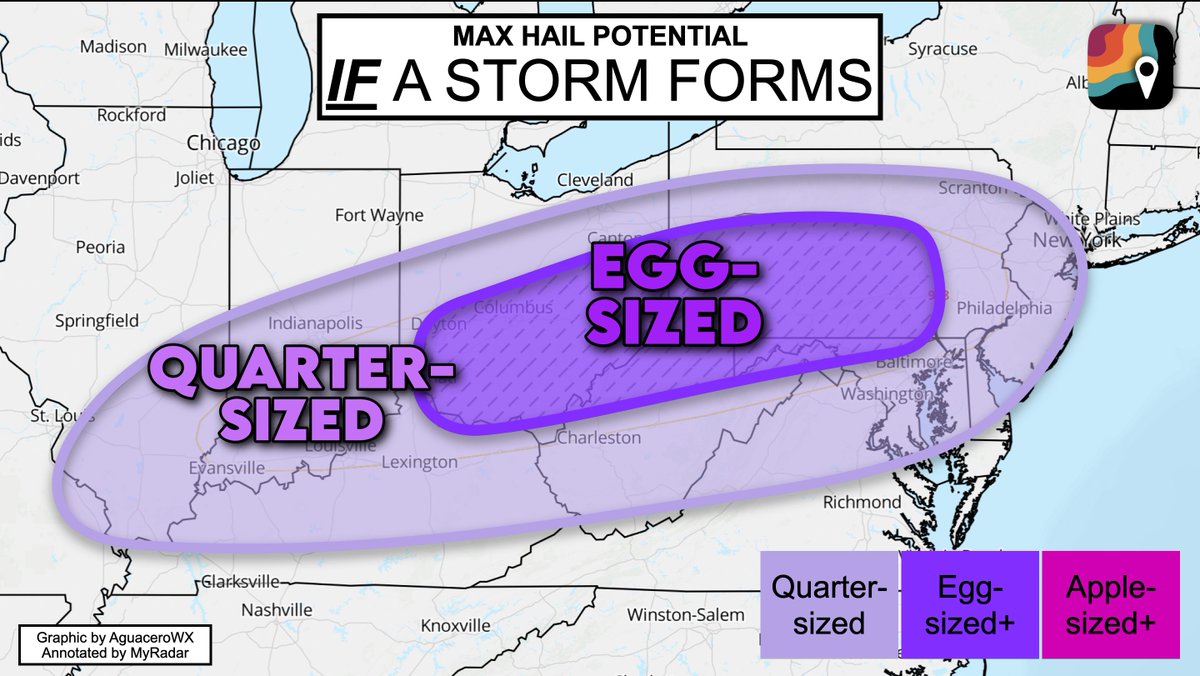
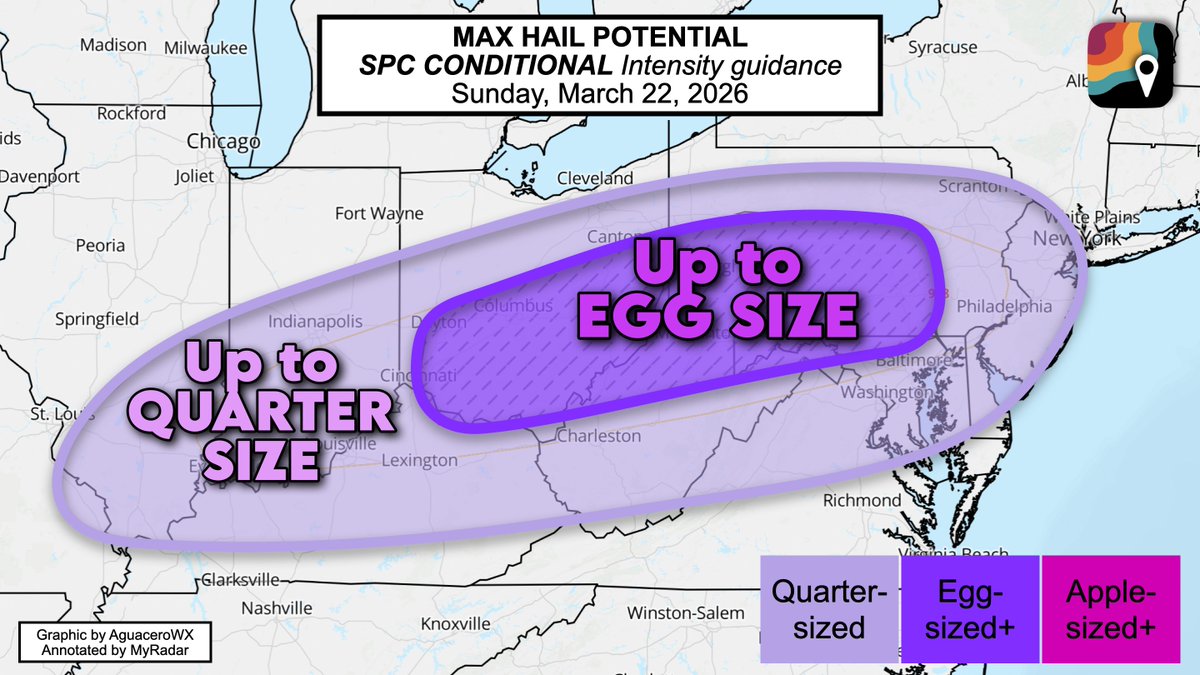
SUNDAY, March 22 could feature some hailstorms along the Ohio River and in southwestern/south central Pennsylvania. The Storm Prediction Center is now cautioning that a few rotating supercells with large hail potential are expected to form. IF a supercell can become established, it could produce large hail up to about hen egg-sized... roughly 2 inches across. Rotating storms are the most efficient at producing hail, and these will be rotating storms. Why a minimal tornado threat? Scant low-level moisture. It will be dry near the surface. If we pump more moisture north than originally expected, then a tornado threat could materialize. That's TBD.