

KitCat
3.7K posts


Today on the show:
-The Secret Service has come out to confirm that Turning Point USA lied about threats at UGA.
-The ATF releases their summary on the Tyler Robinson.
-Victor Marx responds to Haitian arms trafficking allegations
youtube.com/live/1mYNOqzAd…

YouTube
English
@RealCandaceO The Somali Foreigner, fraudster congressional abomination….endorsing you and trailer park Barbie MTG 🤣😂
x.com/njbeisner/stat…
Natalie Jean Beisner@NJBeisner
Ilhan Omar praising Candace Owens by name is honestly just the icing on the cake. 😂🍿 I don’t know how many more ways I can say Candace is a leftist.
English
@RealCandaceO You are exhausting, absolute fucking lunatic!!
Your constant hateful rhetoric is going to get another person killed!!
Will you be happy then? With blood on your hands, Miss I’m Catholic for 5mins?
English
Stop. This is exhausting. You pulled out because of bad ticket sales. For the same reason TPFaith had to “reschedule” the Pastor’s Summit and various other events quietly.
People don’t believe you and don’t line up for you because you struggle to tell the truth about even the most basic facts. Where is the video of Charlie appointing you as CEO weeks before his death?
The Secret Service sits above your security team. Were there actually a viable threat, the Vice President would not have continued the event. Your closest threat is the shit Public Relations team you hired that continues to operate under the delusion that they are smarter than the public.
They aren’t.
Erika Kirk@MrsErikaKirk
I was so looking forward to tonight’s event at the @universityofga with our Vice President @JDVance, but after all our family has been through, I take my security team’s recommendations extremely seriously. Thank you to our amazing Georgia chapter for your support. God bless you all!
English


We are all our brother's and sister's keeper. In God’s great family, no one is ever a stranger or forgotten, no matter how little they may be. #ApostolicJourney #Cameroon
English
@Pontifex Will you make a statement to the Iranian extremist regime terrorist about them executing the citizens? This husband & wife? 🥺🙏🏻@EWTNVatican @VaticanNews @HolySee
x.com/realneo101/sta…
Neo@Realneo101
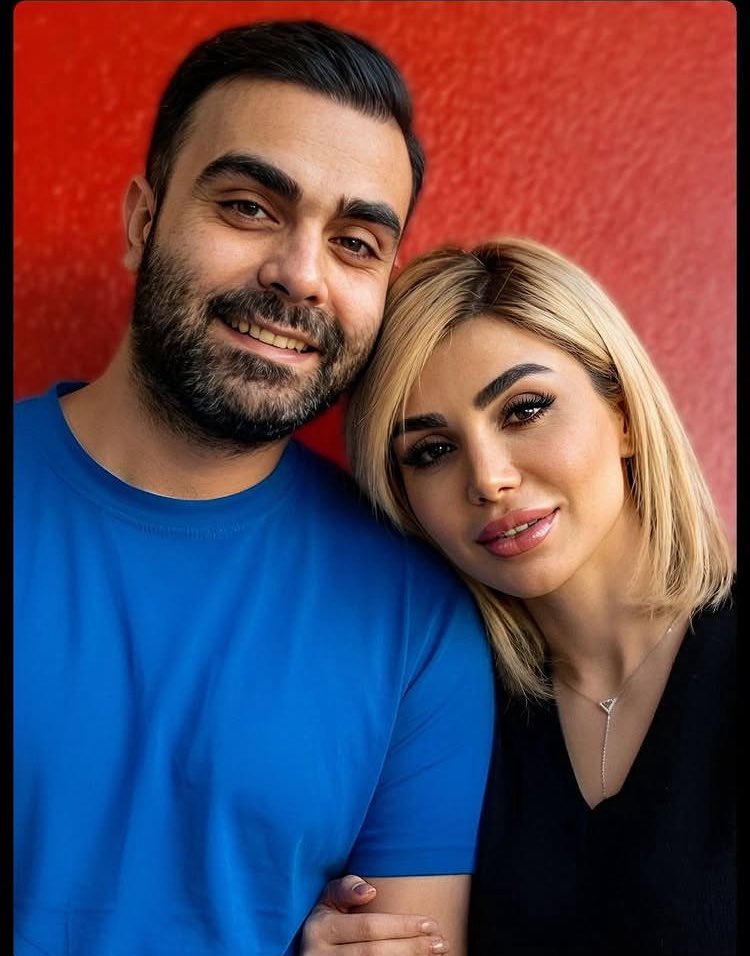
STOP SCROLLING. The regime is about to hang a wife and husband together for wanting freedom. Bita Hemmati and Mohammadreza Majidi-Asl (34) were arrested together, tortured into forced confessions, and sentenced to death. Chanting against the mullahs and throwing stones during the January uprising. Bita would be the first woman executed from these protests. This is how the Islamic Republic stays in power: by destroying families at the gallows. Your silence is the rope.
English
KitCat รีทวีตแล้ว

STOP SCROLLING. The regime is about to hang a wife and husband together for wanting freedom.
Bita Hemmati and Mohammadreza Majidi-Asl (34) were arrested together, tortured into forced confessions, and sentenced to death.
Chanting against the mullahs and throwing stones during the January uprising.
Bita would be the first woman executed from these protests.
This is how the Islamic Republic stays in power: by destroying families at the gallows.
Your silence is the rope.
English

INFURIATING: WATCH as a judge treats a cold-blooded k*ller with kid gloves while berating a grieving mother!
Brice Rhodes executed the mom’s three children - then what does he do in court?
He spent his time blowing kisses and sending smiles.
So how does the judge handle it? By getting pissed at the MOM?!?!?!?!
We are rapidly approaching a tipping point in society where those of us who have long believed in our judicial system... might just decide that perhaps the street justice system is more likely to deliver actual justice.
REPOST for exposure!
#thinblueline #lawenforcement
English
@bluelivesmtr This judge is incompetent he needs to be removed ! Where is this??
English
@mamboitaliano__ Thank you! Followed 🤩
Wonderful distraction from the current world!!
English

@WhiteHouse @POTUS How about an increase on SSI? 84yr old mom couldn’t survive on what she gets a month without… Seniors shouldn’t have to do food delivers at 75!!
English

They earned it. They deserve it.
NO TAX ON SOCIAL SECURITY! The golden age for seniors' golden years. 🇺🇸
English
@ImtiazMadmood @WHLeavitt Yeah I don’t think Pakistan has any business broking a deal!!!!
This is beyond sick!! Islam is not compatible with the west… period!! @Pontifex any comment?
@VP @SecRubio
English

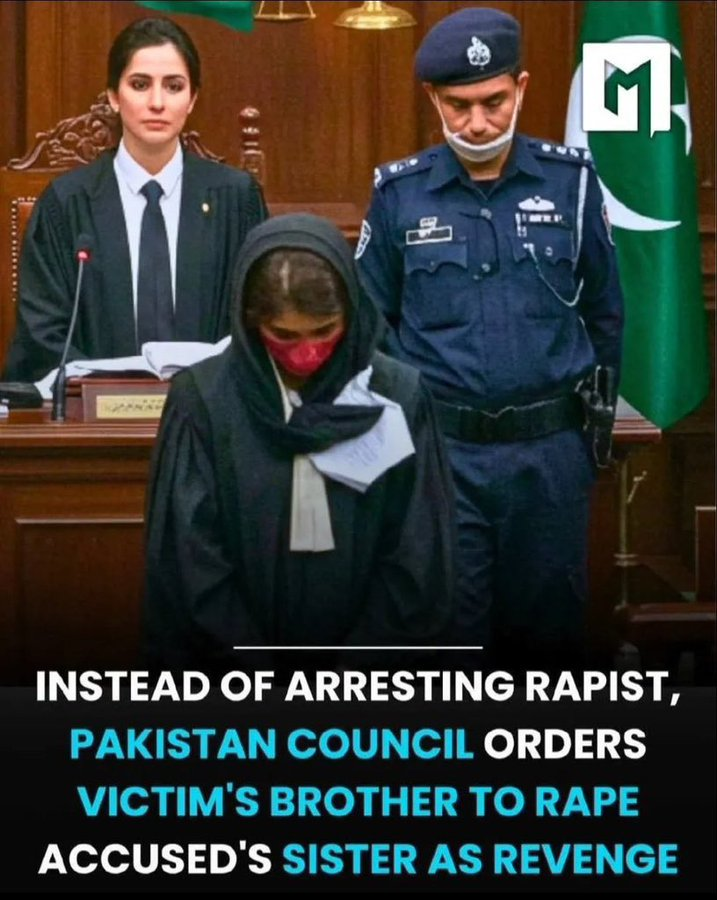
Pakistan: Woman raped; Sharia council orders victim’s brother to rape rapist’s sister as revenge.
Innocent teen publicly raped before 40 in Sharia ‘revenge rape’ practice.
Islam is a cult. Deport Islamists & ban Islamic immigration to save West?
- @WHLeavitt
English
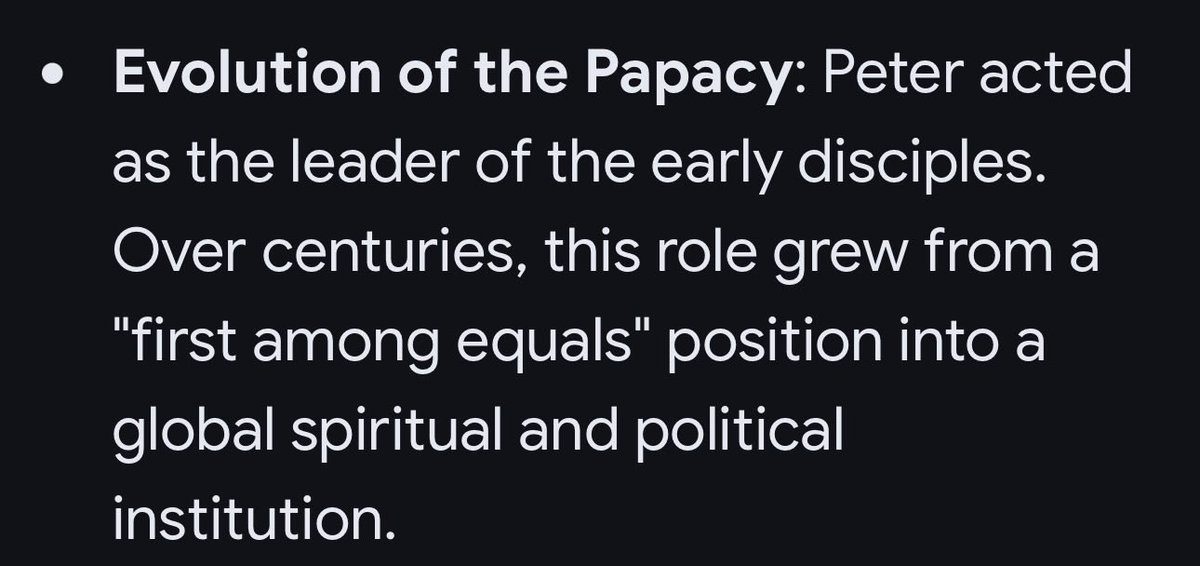
@EWTNews @RealCandaceO Oh Candace🤦🏼♀️🙄 You’ve been a catholic for 5mins… this Vatican is a political institution 1st- VII
English
BREAKING:
Speaking to reporters aboard the papal plane to Algeria on Monday, Pope Leo XIV said:
“I think that the people who read will be able to draw their own conclusions: I am not a politician, I have no intention of entering into a debate with him. Rather, let us always seek peace and put an end to wars. I am not afraid of the Trump administration. I speak about the Gospel, I am not a politician. I do not think the message of the Gospel should be abused in the way some people are doing. I will continue to speak out loudly against war, to try to promote peace, multilateral dialogue between states in order to seek the right solution to problems. The message of the Church is the message of the Gospel, blessed are the peacemakers; I do not see my role as that of a politician, I do not want to enter into a debate with him. Too many people are suffering in the world.”

English
@DNIGabbard @realDonaldTrump When are they going to prison for treason? ⏰⏰⏰⏰⏰⏰
English

Newly-declassified records expose how deep state actors within the Intelligence Community concocted a false narrative that Congress used to usurp the will of the American people and impeach duly-elected President @realDonaldTrump in 2019.
Today, we reveal the truth 👇
🔗dni.gov/index.php/news…

English
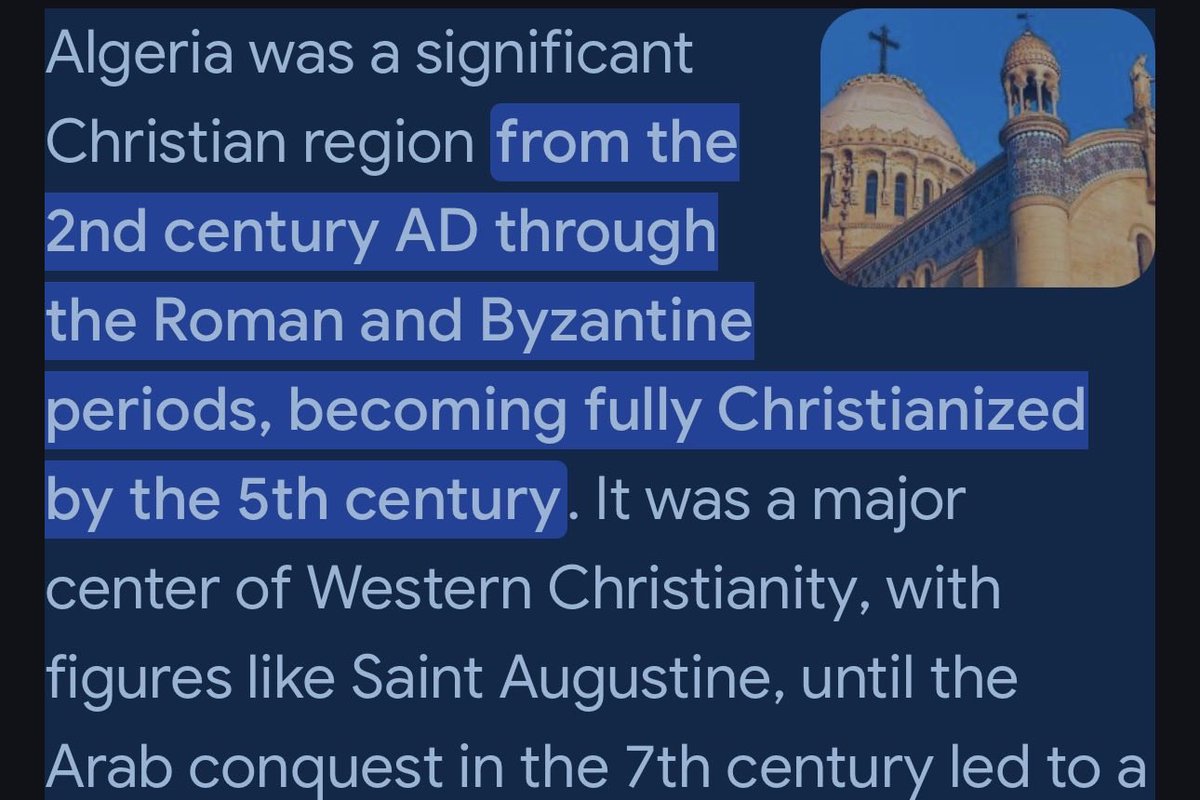

@172KitCat @Pontifex Before Islam, Algeria was a land of multiple religions. The indigenous population revered the land.
English
Communion between Christians and Muslims takes shape under the mantle of Our Lady of Africa. Here, in #Algeria, the maternal love of Lalla Meryem gathers everyone as children, within our rich diversity, in our shared aspiration for dignity, love, justice, and peace. In a world where division and wars sow pain and death, living in unity and peace is a compelling sign. #ApostolicJourney
English
@4_t @TheJustKong @TRobinsonNewEra Yes I know that thank you. I was correcting the gentleman’s comment above stating Algeria was NEVER a Christian country
English

The Pope visited Algeria mosque today.
Taking his shoes off to wander around.
Algeria was a Christian nation until Islam conquered through force, just like Europe now.
Christians have no rights now there.
Pope Leo hasn't even bothered visiting suffering Nigerian Christians.
English
@EWTNVatican @Pontifex *MBS* typo for the perfect grammar/spelling trolls 🧌
English
@Pontifex since you’re on a respect tour, now call MSB in Saudi and ask for a tour of Mecca!!!
NON-Muslims are not permitted in Mecca 🕋 there is an exit sign on the highway- last exit for NON-Muslims.
And you make an Islamic prayer room In the church founded by Jesus Christ.
Tell these Mullahs of the world to stop teaching Jihadist extremist ideology and slaughtering Christians around the world for centuries! Let’s start there!
English

Pope Leo visited the Great Mosque of Algiers (Djamaa el Djazaïr), often referred to as the “Mosque of Algeria.” Featuring the world’s tallest minaret—rising approximately 265 meters—and ranking as the third-largest mosque after those in Mecca and Medina, the monumental complex can accommodate up to 120,000 worshippers. Upon entering, the Pope removed his shoes as a gesture of respect.
English