
3Brain AG

776 posts

3Brain AG banner
3Brain AG

3Brain AG

@3Brain

We build sophisticated #cell-electronic interfaces to probe intelligent biological networks by linking them to software. #Drugdiscovery @[email protected]

Pfäffikon SZ, Switzerland เข้าร่วม Şubat 2015
515 กำลังติดตาม859 ผู้ติดตาม
3Brain AG
3Brain AG@3Brain·
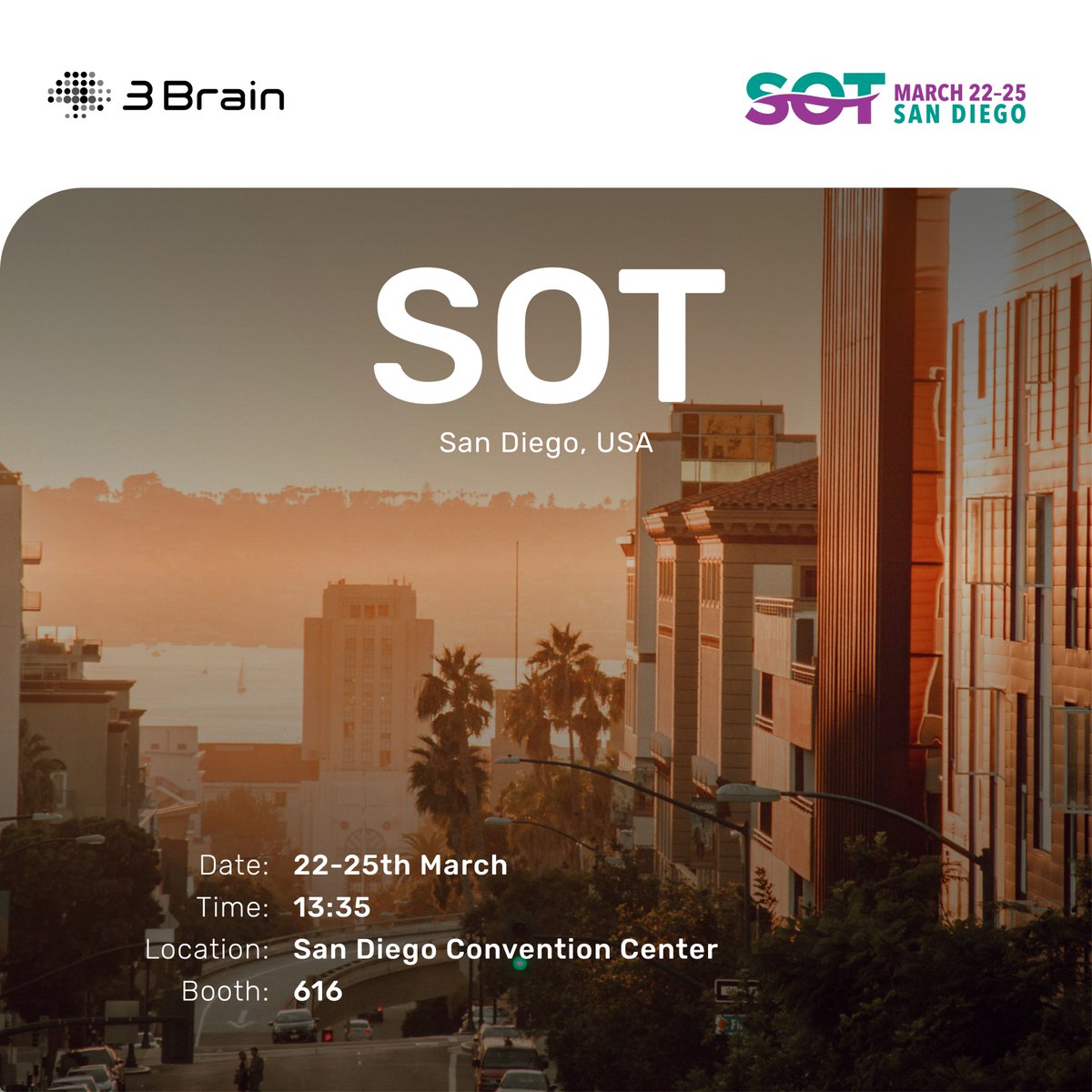
The countdown to SOT 2026 is on! Visit the 3Brain team from March 22nd – 25th at the San Diego Convention Center. Organoid and spheroid research continues to redefine the boundaries of toxicology, offering unprecedented models for human development, disease and screening purposes. 3Brain is proud to be at the forefront of this shift, we'll be at @SOToxicology to showcase how our CorePlate™ powered HD-MEA platforms can turn complex biological models into actionable data. Whether you are working with neuronal or cardiac cultures, our range of solutions from the precision of the BioCAM Duplex, to the high-throughput capabilities of the 96-well HyperCAM Delta, our platforms are designed to provide functional insights for enhanced compound screening. Stop by to explore how our single and multi-well platforms can accelerate your drug screening and neuro/cardiotoxicology research. #3Brain #HDMEA #Toxicology #Organoids #Neurotoxicology #Electrophysiology #2026SOT #ToxExpo
3Brain AG tweet media
English
0
0
1
38
3Brain AG
3Brain AG@3Brain·
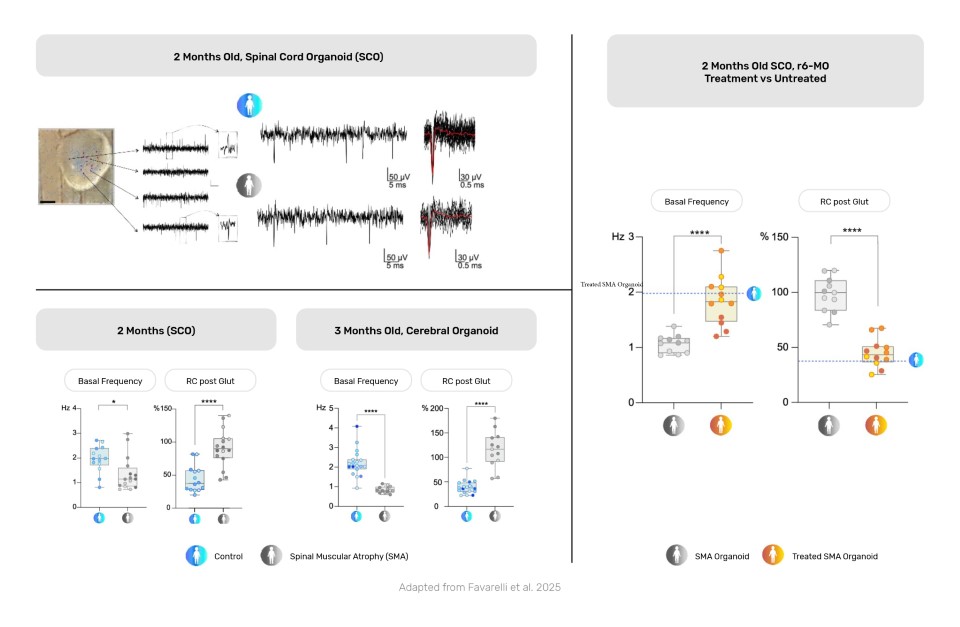
Beyond Motor Neurons: Reversing CNS-Wide Defects in Spinal Muscular Atrophy Spinal Muscular Atrophy (SMA) is traditionally defined by the degeneration of lower motor neurons caused by mutations in the SMN1 gene. However, the effects of this are not just limited to spinal motor neurons, affecting the broader central nervous system (CNS) during early development. Understanding these early, non-motor disruptions is critical for optimizing the timing and reach of therapeutic interventions. New research by Faravelli et al. from the Lodato and Corti lab, published in Nature Communications, is deepening our knowledge of this by using human spinal cord and cerebral organoids to reveal widespread developmental alterations in SMA. As part of their research they utilized CorePlate™ enabled HD-MEAs to investigate the functional properties of these organoids, showing lower basal activity, and hyperexcitability in response to glutamate across both SMA spinal and cerebral organoids. Crucially, the team also showed that early administration of a targeted antisense oligonucleotide (ASO) could help rescue the functional deficits of SMA organoids. This research provides a powerful framework for linking SMA, the widespread neuronal dysfunction associated with it, and therapeutic testing of it. It underscores the importance of early intervention and shows how HD-MEA can be utilized to help validate new ASO therapies. Huge thanks to Irene Faravelli, Simona Lodato, Stefania Corti, and the whole team for this amazing research. Check out the paper here: nature.com/articles/s4146… #3Brain #Neuroscience #iPSC #Electrophysiology #HDMEA #Organoids
3Brain AG tweet media
English
0
0
0
51
3Brain AG
3Brain AG@3Brain·
We’re delighted to recognize the 2025 MGA winner Noelia Antón Bolaños, a researcher whose work holds real potential to advance human health and further strengthen the growing community of scientists driving functional neuroscience forward. A huge thank‑you to Noelia for sharing her research project and answering a series of interview questions that gave us a deeper look into her project, the scientific journey that brought her here, and what inspires her. To read the full interview and learn more about her project, visit our page here: 3brain.com/events/massimo… Thinking about applying next time? Keep an eye on LinkedIn and our website for updates on when the 2026 MGA applications open! Please join us in celebrating Noelia for this well‑deserved achievement!
3Brain AG tweet media3Brain AG tweet media
English
0
0
6
984
3Brain AG
3Brain AG@3Brain·
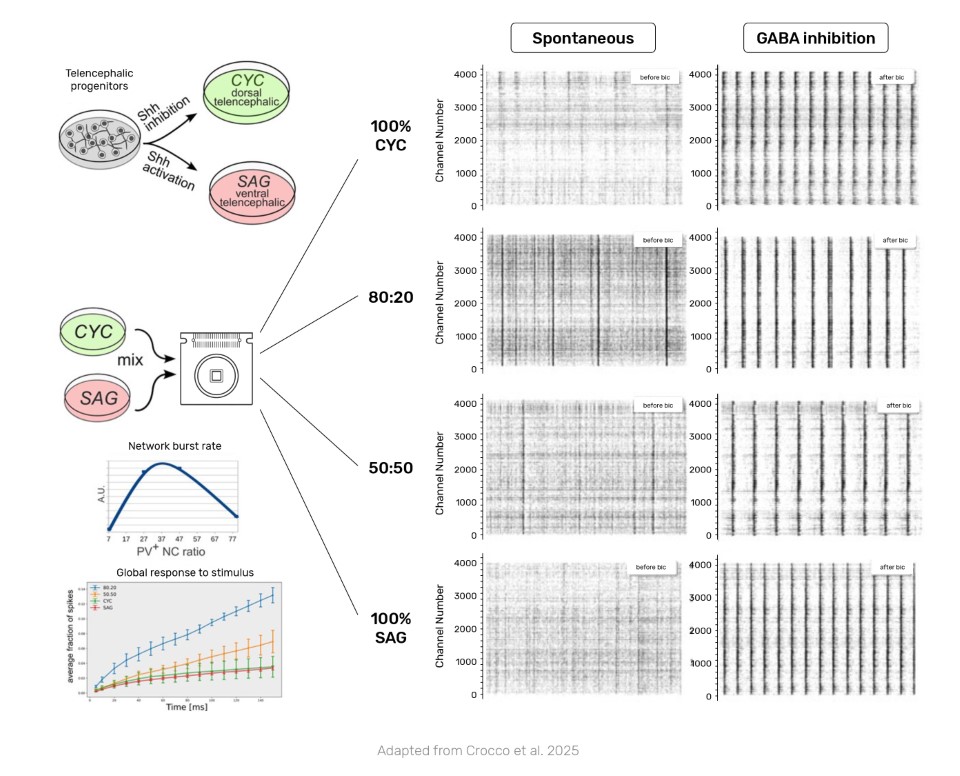
Understanding Excitatory / Inhibitory Balance in Human Brain Development A central challenge in developmental neuroscience is understanding how the brain establishes the right excitatory (E) and inhibitory (I) balance. Disruptions in this balance are linked to altered network synchrony, impaired circuit maturation, and vulnerability to neurodevelopmental disorders. A new study by Crocco et al., from the Cremisi Lab in Stem Cell Reports investigates this by reconstructing cortical networks using lineage‑defined stem cell–derived populations. By generating dorsal telencephalic (DT) progenitors (primarily excitatory neurons) and ventral telencephalic (VT) progenitors (primarily inhibitory interneurons), the researchers created controlled mixtures that allowed them to systematically probe how different DT/VT ratios shape emerging network dynamics. Using CorePlate™ enabled HD‑MEAs and their 4,096 bidirectional electrodes, the team accurately characterized the network properties of both mixed and standalone cultures. Through electrical stimulation and compound application, they demonstrated how strongly E/I balance shapes network activity, underscoring just how finely tuned early cortical development must be for proper function. Huge thanks to Crocco and the Cremisi Lab for advancing our understanding of developmental E/I regulation and demonstrating the power of DT/VT‑derived human neural models in dissecting early network formation. Check out the paper here: cell.com/stem-cell-repo… #3Brain #HDMEA #electrophysiology #stemcells
3Brain AG tweet media
English
0
0
0
63
3Brain AG
3Brain AG@3Brain·
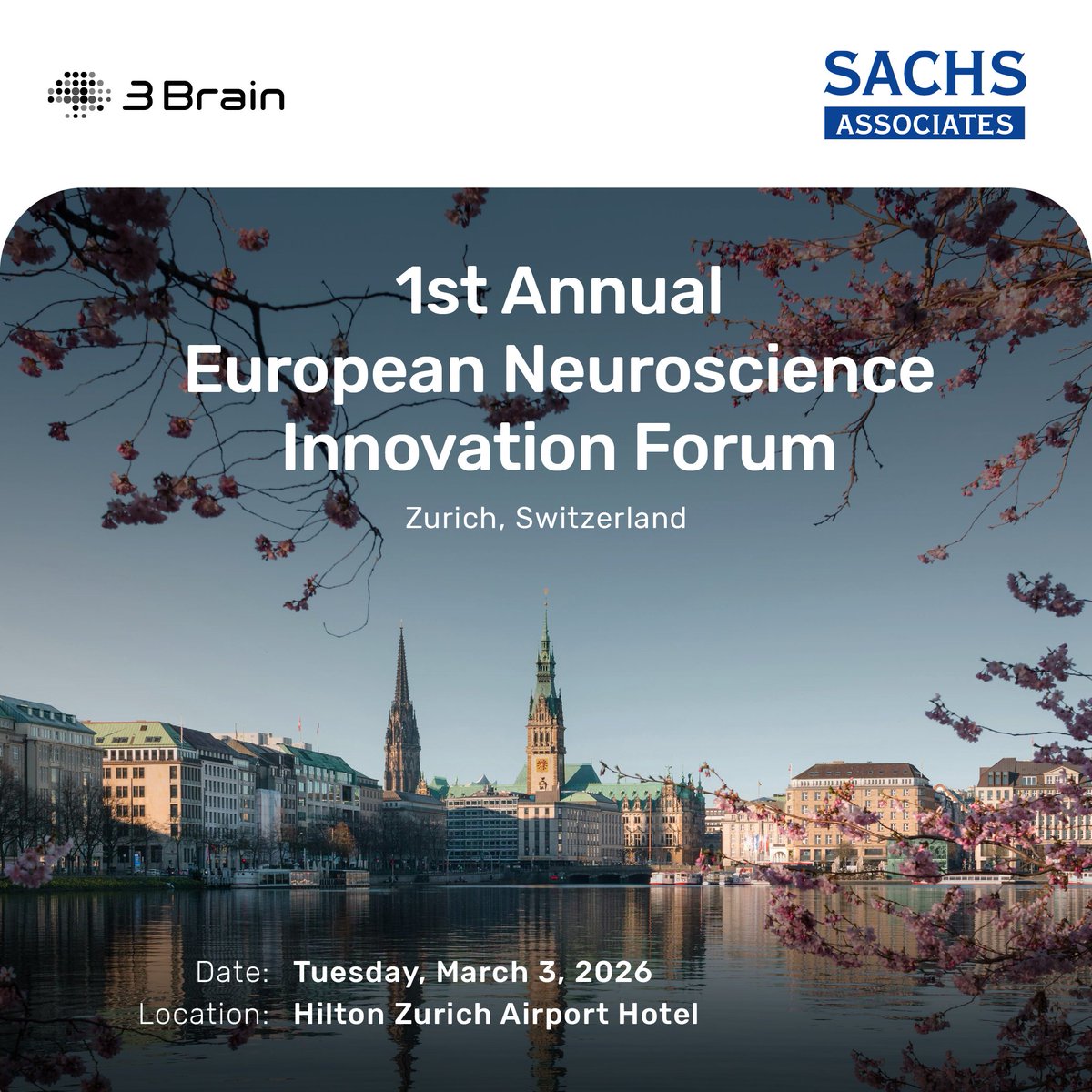
We’re excited to join leaders from across the pharma and biotech community at the 1st European Neuroscience Innovation Forum (ENIF) on the 3rd March. For us, this event is an opportunity to highlight how strongly we believe in High-Density Microelectrode Array (HD‑MEA) innovation, technology, and partnership. At 3Brain, we’ve spent more than two decades researching, developing, and pushing the boundaries of what’s possible with this technology. From pioneering the first commercially available CMOS‑based HD‑MEA, to creating multi‑well platforms, to introducing CorePlate™ 3D, the only HD‑MEA with 3D penetrating electrodes, specialized for 3D tissues and organoids. Our mission has always remained the same: empower researchers with the most advanced HD‑MEA technology, enabling them to capture the functional data needed to drive meaningful neuroscientific insights. Today, we’re proud to collaborate with multiple pharma teams who are redefining drug discovery and safety assessment using our multi‑well platforms to accelerate research on iPSC‑derived neuronal and cardiac cultures, and organoids. These partnerships continue to inspire our next wave of innovation such as our recent CorePlate™ 96W, the 96 well HD-MEA with the most amount of simultaneously recording wells and electrodes available on the market. If you’re also at ENIF, come and say hi. We’d be happy to share more about the extensive R&D that goes into developing our CorePlate™ enabled HD‑MEAs. #3Brain #HDMEA #Neuroscience #Electrophysiology
3Brain AG tweet media
English
0
0
0
57
3Brain AG
3Brain AG@3Brain·
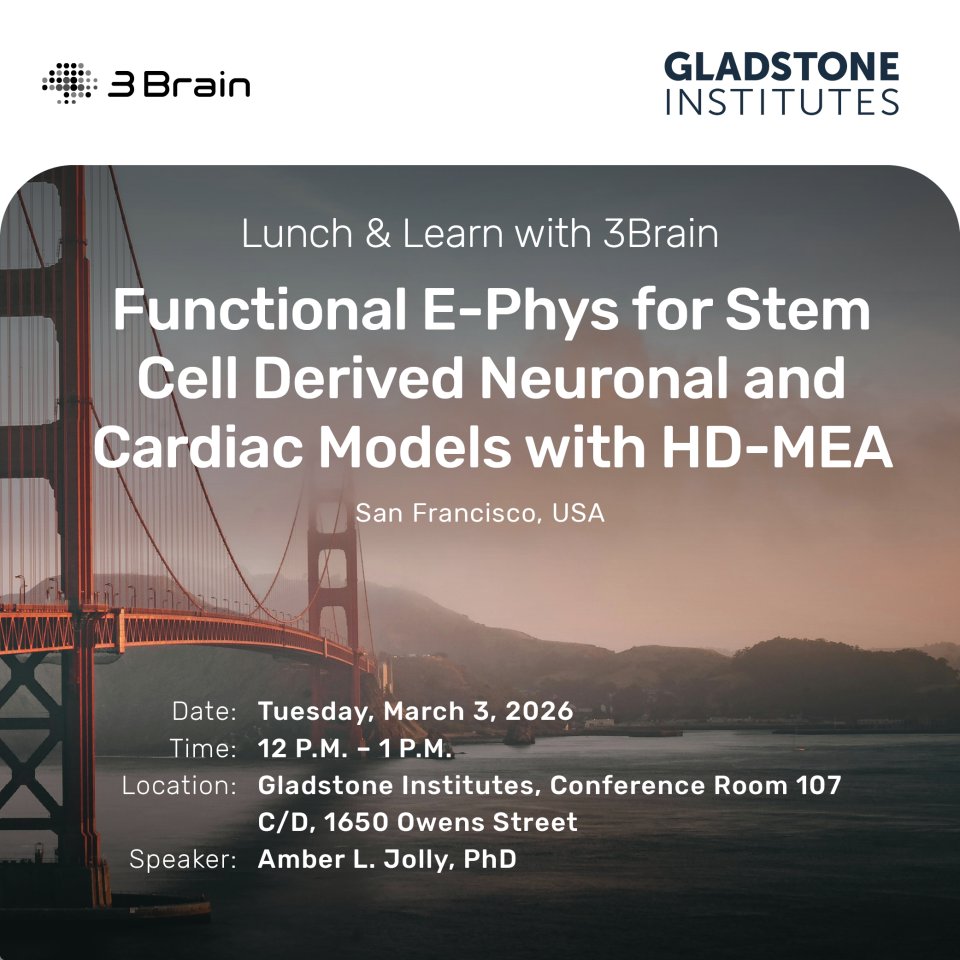
Working with stem‑cell‑derived neuronal or cardiac cultures? Don’t miss our Lunch & Learn where we’ll show you how to measure network‑level activity with single‑cell precision with 3Brain’s CorePlate™ enabled HD‑MEAs. When: Tuesday, March 3, 12:00 – 1:00 P.M. Where: Gladstone Institutes, Conference Room 107 C/D In this session, 3Brain will highlight the latest advances in its HD‑MEA platforms, built on more than 20 years of innovation. You’ll see how scientists are utilizing these systems to capture high‑resolution functional activity from their neuronal and cardiac cultures, helping them to investigate culture maturation, disease models and compound effects. From single‑well to 96‑well formats, we offer the industry’s highest‑throughput HD‑MEA solutions. You’ll also get an inside look at CorePlate™ 3D, the only penetrating HD‑MEA built to record activity from within organoids, providing unprecedented signal quality. Lunch is provided! Don’t forget to sign up here: 3brain.com/events/lunch-l… Looking forward to seeing you there!
3Brain AG tweet media
English
0
0
0
41
3Brain AG
3Brain AG@3Brain·
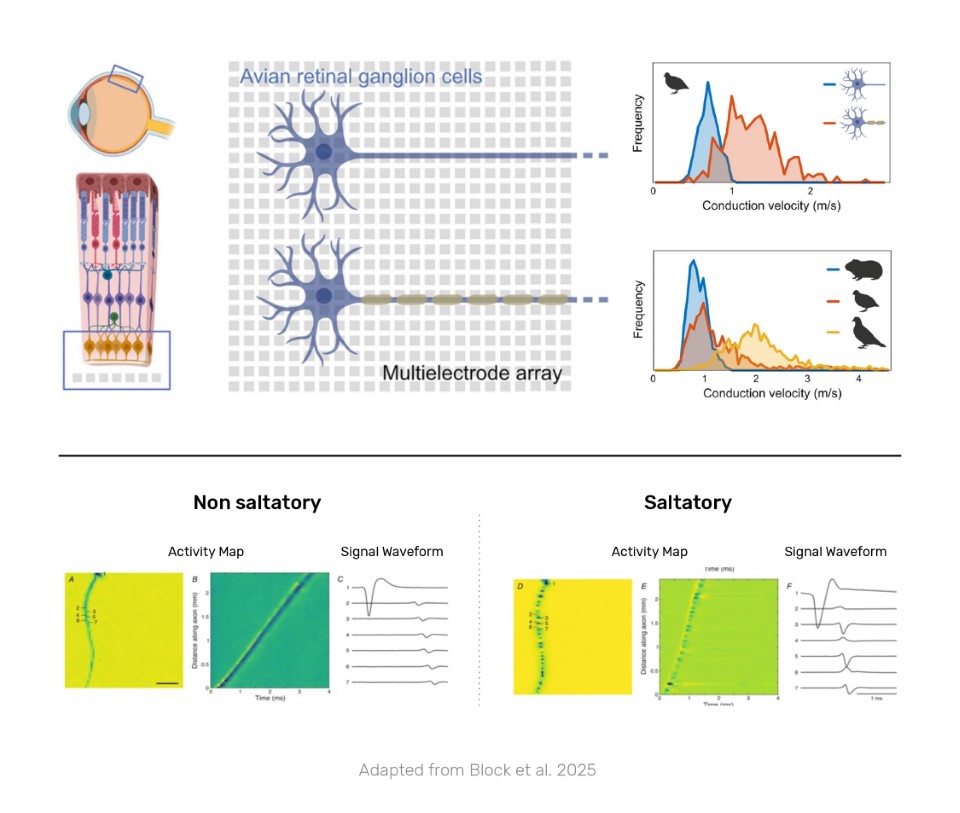
Is Faster Better? Decoding Saltatory Conduction in the Avian Retina In most vertebrates, retinal ganglion cell axons remain unmyelinated until they leave the eye to avoid interfering with light. However, the avian retina is a unique exception, featuring partially myelinated axons within the retinal nerve fiber layer. The functional advantage of this "optically detrimental" trait has been hypothesized to be a significant boost in spike conduction velocity. New research by Block et al., from the Greschner lab, published in The Journal of Neuroscience, is clarifying this by providing high-resolution physiological evidence of intraretinal saltatory conduction across multiple avian species. Utilizing the high-resolution properties of CorePlate™ HD-MEAs, and its strong signal to noise ratio, spike conduction was analyzed at an unprecedented scale. By tracking the electrical footprint of individual axons, it was demonstrated that avian saltatory axons can achieve conduction velocities up to four times faster than those found in rodents, illuminating how evolutionary pressures have shaped the unique properties of the avian retina. Huge thanks to Christoph Block, Martin Greschner, and the team at Oldenburg University for elucidating these unique features of avian neurobiology, pushing the boundaries of axonal electrophysiology and creating some beautiful axonal maps in the process. Check out the paper here: physoc.onlinelibrary.wiley.com/doi/10.1113/JP… #Neuroscience #Electrophysiology #HDMEA #Retina
3Brain AG tweet media
English
0
0
3
74
3Brain AG
3Brain AG@3Brain·
Different Eyes, Shared Computations? New research published in @PLOS Computational Biology takes a dive into identifying which computational models most accurately predict retinal ganglion cell (RGC) responses. In this study, Shahidi et al. from the @TimGollisch Lab (UMC Göttingen) recorded RGC activity from axolotl, mouse, and marmoset retina under a variety of light stimuli. They then compared the performance of three filter‑based stimulus‑encoding models to determine how well each one captured RGC responses across these different visual conditions. To build the marmoset dataset, the team utilised 3Brains CorePlate™ enabled HD‑MEA, which allowed for the simultaneous recordings from thousands of electrodes distributed across the retinal surface, providing high‑resolution recordings of hundreds of RGCs simultaneously. Key Findings: • Divisive and Subtractive models outperformed feedback models. • The Divisive model performed best when predicting responses to rapid stimulus kinetics. • The Subtractive model performed best for slower modulations. Congratulations to Shahidi and the team for a fascinating paper that highlights how model choice can influence our ability to predict retinal ganglion cell activity. Check out the paper here: journals.plos.org/ploscompbiol/a… #Neuroscience #3Brain #Electrophysiology #HDMEA #Biotechnology #VisionScience #retina
3Brain AG tweet media
English
0
0
0
65
3Brain AG
3Brain AG@3Brain·
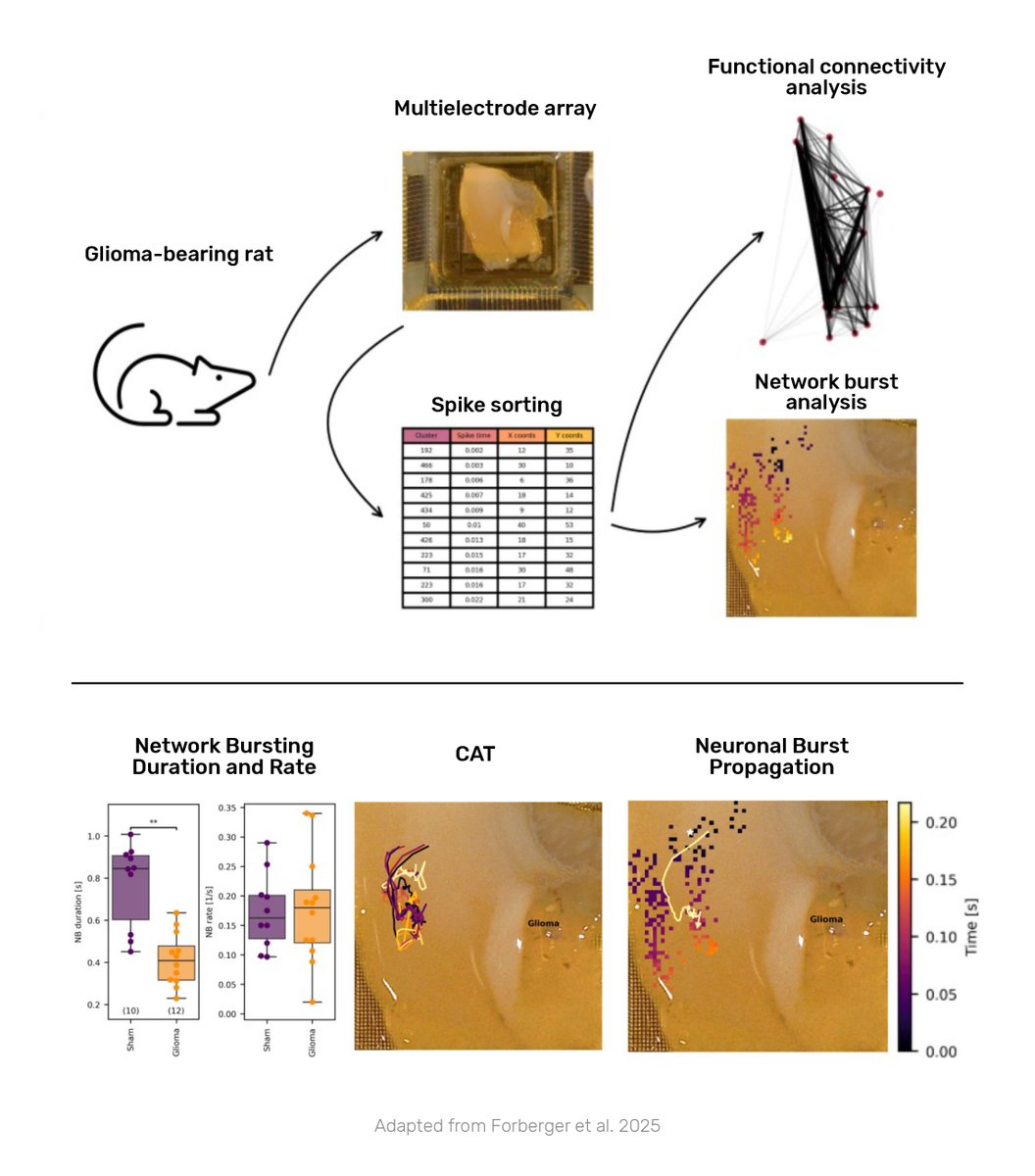
How glioma disrupts brain networks - A new protocol for investigating with HD‑MEA Understanding how malignant brain tumors such as gliomas disrupt surrounding neuronal networks is essential for advancing neuro-oncology. A new protocol developed by Forberger, Kragelund and colleagues from the Köhling & Kirschstein lab, published in Journal of Neuroscience Methods, provides an approach for characterizing these disruptions in rat neocortical brain slices from a rat glioma model with HD‑MEA recordings. Using CorePlate™ 3D, which feature 4,096 simultaneously recording 3D electrodes, the team pharmacologically induced bursting activity and demonstrated how to extract spatiotemporal features, including network burst propagation patterns, functional connectivity, and centre of activity trajectories (CATs), revealing that glioma profoundly alters network integrity in the brain. Congratulations to Forberger, Kragelund and colleagues for helping to develop this protocol, this work opens a new window into understanding how glioma reshapes neuronal communication. Check out the publication here: sciencedirect.com/science/articl… #Neuroscience #Electrophysiology #HDMEA #Cancer
3Brain AG tweet media
English
0
0
1
78
3Brain AG
3Brain AG@3Brain·
The WORD 2026 conference provided an inspiring look into the latest developments in brain organoid research. Attendees witnessed first-hand how quickly the field is progressing, with new methods and technologies continuously shaping the landscape. One of the most notable trends was the growing importance of high-resolution functional readouts. These advanced measurement tools have become essential for researchers, enabling more detailed insights and accelerating discoveries within neuroscience. This year, we presented a scientific poster on hippocampal organoids, demonstrating how CorePlate™ enabled researchers to precisely capture functional activity shifts in response to various neuroactive compounds. We also had the chance to discuss CorePlate™ 3D, designed specifically for use with brain organoids and 3D cultures. It enables rich, high‑resolution electrophysiological recording within the organoid itself, allowing researchers to characterize development, model disease phenotypes, and evaluate drug responses with unprecedented precision. A huge thank‑you to everyone who visited our booth, discussed their work, and shared new ideas. We’re excited to support the next steps in functional neuroscience! #WORD2026 #BrainOrganoids #HDMEA #Neuroscience #Electrophysiology #Organoids
English
0
0
0
66
3Brain AG
3Brain AG@3Brain·
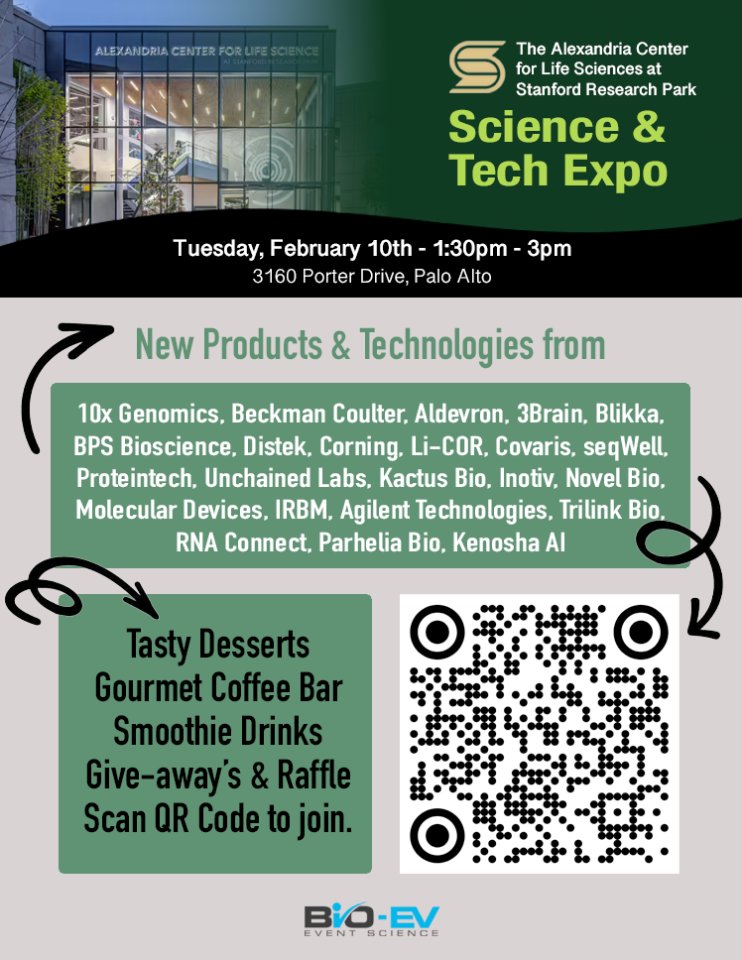
Meet Amber Jolly at the Science & Tech Expo on February 10th at the Alexandria Centre for Life Sciences at Stanford Research Park. Who’s invited? Researcher scientists across the Stanford Research Park, the Alexandria Center, and the surrounding area. What to expect: Discover how CorePlate™ enabled HD‑MEAs are redefining functional investigations across in vitro neuronal and cardiac models including 2D and 3D cultures, organoids, and tissue slices. We’ll showcase how this versatile technology available with both 2D and 3D electrodes and offered in 1, 6, 24, and 96‑well formats empowers you to gain deeper, more meaningful functional insights from every experiment. Come meet us in person and enjoy it all with complimentary desserts, coffee, and a smoothie bar! #3Brain #Neuroscience #Electrophysiology #StanfordResearchPark #AlexandriaCenter #BiotechCommunity
3Brain AG tweet media
English
0
0
0
61
3Brain AG
3Brain AG@3Brain·
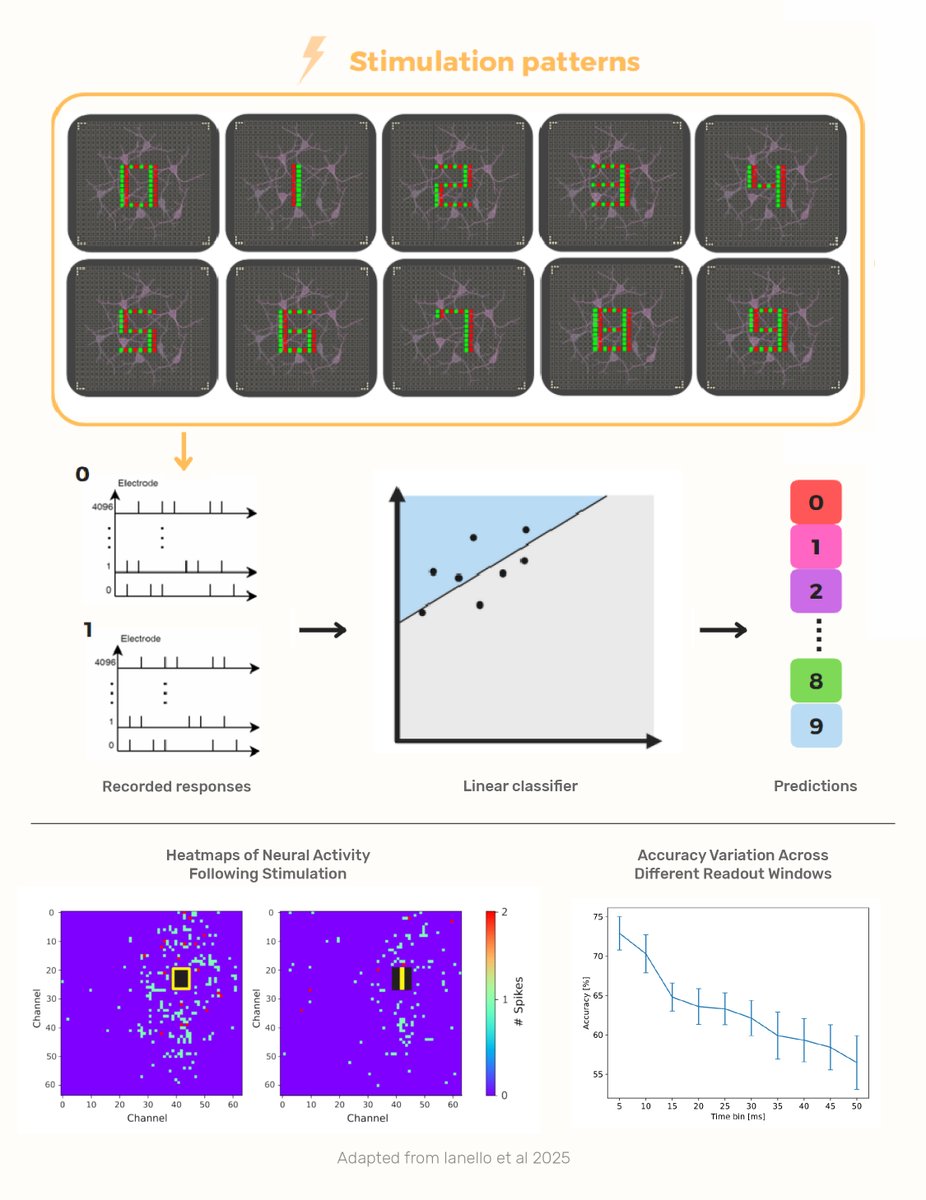
Beyond Artificial Units: Leveraging Biological Neurons for Pattern Recognition We are one step closer to bridging the gap between artificial and biological intelligence. New research from Ludovico Iannello & Luca Ciampi et al., (Giuseppe Amato group) introduces a paradigm for Biological Reservoir Computing (BRC), where a living network of cultured neurons act as the simulated component of Reservoir Computing. Utilizing CorePlate™ enabled HD-MEAs, the group leveraged our API & the bidirectional electrodes to encode digital images into spatially distributed electrical stimulation patterns, and in turn record the activity of the neuronal culture. Using the biological network readout from the stimulus input, they trained a linear classifier to be able to perform pattern recognition on the resulting neural activity, demonstrating that living neural networks can effectively support complex classification tasks, laying the foundation for biologically grounded reservoir computing architectures. Huge thanks to Iannello, Ciampi and the team for elucidating the computational potential of biological reservoirs and bridging the gap between artificial and biological intelligence. Check out the paper here: arxiv.org/abs/2510.05637 #HDMEA #Neuroscience #Biotech #NeuroTech #Electrophysiology
3Brain AG tweet media
English
0
0
2
83
3Brain AG
3Brain AG@3Brain·
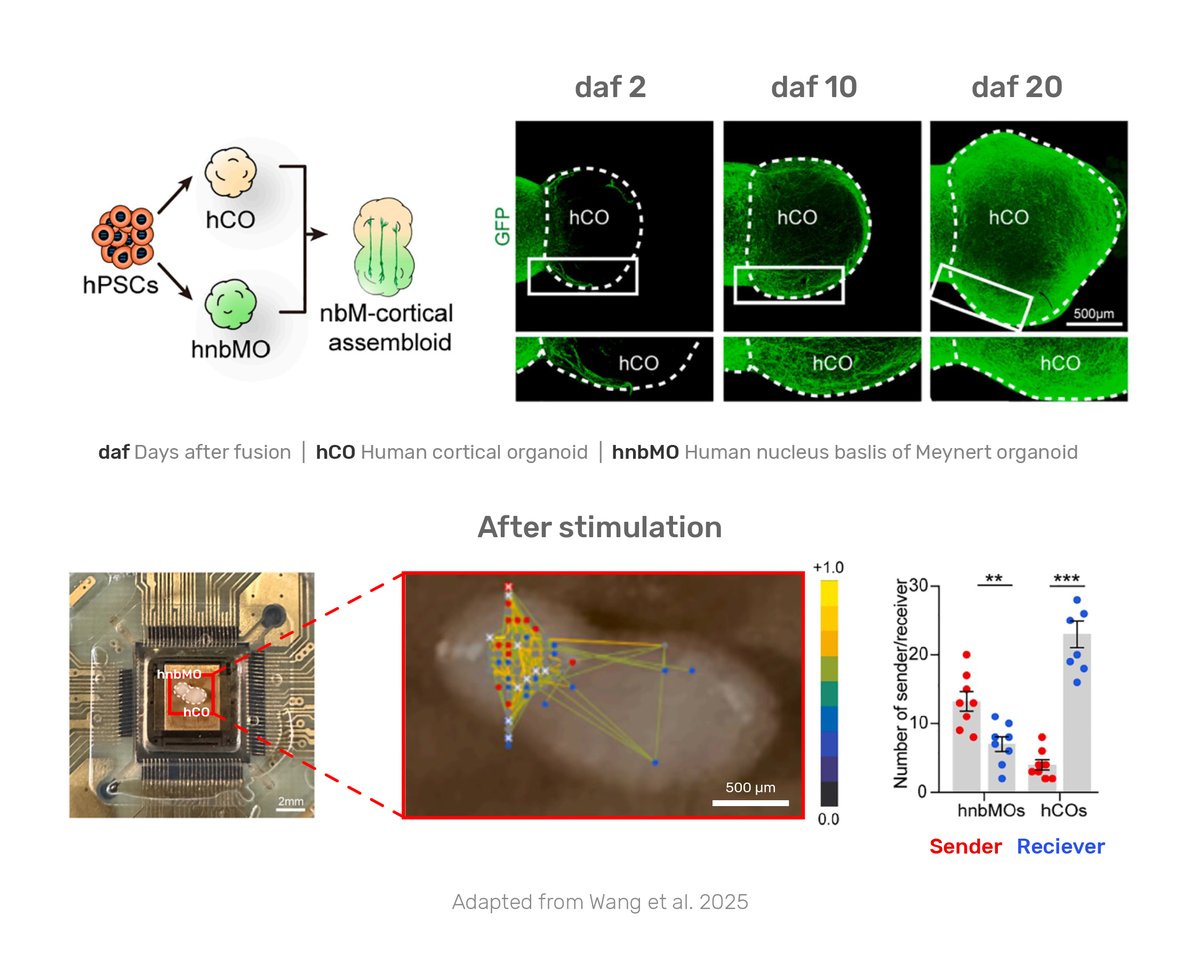
Wiring the Memory Center: A New Path for Cholinergic Research The nucleus basalis of Meynert (nbM) is considered one of the brain's primary cholinergic outputs, contributing to functions like learning and memory with implications in Alzheimer's Disease and Down Syndrome. Despite its importance, the ability to model human nbM cholinergic neurons has remained limited. New research by Wang et al., from the Liu Lab published in Cell Stem Cell, is addressing this by generating human nucleus basalis organoids (hnbMOs), and going even further, combining them with cortical organoids (hCOs) to generate hnbM-cortical assembloids. Utilizing the bidirectional 3D electrodes of CorePlate™ 3D, they obtained high resolution electrophysiological recordings from the assembloids and were able to investigate the projection and function of cholinergic projections of the hnbMO to the hCO by stimulating the hnbMO segment and modeling the connectivity pre and post stimulation. As a final step they transplanted these organoids into mice brains, establishing an intact human-derived neural pathway in mice. Congratulations to Wang, Liu and the team at Nanjing Medical University for providing a way to further model the human nucleus basalis and an avenue to model nbM-cortical pathway-related disorders! Check out the paper here: cell.com/cell-stem-cell… #3Brain #Neuroscience #iPSC #Electrophysiology #HDMEA #Organoids #Assembloids
3Brain AG tweet media
English
0
0
1
66
3Brain AG
3Brain AG@3Brain·
Mapping the Routes of Brain Information: When HD-MEAs Create Neural Art Understanding how information flows through the complex circuits of the brain is a fundamental challenge in neuroscience. In a recent study in the Journal of Neurophysiology (@JNeurophysiol), Zapfe et al., from the Gutierrez lab present a high-resolution Current Source Density (CSD) analysis methodology that pinpoints how current "sinks" and "sources" emerge and evolve over time. Leveraging high-density CorePlate™ enabled HD-MEAs, with its 4,096 simultaneously recording electrodes, the group developed a way to distinguish disjoint loci of activity. By calculating the "center of mass" for these current generators, they can now track evolving CSDs, tracing the route of information transfer as it moves through hippocampal substructures. This approach can reveal hidden patterns of synaptic interaction that can be obscured in the voltage domain, providing a powerful new tool for quantitating effective information transmission in structured tissues, and in the process, generating beautiful neural artwork. A huge thank you to Zapfe and the team at Cinvestav for this exciting work and sharing these beautiful hippocampal CSD images. Check out the publication here: journals.physiology.org/doi/full/10.11… #Neuroscience #Electrophysiology #HDMEA #BrainResearch #Hippocampus #NeuralCircuits
3Brain AG tweet media
English
0
0
2
62
3Brain AG
3Brain AG@3Brain·
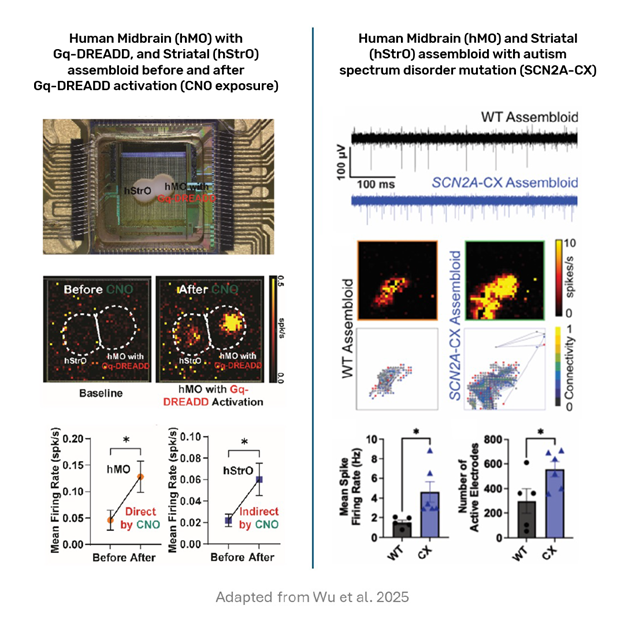
When Microglia Enter the Circuit: What Brain Organoids and Assembloids Teach Us About Neuroimmune Interactions New work by Wu et al. from the Yang group shows that introducing human microglia into brain organoids causes distinct microglial subtypes to be created. The team further advanced this approach by generating microglia-integrated midbrain–striatal assembloids to explore how microglia influence neuronal circuitry, finding that microglia support axonal projection and assembloid formation. Fascinatingly, the team transduced the midbrain organoid (from the midbrain-striatal assembloid) to enable Gq-DREADD activation. Using the HyperCAM Alpha with 6-well CorePlate™ enabled HD-MEAs, they were able to record from multiple assembloids simultaneously and quickly demonstrate that clozapine–N-oxide stimulation of the Gq-DREADD increased the firing rate not only in the midbrain region, but also the striatal region, confirming functional connectivity across the assembloid. Taking the model even further, they showed that assembloids carrying an autism spectrum disorder mutation displayed microglial abnormalities and significantly increased levels of activity. Outstanding work from Wu et al., bringing us a powerful new model of neuroimmune interaction and for showcasing how HD-MEA technology can help dissect the functional effects of microglia within human-relevant brain systems. Check out the preprint here: biorxiv.org/content/10.110… #3Brain #Neuroscience #iPSC #Electrophysiology #HDMEA #Organoids #Assembloids #ASD
3Brain AG tweet media
English
0
0
0
66
3Brain AG
3Brain AG@3Brain·
When an Immune Gene Rewrites Brain Development Inborn errors of immunity (IEIs) are genetic disorders that impair key parts of the immune system. Patients with IEI face a higher risk of displaying neuropsychiatric symptoms, but it remains unclear whether these symptoms are due to chronic immune dysfunction or direct genetic effects on brain development. New work from Giulia Demenego, Lodato Simona, Michela Matteoli and teammates is helping clarify this. In their recent study published in Neuron they show that hyperactivation of CXCR4, known to cause a form of IEI - WHIM (warts hypogammaglobulinemia immunodeficiency myelokathexis) syndrome, also disrupts early cerebellar development and leads to structural and motor deficits, independently of infection or immune stress. Interestingly these defects could be prevented by early administration of a CXCR4 antagonist. To help investigate the motor deficits the team utilized the large recording area of CorePlate™ to record extracellular activity from whole mouse cerebellar slices and found lobule-specific alterations in firing rates that correlate with the anatomical defects. A fascinating rethinking of how IEI shapes the brain, and a powerful example of how CorePlate™ enabled HD-MEA can uncover functional consequences of developmental mutations. Check out the publication here: linkinghub.elsevier.com/retrieve/pii/S… #Nueroscience #Electrophysiology #HDMEA #Cerebellum
3Brain AG tweet media
English
0
0
0
42
3Brain AG
3Brain AG@3Brain·
DNMT3A mutations reshape human cortical interneuron development and neuronal network function. Tatton-Brown-Rahman Syndrome (TBRS) is caused by pathogenic mutations in the DNA methyltransferase DNMT3A, a key regulator of epigenetic gene repression, and is associated with intellectual disability and overgrowth. Yet how DNMT3A governs human cortical neuron development, especially the balance between inhibitory and excitatory circuits, has remained unclear. New research by Gareth Chapman et al., is helping to clarify this by showing that hiPSCs carrying TBRS-associated DNMT3A mutations reveal disruptive effects on cortical interneuron differentiation and hyperactivity of inhibitory neurons. With the help of CorePlate™ enabled HD-MEAs, the group investigated the electrophysiological activity of their cultures, finding that the GABAergic hyperactivity is sufficient to drive abnormal neuronal activity and network bursting characteristics, a compelling mechanistic link between TBRS epigenetic dysregulation and altered circuit function. Huge thanks to Chapman et al. for elucidating how DNMT3A-mediated repression shapes human cortical interneuron development and activity. Check out the preprint here: biorxiv.org/content/10.110… #Neuroscience #3Brain #Electrophysiology #HDMEA
3Brain AG tweet media
English
0
0
1
85