

AnilP
267 posts
AnilP
@AnilP333
Embedded Software Engineer | Sharing Teach and Personal Experience | Exploring Edge AI | Learning
Pune, India เข้าร่วม Eylül 2025
358 กำลังติดตาม236 ผู้ติดตาม


After spending time across startups and Big Orgs, I think I can comfortably speak on this - TAKE THE MONEY, but don't let go of your learnings.
Lemme be honest with you - you are not going to come back home and learn anything. You may for a week or two, but not for a prolonged time. (And if you are one of those who can, then don't lemme stop you lads).
So, the best situation possible is to make your job about what you truly wish to dive deep into. Me? I wanted to touch the lower hardware of electronics and it's applications, instead of simply being a small cog in a big org, unit/ integration testing things as my job.
Hence, startups were the move for me. Because no big org would give me the freedom to not only work on hardware from the get-go, but be involved in the business and content side of things at the same time.
And, I get paid a pretty penny too, so there's no reason for me to NOT go as hard as I can for this.
So for you, who wishes to choose their next career move, evaluate your career goals for the next 5 years.
If you want to max out money and don't particularly care about learnings - go for a big org.
If money can be compromised a bit for exposure to a wide array of domains - startups are the way to go.
English




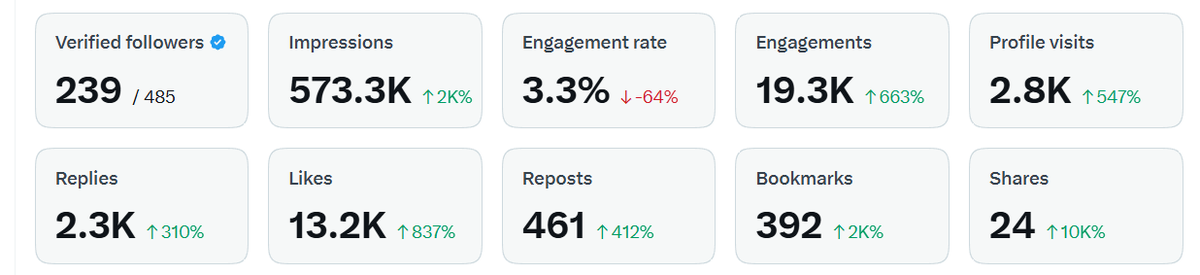
I was stuck at 200 followers for 4 months straight.
Nothing moved. Not even a little.
Then it did.
573K impressions. 13.2K likes. 2.3K replies.
The only thing that changed was I didn't quit.
I kept showing up like a maniac and believed it will work eventually.
English



I guess I only get the reach when I reply. My general tweets are invisible for everyone!
Can you see this tweet?
English

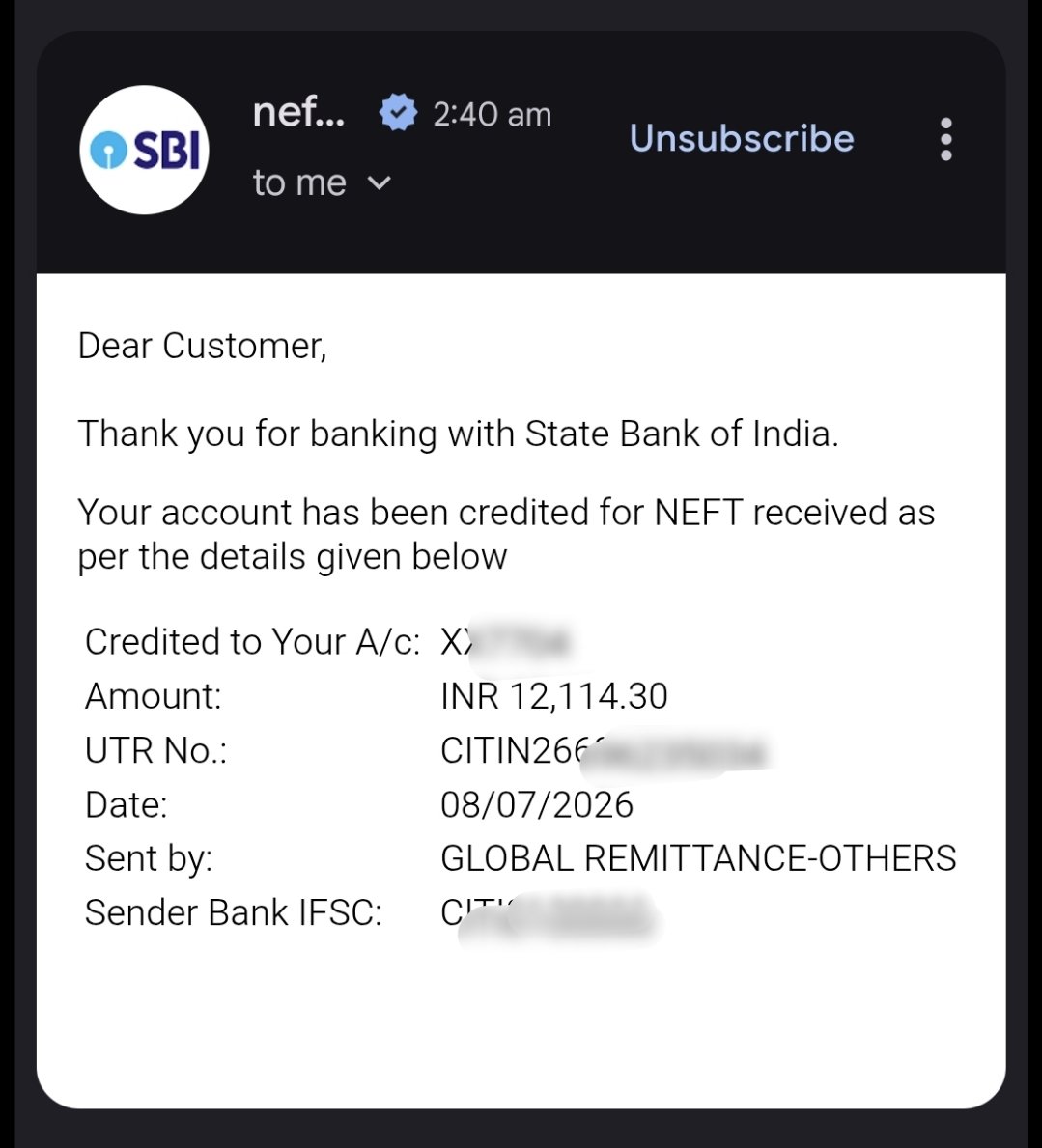
payout from 𝕏 for two week of majduri credited in my bank account
which superbike should I book now 😃
English


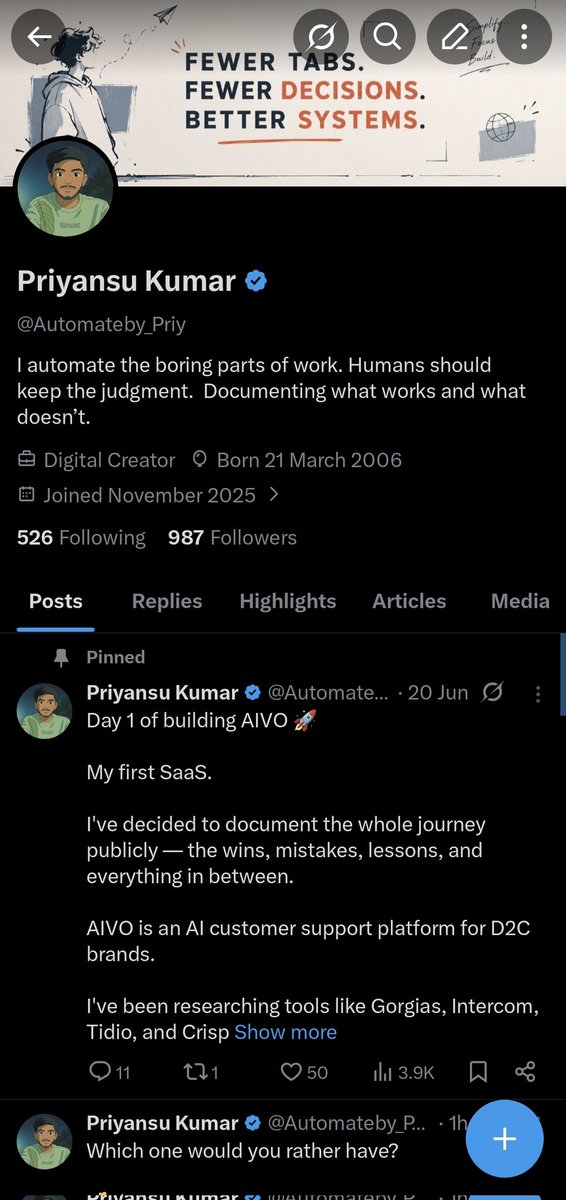
987... ❤️
We're just a few steps away from 1K
Let's see if we can get there today.
English

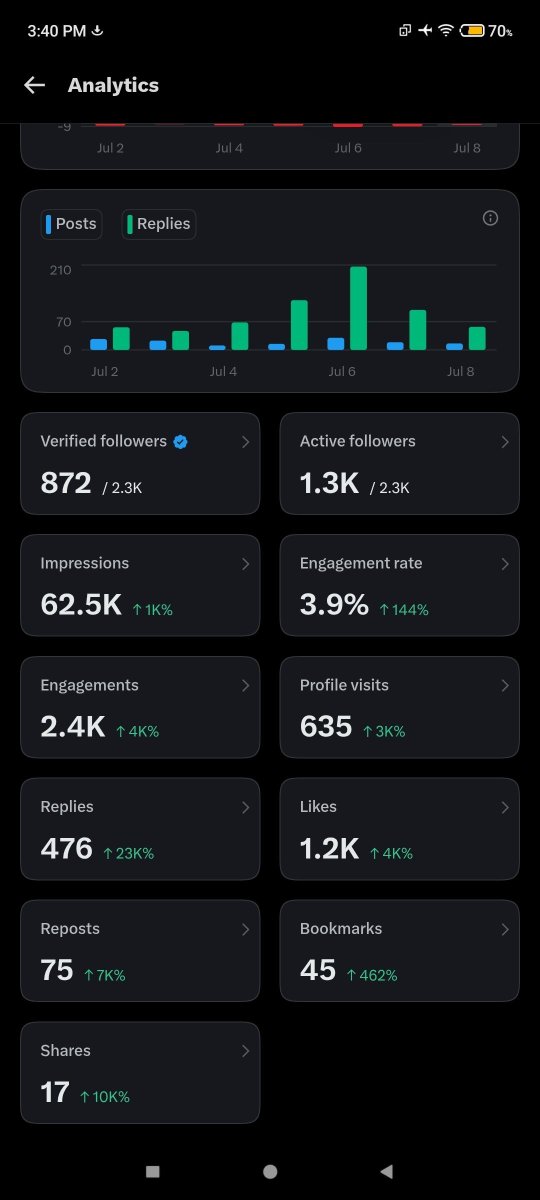
Dheere dheere comeback ki khushboo aa rahi hai guyss..🔙💪🏻
Thank you for all the support 🙏🏻
Keep it going.
X k algo ko bhi thank you bol deta hun, halaki abhi bhi bahut natak karra hai. 🤪

Prathik@traphikp
Ek dum badiya wala downfall chal raha hai 3 days se !!! 🥲
English

🛡️ Functional Safety in Automotive Embedded Systems
Series #3 – Fault, Error, and Failure: Aren’t They the Same?
People often use these words interchangeably.
In Functional Safety, they mean very different things.
Let’s use a simple example.
Imagine you’re typing on your laptop.
💥 A cosmic ray flips a bit in memory.
➡️ That’s a Fault.
The flipped bit changes a value in your running program.
➡️ That’s an Error.
The application suddenly crashes and closes.
➡️ That’s a Failure.
See the chain?
Fault → Error → Failure
Now imagine the same idea in a vehicle.
• A sensor develops an internal fault.
• The ECU receives incorrect data (error).
• The braking function behaves incorrectly (failure).
Not every fault becomes an error.
Not every error becomes a failure.
A large part of Functional Safety is about detecting faults early enough to stop that chain before it reaches the vehicle’s intended function.
That’s why you’ll hear engineers talk so much about diagnostics, watchdogs, ECC, redundancy, and safety mechanisms.
They’re all designed to break the chain.
Next up:
What exactly is a Hazard, and why is it different from a Failure?
#EmbeddedSystems #Automotive #FunctionalSafety #ISO26262 #EmbeddedC
English
🛡️ Functional Safety in Automotive Embedded Systems
Series #2 – Why Do We Need Functional Safety?
We’ve all seen software bugs.
📱 Your music app crashes? Restart it.
💻 Your browser freezes? Refresh the page.
☕ Your coffee machine brews two cups instead of one? Well… free coffee.
🚗 But what if your car’s braking system or steering software had the same attitude?
“Oops… try restarting.”
That’s not an option.
Unlike most software, automotive systems interact directly with the physical world. A software or hardware fault can have real-world consequences.
That’s why automotive engineers assume that faults will happen. Sensors can fail. Memory bits can flip. Communication can be lost. CPUs can hang.
The goal of Functional Safety isn’t to prevent every fault—it’s to ensure that faults don’t become hazards.
That’s the engineering mindset behind ISO 26262.
In the next post, we’ll answer a simple but important question:
What’s the difference between a Fault, an Error, and a Failure?
#EmbeddedSystems #Automotive #FunctionalSafety #ISO26262 #EmbeddedC
English
🛡️ Functional Safety in Automotive Embedded Systems
Series #1
Imagine you’re driving car at 100 km/h.
Suddenly, a sensor stops responding.
A memory bit flips.
A CPU core hangs.
A communication message never arrives.
Should the vehicle become dangerous?
Absolutely not.
This is where Functional Safety comes in.
Functional Safety isn’t about making systems perfect—it’s about ensuring that when faults inevitably occur, they don’t lead to an unreasonable risk for the people inside and around the vehicle.
Standards like ISO 26262 provide the framework, but the real engineering lies in designing systems that can detect faults, respond appropriately, and continue operating in a safe state.
Over the coming weeks, I’ll be sharing practical insights into Functional Safety—from the basics to topics like hazards, ASIL, safety mechanisms, diagnostics, redundancy, watchdogs, and real-world automotive embedded concepts.
Let’s explore the engineering that helps make modern vehicles safer.
#EmbeddedSystems #Automotive #FunctionalSafety #ISO26262 #EmbeddedC
English


