Bri Treece
22 posts


Think about the power Hegseth is asserting here. He is claiming that the DoD can force all contractors to stop doing business of any kind with arbitrary other companies. In other words, every operating system vendor, every manufacturer of hardware, every hyperscaler, every type of firm the DoD contracts with—all their services and products can be denied to any economic actor at will by the Secretary of War. This is obviously a psychotic power grab. It is almost surely illegal, but the message it sends is that the United States Government is a completely unreliable partner for any kind of business. The damage done to our business environment is profound. No amount of deregulatory vibes sent by this administration matters compared to this arson.


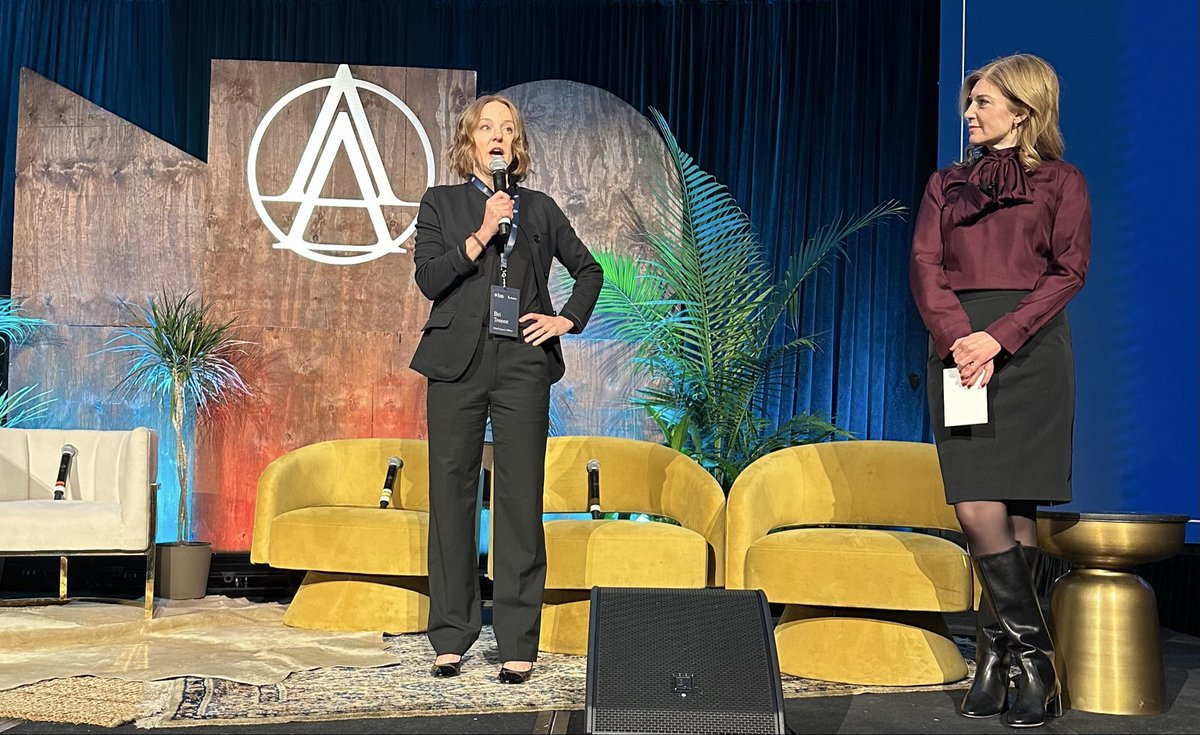
I just got back from Davos with the @Fathom_org team, and it honestly felt like two different worlds. Outside, AI was everywhere: the billboards, the stages, the certainty. Inside the rooms, there was far more uncertainty. Pressure to prove ROI. Real disagreement about where LLMs are headed next. And too often, the people who will bear the costs, including workers and communities, weren’t in the room when decisions were being made. That gap is why governance matters. We need practical oversight that can keep pace, build trust, and support responsible adoption as this technology moves deeper into everyday life. I wrote up my takeaways in our new Substack post: A Tale of Two Realities: Observations from Davos. Link in the reply.


Today the @WhiteHouse released America’s AI Action Plan to win the global race. We need to OUT-INNOVATE our competitors, BUILD AI & energy infrastructure, & EXPORT American AI around the world. Visit AI.gov


🚨First in @politico: "A host of AI scholars and experts are backing a key AI safety bill in Sacramento...The letter is notable not just because of the names on it, but because some of the new supporters actively opposed state Sen. Scott Wiener’s SB 1047 last year, or stayed on the sidelines during the roiling debate it created." 🧵🔽


This week, the second part of my liability series--where I actually answer the question, "how should AI liability work?" I present a few different options, but come to one overarching conclusion: the AI community needs to tackle this issue head-on, in the near term.