BrightMind History

6.3K posts

BrightMind History banner
BrightMind History

BrightMind History

@Brightmind_ME

History beyond the mainstream. Not lost-just ignored.

เข้าร่วม Ağustos 2024
82 กำลังติดตาม9K ผู้ติดตาม
ทวีตที่ปักหมุด
BrightMind History
BrightMind History@Brightmind_ME·
1/14 ⚠ TW: Sexual Violence. The most detailed report on the sexual crimes committed during & after the Oct 7 massacre is out. The Dinah Project reveals Hamas terrorists used rape, gang rape & sexual torture systematically. This is hard to read, but vital. 🧵
BrightMind History tweet media
English
989
5.6K
17.7K
2M
Shukri Hamk 🇦🇺
Shukri Hamk 🇦🇺@Yazidisto·
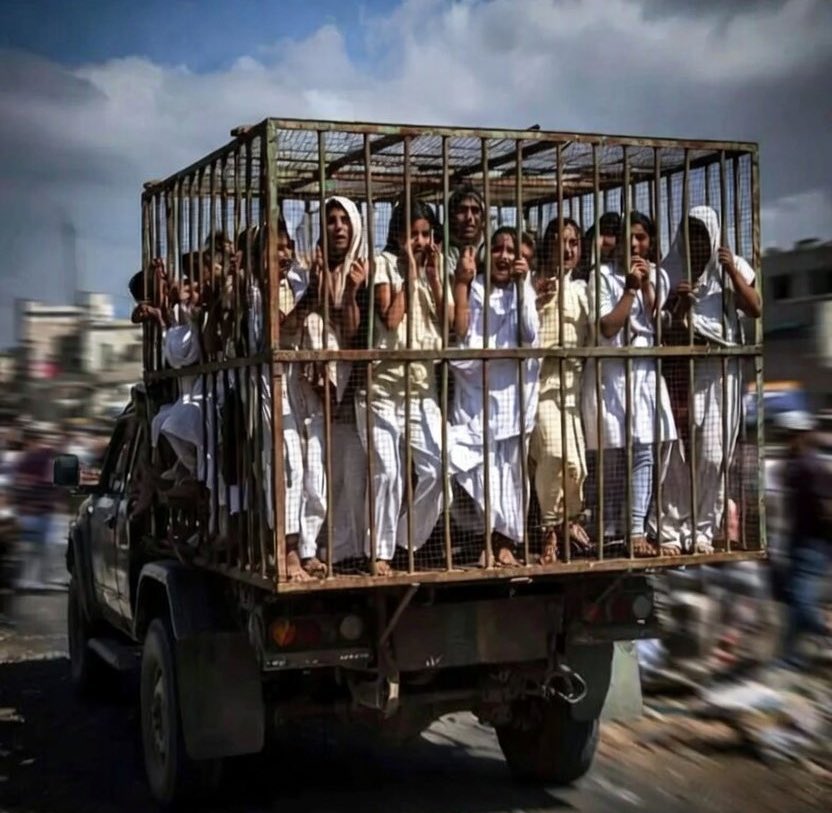
They are allowed to burn 19 Yazidi girls but I’m not allowed to talk about it because it is considered Islamophobia. Got it.
Shukri Hamk 🇦🇺 tweet media
English
727
15.4K
41.9K
307.3K
BrightMind History
BrightMind History@Brightmind_ME·
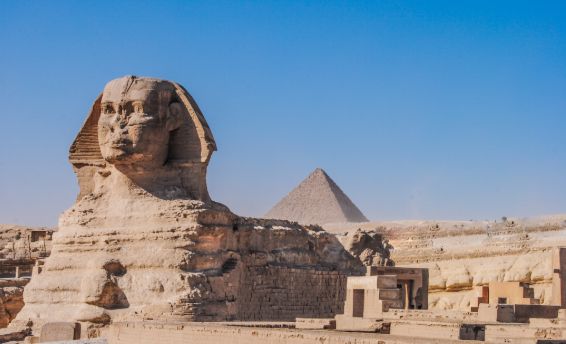
What Secrets Does the Sphinx Still Hide? The Sphinx of Giza, carved from a single limestone ridge, has stood for roughly 4,500 years. Most scholars believe its face represents Pharaoh Khafre, though its exact origins and purpose continue to spark debate among archaeologists and historians. Follow @Brightmind24_7 for more moments in history. Image credit: Wikipedia
BrightMind History tweet media
English
0
3
6
115
BrightMind History
BrightMind History@Brightmind_ME·
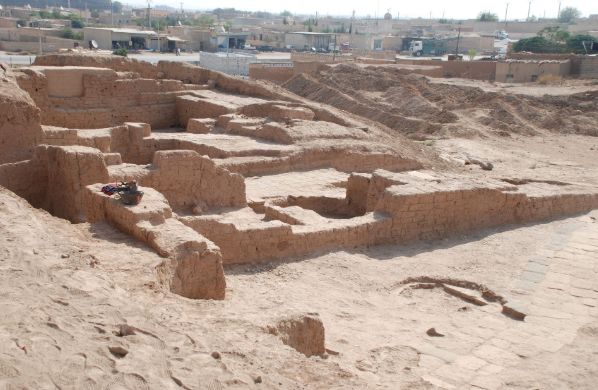
Carved in Basalt. At Tell Halaf in Syria, archaeologists uncovered intricate stone statues and reliefs from the Aramaean kingdom of Bit Bahiani, dating to the 10th-9th centuries BCE. These discoveries shed light on the art, religion, and daily life of a once-flourishing culture. Follow @Brightmind24_7 for more moments in history. Image credit: Wikipedia
BrightMind History tweet media
English
0
3
6
99
BrightMind History
BrightMind History@Brightmind_ME·
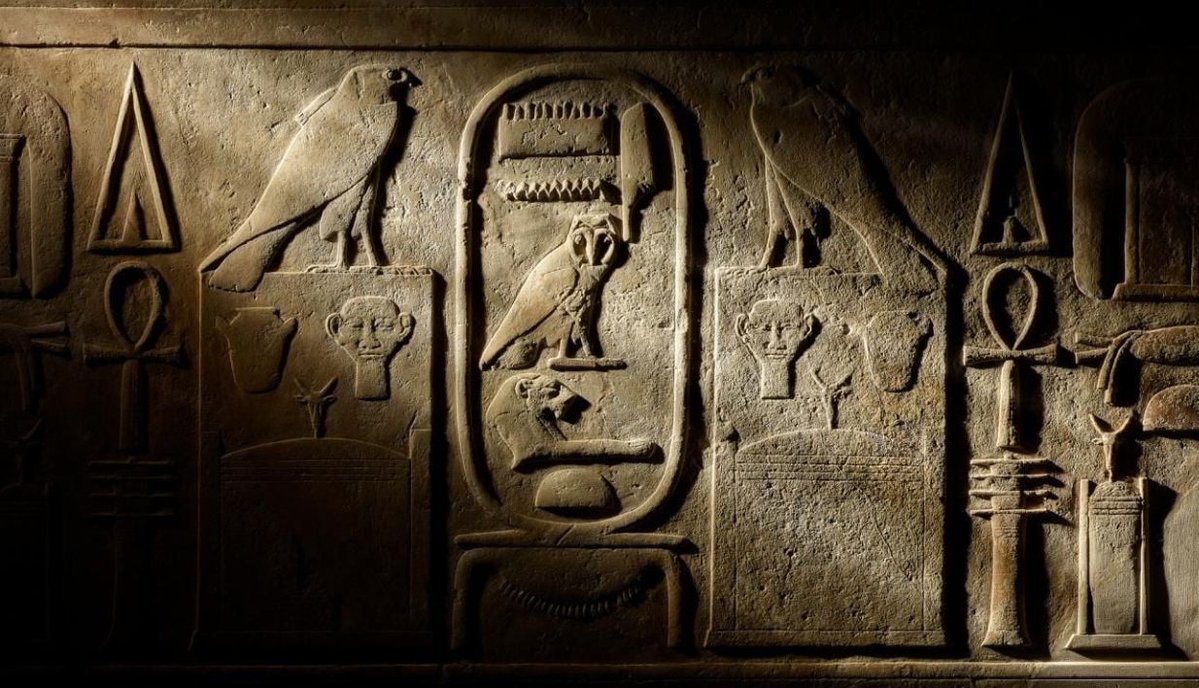
From Hieroglyphs to Alphabets: Egyptian hieroglyphs are among the world's oldest writing systems, with symbols representing objects and sounds. The Proto-Sinaitic script, found in the Sinai turquoise mines, borrowed signs from hieroglyphs and became a direct ancestor of the Phoenician alphabet and, ultimately, of most alphabetic scripts used across the region and beyond. Follow @Brightmind24_7 for more moments in history. Image credit: The British Museum
BrightMind History tweet media
English
0
1
2
90
BrightMind History
BrightMind History@Brightmind_ME·
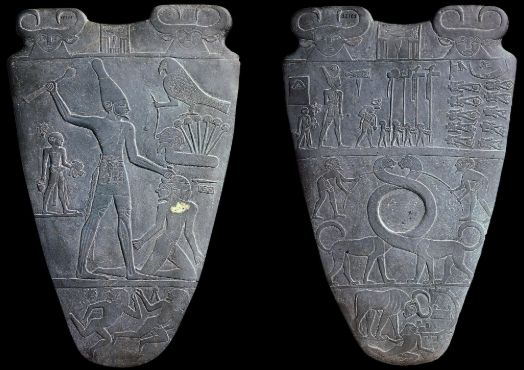
The World's Oldest Political Statement Is Carved in Stone The Narmer Palette, dating to around 3100 BCE, is a ceremonial siltstone slab depicting the unification of Upper and Lower Egypt. Its detailed carvings are among the earliest examples of hieroglyphic writing and a key source for understanding early Egyptian kingship. Follow @Brightmind24_7 for more moments in history. Image credit: Wikipedia
BrightMind History tweet media
English
0
1
4
96
BrightMind History
BrightMind History@Brightmind_ME·
The Lost City of Petra Petra, hidden among Jordan's cliffs, was more than a city. Its winding canyons open to temples and tombs carved from rose-red stone, reflecting a people who blended beauty with ingenuity, welcoming travelers from distant lands into their thriving crossroads. Follow @Brightmind24_7 for more moments in history. Image credit: Wikipedia
BrightMind History tweet media
English
0
2
6
100
BrightMind History
BrightMind History@Brightmind_ME·
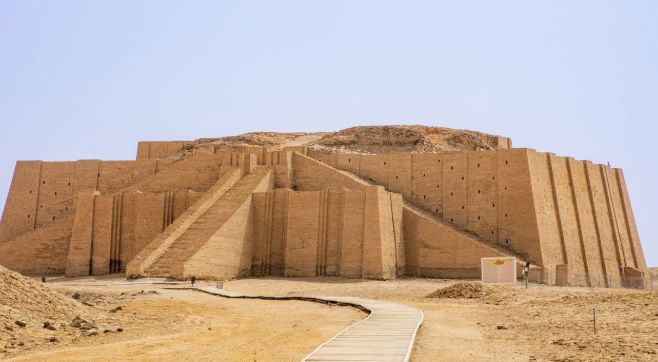
The Ancient Wonder Hiding in Plain Sight in Iraq Imagine standing at the base of a massive stepped pyramid rising from the ancient plains of southern Iraq. The Great Ziggurat of Ur was built around 2100 BCE as a temple to the moon god Nanna, patron deity of the city. Its bricks have witnessed empires rise and fall, and though only the lower tiers survive today, it remains one of the best-preserved monuments of the ancient world, a quiet witness to the earliest days of human civilization. Follow @Brightmind24_7 for more moments in history. Image credit: Geena Truman
BrightMind History tweet media
English
0
2
7
131
BrightMind History
BrightMind History@Brightmind_ME·
Where Empires Met the Sea: The Ancient City That Connected the World Step into Caesarea Maritima and you'll find the remains of a Roman theater and a grand port, both built by King Herod the Great in the 1st century BC. These weren't just architectural marvels; they were gateways for people from every corner of the Mediterranean. Imagine crowds gathering for drama, music, and athletic games every five years, while ships from distant lands brought new ideas and cultures to shore. Even two thousand years ago, this city was a place where the world came together, welcoming travelers, celebrating diversity, and leaving a legacy that still inspires today. Follow @Brightmind24_7 for more moments in history. Image credit: Wikipedia
BrightMind History tweet media
English
0
0
1
78
BrightMind History
BrightMind History@Brightmind_ME·
Where 2,000 Years of Stone Still Holds the World's Prayers Step close to the Western Wall, and you'll feel history pressing back. Built around 19 BCE by Herod the Great as a retaining wall for the expanded Temple Mount, these massive limestone blocks have outlasted empires, sieges, and centuries of turmoil. When the Romans destroyed the Second Temple in 70 CE, the Wall survived as one of the last physical remnants of the entire sacred complex. Today it stands as Judaism's holiest site. Millions of visitors come each year, people of every faith, background, and walk of life, to pray, reflect, and simply be present. More than a million handwritten notes are tucked into its ancient cracks every year, each one a private hope or prayer, later gathered and buried with reverence on the Mount of Olives. Follow @Brightmind24_7 for more moments in history. Image credit: Wikipedia
BrightMind History tweet media
English
0
5
7
106
BrightMind History
BrightMind History@Brightmind_ME·
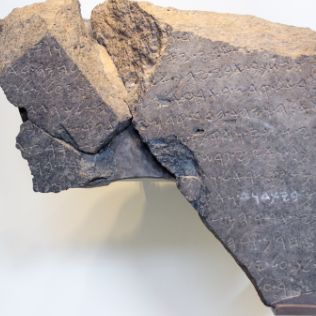
A 2,900-Year-Old Stone Just Confirmed One of the Bible's Most Famous Stories. Imagine stumbling upon a weathered stone in the hills of northern Israel, its ancient script quietly preserving a royal legacy. The Tel Dan Stele, carved around 2,900 years ago, holds the earliest known mention of the "House of David" outside the Bible. Discovered in three fragments between 1993 and 1994, it stands as the most compelling evidence that a single family's story became part of the world's shared memory. Follow @Brightmind24_7 for more moments in history. Image credit: Wikipedia
BrightMind History tweet media
English
1
4
6
135
BrightMind History
BrightMind History@Brightmind_ME·
What If Everything We Knew About Ancient History Was Incomplete? Imagine holding a piece of history in your hands. In the caves near the Dead Sea, ancient scrolls rested undisturbed for nearly two thousand years. Discovered between 1947 and 1956, these fragile manuscripts are among the oldest known surviving copies of Hebrew Bible texts, written predominantly in Hebrew, with additional texts in Aramaic and Greek. Follow @Brightmind24_7 for more moments in history. Image credit: James Tabor
BrightMind History tweet media
English
0
4
3
97
BrightMind History
BrightMind History@Brightmind_ME·
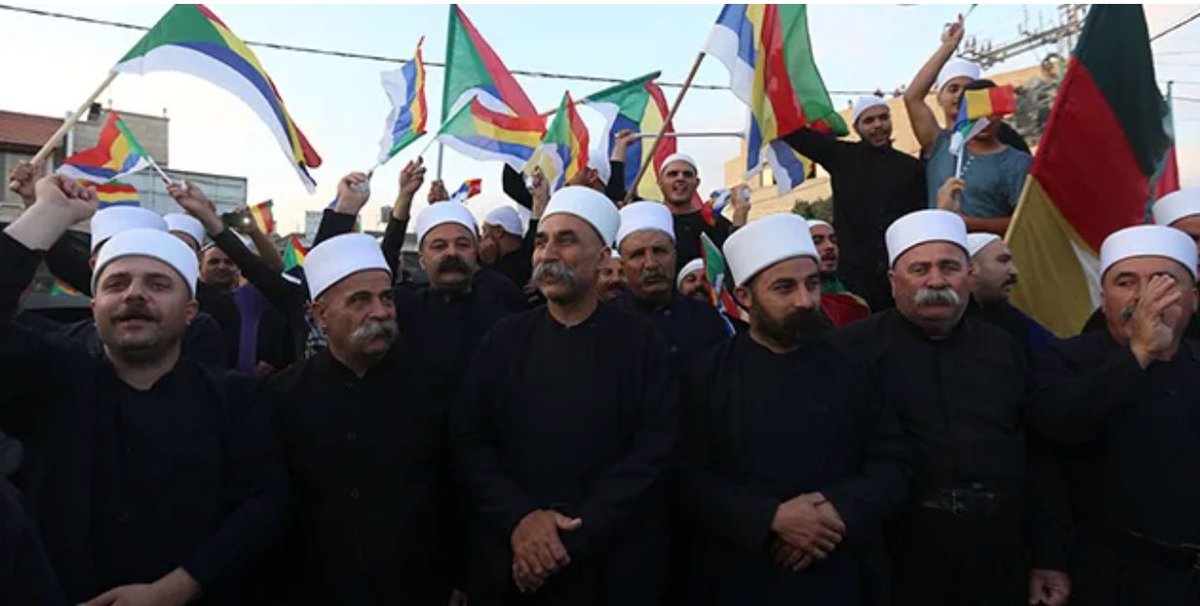
Secretive. Loyal. Resilient. The Druze are one of the Middle East’s most mysterious peoples. Born in 1017 as an offshoot of Ismaili Shiite Islam, the Druze faith closed its doors to outsiders shortly after its founding. Today, most Druze live in Syria, Lebanon, Israel, and Jordan. In Israel, their numbers are small, but their service is legendary. Druze citizens proudly serve in the military and government. Follow @Brightmind24_7 for more moments in history. Image credit: Jalaa Marey/AFP/Getty Images
BrightMind History tweet media
English
1
4
8
150
BrightMind History
BrightMind History@Brightmind_ME·
1,500 Years of History, erased. The Buddhas of Bamiyan were two giant statues carved into the cliffs of Afghanistan’s Bamiyan Valley. They were built around the 5th and 6th centuries CE, at a time when the area was an important center of Buddhism along the Silk Road. The statues stood for over 1,500 years and were visited by pilgrims and travelers from all over Asia. Over time, Islam became the region’s dominant religion, and the Buddhist community disappeared, but the statues remained standing. In March 2001, the Taliban destroyed both statues, which were condemned by people around the world. Today, the empty spaces left in the cliffs, along with the nearby caves, are protected as a UNESCO World Heritage Site, reminding us of the valley’s rich history and the need to protect cultural heritage. Follow @Brightmind24_7 for more moments in history. Image credit: Wikimedia
BrightMind History tweet media
English
0
5
9
131
BrightMind History
BrightMind History@Brightmind_ME·
The Oldest Name in the Room. Dating to around 1208 BCE, the Merneptah Stele is the earliest widely accepted extrabiblical mention of “Israel” in any ancient inscription. The Egyptian monument primarily commemorates Pharaoh Merneptah’s victory over the Libyan forces and their Sea People allies. In the final three lines of the 28-line inscription, the text references a prior military campaign in Canaan, listing several defeated peoples, among them Ashkelon, Gezer, Yanoam, and Israel. Follow @Brightmind24_7 for more moments in history. Image credit: Biblical Historical Context
BrightMind History tweet media
English
0
4
8
161
BrightMind History
BrightMind History@Brightmind_ME·
EID AL-ADHA: THE WORLD STOPS TO GIVE This year, Eid al-Adha is expected to begin on the evening of May 26 and run through May 30, 2026. Known as the Festival of Sacrifice, it serves as a remembrance of Abraham's willingness to sacrifice his son in obedience to God's command, a profound act of faith and devotion. According to tradition, God replaced his son with a ram at the last moment, and this story is honored each year through Qurbani, the ritual sacrifice of an animal such as a sheep, goat, cow, or camel. The meat is then shared among family, neighbors, and those in need, reflecting the holiday's core values of generosity and compassion. It also coincides with the culmination of Hajj, the annual pilgrimage to Mecca that millions of Muslims undertake. Follow @Brightmind24_7 for more moments in history. Image credit: Delil Souleiman/AFP
BrightMind History tweet media
English
0
3
4
367
BrightMind History
BrightMind History@Brightmind_ME·
This May 15, 1948, New York Times article by Gene Currivan reports on the proclamation of the State of Israel, which was declared the previous day when the British Mandate over Palestine ended. David Ben-Gurion formally declared the new state at a ceremony held at Independence Hall in Tel Aviv. Follow @Brightmind24_7 for more moments in history. Image credit: The New York Times
BrightMind History tweet media
English
0
5
8
134
BrightMind History
BrightMind History@Brightmind_ME·
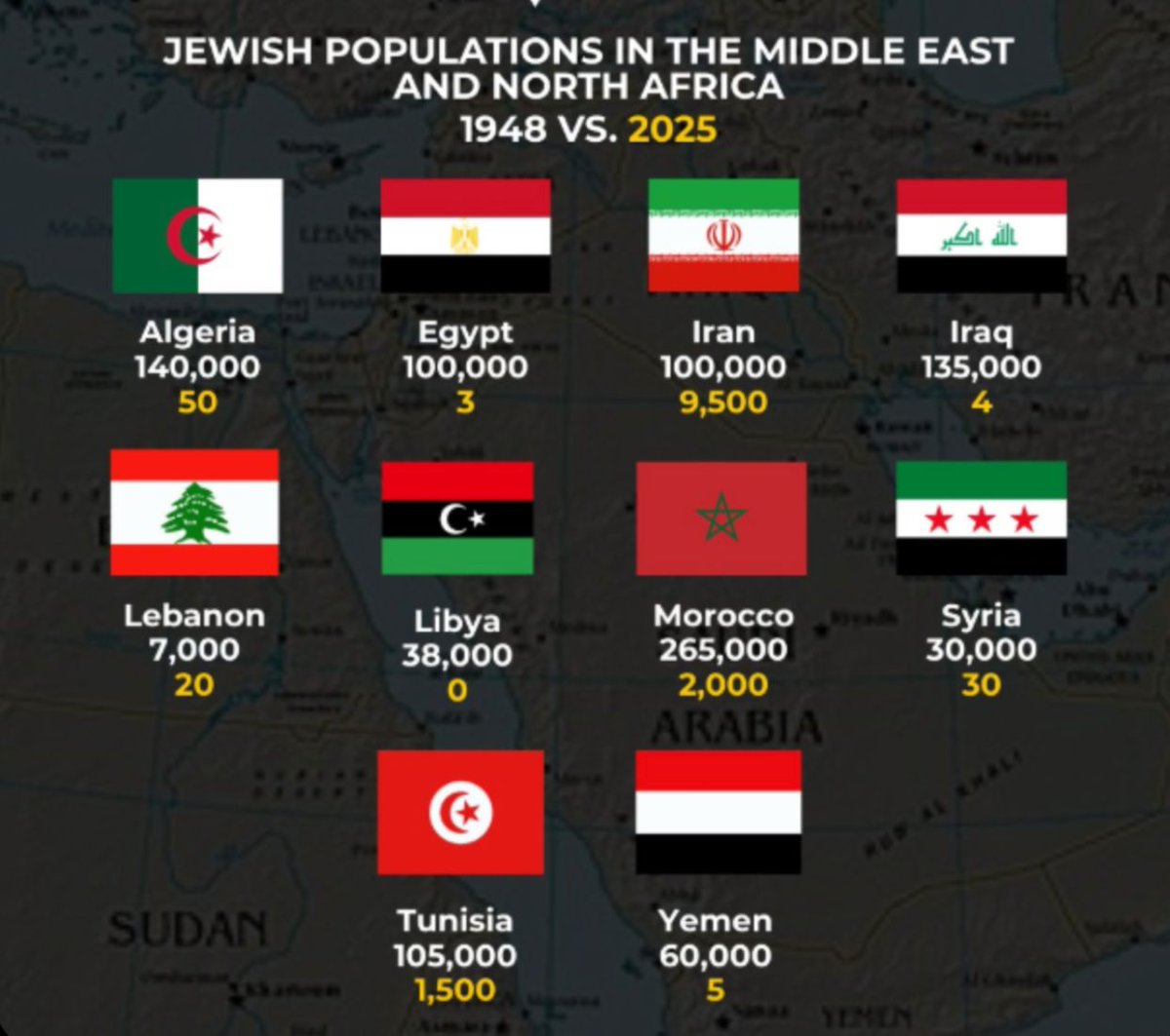
One of history’s largest exoduses. No one talked about it. Imagine your family has lived in the same city for centuries. You have your own language, traditions, and businesses. Then, almost overnight, you’re forced to leave everything behind. Since 1948, over 850,000 Jews have been expelled or forced to flee from Arab lands, including Iraq, Egypt, Libya, Syria, and Yemen. They weren’t just leaving homes; they were leaving behind an entire ancient heritage. Follow @Brightmind24_7 for more moments in history. Image credit: FSWC
BrightMind History tweet media
English
1
13
19
322
Michael Button
Michael Button@MichaelButtonX·
In 1978, Egyptologist Sakuji Yoshimura tried to build a small-scale replica of the Great Pyramid using ancient methods. But quarrying, hauling, and placing multi-ton blocks failed - forcing use of cranes, a forklift, and a concrete base.
English
32
62
877
98.6K
BrightMind History
BrightMind History@Brightmind_ME·
Stolen Childhood. Imagine being 10 years old and having your childhood declared over. That's child marriage. Over 650 million women alive today were married as children, and 12 million more girls join that number every year. In the Middle East, the crisis runs as deep. In Yemen, 1 in 3 girls is married before 18, and in countries like Iraq and Afghanistan, poverty and conflict push desperate families to see marriage as a means of survival, not harm. Follow @Brightmind24_7 for more moments in history. Image credit: Stephanie Sinclair
BrightMind History tweet media
English
0
8
13
219
BrightMind History
BrightMind History@Brightmind_ME·
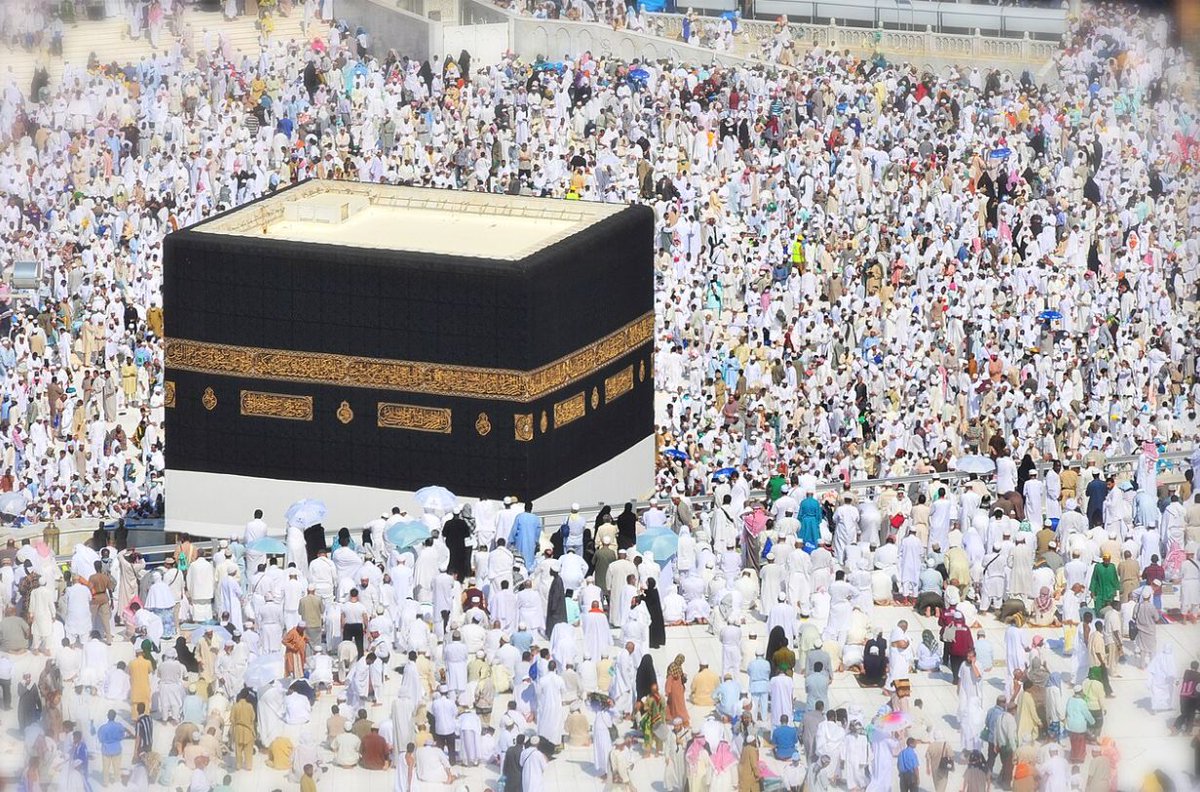
The Oldest Journey on Earth Is Still Happening Right Now. Hajj is the world's largest annual pilgrimage, bringing millions of people to Mecca, Saudi Arabia, every year. During Hajj, men wear two simple unstitched white cloths, and women dress modestly, symbolizing purity, equality, and unity before God. Pilgrims walk in the footsteps of Prophet Ibrahim and his family, circling the Kaaba seven times, walking seven times between the rocky outcrops of Safa and Marwa, and standing in prayer on the plain of Arafat. The journey ends with Eid al-Adha, a celebration of sacrifice and gratitude, where meat from the Qurbani is shared with family, neighbors, and those in need. Image credit: Wikipedia
BrightMind History tweet media
English
1
3
4
218