BB5 🛸 ✨ รีทวีตแล้ว

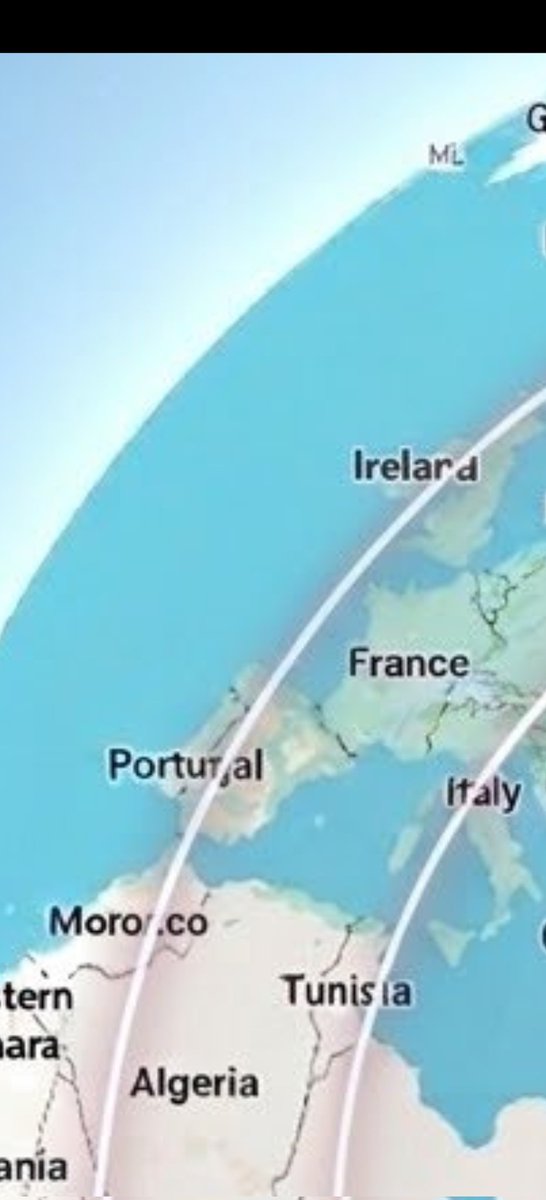
Não vejo razão para alarmismos
Amb. Yacov Livne 🇮🇱@YacovLivne
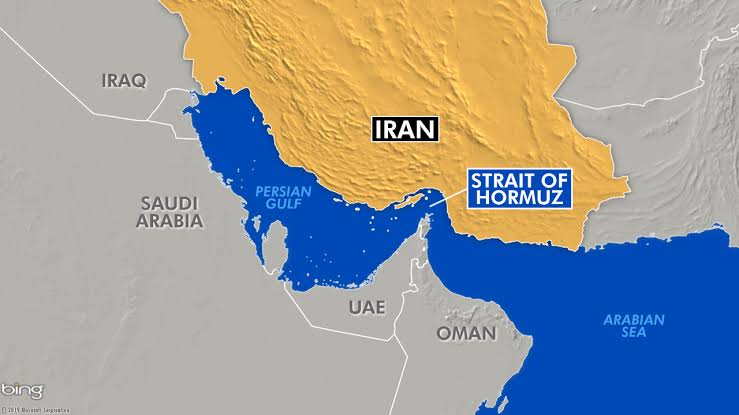
This is how dangerous the Iranian regime is.
Português
BB5 🛸 ✨
5.2K posts


This is how dangerous the Iranian regime is.



LUNC/USTC has a serious problem, and it’s not the market. It’s people STILL pushing minting with a massive oversupply. ⚠️ Minting is not a strategy. 💀 Minting is how you kill USTC again. Everything @Currency365 laid out is facts: - Over-minting - CEX rejection - Years wasted - And a brain-dead obsession with $1 without fixing the supply x.com/i/status/20347… The facts are simple: Minting + Oversupply = Price Suppression Every. Single. Time. No minting for USTC or LUNC until: • 📉 Oversupply is actually reduced • ✅ OR MM2.0 is LIVE and PROVEN to reduce total supply Anything else = repeating 2022 with extra steps, this time making sure dead means dead. ❓ So why is this STILL being pushed? Because from the outside… 👀 It doesn’t look like ignorance anymore ⚠️ It looks like sabotage Meanwhile… 🛠️ Some of us are actually building 🧠 Not getting baited into distractions/noise 🌐 ust1cmm.com 🌉 bridge.cl8y.com Everything being built here is 100% open source, 100% transparent. 🔗 gitlab.com/users/PlasticD… #USTC #LUNC #TerraClassic #Crypto #DeFi #USTCRepeg #LUNCCommunity #CryptoTruth #BuildNotTalk #Web3

🚨Selling for Stablecoin might trigger a taxable event in the near future!🇵🇹 Understanding SEMP and what it means to your taxes! As we hit Q1 2026, the EU's DAC8 (implementing the OECD's Crypto-Asset Reporting Framework - CARF) is fully live, requiring crypto platforms to collect and report user data on transactions. Not all digital assets are treated the same Enter SEMP, Specified Electronic Money Product, a crucial carve-out that's changing how certain stablecoins and digital fiat representations are handled for tax reporting: What qualifies as a SEMP? A digital product representing a single fiat currency (e.g., USD or EUR), issued against received funds, redeemable at any time and at par value (1:1) due to regulatory requirements on the issuer. Think regulated e-money tokens or certain fiat-backed stablecoins that behave like traditional electronic money (with strong redemption rights, no substantive barriers). Why it matters now: True SEMPs are excluded from CARF scope (no mandatory crypto-specific transaction reporting under DAC8). Instead, they fall under the amended CRS (Common Reporting Standard 2.0), treating them more like bank/e-money accounts for automatic exchange of information. Non-SEMP crypto (Bitcoin, most utility tokens, algorithmic stablecoins, etc.) → full CARF reporting kicks in. Mid-year status changes? Recent OECD FAQs clarify: report under CARF until the product qualifies as SEMP, then switch to CRS (jurisdictions may allow full-year treatment for simplicity). For investors in Portugal, this distinction is huge: ✅Holding a qualifying SEMP could align better with traditional financial account treatment → potentially smoother compliance and lower evasion risks. ❌But misclassifying a stablecoin as SEMP when it doesn't meet strict redemption/regulatory criteria? That could trigger unexpected CARF obligations and audits. For tax optimization (especially in favorable jurisdictions), early planning around SEMP vs. Relevant Crypto-Asset makes all the difference. My view: Stablecoins like USDC become less and less riskier from the depeggin point and therefore I see they become more and more of a fiat currency. I still think there is lots of stablecoins that do not fall under SEMP and therefore lots of opportunities to hold you capital gains in crypto. The income tax report (Modelo 3) in Portugal is already prepared for this reporting as it clearly differentiates between crypto assets which are considered securities and crypto assets which are not considered securities. If you have any questions, drop them below⬇️

Diversity has arrived in Japan