David Labaree

4.6K posts

David Labaree banner
David Labaree

David Labaree

@DLabaree

Emeritus Stanford professor. History & sociology of US education. Latest book is The Emergent Genius of American Higher Ed. Blog at https://t.co/0xbH5pzHYI.

Palo Alto, CA เข้าร่วม Kasım 2016
224 กำลังติดตาม2.3K ผู้ติดตาม
David Labaree
David Labaree@DLabaree·
Top scholar says evidence for special education inclusion is 'fundamentally flawed' The core of Fuchs’ critique is that previous researchers failed to distinguish between students with disabilities who are sent to separate special education classrooms and students with disabilities who are included in general education classrooms. They are fundamentally different. Children who are placed in separate settings for a significant part or most of the day tend to have more severe disabilities and academic struggles. It should be no surprise to anyone that higher achieving students with milder disabilities end up with higher test scores than students who initially had lower test scores and more severe disabilities. That isn’t proof that a child with a disability learns more in a general education classroom. hechingerreport.org/proof-points-s…
English
0
2
3
135
David Labaree
David Labaree@DLabaree·
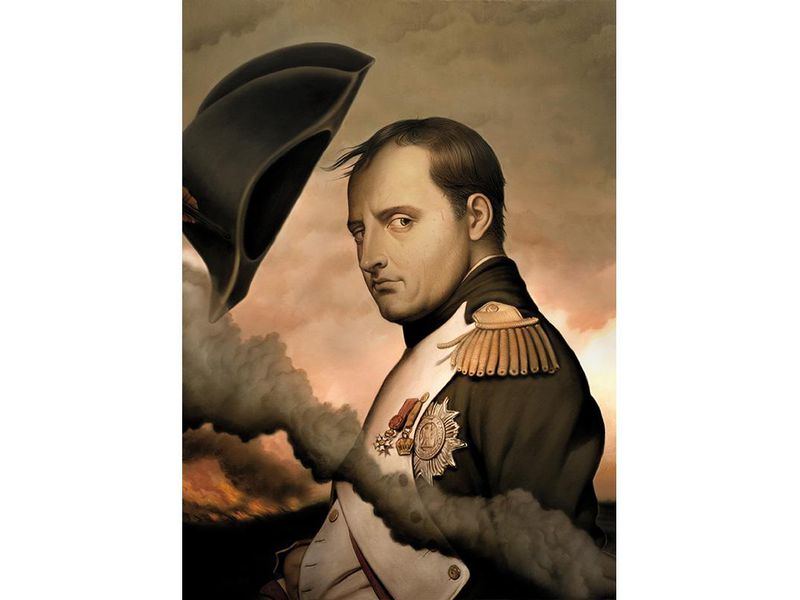
My new blog post is What If Napoleon Had Won at Waterloo? Here's a take I agree with: If Napoleon had remained emperor of France for the six years remaining in his natural life, European civilization would have benefited inestimably. The reactionary Holy Alliance of Russia, Prussia and Austria would not have been able to crush liberal constitutionalist movements in Spain, Greece, Eastern Europe and elsewhere; pressure to join France in abolishing slavery in Asia, Africa and the Caribbean would have grown; the benefits of meritocracy over feudalism would have had time to become more widely appreciated; Jews would not have been forced back into their ghettos in the Papal States and made to wear the yellow star again; encouragement of the arts and sciences would have been better understood and copied; and the plans to rebuild Paris would have been implemented, making it the most gorgeous city in the world. davidlabaree.com
David Labaree tweet media
English
0
0
0
36
David Labaree
David Labaree@DLabaree·
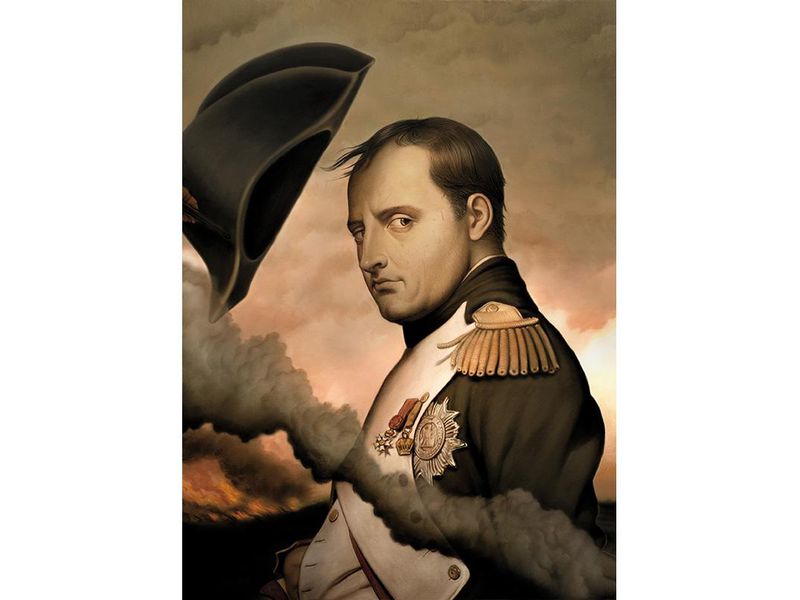
My new blog post is What If Napoleon Had Won at Waterloo? Here's a take I agree with: If Napoleon had remained emperor of France for the six years remaining in his natural life, European civilization would have benefited inestimably. The reactionary Holy Alliance of Russia, Prussia and Austria would not have been able to crush liberal constitutionalist movements in Spain, Greece, Eastern Europe and elsewhere; pressure to join France in abolishing slavery in Asia, Africa and the Caribbean would have grown; the benefits of meritocracy over feudalism would have had time to become more widely appreciated; Jews would not have been forced back into their ghettos in the Papal States and made to wear the yellow star again; encouragement of the arts and sciences would have been better understood and copied; and the plans to rebuild Paris would have been implemented, making it the most gorgeous city in the world. davidlabaree.com
David Labaree tweet media
English
0
0
0
37
David Labaree
David Labaree@DLabaree·
What We Talk About When We Talk About Dyslexia What emerges, then, is a broader imperative: to resist the reflex to individualize and medicalize every form of childhood variation. Not every difficulty is a disorder, and not every struggle requires clinical intervention. In many cases, what children need most is not a label, but better teaching, more time, and a wider range of ways to learn. open.substack.com/pub/stevenmint…
English
0
1
1
271
David Labaree
David Labaree@DLabaree·
Who bankrolled the American Revolution? It would appear, in synthesis and to borrow a pleasing opposition of human types from John Milton, that Morris was the active Allegro principle of the firm, while Willing was the more withdrawn but vigilant Penseroso. Morris evidently took the lead during the war in supplying Washington’s troops; Willing remained the presiding presence and, not surprisingly, emerged financially intact, even as Morris ended up in bankruptcy. What exactly did they do? The answer seems to be that they took advantage of their reputation as solid conservative men of business to finance a radical cause. Scaling up the established practice of issuing lines of credit for ships out on the water, they took bills of exchange, payable in the ports of France and Amsterdam, and sold them, or borrowed against them, in the colonies, to pay for uniforms, guns, and horses. They basically took the credit they held abroad—Amsterdam being the Hong Kong of the period—and redeployed it locally to support Washington’s army. drive.google.com/file/d/1UQuG4Y…
English
0
0
0
49
David Labaree
David Labaree@DLabaree·
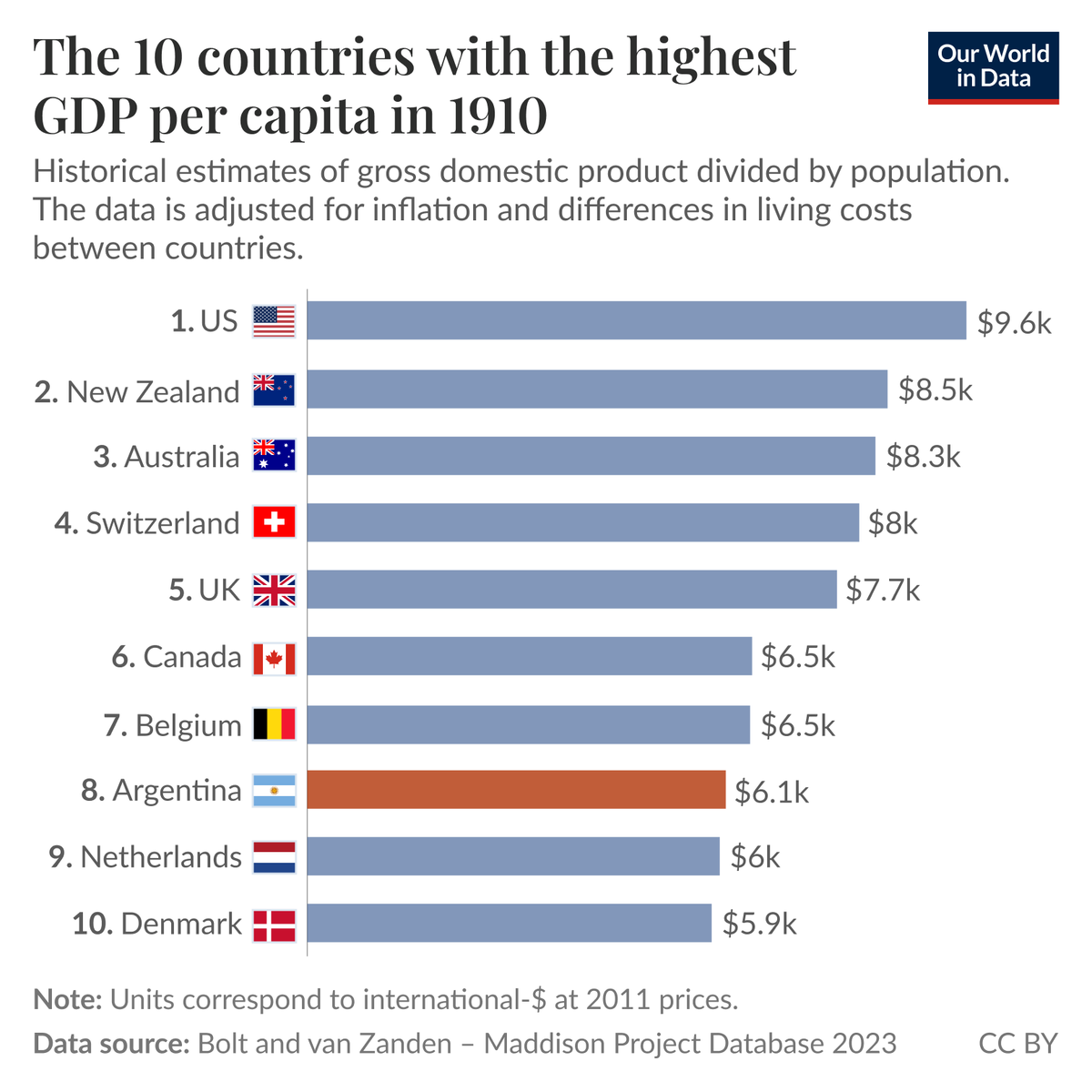
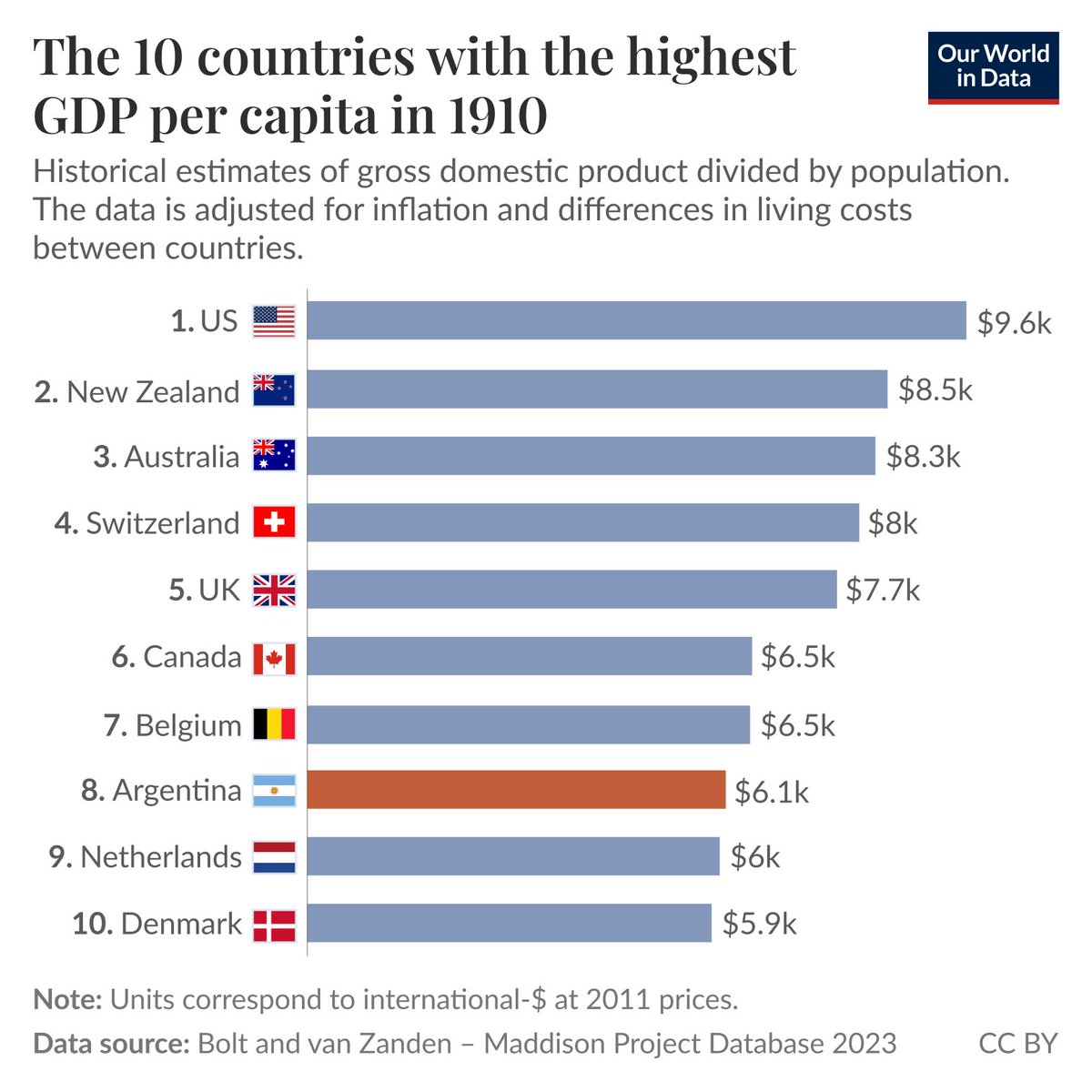
In 1910, Argentina was one of the richest countries in the world.
David Labaree tweet media
English
0
0
0
45
David Labaree
David Labaree@DLabaree·
Bainbridge’s central argument was this: the more sophisticated an automated system becomes, the more demanding, not less, the human role within it. She called this the “ironies of automation”, and the irony she had in mind was structural rather than incidental. Designers of automated systems, she observed, tend to view the human operator as the weak link: unreliable, inconsistent, prone to fatigue and error. The aim of automation is therefore to eliminate the human wherever possible. But the designer who tries to eliminate the operator still leaves the operator to do the tasks which the designer cannot think how to automate. What remains after automation is not a simplified role but an arbitrary residue of the most demanding, most ambiguous, and least supported work in the entire system. The human is not replaced. In other words, the human is paradoxically left with the hardest parts, and given almost no preparation for them. open.substack.com/pub/carlhendri…
English
0
0
0
85
David Labaree
David Labaree@DLabaree·
The Teachers Are Not All Right @carlhendrick/note/c-229012798?r=i2l2&utm_medium=ios&utm_source=notes-share-action" target="_blank" rel="nofollow noopener">substack.com/@carlhendrick/…
English
0
0
0
116
David Labaree
David Labaree@DLabaree·
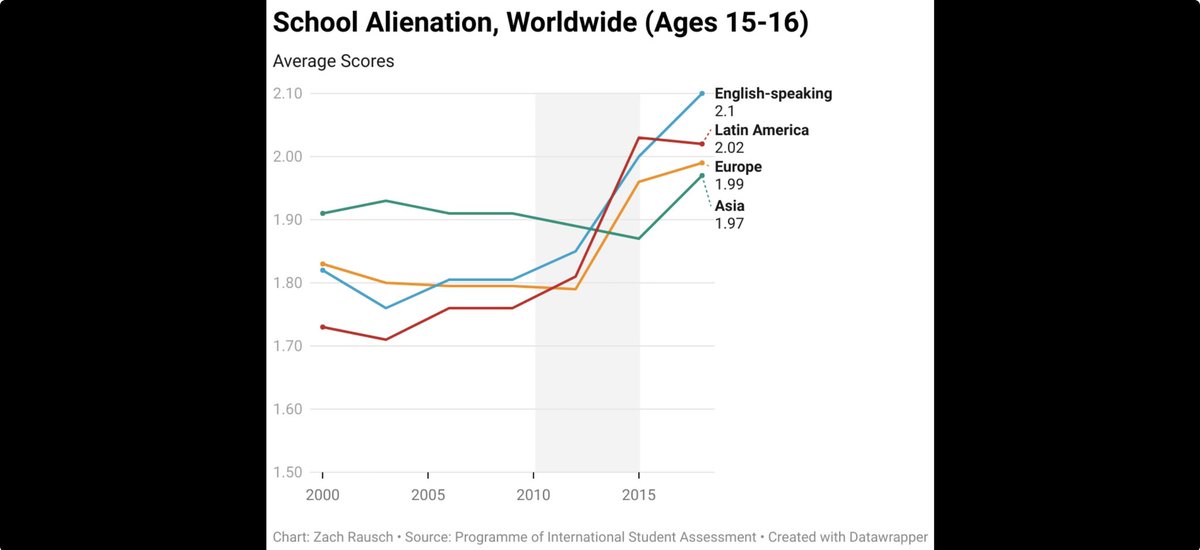
Resilience as it’s currently understood in education — grit to persist toward predetermined outcomes and the capacity to bounce back from setbacks — is not what today’s students need. A robust resilience is unwavering. It anchors the self in uncertain conditions. It is Weil’s rootedness: the cultivation of stable internal ground from which young people can meet an unpredictable future as self-aware agents rather than perpetually reactive consumers. This kind of resilience is not built through acquiring instrumental skills whose value depends on guessing correctly about the future. It’s built by nurturing stable internal capacities that remain valuable regardless of external conditions. open.substack.com/pub/walledgard…
English
0
0
1
262
David Labaree รีทวีตแล้ว
Niall Ferguson
Niall Ferguson@nfergus·
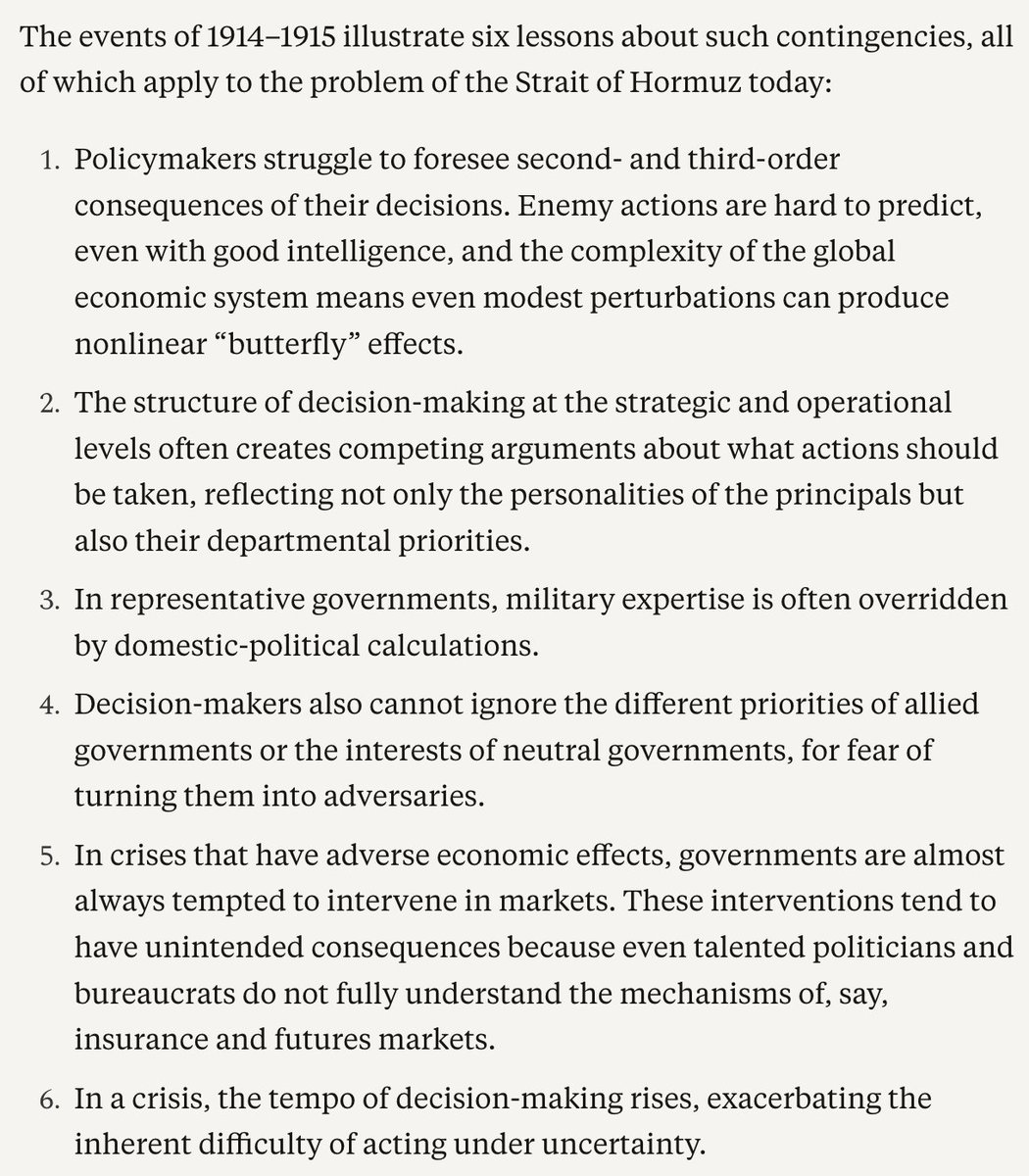
"Nowhere is the law of unintended consequences more binding than when crucial commercial chokepoints become casualties of war." My latest essay for @TheFP on the lessons history has to offer those who would reopen the Strait of Hormuz.
Niall Ferguson tweet media
English
30
75
284
47.3K
David Labaree
David Labaree@DLabaree·
Jürgen Habermas’ lost world: the coffee-house and the public sphere The reality is that even with its limitations, the 18th-century public sphere produced the freest press in Europe, the most durable parliamentary culture able to sustain and contain revolutionary fervour, and a constitutional settlement that proved exportable across the English-speaking world and beyond. The conditions of its success in this sense were inseparable from its exclusions. Edmund Burke, who sat in the coffee-houses and wrote for the press that Habermas admired, would have understood this instinctively: liberty is not an abstraction to be universalised at will, but an inheritance, carried by historically rooted institutions and established habits of mind. engelsbergideas.com/essays/jurgen-…
English
0
1
1
87
David Labaree
David Labaree@DLabaree·
My new blog post is an essay by Julien Lie-Panis from Aeon: Guarding the Guardians -- How Institutions Make Social Life Work. He's addressing a problem that is suddenly quite salient in the world of Trump2. Institutions make social life possible, but they depend on in formal social pressures: norms not laws. Past presidents behaved themselves because they followed these norms for the most part, even though law did not require this of them. Now we have a president who shamelessly violates these norms. The core enforcement mechanism for institutional norms is reputation. Trump, it turns out, is the first president who does not care about his reputation. The result is that he is liberated from the norms that make institutions work. davidlabaree.com
David Labaree tweet media
English
0
0
0
53
David Labaree
David Labaree@DLabaree·
My new blog post is an essay by Julien Lie-Panis from Aeon: Guarding the Guardians -- How Institutions Make Social Life Work. He's addressing a problem that is suddenly quite salient in the world of Trump2. Institutions make social life possible, but they depend on in formal social pressures: norms not laws. Past presidents behaved themselves because they followed these norms for the most part, even though law did not require this of them. Now we have a president who shamelessly violates these norms. The core enforcement mechanism for institutional norms is reputation. Trump, it turns out, is the first president who does not care about his reputation. The result is that he is liberated from the norms that make institutions work. davidlabaree.com
David Labaree tweet media
English
0
0
0
39
David Labaree รีทวีตแล้ว
World of Statistics
World of Statistics@stats_feed·
Population 2000 🇳🇬 Nigeria: 122 million 🇯🇵 Japan: 126 million 2026 🇳🇬 Nigeria: 242 million 🇯🇵 Japan: 122.6 million
Suomi
88
177
4.5K
126.2K