Kanika@KanikaBK
Anthropic asked the Vatican for help because their AI was moving too fast for them to control.
A 60 year old Catholic priest who used to be a tech executive is now writing the rules for how Claude thinks.
Here is how a man of God ended up inside one of the most powerful AI companies on earth.
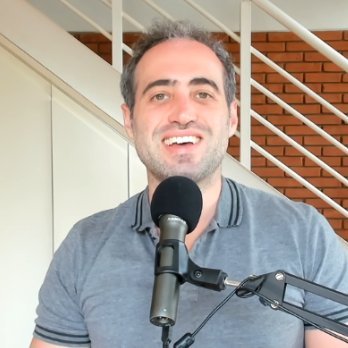
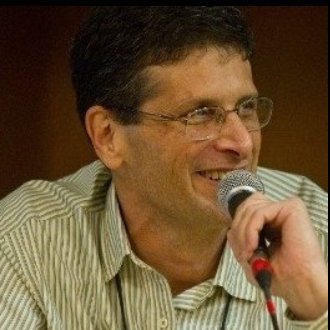
His name is Father Brendan McGuire. He runs a small parish in Los Altos, California. Some of Silicon Valley's top AI researchers sit in his pews on Sundays.
But before he was a priest, he was one of them.
Studied cryptosystems at Trinity College Dublin in the 1980s. Moved to America. Became the executive director of PCMCIA, the organization that basically standardized how memory cards work in every computer. Had degrees in engineering and software. Could have been a millionaire in the Valley ten times over.
He walked away from all of it to serve God.
But then Anthropic called.
Chris Olah, one of Anthropic's co-founders, reached out to him directly. McGuire said they were basically asking the Vatican for help because the industry was moving so fast down this road that they needed someone to pump the brakes.
His words: "They basically were asking for direct help from the Vatican to convene and help the industry, because the industry was going so fast down this road."
So this priest, along with a Vatican Bishop named Paul Tighe and a tech ethics director from Santa Clara University, sat down and helped rewrite the Claude Constitution. That is the set of rules that tells Claude what it can and cannot do. What it should care about. How it should think.
A priest helped write the conscience of an AI.
And it gets wilder.
Anthropic actually sued the US government because the Pentagon wanted to use their AI for autonomous warfare and domestic surveillance. Anthropic said no. Got effectively blacklisted for it.
Catholic scholars then filed a federal court brief defending Anthropic, saying their ethical limits represent "minimal standards of ethical conduct for technical progress."
McGuire almost filed his own brief. He said "they are having a moral conversation. They may not call it moral, but I call it moral."
Meanwhile this 60 year old priest is now writing a novel using Claude about a monk and his AI companion. The working title is "The Soul of AI: A Priest, an Algorithm, and the Search for Wisdom."
He also said something that stuck with me.
"I think we have to help these machines be tilted towards good, otherwise they are just going to reflect back the good and evil of the world. That is a horrifying thing, right?"
The biggest AI companies in the world are building machines that think. And the person they called to make sure those machines have a conscience was not another engineer.
It was a priest.