

History With Izzy
1.6K posts
History With Izzy
@HistoryWithIzzy
Izzy the Texas Cattle Dog recalls American History with emphasis on the Civil War and Revolution.
เข้าร่วม Ekim 2024
48 กำลังติดตาม62 ผู้ติดตาม


1942 newsreel footage demonstrating how M3 Stuart tanks might be used in upcoming Allied amphibious operations.
(Disclaimer: Professional driver on closed course. Do not attempt in your own tank)
English

Got a proper book for next time I want to visit Yorktown for a Civil War video.

English
@history_dame Before the USAAF he was a Cavalry Officer (fun fact- the last horse mounted US Cav charge took place in 1942 in WWII). I remember that day in 1981, rumors everywhere...he's ok, he was killed, he was just wounded....

English

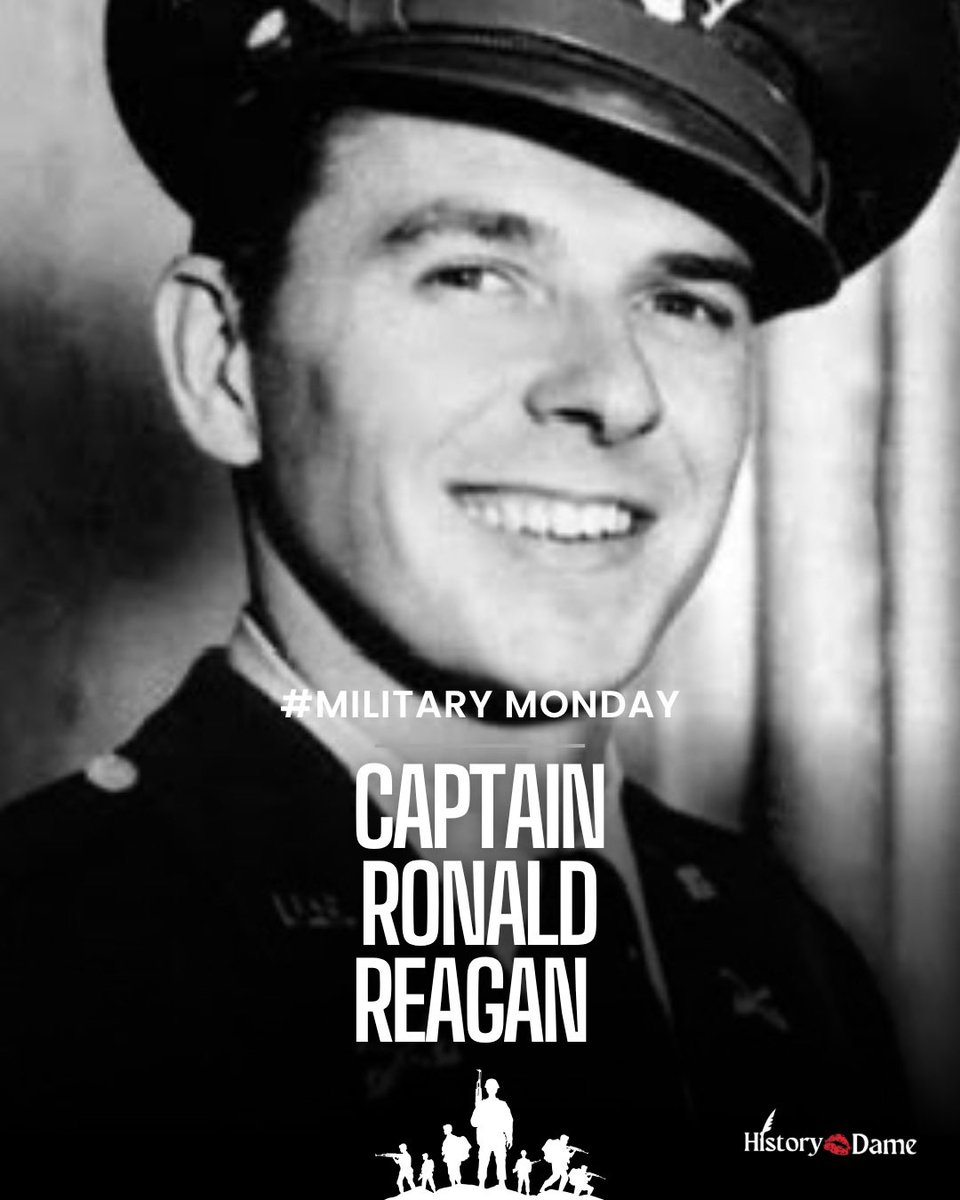
On March 30, 1981, an assassin’s bullet nearly ended President Reagan’s life. Instead of focusing on this moment, I’ll use Military Monday to highlight Reagan’s military service.
Ronald Reagan enlisted in the U.S. Army Enlisted Reserve Corps in 1937. When the U.S. entered World War II, Reagan was called to active duty in 1942. Poor eyesight kept him from combat; he suffered from severe nearsightedness.
Instead, he joined the U.S. Army Air Forces and was assigned to the 1st Motion Picture Unit, a unique but critical role on the home front. There, Captain Reagan helped produce more than 400 training and morale films used to prepare airmen for combat and keep the war effort moving.
They were instructional films showing bombing runs, aircraft procedures, and what crews could expect in real missions. His work helped train thousands of service members heading into dangerous skies.
He also supported the war effort through public relations and War Loan drives, using his voice and presence to rally Americans at home.
Reagan left active duty in 1945 as a Captain.
Now you may be wondering, if his eyes were that bad (they really were), why didn’t he wear glasses? He did growing up, but Reagan, who still had sights on a movie career, wore contacts as an adult. During his presidency, it is said that he wore only one contact during public speeches. This allowed him to read and also see the crowd.
English
@SalinaBBaker Very nice! The mantle clock and candles are a nice touch.
English

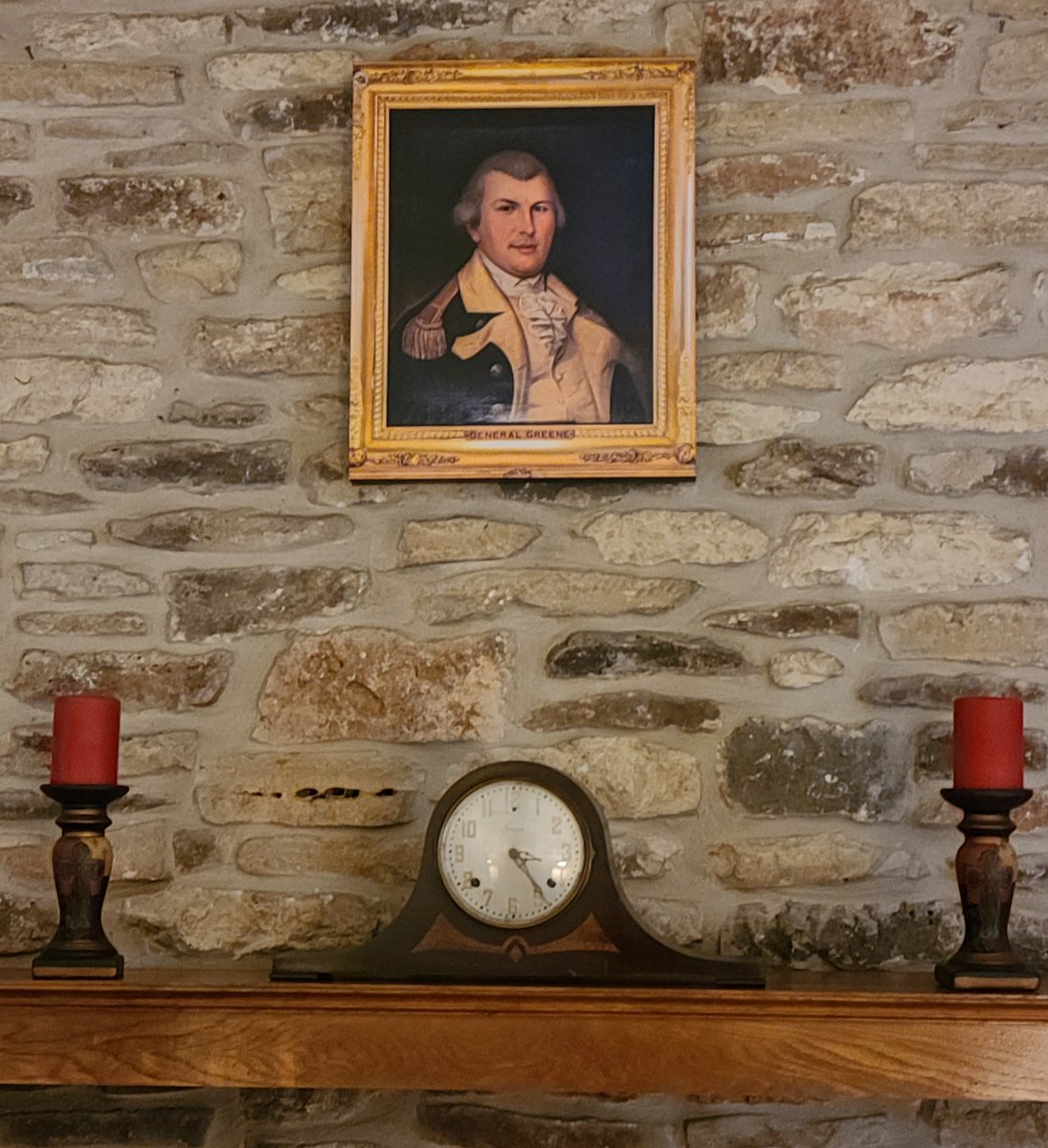
This print hanging above my fireplace in a place of honor is General Nathanael Greene by Rembrandt Peale. It was a gift from Kate Greene, Nathanael's descendant who owns Forge Farm in Warwick, RI where the general and his brothers were born and raised. Kate and her husband invited me and my husband to spend the last weekend of July 2025 at Forge Farm. They have the same print in the farm's sitting room and at their own house. General Greene will always hang in a place of honor in my house no matter where I live.
English
@CwNewbie11 Have ancestor, John Hamilton, 2nd Rockbridge Artillery, WIA/POW 2 April 1865 Petersburg. Sent to Point Lookout POW camp. Paroled 26 June 1865. Previously WIA Gettysburg and 2nd Manassas. Died 1924 aged 82.
English
Breakthrough Battle at Petersburg. Tonight on History with Waffles we take you to locations you can drive to. Join me live at 5:30 PM eastern for a lively chat! @historywithwaffles?si=efeiK2stwDftaPAN" target="_blank" rel="nofollow noopener">youtube.com/@historywithwa…
English


@TaraRoss I really disliked it at first but eventually I really came to see its beautiful simplicity and powerful effect. There's something about seeing the name(s) of the KIA and then realizing you can also see your own reflection.
English
If you enjoyed this story, I'd appreciate a repost of the first post in this string, here: x.com/TaraRoss/statu…
Gentle reminder: History stories are copyright © 2013-2026 by Tara Ross. /13 of 13
Thanks for loving history with me! ❤️🇺🇸❤️
Tara Ross@TaraRoss
On this day in 1982, a groundbreaking ceremony is held for a new national memorial. Its design would spark debate—but it would also soon become one of the most powerful places of remembrance in America. /1 of X #storytime 🧵👇
English
The controversy was finally resolved in a closed-door session. “I am sick and tired of calling black a color of shame,” Brigadier General George Price blasted to the room. He reminded those assembled that “[c]olor meant nothing on the battlefields of Korea and Vietnam. We are all equal in combat. Color should mean nothing now.”
/9 of X
English
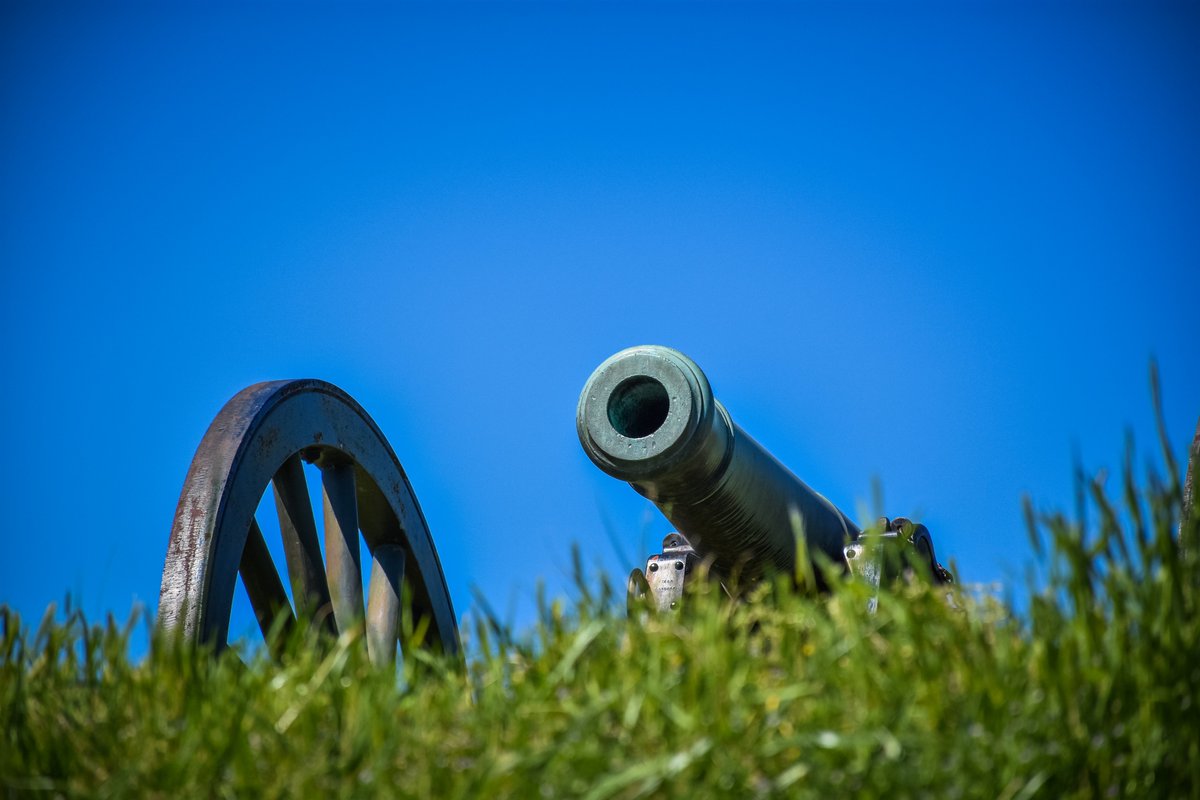
Kris and I just returned from the Living History Park in North Augusta, SC. This week-end event "Under the Crown", SC in the Revolution.

English
@2ndMississippi Been at least 30 years since I was last at this battlefield. I recall a period house you could tour, all interior doors were off hinge and up on sawhorses, ready for the surgeons.
English
Dwight D. Eisenhower playing football during his time at West Point, 1915.

English
@history_dame Have often wondered if Washington and Gates ever let their memories wonder to the old days when the two worked together, saving Braddock's Army from total destruction in the French and Indian War.
English
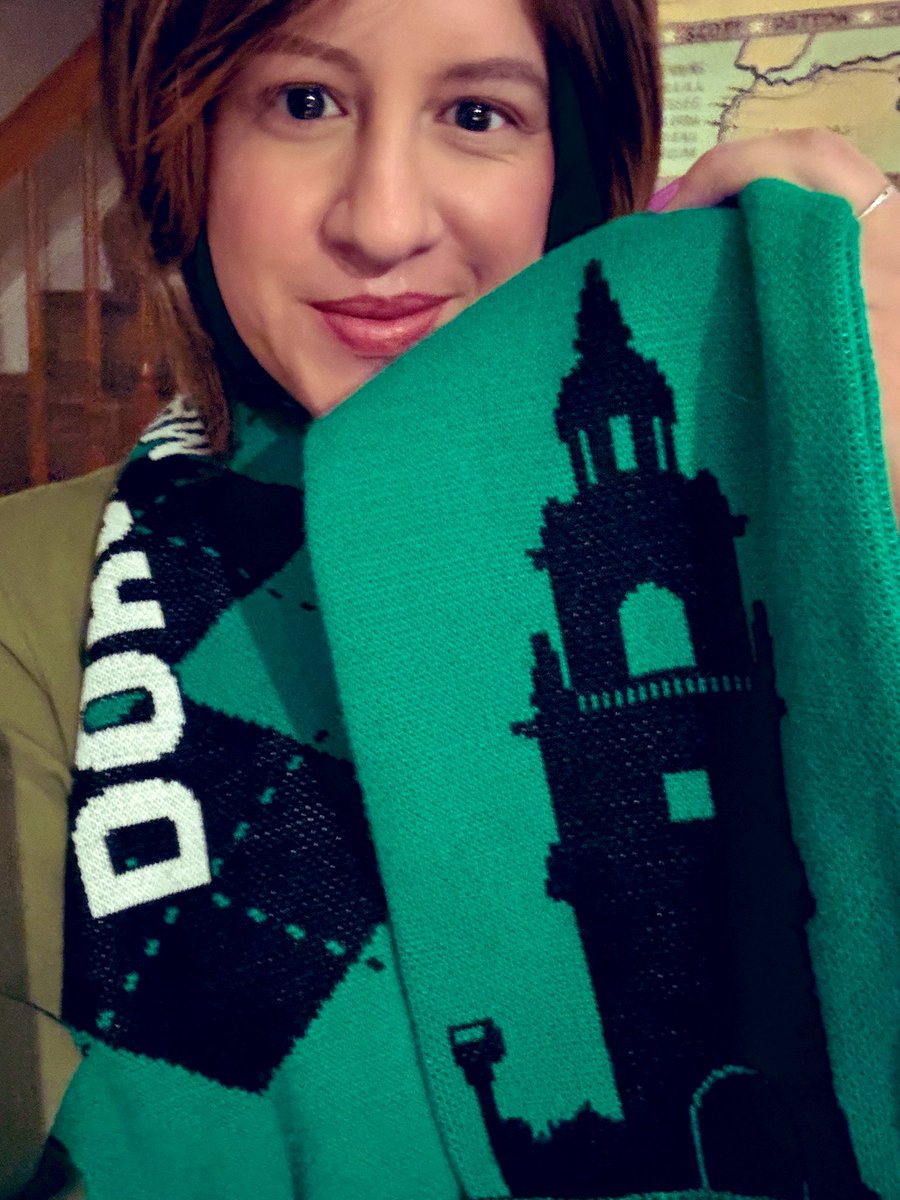
America at 250
March 17, 1776, from this hill, history changed.
In early March 1776, General George Washington made a bold move. Under the cover of darkness, Continental soldiers fortified Dorchester Heights and hauled heavy cannons, brought from Fort Ticonderoga by Henry Knox, into position overlooking Boston Harbor. By morning, British General William Howe woke to find American artillery aimed directly at the city and the Royal Navy below.
The position was impossible to ignore. After nearly 11 months of siege, the British realized Boston could no longer be held. Rather than risk destruction, Howe ordered a withdrawal. On March 17, 1776, more than 8,000 British troops and over 1,000 Loyalists boarded ships and sailed for Halifax, ending the British occupation of Boston.
It was George Washington’s first major victory of the Revolutionary War, and the first American city freed from British control.
Today, Boston still remembers this moment as Evacuation Day, and fittingly, it falls on St. Patrick’s Day.
For generations, Boston’s vibrant Irish community has embraced March 17 as a celebration of both Irish heritage and American independence.
And it all began here… on the heights above the harbor.
English
Officers once suggested that George Washington should become king after the Revolution. 👑
How do you think he responded?
🇺🇸 A powerful moment that helped set the tone for the new republic.
Part 2/2
#AmericanRevolution #GeorgeWashington #RevolutionaryWar #USHistory #FoundingFathers #KepWestguard ⚔️📜
English
@NorCalCrush Anyone who was alive in the 70's can tell you PERM DST does not work....go for PERM STD....hope they learn from history.
English

@CWBreakfastClub I'm holding out for the "Smells Like Victory" Whiskey soaked Grant cigar!
English
The warm weather is coming and with it, “smoking cigars by the campfire season!” Go grab some of our rum soaked “Lost Order 191” cigars sold only at GettysGear/Great Gettysburg Addresses! (they’ll mail them to you, too!!)


English
Reasons I will not be buying a new car after this year.
Jason Bassler@JasonBassler1
Starting in 2027, all new passenger vehicles will be required to have Infrared cameras, eye‑tracking, head‑position monitoring, and behavioral impairment detection. A biometric babysitter in every car. No vote. No opt‑out. Just mandatory. It’s control tech, plain and simple.
English
@TaraRoss In 2002 Congress also rightly elevated General Grant so that on the official rolls he no longer ranked below Pershing and 5 stars.
English
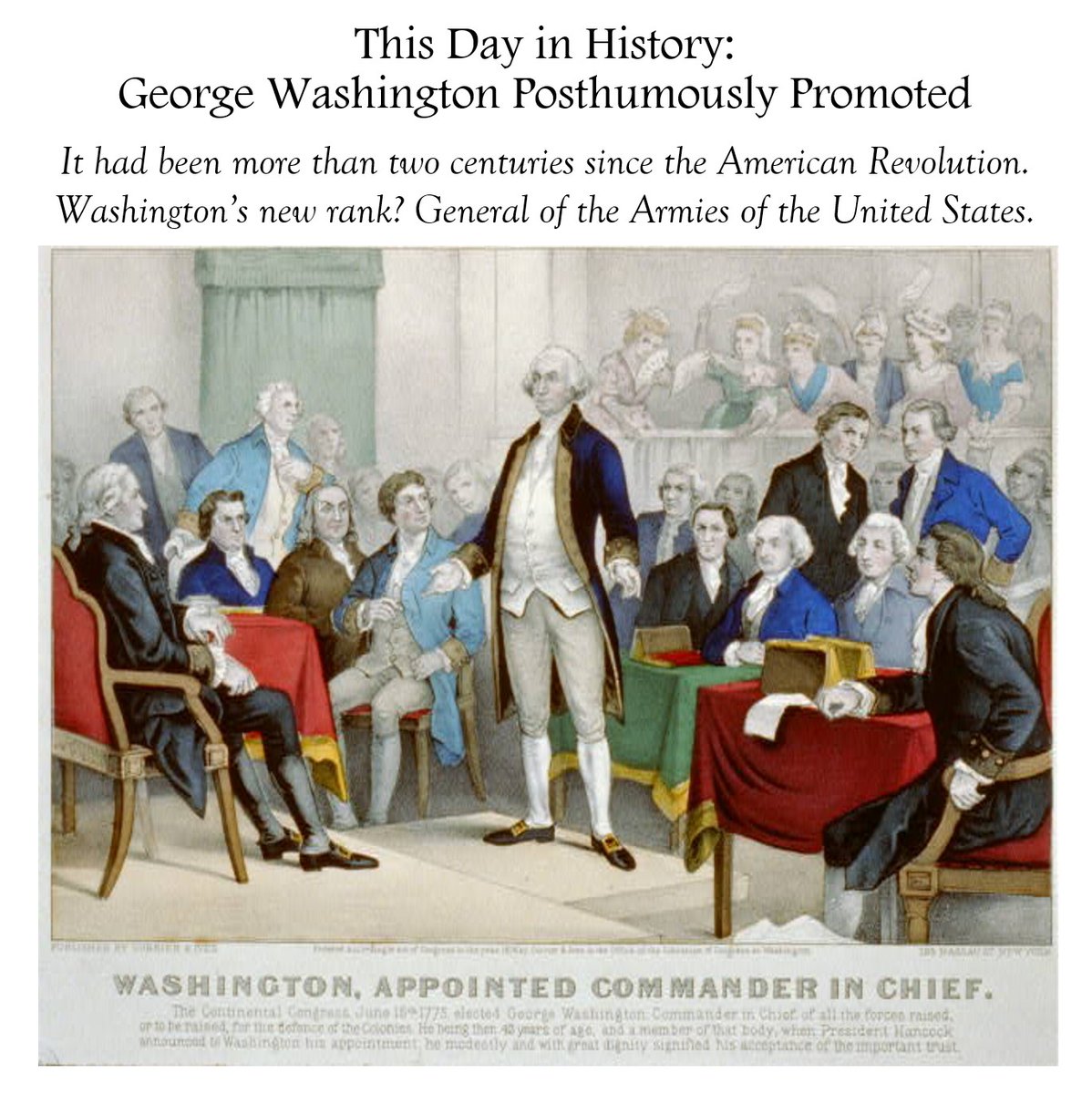
On this day in 1978, George Washington is posthumously promoted. It had been more than two centuries since the American Revolution began. Washington’s new rank? General of the Armies of the United States.
/1 of X #storytime 🧵👇
English
@BrianMcDonaldIE "Its not who you know...Its what you know about who you know".
English

Another Soviet joke:
The party secretary says:
“Our harvest was so enormous that if we stacked them the potatoes could touch the feet of God.”
Someone objects: “But in our country God doesn’t exist, comrade!”
The secretary replies: “Correct. And neither do the potatoes.”
Brian McDonald@BrianMcDonaldIE
Good Soviet joke: A pessimist says: “It can’t get any worse.” The optimist replies: “Oh yes it can.”
English
@Eileen_Schnabel Their final mission was to escort Washington's papers to Mount Vernon at war's end.
English
Who was the first soldier executed by the Continental Army after a court-martial and why? ⚖️⚔️
The answer involves Thomas Hickey, a member of Washington’s Life Guard, an early version of a secret service, who in 1776 was accused of counterfeiting and involvement in a suspected plot against Washington during the tense early days of the war. 🇺🇸
I visited Valley Forge this past fall. Here is a look at the quarters where Washington’s secret service once stayed:
Washington’s Secret Service at Valley Forge? See Where They Lived.
youtube.com/watch?v=-Ub-Wh…
#AmericanRevolution #RevolutionaryWar #History #DidYouKnow #GeorgeWashington #USHistory #HistoryQuiz #KepWestguard

YouTube
English