
BKusz
110 posts

BKusz
@ImFreeNotabot
Neither red nor blue, don't trust either, nor should you. I am Socially Liberal, Fiscally Responsible, Independent Thinker and a strict Constitutionalist.
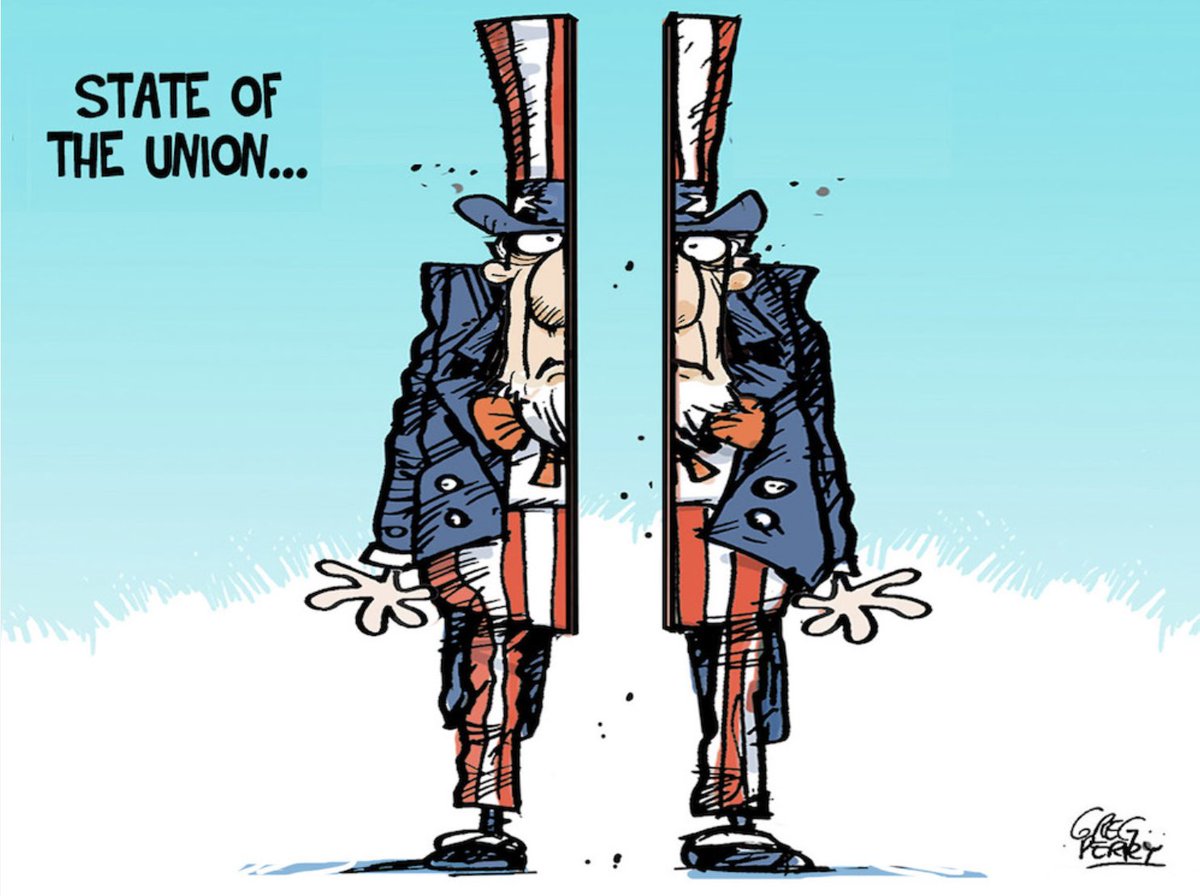





Here's the thing about our two-party system: The Democrats and Republicans have built what amounts to a duopoly that keeps their shared hold on power pretty steady. The practical reality is that both sides work to maintain this setup, sidelining other ideas, philosophies, and competitors along the way. It's not some grand conspiracy hatched in a smoke-filled room, but a system of incentives, rules, and human nature that plays out the same way year after year. Why does it happen? Simple math and self-preservation, really. Our elections run on a winner-take-all basis in single-member districts, Duverger's Law in action, as the political scientists call it. A third party or independent might pull in solid support, but unless they crack a plurality in enough places, they get zero seats or electoral votes. Voters see that and think twice: "Why throw my vote away on someone who can't win?" So they default to one of the big two, even if it's just the lesser evil. On top of that, ballot access laws in most states make it a nightmare for outsiders to even get listed—petitions, fees, deadlines stacked high. Campaign finance rules favor the majors with their donor networks, and the Commission on Presidential Debates? Created by the two parties themselves, with thresholds that keep challengers off the stage. Congressional rules force any rare third-party winner to caucus with one side just to get committee assignments. It's all designed, over time, to protect the duopoly's power-sharing arrangement. Look at how it's played out historically, and you start to see the pattern clear as day. Back in the 1800s, we had shifts, Federalists gave way to Democrats, Whigs faded as Republicans rose, but since the 1850s, it's been locked in as basically two giants. Fast-forward to '92: Ross Perot grabbed nearly 19% of the popular vote as an independent, forcing both parties to talk about deficits and reform for a bit, yet he walked away with zero electoral votes. Ralph Nader in 2000 drew just enough to get called a spoiler in Florida, handing ammo to critics who said he cost Gore the race. Even recent efforts like RFK Jr.'s independent run faced lawsuits, ballot fights, and media framing as a "disrupter" rather than a legitimate voice. Third parties pop up with fresh takes on everything from fiscal policy to foreign entanglements or individual liberties, but they either fizzle, get co-opted by one of the majors stealing their best lines without real change, or fade into irrelevance. The elites in both camps, donors, insiders, and media, keep the machine humming because it works for them: predictable fundraising, controlled narratives, and a divided public that keeps voting for "their team" instead of demanding better options. And here's where it might hit you with that ah-ha moment, no matter where you stand on the issues: this isn't really about left versus right anymore. It's about the system protecting itself, so new philosophies, constitutionalist, libertarian, progressive, whatever, don't rock the boat. We end up stuck choosing between two brands of the same entrenched power structure, while innovation in governance gets squeezed out. As a hard-core constitutionalist myself, I see it clearly: the Founders warned about factions turning into permanent parties, yet here we are. Do multiple wrongs make it right? Or is it time we all pause and ask why we're still playing by rules that limit the very competition that makes a republic thrive? JMHO, but think about it next time the ballot looks like the same old choice. BKusz @RandPaul @ThomasEWoods @RepThomasMassie @mtgreenee @LPNational @TRHLofficial

What the left plans to do once in power -Crackdown on social media speech -Mass amnesty = 30M+ new voters -End the filibuster + pack SCOTUS -Nationwide mail-in + no voter ID -52 states (DC and Puerto Rico) -Abolish the Electoral College -MAGA arrests, de-banking Remember this


Here's the thing about our two-party system: The Democrats and Republicans have built what amounts to a duopoly that keeps their shared hold on power pretty steady. The practical reality is that both sides work to maintain this setup, sidelining other ideas, philosophies, and competitors along the way. It's not some grand conspiracy hatched in a smoke-filled room, but a system of incentives, rules, and human nature that plays out the same way year after year. Why does it happen? Simple math and self-preservation, really. Our elections run on a winner-take-all basis in single-member districts, Duverger's Law in action, as the political scientists call it. A third party or independent might pull in solid support, but unless they crack a plurality in enough places, they get zero seats or electoral votes. Voters see that and think twice: "Why throw my vote away on someone who can't win?" So they default to one of the big two, even if it's just the lesser evil. On top of that, ballot access laws in most states make it a nightmare for outsiders to even get listed—petitions, fees, deadlines stacked high. Campaign finance rules favor the majors with their donor networks, and the Commission on Presidential Debates? Created by the two parties themselves, with thresholds that keep challengers off the stage. Congressional rules force any rare third-party winner to caucus with one side just to get committee assignments. It's all designed, over time, to protect the duopoly's power-sharing arrangement. Look at how it's played out historically, and you start to see the pattern clear as day. Back in the 1800s, we had shifts, Federalists gave way to Democrats, Whigs faded as Republicans rose, but since the 1850s, it's been locked in as basically two giants. Fast-forward to '92: Ross Perot grabbed nearly 19% of the popular vote as an independent, forcing both parties to talk about deficits and reform for a bit, yet he walked away with zero electoral votes. Ralph Nader in 2000 drew just enough to get called a spoiler in Florida, handing ammo to critics who said he cost Gore the race. Even recent efforts like RFK Jr.'s independent run faced lawsuits, ballot fights, and media framing as a "disrupter" rather than a legitimate voice. Third parties pop up with fresh takes on everything from fiscal policy to foreign entanglements or individual liberties, but they either fizzle, get co-opted by one of the majors stealing their best lines without real change, or fade into irrelevance. The elites in both camps, donors, insiders, and media, keep the machine humming because it works for them: predictable fundraising, controlled narratives, and a divided public that keeps voting for "their team" instead of demanding better options. And here's where it might hit you with that ah-ha moment, no matter where you stand on the issues: this isn't really about left versus right anymore. It's about the system protecting itself, so new philosophies, constitutionalist, libertarian, progressive, whatever, don't rock the boat. We end up stuck choosing between two brands of the same entrenched power structure, while innovation in governance gets squeezed out. As a hard-core constitutionalist myself, I see it clearly: the Founders warned about factions turning into permanent parties, yet here we are. Do multiple wrongs make it right? Or is it time we all pause and ask why we're still playing by rules that limit the very competition that makes a republic thrive? JMHO, but think about it next time the ballot looks like the same old choice. BKusz @RandPaul @ThomasEWoods @RepThomasMassie @mtgreenee @LPNational @TRHLofficial


Here's the thing about our two-party system: The Democrats and Republicans have built what amounts to a duopoly that keeps their shared hold on power pretty steady. The practical reality is that both sides work to maintain this setup, sidelining other ideas, philosophies, and competitors along the way. It's not some grand conspiracy hatched in a smoke-filled room, but a system of incentives, rules, and human nature that plays out the same way year after year. Why does it happen? Simple math and self-preservation, really. Our elections run on a winner-take-all basis in single-member districts, Duverger's Law in action, as the political scientists call it. A third party or independent might pull in solid support, but unless they crack a plurality in enough places, they get zero seats or electoral votes. Voters see that and think twice: "Why throw my vote away on someone who can't win?" So they default to one of the big two, even if it's just the lesser evil. On top of that, ballot access laws in most states make it a nightmare for outsiders to even get listed—petitions, fees, deadlines stacked high. Campaign finance rules favor the majors with their donor networks, and the Commission on Presidential Debates? Created by the two parties themselves, with thresholds that keep challengers off the stage. Congressional rules force any rare third-party winner to caucus with one side just to get committee assignments. It's all designed, over time, to protect the duopoly's power-sharing arrangement. Look at how it's played out historically, and you start to see the pattern clear as day. Back in the 1800s, we had shifts, Federalists gave way to Democrats, Whigs faded as Republicans rose, but since the 1850s, it's been locked in as basically two giants. Fast-forward to '92: Ross Perot grabbed nearly 19% of the popular vote as an independent, forcing both parties to talk about deficits and reform for a bit, yet he walked away with zero electoral votes. Ralph Nader in 2000 drew just enough to get called a spoiler in Florida, handing ammo to critics who said he cost Gore the race. Even recent efforts like RFK Jr.'s independent run faced lawsuits, ballot fights, and media framing as a "disrupter" rather than a legitimate voice. Third parties pop up with fresh takes on everything from fiscal policy to foreign entanglements or individual liberties, but they either fizzle, get co-opted by one of the majors stealing their best lines without real change, or fade into irrelevance. The elites in both camps, donors, insiders, and media, keep the machine humming because it works for them: predictable fundraising, controlled narratives, and a divided public that keeps voting for "their team" instead of demanding better options. And here's where it might hit you with that ah-ha moment, no matter where you stand on the issues: this isn't really about left versus right anymore. It's about the system protecting itself, so new philosophies, constitutionalist, libertarian, progressive, whatever, don't rock the boat. We end up stuck choosing between two brands of the same entrenched power structure, while innovation in governance gets squeezed out. As a hard-core constitutionalist myself, I see it clearly: the Founders warned about factions turning into permanent parties, yet here we are. Do multiple wrongs make it right? Or is it time we all pause and ask why we're still playing by rules that limit the very competition that makes a republic thrive? JMHO, but think about it next time the ballot looks like the same old choice. BKusz @RandPaul @ThomasEWoods @RepThomasMassie @mtgreenee @LPNational @TRHLofficial

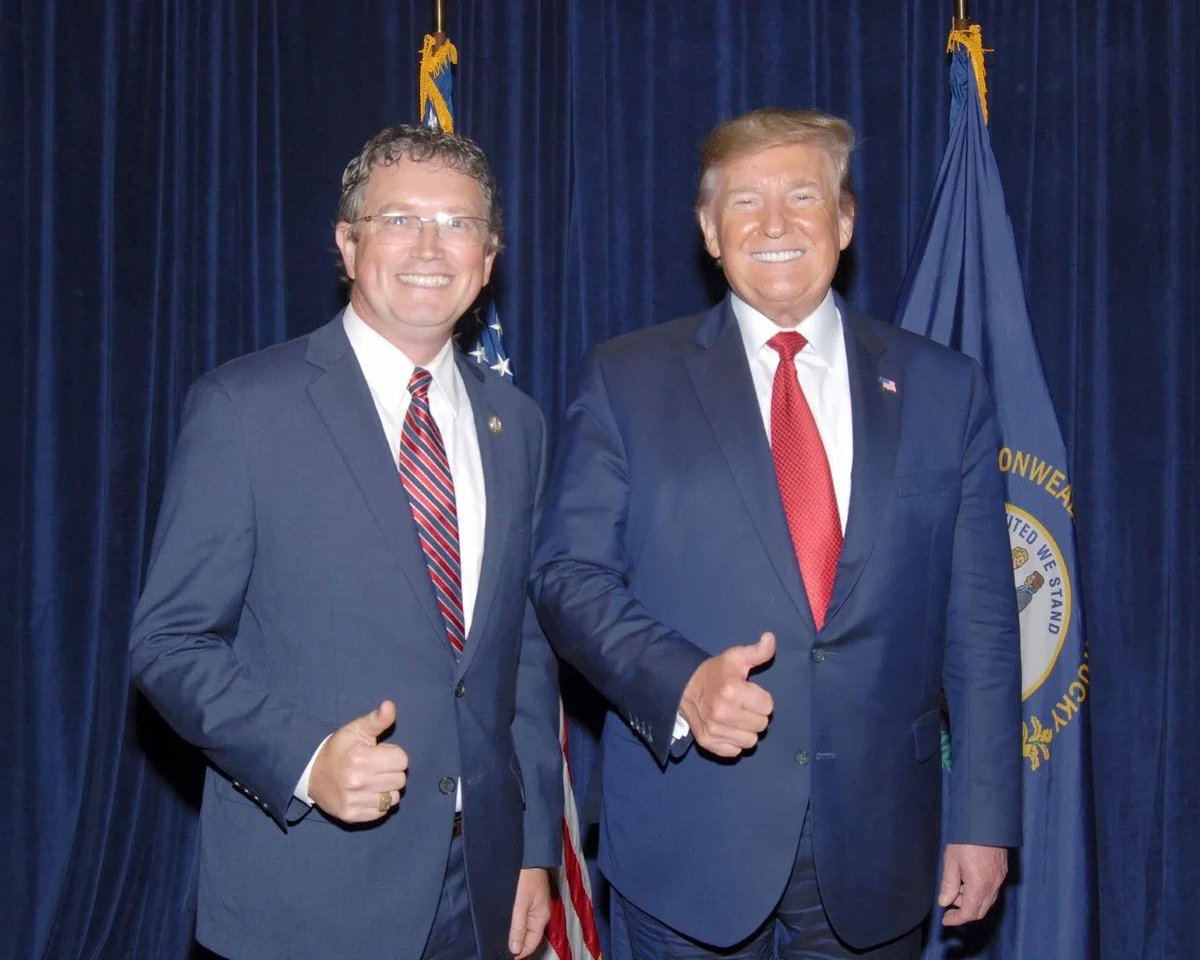
Here's the thing about our two-party system: The Democrats and Republicans have built what amounts to a duopoly that keeps their shared hold on power pretty steady. The practical reality is that both sides work to maintain this setup, sidelining other ideas, philosophies, and competitors along the way. It's not some grand conspiracy hatched in a smoke-filled room, but a system of incentives, rules, and human nature that plays out the same way year after year. Why does it happen? Simple math and self-preservation, really. Our elections run on a winner-take-all basis in single-member districts, Duverger's Law in action, as the political scientists call it. A third party or independent might pull in solid support, but unless they crack a plurality in enough places, they get zero seats or electoral votes. Voters see that and think twice: "Why throw my vote away on someone who can't win?" So they default to one of the big two, even if it's just the lesser evil. On top of that, ballot access laws in most states make it a nightmare for outsiders to even get listed—petitions, fees, deadlines stacked high. Campaign finance rules favor the majors with their donor networks, and the Commission on Presidential Debates? Created by the two parties themselves, with thresholds that keep challengers off the stage. Congressional rules force any rare third-party winner to caucus with one side just to get committee assignments. It's all designed, over time, to protect the duopoly's power-sharing arrangement. Look at how it's played out historically, and you start to see the pattern clear as day. Back in the 1800s, we had shifts, Federalists gave way to Democrats, Whigs faded as Republicans rose, but since the 1850s, it's been locked in as basically two giants. Fast-forward to '92: Ross Perot grabbed nearly 19% of the popular vote as an independent, forcing both parties to talk about deficits and reform for a bit, yet he walked away with zero electoral votes. Ralph Nader in 2000 drew just enough to get called a spoiler in Florida, handing ammo to critics who said he cost Gore the race. Even recent efforts like RFK Jr.'s independent run faced lawsuits, ballot fights, and media framing as a "disrupter" rather than a legitimate voice. Third parties pop up with fresh takes on everything from fiscal policy to foreign entanglements or individual liberties, but they either fizzle, get co-opted by one of the majors stealing their best lines without real change, or fade into irrelevance. The elites in both camps, donors, insiders, and media, keep the machine humming because it works for them: predictable fundraising, controlled narratives, and a divided public that keeps voting for "their team" instead of demanding better options. And here's where it might hit you with that ah-ha moment, no matter where you stand on the issues: this isn't really about left versus right anymore. It's about the system protecting itself, so new philosophies, constitutionalist, libertarian, progressive, whatever, don't rock the boat. We end up stuck choosing between two brands of the same entrenched power structure, while innovation in governance gets squeezed out. As a hard-core constitutionalist myself, I see it clearly: the Founders warned about factions turning into permanent parties, yet here we are. Do multiple wrongs make it right? Or is it time we all pause and ask why we're still playing by rules that limit the very competition that makes a republic thrive? JMHO, but think about it next time the ballot looks like the same old choice. BKusz @RandPaul @ThomasEWoods @RepThomasMassie @mtgreenee @LPNational @TRHLofficial

Another public poll is out! It shows us with a 5 point lead. Too close for comfort.

Here's the thing about our two-party system: The Democrats and Republicans have built what amounts to a duopoly that keeps their shared hold on power pretty steady. The practical reality is that both sides work to maintain this setup, sidelining other ideas, philosophies, and competitors along the way. It's not some grand conspiracy hatched in a smoke-filled room, but a system of incentives, rules, and human nature that plays out the same way year after year. Why does it happen? Simple math and self-preservation, really. Our elections run on a winner-take-all basis in single-member districts, Duverger's Law in action, as the political scientists call it. A third party or independent might pull in solid support, but unless they crack a plurality in enough places, they get zero seats or electoral votes. Voters see that and think twice: "Why throw my vote away on someone who can't win?" So they default to one of the big two, even if it's just the lesser evil. On top of that, ballot access laws in most states make it a nightmare for outsiders to even get listed—petitions, fees, deadlines stacked high. Campaign finance rules favor the majors with their donor networks, and the Commission on Presidential Debates? Created by the two parties themselves, with thresholds that keep challengers off the stage. Congressional rules force any rare third-party winner to caucus with one side just to get committee assignments. It's all designed, over time, to protect the duopoly's power-sharing arrangement. Look at how it's played out historically, and you start to see the pattern clear as day. Back in the 1800s, we had shifts, Federalists gave way to Democrats, Whigs faded as Republicans rose, but since the 1850s, it's been locked in as basically two giants. Fast-forward to '92: Ross Perot grabbed nearly 19% of the popular vote as an independent, forcing both parties to talk about deficits and reform for a bit, yet he walked away with zero electoral votes. Ralph Nader in 2000 drew just enough to get called a spoiler in Florida, handing ammo to critics who said he cost Gore the race. Even recent efforts like RFK Jr.'s independent run faced lawsuits, ballot fights, and media framing as a "disrupter" rather than a legitimate voice. Third parties pop up with fresh takes on everything from fiscal policy to foreign entanglements or individual liberties, but they either fizzle, get co-opted by one of the majors stealing their best lines without real change, or fade into irrelevance. The elites in both camps, donors, insiders, and media, keep the machine humming because it works for them: predictable fundraising, controlled narratives, and a divided public that keeps voting for "their team" instead of demanding better options. And here's where it might hit you with that ah-ha moment, no matter where you stand on the issues: this isn't really about left versus right anymore. It's about the system protecting itself, so new philosophies, constitutionalist, libertarian, progressive, whatever, don't rock the boat. We end up stuck choosing between two brands of the same entrenched power structure, while innovation in governance gets squeezed out. As a hard-core constitutionalist myself, I see it clearly: the Founders warned about factions turning into permanent parties, yet here we are. Do multiple wrongs make it right? Or is it time we all pause and ask why we're still playing by rules that limit the very competition that makes a republic thrive? JMHO, but think about it next time the ballot looks like the same old choice. BKusz @RandPaul @ThomasEWoods @RepThomasMassie @mtgreenee @LPNational @TRHLofficial

Here's the thing about our two-party system: The Democrats and Republicans have built what amounts to a duopoly that keeps their shared hold on power pretty steady. The practical reality is that both sides work to maintain this setup, sidelining other ideas, philosophies, and competitors along the way. It's not some grand conspiracy hatched in a smoke-filled room, but a system of incentives, rules, and human nature that plays out the same way year after year. Why does it happen? Simple math and self-preservation, really. Our elections run on a winner-take-all basis in single-member districts, Duverger's Law in action, as the political scientists call it. A third party or independent might pull in solid support, but unless they crack a plurality in enough places, they get zero seats or electoral votes. Voters see that and think twice: "Why throw my vote away on someone who can't win?" So they default to one of the big two, even if it's just the lesser evil. On top of that, ballot access laws in most states make it a nightmare for outsiders to even get listed—petitions, fees, deadlines stacked high. Campaign finance rules favor the majors with their donor networks, and the Commission on Presidential Debates? Created by the two parties themselves, with thresholds that keep challengers off the stage. Congressional rules force any rare third-party winner to caucus with one side just to get committee assignments. It's all designed, over time, to protect the duopoly's power-sharing arrangement. Look at how it's played out historically, and you start to see the pattern clear as day. Back in the 1800s, we had shifts, Federalists gave way to Democrats, Whigs faded as Republicans rose, but since the 1850s, it's been locked in as basically two giants. Fast-forward to '92: Ross Perot grabbed nearly 19% of the popular vote as an independent, forcing both parties to talk about deficits and reform for a bit, yet he walked away with zero electoral votes. Ralph Nader in 2000 drew just enough to get called a spoiler in Florida, handing ammo to critics who said he cost Gore the race. Even recent efforts like RFK Jr.'s independent run faced lawsuits, ballot fights, and media framing as a "disrupter" rather than a legitimate voice. Third parties pop up with fresh takes on everything from fiscal policy to foreign entanglements or individual liberties, but they either fizzle, get co-opted by one of the majors stealing their best lines without real change, or fade into irrelevance. The elites in both camps, donors, insiders, and media, keep the machine humming because it works for them: predictable fundraising, controlled narratives, and a divided public that keeps voting for "their team" instead of demanding better options. And here's where it might hit you with that ah-ha moment, no matter where you stand on the issues: this isn't really about left versus right anymore. It's about the system protecting itself, so new philosophies, constitutionalist, libertarian, progressive, whatever, don't rock the boat. We end up stuck choosing between two brands of the same entrenched power structure, while innovation in governance gets squeezed out. As a hard-core constitutionalist myself, I see it clearly: the Founders warned about factions turning into permanent parties, yet here we are. Do multiple wrongs make it right? Or is it time we all pause and ask why we're still playing by rules that limit the very competition that makes a republic thrive? JMHO, but think about it next time the ballot looks like the same old choice. BKusz @RandPaul @ThomasEWoods @RepThomasMassie @mtgreenee @LPNational @TRHLofficial

Here's the thing about our two-party system: The Democrats and Republicans have built what amounts to a duopoly that keeps their shared hold on power pretty steady. The practical reality is that both sides work to maintain this setup, sidelining other ideas, philosophies, and competitors along the way. It's not some grand conspiracy hatched in a smoke-filled room, but a system of incentives, rules, and human nature that plays out the same way year after year. Why does it happen? Simple math and self-preservation, really. Our elections run on a winner-take-all basis in single-member districts, Duverger's Law in action, as the political scientists call it. A third party or independent might pull in solid support, but unless they crack a plurality in enough places, they get zero seats or electoral votes. Voters see that and think twice: "Why throw my vote away on someone who can't win?" So they default to one of the big two, even if it's just the lesser evil. On top of that, ballot access laws in most states make it a nightmare for outsiders to even get listed—petitions, fees, deadlines stacked high. Campaign finance rules favor the majors with their donor networks, and the Commission on Presidential Debates? Created by the two parties themselves, with thresholds that keep challengers off the stage. Congressional rules force any rare third-party winner to caucus with one side just to get committee assignments. It's all designed, over time, to protect the duopoly's power-sharing arrangement. Look at how it's played out historically, and you start to see the pattern clear as day. Back in the 1800s, we had shifts, Federalists gave way to Democrats, Whigs faded as Republicans rose, but since the 1850s, it's been locked in as basically two giants. Fast-forward to '92: Ross Perot grabbed nearly 19% of the popular vote as an independent, forcing both parties to talk about deficits and reform for a bit, yet he walked away with zero electoral votes. Ralph Nader in 2000 drew just enough to get called a spoiler in Florida, handing ammo to critics who said he cost Gore the race. Even recent efforts like RFK Jr.'s independent run faced lawsuits, ballot fights, and media framing as a "disrupter" rather than a legitimate voice. Third parties pop up with fresh takes on everything from fiscal policy to foreign entanglements or individual liberties, but they either fizzle, get co-opted by one of the majors stealing their best lines without real change, or fade into irrelevance. The elites in both camps, donors, insiders, and media, keep the machine humming because it works for them: predictable fundraising, controlled narratives, and a divided public that keeps voting for "their team" instead of demanding better options. And here's where it might hit you with that ah-ha moment, no matter where you stand on the issues: this isn't really about left versus right anymore. It's about the system protecting itself, so new philosophies, constitutionalist, libertarian, progressive, whatever, don't rock the boat. We end up stuck choosing between two brands of the same entrenched power structure, while innovation in governance gets squeezed out. As a hard-core constitutionalist myself, I see it clearly: the Founders warned about factions turning into permanent parties, yet here we are. Do multiple wrongs make it right? Or is it time we all pause and ask why we're still playing by rules that limit the very competition that makes a republic thrive? JMHO, but think about it next time the ballot looks like the same old choice. BKusz @RandPaul @ThomasEWoods @RepThomasMassie @mtgreenee @LPNational @TRHLofficial


Here's the thing about our two-party system: The Democrats and Republicans have built what amounts to a duopoly that keeps their shared hold on power pretty steady. The practical reality is that both sides work to maintain this setup, sidelining other ideas, philosophies, and competitors along the way. It's not some grand conspiracy hatched in a smoke-filled room, but a system of incentives, rules, and human nature that plays out the same way year after year. Why does it happen? Simple math and self-preservation, really. Our elections run on a winner-take-all basis in single-member districts, Duverger's Law in action, as the political scientists call it. A third party or independent might pull in solid support, but unless they crack a plurality in enough places, they get zero seats or electoral votes. Voters see that and think twice: "Why throw my vote away on someone who can't win?" So they default to one of the big two, even if it's just the lesser evil. On top of that, ballot access laws in most states make it a nightmare for outsiders to even get listed—petitions, fees, deadlines stacked high. Campaign finance rules favor the majors with their donor networks, and the Commission on Presidential Debates? Created by the two parties themselves, with thresholds that keep challengers off the stage. Congressional rules force any rare third-party winner to caucus with one side just to get committee assignments. It's all designed, over time, to protect the duopoly's power-sharing arrangement. Look at how it's played out historically, and you start to see the pattern clear as day. Back in the 1800s, we had shifts, Federalists gave way to Democrats, Whigs faded as Republicans rose, but since the 1850s, it's been locked in as basically two giants. Fast-forward to '92: Ross Perot grabbed nearly 19% of the popular vote as an independent, forcing both parties to talk about deficits and reform for a bit, yet he walked away with zero electoral votes. Ralph Nader in 2000 drew just enough to get called a spoiler in Florida, handing ammo to critics who said he cost Gore the race. Even recent efforts like RFK Jr.'s independent run faced lawsuits, ballot fights, and media framing as a "disrupter" rather than a legitimate voice. Third parties pop up with fresh takes on everything from fiscal policy to foreign entanglements or individual liberties, but they either fizzle, get co-opted by one of the majors stealing their best lines without real change, or fade into irrelevance. The elites in both camps, donors, insiders, and media, keep the machine humming because it works for them: predictable fundraising, controlled narratives, and a divided public that keeps voting for "their team" instead of demanding better options. And here's where it might hit you with that ah-ha moment, no matter where you stand on the issues: this isn't really about left versus right anymore. It's about the system protecting itself, so new philosophies, constitutionalist, libertarian, progressive, whatever, don't rock the boat. We end up stuck choosing between two brands of the same entrenched power structure, while innovation in governance gets squeezed out. As a hard-core constitutionalist myself, I see it clearly: the Founders warned about factions turning into permanent parties, yet here we are. Do multiple wrongs make it right? Or is it time we all pause and ask why we're still playing by rules that limit the very competition that makes a republic thrive? JMHO, but think about it next time the ballot looks like the same old choice. BKusz @RandPaul @ThomasEWoods @RepThomasMassie @mtgreenee @LPNational @TRHLofficial

Here's the thing about our two-party system: The Democrats and Republicans have built what amounts to a duopoly that keeps their shared hold on power pretty steady. The practical reality is that both sides work to maintain this setup, sidelining other ideas, philosophies, and competitors along the way. It's not some grand conspiracy hatched in a smoke-filled room, but a system of incentives, rules, and human nature that plays out the same way year after year. Why does it happen? Simple math and self-preservation, really. Our elections run on a winner-take-all basis in single-member districts, Duverger's Law in action, as the political scientists call it. A third party or independent might pull in solid support, but unless they crack a plurality in enough places, they get zero seats or electoral votes. Voters see that and think twice: "Why throw my vote away on someone who can't win?" So they default to one of the big two, even if it's just the lesser evil. On top of that, ballot access laws in most states make it a nightmare for outsiders to even get listed—petitions, fees, deadlines stacked high. Campaign finance rules favor the majors with their donor networks, and the Commission on Presidential Debates? Created by the two parties themselves, with thresholds that keep challengers off the stage. Congressional rules force any rare third-party winner to caucus with one side just to get committee assignments. It's all designed, over time, to protect the duopoly's power-sharing arrangement. Look at how it's played out historically, and you start to see the pattern clear as day. Back in the 1800s, we had shifts, Federalists gave way to Democrats, Whigs faded as Republicans rose, but since the 1850s, it's been locked in as basically two giants. Fast-forward to '92: Ross Perot grabbed nearly 19% of the popular vote as an independent, forcing both parties to talk about deficits and reform for a bit, yet he walked away with zero electoral votes. Ralph Nader in 2000 drew just enough to get called a spoiler in Florida, handing ammo to critics who said he cost Gore the race. Even recent efforts like RFK Jr.'s independent run faced lawsuits, ballot fights, and media framing as a "disrupter" rather than a legitimate voice. Third parties pop up with fresh takes on everything from fiscal policy to foreign entanglements or individual liberties, but they either fizzle, get co-opted by one of the majors stealing their best lines without real change, or fade into irrelevance. The elites in both camps, donors, insiders, and media, keep the machine humming because it works for them: predictable fundraising, controlled narratives, and a divided public that keeps voting for "their team" instead of demanding better options. And here's where it might hit you with that ah-ha moment, no matter where you stand on the issues: this isn't really about left versus right anymore. It's about the system protecting itself, so new philosophies, constitutionalist, libertarian, progressive, whatever, don't rock the boat. We end up stuck choosing between two brands of the same entrenched power structure, while innovation in governance gets squeezed out. As a hard-core constitutionalist myself, I see it clearly: the Founders warned about factions turning into permanent parties, yet here we are. Do multiple wrongs make it right? Or is it time we all pause and ask why we're still playing by rules that limit the very competition that makes a republic thrive? JMHO, but think about it next time the ballot looks like the same old choice. BKusz @RandPaul @ThomasEWoods @RepThomasMassie @mtgreenee @LPNational @TRHLofficial


Here's the thing about our two-party system: The Democrats and Republicans have built what amounts to a duopoly that keeps their shared hold on power pretty steady. The practical reality is that both sides work to maintain this setup, sidelining other ideas, philosophies, and competitors along the way. It's not some grand conspiracy hatched in a smoke-filled room, but a system of incentives, rules, and human nature that plays out the same way year after year. Why does it happen? Simple math and self-preservation, really. Our elections run on a winner-take-all basis in single-member districts, Duverger's Law in action, as the political scientists call it. A third party or independent might pull in solid support, but unless they crack a plurality in enough places, they get zero seats or electoral votes. Voters see that and think twice: "Why throw my vote away on someone who can't win?" So they default to one of the big two, even if it's just the lesser evil. On top of that, ballot access laws in most states make it a nightmare for outsiders to even get listed—petitions, fees, deadlines stacked high. Campaign finance rules favor the majors with their donor networks, and the Commission on Presidential Debates? Created by the two parties themselves, with thresholds that keep challengers off the stage. Congressional rules force any rare third-party winner to caucus with one side just to get committee assignments. It's all designed, over time, to protect the duopoly's power-sharing arrangement. Look at how it's played out historically, and you start to see the pattern clear as day. Back in the 1800s, we had shifts, Federalists gave way to Democrats, Whigs faded as Republicans rose, but since the 1850s, it's been locked in as basically two giants. Fast-forward to '92: Ross Perot grabbed nearly 19% of the popular vote as an independent, forcing both parties to talk about deficits and reform for a bit, yet he walked away with zero electoral votes. Ralph Nader in 2000 drew just enough to get called a spoiler in Florida, handing ammo to critics who said he cost Gore the race. Even recent efforts like RFK Jr.'s independent run faced lawsuits, ballot fights, and media framing as a "disrupter" rather than a legitimate voice. Third parties pop up with fresh takes on everything from fiscal policy to foreign entanglements or individual liberties, but they either fizzle, get co-opted by one of the majors stealing their best lines without real change, or fade into irrelevance. The elites in both camps, donors, insiders, and media, keep the machine humming because it works for them: predictable fundraising, controlled narratives, and a divided public that keeps voting for "their team" instead of demanding better options. And here's where it might hit you with that ah-ha moment, no matter where you stand on the issues: this isn't really about left versus right anymore. It's about the system protecting itself, so new philosophies, constitutionalist, libertarian, progressive, whatever, don't rock the boat. We end up stuck choosing between two brands of the same entrenched power structure, while innovation in governance gets squeezed out. As a hard-core constitutionalist myself, I see it clearly: the Founders warned about factions turning into permanent parties, yet here we are. Do multiple wrongs make it right? Or is it time we all pause and ask why we're still playing by rules that limit the very competition that makes a republic thrive? JMHO, but think about it next time the ballot looks like the same old choice. BKusz @RandPaul @ThomasEWoods @RepThomasMassie @mtgreenee @LPNational @TRHLofficial