ทวีตที่ปักหมุด

Marc Cucurella snitching on Kai Havertz is probably the best thing I've seen from this game today 😂#CHEARS
GIF
English
Lou Flavius
5.5K posts
@KavanFlavius
Scribe, Sports nut, Gamer...





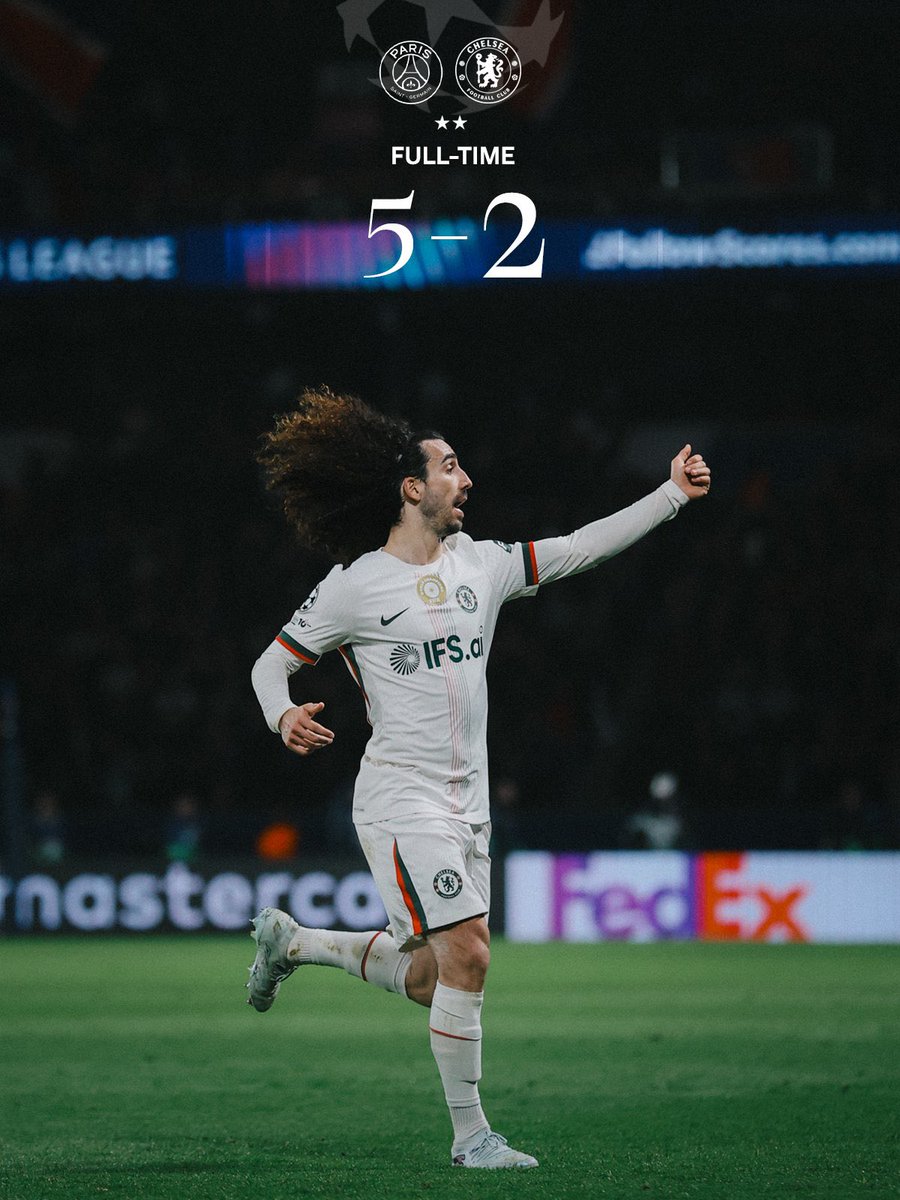
🚨🎙️Same trend. Same framework. And today was the perfect model vs moment trial , because it tried to go wrong, and we still found a way. Let’s be honest: this match was not comfortable, and it was not routine big club stuff. It was exactly the kind of cup tie that exposes everything i’ve been talking about: phase control, load management, in-game accountability, and whether you maximise the moment when the night turns chaotic. First, the raw picture: Chelsea controlled the rhythm of the game, the kind of dominance that usually brings calm. But beneath that, the story was more complicated. Wrexham managed 19 total shots and dragged the tie all the way into extra time through sheer persistence and pressure waves. We had control of the ball, but for long spells we didn’t have control of the danger. We dominated circulation, but we didn’t kill belief early enough, and Wrexham stayed alive longer than a top club should allow. And that is literally the trend. Now, here’s where this game becomes a real analysis of Rosenior, not just the model: ✅ CREDIT to Rosenior: This was a proper in-game management win. Because the match demanded three things at once: 1) stop conceding momentum and corners 2) increase chance quality, not just possession 3) finish the tie before penalties And eventually, we did. Chelsea didn’t fold when the tie became unstable. We responded twice in 90 minutes, then used extra time to finally turn control into separation. That is growth. But ❌ ACCOUNTABILITY still exists: This is not a clean performance. And if we’re being honest about standards, Wrexham having 9 corners and higher xG tells you we gave them too many opportunities . Even when you rotate, even when PSG is ahead, even when the squad is managed a cup tie is still a moment. And moments don’t care about your plan. This match was the clearest demonstration of manage assets vs maximise the moment in real time: The model gave us the ball and structure. The moment demanded ruthlessness and phase control. We only fully delivered the second part in extra time. Now let’s put this together: PHASE 1: CONTROL ✅ We dominated the ball, territory in spells. PHASE 2: THREAT (for too long) ⚠️ We had shots, but not enough early kill shot threat to bury the tie before Wrexham’s pressure waves built. PHASE 3: RESPONSE ✅ We conceded, equalised. Conceded again, equalised again. That’s mentality, not panic, not folding. PHASE 4: CLOSEOUT ✅ (finally) Extra time is where a serious team must make the difference. We did. We went from surviving a cup to ending it. That last part matters, because it links directly to PSG and the bigger discussion: Against top opposition, you won’t get that much runway. You won’t get to grow into it for 90 minutes. You won’t get to allow 9 corners and still feel safe. Elite teams turn those waves into goals. So the takeaway is balanced and clear: ✅ Rosenior deserves credit: he managed the chaos well enough to win the tie, and the team showed response mentality. ✅ The players deserve credit: they didn’t collapse, they kept going, and they finished the job. ❌ But the warning still stands: We cannot keep confusing possession with safety. We cannot keep allowing pressure waves and calling it control. And we cannot keep relying on extra time solutions as a normal pathway. Because sometimes you win like today. Sometimes the runway ends. So yes, we move on, we’re through, and that matters. But if we want trophies, and if we want to survive elite nights: we need earlier ruthlessness, cleaner danger control, and closeouts that don’t require the match to become a full cup drama first. Same trend. Same lesson. New evidence. We move. 💙 #CFC