Samuel

1.1K posts

Samuel

Samuel

@Keneni

เข้าร่วม Ekim 2009
57 กำลังติดตาม28 ผู้ติดตาม
Samuel
Samuel@Keneni·
@HanyIbrahim17 Praise be to God always. Please take your time and focus on your recovery. We are all very happy to hear that you are getting better. May God complete your healing and bring you back stronger soon. 🙏🏽
English
0
0
1
7
Hany Ibrahim
Hany Ibrahim@HanyIbrahim17·
الحمد لله دائما وابدا وعاجز عن الشكر والله وكان نفسي ارد عليكم جميعا واشكركم جميعا وان شاء الله ايام قليلة ويكتمل التعافي ان شاء الله وعودة تدريجية ان شاء الله
Hany Ibrahim@HanyIbrahim17

صباح الخير 🌹🌹 الحمد لله دائمًا وأبدًا حابب اطمنكم اني داخل عملية خلال ساعات وان شاء الله أسبوع وهرجع أحسن. حبيت بس اطمنكم لو لاحظتوا غيابي كام يوم. دعواتكم 🤲🤲🤲

العربية
59
8
216
5.3K
Samuel
Samuel@Keneni·
@HanyIbrahim17 May God be with you and grant you a safe and successful surgery. Wishing you strength, peace, and a smooth recovery. You will be in my prayers. 🤲
English
0
0
1
11
Hany Ibrahim
Hany Ibrahim@HanyIbrahim17·
صباح الخير 🌹🌹 الحمد لله دائمًا وأبدًا حابب اطمنكم اني داخل عملية خلال ساعات وان شاء الله أسبوع وهرجع أحسن. حبيت بس اطمنكم لو لاحظتوا غيابي كام يوم. دعواتكم 🤲🤲🤲
العربية
207
17
462
20.2K
Samuel
Samuel@Keneni·
@HanyIbrahim17 Strategic solution should include “reduce the highest rate of reliance on the Nile River”.
English
1
0
0
14
Hany Ibrahim
Hany Ibrahim@HanyIbrahim17·
النهر التي تضم الامطار والمياه الجوفية والمياه السطحية. سكان مصر هم الاعلى في نسبة الاعتماد على نهر النيل بين جميع دول الحوض. حصة مصر والسودان لا تتجاوز 4 % فقط من حجم الموارد المائية في منظومة نهر النيل ويكفي ان اثيوبيا تستطيع استخدام 40 مليار متر مكعب سنويا من المياه الجوفية
العربية
2
0
1
322
Hany Ibrahim
Hany Ibrahim@HanyIbrahim17·
مبدأ الاستخدام المنصف والعادل لا يعني تساوي الحصص بين دول حوض النهر الواحد بل هناك بنود اخرى ضمن ذات المبدأ تؤكد حقوق دولتي المصب في المياه المكتسبة ومدى توافر البدائل داخل اراضي الحوض والاعتماد السكاني وحقوق الاستخدام . كل دولة في الحوض هي عضو مستخدم بشكل او بآخر لمنظومة مياه
Hany Ibrahim tweet media
العربية
1
2
22
993
Samuel
Samuel@Keneni·
@HanyIbrahim17 I think you don’t blame GERD & 🇪🇹for this 😄
English
0
0
0
59
Hany Ibrahim
Hany Ibrahim@HanyIbrahim17·
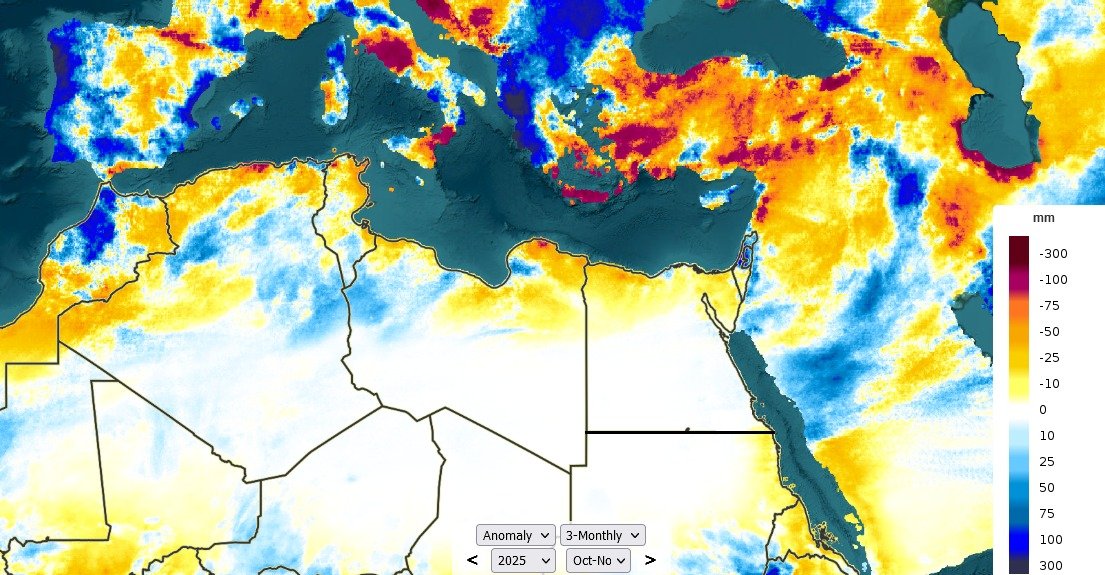
موقف الامطار خلال شهور اكتوبر ونوفمبر وديسمبر 2025 في حوض البحر الابيض المتوسط اقل من المعدل الطبيعي في مصر ماعدا نطاقين فقط الاول في شرق الاسكندرية والثاني في القطاعات الشمالية من محافظة البحيرة. " الفارق في نمط الامطار والكمية فقط" الظاهرة تعاني منها عدة دول لكن هناك تغير في
Hany Ibrahim tweet media
العربية
3
4
54
7K
Samuel
Samuel@Keneni·
@HanyIbrahim17 “… because there's no Ethiopian expertise in the irrigation sector.” 🤭 Thanks for the confidence—shame about the ignorance.
English
0
0
0
6
Hany Ibrahim
Hany Ibrahim@HanyIbrahim17·
- بيحاول يبرر بإدعاء انهم محتاجين رغم الوفرة لديهم- رغم انهم عندهم مشروعات للري كتيرة هناك وبيتسعينوا بالسودانيين بالمناسبة في تصميم شبكات الري لان مفيش خبرة اثيوبية في قطاع الري. نرجع للاستاذ جمال بشير مرة كنت بدردش مع اثيوبي عايش في الولايات المتحدة ودخلنا نقاش مطول واللي قاله
العربية
2
1
7
748
Hany Ibrahim
Hany Ibrahim@HanyIbrahim17·
بمناسبة حديث الاستاذ جمال بشير المفترض اعلامي اثيوبي وتصريحاته لوكالة الانباء الاثيوبية واللي هي عبارة عن امور غير عقلانية والتوقف امامها بالكامل تضييع للوقت لسبب بسيط مرة سمعت كلام لجمال بشير انه راح نهر اواش في اثيوبيا وان الناس كلها زراعة مطرية ومشافش اي مشروع للري هناك
GazettePlus_arabic@gazette_arabic

أستاذ جمال بشير: مصر تعمل على قطع العلاقات التاريخية بين إثيوبيا والعالم العربي، مستخدمة جامعة الدول العربية كأداة سياسية لتشويه صورة أديس أبابا، داعيًا إلى تفعيل الدبلوماسية الإثيوبية الناطقة بالعربية لمواجهة هذا النهج. #إثيوبيا #العالم_العربي #جامعة_الدول_العربية #الدبلوماسية

العربية
2
6
38
4.4K
Samuel
Samuel@Keneni·
@HanyIbrahim17 @RenaissanceDam “because it is historically known that Ethiopia always breaks its promises” baseless claim. If you have the receipts for your claim, show here.
English
0
0
1
46
Hany Ibrahim
Hany Ibrahim@HanyIbrahim17·
@RenaissanceDam هل فهمت الان معنى المنفعة المشتركة في الحوض النهري بالنسبة للسد هيشيل صفة النزاع عن السد وان كان مؤقتا لان معروف تاريخيا ان اثيوبيا تنقض عهودها دائما علشان كده لازم الالزام القانوني. النيل نهر دولي ولا يتم الحساب بالتجزئة ان تفاوض حول سد يتقال ماذا تقدم دولة لدولة لان في المقابل
العربية
2
1
13
744
The Asrat Blog
The Asrat Blog@RenaissanceDam·
If negotiations are supposed to be about give and take, what exactly is Egypt offering Ethiopia? Ethiopia is the giver, and Egypt is the receiver. That’s not a deal!
English
25
32
196
9.3K
Hany Ibrahim
Hany Ibrahim@HanyIbrahim17·
عن 800 سد ما بين سدود صغيرة ومتوسطة وكبيرة ذات اغراض متعددة في دول حوض النيل من بينها 184 سد في اثيوبيا باراضي حوض النيل.
العربية
1
0
9
365
Hany Ibrahim
Hany Ibrahim@HanyIbrahim17·
تركيز مستمر من اثيوبيا على عامل المساهمة في التدفق بالتوازي مع تجاهل تام بأن هناك التكامل الجغرافي الذي يحكم الحوض النهري الدولي فالعلاقة ليست فقط المساهمة والتي هي مجرد مجرد عامل من ضمن عوامل اخرى تنظم حوض النهر المشترك ولكنهم يحاولون التركيز عليه فقط وهو يستدعي التساؤل ماذا لو
Birhanu M Lenjiso (PhD)@BMLenjiso

Introduction to the Nile An accurate understanding of the Nile is no longer optional; it is essential to counter decades of systematic misinformation surrounding the river’s origins, hydrology, and ownership. Sound science, not political mythology, must define the global conversation about the Nile. Ethiopia is the primary source of the Nile’s waters. Approximately 85% of the total Nile flow originates from Ethiopian highlands through three major tributary systems: The Blue Nile (Abbay) - 53% The White Nile (Baro–Akobo–Sobat) - 24% The Black Nile (Tekeze–Atbara) - 8% These rivers are not marginal contributors; they are the hydrological backbone of the entire Nile Basin. Every year, rainfall over Ethiopia’s highlands is converted into the water that sustains more than 300 million people downstream. Without Ethiopia, there is no Nile in any meaningful physical sense. Nile doesn’t pass through Ethiopia, it originates here. Understanding this reality is the foundation of any honest discussion about Nile governance, water rights, or regional cooperation. The river does not belong to historical narratives or colonial-era treaties; it belongs to the geography and the hydrology that create.
العربية
5
4
43
3.7K
Samuel
Samuel@Keneni·
@HanyIbrahim17 @RenaissanceDam The claim that GERD’s purpose is only hydroelectric power has no basis in the Declaration of Principles. No article in the DoP limits GERD to a single purpose. If you’re relying on a different DoP, please share it—because it’s certainly not the one Ethiopia signed 🤭
English
0
0
0
25
Hany Ibrahim
Hany Ibrahim@HanyIbrahim17·
@RenaissanceDam 10 bcm of groundwater, and over 184 dams. do you deny these figures? the purpose of the #GERD is hydroelectric power, and the passing of water is a fundamental clause in the negotiations, explicitly recorded in the Declaration of Principles (DoP). you can refer to 👇
English
2
1
5
268
The Asrat Blog
The Asrat Blog@RenaissanceDam·
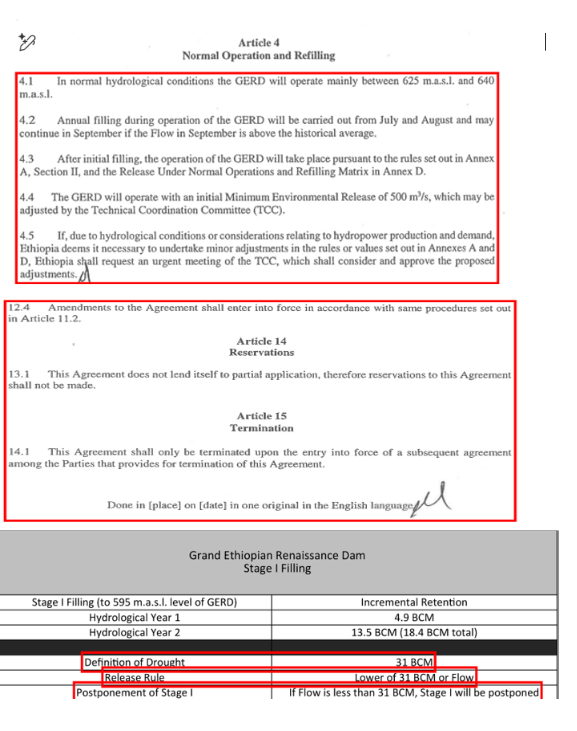
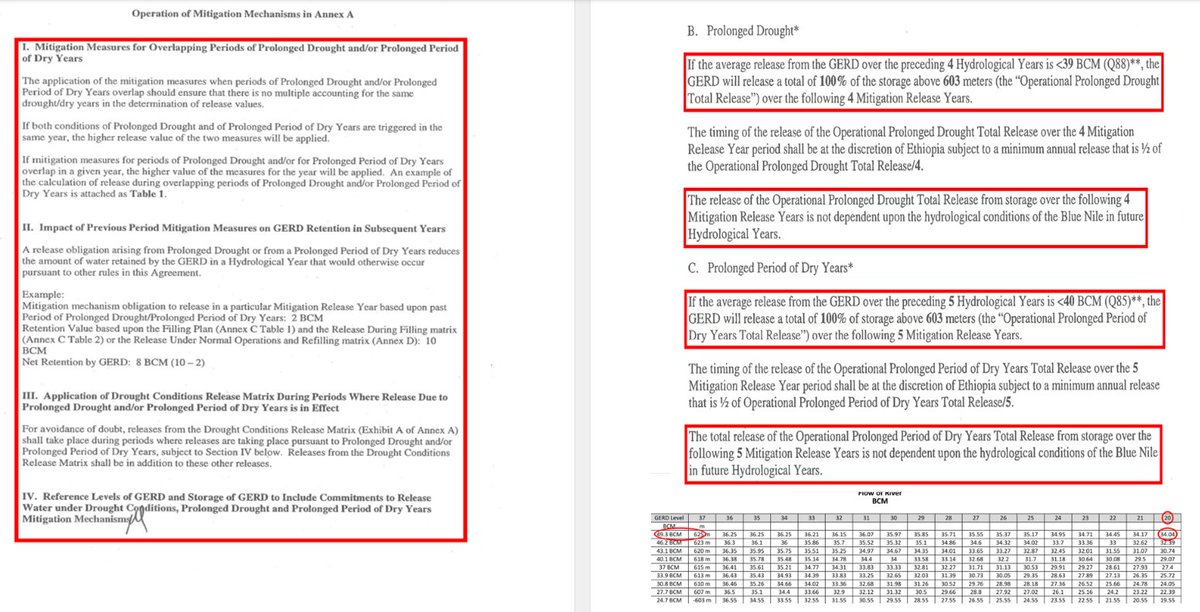
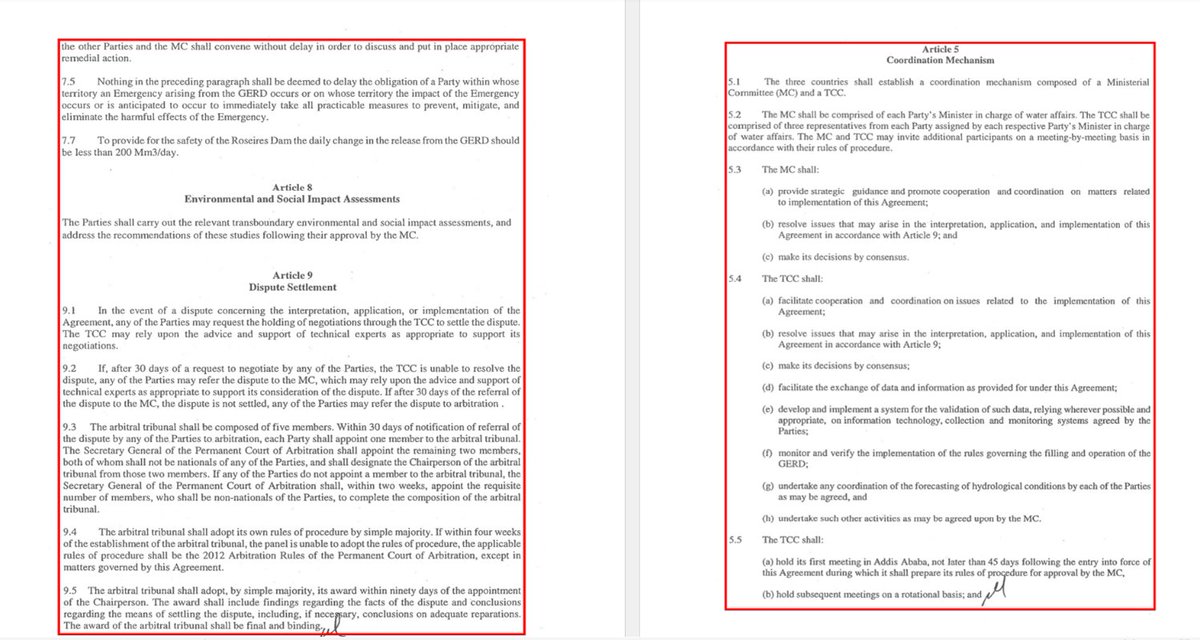
Part One Title: THE DROUGHT TRAP: How Egypt Tried to Turn Weather into a Water Quota In The 2020 Washington Draft. Without Ever Saying “Historic Rights” Trump(Jan 16, 2026): “Predictable water releases during droughts and prolonged dry years for Egypt and the Sudan.” Today I’m doing one thing only: unpacking “drought” and “prolonged dry years” in the 2020 Washington draft. I’ll return later to the rest of the text, which is even worse for Ethiopia. Why this matters: in negotiations, “drought” is not just weather. It becomes a technical trigger. A trigger becomes a forced release. And forced releases become a quota, without ever writing the words “historic rights.” Here’s the deeper trap: if drought is defined against downstream baselines, then Ethiopian development itself gets framed as “drought.” Ethiopia irrigates to feed its people, or builds upstream power and regulates flows, and the reduced inflow is labeled “drought.” The trigger clauses activate not because nature failed, but because Ethiopia developed. That’s the strategy: freeze Ethiopian development without openly stating a quota. Now the receipts. The draft was “Initialed by the Arab Republic of Egypt on February 28, 2020 (Washington, D.C.).” Ethiopia did not sign it. Egypt initialed it. So I will use only Egypt’s own clauses and numbers, line by line. Read this slowly: the draft turns “drought” into a switch. When that switch flips, GERD stops being Ethiopia’s tool and becomes downstream drought insurance. FIRST RECEIPT: Egypt defines “Flow” in a way that can punish Ethiopia for development This draft defines Flow like this: Article 2(d): “Flow” means the total volume of water entering the GERD reservoir in any given Hydrological Year. Read that again. It does NOT say “Flow of the Blue Nile at the border.” It says what enters GERD. This is Egypt’s first move: control the definition, control the outcome. So if Ethiopia builds upstream projects in the future that reduce what enters GERD (irrigation, storage, regulation), that reduction shows up in the treaty’s math as low Flow at GERD. And low Flow is the trigger that activates the drought handcuffs you’ll see below. Think about what that means: Any future dams use that reduces inflow into GERD (even for Ethiopia’s own farms and people) pushes the dam closer to the <37 BCM trigger and Egypt’s drought matrix. The draft doesn’t need to write “Ethiopia may not develop.” It writes: “If your inflow drops, you must release according to our table.” This is how Egypt tried to freeze Ethiopian development without ever saying “you cannot develop.” or " You can not build dam." This is how “development” becomes “drought” on paper. This is how a treaty becomes a cage disguised as cooperation. In My Assessment Ethiopia Future Development Risk (under this draft): 70–85% (high). Under this design, every time Ethiopia tries to use more of its own water upstream, the treaty can punish it by shouting “drought” at GERD and forcing extra releases. Development becomes a crime. Drought becomes the punishment. SECOND RECEIPT: The drought trigger is a hard number, not “cooperation.” Annex A (Filling Period, Section A, Drought) is blunt: “If the Flow at the GERD is <37 BCM… the release from the GERD will be according to the Drought Conditions Release Matrix (Exhibit A).” This applies both during filling and long term operation. Translation for you: Not “consult,” not “coordinate.” The draft says the release WILL follow a table. A table controls the dam. This isn’t “consultation.” This isn’t “dialogue.” This is a switch: Flow < 37 BCM to Egypt’s matrix controls Ethiopia’s release. Egypt doesn’t need to declare drought. Egypt doesn’t need to ask permission. The number does it automatically. And the matrix is where the ugliness lives. THIRD RECEIPT: The drought matrix can force Ethiopia to release MORE than the river brings in Open Exhibit A, Drought Conditions Release Matrix. It literally gives releases (in BCM) based on the Flow and the GERD level. Here is a clean example straight from the table: • If the GERD level is 49.3 BCM (625 m) • and the Flow of River is 20 BCM • the required release is 34.04 BCM Stop and feel the meaning: Inflow = 20 BCM. Release = 34.04 BCM. That means Ethiopia must drain about 14 BCM from storage in one year just to satisfy the matrix. That is 170% of inflow (34.04 ÷ 20). That means Egypt gets more water during Ethiopia’s drought than nature itself provided. That is not “shared pain.” That is Egypt using Ethiopian storage as Egypt’s insurance policy. That is Ethiopia’s dam forced to bleed for Egypt benefit. This isn’t “cooperation.” This is a drought tax on Ethiopia paid out of Ethiopia’s storage. And that is the heart of the trap: A dam built to lift Ethiopia out of poverty gets converted, on paper, into a tank that protects Egypt from drought. Egypt’s security. Ethiopia’s sacrifice. Ethiopia Harm Meter (from this clause): Drought matrix trap severity: 95% harm. Every kilowatt GERD fails to generate in drought is a school without light, a clinic without power, a factory that never opens. This draft makes sure that when the river suffers, Ethiopian development suffers first so Egypt can feel it last. FOURTH RECEIPT: “Prolonged drought” and “dry years” create a multi-year WATER DEBT Ethiopia must pay regardless of future suffering Now the draft goes from “drought year” to “drought era.” In the filling period, Annex A says: • If the average release over the previous 4 years is <37 BCM, the GERD “will release a total of 62.5% of the storage above 603 meters” over the following 4 Mitigation Release Years. • If the average release over the previous 4 years is <40 BCM, the GERD “will release a total of 50% of storage above 603 meters” over the following 4 Mitigation Release Years. Then comes the line that should make every Ethiopian feel a chill: The release… “is not dependent upon the hydrological conditions… in future Hydrological Years.” Allow me to translate that into plain language: Once you trigger it, you owe it, even if the future is still dry. Even if Ethiopian children need that water. Even if Ethiopian hospitals lose power. Even if Ethiopian factories shut down. Egypt gets paid. Ethiopia pays. The future doesn’t matter. This is not drought “management.” This is Egypt turning drought into a debt contract, and Ethiopia into the debtor. This is how Egypt tried to make Ethiopia’s stored water Egypt’s legal entitlement. This is drought turned into debt. The 603 m line: why it matters (and why Egypt chose it) Exhibit A includes a reference point showing 24.7 BCM at 603 m and 49.3 BCM at 625 m, meaning the storage “above 603 m” at 625 m is about 24.6 BCM. That’s roughly half of GERD’s total storage. So if Ethiopia fills to around 625 m (the draft’s own completion benchmark), “storage above 603 m” is about 24.6 BCM. Now apply the draft’s own percentages: • 62.5% of that ≈ 15.4 BCM • 50% of that ≈ 12.3 BCM And the draft requires a minimum annual release (no “pause” button). It forces that debt to be paid across the mitigation years.multi-year Egypt didn’t pick 603 m randomly. Egypt picked it to maximize what Egypt can force out. 603 m isn’t simply a technical level in this draft. It becomes a legal harvesting point, a place where Ethiopia’s stored water gets treated like a pile of money Egypt can claim when Egypt says “drought.” Ethiopia Harm Meter (from the multi year debt clauses): Filling period prolonged drought/dry years debt: 90% harm. Because it turns Ethiopia’s stored water into something Ethiopia can be forced to “pay out” later, regardless of future conditions, regardless of Ethiopian need, regardless of Ethiopian sovereignty. Ethiopia’s children will grow up in a hotter, more unpredictable climate. They will need more electricity, more food, and more resilience than we did. This draft does the opposite: it trades away their flexibility in crisis so that another country can lock in comfort. Part 1 showed you the mechanism. Now I’m going to show you the blade Egypt tried to hold over Ethiopia’s throat. FIFTH RECEIPT: In long term operation, Egypt demands 100% of storage above 603 m Annex A, Long Term Operation, says: • If the average release over the preceding 4 years is <39 BCM, the GERD “will release a total of 100% of the storage above 603 meters” over the following 4 Mitigation Release Years. • And if the average release over the preceding 5 years is <40 BCM, the GERD “will release a total of 100% of storage above 603 meters” over the following 5 Mitigation Release Years. Then again, it repeats the debt logic: The release… “is not dependent upon the hydrological conditions… in future Hydrological Years.” Let that sink in. 100%. Not 50%. Not 62.5%. One hundred percent. Egypt wrote a clause that would force Ethiopia to drain all storage above 603 m, spread over 4 to 5 years, regardless of what happens to Ethiopia during those years. This is not subtle. This is not “coordination.” This is Egypt writing a rule that strips Ethiopia’s dam of its essential buffer, on paper, by force, on a schedule, for Egypt’s benefit. If we use the draft’s own reference numbers (about 24.6 BCM above 603 m when GERD is around 625 m), then “100%” means all of it becomes exposed to mandatory release across 4 to 5 years. That’s half of GERD’s total capacity, forced out, to protect Egypt. This is the draft openly telling Ethiopia: “Store it… and when drought hits, you will empty it for us.” Ethiopia Harm Meter: Long term 100% clause: 98% harm. Because it converts Ethiopia’s stored water into Egypt’s insurance policy, not an Ethiopian asset. Because it treats Ethiopian sovereignty like Egyptian property. SIXTH RECEIPT: Egypt wrote the draft so obligations can stack. Yes, stack. Exhibit B removes all doubt: “Releases from the Drought Conditions Release Matrix… shall be in addition to these other releases.” So picture what that means: • You can be in a mult year “prolonged drought / dry years” mitigation obligation AND • still be forced into the annual drought matrix on top of it. “In addition.” That is not poetry. That is a trapdoor. Egypt built a system where Ethiopia can be hit twice, in the same year, for the same drought. That is how Egypt tried to turn Ethiopia’s dam into a treadmill: you run, but the belt drags you backward, and Egypt controls the speed. Ethiopia Harm Meter: Stacking (“in addition”) risk: 90–95% harm. Because it opens the door to compounding release pressure when Ethiopia needs flexibility the most, and Egypt knows it. SEVENTH RECEIPT: Egypt’s own draft admits the truth that these obligations reduce Ethiopia’s retention Exhibit B, Section II, says plainly: “A release obligation… reduces the amount of water retained by the GERD…” And it even gives an example: • Retention value: 10 BCM • Mitigation obligation: 2 BCM • Net retention: 8 BCM (10 – 2) So Egypt’s own draft confesses the logic: Your retention is not yours. It is subtractable. It belongs to the matrix. It belongs to Egypt’s security. That is the draft confessing the design: The “mitigation” mechanism eats Ethiopia’s storage. Egypt wrote that line. Egypt knew what it meant. EIGHTH RECEIPT: Egypt built a brake into Ethiopia’s filling timeline The Stage I table sets: • Definition of drought (annual flow at GERD): 31 BCM • Release rule: Lower of 31 BCM or Flow • Postponement rule: “If Flow < 31 BCM, Stage I is postponed.” That is a direct brake on Ethiopia’s timeline, exactly when Ethiopia needs momentum. Egypt designed this so a dry year doesn’t just slow Ethiopia down. It stops Ethiopia completely. While Egypt’s Aswan continues operating. While Egypt’s farms continue irrigating. Ethiopia waits. Egypt flows. Ethiopia Harm Score: 85% (severe). Because the first years are when Ethiopia needs power and economic return most. NINTH RECEIPT: Egypt built an enforcement machine to make the drought clauses legally binding and punishable A bad clause is one thing. A bad clause backed by monitoring, data pipelines, and binding arbitration is a cage with a lock. This draft builds enforcement around the drought triggers: • Monitoring & verification: the TCC shall “monitor and verify the implementation of the rules” governing filling/operation. (Article 5.4(f)) Egypt gets to watch Ethiopia’s every move, in real time. • Daily data pipeline: the Parties exchange daily data including “water level and water release from GERD.” (Article 6.1(b)) Egypt gets the numbers. Every single day. To check if Ethiopia is “complying.” • Binding arbitration: the arbitral award “shall be final and binding.” (Article 9.5) If Ethiopia resists, Egypt drags Ethiopia to court. And the court’s decision is final. • No reservations: you cannot sign “with exceptions.” “reservations… shall not be made.” (Article 14) Egypt made sure Ethiopia couldn’t sign and exclude the ugly parts. • Hard to terminate: “only terminated upon a subsequent agreement…” (Article 15) Once Ethiopia signs, Egypt holds the exit door shut. • Immediate bite: “applied provisionally upon signature…” (Article 12) Egypt wanted the chains on Ethiopia before the ink dried. Once you sign, you cannot say “I accept cooperation but reject Annex A.” You cannot cross out the 100% clauses. You cannot walk away alone. The exit door opens only when everyone else agrees to open it. In practice, that means never. So if Ethiopia signed, this wouldn’t be “words on paper.” This would be a monitored, measured, enforceable regime with Egypt holding the enforcement tools. Ethiopia Harm Meter: Enforcement cage severity: 90% harm. Because it turns drought triggers into a legal weapon Egypt can use against Ethiopia, not a technical guideline. If this draft had been signed, it would not just have chained Ethiopia. It would have told every African country: if you try to rise using your own rivers, someone else will write the rules, watch your reservoirs, and drag you to court when you protect your own people. “WHAT IF” SCENARIOS, so you can WITNESS the darkness Egypt tried to create for Ethiopian children What if #1: A true drought hits when GERD is full Flow = 20 BCM, GERD level around 625 m. Egypt’s matrix says release 34.04 BCM, meaning Ethiopia must pull about 14 BCM from stored water. Imagine what that means in real life: • Ethiopian turbines lose head • Ethiopian power drops • Ethiopian factories shut down • Ethiopian children sit in darkness • While Egypt’s lights stay on, powered by water drained from Ethiopian storage The country pays drought twice: once from nature, once from Egypt’s paper. What if #2: Ethiopia tries to retain water to protect its own people This draft punishes “low releases” with multi year obligations. If the moving average release drops below 39 or 40, the draft demands 100% of storage above 603 m over 4 to 5 years. So the more Ethiopia tries to save its own people, the more Egypt’s treaty writes a bill. Ethiopia’s self protection becomes Ethiopia’s legal violation. What if #3: Future development reduces inflow into GERD Remember: Flow = what enters GERD. If Ethiopia uses more water upstream (irrigation for Ethiopian farmers, water for Ethiopian cities), Flow into GERD can fall below 37 BCM, triggering Egypt’s drought matrix. Consequence: the project’s benefit is partially cancelled by forced releases, creating a chilling effect on Ethiopian development. That is how Egypt’s treaty becomes a silent veto on Ethiopia’s future: Ethiopia develops to Flow drops to Egypt’s drought clauses activate to Ethiopia is forced to release anyway. Egypt grows. Ethiopia is frozen. What if #4: The obligations overlap (because Egypt designed them to) Egypt’s draft says drought matrix releases “shall be in addition.” So Ethiopia can be locked into multi year mitigation and get hit with annual drought releases on top. That’s not “sharing.” That’s Egypt compounding pressure on Ethiopia until Ethiopia breaks. What if #5: Ethiopia needs to modify operations for a domestic emergency Article 4.5 says: Even “minor adjustments” require TCC approval by consensus. Consequence: Ethiopia’s domestic emergency planning becomes exposed to Egypt’s veto. Ethiopian mothers wait for power. Egyptian bureaucrats decide if Ethiopia can adjust. What if #6: The “paper to court pipeline” Egypt built What if Ethiopia deviates from Egypt’s matrix because reality doesn’t match the table? TCC monitors/verifies (Egypt watches). Data is exchanged (Egypt has proof). Disputes go to arbitration with final binding awards (Egypt sues). Consequence: constant risk of legal escalation becomes Egypt’s political weapon against Ethiopia. FINAL VERDICT Egypt’s draft does not need to say “historic rights.” It doesn’t need to say “quota.” Egypt did something more sophisticated and more dangerous: • Egypt turned the word “drought” into a technical trigger that forces extra releases from Ethiopian storage… • and Egypt made that trigger enforceable with monitoring, data exchange, and binding arbitration… • and Egypt made the debt payable even when future years are still dry and Ethiopians are suffering. Ethiopia Harm Index (if signed): 90–95% in drought and prolonged dry years scenarios. Because Egypt’s own numbers convert Ethiopia’s stored water into Egypt’s entitlement. This is why I call it what it is: • A paper leash written by Egypt. • A technical trap designed by Egypt. • A slow, sophisticated attempt to turn Ethiopia’s dam into Egypt’s insurance policy. Now read it yourself. And ask one question that matters: Who benefits when Ethiopia’s drought becomes Ethiopia’s legal debt to Egypt? Egypt. It’s written in the numbers Egypt chose. In Annex A Egypt drafted. In the 100% clause Egypt inserted. Most people who argue about this have never read Egypt’s actual clauses. They argue about “cooperation,” and “win win” and “regional stability.” But they never open Egypt’s Exhibit A. They never read Egypt’s line that says “not dependent upon future hydrological conditions.” They never do Egypt’s math: 34.04 BCM release when inflow is 20 BCM. They never ask: what happens to Ethiopian children when their dam is legally required to empty its storage to protect Egyptian farms in a multi-year drought? So I did it for them. I read every clause Egypt wrote. I circled every trap Egypt designed. And now you have the receipts. To be continued.... #Egypt #Sudan #SouthSudan #Ethiopia #Eritrea #Uganda #Kenya #Tanzania #Rwanda #Burundi #DRC #China #Russia #UAE #GERD #NileRiver #WaterRights #Sovereignty #BlueNile #NileDam #EthiopiaRising #AfricanWaters #NoToColonialism #ReadTheDraft
The Asrat Blog tweet mediaThe Asrat Blog tweet mediaThe Asrat Blog tweet mediaThe Asrat Blog tweet media
English
13
88
157
11.4K
Samuel
Samuel@Keneni·
@HanyIbrahim17 Calling GERD “illegal” due to the absence of a filling & operation agreement is legally unfounded. International water law doesn’t require prior agreement or downstream consent to build or operate a dam. Failure to reach agreement doesn’t render a lawful sovereign project illegal
English
0
0
0
19
Hany Ibrahim
Hany Ibrahim@HanyIbrahim17·
Yilma Seleshi, a member of the Ethiopian Scientific Negotiating Committee, refers to their rejection of proposals due to reasons related to drought and prolonged drought. He claims that addressing these conditions would require releasing quantities from the dam’s reservoir,
Yilma Seleshi (Professor)@yilmash

@RenaissanceDam You rightly stated: “drought.” In draft text “drought” and “prolonged dry years” get turned into technical triggers that force additional releases. That is how quotas sneak in through the back door, without ever using the words “historic rights". We said no for this injustice.

English
1
0
6
826
Samuel
Samuel@Keneni·
@HanyIbrahim17 @yilmash @RenaissanceDam Hydropower being “non-consumptive” does not oblige 🇪🇹 to pass “natural flow.” The GERD DoP establishes principles, not quotas. There is no article mandating historic flows or downstream control. If such a provision exists, cite the article — otherwise, it’s invention, not law.
English
1
0
1
23
Hany Ibrahim
Hany Ibrahim@HanyIbrahim17·
@yilmash @RenaissanceDam The allegations that drought rules are disguised quotas contradict the Second Principle of the DOP signed by #Ethiopia. The dam #GERD is designated for hydroelectric power generation, which is a non-consumptive use. This legally necessitates the passage of the natural flow.
English
3
1
2
439
The Asrat Blog
The Asrat Blog@RenaissanceDam·
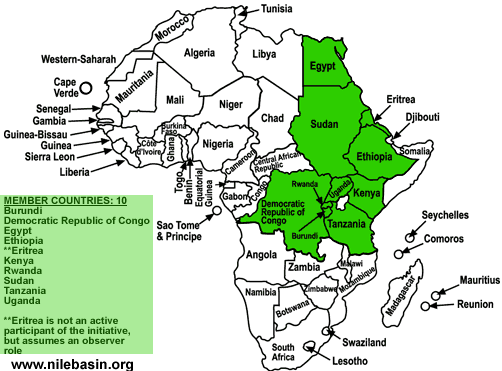
All Nile Basin Countries, Russia, and China Must Be Invited to Trump’s GERD Negotiations The Math Doesn’t Add Up: Ethiopia Faces 5-to-1 Pressure I read the Jan 16, 2026, White House letter to President El-Sisi. I’m using the words on the page. The letter opens with Gaza praise, then pivots straight into the Nile and calls it “The Nile Water Sharing,” “once and for all.” Then it drops three phrases that carry real weight in negotiations: 1.“A strong United States role in monitoring and coordinating between parties.” 2. “Predictable water releases during droughts and prolonged dry years for Egypt and the Sudan.” 3. “No state… should unilaterally control the precious resources of the Nile, and disadvantage its neighbors…” That language is not neutral. It’s a frame. Now look at the CC list, because the CC list is the room. Saudi Arabia is copied. The UAE is copied. Ethiopia and Sudan are copied. Count the leverage around that table: US + Egypt + Sudan + Saudi + UAE versus Ethiopia That is 5-to-1 pressure before anyone even sits down. If you say “Nile Basin Nations,” and " Water Sharing," then invite the Nile Basin Nations Saudi Arabia and the UAE are not Nile Basin riparians. They contribute no basin flow. Yet they are placed inside the process, while most actual Nile Basin countries are not even mentioned. If this is truly “a lasting agreement for all Nile Basin Nations,” then where are the rest? A real basin table includes the full basin family: Ethiopia, Sudan, Egypt, Uganda, Kenya, Tanzania, Rwanda, Burundi, South Sudan, DR Congo, and Eritrea as an observer if needed. You cannot call it basin-wide while inviting non-basin brokers and excluding basin states. That is not mediation. That is choreography. The hydrology doesn’t lie People can argue politics forever. They cannot argue physics. The Ethiopian tributaries, Abay (Blue Nile), Sobat, and Atbara contribute the overwhelming share of the flow measured downstream at Aswan, commonly summarized as about 85 percent, while the White Nile contributes roughly 15 percent. So when non-basin countries get seats while basin countries are locked out, it is not water sharing. It is influence sharing, and Ethiopia is expected to carry the cost. Even this letter admits Ethiopia has water needs too, not just Egypt and Sudan. Fine. Then act like it. A basin file must be treated like a basin file. UAE: business ties are not official support Yes, Ethiopia and the UAE have economic and political ties. Usually, Abu Dhabi speaks the language of mediation. But on the GERD file, Arab and Gulf bloc statements repeatedly center Egypt and Sudan’s “water security” framing. The evidence speaks for itself. In March 2020, Ethiopia’s Ministry of Foreign Affairs rejected an Arab League resolution on GERD as “blind support” for one member state. The UAE did not publicly distance itself from that bloc position. In June 2021, GCC foreign ministers, including the UAE, issued a statement prioritizing Egypt and Sudan’s water security and welcoming the Arab League line against “unilateral measures” that undermine Egypt and Sudan’s rights in the Nile. That tells you what the UAE is on this file: a transactional broker. Brokers follow interests, not justice. Gaza first, Nile next: transactional diplomacy is back The letter starts with Gaza, then pivots to the Nile. That’s how transactional politics works: files get linked, favors get traded, pressure gets packaged as peace. Egypt has leverage in Gaza. Ethiopia does not. Ethiopia must never allow the Nile to become a payment method for Middle East politics. Ethiopia is not a bargaining chip. The Nile is not a prize to be traded. GERD is not a favor. Ethiopia does not need permission to operate it. The trap words are “monitoring,” “coordination,” and “drought” “Monitoring and coordinating” sounds harmless until it isn’t. In diplomacy, monitoring can quietly become permission, and coordination can quietly become control, especially when Ethiopia is outnumbered. Now add the word “drought.” In these negotiations, drought is not just weather. In draft texts Ethiopia has seen before, “drought” and “prolonged dry years” get turned into technical triggers that force additional releases. That is how quotas sneak in through the back door, without ever using the words “historic rights.” Here is the deeper trap. If drought is defined against a historical downstream baseline, then any Ethiopian development gets framed as “drought.” If Ethiopia expands irrigation for food security, or builds additional power dams and regulates flows differently, Egypt can point to the reduced flow and say “drought.” Then the trigger clauses activate, and Ethiopia is forced into predictable releases and emergency mitigation, not because nature failed, but because Ethiopia developed. That is the purpose of the drought vocabulary: freeze Ethiopian development without writing a quota. Ethiopia’s response should be calm and non-negotiable. Two demands should be made immediately. Demand 1: Invite all Nile Basin countries. If the letter says “all Nile Basin Nations,” prove it. Bring them all. Demand 2: If outsiders are included, balance the outsiders. If Saudi Arabia and the UAE are included despite being non-basin states, then Ethiopia has every right to insist that China and Russia are included as well, at least at the observer or guarantor level. This is not ideology. It is balance. A widened table cannot be widened only with U.S. partners and Gulf pressure tools. Cooperation without surrender Ethiopia can coordinate on drought without signing away sovereignty. A fair framework means transparent basin-wide data, trigger-based drought coordination based on real inflows and reservoir levels, no permanent quotas, and no foreign supervision. Power trade is normal economics. If Egypt and Sudan want electricity, buy it. Sign PPAs. Pay market rates. Integrate grids. Build regional growth. But nobody supervises Ethiopia’s river like Ethiopia is renting the Abay. #Egypt #Sudan #SouthSudan #Ethiopia #Eritrea #Uganda #Kenya #Tanzania #Rwanda #Burundi #DRC #China #Russia #UAE #Saudiarabia @AbiyAhmedAli @AlsisiOfficial #SaudiArabia
The Asrat Blog tweet media
English
29
66
206
15.9K
Samuel
Samuel@Keneni·
@HanyIbrahim17 You relied on the principle “until the opposite is proven” to support your argument regarding the camp; the same standard should therefore be applied to your argument on water shortage.
English
1
0
0
36
Hany Ibrahim
Hany Ibrahim@HanyIbrahim17·
@Keneni What you said is ridiculous and incorrect, and it has nothing to do with the tweet anyway. Wait for the next tweet about what could actually be the camp.😊
English
1
0
0
27
Hany Ibrahim
Hany Ibrahim@HanyIbrahim17·
بعيد عن مدى صحة تقرير ايكاد عن موقع المخيم او المعسكر بالحدود الاثيوبية والقريب من الحدود السودانية لاني لدي بعض الملاحظات التي قد تدعمه وايضا تنقده لكن رأيي الى ان يثبت العكس منذ بدء تداول انباء عن مسألة المعسكر يحتمل جزء منها صحيح"الخلاف عل الموقع"وجزء اخر لتشتيت الجيش السوداني
العربية
2
1
9
640
Samuel
Samuel@Keneni·
@HanyIbrahim17 @RenaissanceDam Water-sharing principles are based on the annual flow of the river, not the total rainfall in the contributing countries. Rainfall is only considered indirectly when assessing a country’s needs or contributions. So 🇪🇹 is willing to deal only on the available annual flow.
English
0
0
1
47
Hany Ibrahim
Hany Ibrahim@HanyIbrahim17·
@RenaissanceDam that 900 bcm of rainfall fall on Ethiopia, 40 bcm of groundwater, & other rivers. We are negotiating for only 49 bcm - Blue Nile-.Therefore, I don’t think Ethiopia would get a share if those vast resources were considered, referring to the significant benefits Ethiopia receives.
English
5
1
0
525
The Asrat Blog
The Asrat Blog@RenaissanceDam·
Egypt’s Irrigation Minister previously stated that Ethiopia’s share of the Blue Nile is zero. Zero. A country with zero contribution of nile is trying to bully and dictate terms to the source country that supplies about 87% of the Nile. How is Ethiopia even sitting at the same table negotiating with these people? I ran the numbers. Engineeringly. Scientifically. I will post my research paper on SSRN this week, one of the top platforms for scientific research papers. Ethiopia’s share of the Blue Nile will surprise you. Egypt’s too. Wait 3 days. #Ethiopia #Eritrea #Uganda #Tanzania #Kenya #Rwanda #Burundi #DRC #SouthSudan #Sudan #Egypt #RenaissanceDam #GERD #BlueNile #Nile #Ethiopia #Egypt #Sudan #Hydropower #EnergySecurity #WaterSecurity #TransboundaryWaters #EquitableUse #BenefitSharing #CFA #Africa #EastAfrica #GlobalSouth #SSRN #Engineering #Research
English
16
33
116
14.1K
Hany Ibrahim
Hany Ibrahim@HanyIbrahim17·
@SisayAlemayeh10 This gives no right to take unilateral actions without an agreement. The discourse surrounding the Ethiopian dam #GERD disregards both technical and legal realities, as all measures taken so far have been unilateral.
English
2
1
2
363
Sisay Alemayehu
Sisay Alemayehu@SisayAlemayeh10·
The Nile : Science, Cooperation, and Shared Responsibility #Egypt #Africa #Ethiopia #GERD #Nile #Sudan #CairoWaterWeek #مصر #نهر_النيل #اثيوبيا Egypt’s Prime Minister recently described the Nile as an “existential issue that cannot be compromised,” while also affirming that “water should not be a cause of conflict but rather the foundation for cooperation and life.” These two ideas, though well-intentioned, reveal the very tension that has defined Nile Basin discourse for decades the conflict between fear based ownership and science based cooperation. From an engineering and hydrological standpoint, the Nile is not a gift granted by any one nation. It is a shared ecosystem, replenished annually by rainfall that occurs predominantly in the Ethiopian highlands and the equatorial lake regions. Over 85% of the Nile’s flow originates outside Egypt’s borders a hydrological fact that should guide collaboration, not division. The Grand Ethiopian Renaissance Dam (GERD) represents this modern understanding of the basin. Designed not to harm but to harmonize, it regulates extreme floods, enhances dry-season flows, and creates a platform for regional energy and food security. When managed cooperatively, GERD is not a threat it is a regional infrastructure for resilience. It is time to move beyond outdated “water share” claims and toward a Nile Basin Partnership Framework rooted in data, equity, and sustainability. The Nile can either remain a symbol of fear, or it can become a model of African integration and technological cooperation. True leadership today will be measured not by historical entitlement, but by the courage to modernize water diplomacy allowing science, not suspicion, to lead the way. @Grand_GERD @GerdGicc45007 @mowe_ethiopia
Sisay Alemayehu tweet media
English
1
3
5
1.2K
Samuel
Samuel@Keneni·
@HanyIbrahim17 DOP not stipulated as you said. Crucially, the DOP does not contain language that obliges the parties to conclude a legally binding water allocation or dam operation treaty. Instead, it encourages them to negotiate such an agreement in good faith. If U think so, state the Art.
English
0
0
0
6
Hany Ibrahim
Hany Ibrahim@HanyIbrahim17·
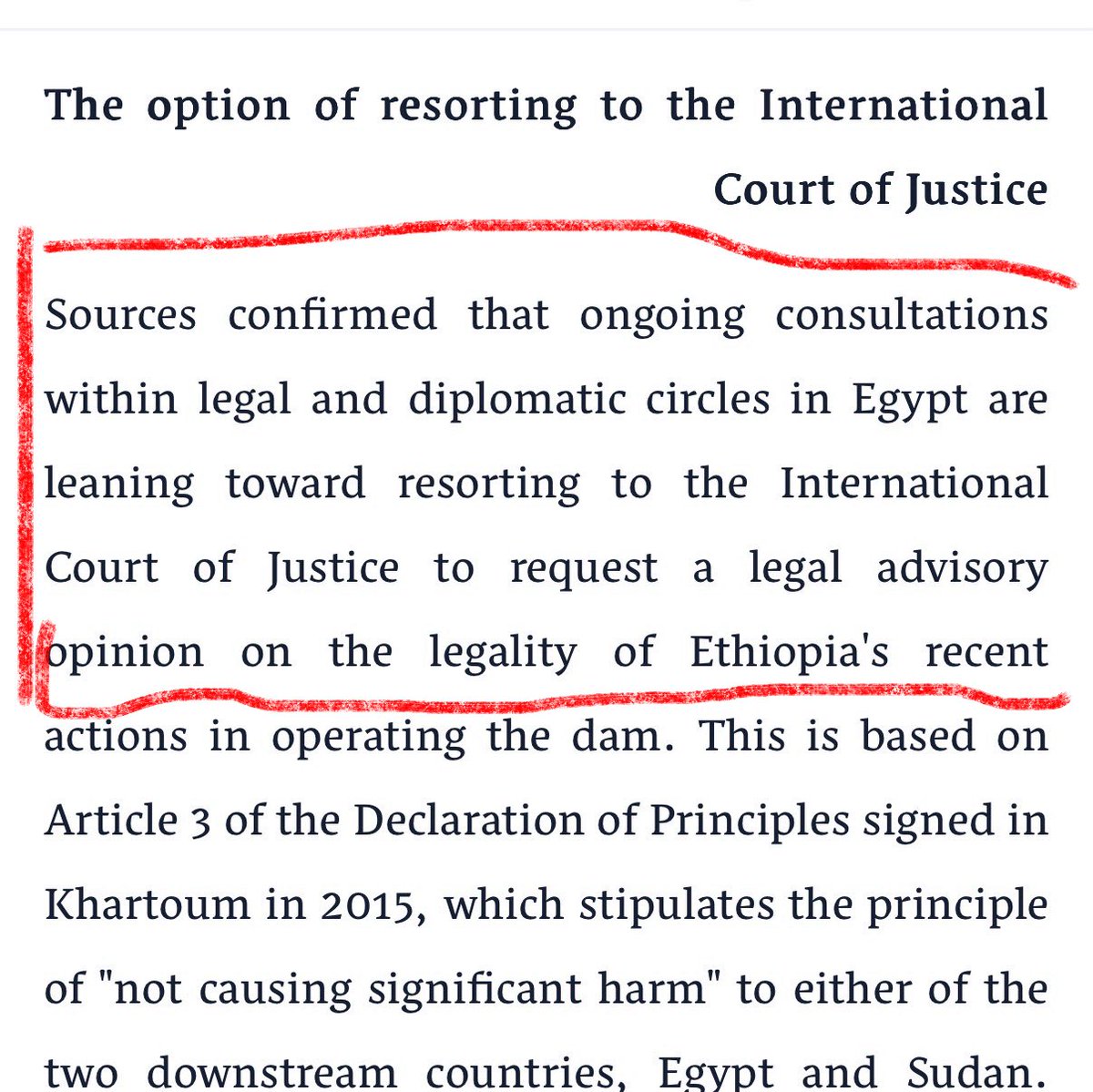
1. The DOP clearly stipulates the need for an agreement before the filling and operation of the dam #GERD. Ethiopia participated in the Washington negotiations & even submitted a draft agreement, and the issue was also discussed at the UN Security Council in 2020 before
The Asrat Blog@RenaissanceDam

Title: My Counterarguments to Egypt's Official GERD Claims (Sept–Oct 2025) Introduction Egypt's government has saturated the debate with claims that misstate the law, the hydrology, and even the operating facts at GERD. I am answering personally, claim by claim, using only primary sources: Egypt's 9 Sep 2025 letter to the UN Security Council and Ethiopia's reply, the 2015 Declaration of Principles (DoP), Sudan's official flood bulletins, and GERD's own control room and design material. No slogans. Just the treaty text, the gauges, and the physics of a run of river hydropower project. Claim 1: "DoP requires a binding agreement before filling and operation; Ethiopia's inauguration was unlawful." Egypt (verbatim): Egypt tells the UN Security Council that the DoP “obliges Ethiopia to conclude a legally binding agreement… before the commencement of such filling and operation.” What the DoP actually says (text on record): Principle V says the three States will agree “on guidelines and rules for the first filling and annual operation… in parallel with the construction of the Dam.” There is no word “binding” in Principle V and no requirement to finish an agreement before operation. Ethiopia’s filed reading of the DoP: “Construction and filling are simultaneous processes, as clearly provided under the [Declaration of Principles]. Any argument to the contrary is an attempt to defy the Agreement.” Bottom line: The word “binding” and the phrase “before the commencement” are Egypt’s additions in its UNSC letter, not the DoP’s text. The DoP’s operative rule is parallelism, not prior consent. Claim 2: "GERD is unilateral and illegal; an existential threat to 150 million downstream." Egypt (verbatim): GERD poses an "existential threat to the rights and interests of the 150 million citizens of… Egypt and the Sudan." Counter: Modern basin law exists. Ethiopia points Egypt to the Cooperative Framework Agreement (CFA), which entered into force on 13 Oct 2024, codifying equitable and reasonable use. Equity, not a colonial quota or veto, is the baseline. Ethiopia also calls out Egypt's "absurd claim" that aridity blocks upstream use and notes Egypt's alternatives: substantial groundwater, desalination, and curbing waste. Scarcity at home is not a license to monopolize a transboundary river. Bottom line: "Existential threat" is politics. Equity plus Egypt's alternatives deflate the narrative. Claim 3: "Uncoordinated operation creates highly variable flows and foreseeable harm." Egypt (verbatim): the ICJ duty to prevent harm "applies fully where the risk of future significant harm exists," and GERD's "uncoordinated" operation creates "highly variable and uncertain" downstream flows. Counter: Foreseeability cuts both ways. Ethiopia replied that the same principle "would entail liability for Egypt" for decades of unilateral, monopolistic use. You cannot make foreseeability one way. Coordination with Sudan exists on paper and in practice: the Ethiopia–Sudan operating note sets a daily floor of ≥ 300 m³/s and a day to day ramp limit of ± 250 to ± 350 million m³/day, with daily data exchange. That is written regulation, not "uncoordinated dumping." Sudan's own bulletins show late Sept to early Oct flows were multi source: the Blue Nile fell while the White Nile stayed high, and Sudan's dams routed large volumes. Example: 8 Oct 2025 : Blue 135 vs White 240 million m³/day; Merowe 635 million m³/day. 30 Sep: Blue 633; Sennar 706; Merowe 750 million m³/day.. Helpful decoder: 1 Mm³/day = 11.574 m³/s; a ±250 to ±350 Mm³/day ramp equals an allowed day-to-day change of about 2,894 to 4,051 m³/s. Bottom line: The only day by day dataset on the table is Sudan's, and it fits the floor/ramp logic while the White Nile drove the late flood tail. Claim 4: "Ethiopia dumped water after inauguration; the big daily swings prove it." Narrative: ministry graphics and social posts cite large late September daily volumes as proof of haphazard "dumping" but provide no raw table with dates, reservoir level, total release, turbine MW, and gate status. Counter: Plant receipts beat captions. GERD's control room tiles show multi GW generation and per unit flows entirely consistent with water passing turbines, not just gates. Upper units run near 400 MW at about 335–343 m³/s with a net head of around 129–134 m; lower units run near 300 MW at about 275 m³/s with a head of around 118–126 m. That is textbook hydropower operation. At the same time, Sudan's bulletins recorded high White Nile inflow and large Sudanese dam discharges. That is system routing of a seasonal crest, not a one cause "dump." Challenge: If the Egyptian ministry has a full day by day table, post it. Until then, a curve without data is uncorroborated. Bottom line: HMI power plus per unit P–Q plus Sudan's numbers beat a Facebook figure without a dataset. Clarification: the ministry posted a statement and a plotted figure with headline numbers; they did not publish a machine-readable day-by-day dataset. Claim 5: "GERD steals water and consumes Egypt's share." Counter: GERD is a hydropower plant. Ethiopia's UN filing spells it out: the dam "releases water to Sudan and Egypt after hitting turbines to generate electricity." Hydropower shifts timing; it does not consume the river. Bottom line: Power in, water out—no theft in a through flow scheme. Claim 6: "The project is unsafe and opaque." Counter: The saddle dam is a concrete faced rockfill structure with state of the art design; the International Panel of Experts affirmed that studies meet recognized standards. Ethiopia shared 153 technical documents and filling data; Egypt itself blocked primary data collection for the joint transboundary study while insisting on "existing use" as baseline. These points are on the UN record. Bottom line: Safety was vetted, documents were shared, and Egypt helped stall the very fieldwork it now invokes. Claim 7: "Cutting from 16 to 13 turbines proves failure; annual energy will collapse." Counter: Ethiopia formally restructured to 13 turbines totaling about 5,150 MW. GERD's annual energy is water limited, not turbine limited; planning figures and independent summaries place long run generation in the mid teens TWh even after the redesign. Per unit operating snapshots match spec: around 400 MW at ~335–343 m³/s (upper units) and about 300 MW at ~275 m³/s (lower units). Ethiopia also reported roughly $210 million in capex avoided by scrapping three turbines. Bottom line: Same river, same water budget , annual GWh are water-limited, so fewer turbines raise utilization without reducing long-run energy. Principle V contains no word “binding” and no requirement to finish an agreement before operation : it says rules are agreed “in parallel with the construction of the Dam.” Claim 8: "The UNSC must stop Ethiopia; this is a peace and security case." Counter: The DoP and Ethiopia's submissions place the process in the AU track, with mediation or referral to Heads of State provided there. Forum shopping does not convert consultation into a downstream veto. Bottom line: Keep it where the treaty language put it: the African track, not the Security Council. #GERD #Abbay #BlueNile #Ethiopia #Egypt #Sudan #Hydropower #DoP2015 #CFA #AU #UNSC #DataOverPropaganda @MoeteEg
English
2
1
7
1.2K
Hany Ibrahim
Hany Ibrahim@HanyIbrahim17·
@RenaissanceDam The flow rate published by the Ethiopian minister @HItefa @mowe_ethiopia for September (8188 mcm), if compared with what was released only during the period from Sept 18 to 30(8739 mcm), would indict Ethiopia and justify claims for compensation, as it deliberately caused harm.
English
2
2
11
917
The Asrat Blog
The Asrat Blog@RenaissanceDam·
Title: Are they really going to the ICJ for a fake flood? I think Egypt flooded itself. But it forgot the timing. Big mistake. Their iCJ dream has ruined! 1) Quick story. Sudan declared flood emergencies around Sep 27 to Oct 1. Serious situation. A couple of days later, Egypt said “Ethiopia flooded us” and started talking ICJ. Now the funny part. 2) Timing 101. Water is not a Boeing. River waves typically move at a few km/h. That is Khartoum to Atbara 1 to 5 days, Atbara to Wadi Halfa 5 to 12. Then the giant Lake Nasser spreads and slows the wave. In practice, weeks, not 2 to 3 days to flood the Delta. 3) The 2022 Ethiopia–Sudan operating rules. Ethiopia and Sudan agreed in 2022 on day‑to‑day safeguards for flood season. Two simple checks protect Sudan’s system, especially Roseires and Sennar. • A continuity floor of about 300 m³/s, which is about 25.9 million m³ per day, always delivered to Sudan. • A cap on how much the total release can change from one day to the next, about plus or minus 250 to 350 million m³ per day. This is designed to prevent shocks at Sudan’s dams. With these rules in place, GERD is not a threat to Roseires. It buffers, it does not blast. 4) What actually crested. Sudan’s own warnings named both the Blue Nile and the White Nile. Also, two seasonal Ethiopian tributaries that join the Blue Nile inside Sudan and are not related to GERD: Dinder and Rahad. In wet months they can add about 3 to 7 percent of the Blue Nile flow and worsen flooding in Sennar and Gezira. This is local Sudanese hydrology, not a GERD button. 5) Check the chart. Flood months are smaller after GERD. July minus 64 percent. August minus 83 percent. September minus 32 percent. The annual total is basically flat. That is what a storage hydropower dam does: shave the crest and support the dry months. Look at the attached chart yourself. After GERD, September on the Blue Nile decreased from 11,966 to 8,188 million m³. 6) Egypt’s options. Egypt sits behind High Aswan Dam. If levels rise, Toshka can route water toward the desert. Claiming “Ethiopia flooded us” two or three days after Sudan’s crest ignores physics and reservoirs. It reads like theater, not hydrology. 7) My opinion. I think Egypt flooded itself on wrong timing to blamed Ethiopia. Rivers run on days and weeks, not on press conferences. Water is not a jet. Sudan flooded, yes. But timing physics says weeks. Dinder and Rahad boost Sudan’s crest and are not controlled by GERD. The chart shows smaller flood peaks after GERD. Numbers beat noise. When Egypt saw Sudan flood, it tried to blame Ethiopia and forgot the timing. Big mistake. Their iCJ dream has ruined! #Ethiopia #GERD #Abbay #BlueNile #Sudan #Hydrology #ICJ #DataNotNoise #Egypt
The Asrat Blog tweet mediaThe Asrat Blog tweet media
English
3
13
35
6.9K
The Asrat Blog
The Asrat Blog@RenaissanceDam·
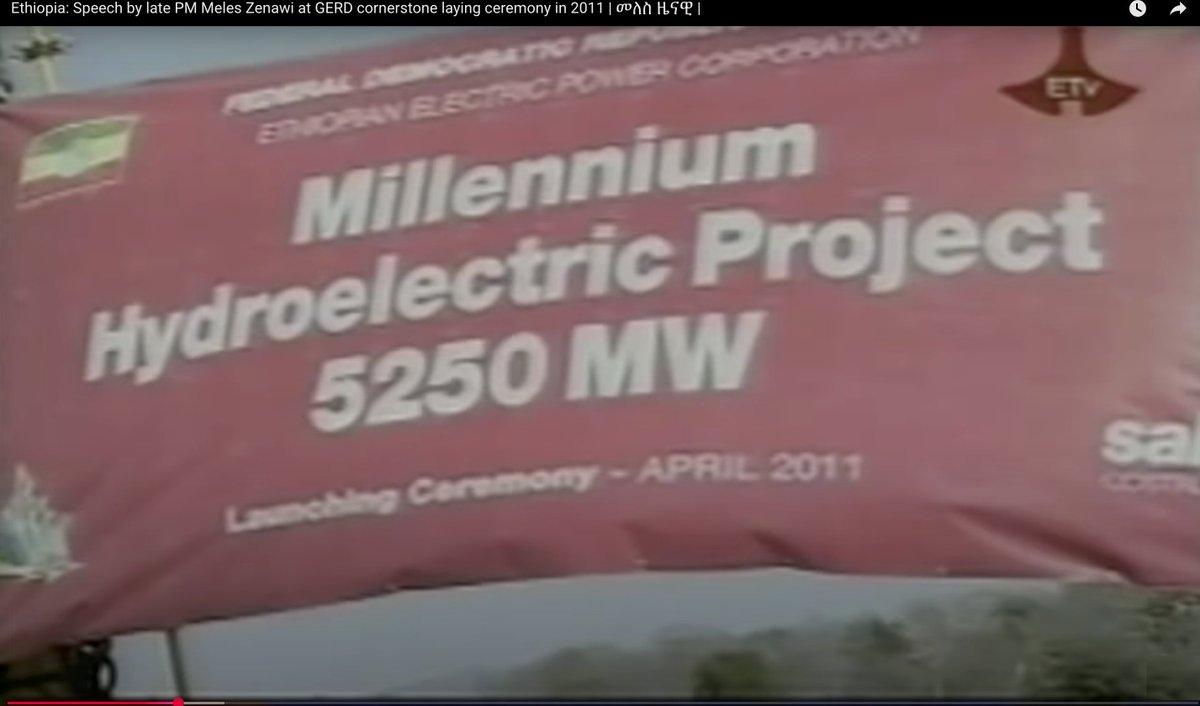
GERD Turbine Change: Timeline and Why 1. Apr 2011: Project launched. Public talk was about ~6,000 MW. Inside the layout, the plan showed 16 Francis units: 14 × 400 MW + 2 × 375 MW ≈ 6,350 MW. Goal: chase high peak capacity. 2. 2013: Electromechanical plan set with European suppliers to build 16 units. Goal: execute the original high‑capacity concept. 3. Aug 2018 : Ethiopia removed METEC from the electro‑mechanical scope and ordered a full technical review. Why: delays, quality concerns, and a need to reset schedule and cost. 4. Oct 2019: Project leadership announced a shift to 13 turbines, total 5,150 MW (11 × 400 MW + 2 × 375 MW). Why: hydrology and efficiency. Annual energy is limited by water and head, not by installing extra machines. Fewer units raise utilization and cut complexity. 5. Technical takeaway: Peak power fell by 1.2 GW (6,350 to 5,150 MW). In average and dry years, annual energy is about the same because the river and lake level set the total. Sixteen units would only add a small extra slice in rare, long, full‑lake wet peaks. 6. My conclusion from the article • Typical years: ~0 to 1 percent difference in annual energy between 16 and 13 units. • Very wet year: if the extra 1.2 GW runs for 30, 60, or 90 days, that is roughly +3, +7, or +10 percent for that year. • Peak power is 1.2 GW lower now. At a high lake, the 16‑unit concept could pass about 1,000 to 1,400 cubic meters per second more through the turbines. • Units 9 and 10 (low level) keep generation going deeper into the dry season, which is a big reason 13 units still make engineering sense without any dam in upstream. Technically, if Ethiopia builds more storage upstream, those dams can regulate flows by holding part of the flood and releasing it gradually. That would make inflow to GERD steadier. In that case, a larger turbine count like 6,000 MW could be used more often. But as of today, with only GERD in place, the river is still highly seasonal. That is why 13 turbines are the right match for the actual flow and storage we have now. #GERD #Ethiopia #Nile #Hydropower #Energy #Engineering #Infrastructure #Electricity #RenewableEnergy #BlueNile #Development #PowerGeneration #CleanEnergy #MegaProjects #SustainableDevelopment
English
5
7
35
3.8K
Samuel รีทวีตแล้ว
Tibor Nagy
Tibor Nagy@TiborPNagyJr·
My @CNNInternatDesk interview on Grand Ethiopian Renaissance Dam - one item I mention is that in today's world Egypt can no longer claim 100% control over the Nile when it doesn't contribute one drop of water into the river. video.snapstream.net/Play/83wkZoh5i…
English
169
304
1K
43.3K
Samuel
Samuel@Keneni·
@HanyIbrahim17 For Ethiopia, the project is about both water and energy security. Reaching a fair water-sharing agreement with Egypt is in the interest of both nations.
English
0
0
0
45
Hany Ibrahim
Hany Ibrahim@HanyIbrahim17·
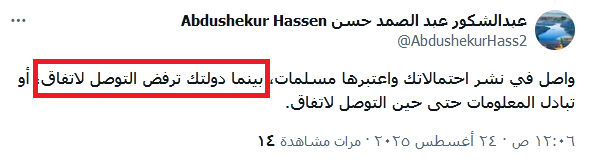
سبق واخبرتك إثيوبيا هي من ترفض اتفاق قانوني ملزم للسد #GERD الامر بمنتهي البساطة لو هدفك الكهرباء ما المانع من توقيع اتفاق يضمن لك الكهرباء ولنا المياه اما رفضك وطلبك حصة!! للسد الحدودي مع السودان هل لديك تفسير له 🤔 ام هناك مطامع في الجزيرة او مساومة على الفشقة؟
Hany Ibrahim tweet media
Abdushekur Hassen عبدالشكور عبد الصمد حسن@AbdushekurHass2

@HanyIbrahim17 وأنت ما الذي يجعلك تشترط وتلزمني بما لا دخل لي به؟ وتدعي بأن لك حقوق تاريخية أو مكتسبة. بأي حق أو قانون تدعي الوصاية على النيل ودوله؟ الماء حق مشاع لدول الحوض، فما الذي يميز مصر علي الآخرين؟ غيرو من طريقة تفكيركم وأسلوب تعاملكم مع الآخرين، وتعالو إلى منبر مشترك يتساوى فيه الجميع.

العربية
5
7
65
2.7K