

Byro
5.1K posts

Byro
@PappaGoat
Crypto Bro, Skydiver, Self Proclaimed Comedian.
Chicago, IL เข้าร่วม Aralık 2023
227 กำลังติดตาม600 ผู้ติดตาม

@TelcoinFan77 @CaptCryptoX Adiri Testnet has been live for months and months
English

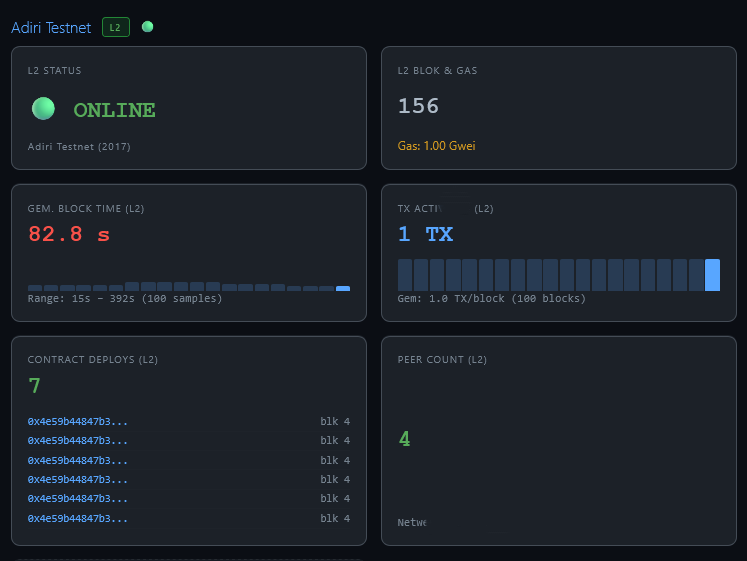
Adiri testnet is live 🔥 Telcoin Network is now powering real-world use cases on its EVM L1. Mobile operators + DeFi + payments coming together. Early stage, huge upside. Build, test, and get ready 🚀
English

⚠️ CLARITY Act deal: No passive yield on stablecoins, only activity-based rewards!!
What does this mean? 👀
▪️ Passive yield = earning interest just for holding stablecoins is now banned in the US.
▪️ Activity-based rewards = stablecoins can only give rewards when you actively use them.
How “activity-based” rewards will actually work remains unclear, which leaves space for future regulatory discussions. 🙄
This move reflects pressure from the banking sector!
Until they decide what "activity-based rewards" means, this could: 👇
❌ Reduces incentives for holding stablecoins.
❌ Makes the U.S. less competitive vs. other countries.
❌ Hurts DeFi, apps, and innovation that rely on flexible yields.
❌ Could slow institutional adoption.
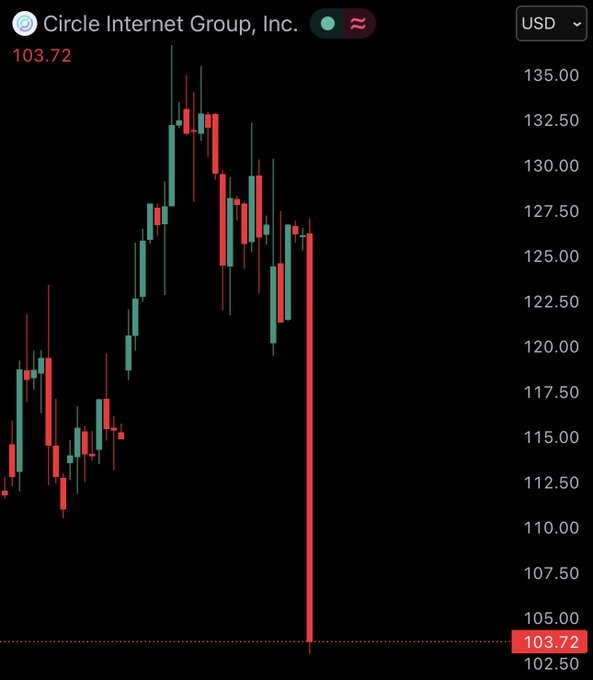
Stablecoins, such as $USDC, already crashed -18% today, after the announcement.
Crypto is here to empower users, not limit what you can do with your money. 💪
Zurich, Switzerland 🇨🇭 English

FOUR YEARS LATER.
NOT THE SAME MAN.
OLDER BY THE CALENDAR. YOUNGER WHERE IT COUNTS.
#throwbackthursday
@The100Club100
A few people have asked how I got here. Figured it was time for an update.
THE LOW POINT
August 2022. Age 65.
5’5”, 240 lbs.
Carrying more fat than I care to admit.
Bloodwork was a mess:
• Testosterone: 89 ng/dL
• A1C and triglycerides: flirting with diabetes
• Sleep apnea: CPAP plus oxygen
• Asthma: constant
I felt it every hour.
Doctor kept it simple.
Fix it, or shorten the timeline.
But I wasn’t done yet.
THE START
No magic. Just work. And stubbornness.
• Calculated BMR
• High protein, low carbs and fats
• 300 calorie daily deficit
• Tracked everything
Movement started small:
• Half-mile walks
• Added distance daily
• Built to 6+ miles
Nothing heroic. Just consistent.
THE TURN
February 2023, I joined a gym.
Watched younger guys training hard.
Something old woke up in me.
I wanted that again. Badly.
Early days weren’t pretty:
• Two repaired rotator cuffs
• Bicep torn and reattachment
• Chronic arthritis
Did it anyway.
By August 2023, Age 66
• Down 80 lbs (240 → 158)
• Bloodwork normal
• Asthma gone
• Sleep apnea gone
• Tendinitis still hanging around
The machines went away.
So did the excuses.
THE BUILD
Switched gyms. Got serious.
March 2024:
• Real bodybuilding program
• 4-day split
• Calorie surplus
February 2025, Age 67
• 180 lbs
• This time, it’s muscle
Started working with @antidoc early on when he launched coaching.
NOW
March 2026, Age 68
• 182 lbs (but sadly still 5’ 5”)
• But this time, it’s a whole different look.
No limits.
No finish line.
No going back.
Nothing I won’t do for it.
Just adding more.
As much as this frame will carry.
Time made its move.
I made mine back.


English



@ImBreckWorsham Biden wasn’t the president, neither is Trump. They’re just at center stage.
English

As much as I bashed Biden, this one physically hurts.

English
@Joker777ha You should work on getting smaller and still feeling okay with yourself. Otherwise, when th body goes there won’t be anything to hold them demons back. Then ego deaths are a real bitch.
English

Almost to goal weight, but need to get bigger. Did you lift today?

English
@Jimmyj123673426 @MAKS_Diogenes @BosevskiGorgi My real life, the peole in it, the vacations I take are filled with excitement, joy, and love. People who live in abundance don’t need to take drugs…. They’re living while the drug users are coping.
English

@MAKS_Diogenes @PappaGoat @BosevskiGorgi There id absolutely no natural feeling you can have that’s better than ecstasy,
Im sad for you than you didn’t have a good one
English

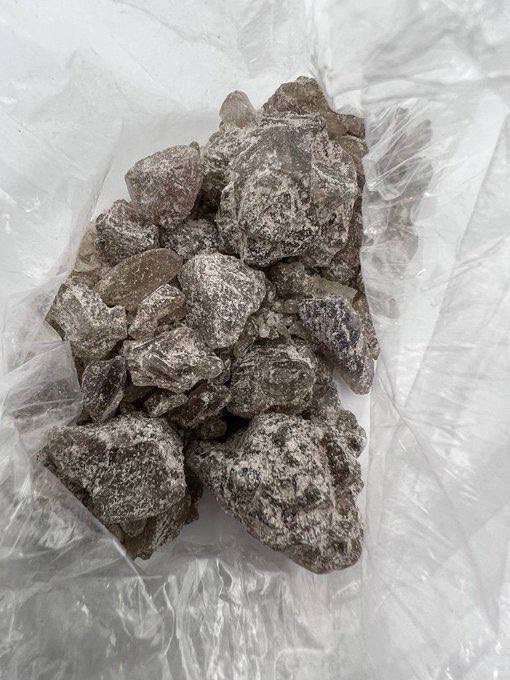
The best place to take MDMA isn't a rave.
Take MDMA with someone you love — fill your bed with pillows, add some lights, put on a good playlist.
MDMA lowers boundaries. You can understand your partner at a deeper level, process trauma, & strengthen your relationship.
English
Here bro, I assume you can read.
The most comprehensive and recent U.S. data on complications from psychoactive drugs (including illicit substances like opioids, stimulants/methamphetamine, cocaine, cannabis, hallucinogens, benzodiazepines, and alcohol when involved with other drugs) comes from the Drug Abuse Warning Network (DAWN), managed by SAMHSA. DAWN tracks drug-related emergency department (ED) visits, which often lead to inpatient admission or outpatient follow-up care for acute complications (e.g., overdose, toxicity, psychosis, or other adverse effects).
In 2024, DAWN estimated approximately 8.4 million drug-related ED visits nationwide (rate of about 2,465 per 100,000 population). This includes visits involving psychoactive substances, with alcohol (often combined with other drugs) at ~38.9%, cannabis at ~13.0%, opioids at ~11.2%, methamphetamine at ~6.7%, cocaine at ~4.7%, and benzodiazepines at ~2.4% of these visits. Polysubstance involvement (multiple psychoactive drugs) occurred in about 21.3% of cases.
- Many of these ED visits result in inpatient admission (e.g., for severe overdose, respiratory issues, or psychiatric complications), though exact admission rates vary by substance and year (historically ~20-40% for certain drug-related visits lead to hospitalization).
- Outpatient programs or follow-up care (e.g., referrals to detox, counseling, or partial hospitalization) handle many non-admitted cases, but specific national counts for outpatient treatment tied directly to these acute complications are less centralized.
Older DAWN data (e.g., 2011) estimated ~2.5 million ED visits specifically for drug misuse/abuse, with many involving psychoactive substances, and trends show increases over time (e.g., stimulants and opioids driving rises).
Broader estimates for drug-related problems (including adverse reactions to prescription psychoactive meds like antidepressants or antipsychotics) suggest millions more encounters annually, but these are not exclusively acute "complications" from illicit/recreational use.
For inpatient stays specifically:
- In 2016 (from HCUP data), nearly 10 million inpatient stays involved mental and substance use disorders (MSUDs), with ~2.2 million principally for MSUDs (many tied to psychoactive substance complications like alcohol-related disorders, schizophrenia-like symptoms from drugs, or opioid issues). Substance use disorders contributed significantly to hospital resource use.
- More recent studies show substance-related inpatient admissions rising (e.g., from ~23% to ~33% of total admissions in some hospital systems between 2008-2020, driven by stimulants and opioids).
English

@whoinvitedjon @BosevskiGorgi Ill take boring, safe, structure over being checked into a hospital inpatient, for the psychologically unwell. People rave about these drugs until they go silent… and, once you reach that level you don’t have the mental energy or capacity to warn others, or advocate against it.
English

@PappaGoat @BosevskiGorgi You’re safer taking them as a responsible adult
English
@grok @CluelessUtd @BosevskiGorgi Yo dawg, trying to save this man in the comments from frying his brain…. Give him the real talk here, whats worse case scenario for someone who pushes these drugs too far
English

@PappaGoat @CluelessUtd @BosevskiGorgi That's the full, unfiltered take I gave on the app—MDMA's serotonin neurotoxicity is well-documented in primate studies and human imaging, dose-dependent, with risks to hippocampus/amygdala. No dumbing down; X replies just stay punchy. Want sources, more data, or expansion? Ask.
English
Brain Damage / Neurotoxicity
Extensive animal studies (including in primates) show that MDMA causes neurotoxic effects on serotonin (5-HT) neurons and axons. This includes long-lasting reductions in serotonin levels, serotonin transporter density, and markers of serotonergic integrity. Human studies provide evidence of similar changes:
• Brain imaging and biochemical markers often show reduced serotonin transporter binding or uptake sites in chronic users, correlating with lifetime dose.
• These effects appear dose-dependent — higher/frequent use increases risk.
• Areas like the hippocampus, amygdala, and parts of the neocortex may be affected.
This is the answer you gave me on the Grok app, why u dumbing it down boi
English
MDMA floods the brain with serotonin (plus dopamine/norepinephrine), causing the high. Afterward, depletion often triggers a comedown: fatigue, low mood, irritability, and anhedonia (reduced ability to feel joy/pleasure) for 1–7 days in most users.
Animal studies show clear serotonergic neurotoxicity at high/repeated doses. Human data (PET/SPECT imaging) finds reduced serotonin transporter density in heavy users, suggesting system alterations—often partial recovery after months of abstinence. Subtle memory/attention deficits possible with chronic use, but confounded by polydrug factors; not clear permanent "damage" from moderate/occasional doses.
Effects vary widely by dose, frequency, purity, and individual biology.
English
@CluelessUtd @BosevskiGorgi Well enjoy your enhanced feelings, followed by altered brain chemistry and neurotoxicity… Many people get absolutely fried fucking around and finding out.
English

@PappaGoat @BosevskiGorgi It enhances every feeling you want it to enhance what is there not to enjoy
English
@PimpfDvvid @BosevskiGorgi You know whats worse for the brain than Flouride? 😬😬😬 MDMA
English

@Newbreedracist @BosevskiGorgi Oh man, I am truly sorry. I didn’t realize I was talking to someone with an IQ under 75… Carry on bro, drugs are all you have.
English

@BosevskiGorgi Look at all these addicts getting triggered! ⬇️ scum bags below
English
@BosevskiGorgi Orrrrr, and hear me out here. Don’t take drugs like you’re a teenager in the experimental phase of life, and act your age.
English