
Great read Neil my brother! @dirtpoorrobins
Gavin is very good at presenting as the most reasonable, charitable person in the room
as a rhetorical tool, and I think he’s used it to deliberately obfuscate his real intention. The agenda across all of these dialogues is to get everyone to accept the invisible church and the evangelical gospel as the defining framework of Christianity. Once that frame is established, it works as a get-out-of-jail-free card for any heretical stance a Protestant body might hold. That’s the false dilemma at work: accept the premise or look unreasonable.
From inside that frame he then runs a second move on Orthodox people he speaks to specifically. He positions them to either admit to being exclusivist or ecumenical.
If they land on either side, he wins. It’s an appeal to emotion wrapped in the appearance of charitable dialogue. He’s very good at seeming like the most reasonable person in the room while doing this, which is what makes it so effective.
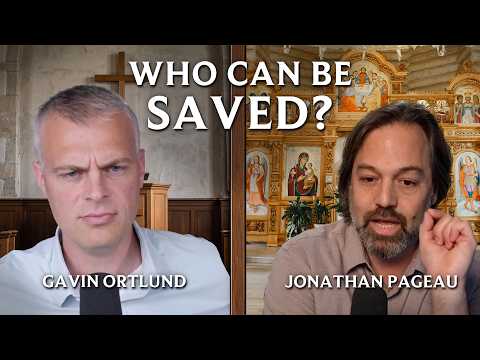
@PageauJonathan didn’t take the bait, and that’s exactly why pushing on Gavin’s specific commitments was the right call. The moment he has to name what he actually believes as a Calvinist, the whole cloak of Protestant unity unravels. And like you said, that’s when the Orthodox position comes through most clearly.
You could actually see where it broke down in real time. When Pageau confirmed that from an Orthodox perspective, Protestants fall into the same category as Hindus, Muslims, and Buddhists, Gavin was visibly taken aback. In his framework, belief in Christ automatically confers a kind of insider status. But Orthodoxy isn’t primarily about belief rendering status. It’s about being like Christ. That’s not one denomination staking a claim. That’s a completely different anthropology, and his framework has no category for it.
English