Jim Thompson
17.3K posts

@Schoolguy
Grandpa,NYS Elementary Prin OTY & NAESP NDP, Co Author-Video Coaching Done Well(Amazon),CollectivEd Fellow, Presenter #TLC2021 #TLC2022 #TLC2023 #TLC2024


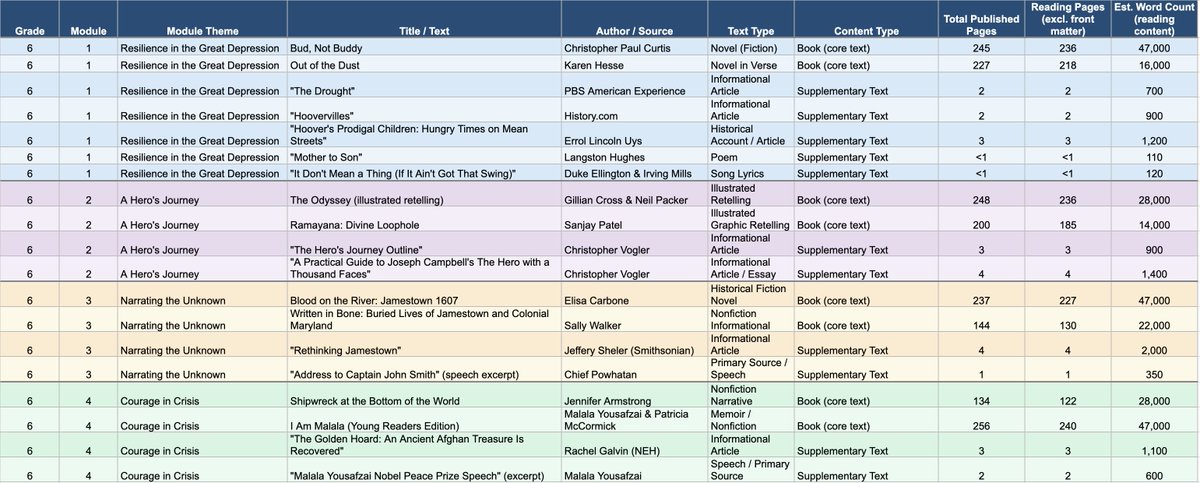
@Doug_Lemov During discussion today, a student said Bud reminded them of Annemarie from Number the Stars—both are navigating difficult situations and making careful decisions to stay safe.

Frankly, I’m surprised it wasn’t more.

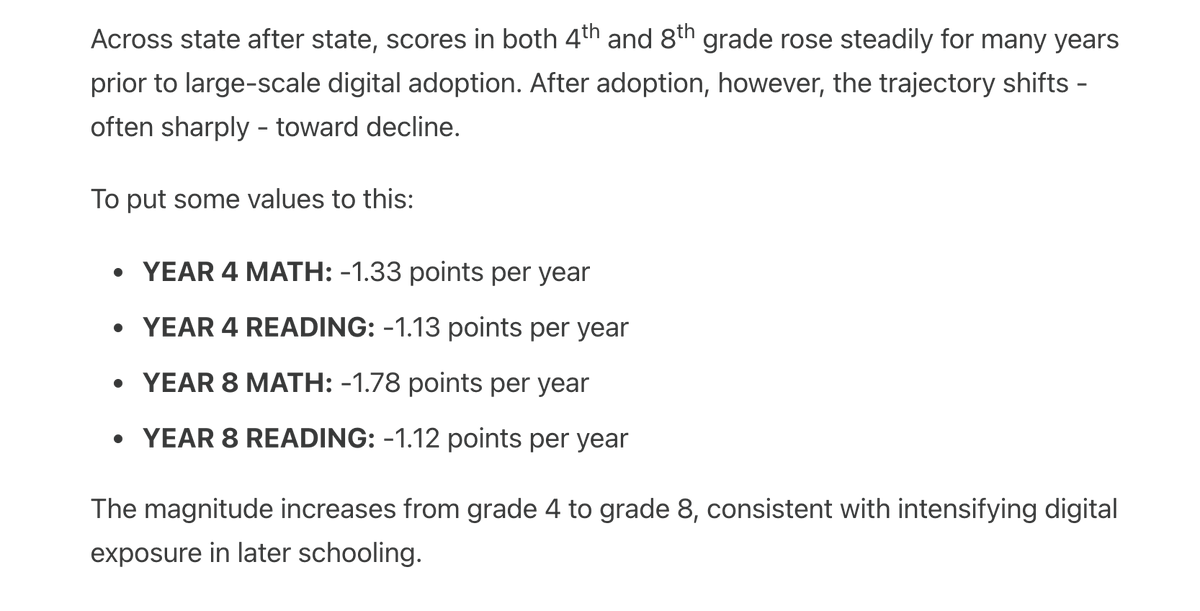
Beware all zealots - digital & anti-digital. We overdid the urging. Now, comes the purging. A responsible curriculum uses a range of technologies - screens, textbooks, literature, original sources for diverse learners. spectator.com/article/textbo… @williamdoylenyc @DianeRavitch


We have all sorts of EdTech PD in my h/school district. In 28 years, we've never had reading PD

Restorative Justice, one of the worst system-level strategies you can imagine. I've lost track of the number of schools I have supported out of this well-meant but destructive model, where behaviour has spiralled out of control because boundaries have become meaningless. This article demonstrates exactly why, and how it happened in the US. It is a cautionary tale for the age. The extraordinary thing is how it was implemented so far and so fast with *almost no credible evidence to suggest that we should*. It was strategy based on vibes. 'This feels right.' It was also yet another triumph of education elites over education experts: no one in school was crying out for this. Nobody was saying 'please make it impossible for us to send students out, or reprimand them, or set boundaries, if they disrupt or harass their peers.' But that's what they got, and they were penalised if they didn't. RJ can be a useful tool. But it's closer to a glass cutter than a screwdriver; it's niche, not the default. educationnext.org/restorative-ju…

You know you should probably get some coaching yourself. I did something about it. Got coached live by @Schoolguy . On camera. In front of an audience. 20 minutes. Three strategies I didn't walk in with. Go watch what that actually looks like. youtube.com/watch?v=IbP3_A…


@Schoolguy @teacherhead @MattTeachCoach @MrZachG Indeed so, Jim.


@Schoolguy @olicav @teacherhead @MrZachG @Doug_Lemov @JonSaphier But over 30 years, we've learned that instruction comes after setting a student-focussed goal. Without the student-focussed goal, you likely won't get sustained implementation.


Time. On. Text. I'm convinced it's one of the keys to literacy anywhere, and it jumps off the page in @ChadAldeman's writeup of Worcester, a high-performing district with a high rate of poverty. The curriculum: built around whole books. The focused practice: whole books. "In grades K-2, teachers devote 150 minutes per day to literacy, divided among 90 minutes of core instruction using Great Minds’ Wit and Wisdom, 30 minutes to foundational phonics skills and 30 minutes for the 100 Book Challenge from the American Reading Company. But what seems different about Worcester is its clarity of purpose. This comes out in a few ways. One, Hamborsky says the district is vigilant about protecting core instructional time for all kids. For example, they wouldn’t take a student away from that time for personalized help or even something like talking with a school counselor. Those things can happen during other parts of the day, but they don’t want any kid to miss out on the time dedicated to building vocabulary and language development. Two, they are religious about giving kids lots of time to practice. This is mostly through the 100 Book Challenge. During the school day, kids are typically reading physical books that help them build phonics skills or engage in sustained independent reading. Students are expected to complete two 15-minute blocks of reading at school — and then read for 30 additional minutes per day at home. This regimen may vary based on the child’s age and skill level, but kids have to log what they read and then have their teacher or parent sign off. Families, in fact, are the third key component of Worcester’s reading plan. At the beginning of the school year, they’re asked to sign a “home coach contract” saying that they will check and monitor their child’s reading. Throughout the year, kids are expected to read for half an hour at home five days a week. Over the course of a 180-day school year, that could add up to 900 extra minutes of practice."