Simone_Cappelli

3K posts

Simone_Cappelli banner
Simone_Cappelli

Simone_Cappelli

@SimoneCappelli6

MD, Resident in Diabetes, Endocrinology and Metabolic Diseases in Pisa, focused on #MASLD, liver and lipidology. Passionate in history, geopolitics, defence.
Pisa เข้าร่วม Ocak 2021
621 กำลังติดตาม219 ผู้ติดตาม
Simone_Cappelli รีทวีตแล้ว
Daniel J Drucker
Daniel J Drucker@DanielJDrucker·
People with #T1D deserve P3 clinical trials to study the cardioprotective and kidney-sparing actions of GLP-1 medicines nature.com/articles/s4159…
English
2
17
50
5.5K
Simone_Cappelli รีทวีตแล้ว
Adam B. Weiner, MD
Adam B. Weiner, MD@Adam_Weiner535·
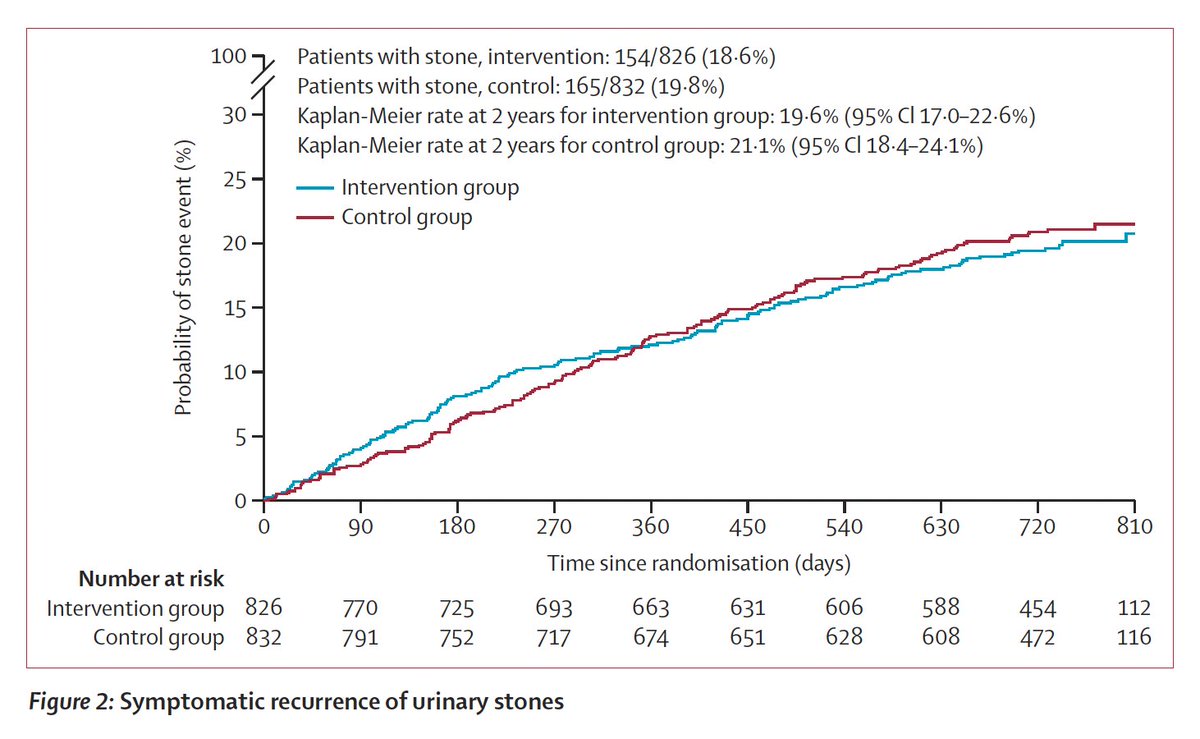
💧 Kidney stone prevention… reality check 👇 👏Large RCT (n=1,658) testing hydration adherence strategies in @TheLancet ✔️Smart bottles + incentives + coaching = ↑ urine volume 📉But increase was modest and not sustained over time ❌ No reduction in stone recurrence (HR ~0.96) 🚨 What this really shows: 1⃣Adherence is HARD 2⃣Even well-designed behavioral interventions struggle long-term 3⃣Changing behavior ≠ changing outcomes 🤔 Takeaway: Hydration still matters… But “just drink more water” isn’t a scalable solution for most patients @AmerUrological 🔗shorturl.at/tnTda
Adam B. Weiner, MD tweet mediaAdam B. Weiner, MD tweet mediaAdam B. Weiner, MD tweet media
English
3
21
71
10.7K
Simone_Cappelli รีทวีตแล้ว
Ashwin Sharma
Ashwin Sharma@Ashwinreads·
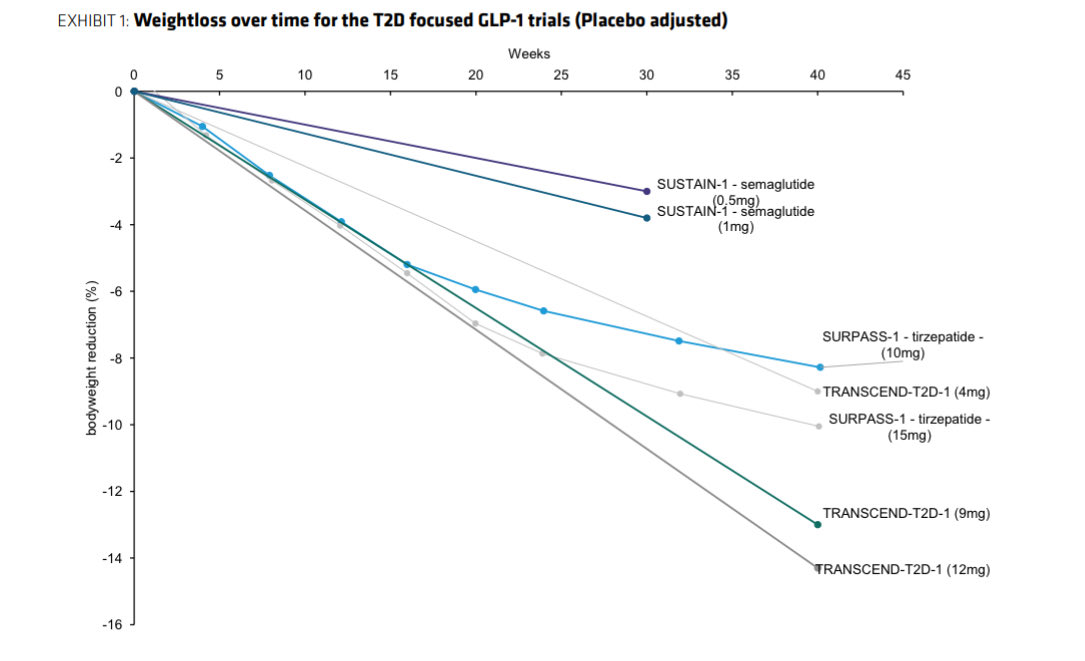
15% weight loss for someone with t2dm is simply incredible
Ashwin Sharma tweet media
English
4
4
40
4K
Simone_Cappelli รีทวีตแล้ว
Eric Topol
Eric Topol@EricTopol·
If you've had a kidney stone, you've been advised that the most important thing to prevent another bout is to increase hydration. Now a randomized trial of hydration in over 1600 participants showed no benefit, despite evidence of increase during volume. thelancet.com/journals/lance…
Eric Topol tweet media
English
93
311
2K
561K
Simone_Cappelli รีทวีตแล้ว
Samuel Hume
Samuel Hume@DrSamuelBHume·
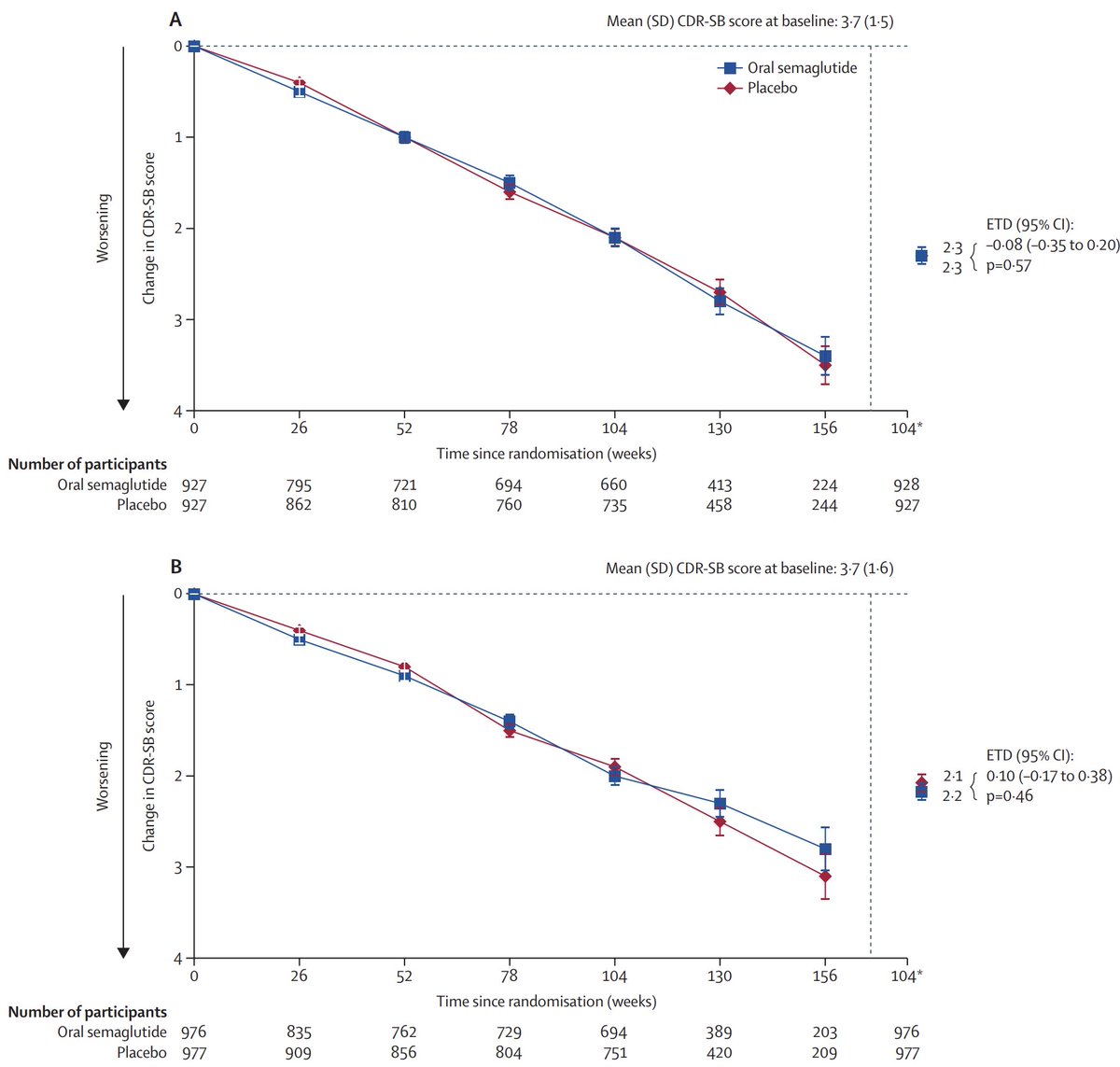
Trials of oral semaglutide in early-stage symptomatic Alzheimer’s just published Two big, well-designed trials, and unfortunately, absolutely no effect:
Samuel Hume tweet media
English
15
47
314
94.3K
Simone_Cappelli รีทวีตแล้ว
Samuel Hume
Samuel Hume@DrSamuelBHume·
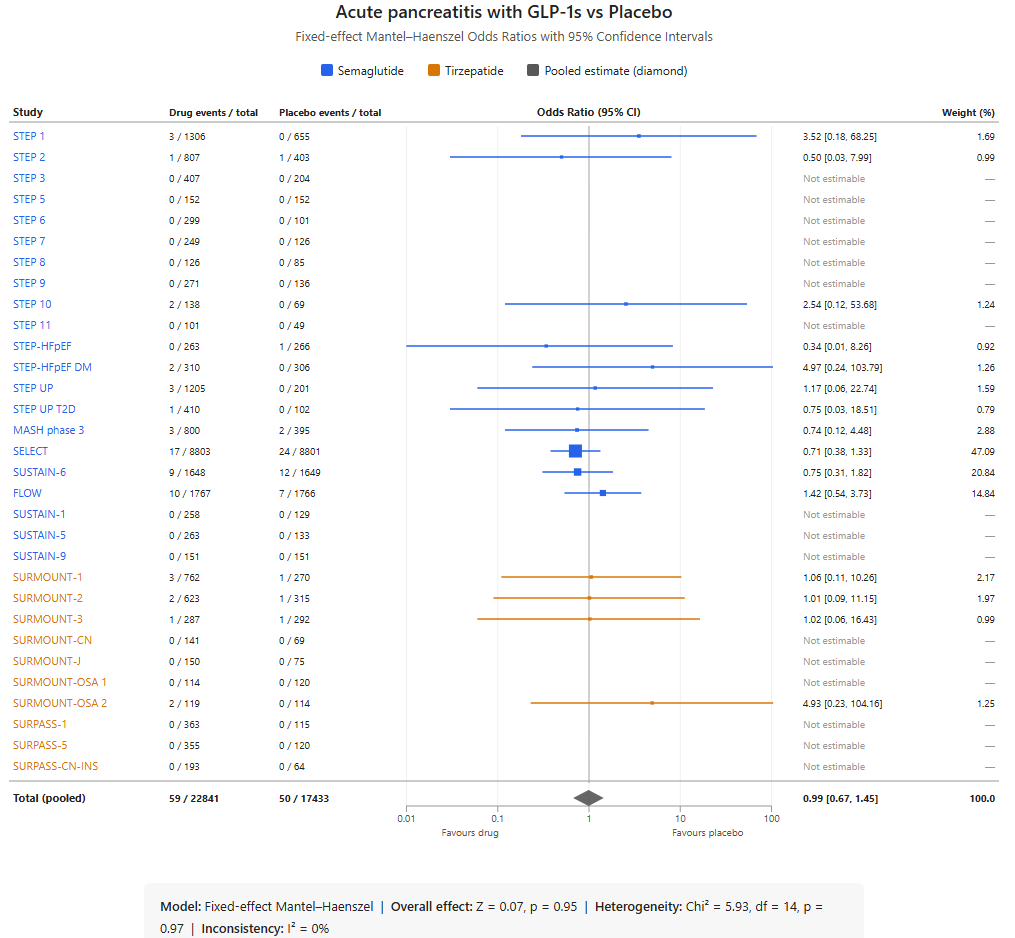
Do GLP1s cause pancreatitis? I ran the systematic review and meta-analysis: 31 RCTs with 40,274 patients Results: Placebo — 50 cases/17433 patients GLP1 (Semaglutide or Tirzepatide) — 59 cases/22841 patients OR 0.99 (95% CI 0.67-1.45) Conclusion: There's no obvious pancreatitis safety signal in these pooled randomized data, but the overall incidence of acute pancreatitis was very very low
Samuel Hume tweet media
English
10
32
169
46.7K
Simone_Cappelli
Simone_Cappelli@SimoneCappelli6·
@AnishA_Moonka Still, as a diabetologist, I enjoy finding and counting red dots in fundus images, no way I will let AI take away my fun.
English
0
0
3
250
Simone_Cappelli รีทวีตแล้ว
Anish Moonka
Anish Moonka@AnishA_Moonka·
The only AI system ever cleared to diagnose a patient without a doctor in the room does one thing: scan a photo of your retina for signs of diabetic eye disease. That was 2018. In the 8 years since, two more systems got cleared for that same single task. That's the full track record of autonomous AI in medicine. The FDA has authorized about 1,450 AI medical devices through the end of 2025. Sounds like a lot. But 76% are radiology tools, and almost all of them just flag something on a scan for a human doctor to review. They don't diagnose. They don't treat. They highlight. A March 2025 study in npj Digital Medicine combined results from 83 separate studies comparing AI with physicians on diagnostic tasks. Overall AI accuracy: 52.1%. Expert doctors were significantly better. And in real-world clinics (not carefully designed test scenarios), AI showed no meaningful edge over standard care. Diagnosis is a sliver of what doctors actually do. The US performs 40 to 50 million major surgeries a year. About 11% of Americans undergo surgery each year. No AI is cutting anyone open. No AI is delivering a baby at 3 am, managing five medications for a patient with four chronic conditions, or sitting across from someone explaining what stage 4 means. And the US has too few doctors, not too many. The AAMC (the Association of American Medical Colleges, which tracks physician supply) projects a shortage of up to 86,000 physicians by 2036. Right now, 74 million Americans live in areas the government classifies as primary care shortage zones. If underserved communities had equal access, the country would need 202,800 more doctors just to meet today's demand. 42% of active physicians are 55 or older. A third of the workforce will retire this decade. There's also a legal wall no one talks about. Under current US malpractice law, if an AI tool contributes to a bad diagnosis, the doctor gets sued. Not the algorithm, not the developer. There is no legal framework for sharing responsibility with AI. A Johns Hopkins study found that surgeons generally accept that final responsibility remains with them even when AI is involved. Until liability law catches up, no hospital is giving clinical authority to software. AI is already useful in narrow spots, like helping a radiologist catch something they might miss on a scan. That's real. But it's closer to spell-check for X-rays than it is to replacing your doctor.
gigi 𓂃⋆.˚@p0lar_fawn

Genuinely excited about doctors being replaced by AI
English
7
64
303
53.6K
Simone_Cappelli รีทวีตแล้ว
Elliot Tapper
Elliot Tapper@ebtapper·
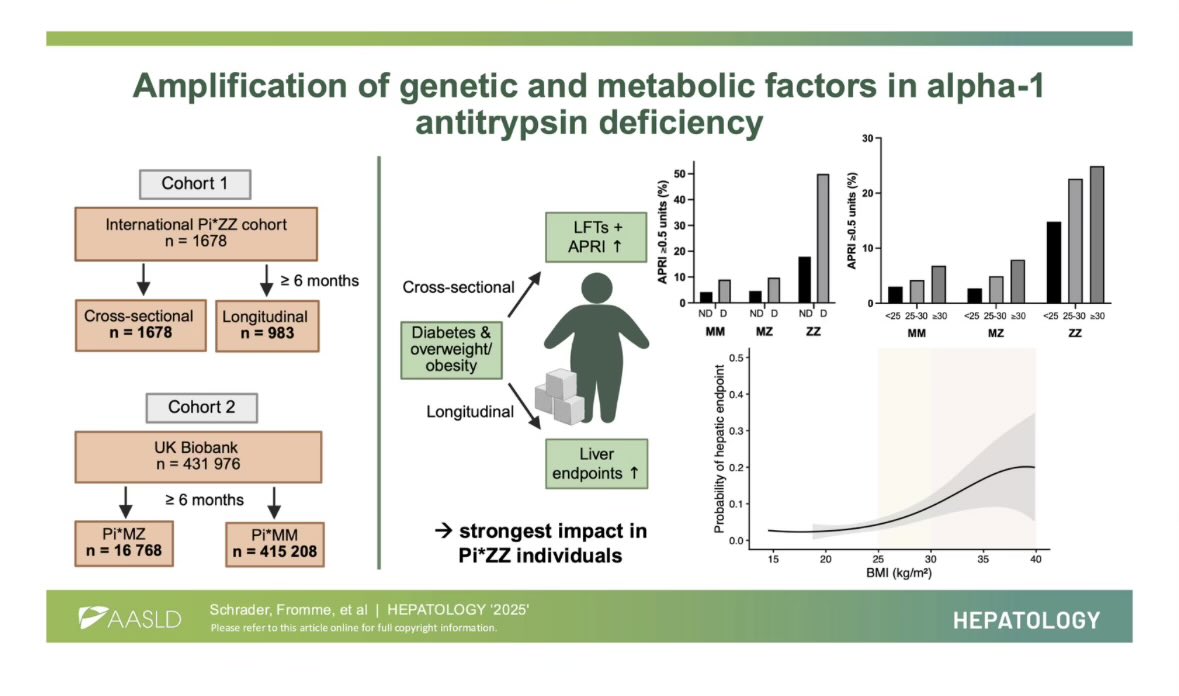
Alpha-1 antitrypsin deficiency accelerates the progression of liver diseases Diabetes/obesity + ZZ = bad Not clearly the case with MZ The goal is risk factor modification
Elliot Tapper tweet media
English
2
9
39
3.1K
Simone_Cappelli รีทวีตแล้ว
Mariana
Mariana@dulcesitosmios·
ESP: Investigación impactante utilizando un modelo de gemelo digital para optimizar los algoritmos de circuitos cerrados para mujeres con diabetes durante el ciclo menstrual X original de @DrLucyChambers
Lucy Chambers@DrLucyChambers

#ATTD2026 #WomensHealth Impressive research using a digital twin model to optimise Hybrid Closed Loop algorithms for #women with #diabetes - helping algorithms respond more intelligently to menstrual cycle-related changes in insulin sensitivity. Clinical trial coming soon!

Español
0
2
3
295
Simone_Cappelli รีทวีตแล้ว
Aakash Gupta
Aakash Gupta@aakashgupta·
Sam Altman said people saying “please” and “thank you” to ChatGPT costs OpenAI tens of millions of dollars a year in compute. 67% of Americans do it anyway. Run the math on why. A 2024 Waseda University study tested LLM responses across politeness levels in English, Chinese, and Japanese. Impolite prompts produced measurably worse outputs: more bias, more errors, more refusals. Moderate politeness consistently beat both extremes. The mechanism makes sense once you see it. Polite prompts pattern-match to higher-quality training data. When you write “Could you help me structure this analysis?”, the model pulls from professional, well-reasoned text. When you write “give me the answer,” it pulls from Reddit. Google DeepMind’s Murray Shanahan explained it simply: the model is role-playing a smart intern. Treat the intern like a colleague, you get colleague-quality work. Bark orders, you get minimum-viable compliance. Now look at the cost side. OpenAI handles over a billion queries daily. Each GPT-4 query uses roughly 2.9 watt-hours, ten times a Google search. But OpenAI just raised $40 billion at a $300 billion valuation. Tens of millions in politeness tokens is a rounding error on a rounding error. 67% of users do it anyway, and 55% of them say it’s because it’s “the right thing to do.” They’re maintaining a behavioral habit that governs every other interaction in their life. The parent who teaches their kid to say please to Alexa isn’t doing it for Alexa. They’re doing it because the alternative is raising someone who learns that being rude gets faster results. Telling 900 million people to stop saying thank you so OpenAI can save 0.01% of operating costs is the most engineer-brained optimization take on the internet. You’re training yourself to treat every interaction as a transaction. And that habit doesn’t stay in the chat window.
Venkatesh@Venkydotdev

STOP SAYING THANK YOU TO AI STOP SAYING THANK YOU TO AI STOP SAYING THANK YOU TO AI STOP SAYING THANK YOU TO AI STOP SAYING THANK YOU TO AI STOP SAYING THANK YOU TO AI STOP SAYING THANK YOU TO AI STOP SAYING THANK YOU TO AI STOP SAYING THANK YOU TO AI STOP SAYING THANK YOU TO AI

English
1.5K
3.3K
28.8K
5.6M
Simone_Cappelli รีทวีตแล้ว
GoggleDocs
GoggleDocs@GoggleDocs·
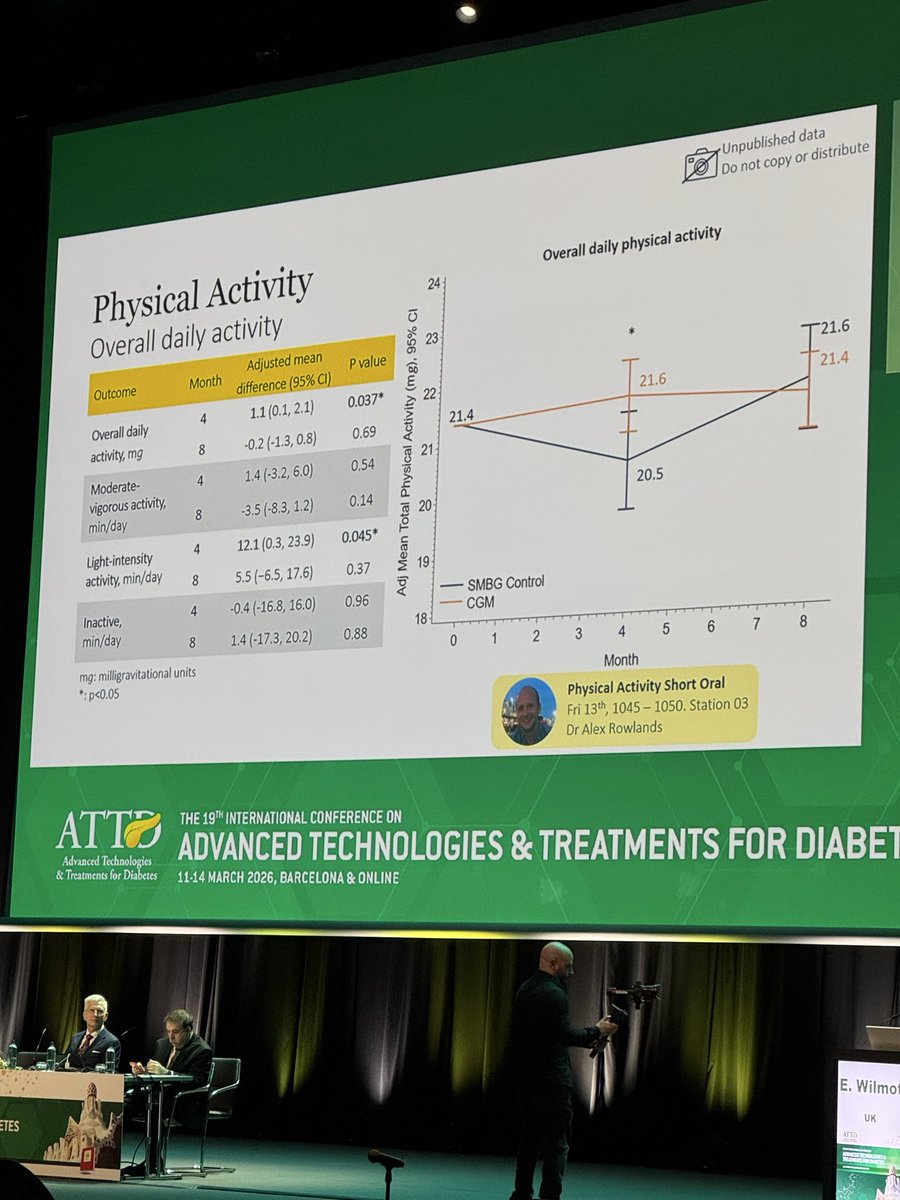
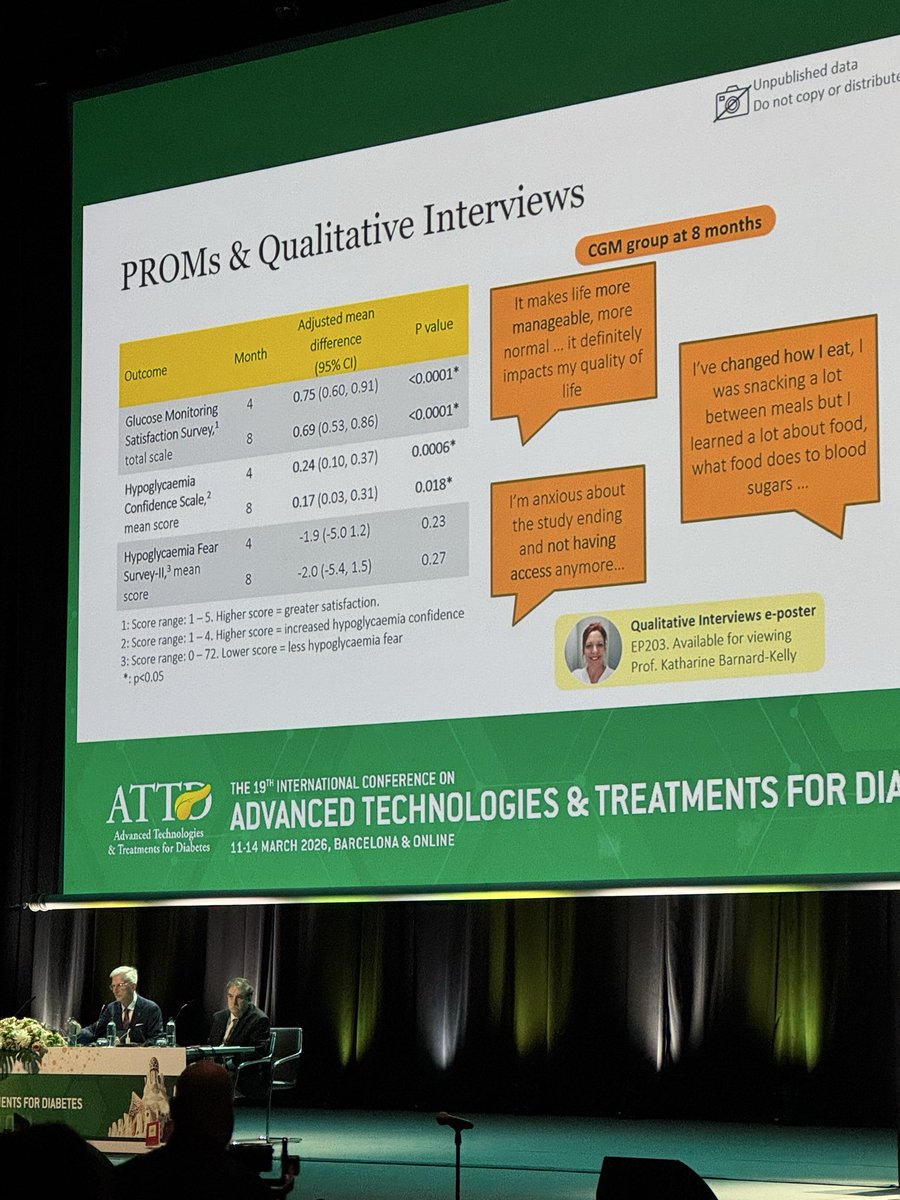
❗️Knowledge (of glycaemia) is power❗️ FREEDOM2 trial presented by @WilmotEmma #ATTD2026 @ATTDconf 🔹CGM in those with T2DM on basal Insulin 🔸⬇️Hba1c at 4 and 8 months 🔹Improved sensor metrics/glycaemic profiles 🔸No increased hypoglycaemia 🚫 🔹No change Total Daily Insulin dosing 🔹Interesting patient reported outcomes and dietary/exercise data @AmarPut @drpatrickholmes @kamleshkhunti @TBattelino
GoggleDocs tweet mediaGoggleDocs tweet mediaGoggleDocs tweet mediaGoggleDocs tweet media
English
3
20
28
2.3K
Simone_Cappelli รีทวีตแล้ว
JHEP Reports
JHEP Reports@JHEP_Reports·
🟣Integration of PNPLA3 and TM6SF2 genotypes provides incremental improvement in advanced fibrosis prediction among MASLD patients with type 2 diabetes mellitus 🔓OpenAccess at 👉jhep-reports.eu/article/S2589-… #LiverTwitter #LiverX
JHEP Reports tweet media
English
1
6
15
1.3K
Simone_Cappelli
Simone_Cappelli@SimoneCappelli6·
@DrSamuelBHume MRA are already THE drug of resistant hypertension, Baxdrostat should be tested against those or on top of those
English
0
0
3
109
Samuel Hume
Samuel Hume@DrSamuelBHume·
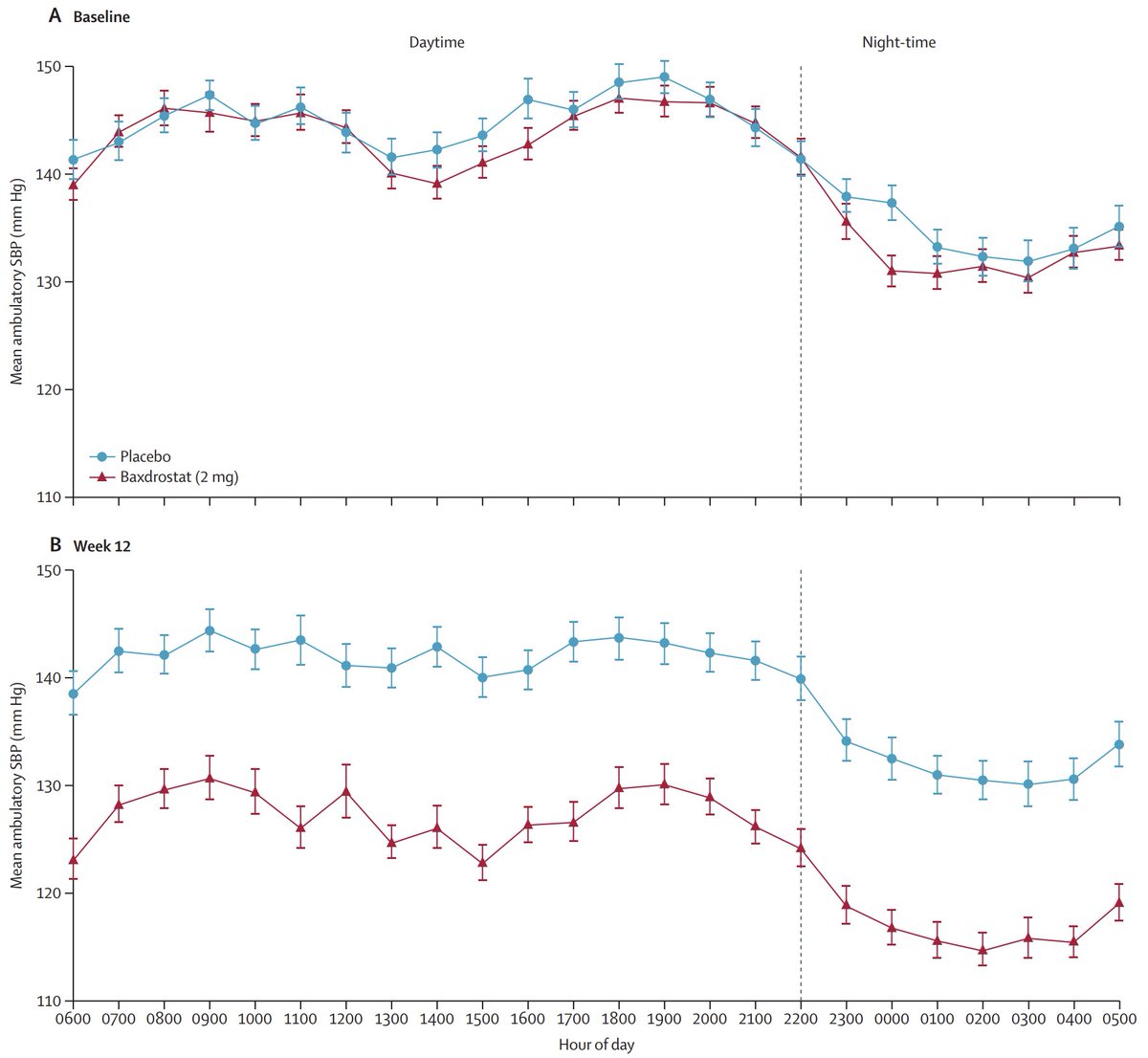
Treatment-resistant hypertension affects ~7 million adults in the US alone New phase 3 data: AstraZeneca's aldosterone synthase inhibitor, Baxdrostat, nicely lowers blood pressure on top of maximal medical therapy in this group (taking an average of 4 BP meds at baseline)
Samuel Hume tweet media
English
4
18
88
7.6K