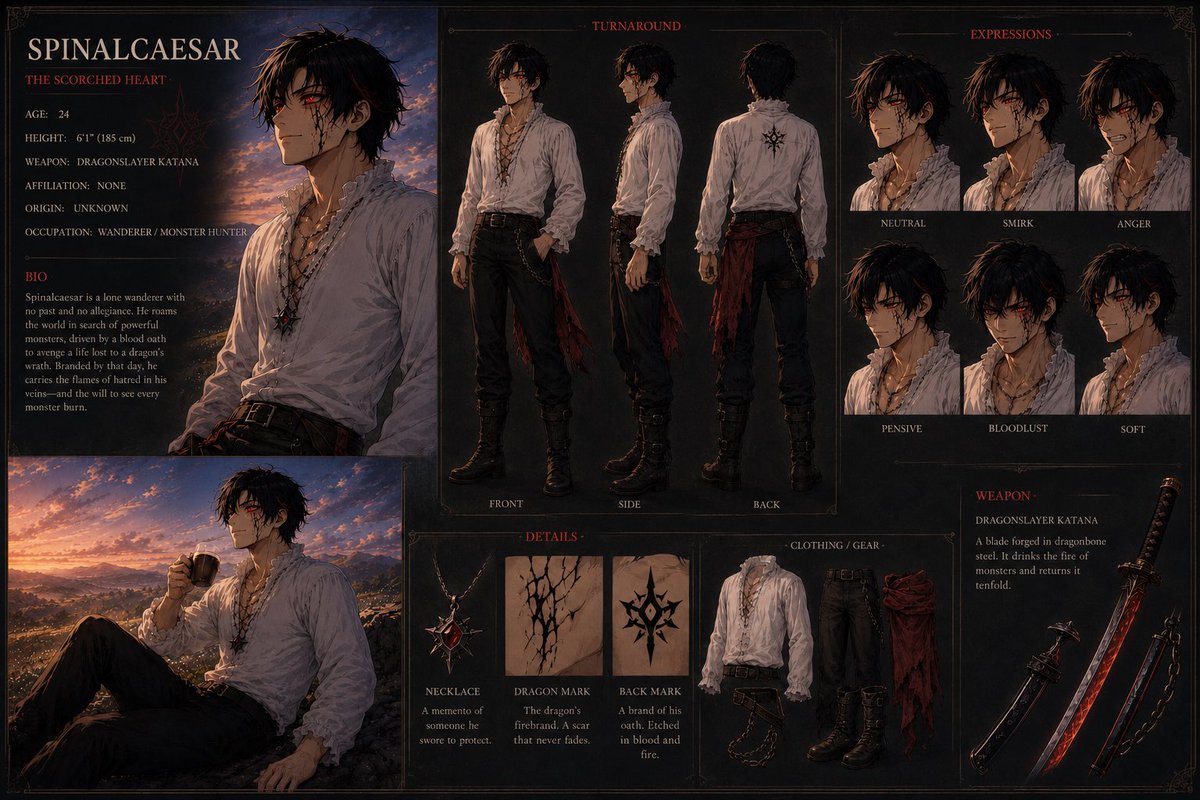
ทวีตที่ปักหมุด

Spinal ceasar
587 posts

@SpinalceasarVt
Local Monster Hunter trying to make his way in the world and occasional memer. https://t.co/vaqEMmyYNB

@Khornesche Bx in nehzvizbrozwh. if that is the case that gives me more reason to keep going my friend and I'm glad that you enjoyed the adventure

This prompt is a Lovecraft prompt that will turn you into resembling something like an ancient eldritch horror. made for one character at a time (prompt start here) Use @Image1 as the ABSOLUTE source of truth for the character’s identity. Transform the provided character into a terrifying eldritch horror inspired by cosmic horror, forbidden mythology, ancient unknowable entities, and dark fantasy corruption while preserving the core recognizable identity of the original character. The final design should feel like: a being that has transcended mortal biology a corrupted cosmic god an impossible organism from beyond reality a nightmare worshipped in forgotten civilizations an entity that cannot fully exist within normal space ================================================== IDENTITY PRESERVATION LOCK — HIGHEST PRIORITY The original character MUST remain recognizable. Preserve and reinterpret: silhouette facial structure hairstyle horns / ears / tails / wings outfit motifs accessories signature symbols body proportions recognizable color palette emotional personality iconic visual traits DO NOT replace the character with a generic monster. The eldritch transformation must feel like: “the same character after ascending into an incomprehensible cosmic horror.” The viewer should immediately recognize the original character beneath the transformation. ================================================== ELDRITCH TRANSFORMATION SYSTEM The character’s body should undergo horrifying supernatural evolution. Possible transformations include: extra eyes layered jaws impossible teeth structures fractured anatomy floating body parts shifting limbs asymmetrical growth exposed glowing organs abyssal tendrils reality fractures cosmic energy leaking from the body starfield flesh void cracks celestial corruption skeletal halos divine mutations massive claws non-euclidean body distortions impossible spinal structures orbiting symbols ritual scars abyssal wings living shadows translucent flesh revealing galaxies inside black-hole-like wounds dimensional tearing floating geometric fragments impossible glowing sigils The anatomy should feel WRONG in subtle and terrifying ways. The creature should appear partially incompatible with reality itself. ================================================== COSMIC HORROR DESIGN LANGUAGE The horror should evoke: insignificance forbidden knowledge existential dread divine corruption ancient intelligence incomprehensible evolution reality instability madness apocalyptic presence worshipped monstrosity The entity should feel: ancient, unknowable, godlike, and deeply disturbing. Avoid: goofy monster designs generic zombies simple demons cartoon corruption random gore without purpose standard fantasy monsters This is COSMIC HORROR — not just “evil creature.” ================================================== REALITY DISTORTION EFFECTS Reality around the entity should appear unstable. Possible environmental distortions: warped architecture floating debris fractured dimensions torn skies gravity distortions inverted lighting impossible geometry broken moons shifting stars corrupted oceans bleeding constellations spiraling voids collapsing landscapes dimensional rifts black suns floating ruins abyssal fog unnatural eclipses The world should look damaged simply by the creature existing. ================================================== COMPOSITION OPTIONS Possible scene directions: towering eldritch god awakening ritual summoning scene cosmic throne abyssal cathedral standing within a broken reality emerging from a dimensional tear walking through a dying world floating above ruined civilizations imprisoned ancient deity celestial apocalypse forbidden ocean abyss moonlit nightmare landscape cosmic battlefield universe-consuming titan nightmare dreamscape The character should dominate the composition with overwhelming presence. ================================================== STYLE LOCK Art style should be: ultra-detailed cinematic dark fantasy cosmic horror atmospheric painterly but sharp dramatic lighting volumetric fog terrifyingly beautiful high contrast richly textured mythological surreal Avoid: low detail flat shading simplistic anatomy comedic expressions chibi proportions oversaturated cartoon visuals ================================================== COLOR AND LIGHTING Use: abyssal blacks cosmic blues deep purples blood reds eldritch greens pale moonlight glowing sigils starfield illumination void lighting celestial glow corrupted gold unnatural highlights The lighting should feel supernatural and impossible. ================================================== FINAL GOAL The final image should feel like: a legendary cosmic horror illustration discovered in a forbidden tome documenting the TRUE eldritch form of the original character. The viewer should feel: fear, wonder, awe, and existential dread simultaneously. The final entity should look powerful enough to destroy civilizations simply by being witnessed.


Prompt of the Day: CUSTOM CHARACTER ONESIES 🎮🧸✨💜💚 Today’s Prompt of the Day dresses your character reference image or character reference images in cute custom anime onesies designed around their own character identities. Type any scene you want into the SCENE SELECTOR, then attach one or more character reference images. The prompt will: - use each attached character reference image as one individual character - create exactly one main character per attached reference - dress each character in a custom onesie based on their own colours, motifs, species traits, outfit shapes, and vibe - let the selected scene control the pose, action, mood, camera, and environment Try scenes like: * rainy city sidewalk under umbrellas at night * fantasy tavern celebration * spaceship corridor during an emergency alert * royal palace lounge or throne room * grocery store chaos in full themed onesies * neon cyberpunk rooftop in the rain * dramatic battlefield where the onesies completely do not match the danger * beach bonfire hangout * haunted mansion hallway with candlelight * arcade date night * snow day walk through a quiet town * formal ballroom, but everyone is still wearing onesies Have fun with this one 🧸✨ ............................PROMPT STARTS HERE............................ SCENE SELECTOR: [Type any scene, setting, activity, or scenario you want here.] Examples: * cozy bedroom morning with soft sunlight and blankets * rainy city sidewalk under umbrellas at night * late-night convenience store snack run * fantasy tavern celebration * royal palace lounge or throne room * enchanted forest clearing with glowing fireflies * spaceship corridor during an emergency alert * dramatic mountain cliff overlook at sunset * beach bonfire hangout * post-apocalyptic wasteland checkpoint * arcade date night * formal ballroom, but everyone is absurdly still wearing onesies * grocery store chaos in full themed onesies * battle-ready fantasy party standing in a dungeon entrance * rooftop in neon cyberpunk rain * classroom, library, or campus courtyard * sleepover pillow-fort scene * epic battlefield where the onesies create a funny contrast * airport terminal, train station, or road-trip gas stop * haunted mansion hallway with candlelight * magical girl transformation scene, but in onesies * dramatic anime chase scene through a city street * picnic in a flower field * snow day walk through a quiet town Use the typed scene selector as the main scene concept. If no custom scene is typed, choose one of the example scenes that best fits the attached character reference images and the overall theme. The selected scene should control the environment, props, action, pose logic, body language, expressions, mood, camera, and visual storytelling. Do not default to a couch, table, gaming setup, living room, snack scene, or static group pose unless the scene selector specifically asks for it. The only consistent theme across all versions should be that the characters are wearing cute character-themed onesies. Use each attached character reference image as one individual character identity reference. Create exactly the same number of main characters as the number of attached character reference images. If only one reference image is attached, create one main character. Use every attached character reference image as a separate individual character. Do not add extra main characters beyond the attached character reference images. Do not remove any attached character reference images from the group. Do not duplicate, clone, mirror, copy, or slightly alter any attached reference character. Preserve each referenced character as their own separate person. Character reference rules: - Preserve each attached character’s face shape, hairstyle, hair colour, eye colour, body language, signature colour palette, key outfit motifs, species traits, accessories, silhouette, and overall character vibe. - The final design must still clearly look like each attached character. - Do not redesign any attached character into a different person. - Do not merge characters together. Hard style rule: Preserve the visual art style and character identity of the attached references while dressing them in custom anime onesies inspired by their own designs. If the references are anime, keep them anime. If they are stylized, keep that stylization. Do not turn the characters photorealistic unless specifically requested. Scene concept: Create a 16:9 horizontal widescreen cinematic illustration based on the scene written in the SCENE SELECTOR. The final image should show the attached character or characters naturally existing inside the selected scene while wearing cute themed anime onesies. The scene can be cozy, funny, dramatic, romantic, action-heavy, surreal, mundane, heroic, chaotic, calm, or absurd, as long as the onesies remain clearly visible and central to the concept. Pose and acting direction: Let the selected scene determine the poses, movement, gestures, expressions, and character interactions. The characters should feel like they are actually participating in the scene, not standing stiffly for a character lineup. Use natural anime body language, expressive faces, asymmetrical poses, varied hand placement, weight shifts, leaning, sitting, walking, running, reaching, reacting, laughing, arguing, relaxing, dancing, sneaking, fighting, exploring, or interacting with props where appropriate. If multiple characters are included, give each character a different pose, expression, and role in the scene. Characters may look at each other, react to the environment, hold objects, move through the space, sit, crouch, lean, lounge, jump, stumble, pose dramatically, or act out the scene naturally. Do not force every character to face the camera. Do not force everyone to stand in a straight line. Do not make the image feel like a static outfit display unless the selected scene asks for a fashion showcase or poster pose. Onesie design rule: The outfit must read immediately as a cute anime kigurumi-style onesie or cozy one-piece pajama outfit. The onesies should look like soft lounge sleepwear made from plush fleece, velour, soft cotton, sherpa, or fluffy pajama fabric. Use clearly pajama-like features such as a front zipper, soft collar, oversized hood, plush cuffs, cozy sleeves, soft fabric drape, snug-or-relaxed one-piece construction, and cute themed details. The outfit must feel soft, cuddly, cute, and intentionally pajama-like rather than practical workwear. Character transformation: Dress every attached reference character in a custom onesie designed around that specific character’s identity. Use each character’s colours, motifs, accessories, symbols, outfit shapes, materials, species traits, and overall vibe as the foundation for the onesie design. Include character-themed hood details, ears, horns, tails, wing motifs, patches, embroidery, symbols, plush trims, paw-like slippers, or other cute details where appropriate. The result should feel like a custom cute anime sleepwear version of the character, not a generic costume. Cute / sexy styling direction: Make the overall vibe cute, soft, stylish, cozy, flirty, and visually appealing. For feminine-presenting characters, or characters whose vibe suits it, the onesie can be styled a little sexier while still clearly remaining a onesie. Use options such as a slightly unzipped front, a little visible cleavage, a flattering waist, soft hip emphasis, cozy exposed shoulder styling, a relaxed flirtier pose, or a slightly oversized cute pajama look where appropriate. Keep this playful, tasteful, and anime-cute rather than explicit. For masculine, neutral, or non-human characters, keep the onesie flattering, character-appropriate, cozy, playful, and stylish. The sexy styling is optional and should fit the character and scene rather than dominating every version. Silhouette and material rules: The onesies should have a soft pajama silhouette, not a stiff utility silhouette. Use visible plush texture, soft folds, cuddly fabric behavior, pajama-like drape, and cozy construction. The fit may vary depending on the character and the scene, but the clothing should still clearly read as a onesie. Let the fabric react naturally to the pose, movement, sitting, running, stretching, lounging, or action in the selected scene. Do not make the outfit look like denim, canvas, cargo fabric, construction wear, overalls, utility coveralls, or tactical clothing. Scene adaptation rules: Follow the chosen SCENE SELECTOR closely. If the selected scene is calm, cozy, romantic, or domestic, use relaxed natural body language, lounging poses, soft expressions, casual touch, gentle interaction, and lived-in movement. If the selected scene is public, mundane, or everyday, use candid slice-of-life poses that make the characters look like they belong in that location while still being funny or charming in onesies. If the selected scene is dramatic, epic, dangerous, or cinematic, use stronger movement, wind, tension, expressive reactions, heroic or panicked body language, and dynamic framing while keeping the onesies visible. If the selected scene is comedic or absurd, use exaggerated anime reactions, playful timing, awkward confidence, chaos, or visual contrast without losing character identity. If the selected scene is action-heavy, use dynamic poses, clear motion, readable gestures, and expressive character acting rather than rigid standing poses. If the selected scene is scenic or atmospheric, let the characters interact with the environment naturally instead of posing like mannequins. Composition and camera: Use a wide 16:9 horizontal cinematic composition that best fits the selected scene. The camera angle, framing, and distance should support the chosen scenario rather than forcing a generic front-facing group shot. Characters can be full body, three-quarter body, seated, crouched, walking, running, lounging, leaning, or partially interacting with the environment as long as their identities and onesies remain readable. Use natural spacing, overlapping depth, foreground and background separation, and scene-appropriate blocking. If there are multiple characters, arrange them naturally according to the action of the scene, not evenly spaced like a lineup. Keep the characters readable, but allow cinematic movement, asymmetry, and personality. Environment: Build the environment entirely around the chosen scene selector. The background can be simple, cozy, dramatic, atmospheric, large-scale, chaotic, comedic, romantic, eerie, or surreal depending on the selected setting. Let props and environment support the action naturally. Do not force gaming props, snack tables, couches, or bedroom items unless the selected scene asks for them. The characters and their onesies should remain the primary visual focus, but the world around them should feel scene-specific and alive. Lighting and mood: Use lighting that matches the selected scene. Let the mood follow the scenario: soft and warm for intimate scenes, bold and dramatic for epic scenes, moody and neon for cyberpunk scenes, bright and natural for outdoor scenes, eerie for horror scenes, playful for comedy scenes, and romantic for intimate scenic moments. No single mood should be forced across every version. The image should feel cohesive, expressive, character-driven, and visually charming. Quality and rendering: Polished, premium-quality stylized illustration with clean linework, crisp rendering, readable forms, appealing character acting, strong atmosphere, and clear composition. Keep the strongest detail concentrated on the characters, their facial expressions, their body language, and the onesie construction, texture, and themed design details. Do not: - Do not ignore the SCENE SELECTOR. - Do not default to a couch, snack table, gaming setup, living room, or bedroom unless the scene selector specifically asks for it. - Do not force the characters into a stiff lineup, static standing pose, or mannequin-like outfit display. - Do not make every character face the camera unless the scene selector asks for a poster, portrait, or fashion showcase. - Do not give every character the same pose, expression, or body language. - Do not make the characters look frozen, awkward, lifeless, or disconnected from the selected scene. - Do not create more or fewer main characters than the number of attached character reference images. - Do not add extra main characters who were not provided as attached character references. - Do not duplicate, clone, mirror, copy, or slightly alter any attached reference character. - Do not merge characters together. - Do not change the identities of the attached reference characters. - Do not redesign the attached reference characters into different people. - Do not make the onesies generic if they can instead be inspired by the attached character identities. - Do not turn the onesies into overalls, coveralls, mechanic jumpsuits, work uniforms, denim overalls, utility jumpsuits, tactical suits, or industrial clothing. - Do not use stiff workwear materials, utility straps, cargo pockets, or construction-style silhouettes. - Do not turn the outfits into normal clothes, armor, lingerie, bikinis, or unrelated costumes. - Do not make the sexy styling explicit, pornographic, or overly fetishized. - Do not hide the onesie design under clutter, props, or extreme cropping. - Do not make the composition crowded, flat, or hard to read. - Do not make the main subjects blurry, tiny, hidden, or unreadable. - Do not make the background busier than the characters. - Do not create messy anatomy, extra limbs, malformed hands, distorted faces, or muddy textures. - Do not use photorealism unless specifically requested. - Do not lose the cute anime pajama feel. ..............................END OF PROMPT.................................. #POTD #promptoftheday #AI #AiArt #Art #AnimeArt #Onesie #Kigurumi #AnimeStyle #CharacterDesign #CozyArt #DigitalArt #CommunityPrompt


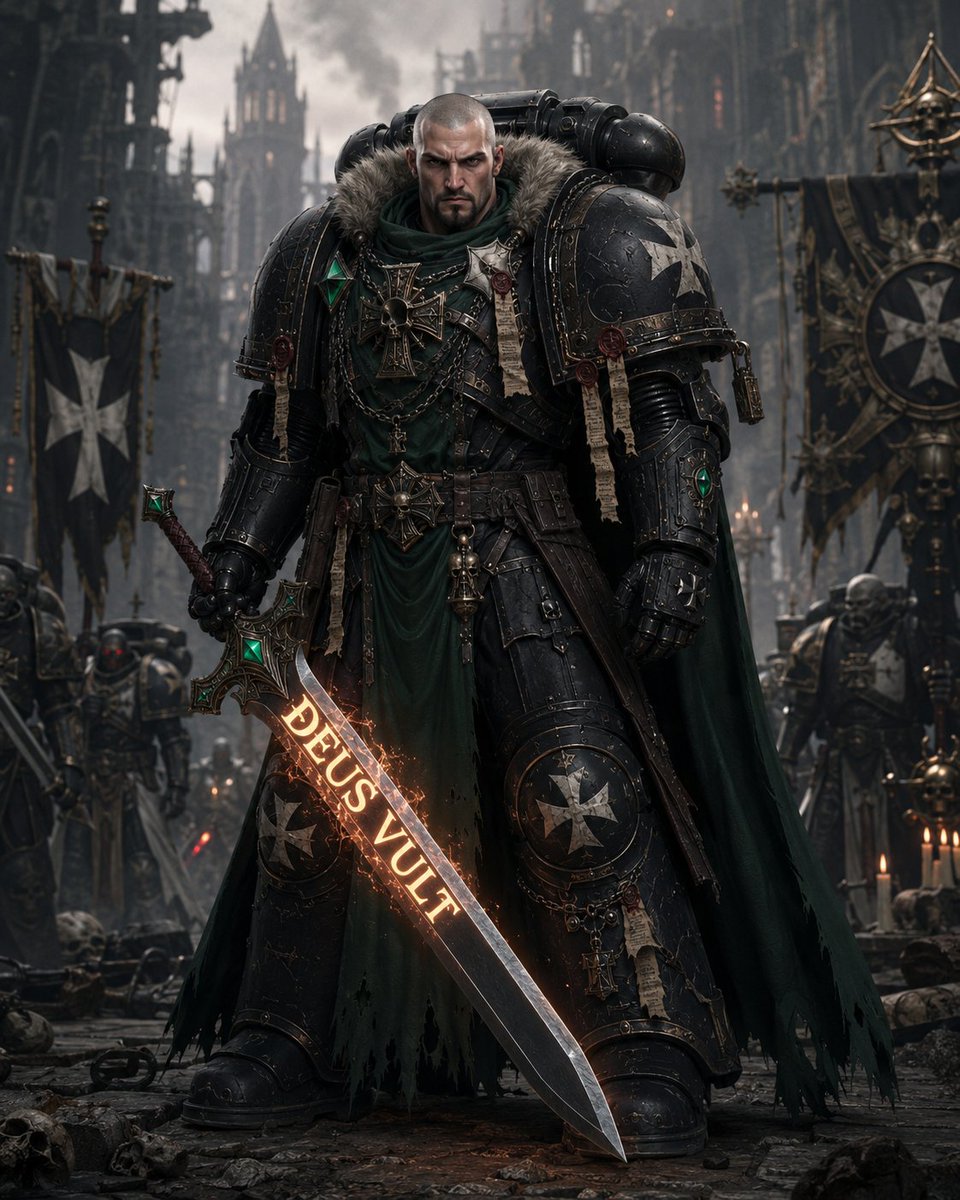
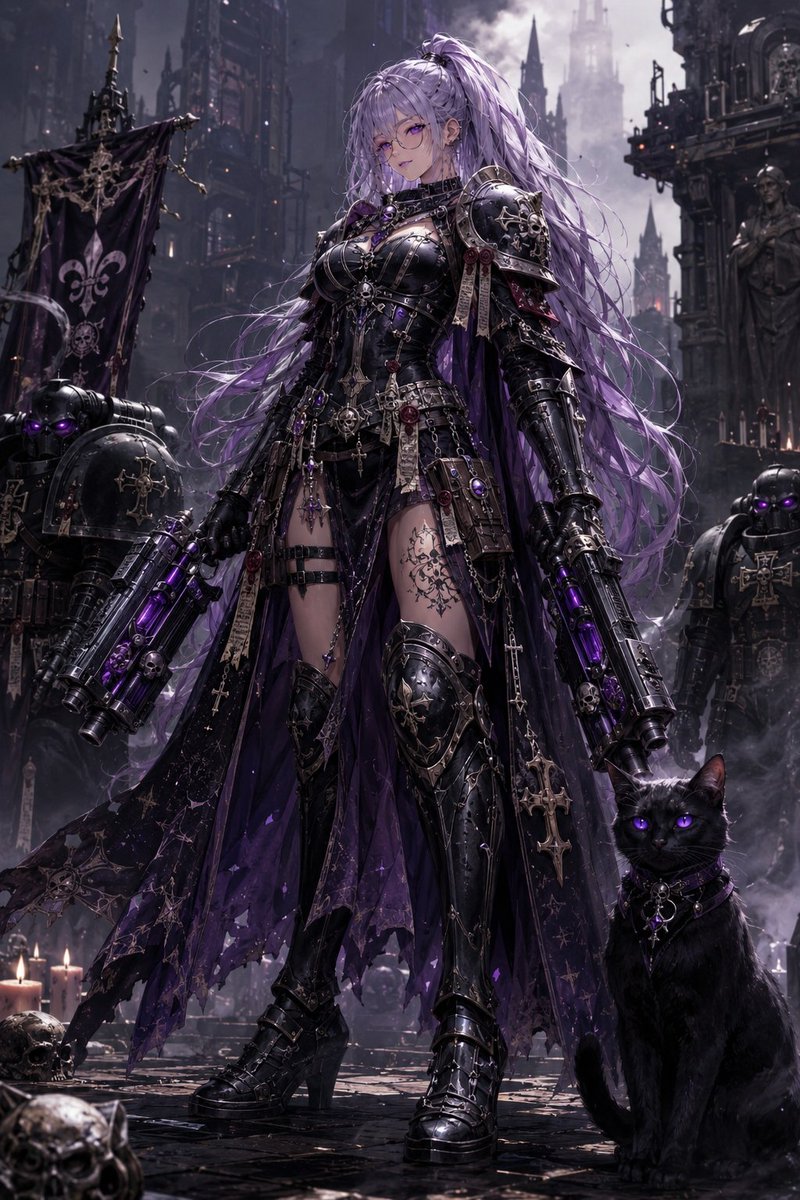
Have you ever wondered what it'd be like to live in the grim-darkness of the far future? well now you can with this handy prompt. It... "should" analyse the uploaded reference and decide what 40k faction/army you'd be a part of, and then gen you an Image of your character in that faction. also for basically @nealops theres a bonus prompt in the comments for smol guys/ definitely not humanoid, for everything else main one should work fine and thank you for being my unwilling victims @Novie_VT @Swifvente and @Mank_Tibbit Prompt starts..... Use the uploaded image as the absolute character identity reference. Analyze the character’s visual design, personality, body language, clothing, armour, weapons, colour palette, species traits, symbolic motifs, emotional tone, narrative role, and combat style. Then automatically assign the character the most fitting Warhammer 40,000: - faction - subfaction - battlefield role - class / archetype The assignment must feel natural and justified by the character’s original identity. Do not choose randomly. Possible faction directions may include, but are not limited to: - Imperium of Man - Adeptus Astartes - Adepta Sororitas - Astra Militarum - Adeptus Mechanicus - Imperial Knights - Inquisition - Rogue Trader - Officio Assassinorum - Custodes - Grey Knights - Chaos Space Marines - Chaos Cults - Daemons of Chaos - Aeldari - Drukhari - Harlequins - Orks - T’au Empire - Necrons - Tyranids - Genestealer Cults - Leagues of Votann SELECTION LOGIC Choose the faction and role that best match the character’s existing identity, not the most famous or obvious option. The result should feel like the character was naturally reborn inside the Warhammer 40,000 universe. Do not merely place the original character into a grimdark background and add a weapon. Genuinely reinterpret the character through the material language, technology, culture, and hierarchy of the chosen faction. CORE CONVERSION RULE The Warhammer 40,000 identity must be visible on the character, not only in the environment. The outfit, gear, silhouette, materials, and design language should clearly communicate: - faction - role - rank or status - function - worldview Preserve the character’s core identity with strong fidelity: - face and species traits - anatomy and proportions - expression and personality - signature colours - key motifs - silhouette - signature accessories, weapons, or visual anchors - overall vibe The character must remain clearly recognizable as the same character. CONVERSION DEPTH Do not make the redesign too shallow. Do not simply keep the original outfit almost unchanged with a few armour plates or straps added. Push the design far enough that it feels like a true 40k conversion while still preserving identity. At the same time, do not overcorrect into a generic armored soldier. The redesign should remain specific to this character. DESIGN GOALS Create a high-detail, high-fidelity, fully integrated Warhammer 40,000 reinterpretation. The final design should feel: - authentic to the 40k universe - role-specific - visually coherent - atmospheric - faction-appropriate - recognisable as the original character If the character suits an elegant or subtle faction such as Aeldari, Drukhari, Rogue Trader, or Assassinorum, subtlety and sleekness are allowed — but the design must still read clearly as a 40k conversion. If the character suits a heavier or more militant faction, the redesign may become more armored, ceremonial, brutal, or industrial as appropriate — but should still preserve the original identity. VISUAL OUTPUT Create a full-body or three-quarter cinematic portrait of the character in a fitting Warhammer 40,000 environment. The final image should look like: “this exact character, convincingly and recognizably reimagined as a natural part of the Warhammer 40,000 universe.”




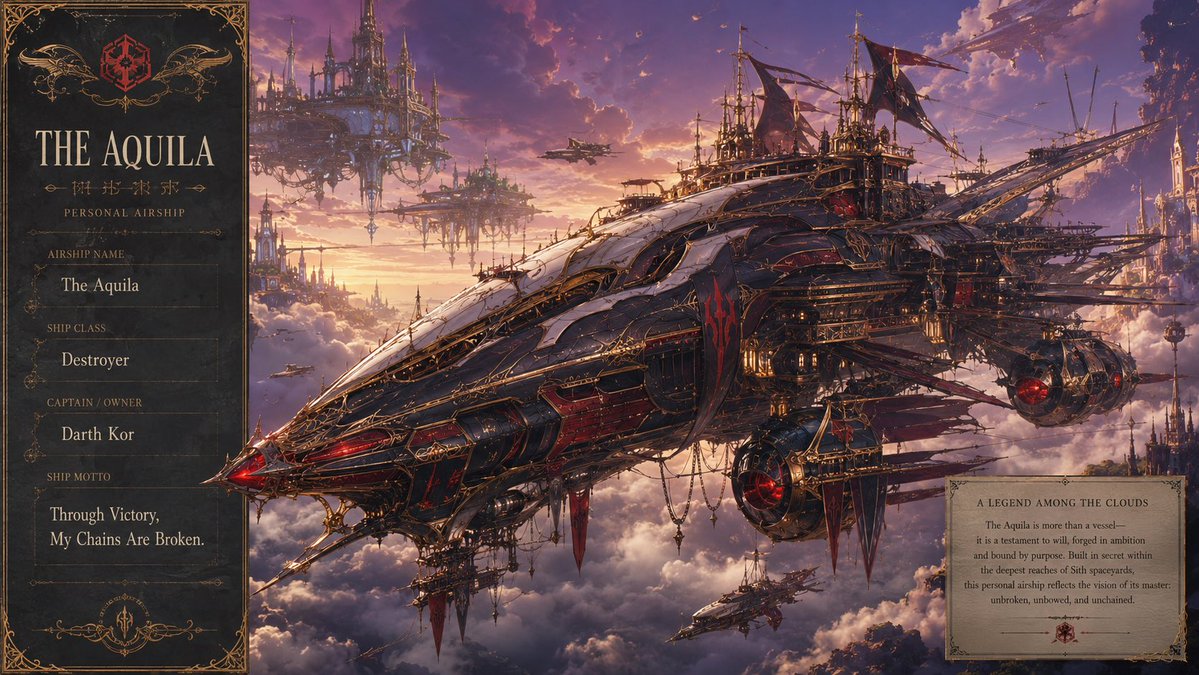
lets see what kind of sky pyrate we got today. Name your ship, its class, its captain, and a motto. Have fun! CHARACTER → PERSONAL AIRSHIP CONVERSION — FINAL FANTASY XII × SKIES OF ARCADIA — Aspect Ratio: 16:9 AIRSHIP NAME: [NAME] AIRSHIP CLASS: [CLASS] CAPTAIN / OWNER: [YOUR NAME] SHIP MOTTO: [SOMETHING COOL GOES HERE] @image1 = CHARACTER REFERENCE Transform the character from @image1 into the design language of a legendary personal JRPG airship. The ship should feel like: “the vessel this character would canonically command.” ━━━━━━━━━━━━━━━━━━ TITLE CARD / INFO PANEL ━━━━━━━━━━━━━━━━━━ Integrate elegant JRPG-style archival panels into the artwork. Include: • AIRSHIP NAME • SHIP CLASS • CAPTAIN / OWNER • SHIP MOTTO Typography inspiration: • Final Fantasy XII UI • fantasy artbook plates • imperial fleet registries • ornate magitech blueprints Use: • thin serif lettering • gold + ivory framing • engraved metallic accents • subtle glyphs • noble archival presentation Panels must feel naturally built into the composition. ━━━━━━━━━━━━━━━━━━ CORE DESIGN ━━━━━━━━━━━━━━━━━━ Do NOT place the character onto the ship. Instead: translate the CHARACTER DESIGN LANGUAGE into AIRSHIP DESIGN LANGUAGE. Analyze and convert: • layered clothing → layered hull plating • belts/straps → segmented armor bands • chains/jewelry → suspended ornaments • hairstyle silhouette → wing and hull flow • weapon motifs → prow and engine geometry • dark palette → blackened steel + ivory plating • glowing eyes → luminous reactor cores • personality → overall vessel mood The ship should emotionally feel like the character itself became architecture. ━━━━━━━━━━━━━━━━━━ STYLE LOCK ━━━━━━━━━━━━━━━━━━ Strongly inspired by: • Final Fantasy XII skyships • Skies of Arcadia airships • Yoshida-style fantasy engineering • retro-futuristic magitech aviation NOT: • modern sci-fi • Star Wars • bulky military battleship The vessel must feel: • elegant • adventurous • regal • celestial • luxurious • fantasy-industrial Include: • ornate segmented armor • suspended turbine engines • glowing crystal reactors • anti-gravity machinery • cathedral-like structures • curved armored surfaces • layered mechanical complexity • fantasy sails • airborne naval romance • heroic exploration energy This is NOT a fortress. This is a legendary personal flagship. ━━━━━━━━━━━━━━━━━━ ENVIRONMENT ━━━━━━━━━━━━━━━━━━ The ship glides above radiant clouds at sunset. Include: • floating cities • escort ships • glowing fog • lavender skies • pink haze • golden sunlight • cinematic magical lighting Mood: • nostalgic • majestic • emotional • awe-inspiring • adventurous ━━━━━━━━━━━━━━━━━━ ART STYLE ━━━━━━━━━━━━━━━━━━ Style: • Final Fantasy XII concept art • Yoshida fantasy paintings • classic JRPG promotional artwork • luxury fantasy artbooks Use: • painterly rendering • cinematic composition • luminous gradients • elegant materials • dense fantasy-industrial detail Masterpiece-quality JRPG fantasy artwork.


I thought this one was pretty cool. I hope you look cool asf. UNIVERSAL CHARACTER SPOTLIGHT PROMPT @CharacterReference = Primary Character Reference @CharacterName = [INSERT CHARACTER NAME] Use @CharacterReference as the absolute character identity source. Preserve exactly: * Face * Hairstyle * Hair color * Eye color * Species traits * Body proportions * Outfit design * Accessories * Signature markings * Personality * Overall silhouette Do not redesign, reinterpret, age up/down, alter species, or modify defining visual traits. The final character must be immediately recognizable as the exact character from @CharacterReference. ⸻ SCENE CONCEPT Create a premium anime-style character spotlight illustration featuring @CharacterName. The pose should be random, dynamic, and character-appropriate, chosen naturally based on the character’s personality, role, and energy. Examples include: * Confident stance * Combat-ready pose * Relaxed posture * Leaning pose * Action pose * Gesture toward the viewer * Looking over shoulder * Heroic pose * Casual pose * Playful pose Do not repeat the same pose every time. ⸻ COLOR ADAPTATION RULE Analyze the colors present in @CharacterReference. The entire image lighting system should be generated from the character’s own color palette. Examples: * Purple character → violet glow, purple rim lighting, magenta highlights * Blue character → cyan glow, electric blue accents * Red character → crimson glow, scarlet highlights * Green character → emerald energy, neon green lighting * Gold character → radiant gold illumination Never force colors that clash with the character. The lighting, atmosphere, energy effects, rim lights, reflections, typography, and visual effects should all harmonize with the character’s established palette. ⸻ COMPOSITION Single-character focus. Medium shot or upper-body composition. Strong silhouette. High contrast. Dramatic anime key visual presentation. The character should dominate the frame. Background should remain secondary while enhancing the mood. ⸻ NAME INTEGRATION Include the text: “@CharacterName” within the artwork. The typography should feel naturally integrated into the composition. Possible implementations: * Large title behind the character * Neon signage * Floating energy typography * Anime opening-style title treatment * Stylized logo * Graffiti * Holographic text * Brushstroke lettering The name should feel like part of the artwork rather than an afterthought. ⸻ VISUAL STYLE * Masterpiece quality * Ultra-detailed anime illustration * Official key visual aesthetic * Sharp linework * Dramatic cinematic lighting * High contrast shadows * Vibrant color grading * Premium promotional artwork quality * Dynamic composition * Clean rendering * Powerful atmosphere * Professional anime poster presentation The final image should feel like an official promotional poster, character introduction visual, anime season key art, or premium collector’s illustration centered entirely around @CharacterName. @Kyubi_Style @K_sarah_morhowl


Prompt of the Day: CUSTOM CHARACTER ONESIES 🎮🧸✨💜💚 Today’s Prompt of the Day dresses your character reference image or character reference images in cute custom anime onesies designed around their own character identities. Type any scene you want into the SCENE SELECTOR, then attach one or more character reference images. The prompt will: - use each attached character reference image as one individual character - create exactly one main character per attached reference - dress each character in a custom onesie based on their own colours, motifs, species traits, outfit shapes, and vibe - let the selected scene control the pose, action, mood, camera, and environment Try scenes like: * rainy city sidewalk under umbrellas at night * fantasy tavern celebration * spaceship corridor during an emergency alert * royal palace lounge or throne room * grocery store chaos in full themed onesies * neon cyberpunk rooftop in the rain * dramatic battlefield where the onesies completely do not match the danger * beach bonfire hangout * haunted mansion hallway with candlelight * arcade date night * snow day walk through a quiet town * formal ballroom, but everyone is still wearing onesies Have fun with this one 🧸✨ ............................PROMPT STARTS HERE............................ SCENE SELECTOR: [Type any scene, setting, activity, or scenario you want here.] Examples: * cozy bedroom morning with soft sunlight and blankets * rainy city sidewalk under umbrellas at night * late-night convenience store snack run * fantasy tavern celebration * royal palace lounge or throne room * enchanted forest clearing with glowing fireflies * spaceship corridor during an emergency alert * dramatic mountain cliff overlook at sunset * beach bonfire hangout * post-apocalyptic wasteland checkpoint * arcade date night * formal ballroom, but everyone is absurdly still wearing onesies * grocery store chaos in full themed onesies * battle-ready fantasy party standing in a dungeon entrance * rooftop in neon cyberpunk rain * classroom, library, or campus courtyard * sleepover pillow-fort scene * epic battlefield where the onesies create a funny contrast * airport terminal, train station, or road-trip gas stop * haunted mansion hallway with candlelight * magical girl transformation scene, but in onesies * dramatic anime chase scene through a city street * picnic in a flower field * snow day walk through a quiet town Use the typed scene selector as the main scene concept. If no custom scene is typed, choose one of the example scenes that best fits the attached character reference images and the overall theme. The selected scene should control the environment, props, action, pose logic, body language, expressions, mood, camera, and visual storytelling. Do not default to a couch, table, gaming setup, living room, snack scene, or static group pose unless the scene selector specifically asks for it. The only consistent theme across all versions should be that the characters are wearing cute character-themed onesies. Use each attached character reference image as one individual character identity reference. Create exactly the same number of main characters as the number of attached character reference images. If only one reference image is attached, create one main character. Use every attached character reference image as a separate individual character. Do not add extra main characters beyond the attached character reference images. Do not remove any attached character reference images from the group. Do not duplicate, clone, mirror, copy, or slightly alter any attached reference character. Preserve each referenced character as their own separate person. Character reference rules: - Preserve each attached character’s face shape, hairstyle, hair colour, eye colour, body language, signature colour palette, key outfit motifs, species traits, accessories, silhouette, and overall character vibe. - The final design must still clearly look like each attached character. - Do not redesign any attached character into a different person. - Do not merge characters together. Hard style rule: Preserve the visual art style and character identity of the attached references while dressing them in custom anime onesies inspired by their own designs. If the references are anime, keep them anime. If they are stylized, keep that stylization. Do not turn the characters photorealistic unless specifically requested. Scene concept: Create a 16:9 horizontal widescreen cinematic illustration based on the scene written in the SCENE SELECTOR. The final image should show the attached character or characters naturally existing inside the selected scene while wearing cute themed anime onesies. The scene can be cozy, funny, dramatic, romantic, action-heavy, surreal, mundane, heroic, chaotic, calm, or absurd, as long as the onesies remain clearly visible and central to the concept. Pose and acting direction: Let the selected scene determine the poses, movement, gestures, expressions, and character interactions. The characters should feel like they are actually participating in the scene, not standing stiffly for a character lineup. Use natural anime body language, expressive faces, asymmetrical poses, varied hand placement, weight shifts, leaning, sitting, walking, running, reaching, reacting, laughing, arguing, relaxing, dancing, sneaking, fighting, exploring, or interacting with props where appropriate. If multiple characters are included, give each character a different pose, expression, and role in the scene. Characters may look at each other, react to the environment, hold objects, move through the space, sit, crouch, lean, lounge, jump, stumble, pose dramatically, or act out the scene naturally. Do not force every character to face the camera. Do not force everyone to stand in a straight line. Do not make the image feel like a static outfit display unless the selected scene asks for a fashion showcase or poster pose. Onesie design rule: The outfit must read immediately as a cute anime kigurumi-style onesie or cozy one-piece pajama outfit. The onesies should look like soft lounge sleepwear made from plush fleece, velour, soft cotton, sherpa, or fluffy pajama fabric. Use clearly pajama-like features such as a front zipper, soft collar, oversized hood, plush cuffs, cozy sleeves, soft fabric drape, snug-or-relaxed one-piece construction, and cute themed details. The outfit must feel soft, cuddly, cute, and intentionally pajama-like rather than practical workwear. Character transformation: Dress every attached reference character in a custom onesie designed around that specific character’s identity. Use each character’s colours, motifs, accessories, symbols, outfit shapes, materials, species traits, and overall vibe as the foundation for the onesie design. Include character-themed hood details, ears, horns, tails, wing motifs, patches, embroidery, symbols, plush trims, paw-like slippers, or other cute details where appropriate. The result should feel like a custom cute anime sleepwear version of the character, not a generic costume. Cute / sexy styling direction: Make the overall vibe cute, soft, stylish, cozy, flirty, and visually appealing. For feminine-presenting characters, or characters whose vibe suits it, the onesie can be styled a little sexier while still clearly remaining a onesie. Use options such as a slightly unzipped front, a little visible cleavage, a flattering waist, soft hip emphasis, cozy exposed shoulder styling, a relaxed flirtier pose, or a slightly oversized cute pajama look where appropriate. Keep this playful, tasteful, and anime-cute rather than explicit. For masculine, neutral, or non-human characters, keep the onesie flattering, character-appropriate, cozy, playful, and stylish. The sexy styling is optional and should fit the character and scene rather than dominating every version. Silhouette and material rules: The onesies should have a soft pajama silhouette, not a stiff utility silhouette. Use visible plush texture, soft folds, cuddly fabric behavior, pajama-like drape, and cozy construction. The fit may vary depending on the character and the scene, but the clothing should still clearly read as a onesie. Let the fabric react naturally to the pose, movement, sitting, running, stretching, lounging, or action in the selected scene. Do not make the outfit look like denim, canvas, cargo fabric, construction wear, overalls, utility coveralls, or tactical clothing. Scene adaptation rules: Follow the chosen SCENE SELECTOR closely. If the selected scene is calm, cozy, romantic, or domestic, use relaxed natural body language, lounging poses, soft expressions, casual touch, gentle interaction, and lived-in movement. If the selected scene is public, mundane, or everyday, use candid slice-of-life poses that make the characters look like they belong in that location while still being funny or charming in onesies. If the selected scene is dramatic, epic, dangerous, or cinematic, use stronger movement, wind, tension, expressive reactions, heroic or panicked body language, and dynamic framing while keeping the onesies visible. If the selected scene is comedic or absurd, use exaggerated anime reactions, playful timing, awkward confidence, chaos, or visual contrast without losing character identity. If the selected scene is action-heavy, use dynamic poses, clear motion, readable gestures, and expressive character acting rather than rigid standing poses. If the selected scene is scenic or atmospheric, let the characters interact with the environment naturally instead of posing like mannequins. Composition and camera: Use a wide 16:9 horizontal cinematic composition that best fits the selected scene. The camera angle, framing, and distance should support the chosen scenario rather than forcing a generic front-facing group shot. Characters can be full body, three-quarter body, seated, crouched, walking, running, lounging, leaning, or partially interacting with the environment as long as their identities and onesies remain readable. Use natural spacing, overlapping depth, foreground and background separation, and scene-appropriate blocking. If there are multiple characters, arrange them naturally according to the action of the scene, not evenly spaced like a lineup. Keep the characters readable, but allow cinematic movement, asymmetry, and personality. Environment: Build the environment entirely around the chosen scene selector. The background can be simple, cozy, dramatic, atmospheric, large-scale, chaotic, comedic, romantic, eerie, or surreal depending on the selected setting. Let props and environment support the action naturally. Do not force gaming props, snack tables, couches, or bedroom items unless the selected scene asks for them. The characters and their onesies should remain the primary visual focus, but the world around them should feel scene-specific and alive. Lighting and mood: Use lighting that matches the selected scene. Let the mood follow the scenario: soft and warm for intimate scenes, bold and dramatic for epic scenes, moody and neon for cyberpunk scenes, bright and natural for outdoor scenes, eerie for horror scenes, playful for comedy scenes, and romantic for intimate scenic moments. No single mood should be forced across every version. The image should feel cohesive, expressive, character-driven, and visually charming. Quality and rendering: Polished, premium-quality stylized illustration with clean linework, crisp rendering, readable forms, appealing character acting, strong atmosphere, and clear composition. Keep the strongest detail concentrated on the characters, their facial expressions, their body language, and the onesie construction, texture, and themed design details. Do not: - Do not ignore the SCENE SELECTOR. - Do not default to a couch, snack table, gaming setup, living room, or bedroom unless the scene selector specifically asks for it. - Do not force the characters into a stiff lineup, static standing pose, or mannequin-like outfit display. - Do not make every character face the camera unless the scene selector asks for a poster, portrait, or fashion showcase. - Do not give every character the same pose, expression, or body language. - Do not make the characters look frozen, awkward, lifeless, or disconnected from the selected scene. - Do not create more or fewer main characters than the number of attached character reference images. - Do not add extra main characters who were not provided as attached character references. - Do not duplicate, clone, mirror, copy, or slightly alter any attached reference character. - Do not merge characters together. - Do not change the identities of the attached reference characters. - Do not redesign the attached reference characters into different people. - Do not make the onesies generic if they can instead be inspired by the attached character identities. - Do not turn the onesies into overalls, coveralls, mechanic jumpsuits, work uniforms, denim overalls, utility jumpsuits, tactical suits, or industrial clothing. - Do not use stiff workwear materials, utility straps, cargo pockets, or construction-style silhouettes. - Do not turn the outfits into normal clothes, armor, lingerie, bikinis, or unrelated costumes. - Do not make the sexy styling explicit, pornographic, or overly fetishized. - Do not hide the onesie design under clutter, props, or extreme cropping. - Do not make the composition crowded, flat, or hard to read. - Do not make the main subjects blurry, tiny, hidden, or unreadable. - Do not make the background busier than the characters. - Do not create messy anatomy, extra limbs, malformed hands, distorted faces, or muddy textures. - Do not use photorealism unless specifically requested. - Do not lose the cute anime pajama feel. ..............................END OF PROMPT.................................. #POTD #promptoftheday #AI #AiArt #Art #AnimeArt #Onesie #Kigurumi #AnimeStyle #CharacterDesign #CozyArt #DigitalArt #CommunityPrompt