The ADAMS Study

338 posts

The ADAMS Study banner
The ADAMS Study

The ADAMS Study

@adams_study

Multiple Sclerosis genetics in diverse ancestries. A study @preventiveneur1. Tweets by @ben_m_jacobs. More info: https://t.co/wJwCPGAZ9h

London เข้าร่วม Ekim 2021
357 กำลังติดตาม336 ผู้ติดตาม
The ADAMS Study รีทวีตแล้ว
Regeneron Genetics Center
Regeneron Genetics Center@RegeneronDNA·
With ~1M exomes sequenced, we published the largest set of human protein-coding variation to date today in @Nature. RGC-ME data contains genetic variation from individuals of African, American, South and East Asian and Middle Eastern ancestry.
English
2
13
36
4.2K
The ADAMS Study รีทวีตแล้ว
Veera Rajagopal 
Veera Rajagopal @doctorveera·
Today, RGC has published an important paper in @Nature today, describing an analysis of close to a million human exomes (n=983,578) as a single variant call set (!). This is the largest and most diverse rare variant database created so far. This impressive feat is accomplished by a large @RegeneronDNA team led by my wonderful colleague @suganthibala. @SunKat_y et al. Nature 2024 nature.com/articles/s4158… What kind of insights can we learn from sequencing ~980k exomes? Below is a summary of the major findings from the paper. ​ Background of RGC Regeneron Genetics Center (RGC) was established in 2014 just on time when major pharma companies started entering into the human genomics playfield. Last year, RGC celebrated its 10th year anniversary. I've written about the origin story of RGC before (x.com/doctorveera/st…). ​ The business model of RGC is simple and efficient. It collaborates with academic institutions across the world and provide sequencing as free service in exchange for access to genotypic and phenotypic data. ​ The first successful collaboration was made with Geisinger Health system (GHS) to sequence 100,000 individuals, which was soon followed by an avalanche of large collaborations. Some of our largest collaborators include UK Biobank (N=500k), GHS (N=175k) and Mexico City Prospective Study (N=150k). Today, RGC has more than 300 collaborations around the world. Just a few months ago, it surpassed the milestone of 2 million exomes. What is described in the current paper is only a fraction of that sample. ​ Diversity of samples The 980k exome dataset come from a diverse set of samples. 23% (n=190k) of the participants are of non-European ancestries, the largest proportion to date for any similar datasets created so far. This includes both outbred populations and special populations enriched with communities with long-standing cultural history consanguineous and endogamous unions. ​ When it comes to human genetics, diversity is the key to making discoveries. Almost everyone agrees, and the field is embracing it now. But RGC is way ahead of the game. Just a few months ago, RGC partnered with other companies and laid the first foundational stone of what will become in a few years from now the world's largest genomics resource comprising half a million African Americans and Africans (x.com/doctorveera/st…). ​ Variant survey Human genome is ~3 billion base pairs long. ~1% of which (~30 million base pairs), containing exons, is targeted by exome sequencing. By sequencing 980k exomes, the authors have captured ~16.5 million unique variants. That is, on average, one per every two base pairs across the exome. ​ The main goal of concentrating on exomes is to capture deleterious spelling errors in the genome, resulting in either loss or substantial decrease or, sometimes, increase in gene function. The authors have identified - ~1.1 million predicted loss of function variants (pLOFs), ~50% of which are singletons (that is, seen in just one individual) - ~10 million missense variants, 40% of which are singletons. ​ As expected, African ancestry groups had more variants (18% more) than any other ancestry group. ​ Footprints of selection pLOFs in the human genomes are like bullet holes in aircraft returning from war. The genes untouched or rarely hit by the pLOFs are the most critical genes, without which life is probably impossible. ​ Studying ~980k exomes, the authors have identified ~4000 genes that are depleted of pLOFs, suggesting they are indispensable. For more than 20% of these genes, we are learning their critical requirement for normal life for the first time. Previous datasets were not able to quantify their mutation constraints because of the shorter length. Most of these genes were not linked to a human disease yet. The current list will inspire many Mendelian discoveries in the near future. ​ Regional selection We have 10 times more missense variants than pLOFs, which means we can zoom into within genes and study which parts of a gene are indispensable and which parts aren't. ​ Not all parts of a protein are critical, but some parts are. For example, DNA binding regions of transcription factor protein, catalytic sites of an enzyme protein, transmembrane domains that forms the pore of channel proteins etc. With a knowledge of ~10 million missense variants from 980,000 humans, such critical regions are now starting to light up, illuminating the most crucial regions of proteins. For example, here is a trace of missense tolerance across different domains of cancer gene KRAS. Human genetics shows that the first 80 amino acids as the most critical region of KRAS, falling under the top 1 percentile of regional missense constrain metric. ​ Human knockouts The function of a gene in an organism is understood, typically, by studying the phenotypic consequences of deleting the gene. We cannot do such experiments in humans. But fortunately, Nature has already done this mutagenesis experiments for us. By studying naturally occurring human knockouts, we can assess the consequences of completely inhibiting a gene. This is crucial data for drug developers, as it informs about safety of drugs that act by inhibiting a gene or its product. ​ Studying the pLOFs across 980k humans, the authors have found 4.686 genes with at least one human knockout, suggesting that a life without these genes is likely possible. In line with that, the authors find that these genes are the ones that were mutationally least constrained (that is, they are enriched for pLOFs). For >1700 genes, we are learning for the first time humans completely lacking these genes do exist in this world. This is an incredible resource for drug development. Clinical genetics insights One of the most important use case of reference variant databases is to help clinical geneticists to identify disease causing variants in the patients. Historically, variant databases have been biased towards European populations. As a result, clinical geneticists struggle when they study exomes of non-European ancestry patients and often label the suspected variants as variants of unknown significance (VUS), because of a lack of proper reference database. ​ Cross-referencing the clinvar database with RGC dataset, the authors find European ancestry groups had more variants labelled "pathogenic" in Clinvar than African ancestry groups. Conversely, African ancestry groups had more VUS than European ancestry groups. This is not because Africans are protected from pathogenic variants, but simply reflect current databases are ignorant to clinically important variants in non-European ancestry individuals. With growing diverse databases such as the current one from RGC, the situation will soon change. ​ Conclusion RGC has created one of the largest reference database for studying human exomes. The implications of this resource are many, spanning all areas of human biology from basic science to drug discovery. ​ Congrats to all my colleagues (@SunKat_y et al.) on this incredible accomplishment. And thanks to all RGC collaborators and research participants without whom such a dataset wouldn't exist.
Veera Rajagopal  tweet mediaVeera Rajagopal  tweet mediaVeera Rajagopal  tweet mediaVeera Rajagopal  tweet media
English
13
212
706
124.6K
The ADAMS Study รีทวีตแล้ว
MS Society UK
MS Society UK@mssocietyuk·
New research shows the number of people estimated to be living with multiple sclerosis (MS) in the UK has increased to more than 150,000. The previous figure, based on data from 2019, was more than 130,000. Read more here: mssoc.uk/3K03kI3
MS Society UK tweet media
English
0
29
40
7.8K
The ADAMS Study รีทวีตแล้ว
MS Society UK
MS Society UK@mssocietyuk·
There are often lots of questions surrounding genetics and MS, such as 'is MS hereditary?' and 'how are genes involved in MS?' We have created a short factsheet which explains what genes are, and the role they play to answer these questions. mssoc.uk/49XbonB
English
0
10
5
1.2K
The ADAMS Study รีทวีตแล้ว
Research for the Future
Research for the Future@Research_Future·
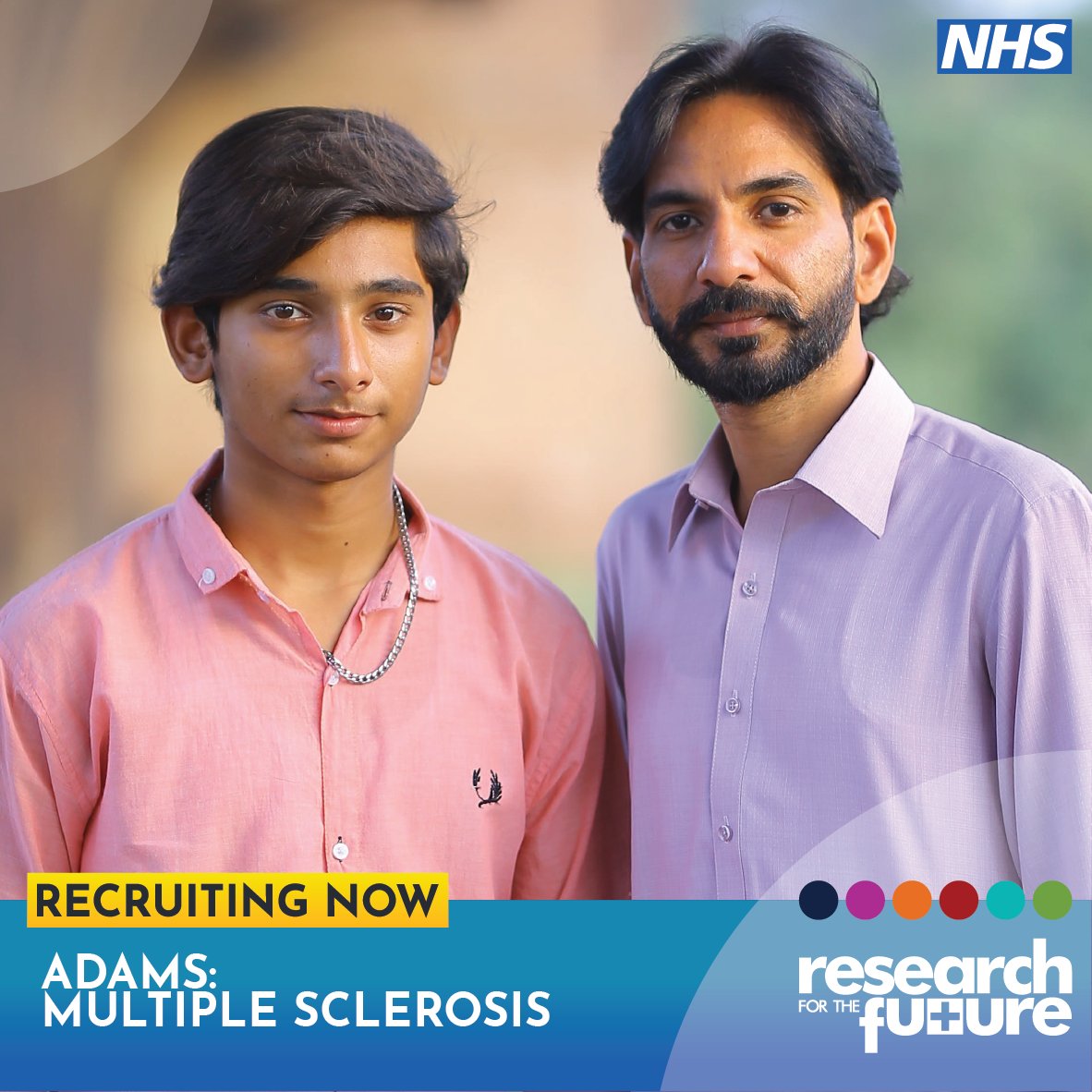
🟡 Recruiting now– ADAMS People with MS to take part in a study investigating how genes cause multiple sclerosis in people from different ethnicities. To take part, you should be of non-European heritage, eg African, Caribbean or South Asian. Visit researchforthefuture.org/studies/adams
Research for the Future tweet media
English
0
4
3
267
The ADAMS Study รีทวีตแล้ว
UK Biobank
UK Biobank@uk_biobank·
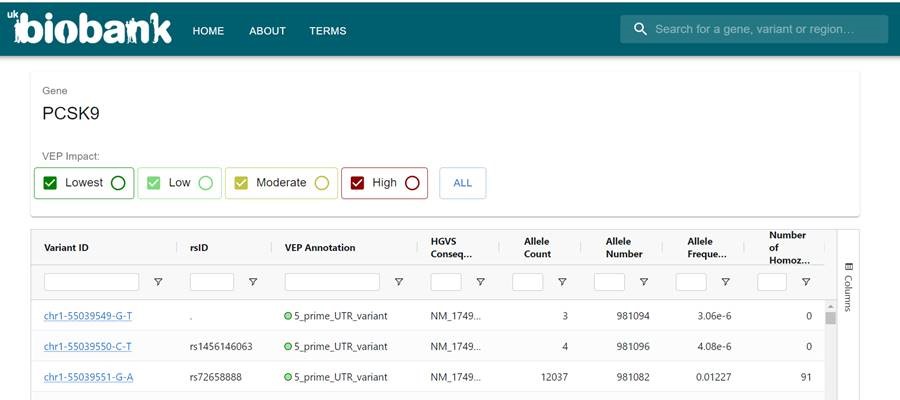
Great news! You can now browse the #500KGenomes summary statistics for all UK Biobank participants free of charge using our Allele Frequency Browser. The browser was launched on behalf of the Whole Genome Sequencing consortium. 🧬afb.ukbiobank.ac.uk
UK Biobank tweet media
English
5
96
295
35.8K
The ADAMS Study รีทวีตแล้ว
Ruth Dobson
Ruth Dobson@drruthdobson·
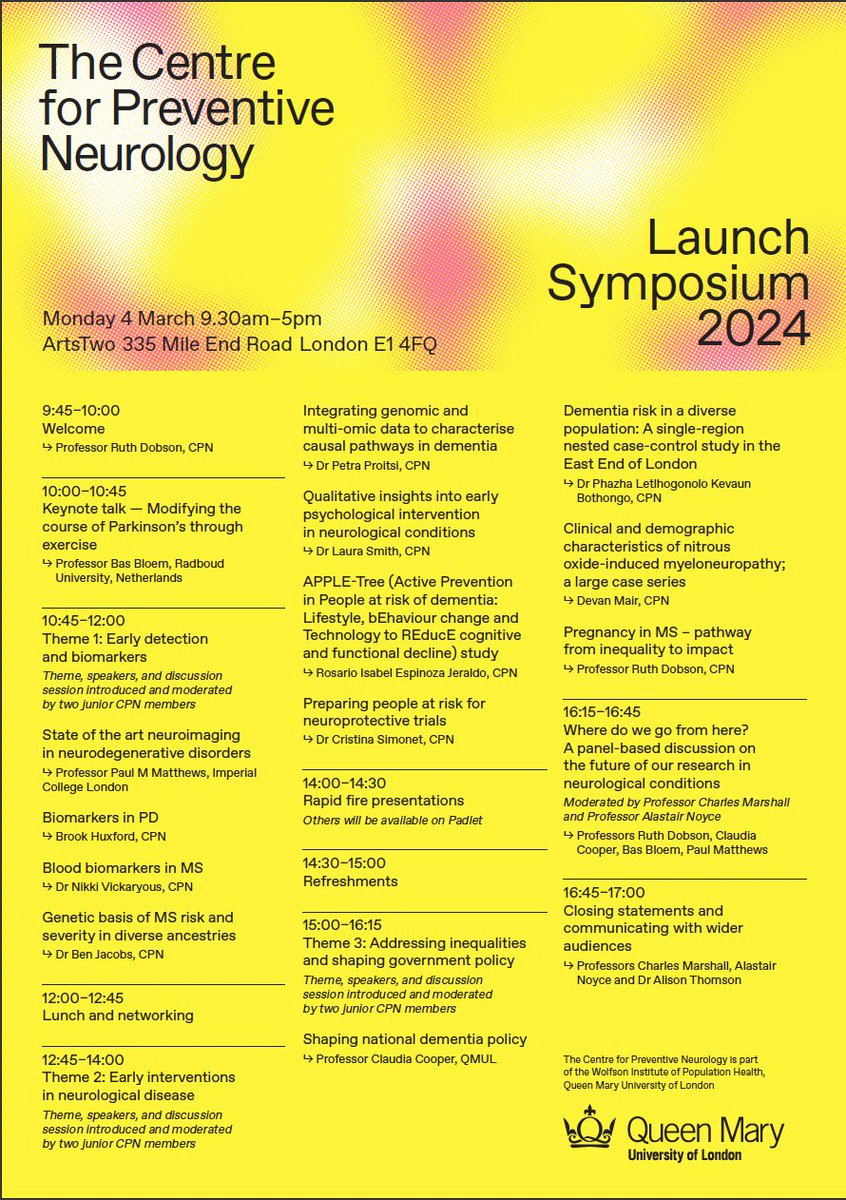
Come and help us celebrate the new(ish!) Centre for Preventive Neurology @preventiveneur1 at our launch symposium on 4th March covering early detection and biomarkers, interventions, and addressing inequalities will be covered. Register here eventbrite.co.uk/e/centre-for-p…
Ruth Dobson tweet media
English
2
21
33
4.9K
The ADAMS Study รีทวีตแล้ว
Research for the Future
Research for the Future@Research_Future·
🟡 Recruiting now– ADAMS People with MS to take part in a study investigating how genes cause multiple sclerosis in people from different ethnicities. To take part, you should be of non-European heritage, eg African, Caribbean or South Asian. Visit researchforthefuture.org/studies/adams
Research for the Future tweet media
English
0
4
2
296
The ADAMS Study
The ADAMS Study@adams_study·
Reassuring data from MSBase showing that ethnicity does not seem to influence the onset of Secondary Progressive MS (not the main focus of the paper but super interesting) - #423505092" target="_blank" rel="nofollow noopener">academic.oup.com/brain/article/…
English
0
1
2
183
The ADAMS Study รีทวีตแล้ว
Ewan Birney
Ewan Birney@ewanbirney·
First up, replication is broadly about doing the same conceptual experiment again to see if you get the same result (and is contrast of reproducibility - if the same person does the same experiment in the same setting do they get the same result?)
English
1
1
2
589
The ADAMS Study รีทวีตแล้ว
Ruth Dobson
Ruth Dobson@drruthdobson·
The @mssocietyuk have produced a long read blog about MS and pregnancy - really delighted to have been able to contribute and help shape this. Hopefully it will be helpful to some mssociety.org.uk/care-and-suppo…
English
0
16
27
1.7K
The ADAMS Study รีทวีตแล้ว
Veera Rajagopal 
Veera Rajagopal @doctorveera·
RGC million exomes browser is here (~20% non-Europeans). Don't miss this amazing resource to query variants and genes of your interest. It'll greatly complement the gnomAD v4 browser. Bookmark it today and spread the word.
Regeneron Genetics Center@RegeneronDNA

We’re excited to share that the RGC-ME Browser is live! The RGC-ME Browser offers allele frequencies, ancestry estimates, constraint metrics, and transcript annotations based upon a catalog of human protein-coding variations from the exome data of ~1M individuals.

English
3
31
106
27.1K
The ADAMS Study
The ADAMS Study@adams_study·
👀👀👀
Daniel MacArthur@dgmacarthur

Massive new @gnomad_project release (v4) spanning exome/genome data from *over 800,000 individuals*. Huge congratulations to the entire gnomAD production team for their incredible work getting this over the line! A total game-changer for rare variant interpretation.

ART
0
0
0
126