
Anastasia Teterina

1.6K posts

Anastasia Teterina banner
Anastasia Teterina

Anastasia Teterina

@attrna

geneticist, computational biologist, postdoc with @granex at the University of Oregon, popgen/networks, @attrna.bsky.social

Eugene, OR เข้าร่วม Ağustos 2017
595 กำลังติดตาม386 ผู้ติดตาม
ทวีตที่ปักหมุด
Anastasia Teterina
Anastasia Teterina@attrna·
🚨 New preprint alert 🚨 We've generated a new gapless genome of Caenorhabditis brenneri🪱, one of the most diverse metazoans! We compared its genome and gene organizations with other nematodes with smaller population sizes. Check it out! biorxiv.org/content/10.110…
Anastasia Teterina tweet media
English
1
7
18
1.9K
Anastasia Teterina รีทวีตแล้ว
Niko McCarty.
Niko McCarty.@NikoMcCarty·
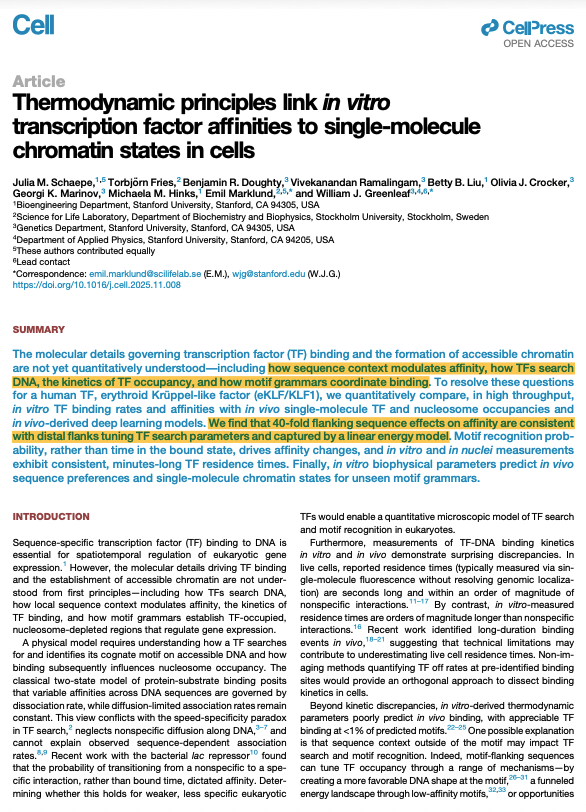
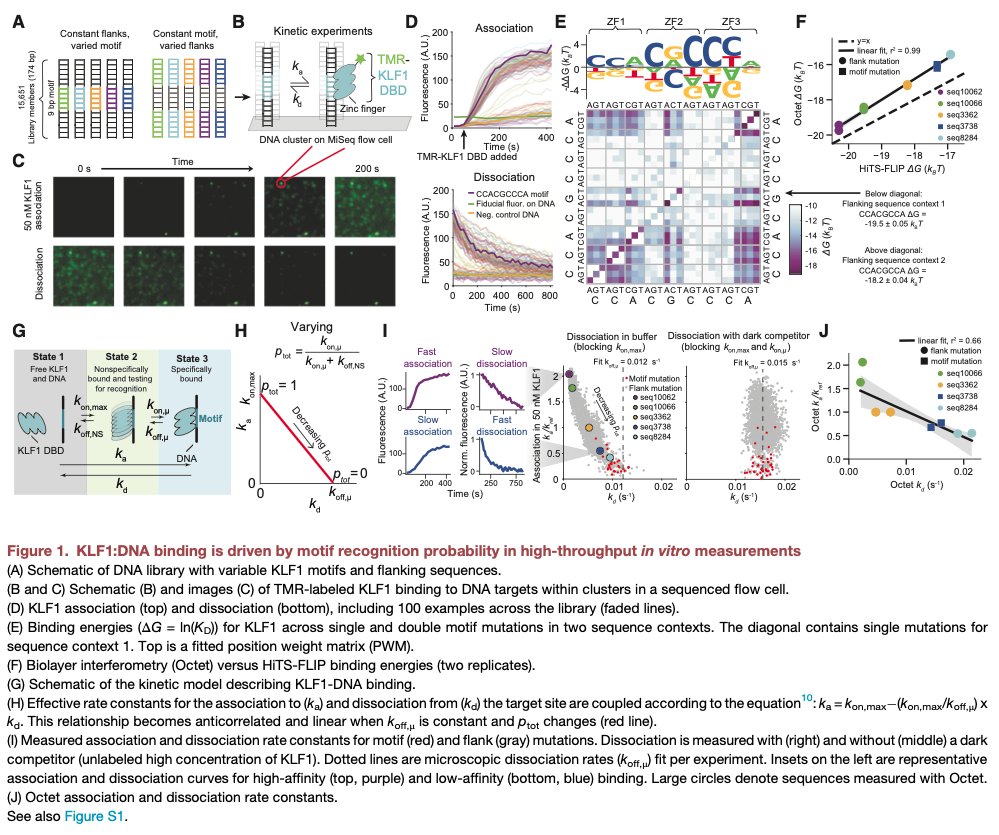
The model of gene expression taught in school is highly misleading! Transcription factors are proteins that bind to DNA and then help repress, or activate, the expression of genes. Cells have hundreds of different types of transcription factors, each tuned to regulate different genes based on short snippets of DNA located near those genes. The basic model, taught in school, says that these transcription factor proteins float around the cell and, when they bump into a DNA sequence, either latch onto it strongly (CORRECT SITE!) or fall off quickly (WRONG SITE) and keep searching. All the other DNA in a cell is basically abstracted away as unimportant or irrelevant; mere background noise. But again, this model is naive! And a new paper, published in Cell, beautifully shows how the sequences SURROUNDING a transcription factor's binding site also matter a great deal. This won't be surprising to many biologists, as "cracks" in the standard two-state model began emerging decades(?) ago. Biologists have tagged transcription factors with fluorescent tags and then watched them move around living cells. And they have noticed that when transcription factors land in a "wrong" location in the genome, they skip or hop to a nearby location and repeat this until finally connecting with the "correct" sequence. So in other words, there are actually three states that a transcription factor can exist in: free-floating, "searching", or "bound." (More technically, transcription factors first do a 3D search, then latch onto DNA and do a 1D search to find the correct location.) For this new paper, though, scientists exhaustively quantified *how* the sequences flanking a transcription factor binding site influence the search of the protein. They did a huge in vitro experiment, wherein they placed a specific transcription factor with a known binding site, called KLF1, in a huge library of 11,812 different DNA sequences. These sequences had mutated "core" binding sites and variations in the flanking sequences. They also prepared negative controls. Then, these researchers measured the binding kinetics of KLF1 with each sequence to understand which bases in the flanking sites impact the 1D search. What they found is that KLF1 has a basically flat disocciation rate from its core sequence, but that the PROBABILITY that it finds this sequence depends a lot on the surrounding context. Even mutations located dozens of bases away from the core site matter a lot, either pushing KLF1 to "hop" faster to find the site, or "trapping" KLF1 and slowing down its search. These flanking sequences can cause up to a 40-fold variation in the affinity of a transcription factor for its target site! This is just one small part of the paper, though, so I encourage anyone interested to read the whole thing. It is challenging throughout.
Niko McCarty. tweet mediaNiko McCarty. tweet media
English
19
241
1.2K
126.5K
Anastasia Teterina รีทวีตแล้ว
krupa
krupa@krupaad·
I spent months illustrating how Transformers actually work. Not just what they do, but why they’re built this way. The history, design choices, and intuition behind every layer. From RNNs → Attention → Multi-Head → FFNs → Positional Encoding. Here's everything I wish I knew:
English
70
373
3.3K
242.7K
Anastasia Teterina รีทวีตแล้ว
antisense.
antisense.@razoralign·
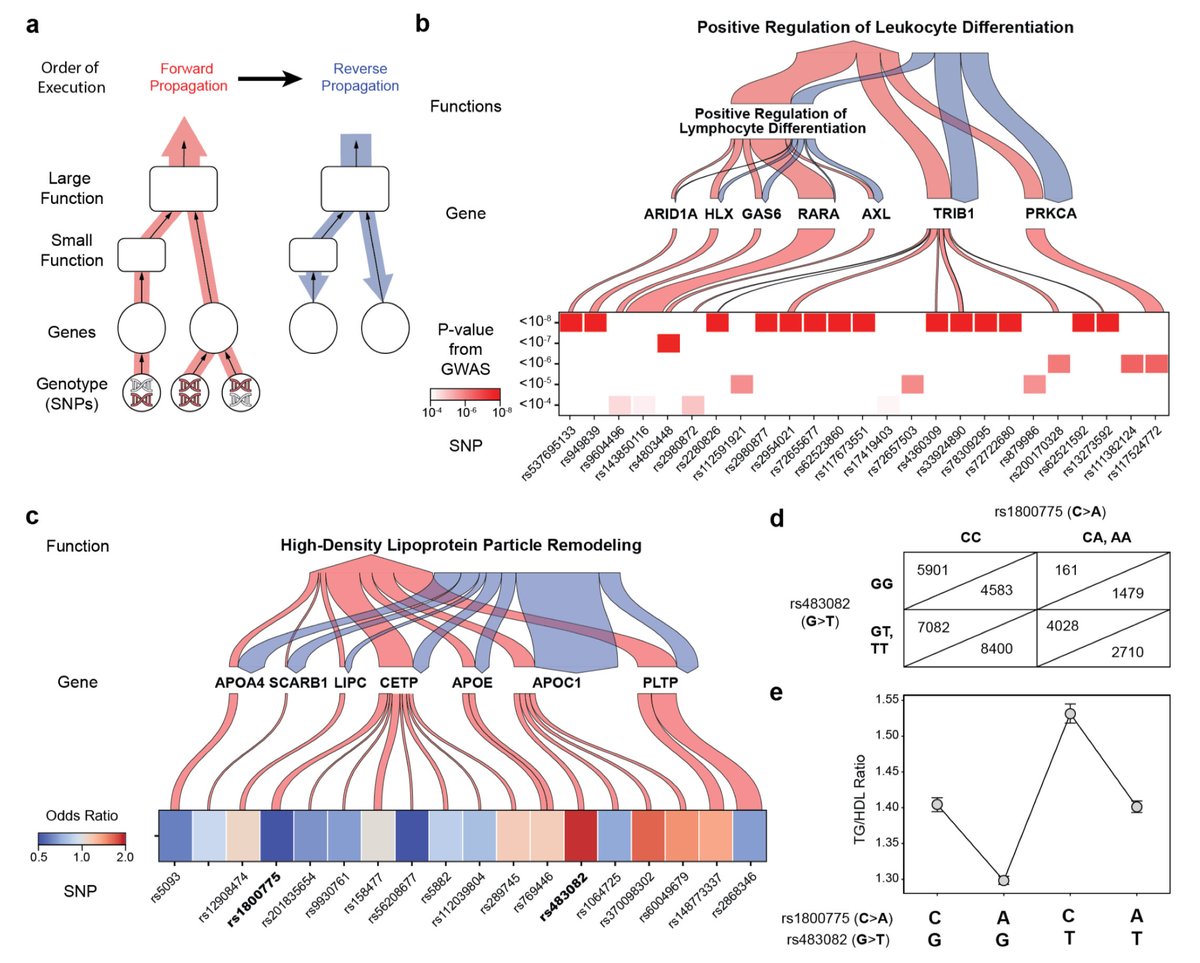
G2PT: Genotype-to-Phenotype Transformer: Mechanistic genotype-phenotype translation using hierarchical transformers biorxiv.org/content/10.110…
antisense. tweet mediaantisense. tweet media
English
4
80
347
47.1K
Anastasia Teterina รีทวีตแล้ว
Matthias Benoit
Matthias Benoit@Matt_Ben_·
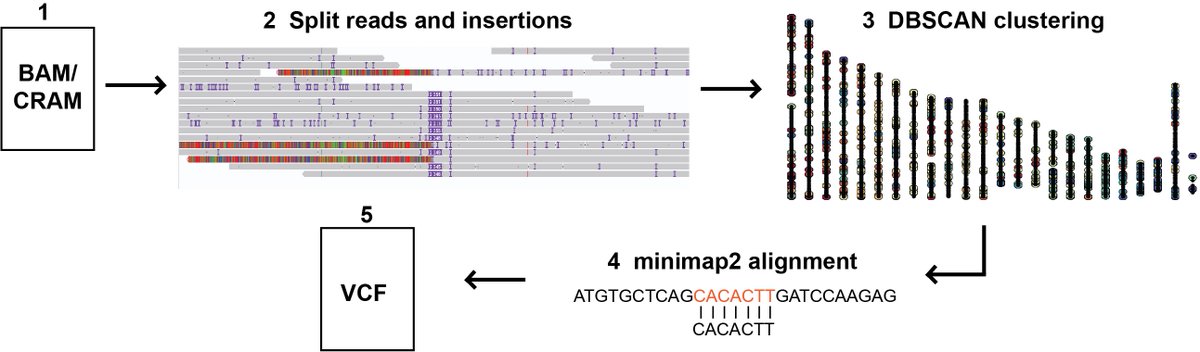
🚨 Excited to share this #preprint from my postdoc in the Lippman lab @CSHL, in collab. with @mike_schatz & many others! Using pan-genomics & pan-genetics across the Solanum genus 🍅🥔🍆 we reveal gene duplications 🧬 as contingencies in crop engineering. doi.org/10.1101/2024.0…
English
7
44
136
10.9K
Anastasia Teterina รีทวีตแล้ว
Grace Yuh Chwen Lee
Grace Yuh Chwen Lee@mobilepurin·
Widely observed negative correlation between recombination rate and TE abundance is usually interpreted as recombination rate being the "cause," influencing the efficacy of selection purging TEs. Yet, our recent study "flipped" this causality! biorxiv.org/content/10.110…… (1/5)
English
5
48
125
17.7K
Anastasia Teterina รีทวีตแล้ว
Luisa F. Pallares
Luisa F. Pallares@Lufpa·
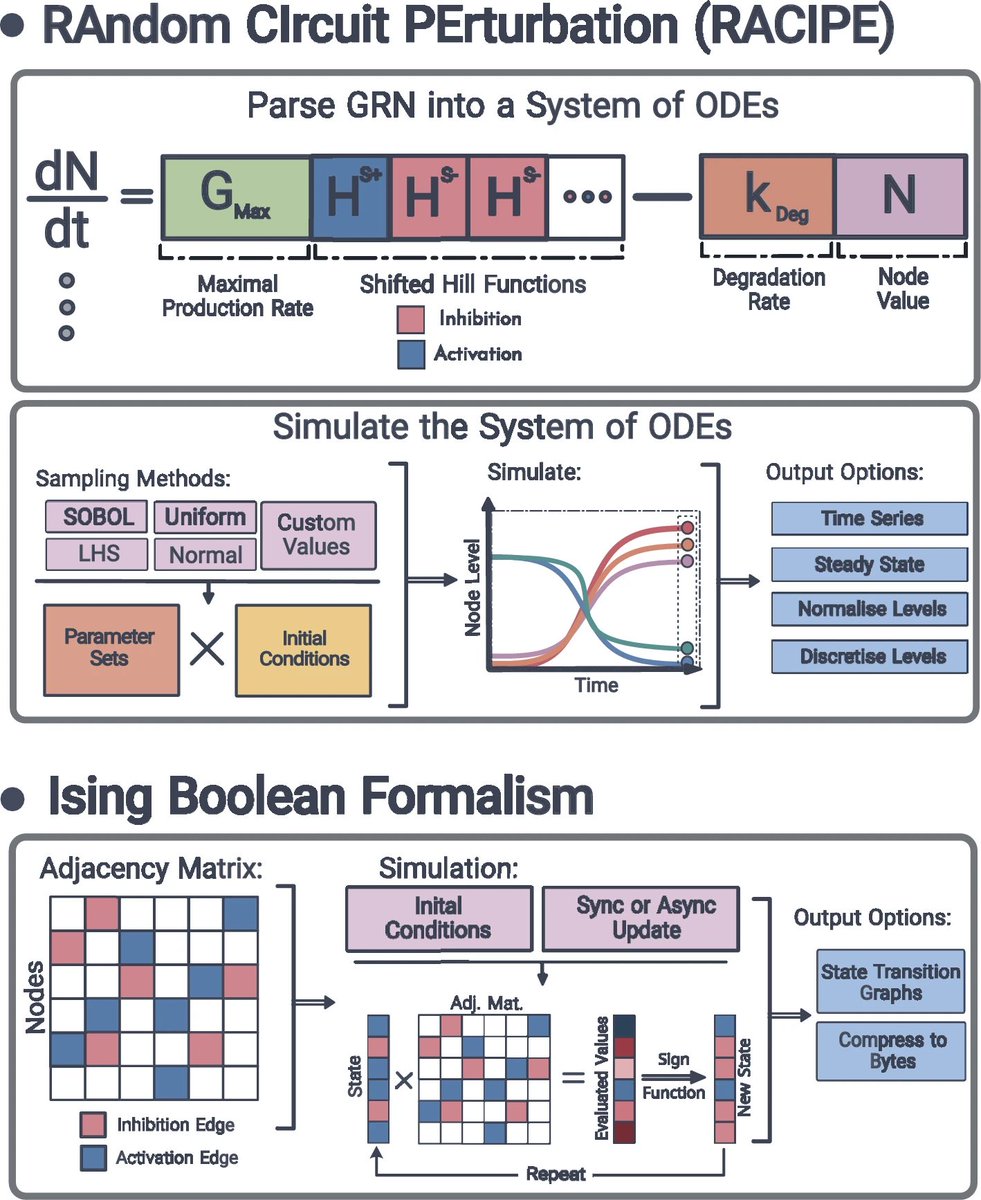
Have you ever wondered whether modularity is the only driver of transcriptional network organization? Short answer, no! There are nuances to transcriptional networks, and together with @diogro and Julien Ayroles we explored some methods to find them: journals.plos.org/ploscompbiol/a…
English
0
6
28
3K
Anastasia Teterina รีทวีตแล้ว
Matthew Hahn
Matthew Hahn@3rdreviewer·
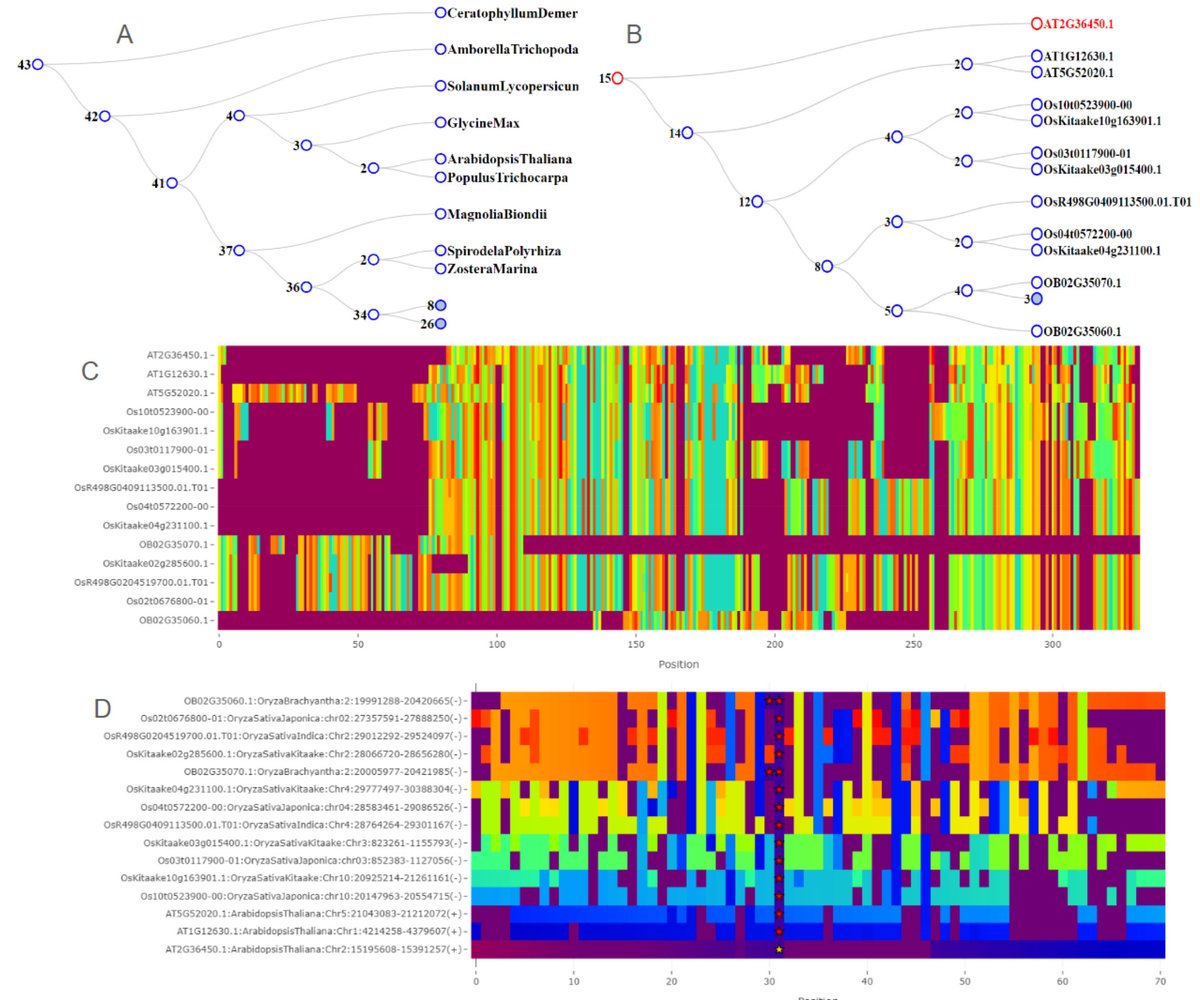
Advertising this amazing tutorial that Rob Lanfear (no longer on this site) put together: "For phylo nerds interested in concordance and discordance: iqtree.org/doc/recipes/co…"
Matthew Hahn tweet media
English
1
46
124
22.2K
Anastasia Teterina รีทวีตแล้ว
Kenny Workman
Kenny Workman@kenbwork·
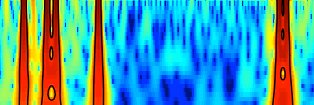
DNA and RNA is not enough. Epigenetic state is necessary for drug development + basic biology. Understanding ATAC-seq data requires interactive + genome scale operations. We present a suite of interactive + publication-quality tools, in Python, to view chromatin accessibility.
English
3
25
196
15.9K