

Austin Tate
10.6K posts
Austin Tate
@batate
Artificial Intelligence, Robotics and Virtual Worlds. Retweets do not imply agreement or support. They may mean “You cannot be serious!”
Edinburgh, UK เข้าร่วม Mart 2009
729 กำลังติดตาม885 ผู้ติดตาม

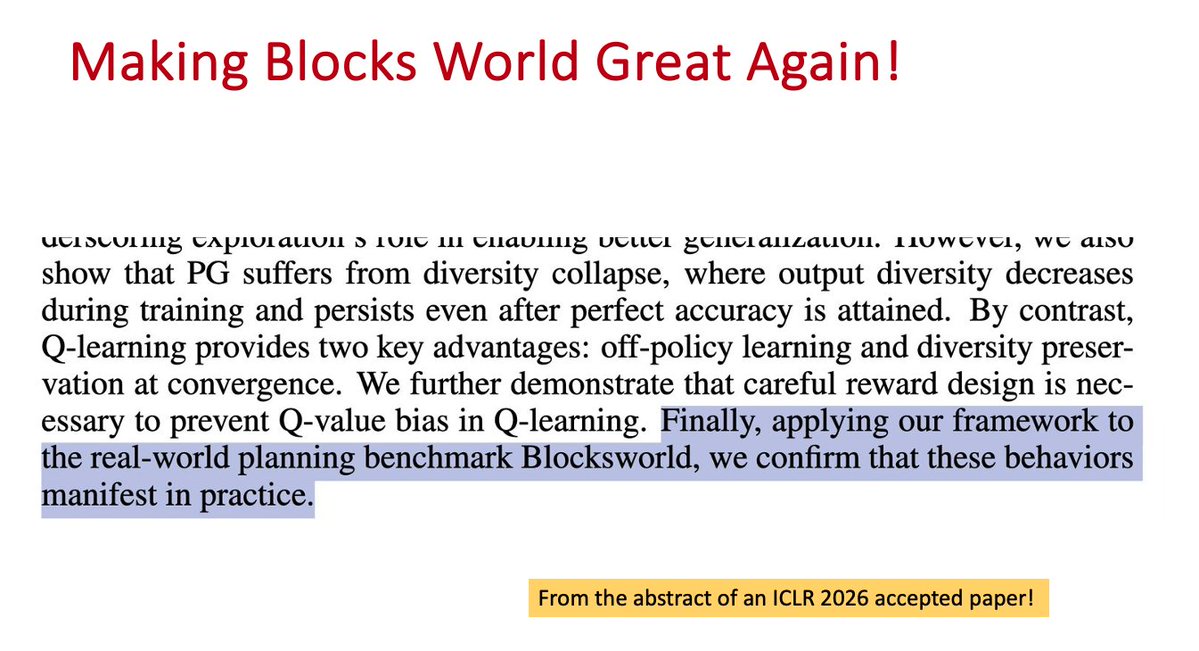
When we started testing the planning abilities of LLMs with standard planning domains in 2022, little did we realize that we may be Making Blocks World Great Again.. This #ICLR2026 paper seems to suggest that we may have done just that.. 😅😎
(If this doesn't make us a candidate for some shiny @ICAPSConference award, I don't know what will.. 🤪)
Subbarao Kambhampati (కంభంపాటి సుబ్బారావు)@rao2z
Intrigued by the profusion of 'em "#LLM's are Zero-shot <XXX>'s" papers, we set out to see how good LLMs are at planning and reasoning about change. tldr; off-the-shelf #GPT3 is pretty bad at these.. 👉arxiv.org/abs/2206.10498 (w/ @karthikv792 @sarath_ssreedh & @_aolmo_) 1/
English
Austin Tate รีทวีตแล้ว

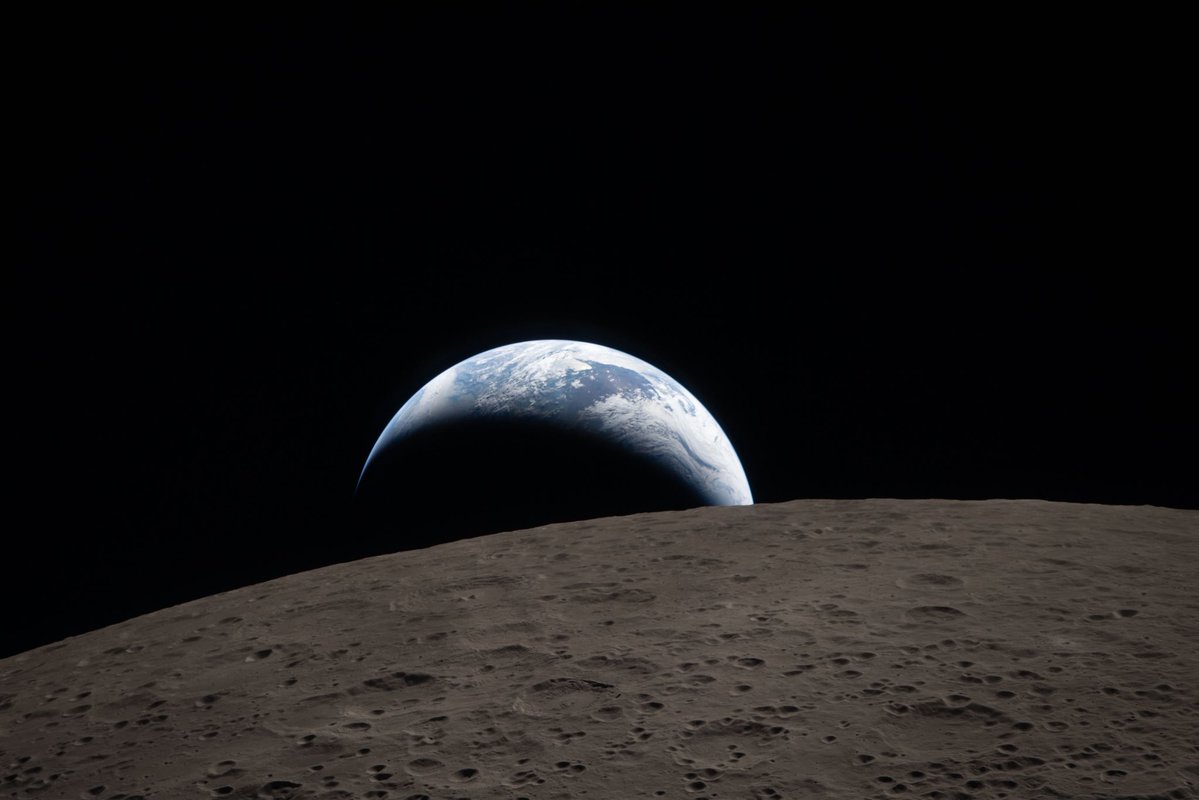
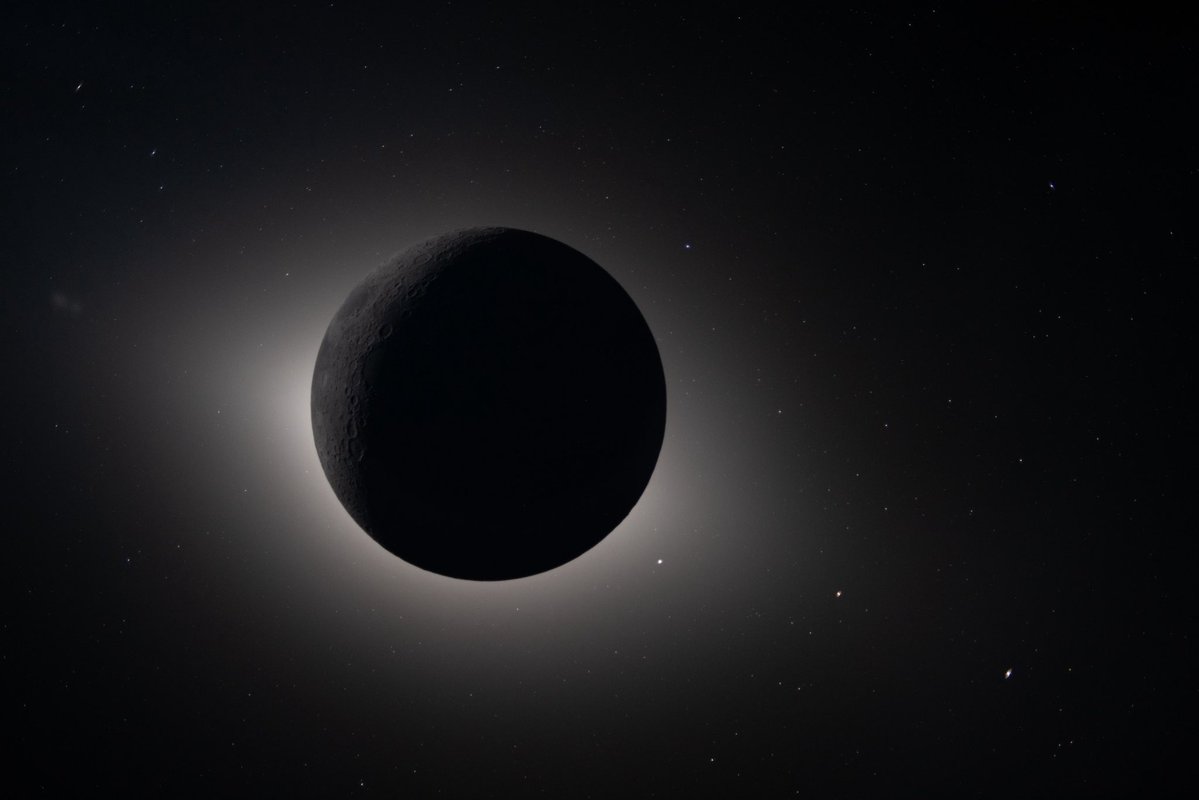
✅ #Artemis II update: 'Earthset', 6 April 2026, and 'totality', 7 April, seen from lunar orbit, the Moon eclipses the Sun, a view few humans have ever witnessed (pics: NASA)
🔗nasa.gov/gallery/journe…
English
@BBMF_Ernie93 @spitfiresdotcom @RAFBBMF Thanks for sharing. Great route plan for day 1. Do you have the plan for day 2 already so we can see if we are under the flight path?
English
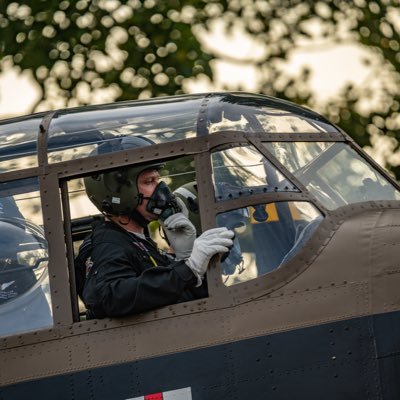
And we’re OFF… Day 1 – Leg 1!
Approx 13:00, @spitfiresdotcom ‘K5054’ will depart Southampton Airport, before linking up with F-35s and the @rafbbmf near RAF Marham. The formation will then recover to RAF Coningsby, escorted by the BBMF, just after 14:25.
#Spitfire90

English
@NASA @astro_reid NASA Image Archive link for the dark night side image of the Earth is nasa.gov/image-detail/a…
English
@NASA @astro_reid nasa.gov/image-detail/f… is the NASA Image Archive link for the brighter image/ Do you have the URL for the image archive for the darker one? Thanks for sharing.
English
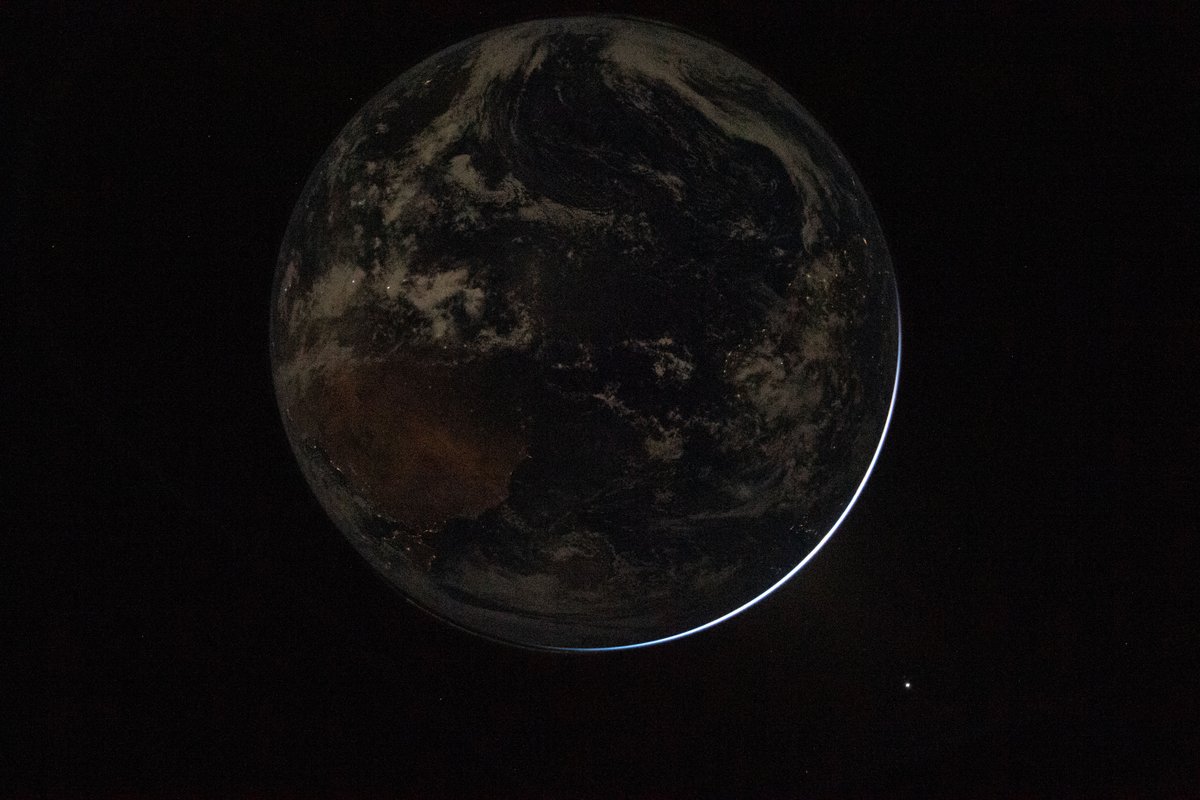
@Erdayastronaut NASA Image Archive link for the dark night side image of the Earth is nasa.gov/image-detail/a…
English
@Erdayastronaut Thanks for sharing that useful infirmation. Do you have a NASA Image Archive link to the darker Earth image and its metadata?
English
Austin Tate รีทวีตแล้ว
This photo of Earth is EXTRA spectacular for a good reason... let me explain. Most images you see of Earth from space are the daylight side of the Earth, and it's obviously very bright (see my last image), this means stars are too dim to be seen with that bright exposure setting (low ISO, high shutter and / or stopped down aperture).
BUT this image taken by the Orion crew looks so incredible because you can see the sun is BEHIND the earth, meaning it's night time on the side of the earth facing the crew in this image.
So how do you expose a night time earth from space? Same way you do on Earth! A mixture of opening up the aperture (F4 in this case), cranking the ISO (51,200 here), and using a relatively long exposure (1/4 of a second). We can see the settings used by looking at the exif data from the camera. What this means is our camera is also sensitive enough to see stars in the background of Earth, leading to an extraordinary image!!! GREAT WORK!!! These are the kind of images I've been so excited to see!


NASA@NASA
We see our home planet as a whole, lit up in spectacular blues and browns. A green aurora even lights up the atmosphere. That's us, together, watching as our astronauts make their journey to the Moon.
English
Austin Tate รีทวีตแล้ว

Ahora sí hablemos en serio de la foto. Este es un trino para interesados en fotografía, astrofotografía y el que quiera ¿Por qué esta foto es increíble? Algún conspiranóico, dándoselas de suspicaz, preguntó que por qué esta foto tomada por el comandante del Artemis II se veía más opaca que la foto tomada por la tripulación del Apolo 17 en 1972. Bueno. Acá viene lo emocionante. Esta fotografía hubiera sido imposible tomarla con una cámara análoga; y no cualquier cámara digital puede tomarla. El archivo original de esta foto está disponible para su descarga en la página de la NASA. En las propiedades del archivo se puede ver con qué cámara fue tomada y los ajustes de exposición que se usaron. Hasta el serial de la cámara. Esto, primero que todo, garantiza que la foto que estamos viendo no fue creada digitalmente, ni con IA, sino capturada por una cámara real por un humano. Sé que no es suficiente argumento para los conspiranóicos, pero ni modos. Esa que está ahí es la Tierra. Ahora sí lo interesante. ¿Por qué se ve como más opaca que la del 72? porque resulta que en la cara de la tierra que vemos en esa foto, está de noche; si hacen zoom pueden ver el brillo de la iluminación nocturna. Pero ¿cómo, si es de noche, puede verse como si fuera de día? Porque la foto se hizo con un altísimo ISO de 51200! El ISO es la sensibilidad del sensor a la luz. Con la mayoría de cámaras digitales, con ISOs de más de 6400, el ruido es tanto que la foto se ve prácticamente ilegible. Pero la cámara que tiene el comandante Reid Wiseman es una NIKON D5, que no es una cámara muy nueva; tiene 10 años de haber sido lanzada. Pero su sensor es reconocido por garantizar una calidad decente de imagen con ISOs altos. Y eso, para los que siempre preguntan cómo se hace una buena foto del cielo, es fundamental ¿Por qué? Pues para poder tomar fotos de los astros sin tener que bajar mucho la velocidad de exposición. Porque si bajas mucho la exposición apra que entre más luz, queda capturado el movimiento de los astros y de la rotación de la Tierra, cuando estás en la Tierra. Así que un iSO tan alto hizo posible que Wiserman pudiera disparar a una velocidad de 1/4 de segundo. Que es baja, pero no tanto. Es digamos, el límite para la astrofotografía. Por eso esta foto tiene ruido, porque de todas formas es un ISO altísimo.
Pero lo que más me emociona a mí, es que la tomó con un lente 14 -24mm F2.8. Es decir, en terminos coloquiales, que esta foto no tiene zoom. Para que lo dimensionen: cuando uno quiere tomar una foto de la Luna desde la Tierra que salga así de "cerca" tiene que usar un lente de unos 400mm de distancia focal. Wiserman usó un ¡gran angular de 22mm! Es decir que él estaba viendo la Tierra asi de grande frente a sus ojos. Porque la foto no fue recortada en edición y eso lo sabemos porque en las propiedades del archivo siempre aparece cuando una foto fue editada. El archivo está limpio, tiene la resolución original de la cámara. La tierra era inmensa frente a su mirada. Hermoso.
Pero para mí lo más mágico de esta foto, incluso más que las auroras boreales, es que se ve como la luz de sol, que está del otro lado de la tierra, ilumina nuestra atmosfera. Y eso es magia pura, porque esa atmosfera tiene una composición milimétricamente perfecta para permitir que la vida, tal y como la conocemos, sea posible. Esta foto, es un regalo precioso para la humanidad.
Les dejo al link para que descarguen la foto en alta resolución y el pantallazo de las propuedades del archivo.

Español
Austin Tate รีทวีตแล้ว
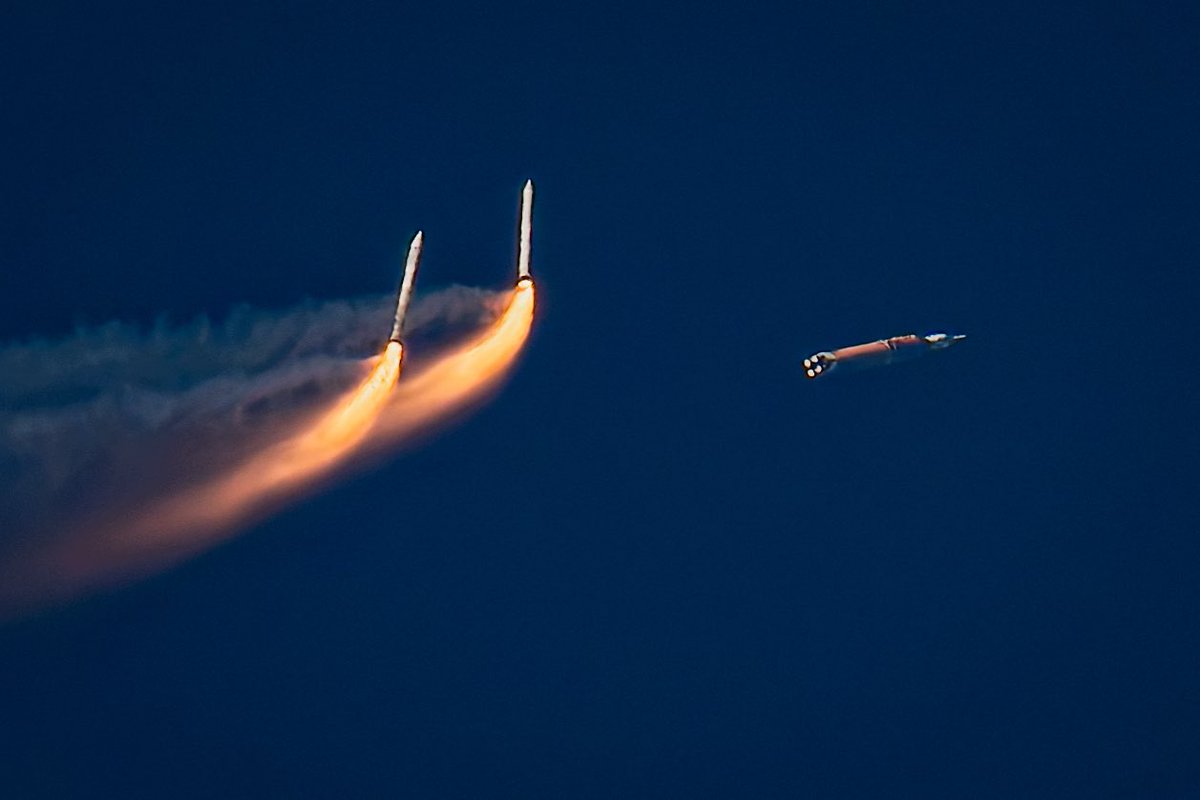
This is a truly incredible shot, especially given that the NASA live feed chose to show video of the cheering crowd right at the exact moment of solid rocket booster separation…
Brian ☀️🌏🌘@balail
Artemis ii
English
@SawyerMerritt @SpaceX I thought the cut away to the spectators just as solid booster separation was due was a really bad director choice. On board caneras at separations were used only for very short bursts which was also odd.
English
Austin Tate รีทวีตแล้ว

NASA’s Artemis II livestream really makes you appreciate @SpaceX’s launch broadcasts.
Bad camera tracking, no onboard cameras, countdown timer disappeared, NASA even showed people in the crowd instead of stage separation lol. The screen also blacked out twice during the first 10 seconds of the launch.
English
Austin Tate รีทวีตแล้ว

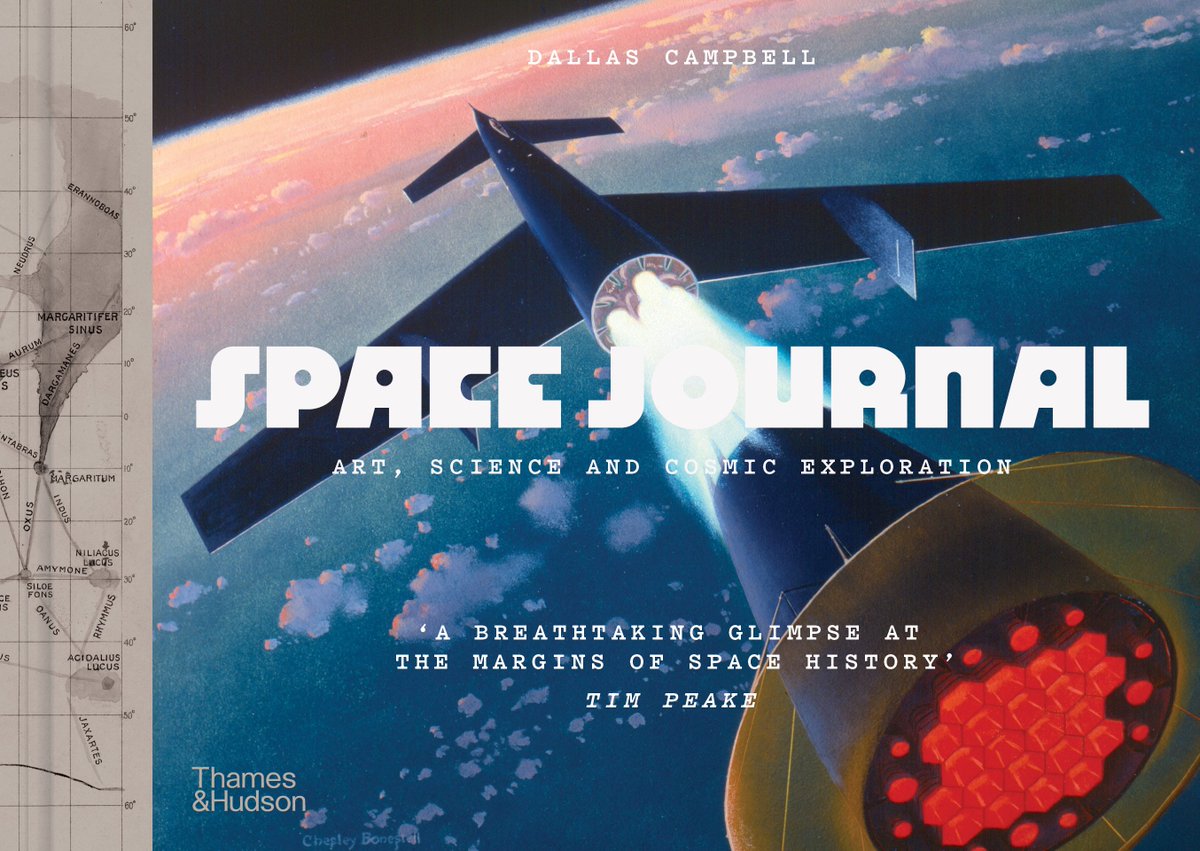
Featuring 517 illustrations, Dallas Campbell's new coffee table book Space Journal: Art, Science And Cosmic Exploration is a visual celebration of our perception of the cosmos, and our efforts to reach it. We have one copy to give away. RT this – we'll pick a winner on 2 April.
English
Austin Tate รีทวีตแล้ว

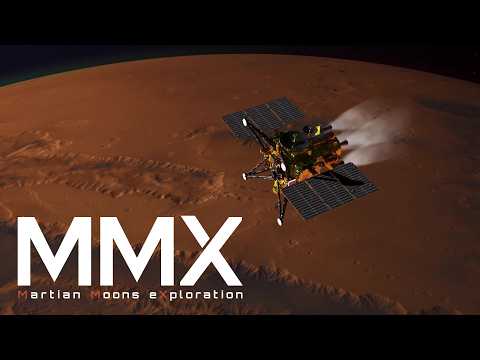
【最新動画公開】
「MMX Martian Moons eXploration mission movie 【2025年度版】」 を公開しました。
#JAXA #火星衛星探査計画
youtu.be/u3SBNgwVVCk
YouTube
日本語


Austin Tate รีทวีตแล้ว

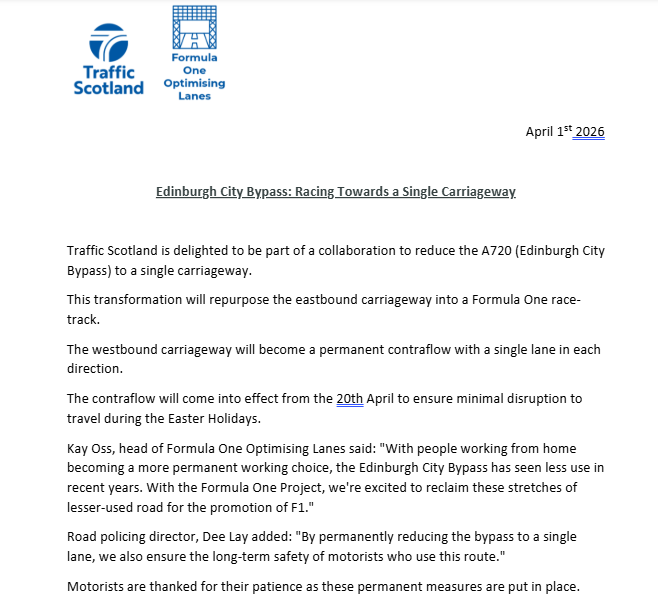
🚨PRESS RELEASE🚨
🛣️ 🏎️ Traffic Scotland is delighted to be part of the Formula One Project
🏁Reducing the #A720 (Edinburgh City Bypass) to a single lane in each direction and converting the eastbound carriageway into a Formula One race-track.
Full press release and details👇


English
Austin Tate รีทวีตแล้ว

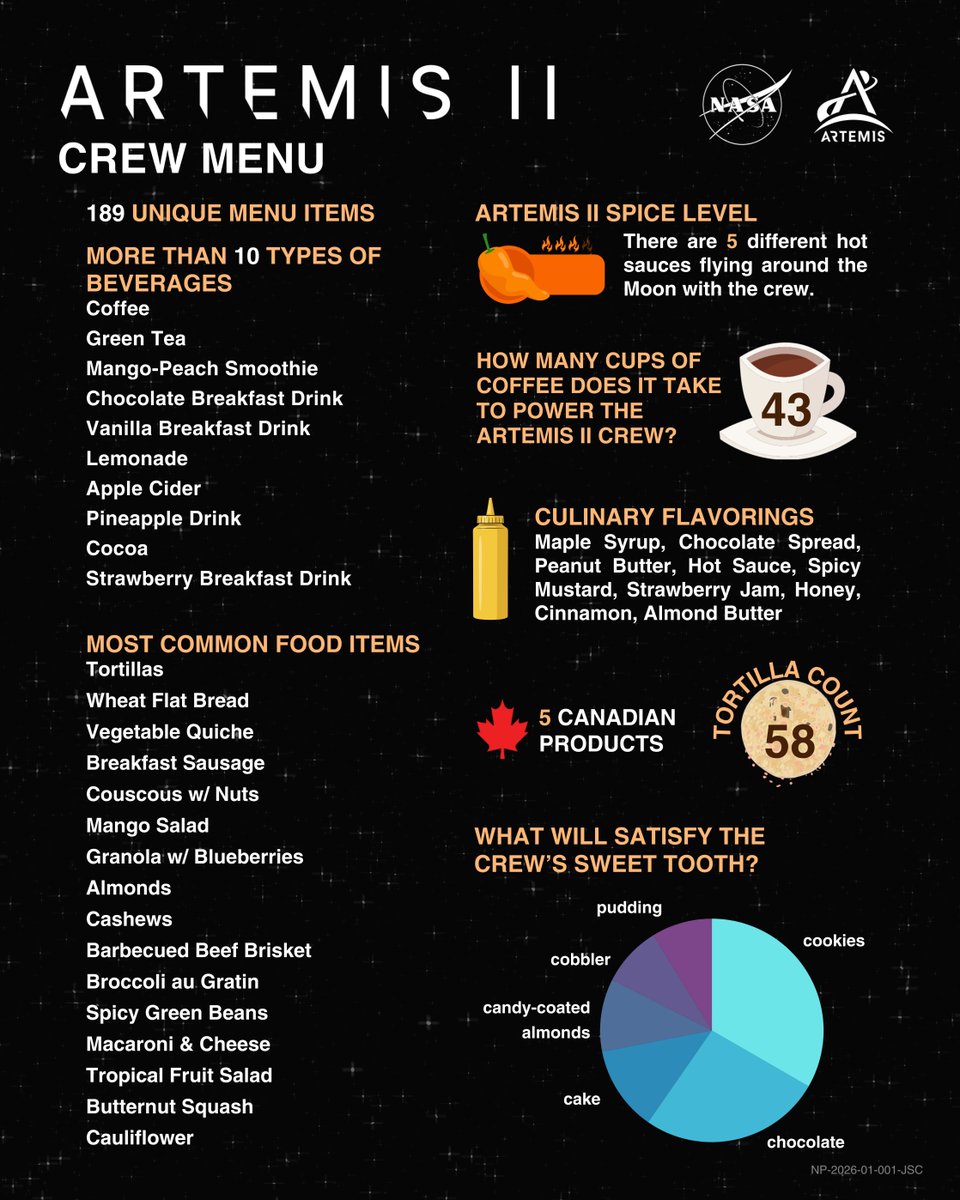
Brisket and cobbler and quiche, oh my!
Curious what astronauts eat on a 10-day trip around the Moon? Read about how we design and prepare meal plans for Artemis II: go.nasa.gov/4ceYlSu
English


Austin Tate รีทวีตแล้ว

Celebrating Oculus Rift CV1 anniversary by showing the beginning of modern VR era at retrogamecon.cz

English
Austin Tate รีทวีตแล้ว

Fist bump, Rise!
Very emotional moment zipping up Rise, knowing we are bringing 5,647,889 names with us on this journey around the Moon. For all!
People from around the world submitted their names through the Send Your Name with Artemis campaign.
These names were downloaded onto an SD card that is safely stored inside "Rise," the zero gravity indicator designed by 2nd grader Lucas Ye from California. Thanks for coming along, everyone!
English