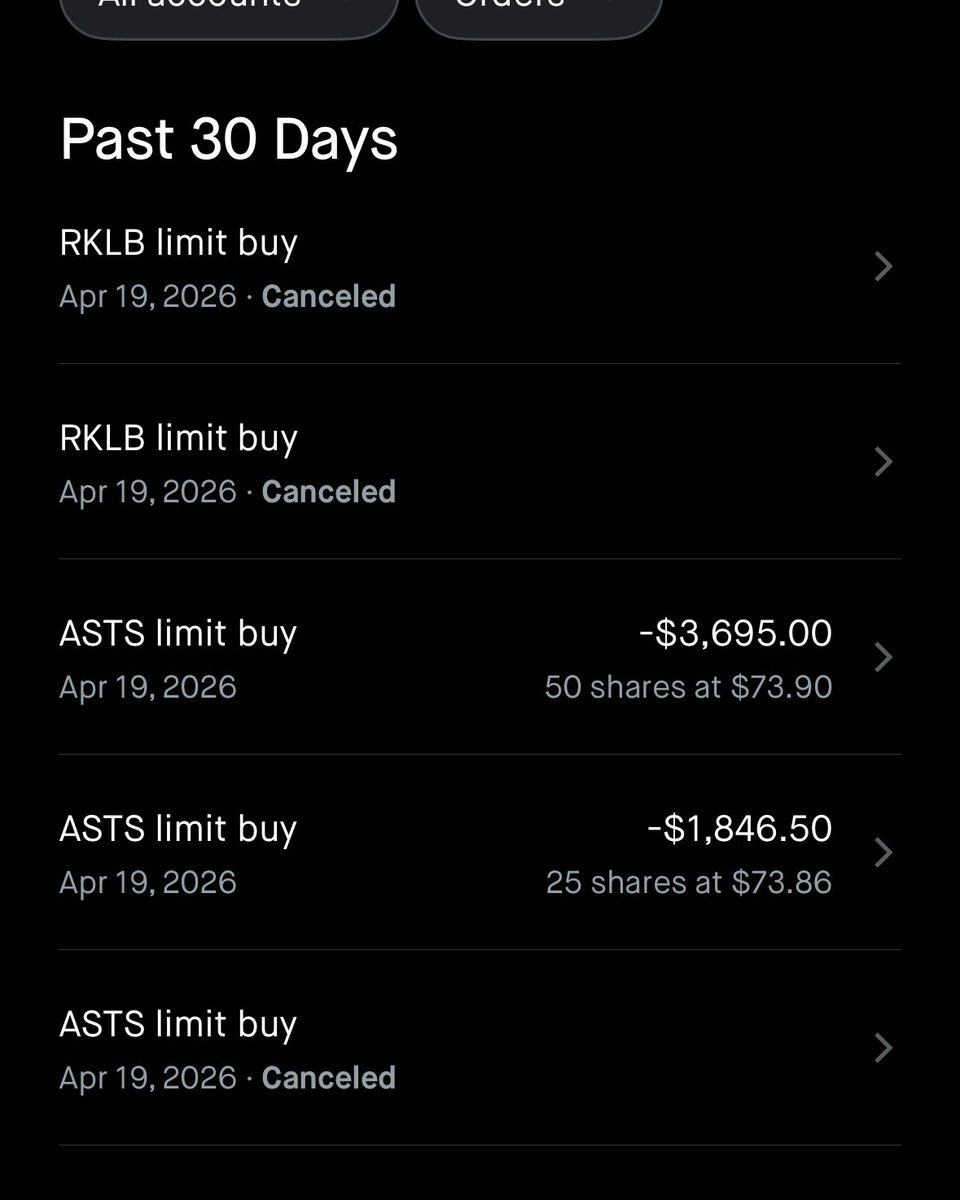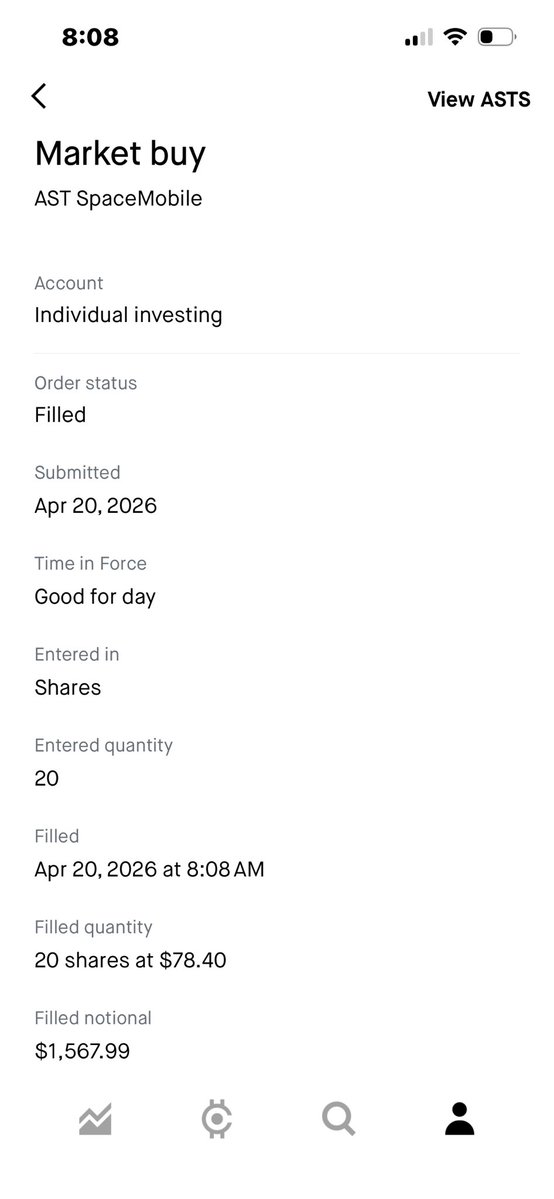
@spiel2001 You were the strongest “link” you could have been. we appreciate all of you and your teams efforts. We believe in you guys!
English
D🅰️N-PF $🅰️STS(6/21)
2.6K posts

@d_pf86
welding fabrication, Lexus, Toyota landcruisers, father of 2 boys, investing, $ASTS, go birds 🦅 , I enjoy the hustle and bustle of a Costco on a Sunday.

Now that we have a more complete view, we wanted to provide an update on our NG-3 mission. While we are pleased with the nominal booster recovery, we clearly didn't deliver the mission our customer wanted, and our team expects. Early data suggest that on our second GS2 burn, one of the BE-3U engines didn’t produce sufficient thrust to reach our target orbit. Blue Origin is leading the anomaly investigation with FAA oversight to learn from the data and implement the improvements needed to quickly return to flight operations. We have been in steady communication with the team at AST SpaceMobile, we appreciate their partnership, and we’re looking forward to many flights together.




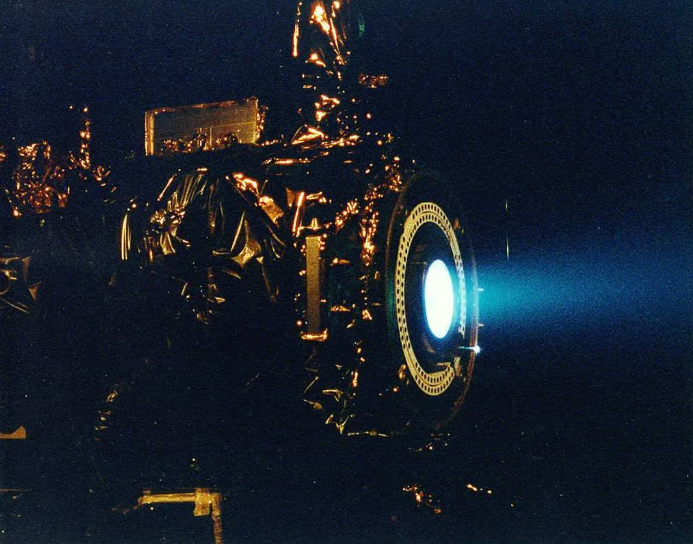
Blue Origin NG-3 | BB7 Satellite Status $ASTS New Glenn’s second stage (GS2) executed a standard two burn orbital insertion profile: Burn 1 (T+3:16 → T+13:01): Established a highly elliptical transfer orbit (~200–300 km perigee × ~500 km apogee). ~1 hour coast phase Planned Burn 2: 68-second burn at T+1:09:41 to circularize at target altitude BB7 separation: ~5 minutes post-burn Blue Origin has confirmed successful separation and power on of BB7, but noted an “off-nominal orbit”, indicating an issue during the second burn. Most Likely Failure Modes (ranked by probability) 1. Partial second burn, engines ignited but shut down early. Historically this is one of the most common failure mode for LH₂ upper stage restarts after long coast phases. Likely causes include ice formation in prevalves, TVC anomalies, or mixture ratio trips. The phrasing “off-nominal orbit” strongly suggests this scenario over a complete burn failure. This has shown up historically on vehicles like: -Centaur upper stage -Delta IV upper stage -Ariane 5 ESC-A 2. No second burn, vehicle remains in the initial transfer ellipse (~200–300 km × ~500 km). 3. Underperformance / weak burn, both perigee and apogee fall short of targets. BB7 Recovery Capability: BB7 has ~51 m/s Δv available via onboard ion propulsion. (20kg of xeon), Recovery depends heavily on achieved perigee. ≥450 km: ~19 m/s required, Recoverable, minor mission impact. Mission life reduction: ~30–40% ~400 km: ~33 m/s, Marginal, significant lifespan reduction. Mission life reduction: ~60–70% ~350 km: ~48 m/s, Technically recoverable, but effectively a stub mission. Mission life reduction: ~90%+ ≤300 km: ≥62 m/s, Not recoverable, beyond onboard capability Some of the Xeon will be reserved for collision avoidance, I see some sources say 1kg of Xeon, which reduces Δv available. TLE data within 12–48 hours will confirm the actual orbit and determine whether BB7 can recover. Another reminder space is hard, but we have some pretty nice optimistic scenarios to hope for here. FM3 Advantage (Forward Look) Future FM3 variants benefit from stacking and orbital separation architecture, allowing for increased propellant allocation per satellite. More onboard Δv = greater tolerance to insertion errors. Improved ability to recover from off nominal orbits. Less impact to overall mission lifespan.



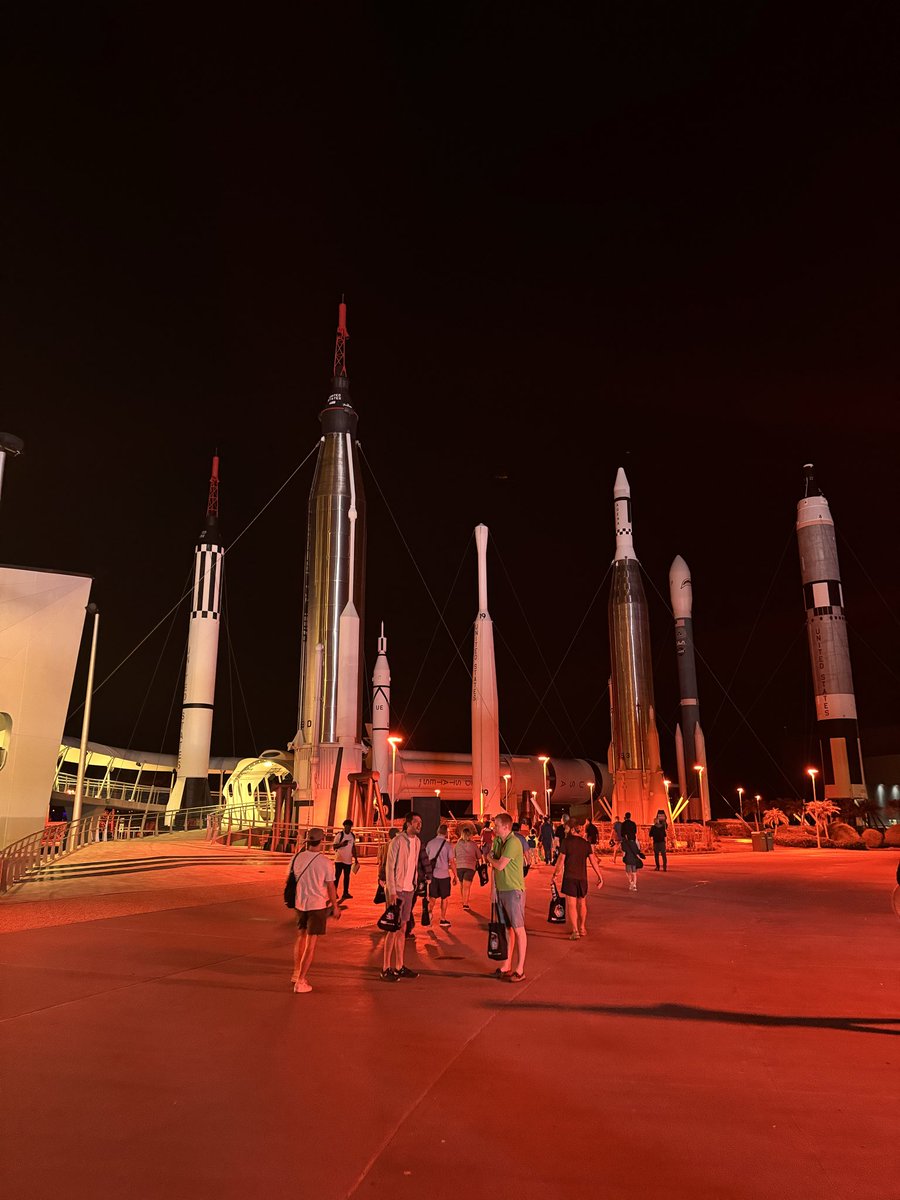

A lot of us are vertical this weekend.



🚨🚨 $ASTS AST Spacemobile - FCC Docket SAT-MOD-20250612-00145 AST & Science, LLC (AST SpaceMobile) commits to continued technical coordination with the National Science Foundation (NSF) and the National Radio Astronomy Observatory. This includes complying with any coordination agreements established between these entities and AST SpaceMobile. AST SpaceMobile will endeavor to complete technical coordination with NSF for supplemental coverage from space (SCS) operations before commencing commercial SCS operations in space-to-Earth bands, contingent upon the grant of the referenced applications. Furthermore, AST SpaceMobile agrees to protect the National Radio Quiet Zone while providing SCS. 🔗 fccalerts.com/api/pdf/a9054e…