ทวีตที่ปักหมุด
Bala_krishna_rao
99.2K posts
@garybala22
ஒன்றே குலம் ஒருவனே தேவன்|| தமிழன் || Nehruvian|| @UWCforYouth || https://t.co/1B0Mn7jXaO || #IWC|| NSUI TAMIL NADU| @TNNSUIIT Retweets are not endorsement
Narendra Modi urged people in Secunderabad to avoid buying wedding gold for a year and to cut fuel use through work from home and virtual meetings. He framed the appeal as a national responsibility amid high global energy costs, supply disruptions and wider political messaging from the BJP rally. Read more: intdy.in/u39rab #NarendraModi #Secunderabad #FuelPrices #WorkFromHome #Gold #ITReels




Will Opposition to the BJP Recede? In the recently concluded Tamil Nadu Legislative Assembly elections, the BJP managed to secure only a single seat. Meanwhile, reports suggest that the AIADMK—the party that effectively carried the BJP on its shoulders during the elections—is now on the verge of a split. As a result, it has become increasingly clear that the National Democratic Alliance (NDA) can no longer continue in the same form in which it contested the elections. At the same time, the Congress party, without prior consultation or indication, has withdrawn from the DMK alliance and aligned itself with the TVK. The VCK, the Muslim League, and the Left parties have extended their support to enable the formation of a TVK-led government. Although these parties continue to maintain that they remain within the DMK alliance, serious questions have emerged regarding the practical viability of such a position. The playing of “Vande Mataram” during the swearing-in ceremony may well have been inadvertent. Yet, symbolically, it also signals the possibility that the present administration may not sustain the uncompromising anti-BJP posture consistently maintained by the DMK government until now. The course adopted by the Congress party—and particularly by Rahul Gandhi—has generated considerable resentment among DMK cadres. Consequently, the DMK itself may gradually soften its opposition to the BJP, reducing the intensity with which it had previously confronted the saffron party. If a ruling dispensation functioning with a fragile majority chooses to avoid direct confrontation with the Union Government, its opposition to the BJP is inevitably likely to weaken. In addition, anti-BJP sentiment within the DMK camp itself may begin to lose momentum, shaped by an emerging internal question: “Now that the Congress is no longer our ally, is it still necessary to oppose the BJP with the same intensity as before?” Thus, although the BJP may have suffered defeat in the electoral arena, the broader political resistance against it may nonetheless begin to diminish. Will such a development serve the interests of Tamil Nadu? What path should democratic forces now adopt? These are questions that demand serious reflection. - Ravikumar MP

Will Opposition to the BJP Recede? In the recently concluded Tamil Nadu Legislative Assembly elections, the BJP managed to secure only a single seat. Meanwhile, reports suggest that the AIADMK—the party that effectively carried the BJP on its shoulders during the elections—is now on the verge of a split. As a result, it has become increasingly clear that the National Democratic Alliance (NDA) can no longer continue in the same form in which it contested the elections. At the same time, the Congress party, without prior consultation or indication, has withdrawn from the DMK alliance and aligned itself with the TVK. The VCK, the Muslim League, and the Left parties have extended their support to enable the formation of a TVK-led government. Although these parties continue to maintain that they remain within the DMK alliance, serious questions have emerged regarding the practical viability of such a position. The playing of “Vande Mataram” during the swearing-in ceremony may well have been inadvertent. Yet, symbolically, it also signals the possibility that the present administration may not sustain the uncompromising anti-BJP posture consistently maintained by the DMK government until now. The course adopted by the Congress party—and particularly by Rahul Gandhi—has generated considerable resentment among DMK cadres. Consequently, the DMK itself may gradually soften its opposition to the BJP, reducing the intensity with which it had previously confronted the saffron party. If a ruling dispensation functioning with a fragile majority chooses to avoid direct confrontation with the Union Government, its opposition to the BJP is inevitably likely to weaken. In addition, anti-BJP sentiment within the DMK camp itself may begin to lose momentum, shaped by an emerging internal question: “Now that the Congress is no longer our ally, is it still necessary to oppose the BJP with the same intensity as before?” Thus, although the BJP may have suffered defeat in the electoral arena, the broader political resistance against it may nonetheless begin to diminish. Will such a development serve the interests of Tamil Nadu? What path should democratic forces now adopt? These are questions that demand serious reflection. - Ravikumar MP

Backstabbing comes naturally to the Congress. See what happened in Tamil Nadu…



Keralam would @sardesairajdeep ! We had 2 christian CMs already . The question should be “will any state welcome a Muslim CM in Today’s India”. Lets not forget Nagaland, Mizoram & Meghalaya have Christian CMs
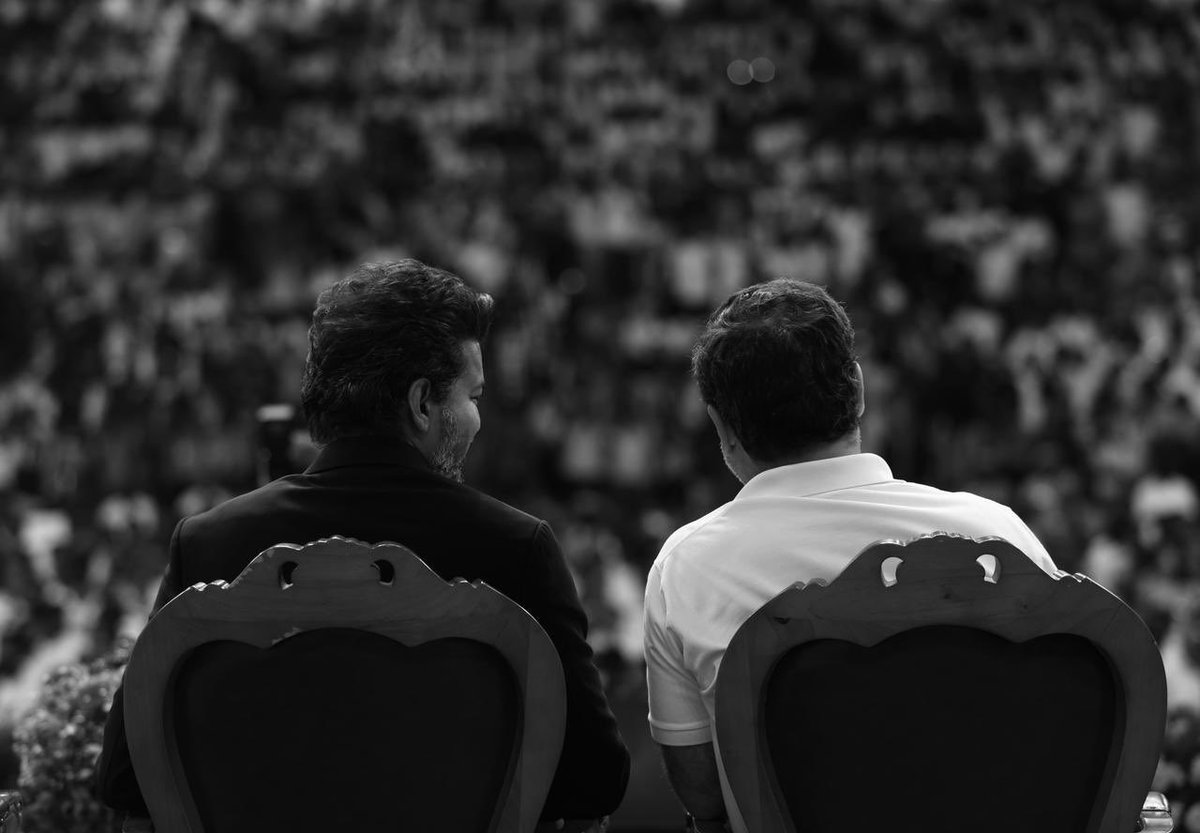
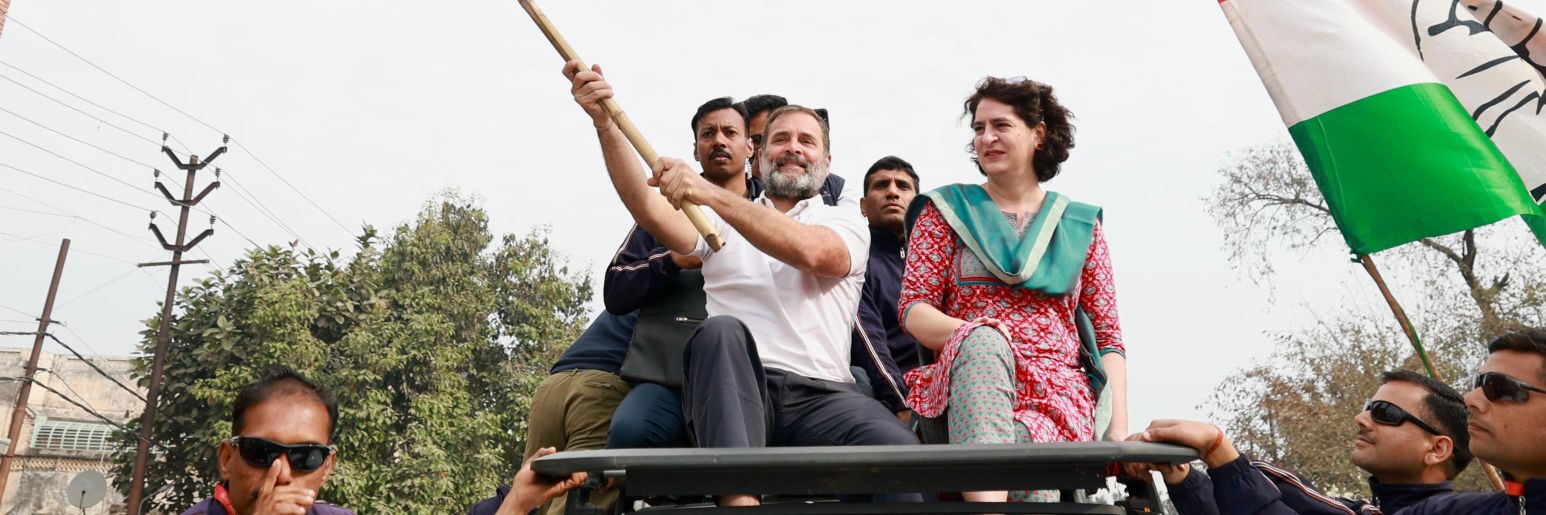
Vijay wanted to Join Congress in 2009 He Didn't or Couldn't is not Important today @RahulGandhi offered his support and stood up with him to ensure Vijay took his Oath as CM of Tamilnadu....'arrogant' Congress was so humble and supportive all along. Ab toh Chashma saaf karlo

Speaking at a rally in Hyderabad. The people of Telangana are seeking change after being let down by both BRS and Congress. Only the BJP’s double-engine government can fulfil people’s aspirations and ensure development. @BJP4Telangana twitter.com/i/broadcasts/1…