Imam of Masjid al-Masih Isa(Jesus) in Korea

13.1K posts

Imam of Masjid al-Masih Isa(Jesus) in Korea banner
Imam of Masjid al-Masih Isa(Jesus) in Korea

Imam of Masjid al-Masih Isa(Jesus) in Korea

@koreanimam

Support Korean Islamic Broadcasting System on PayPal https://t.co/DZEmvChPTY or Patreon https://t.co/IYbSycoSUq WhatsApp: +821080019902

Republic of Korea เข้าร่วม Aralık 2012
10 กำลังติดตาม15.8K ผู้ติดตาม
ทวีตที่ปักหมุด
Imam of Masjid al-Masih Isa(Jesus) in Korea
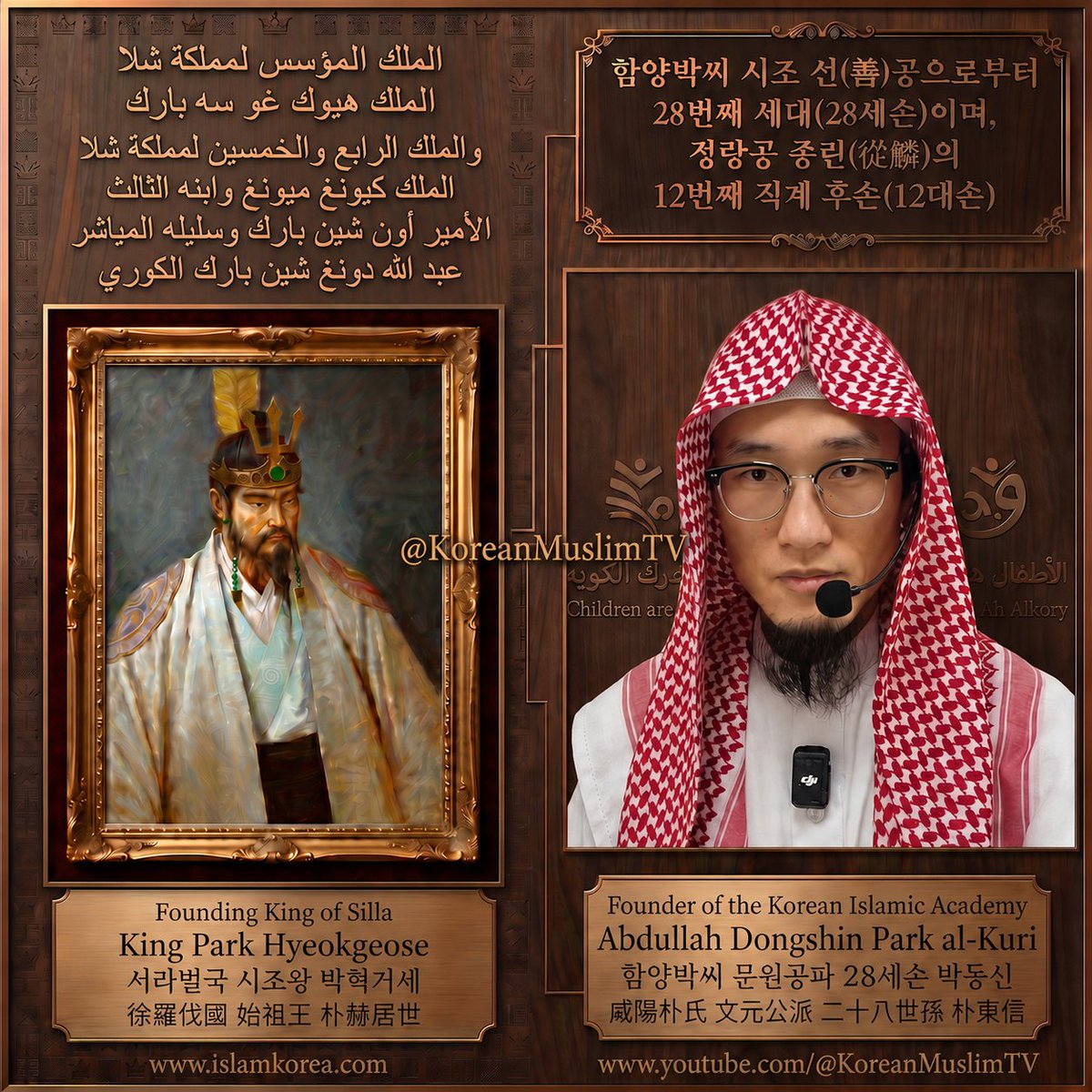
Some people claim that I am not truly Korean, but a Korean of Malaysian descent. They say that Islam can never take root in Korea, and that “native Koreans” will never accept Islam. I am currently staying in Malaysia and studying Islam. I love Malaysia, and I respect the Malaysian people. I have seen many good things from Malaysian Muslims, and I greatly appreciate their kindness and faith. However, I want to make this clear. I am not a Korean of Malaysian descent. The name I use in Korea is Park Dong-shin, and the name I use internationally is Abdullah Park al-Kuri. I am a Korean citizen. I was born in the Republic of Korea in 1986, and I grew up in a Christian family in Korea. However, in 2009, I left Christianity and accepted Islam. I did not accept Islam because I am a foreigner. I did not accept Islam because I am Malaysian, nor because I am Arab. As a Korean, I searched for the truth, studied, reflected, and became Muslim because I became convinced that Islam is the true religion sent by God. If you still cannot believe me, then I will reveal my family lineage. My family belongs to the Jeongnanggong branch of the Munwongong branch of the Hamyang Park clan, which is known as one of the noble clans of ancient Korea. I am the 28th-generation descendant of the clan ancestor Seon, and the 12th-generation descendant of Jeongnanggong Jong-rin. According to our family records, the Hamyang Park clan originated from the line of Park Eon-sin, also known as Sokham Daegun, the third son of King Gyeongmyeong of Silla. King Gyeongmyeong granted his third son, Park Eon-sin, the title of Sokham Daegun, and Sokham later came to be known as Hamyang. His descendants then took Hamyang as their clan seat and lived on Korean land generation after generation. If calculated from the time of Park Hyeokgeose, the founder of Silla, the roots of my surname and family go back approximately 2,080 years. Even after Park Seon, who is honored as the central ancestor of the Hamyang Park clan, my family continued through the Goryeo and Joseon periods, producing many officials and scholars throughout Korean history. Therefore, I can say clearly: I am a native Korean. This land is the land of my ancestors. As a Korean born on this land, I have the right to be respected for the faith I have chosen. There is nothing strange about a Korean accepting Islam. It is not impossible for a Korean to become Muslim. Even a person from a deeply rooted Korean family can accept Islam. I will spread Islam in Korea. And if God permits, I hope that my descendants will also follow after me, study Islam, become scholars of Islam, and spread the pure faith of worshiping God alone on Korean land. As proof that I am a Korean rooted in Korean land, I reveal my family lineage. I also reveal the names of my direct ancestors recorded in my family genealogy. Anyone can verify the history of the Hamyang Park clan and its figures through clan records and surname materials. Also, according to our family records, my ancestors lived on Korean land throughout the history of Silla, Goryeo, and Joseon, serving the people by holding official positions generation after generation without interruption until Japan’s imperial aggression against Joseon. Below is the direct lineage recorded in my family genealogy. The direct lineage of Park Dong-shin: 1st generation: Seon 선(善) – 2nd generation: In-jeong 인정(仁挺) – 3rd generation: Sin-cheong 신청(信淸) – 4th generation: Yun-jeong 윤정(允禎) – 5th generation: Sin-yu 신유(臣유), Chungjilgong 충질공(忠質公) – 6th generation: Ji-bin 지빈(之彬), Munwongong branch 문원공파, second branch 2파 – 7th generation: Jang 장(莊) – 8th generation: Chung-jwa 충좌(忠佐), Chiamgong branch 치암공파, Munjegong branch 문제공파, Teacher Chiam 치암선생 – 9th generation: Jeon 전(琠), Hamyanggun branch 함양군파 – 10th generation: Mun-jae 문재(文재), Jimiljikgong branch 지밀직공파 – 11th generation: Won-taek 원택(元擇), Buyungong branch 부윤공파 – 12th generation: Gyu 규(規), Panseogong branch 판서공파 – 13th generation: I-gyeong 이경(而敬) – 14th generation: So-jong 소종(紹宗), Sajikgong branch 사직공파 – 15th generation: Nul 눌(訥) – 16th generation: Jong-rin 종린(從鱗), Jeongnanggong branch 정랑공파, settlement ancestor 입향조 – 17th generation: Sun 순(荀), Jwaranggong 좌랑공 – 18th generation: Su-geom 수검(守儉) – 19th generation: Min 민(玟) – 20th generation: Jae-hwa 재화(再華) – 21st generation: Se-gwi 세귀(世貴) – 22nd generation: Gyeong-bo 경보(慶甫) – 23rd generation: Yong-seo 용서(龍瑞) – 24th generation: Myeong-deok 명덕(命德), great-great-grandfather – 25th generation: Jae-yun 재윤(載奫), great-grandfather – 26th generation: Yun-seok 윤석(潤錫), grandfather – 27th generation: Heung-sun 흥순(興淳), father – 28th generation: Dong-shin 동신(東信) This is my root. So if anyone says to me, “You are not truly Korean,” “You are only a Korean of Malaysian descent,” or “native Koreans do not accept Islam,” I will answer: No. I am Korean. I am a Korean born from a deeply rooted family in Korean history. And I am a Korean Muslim who left Christianity and chose Islam. A Korean like me can accept Islam. Therefore, there is no problem with many more Koreans accepting Islam in the future. If God permits, Islam will take root on Korean land as well.
Imam of Masjid al-Masih Isa(Jesus) in Korea tweet media
English
126
478
3.2K
85.9K
Imam of Masjid al-Masih Isa(Jesus) in Korea
A Concern and Warning from a Korean Muslim Regarding the Conduct of Mohammed Hijab and the Attitudes of Some Muslims in Europe As a Korean Muslim, I feel deep concern about the recent statements and conduct of Mohammed Hijab, as well as the collective attitudes displayed by some Muslims in Europe. Some people do not examine whether one another’s creed and practices conform to the Qur’an and the authentic Sunnah. Instead, they form alliances merely because they are sympathetic to Sufism or united in opposition to those they call “Wahhabis.” They then define a particular person or group as a common enemy and strengthen their internal solidarity through ridicule and condemnation. This is not the attitude of someone sincerely seeking the truth. It is the act of placing group identity above the truth. Mohammed Hijab and some of those who support his statements appear to label others as “Wahhabis,” “Najdis,” or “extremists” before fairly examining their arguments and evidence. However, calling someone a Wahhabi does not automatically make one’s own position correct. Ridiculing an opponent does not turn religious innovation into Sunnah, nor does it transform practices containing elements of shirk into Tawhid. What is even more dangerous is that this hostile alliance may eventually be used to justify various errors under the name of Sufism. At first, people may come together simply because they oppose “Wahhabism.” Over time, however, they may become unable to criticize excessive practices connected to graves, calling upon deceased saints or shaykhs for help, baseless collective forms of remembrance, turning music and dance into religious rituals, blind obedience to shaykhs, and exaggerated veneration of religious figures. Eventually, the identity of “I am a Sufi” may be placed above the Qur’an and the Sunnah, and the name of Sufism may be used as a shield to protect religious innovations and practices involving elements of shirk. I am not seeking to condemn all Muslims in Europe as one group. There are many sincere and wise Muslims there, as well as respected scholars. However, excessive factionalism, emotional agitation, personal attacks, collective mockery, and blind loyalty to prominent personalities, which can be seen among some Muslim communities in Europe, must be treated with caution. Islam is not a religion whose truth is determined by the eloquence of a famous debater. Views, applause from crowds, aggressiveness in debate, and the ability to overpower an opponent verbally are not evidence of truth. The questions we must ask are clear: Is this claim based on the Qur’an and the authentic Sunnah? Did the Messenger of Allah teach this belief or practice? Did the Companions and the early generations of Muslims worship Allah in this manner? Are fairness and proper manners being observed when criticizing others? Muslim unity must not be built upon loyalty to a particular individual or faction. It must be built upon the truth, and we must be able to say that something is wrong regardless of who says or does it. As a Korean Muslim, I will not be swept away by famous personalities in Europe or by popular sentiment. Whether it is Mohammed Hijab or anyone else, his words and actions must be examined according to the Qur’an and the Sunnah. A name and reputation are not evidence, and popular support is not a guarantee of truth. We must move beyond the factional conflict of “Sufi versus Wahhabi” and return to pure Tawhid and the authentic Sunnah. When we overlook religious innovation and shirk for the sake of loyalty to a group, and lose fairness because of hatred toward an opposing camp, we are no longer defending the truth. We are merely defending our own faction. May Allah protect us from blind group loyalty and emotional agitation, and keep us firm upon pure Tawhid, the Qur’an, and the Sunnah. Ameen.
English
0
5
24
615
Imam of Masjid al-Masih Isa(Jesus) in Korea
Not everything practiced under the name of Sufism should automatically be accepted as Islamic spirituality. Remembering Allah, purifying the heart, and seeking piety are certainly important teachings of Islam. However, they must remain within the boundaries of the Qur’an and the authentic Sunnah. Some Sufi groups are involved in serious errors, such as calling upon dead saints or shaykhs for help, praying toward graves, asking the deceased to fulfill needs, introducing special forms of remembrance and worship without evidence, blindly obeying spiritual leaders, or believing that certain individuals possess knowledge of the unseen or control over the universe. These matters are not merely minor differences of opinion. Some of them can undermine Tawhid and lead a person toward shirk and religious innovation. A Muslim should not judge truth by emotional music, dancing, collective rituals, mystical stories, or exaggerated devotion to a shaykh. The standard of truth is the Qur’an and the Sunnah, understood according to the way of the Companions and the early generations of Muslims. Therefore, we should not be deceived by names, labels, or groups. We should ask: Is there evidence for this practice in the Qur’an and the Sunnah? Did the Prophet practice it? Did his Companions worship Allah in this way? Good intentions alone are not enough in religion. Worship must be sincere for Allah and performed in the correct manner taught by the Prophet. We should not judge every Sufi individual in the same way. However, we must clearly warn against shirk, grave worship, exaggerated veneration of saints, baseless rituals, and religious innovations that are spread under the name of Sufism. May Allah keep us firm upon pure Tawhid, guide us to follow the Qur’an and the Sunnah correctly, and protect us from every form of shirk and religious innovation. Ameen.
English
1
0
8
243
Imam of Masjid al-Masih Isa(Jesus) in Korea
You are combining several separate issues and then using them to condemn an entire religious movement. Any racist abuse, insults against a person’s ancestry, or accusations of disbelief without evidence are completely unacceptable. Whoever used such language against Mohammed Hijab should be held responsible for his own words. But anonymous insults on social media do not prove that every defender of Shaykh Muhammad ibn Abd al-Wahhab is an Arab ethnonationalist. I am a Korean Muslim. I am neither Arab, Najdi, Saudi, nor Gulf Arab. My respect for Shaykh Muhammad ibn Abd al-Wahhab has nothing to do with ethnicity or nationalism. I respect him because of his call to worship Allah alone and to reject supplication to graves, saints, and the dead. You also describe the Shaykh’s military conflicts as “massacres against Muslims” as though this were an uncontested historical fact. It is not. His supporters and critics strongly disagree over the historical context, responsibility for particular battles, the issue of takfir, and the actions of the political forces involved. These matters should be examined through primary sources and serious historical scholarship, not reduced to slogans. Furthermore, using labels such as “Wahhabis,” “deviants,” and insulting nicknames for people does not demonstrate intellectual integrity. If racism is wrong when directed at Mohammed Hijab, then ethnic stereotyping and collective accusations against Najdis, Saudis, Gulf Arabs, or Salafis are also wrong. Criticize specific statements, individuals, or historical actions with evidence. Do not attribute the conduct of anonymous accounts to millions of Muslims from different nations and ethnic backgrounds.
Daniel Haqiqatjou@Haqiqatjou

As soon as he criticizes the 18th century reformist Ibn Abd al-Wahhab for his massacres against Muslim, he Mohammed Hijab is attacked with thousands of posts for being ignorant (despite an Azhar degree), a non-Arab (despite being Egyptian), a deviant or a kafir, a n--ger slave (because Egypt is in Africa, and some of his ancestors are black), and his ancestors are slandered for sexual misconduct And the insults faced by Hijab are similar to what is faced by other critics of Wahhabism who are not Gulf Arabs, such as those of South Asian, Sub-Saharan African, Turkish and Persian descent.      This is part of a broader phenomenon. Contemporary Wahhabism has developed into a deviant Arab ethnonationalist ideology, which is why Wahhabis constantly ally with Arab ethnonationalist deviants like Rabbi Hotha¸ Jewmas, Tallhaberg and others.

English
5
4
33
3.4K
Imam of Masjid al-Masih Isa(Jesus) in Korea
You are combining several separate issues and then using them to condemn an entire religious movement. Any racist abuse, insults against a person’s ancestry, or accusations of disbelief without evidence are completely unacceptable. Whoever used such language against Mohammed Hijab should be held responsible for his own words. But anonymous insults on social media do not prove that every defender of Shaykh Muhammad ibn Abd al-Wahhab is an Arab ethnonationalist. I am a Korean Muslim. I am neither Arab, Najdi, Saudi, nor Gulf Arab. My respect for Shaykh Muhammad ibn Abd al-Wahhab has nothing to do with ethnicity or nationalism. I respect him because of his call to worship Allah alone and to reject supplication to graves, saints, and the dead. You also describe the Shaykh’s military conflicts as “massacres against Muslims” as though this were an uncontested historical fact. It is not. His supporters and critics strongly disagree over the historical context, responsibility for particular battles, the issue of takfir, and the actions of the political forces involved. These matters should be examined through primary sources and serious historical scholarship, not reduced to slogans. Furthermore, using labels such as “Wahhabis,” “deviants,” and insulting nicknames for people does not demonstrate intellectual integrity. If racism is wrong when directed at Mohammed Hijab, then ethnic stereotyping and collective accusations against Najdis, Saudis, Gulf Arabs, or Salafis are also wrong. Criticize specific statements, individuals, or historical actions with evidence. Do not attribute the conduct of anonymous accounts to millions of Muslims from different nations and ethnic backgrounds.
English
3
4
27
628
Daniel Haqiqatjou
Daniel Haqiqatjou@Haqiqatjou·
As soon as he criticizes the 18th century reformist Ibn Abd al-Wahhab for his massacres against Muslim, he Mohammed Hijab is attacked with thousands of posts for being ignorant (despite an Azhar degree), a non-Arab (despite being Egyptian), a deviant or a kafir, a n--ger slave (because Egypt is in Africa, and some of his ancestors are black), and his ancestors are slandered for sexual misconduct And the insults faced by Hijab are similar to what is faced by other critics of Wahhabism who are not Gulf Arabs, such as those of South Asian, Sub-Saharan African, Turkish and Persian descent.      This is part of a broader phenomenon. Contemporary Wahhabism has developed into a deviant Arab ethnonationalist ideology, which is why Wahhabis constantly ally with Arab ethnonationalist deviants like Rabbi Hotha¸ Jewmas, Tallhaberg and others.
Halal Zoomer@HalalZoomer

Mohammed Hijab and Hotha did an Arabic competition 😭

English
38
66
568
37.9K
Imam of Masjid al-Masih Isa(Jesus) in Korea
The month of Muharram has begun. Ashura is not an exclusively Shia occasion, nor is fasting it an exclusively Jewish practice. When the Prophet Muhammad, peace and blessings of Allah be upon him, saw the Jews fasting on Ashura and learned that it was the day on which Allah saved Moses and his people, he said: “We have more right to Moses and are closer to him than you are.” Sahih Muslim 1130 This hadith concerns our faith in Moses and the Sunnah of fasting Ashura. It does not place a scholar on the same level as a prophet. Rather, it also reminds us that religious truth is not the property of any ethnicity, nation, or country. Likewise, respecting Shaykh Muhammad ibn Abd al-Wahhab and defending him against false accusations and injustice are not concerns exclusive to the people of Saudi Arabia. I am a Korean Muslim. I am neither Najdi, Arab, nor Saudi. Yet I respect the da‘wah of Shaykh Muhammad ibn Abd al-Wahhab because he called people to stop calling upon the occupants of graves and the dead and to single out Allah alone in worship. Therefore, when I see the Shaykh being mocked or misrepresented, and when those who respect him are falsely portrayed as racists or as adherents of a particular ethnic or regional ideology, I feel deeply angered. Nevertheless, our response must remain governed by evidence, justice, and Islamic manners. Defending a scholar against demonstrably false accusations is not the exclusive responsibility of one country or one people. Every Muslim who loves the truth should reject false accusations, distortion, and unjust insults directed against the scholars. At the same time, this does not mean blindly defending every statement made by any scholar or denying any genuine error. I call upon Muhammad Hijab and everyone who has repeated or endorsed these claims to do the following: Publicly apologize for any mockery or misrepresentation that they have publicly directed against Shaykh Muhammad ibn Abd al-Wahhab and his da‘wah. They should sincerely repent to Allah and return—not to emotional rhetoric, ethnic partisanship, or political agitation—but to evidence, the Qur’an, the Sunnah, and the understanding and methodology of the righteous predecessors. They should also publicly correct the false claims they have spread, explain the truth to the Muslims who were led to misunderstand the Shaykh and the Salafi da‘wah because of those claims, and work to remove the misconceptions they helped spread. Sincere repentance is not merely the words, “I am sorry.” When an error has been spread publicly, part of rectifying it is to correct it publicly, as far as one is able, and to clarify the truth to those who were affected by it. We do not blindly follow any ethnicity, nation, or state. We follow the Book of Allah and the Sunnah of His Messenger according to the understanding and methodology of the righteous predecessors. May Allah guide all of us to the truth and grant us the courage, justice, and humility to acknowledge our mistakes and sincerely repent to Him.
English
0
3
14
739
Imam of Masjid al-Masih Isa(Jesus) in Korea
I am a Korean Muslim, so how could I be a Najdi nationalist? Muhammad Hijab says that those whom he calls “Wahhabis” are racist and that they follow Shaykh Muhammad ibn Abd al-Wahhab merely because he was from Najd. But I am a Korean Muslim. I am not Najdi, Arab, or Saudi. My respect for Shaykh Muhammad ibn Abd al-Wahhab has nothing to do with his lineage or homeland. I respect him because he called people to abandon supplicating the dead and the occupants of graves, to stop seeking help from absent beings in matters that only Allah can accomplish, and to worship Allah alone. The scholars whom we honor and whose knowledge we benefit from do not belong to one ethnicity or one country. Shaykh al-Islam Ibn Taymiyyah and his student Ibn al-Qayyim were scholars from the lands of al-Sham. Shaykh Muhammad Nasir al-Din al-Albani was of Albanian origin. Other scholars from whom we learn belong to many different peoples, countries, and ethnic backgrounds. The Salafi da‘wah does not call to nationalism. Rather, it opposes the tribal fanaticism of the age of ignorance and pride in lineage. It teaches that superiority is not determined by race, skin color, or nationality, but by piety and adherence to the truth. I am a Korean Muslim. If following the Qur’an and Sunnah according to the understanding of the Companions and walking upon their path is called Salafism, then yes, I am a Salafi. If abandoning shirk, refusing to supplicate the dead and the occupants of graves, and worshipping Allah alone, as Shaykh Muhammad ibn Abd al-Wahhab called people to do, is what you call “Wahhabism,” then yes, I am not afraid to be called a Wahhabi in that sense. However, an important matter must be corrected. The Shaykh’s name was not Wahhab. His name was Muhammad, and his father’s name was Abd al-Wahhab. The label “Wahhabi” was derived from his father’s name, not from the Shaykh’s own name. Moreover, al-Wahhab is one of the beautiful names of Allah. Therefore, do not turn this noble name into a tool of mockery and contempt. You may think that you are mocking the Shaykh and those who follow his da‘wah, but using one of Allah’s names in a context of ridicule and contempt is not befitting of a Muslim. Then I ask you: If you claim that we blindly follow Muhammad ibn Abd al-Wahhab, why do you not call us “Muhammadis”? Why do you insist on calling us “Wahhabis”? What are you truly concerned about? Are you afraid of the name of one man, or are you afraid of his call to tawhid? Do not supplicate the dead. Do not offer sacrifices to the occupants of graves or to anyone besides Allah. Do not seek help from the dead or from absent beings in matters that only Allah can accomplish. Worship Allah alone, without any partner. Our standard is not Najd, the Kingdom of Saudi Arabia, or any particular nationalism. Our standard is the Qur’an and Sunnah, understood as the Companions of the Messenger of Allah understood them. - Abdullah Park al-Kuri islamkorea.com
Imam of Masjid al-Masih Isa(Jesus) in Korea tweet media
English
6
13
75
1.6K
Imam of Masjid al-Masih Isa(Jesus) in Korea
A Korean Muslim’s Open Challenge to Mohammed Hijab — Day 1 Mohammed Hijab, Do not use the racist statements made against you by some Saudis as an excuse to obscure the central issue or avoid answering the religious and historical claims that you yourself initiated. I will continue raising this matter until you provide a scholarly answer or publicly apologize for insulting Shaykh Muhammad ibn Abd al-Wahhab, may Allah have mercy upon him, and his da‘wah. Respecting Shaykh Muhammad ibn Abd al-Wahhab and defending his honor is not a matter that concerns Saudis alone. The mocking and insulting language you used against the Shaykh and his da‘wah was also deeply offensive to me, even though I am not Saudi. I am a Korean Muslim. Will you now avoid answering me as well by claiming that a Korean Muslim is being racist toward you? Just as you publicly initiated a dispute concerning “Wahhabism” and the Najdi da‘wah, I now publicly challenge you as a Korean Muslim. Present the alleged religious and scholarly errors of Shaykh Muhammad ibn Abd al-Wahhab using his exact words and clear evidence. You discussed Shaykh Muhammad ibn Abd al-Wahhab and his da‘wah under the negative and mocking label of “Wahhabism.” In doing so, you also turned countless students of knowledge and Muslims who study his books, benefit from his teachings, and seek to practice tawhid and the Sunnah into targets of mockery and condemnation. The label “Wahhabi” is itself inaccurate. The Shaykh’s name was Muhammad ibn Abd al-Wahhab, meaning Muhammad, the son of Abd al-Wahhab. Al-Wahhab is one of the beautiful names of Allah and was not the Shaykh’s own name. Yet the label “Wahhabi” was artificially derived from his father’s name, Abd al-Wahhab, and has been used as a derogatory label against the Shaykh and his da‘wah. Therefore, you did not insult the Shaykh alone. You also made countless Muslims throughout the world into targets of ridicule—Muslims who study his books, learned tawhid through his da‘wah, and seek to follow the Qur’an and Sunnah according to the understanding of the early righteous generations. This was not merely a criticism of one historical movement or academic opinion. It damaged the Shaykh’s honor and scholarly legacy and offended countless Muslims who learned tawhid through his books. So answer precisely: Which book of the Shaykh are you criticizing? Which exact statement do you consider wrong? Which aspect of his creed contradicts the Qur’an and the authentic Sunnah? Which scholar made an unjust declaration of takfir against whom? What are the exact text, book title, page number, author, and historical context? You said that some people racially insulted you because of your Egyptian background and skin color. Such racism is clearly wrong and forbidden. We firmly reject anyone insulting you because of your origin or skin color. However, the racist reactions of some people do not justify what you said about Shaykh Muhammad ibn Abd al-Wahhab and his da‘wah. You claimed that Saudis could not offer a proper argument and responded only with racism, and you announced that you were writing your final statement on the matter. But before changing the focus of the dispute to racism, you must first examine your own use of the vague and mocking term “Wahhabism.” You must also take responsibility for the insult caused by that label to Shaykh Muhammad ibn Abd al-Wahhab, his da‘wah, and the countless students of knowledge and Muslims who learned tawhid through his books. Insulting Shaykh Muhammad ibn Abd al-Wahhab is not an issue that concerns Saudis alone. I am a Korean Muslim, neither Arab nor Saudi. Yet when someone mocks the Shaykh or distorts his da‘wah, I also feel angry and insulted. Many Muslims around the world, including Korean Muslims like me, learned tawhid, the meaning of “There is no deity worthy of worship except Allah,” and how to guard against shirk and religious innovations through his books. Therefore, this issue must not be reduced to Saudi nationalism or Arab ethnic sentiment. I require one of two things from you. First, repent and publicly apologize for using the mocking and negative label “Wahhabism” to insult Shaykh Muhammad ibn Abd al-Wahhab, his da‘wah, and the students of knowledge and Muslims who study his books and follow his teachings. Second, if you cannot apologize, accept my public challenge. Publicly demonstrate the religious and scholarly errors of Shaykh Muhammad ibn Abd al-Wahhab using his original words, reliable historical sources, and evidence from the Qur’an and the authentic Sunnah. General claims and emotional statements are not answers. “Read history” is not an answer. Claiming that his father and brother opposed him is not sufficient. Claiming that many scholars of his time opposed him is also not scholarly evidence without exact books, original texts, authors, and sources. What we require is clear: The title of the book. The exact original text. The page number. The author. The historical context in which the statement was written. And a clear demonstration that it contradicts the Qur’an and the authentic Sunnah. If you truly intend to expose errors in Shaykh Muhammad ibn Abd al-Wahhab and the Najdi da‘wah, there is no reason for you to avoid this challenge. But if you mock them using the label “Wahhabism” without presenting specific evidence, and then attempt to end the discussion by pointing to racist comments made by some people, this cannot be considered a scholarly approach. If some people made racist remarks against you, they are responsible for their words. But you are also responsible for what you said about Shaykh Muhammad ibn Abd al-Wahhab and his da‘wah. The wrongdoing of others does not remove your own responsibility. Experiencing racism cannot replace evidence for religious and historical claims. Therefore, I publicly demand once again: Repent and publicly apologize, or accept this challenge. Prove the alleged religious and scholarly errors of Shaykh Muhammad ibn Abd al-Wahhab using exact original texts and scholarly evidence. As a Korean Muslim, I await a public response based not on emotional ethnic disputes, but on the Qur’an, the authentic Sunnah, exact original texts, and scholarly evidence. - Abdullah Park al-Kuri @KoreanMuslimTV @KoreanMuslimTV" target="_blank" rel="nofollow noopener">youtube.com/@KoreanMuslimTV
Imam of Masjid al-Masih Isa(Jesus) in Korea tweet media
English
14
14
86
3K
Imam of Masjid al-Masih Isa(Jesus) in Korea รีทวีตแล้ว
إمام مسجد المسيح عيسى ابن مريم في كوريا
لا أحد يبرر الإساءة إلى محمد حجاب بسبب أصله المصري أو لونه، ولا أحد يرضى أن يوصف بالعبد أو الزنجي أو القبطي على سبيل التحقير. فالعنصرية والعصبية الجاهلية محرمتان، ومن تلفظ بهذه الإهانات فقد أخطأ وتجاوز، أيا كان بلده أو نسبه. لكن لا يصح أيضا تحويل القضية كلها إلى قصة عن «عنصرية العرب»، وكأن جميع من غضب من كلامه إنما غضب لأنه مصري الأصل. أنا مسلم كوري، ولست عربيا ولا سعوديا، ومع ذلك فقد أغضبني كلامه عن الشيخ محمد بن عبد الوهاب ودعوته. فهل غضبي ناتج عن عنصرية عربية أيضا؟ إن الإساءة إلى الشيخ محمد بن عبد الوهاب، وتشويه دعوته، واستعمال مصطلح «الوهابية» بطريقة سلبية واستفزازية، ليست قضية تخص السعوديين وحدهم. فالشيخ وكتبه ودعوته إلى التوحيد ليست ملكا لقومية معينة أو لدولة واحدة، بل انتفع بها مسلمون من أنحاء العالم، ومنهم مسلمون كوريون مثلي. ولهذا فإن اختزال جميع ردود الفعل في القومية السعودية أو العنصرية العربية ليس من العدل. نعم، بعض الناس أساؤوا إليه بألفاظ عنصرية، وهؤلاء يتحملون مسؤولية أقوالهم. لكن هناك أيضا مسلمون كثيرون انتقدوه بسبب مضمون كلامه، واستعماله لمصطلحات غامضة ومشحونة، وطريقته في جمع الشيخ محمد بن عبد الوهاب والدعوة النجدية والعلماء والسلفيين والسعوديين في سياق سلبي واحد. هو يقول إن كلامه لم يكن إلا نقدا لما سماه «غلو التكفير في الدعوة النجدية بين عامي 1744 و1969». لكن هذا الادعاء الواسع يحتاج إلى أدلة علمية دقيقة، لا إلى عبارات عامة ولا إلى استعمال اسم «الوهابية» الذي يستعمل منذ زمن للطعن في دعوة التوحيد وفي كل من ينتسب إلى المنهج السلفي. فعليه أن يحدد لنا بدقة: ما الكتاب الذي ينتقده؟ وما النص الذي يعترض عليه؟ ومن العالم الذي صدر عنه هذا القول؟ وما الدليل على وصف مرحلة تاريخية امتدت أكثر من قرنين بأنها مرحلة «غلو في التكفير»؟ أما إثارة قضية كبيرة بهذه الطريقة، ثم التركيز على أسوأ الردود العنصرية التي صدرت من بعض الأفراد، فلا يجيب عن الاعتراضات العلمية ولا يلغي مسؤوليته عن كلماته. ومن غير المقبول أيضا أن ينتقل من أخطاء بعض الأشخاص في وسائل التواصل الاجتماعي إلى تعميمات واسعة عن العرب والعالم الإسلامي، ثم يربط ذلك بضعف نصرة فلسطين وتأخر الأمة وتفرقها. فهذه استنتاجات ضخمة لا تثبتها مجموعة من التعليقات المسيئة، وقد يتحول الاعتراض على العنصرية بهذه الطريقة إلى تعميم آخر على شعوب كاملة. كما أنه قال إن بعض طلاب العلم والعلماء سكتوا عن هذه الإساءات. لكن ليس كل عالم مطالبا بمتابعة كل نزاع يجري على وسائل التواصل الاجتماعي، ولا يجوز اتهام من لم يعلق بأنه راض بالعنصرية أو متواطئ معها. فالسكوت قد تكون له أسباب كثيرة، ولا يعلم ما في القلوب إلا الله. نحن نرفض العنصرية ضده بوضوح، ولكننا نرفض أيضا استعمال العنصرية لصرف الأنظار عن أصل الخلاف. كون بعض خصومه قد ظلموه لا يعني أن كلامه كان صحيحا. وكون بعضهم أساء إلى أصله لا يجعل كل من انتقده عنصريا. وكونه تعرض للسب لا يعفيه من بيان أدلته والرجوع عن أي تعميم أو إساءة صدرت منه. إن كان يريد نقاشا علميا، فليكن بالكتب والنصوص والأدلة، لا بإثارة المشاعر القومية، ولا بتصوير نفسه وكأنه يواجه شعبا كاملا بسبب أصله. أنا مسلم كوري، ومع ذلك أشعر بالإهانة والغضب عندما يسخر أحد من الشيخ محمد بن عبد الوهاب أو يشوه دعوته. وهذا وحده يكفي لإثبات أن المسألة ليست صراعا بين المصريين والسعوديين، ولا بين شمال أفريقيا والجزيرة العربية. المسألة عند كثير من المسلمين هي الدفاع عن عالم تعلموا من كتبه التوحيد، وعن دعوة يرون أنها قامت على الدعوة إلى عبادة الله وحده ومحاربة الشرك والبدع. فالواجب هو التفريق بين أمرين: العنصرية التي تعرض لها، وهي منكرة ومحرمة. والاعتراضات على كلامه ومنهجه في تناول الشيخ والدعوة النجدية، وهي لا تسقط بسبب أخطاء بعض المسيئين. لا ينبغي أن يجعل خطأ خصومه ستارا يحجب الناس عن مناقشة أخطائه، ولا أن يجعل كل من خالفه عنصريا أو قوميا. فالعدل هو أن ندين من شتمه بسبب أصله، وأن نطالبه في الوقت نفسه بالدليل والإنصاف والدقة في حديثه عن الشيخ محمد بن عبد الوهاب ودعوته. قال الله تعالى: يا أيها الذين آمنوا كونوا قوامين لله شهداء بالقسط ولا يجرمنكم شنآن قوم على ألا تعدلوا اعدلوا هو أقرب للتقوى. سورة المائدة 5:8
إمام مسجد المسيح عيسى ابن مريم في كوريا tweet media
العربية
21
26
178
20.3K
Imam of Masjid al-Masih Isa(Jesus) in Korea รีทวีตแล้ว
إمام مسجد المسيح عيسى ابن مريم في كوريا
الله يهدينا وإياك إلى الحق. أما قولك إن الشيخ محمد بن عبد الوهاب «ضال هو ومذهبه»، وإن كلامه وفعله ضلال، فهذه أحكام عظيمة لا تثبت بالانفعال ولا بتكرار ما يقوله خصومه، بل تحتاج إلى نصوص صحيحة وأدلة واضحة. فاذكر لنا بالتحديد: ما القول الذي قاله الشيخ وتراه ضلالا؟ وفي أي كتاب أو رسالة ورد؟ وما وجه مخالفته للقرآن والسنة؟ ومن من أهل العلم المعتبرين رد عليه في هذه المسألة بعينها، مع ذكر المصدر والنص؟ أما قولك إن أباه وأخاه وأكثر علماء عصره تبرؤوا منه، فمجرد هذه الدعوى لا تكفي. ينبغي أولا إثبات صحة نسبة هذه الأقوال والكتب إليهم، ثم قراءة النصوص كاملة في سياقها التاريخي، لا نقل روايات الخصوم وكأنها حقائق مسلمة. ثم إن مخالفة بعض أقاربه أو بعض علماء عصره له، لو ثبتت، لا تجعل الحق معهم تلقائيا. فالحق يعرف بالدليل، لا بكثرة المخالفين ولا بصلة القرابة. أنا مسلم كوري، ولست سعوديا ولا من أهل نجد، ومع ذلك فقد انتفعت بكتب الشيخ في تعلم التوحيد ومعرفة معنى لا إله إلا الله والتحذير من الشرك والبدع. فإن كان عندك خطأ عقدي صريح في كتبه، فاذكره بالنص والدليل. أما وصفه بالضلال، ووصف دعوته كلها بأنها فتنة وخروج، من غير تحرير علمي دقيق، فليس بحثا في التاريخ، بل تكرار لأحكام خصومه. اقرأ كتبه ورسائله الأصلية، ثم ناقش كلامه كلمة بكلمة. فالعدل يقتضي أن نحكم على الإنسان بما كتبه وقاله فعلا، لا بما نسبه إليه أعداؤه.
محمد محيي الدين@Mohammad_Mohyi

@AbdullahAlkuri الله يهديك، اقرأ في التاريخ يا شيخ، اقرأ تاريخه لتعرفه فوالله ليس سخرية ولكنه حق، والحق أنه ضال هو ومذهبه.. وكلامه ضال، وفعله أضل، وقد تبرأ منه أخوه سليمان وهو شيخ حنبلي، وتبرأ منه أبيه وهو أيضا عالم وشيخ حنبلي المذهب، وقد تبرأ منه أغلب علماء عصره، إلا من وافقه في فتنته وخروجه.

العربية
9
8
31
3.2K
Imam of Masjid al-Masih Isa(Jesus) in Korea
No one should justify insulting Mohammed Hijab because of his Egyptian background or skin color. Calling him a slave, a Black man, or a Copt as terms of contempt is racism and forbidden tribalism. Whoever used such insults was wrong. But it is also wrong to turn the entire dispute into a story about “Arab racism,” as though everyone who objected to his words did so because he is Egyptian. I am a Korean Muslim, neither Arab nor Saudi, yet his words about Shaykh Muhammad ibn Abd al-Wahhab and his da‘wah also angered me. Is my anger also Arab racism? Insulting the Shaykh, distorting his da‘wah, and using “Wahhabism” as a negative and provocative label is not an issue concerning Saudis alone. Muslims around the world, including Korean Muslims like me, have benefited from his books and his call to tawhid. Some people did use racist insults against Mohammed Hijab, and they are responsible for their words. But many others criticized him because of what he said, his use of vague and emotionally charged terms, and his way of placing Shaykh Muhammad ibn Abd al-Wahhab, the Najdi da‘wah, scholars, Salafis, and Saudis within one negative framework. He says he was only criticizing “extremism in takfir within the Najdi da‘wah between 1744 and 1969.” Such a broad claim requires precise evidence. Which book is he criticizing? Which text does he object to? Which scholar made the statement? What evidence justifies describing more than two centuries as a period of “extremism in takfir”? Focusing on the worst racist comments made by some individuals does not answer these questions or remove his responsibility for his own words. It is also unreasonable to move from offensive social media comments to sweeping conclusions about Arabs, the Muslim world, Palestine, and the decline of the Ummah. Such enormous claims cannot be proven by a collection of abusive comments. We reject racism against him, but we also reject using racism to divert attention from the original dispute. The fact that some opponents wronged him does not make his statements correct. The fact that some insulted his background does not make everyone who criticized him racist. The fact that he was abused does not exempt him from presenting evidence or correcting his own generalizations. I am a Korean Muslim, yet I also feel offended when someone mocks Shaykh Muhammad ibn Abd al-Wahhab or distorts his da‘wah. This proves that the issue is not a conflict between Egyptians and Saudis, nor between North Africa and the Arabian Peninsula. For many Muslims, it is about defending a scholar through whose books they learned tawhid and a da‘wah calling people to worship Allah alone and oppose shirk and religious innovations. Two matters must therefore be distinguished: The racism he experienced, which is forbidden. And the objections to his statements and method, which do not disappear because of the misconduct of some people. Justice means condemning those who insulted him because of his origin while also requiring him to provide evidence and speak fairly and precisely about Shaykh Muhammad ibn Abd al-Wahhab and his da‘wah. Allah says: “O you who believe, stand firmly for Allah as witnesses in justice, and do not let the hatred of a people cause you to be unjust. Be just; that is nearer to righteousness.” Surah al-Ma’idah 5:8
Imam of Masjid al-Masih Isa(Jesus) in Korea tweet media
English
53
46
343
29.2K
Imam of Masjid al-Masih Isa(Jesus) in Korea
May Allah reward you for your patience and for taking the time to clarify the matter. I truly appreciate your effort and the way you tried to explain your position. May Allah bless you, grant you sincerity, wisdom, and fairness, and make your words a means of benefit and guidance. May Allah forgive us all, unite our hearts upon the truth, and guide us to what is most pleasing to Him.
Dr.Hotha🇸🇦د.هوذة@HothaAli

This man has insulted the great Scholars of the past and the present both dead and alive I have never insulted him or called him any slurs or insults in my life even after he has personally insulted me as his guest and called me and the population of Saudi Arabia as slaves The insults he received are from random small anonymous accounts on twitter replying to his insults to our scholars.

English
7
3
43
7.2K
Imam of Masjid al-Masih Isa(Jesus) in Korea
May Allah reward you for your patience and for taking the time to clarify the matter. I truly appreciate your effort and the way you tried to explain your position. May Allah bless you, grant you sincerity, wisdom, and fairness, and make your words a means of benefit and guidance. May Allah forgive us all, unite our hearts upon the truth, and guide us to what is most pleasing to Him.
English
4
0
54
3.5K
Dr.Hotha🇸🇦د.هوذة
This man has insulted the great Scholars of the past and the present both dead and alive I have never insulted him or called him any slurs or insults in my life even after he has personally insulted me as his guest and called me and the population of Saudi Arabia as slaves The insults he received are from random small anonymous accounts on twitter replying to his insults to our scholars.
English
8
14
243
14.4K
Imam of Masjid al-Masih Isa(Jesus) in Korea รีทวีตแล้ว
أبو محمد
أبو محمد@AboMohammad2050·
@koreanimam الصورة المرفقة في بداية أحد كتب (تاريخ ابن غنام) وقد نقل محقق الكتاب كلاما من الشيخ ابن عبدالوهاب نفسه يجيب به على التهمة التي اوردها حجاب واقتطعها من حوادث هذا الكتاب كما يريد وأنزلها على الإستغاثة كما يريد هو .. وهذه بالضبط الشبهة التي أجب عنها الشيخ ابن عبدالوهاب في زمانه 👇
أبو محمد tweet media
العربية
1
1
2
219
Imam of Masjid al-Masih Isa(Jesus) in Korea
No one should justify insulting Mohammed Hijab because of his Egyptian background or skin color. Calling him a slave, a Black man, or a Copt as terms of contempt is racism and forbidden tribalism. Whoever used such insults was wrong. But it is also wrong to turn the entire dispute into a story about “Arab racism,” as though everyone who objected to his words did so because he is Egyptian. I am a Korean Muslim, neither Arab nor Saudi, yet his words about Shaykh Muhammad ibn Abd al-Wahhab and his da‘wah also angered me. Is my anger also Arab racism? Insulting the Shaykh, distorting his da‘wah, and using “Wahhabism” as a negative and provocative label is not an issue concerning Saudis alone. Muslims around the world, including Korean Muslims like me, have benefited from his books and his call to tawhid. Some people did use racist insults against Mohammed Hijab, and they are responsible for their words. But many others criticized him because of what he said, his use of vague and emotionally charged terms, and his way of placing Shaykh Muhammad ibn Abd al-Wahhab, the Najdi da‘wah, scholars, Salafis, and Saudis within one negative framework. He says he was only criticizing “extremism in takfir within the Najdi da‘wah between 1744 and 1969.” Such a broad claim requires precise evidence. Which book is he criticizing? Which text does he object to? Which scholar made the statement? What evidence justifies describing more than two centuries as a period of “extremism in takfir”? Focusing on the worst racist comments made by some individuals does not answer these questions or remove his responsibility for his own words. It is also unreasonable to move from offensive social media comments to sweeping conclusions about Arabs, the Muslim world, Palestine, and the decline of the Ummah. Such enormous claims cannot be proven by a collection of abusive comments. We reject racism against him, but we also reject using racism to divert attention from the original dispute. The fact that some opponents wronged him does not make his statements correct. The fact that some insulted his background does not make everyone who criticized him racist. The fact that he was abused does not exempt him from presenting evidence or correcting his own generalizations. I am a Korean Muslim, yet I also feel offended when someone mocks Shaykh Muhammad ibn Abd al-Wahhab or distorts his da‘wah. This proves that the issue is not a conflict between Egyptians and Saudis, nor between North Africa and the Arabian Peninsula. For many Muslims, it is about defending a scholar through whose books they learned tawhid and a da‘wah calling people to worship Allah alone and oppose shirk and religious innovations. Two matters must therefore be distinguished: The racism he experienced, which is forbidden. And the objections to his statements and method, which do not disappear because of the misconduct of some people. Justice means condemning those who insulted him because of his origin while also requiring him to provide evidence and speak fairly and precisely about Shaykh Muhammad ibn Abd al-Wahhab and his da‘wah. Allah says: “O you who believe, stand firmly for Allah as witnesses in justice, and do not let the hatred of a people cause you to be unjust. Be just; that is nearer to righteousness.” Surah al-Ma’idah 5:8
English
0
1
8
271
Dr.Hotha🇸🇦د.هوذة
Nejd won. Tawhid won. The Hijab is off. Keep the victim card. We’ll keep the truth. The Muslims of Tawhid whether Saudi Arabians or others will stand firm on our scholars and history no need for your British lectures. You insulted Muhammad bin AbdulWahhab, attacked Nejd scholars, mocked al-Fawzan, called the Saudi people slaves, rage baited us then cried victim. You lost the stream bad, tried to bury it with copyright strikes, but everyone still saw it. May the eyes of the cowards never sleep
Mohammed Hijab@mohammed_hijab

هذه كلمتي الأخيرة في شأن عنصرية العرب في الوقت الراهن فاسمعوها. ما خطر لي يوما أن يعير المرء بأصله ولونه في عقر دار العروبة. فمنذ أيام والسباب ينهال علي من عرب لا لجرم إلا أني مصري الأصل والمنبت. فنبزت بالعبد والزنجي والقبطي وبأخبث من ذلك مما يأنف اللسان عن حكايته. ولست أرمي العرب جميعا بهذه الوصمة فحاشا أن أقابل ظلما بظلم. فكم من عربي شريف نبيل وقف معي ووقف في وجه هذا السفه وأنكره بلسانه وقلبه. فلهؤلاء مني كل تحية وإجلال. وإنما كلامي على الراشقين وعلى من سكت عنهم. وما بدأت قوما بعدوان ولا رميت أحدا بعرقه. وكل الذي كان مني نقد لغلو التكفير في الدعوة النجدية فيما بين عامي 1744 و1969 لا أزيد. ولن أكتم أن خيبتي فوق كل ما يتصور. غير أني أقر أني كنت على سذاجة طول الطريق. فقد حسبت أن غلاة اليمين في بريطانيا أشد أهل الأرض عنصرية لما يتصاعد من نفس البغض للمهاجرين. فإذا ظني باطل وحسباني هباء. فتأملوا عربا يرمون إخوة لهم من شمال أفريقيا بهذا السباب وهم في الدم والأصل سواء. فماذا عساهم صانعون بمن سواهم من الأمم. أوليس من الخزي أنهم لا يجرؤون على عنصرية تجاه الرجل الأبيض. ذاك الذي يرفعونه فوق رؤوسهم وقد استعمرت له عقولهم واستعبدت. بل الخزي الأكبر أن طلاب العلم وعلماء تلك الديار وقد كانوا بالأمس ملء المجالس في دقائق التاريخ ونوادره قد ضنوا بالإنكار على هذا الغلو القومي والعنصري إلا نزرا يسيرا. وهذا يصادم قول النبي صلى الله عليه وسلم لا فضل لعربي على عجمي ولا لعجمي على عربي ولا لأحمر على أسود ولا لأسود على أحمر إلا بالتقوى. ويصادم قول الله تعالى يا أيها الناس إنا خلقناكم من ذكر وأنثى وجعلناكم شعوبا وقبائل لتعارفوا إن أكرمكم عند الله أتقاكم. فجعل الميزان التقوى لا اللون ولا النسب. وقد برئ النبي صلى الله عليه وسلم من العصبية فقال ليس منا من دعا إلى عصبية. وقال في الجاهلية تنبعث دعوها فإنها منتنة. وصدق القائل. الناس من جهة التمثال أكفاء أبوهم آدم والأم حواء. فإن يكن لهم في أصلهم شرف يفاخرون به فالطين والماء. ما الفخر إلا لأهل العلم إنهم على الهدى لمن استهدى أدلاء. أفصارت الخطب والدروس وقفا على هوامش الأمور دون لبابها. وعما ينخر في عظم الأمة فيورثها التخلف والشتات. وقد قال ربنا واعتصموا بحبل الله جميعا ولا تفرقوا. فعصينا أمره فتفرقنا أحزابا وشيعا. اليوم أدركت لم تأخرنا أمة ولم تفرقنا شعوبا. وأدركت معه سرا طالما حيرني. فقد قال النبي صلى الله عليه وسلم مثل المؤمنين في توادهم وتراحمهم وتعاطفهم كمثل الجسد الواحد إذا اشتكى منه عضو تداعى له سائر الجسد بالسهر والحمى. فأنى لجسد نخره داء العصبية أن يحس بعضو ينزف في فلسطين. وهذا يفسر ما نراه من فتور وبرود تجاه قضية فلسطين في كثير من العالم الإسلامي. إذ كيف يرحم البعيد من لا يرحم القريب الذي يشبهه في الدم واللون. وإنما المؤمنون إخوة فمن قطع أخاه للونه فقد قطع حبل الأخوة كله. وستبقى هذه الواقعة عبرة يتدارسها العالمون ليعلموا في أي درك من التخلف ما نزال نتردى في العالم الإسلامي. فهذه كلمتي في هذا الأمر إلى حين. فأما الأحرار الكرام منكم فأخوة لي ما حييت. وأما العنصريون ومن لاذ بالصمت رضا بفعلهم فقد فرغت منهم وطويت صفحتهم ونفضت يدي منهم فلا عودة. والسلام على من اتبع الهدى.

English
66
87
811
112.8K
Imam of Masjid al-Masih Isa(Jesus) in Korea
لا أحد يبرر الإساءة إليك بسبب أصلك المصري أو لونك، ولا أحد يرضى أن توصف بالعبد أو الزنجي أو القبطي على سبيل التحقير. فالعنصرية والعصبية الجاهلية محرمتان، ومن تلفظ بهذه الإهانات فقد أخطأ وتجاوز، أيا كان بلده أو نسبه. لكن لا يصح أيضا تحويل القضية كلها إلى قصة عن «عنصرية العرب»، وكأن جميع من غضب من كلامك إنما غضب لأنك مصري الأصل. أنا مسلم كوري، ولست عربيا ولا سعوديا، ومع ذلك فقد أغضبني كلامك عن الشيخ محمد بن عبد الوهاب ودعوته. فهل غضبي ناتج عن عنصرية عربية أيضا؟ إن الإساءة إلى الشيخ محمد بن عبد الوهاب، وتشويه دعوته، واستعمال مصطلح «الوهابية» بطريقة سلبية واستفزازية، ليست قضية تخص السعوديين وحدهم. فالشيخ وكتبه ودعوته إلى التوحيد ليست ملكا لقومية معينة أو لدولة واحدة، بل انتفع بها مسلمون من أنحاء العالم، ومنهم مسلمون كوريون مثلي. ولهذا فإن اختزال جميع ردود الفعل في القومية السعودية أو العنصرية العربية ليس من العدل. نعم، بعض الناس أساؤوا إليك بألفاظ عنصرية، وهؤلاء يتحملون مسؤولية أقوالهم. لكن هناك أيضا مسلمون كثيرون انتقدوك بسبب مضمون كلامك، واستعمالك لمصطلحات غامضة ومشحونة، وطريقتك في جمع الشيخ محمد بن عبد الوهاب والدعوة النجدية والعلماء والسلفيين والسعوديين في سياق سلبي واحد. أنت تقول إن كلامك لم يكن إلا نقدا لما سميته «غلو التكفير في الدعوة النجدية بين عامي 1744 و1969». لكن هذا الادعاء الواسع يحتاج إلى أدلة علمية دقيقة، لا إلى عبارات عامة ولا إلى استعمال اسم «الوهابية» الذي يستعمل منذ زمن للطعن في دعوة التوحيد وفي كل من ينتسب إلى المنهج السلفي. فحدد لنا بدقة: ما الكتاب الذي تنتقده؟ وما النص الذي تعترض عليه؟ ومن العالم الذي صدر عنه هذا القول؟ وما الدليل على وصف مرحلة تاريخية امتدت أكثر من قرنين بأنها مرحلة «غلو في التكفير»؟ أما إثارة قضية كبيرة بهذه الطريقة، ثم التركيز على أسوأ الردود العنصرية التي صدرت من بعض الأفراد، فلا يجيب عن الاعتراضات العلمية ولا يلغي مسؤوليتك عن كلماتك. ومن غير المقبول أيضا أن تنتقل من أخطاء بعض الأشخاص في وسائل التواصل الاجتماعي إلى تعميمات واسعة عن العرب والعالم الإسلامي، ثم تربط ذلك بضعف نصرة فلسطين وتأخر الأمة وتفرقها. هذه استنتاجات ضخمة لا تثبتها مجموعة من التعليقات المسيئة، وقد يتحول الاعتراض على العنصرية بهذه الطريقة إلى تعميم آخر على شعوب كاملة. كما أنك قلت إن بعض طلاب العلم والعلماء سكتوا عن هذه الإساءات. لكن ليس كل عالم مطالبا بمتابعة كل نزاع يجري على وسائل التواصل الاجتماعي، ولا يجوز اتهام من لم يعلق بأنه راض بالعنصرية أو متواطئ معها. السكوت قد تكون له أسباب كثيرة، ولا يعلم ما في القلوب إلا الله. نحن نرفض العنصرية ضدك بوضوح، ولكننا نرفض أيضا استعمال العنصرية لصرف الأنظار عن أصل الخلاف. كون بعض خصومك قد ظلموك لا يعني أن كلامك كان صحيحا. وكون بعضهم أساء إلى أصلك لا يجعل كل من انتقدك عنصريا. وكونك تعرضت للسب لا يعفيك من بيان أدلتك والرجوع عن أي تعميم أو إساءة صدرت منك. إن كنت تريد نقاشا علميا، فليكن بالكتب والنصوص والأدلة، لا بإثارة المشاعر القومية، ولا بتصوير نفسك وكأنك تواجه شعبا كاملا بسبب أصلك. أنا مسلم كوري، ومع ذلك أشعر بالإهانة والغضب عندما يسخر أحد من الشيخ محمد بن عبد الوهاب أو يشوه دعوته. وهذا وحده يكفي لإثبات أن المسألة ليست صراعا بين مصريين وسعوديين، ولا بين شمال أفريقيا والجزيرة العربية. المسألة عند كثير من المسلمين هي الدفاع عن عالم تعلموا من كتبه التوحيد، وعن دعوة يرون أنها قامت على الدعوة إلى عبادة الله وحده ومحاربة الشرك والبدع. فالواجب هو التفريق بين أمرين: العنصرية التي تعرضت لها، وهي منكرة ومحرمة. والاعتراضات على كلامك ومنهجك في تناول الشيخ والدعوة النجدية، وهي لا تسقط بسبب أخطاء بعض المسيئين. لا تجعل خطأ خصومك ستارا يحجب الناس عن مناقشة أخطائك، ولا تجعل من كل من خالفك عنصريا أو قوميا. فالعدل هو أن ندين من شتمك بسبب أصلك، وأن نطالبك في الوقت نفسه بالدليل والإنصاف والدقة في حديثك عن الشيخ محمد بن عبد الوهاب ودعوته. قال الله تعالى: يا أيها الذين آمنوا كونوا قوامين لله شهداء بالقسط ولا يجرمنكم شنآن قوم على ألا تعدلوا اعدلوا هو أقرب للتقوى. سورة المائدة 5:8
Mohammed Hijab@mohammed_hijab

هذه كلمتي الأخيرة في شأن عنصرية العرب في الوقت الراهن فاسمعوها. ما خطر لي يوما أن يعير المرء بأصله ولونه في عقر دار العروبة. فمنذ أيام والسباب ينهال علي من عرب لا لجرم إلا أني مصري الأصل والمنبت. فنبزت بالعبد والزنجي والقبطي وبأخبث من ذلك مما يأنف اللسان عن حكايته. ولست أرمي العرب جميعا بهذه الوصمة فحاشا أن أقابل ظلما بظلم. فكم من عربي شريف نبيل وقف معي ووقف في وجه هذا السفه وأنكره بلسانه وقلبه. فلهؤلاء مني كل تحية وإجلال. وإنما كلامي على الراشقين وعلى من سكت عنهم. وما بدأت قوما بعدوان ولا رميت أحدا بعرقه. وكل الذي كان مني نقد لغلو التكفير في الدعوة النجدية فيما بين عامي 1744 و1969 لا أزيد. ولن أكتم أن خيبتي فوق كل ما يتصور. غير أني أقر أني كنت على سذاجة طول الطريق. فقد حسبت أن غلاة اليمين في بريطانيا أشد أهل الأرض عنصرية لما يتصاعد من نفس البغض للمهاجرين. فإذا ظني باطل وحسباني هباء. فتأملوا عربا يرمون إخوة لهم من شمال أفريقيا بهذا السباب وهم في الدم والأصل سواء. فماذا عساهم صانعون بمن سواهم من الأمم. أوليس من الخزي أنهم لا يجرؤون على عنصرية تجاه الرجل الأبيض. ذاك الذي يرفعونه فوق رؤوسهم وقد استعمرت له عقولهم واستعبدت. بل الخزي الأكبر أن طلاب العلم وعلماء تلك الديار وقد كانوا بالأمس ملء المجالس في دقائق التاريخ ونوادره قد ضنوا بالإنكار على هذا الغلو القومي والعنصري إلا نزرا يسيرا. وهذا يصادم قول النبي صلى الله عليه وسلم لا فضل لعربي على عجمي ولا لعجمي على عربي ولا لأحمر على أسود ولا لأسود على أحمر إلا بالتقوى. ويصادم قول الله تعالى يا أيها الناس إنا خلقناكم من ذكر وأنثى وجعلناكم شعوبا وقبائل لتعارفوا إن أكرمكم عند الله أتقاكم. فجعل الميزان التقوى لا اللون ولا النسب. وقد برئ النبي صلى الله عليه وسلم من العصبية فقال ليس منا من دعا إلى عصبية. وقال في الجاهلية تنبعث دعوها فإنها منتنة. وصدق القائل. الناس من جهة التمثال أكفاء أبوهم آدم والأم حواء. فإن يكن لهم في أصلهم شرف يفاخرون به فالطين والماء. ما الفخر إلا لأهل العلم إنهم على الهدى لمن استهدى أدلاء. أفصارت الخطب والدروس وقفا على هوامش الأمور دون لبابها. وعما ينخر في عظم الأمة فيورثها التخلف والشتات. وقد قال ربنا واعتصموا بحبل الله جميعا ولا تفرقوا. فعصينا أمره فتفرقنا أحزابا وشيعا. اليوم أدركت لم تأخرنا أمة ولم تفرقنا شعوبا. وأدركت معه سرا طالما حيرني. فقد قال النبي صلى الله عليه وسلم مثل المؤمنين في توادهم وتراحمهم وتعاطفهم كمثل الجسد الواحد إذا اشتكى منه عضو تداعى له سائر الجسد بالسهر والحمى. فأنى لجسد نخره داء العصبية أن يحس بعضو ينزف في فلسطين. وهذا يفسر ما نراه من فتور وبرود تجاه قضية فلسطين في كثير من العالم الإسلامي. إذ كيف يرحم البعيد من لا يرحم القريب الذي يشبهه في الدم واللون. وإنما المؤمنون إخوة فمن قطع أخاه للونه فقد قطع حبل الأخوة كله. وستبقى هذه الواقعة عبرة يتدارسها العالمون ليعلموا في أي درك من التخلف ما نزال نتردى في العالم الإسلامي. فهذه كلمتي في هذا الأمر إلى حين. فأما الأحرار الكرام منكم فأخوة لي ما حييت. وأما العنصريون ومن لاذ بالصمت رضا بفعلهم فقد فرغت منهم وطويت صفحتهم ونفضت يدي منهم فلا عودة. والسلام على من اتبع الهدى.

العربية
1
0
10
731
Imam of Masjid al-Masih Isa(Jesus) in Korea
لا أحد يبرر الإساءة إليك بسبب أصلك المصري أو لونك، ولا أحد يرضى أن توصف بالعبد أو الزنجي أو القبطي على سبيل التحقير. فالعنصرية والعصبية الجاهلية محرمتان، ومن تلفظ بهذه الإهانات فقد أخطأ وتجاوز، أيا كان بلده أو نسبه. لكن لا يصح أيضا تحويل القضية كلها إلى قصة عن «عنصرية العرب»، وكأن جميع من غضب من كلامك إنما غضب لأنك مصري الأصل. أنا مسلم كوري، ولست عربيا ولا سعوديا، ومع ذلك فقد أغضبني كلامك عن الشيخ محمد بن عبد الوهاب ودعوته. فهل غضبي ناتج عن عنصرية عربية أيضا؟ إن الإساءة إلى الشيخ محمد بن عبد الوهاب، وتشويه دعوته، واستعمال مصطلح «الوهابية» بطريقة سلبية واستفزازية، ليست قضية تخص السعوديين وحدهم. فالشيخ وكتبه ودعوته إلى التوحيد ليست ملكا لقومية معينة أو لدولة واحدة، بل انتفع بها مسلمون من أنحاء العالم، ومنهم مسلمون كوريون مثلي. ولهذا فإن اختزال جميع ردود الفعل في القومية السعودية أو العنصرية العربية ليس من العدل. نعم، بعض الناس أساؤوا إليك بألفاظ عنصرية، وهؤلاء يتحملون مسؤولية أقوالهم. لكن هناك أيضا مسلمون كثيرون انتقدوك بسبب مضمون كلامك، واستعمالك لمصطلحات غامضة ومشحونة، وطريقتك في جمع الشيخ محمد بن عبد الوهاب والدعوة النجدية والعلماء والسلفيين والسعوديين في سياق سلبي واحد. أنت تقول إن كلامك لم يكن إلا نقدا لما سميته «غلو التكفير في الدعوة النجدية بين عامي 1744 و1969». لكن هذا الادعاء الواسع يحتاج إلى أدلة علمية دقيقة، لا إلى عبارات عامة ولا إلى استعمال اسم «الوهابية» الذي يستعمل منذ زمن للطعن في دعوة التوحيد وفي كل من ينتسب إلى المنهج السلفي. فحدد لنا بدقة: ما الكتاب الذي تنتقده؟ وما النص الذي تعترض عليه؟ ومن العالم الذي صدر عنه هذا القول؟ وما الدليل على وصف مرحلة تاريخية امتدت أكثر من قرنين بأنها مرحلة «غلو في التكفير»؟ أما إثارة قضية كبيرة بهذه الطريقة، ثم التركيز على أسوأ الردود العنصرية التي صدرت من بعض الأفراد، فلا يجيب عن الاعتراضات العلمية ولا يلغي مسؤوليتك عن كلماتك. ومن غير المقبول أيضا أن تنتقل من أخطاء بعض الأشخاص في وسائل التواصل الاجتماعي إلى تعميمات واسعة عن العرب والعالم الإسلامي، ثم تربط ذلك بضعف نصرة فلسطين وتأخر الأمة وتفرقها. هذه استنتاجات ضخمة لا تثبتها مجموعة من التعليقات المسيئة، وقد يتحول الاعتراض على العنصرية بهذه الطريقة إلى تعميم آخر على شعوب كاملة. كما أنك قلت إن بعض طلاب العلم والعلماء سكتوا عن هذه الإساءات. لكن ليس كل عالم مطالبا بمتابعة كل نزاع يجري على وسائل التواصل الاجتماعي، ولا يجوز اتهام من لم يعلق بأنه راض بالعنصرية أو متواطئ معها. السكوت قد تكون له أسباب كثيرة، ولا يعلم ما في القلوب إلا الله. نحن نرفض العنصرية ضدك بوضوح، ولكننا نرفض أيضا استعمال العنصرية لصرف الأنظار عن أصل الخلاف. كون بعض خصومك قد ظلموك لا يعني أن كلامك كان صحيحا. وكون بعضهم أساء إلى أصلك لا يجعل كل من انتقدك عنصريا. وكونك تعرضت للسب لا يعفيك من بيان أدلتك والرجوع عن أي تعميم أو إساءة صدرت منك. إن كنت تريد نقاشا علميا، فليكن بالكتب والنصوص والأدلة، لا بإثارة المشاعر القومية، ولا بتصوير نفسك وكأنك تواجه شعبا كاملا بسبب أصلك. أنا مسلم كوري، ومع ذلك أشعر بالإهانة والغضب عندما يسخر أحد من الشيخ محمد بن عبد الوهاب أو يشوه دعوته. وهذا وحده يكفي لإثبات أن المسألة ليست صراعا بين مصريين وسعوديين، ولا بين شمال أفريقيا والجزيرة العربية. المسألة عند كثير من المسلمين هي الدفاع عن عالم تعلموا من كتبه التوحيد، وعن دعوة يرون أنها قامت على الدعوة إلى عبادة الله وحده ومحاربة الشرك والبدع. فالواجب هو التفريق بين أمرين: العنصرية التي تعرضت لها، وهي منكرة ومحرمة. والاعتراضات على كلامك ومنهجك في تناول الشيخ والدعوة النجدية، وهي لا تسقط بسبب أخطاء بعض المسيئين. لا تجعل خطأ خصومك ستارا يحجب الناس عن مناقشة أخطائك، ولا تجعل من كل من خالفك عنصريا أو قوميا. فالعدل هو أن ندين من شتمك بسبب أصلك، وأن نطالبك في الوقت نفسه بالدليل والإنصاف والدقة في حديثك عن الشيخ محمد بن عبد الوهاب ودعوته. قال الله تعالى: يا أيها الذين آمنوا كونوا قوامين لله شهداء بالقسط ولا يجرمنكم شنآن قوم على ألا تعدلوا اعدلوا هو أقرب للتقوى. سورة المائدة 5:8
العربية
0
1
14
234
Mohammed Hijab
Mohammed Hijab@mohammed_hijab·
هذه كلمتي الأخيرة في شأن عنصرية العرب في الوقت الراهن فاسمعوها. ما خطر لي يوما أن يعير المرء بأصله ولونه في عقر دار العروبة. فمنذ أيام والسباب ينهال علي من عرب لا لجرم إلا أني مصري الأصل والمنبت. فنبزت بالعبد والزنجي والقبطي وبأخبث من ذلك مما يأنف اللسان عن حكايته. ولست أرمي العرب جميعا بهذه الوصمة فحاشا أن أقابل ظلما بظلم. فكم من عربي شريف نبيل وقف معي ووقف في وجه هذا السفه وأنكره بلسانه وقلبه. فلهؤلاء مني كل تحية وإجلال. وإنما كلامي على الراشقين وعلى من سكت عنهم. وما بدأت قوما بعدوان ولا رميت أحدا بعرقه. وكل الذي كان مني نقد لغلو التكفير في الدعوة النجدية فيما بين عامي 1744 و1969 لا أزيد. ولن أكتم أن خيبتي فوق كل ما يتصور. غير أني أقر أني كنت على سذاجة طول الطريق. فقد حسبت أن غلاة اليمين في بريطانيا أشد أهل الأرض عنصرية لما يتصاعد من نفس البغض للمهاجرين. فإذا ظني باطل وحسباني هباء. فتأملوا عربا يرمون إخوة لهم من شمال أفريقيا بهذا السباب وهم في الدم والأصل سواء. فماذا عساهم صانعون بمن سواهم من الأمم. أوليس من الخزي أنهم لا يجرؤون على عنصرية تجاه الرجل الأبيض. ذاك الذي يرفعونه فوق رؤوسهم وقد استعمرت له عقولهم واستعبدت. بل الخزي الأكبر أن طلاب العلم وعلماء تلك الديار وقد كانوا بالأمس ملء المجالس في دقائق التاريخ ونوادره قد ضنوا بالإنكار على هذا الغلو القومي والعنصري إلا نزرا يسيرا. وهذا يصادم قول النبي صلى الله عليه وسلم لا فضل لعربي على عجمي ولا لعجمي على عربي ولا لأحمر على أسود ولا لأسود على أحمر إلا بالتقوى. ويصادم قول الله تعالى يا أيها الناس إنا خلقناكم من ذكر وأنثى وجعلناكم شعوبا وقبائل لتعارفوا إن أكرمكم عند الله أتقاكم. فجعل الميزان التقوى لا اللون ولا النسب. وقد برئ النبي صلى الله عليه وسلم من العصبية فقال ليس منا من دعا إلى عصبية. وقال في الجاهلية تنبعث دعوها فإنها منتنة. وصدق القائل. الناس من جهة التمثال أكفاء أبوهم آدم والأم حواء. فإن يكن لهم في أصلهم شرف يفاخرون به فالطين والماء. ما الفخر إلا لأهل العلم إنهم على الهدى لمن استهدى أدلاء. أفصارت الخطب والدروس وقفا على هوامش الأمور دون لبابها. وعما ينخر في عظم الأمة فيورثها التخلف والشتات. وقد قال ربنا واعتصموا بحبل الله جميعا ولا تفرقوا. فعصينا أمره فتفرقنا أحزابا وشيعا. اليوم أدركت لم تأخرنا أمة ولم تفرقنا شعوبا. وأدركت معه سرا طالما حيرني. فقد قال النبي صلى الله عليه وسلم مثل المؤمنين في توادهم وتراحمهم وتعاطفهم كمثل الجسد الواحد إذا اشتكى منه عضو تداعى له سائر الجسد بالسهر والحمى. فأنى لجسد نخره داء العصبية أن يحس بعضو ينزف في فلسطين. وهذا يفسر ما نراه من فتور وبرود تجاه قضية فلسطين في كثير من العالم الإسلامي. إذ كيف يرحم البعيد من لا يرحم القريب الذي يشبهه في الدم واللون. وإنما المؤمنون إخوة فمن قطع أخاه للونه فقد قطع حبل الأخوة كله. وستبقى هذه الواقعة عبرة يتدارسها العالمون ليعلموا في أي درك من التخلف ما نزال نتردى في العالم الإسلامي. فهذه كلمتي في هذا الأمر إلى حين. فأما الأحرار الكرام منكم فأخوة لي ما حييت. وأما العنصريون ومن لاذ بالصمت رضا بفعلهم فقد فرغت منهم وطويت صفحتهم ونفضت يدي منهم فلا عودة. والسلام على من اتبع الهدى.
العربية
475
90
912
346.8K
Imam of Masjid al-Masih Isa(Jesus) in Korea
Insulting Shaykh Muhammad ibn Abd al-Wahhab is not an issue that concerns Saudis alone. I am a Korean Muslim, yet I also feel angry when I hear people mocking Shaykh Muhammad ibn Abd al-Wahhab or distorting his da‘wah. His teachings are not the exclusive heritage of one ethnicity or one country. They concern Muslims around the world who study tawhid and seek to follow the Qur’an and the Sunnah. Therefore, insulting him and attacking his da‘wah through the negative label of “Wahhabism” should not be reduced to a matter of Saudi national sentiment. Those who are angered by such insults are not only Saudis. They also include many Muslims around the world, including Korean Muslims like me, who learned tawhid through his books and da‘wah and who feel deeply offended and angered when he is insulted.
Imam of Masjid al-Masih Isa(Jesus) in Korea@koreanimam

My Reflections as a Korean Muslim on Mohammed Hijab’s Controversy Concerning “Wahhabism” As I observe the recent controversy caused by Mohammed Hijab’s discussion of “Wahhabism,” I feel, as a Korean Muslim, that the greater problem is not merely a theological disagreement, but the manner and attitude with which he addresses the subject. I do not deny that Mohammed Hijab has contributed to defending Islam through his debates with atheists and Christian apologists. However, the fact that someone has done beneficial work in the past does not justify everything he says or does in the present. 1. The problem of using the vague term “Wahhabism” The term “Wahhabism” is used very broadly without a precise theological definition. Some use it to refer to the da’wah of Shaykh Muhammad ibn Abd al-Wahhab. Others use it to describe the religious tradition of Saudi Arabia, while others use it to condemn Salafi Muslims as a whole. Some even label as “Wahhabis” anyone who affirms the names and attributes of Allah without distortion, opposes grave worship and religious innovations, and seeks to follow the Qur’an and the Sunnah according to the understanding of the early righteous generations. Therefore, when an influential caller to Islam uses this term, he must first explain exactly what he is criticizing. He should specify which book of Shaykh Muhammad ibn Abd al-Wahhab he is criticizing, which statement he considers problematic, and which aspect of creed he believes to be incorrect. If the term “Wahhabism” is repeatedly used without making these distinctions, it can become not a scholarly criticism, but an inflammatory expression intended to plant a negative image in people’s minds. 2. The problem of combining different matters into one target The religious teachings of Shaykh Muhammad ibn Abd al-Wahhab, the scholars of Saudi Arabia, Saudi history and society, and contemporary Salafi Muslims are not all one and the same thing. When all of these are grouped together under the single term “Wahhabism,” it becomes impossible to discuss specific facts and claims accurately. To criticize a particular scholar, one must present that scholar’s actual words. To criticize a particular book, one must quote its precise contents. To criticize a particular creed, one must provide evidence from the Qur’an, the authentic Sunnah, and the statements of the early scholars. Placing different eras, people, scholars, and social phenomena under one label and attacking them together cannot be regarded as precise religious discussion. 3. The problem of collectively provoking Saudi people What concerns me most is that such statements may ultimately be received by ordinary Saudi Muslims as an insult and an expression of hostility toward them. Saudi people do not all share one thought or one tendency. There are many different scholars, students of knowledge, and ordinary Muslims among them. Nevertheless, when scholars and religious traditions long respected by Saudi people are attacked with provocative language, many may perceive it not as an academic criticism, but as an attack on their religion, history, and social identity. When a well-known outsider repeatedly creates provocative disputes directed at Saudi people, it may appear less like sincere religious advice and more like an attempt to use a particular country and its people as a source of controversy in order to expand his own influence. A Muslim should not use people’s ethnicity or country of origin to generate hostility and division. When a religious discussion causes the people of a particular country to feel collectively insulted and targeted, the method must be reconsidered. 4. The impression of using controversy and anger to increase fame In my view, one of the greatest problems with Mohammed Hijab is that he deals with highly sensitive matters not through calm teaching or serious academic study, but in a way that maximizes confrontation and reaction. Of course, I cannot make a definitive judgment about what is in his heart. Allah alone knows a person’s true intention. However, his manner of expression and the way he develops these controversies can create the impression that he knowingly chooses provocative subjects, despite anticipating strong reactions from Saudi people and Salafi Muslims, in order to place himself at the center of attention. Online, calm and precise explanations often receive less attention than anger, conflict, and response videos. When a famous person uses a controversial term, both his supporters and opponents share his content. The conflict among Muslims grows, while the person who initiated the controversy gains greater visibility and influence. An influential caller to Islam should therefore ask himself: Is this statement truly intended to provide Muslims with knowledge they need? Does this controversy bring Muslims closer to the truth? Or does it merely provoke anger and reactions that spread his name and content more widely? A person who seeks to explain the truth and a person who seeks to remain at the center of controversy may sometimes look similar, but their methods and results are clearly different. 5. The problem of confusing debating skill with religious expertise Mohammed Hijab is skilled in debate and public speaking. However, being skilled in debate is not the same as being qualified to judge Islamic history, creed, scholarly writings, and the religious traditions of a particular region. Having a large public following does not make someone an authority in every field of Islamic knowledge. To criticize Shaykh Muhammad ibn Abd al-Wahhab and his da’wah, one must carefully study his books and letters, the historical conditions of Najd at that time, and the original writings of the scholars who supported or opposed him. A religious da’wah and scholarly tradition spanning centuries should not be defined through short videos and forceful rhetoric. In particular, when criticizing a book such as The Three Fundamental Principles, which has been taught throughout the world as an introductory text in creed, one must clearly identify which exact statement is believed to contradict the Qur’an and the Sunnah. If the name of an author or a book is mentioned provocatively without sufficient scholarly evidence, it may appear less like academic criticism and more like agitation designed to attract public attention. 6. The problem of intensifying old conflicts among Muslims The Muslim community already suffers from many internal conflicts. Salafis, Ash’aris, Sufis, and various movements and organizations attack one another, while their supporters engage in endless online disputes. In such an environment, when an influential caller uses a vague term to provoke an entire group, he only deepens existing divisions and wounds. Moreover, in many places, the term “Wahhabi” is used as an insulting label to brand someone as an extremist or an ignorant person without examining what that person actually believes or says. When such labels are repeated, people no longer try to understand the actual beliefs or arguments of the other side. They simply label others as “Wahhabis,” condemn them, and end the discussion. This is neither the method of Islamic knowledge nor the method of fair and sincere advice. My perspective as a Korean Muslim I am a Korean Muslim. In Korea, many new Muslims still struggle to find systematic education in Korean on tawhid, the Sunnah, basic creed, and even the fundamentals of worship. When sectarian and emotionally charged controversies created by famous English-speaking callers are translated into Korean, new Korean Muslims may begin learning how to hate certain scholars, countries, ethnic groups, and Muslim communities before they have even learned the foundations of Islam. “Wahhabis are bad.” “Saudi scholars are all wrong.” “Salafis cannot be trusted.” These simplistic slogans are what remain. Yet people do not learn why a particular claim is allegedly wrong, what the Qur’an and the authentic Sunnah actually say, or how the early righteous generations understood the issue. What Korean Muslims like me need is not the direct importation of disputes created by famous personalities in the English-speaking world. What we need is accurate Islamic knowledge and systematic education in the Korean language. We must first learn what tawhid is, what the Sunnah is, how to believe in and worship Allah, and how to treat other Muslims with fairness and good manners. Whoever is criticized, the criticism must be accurate and fair. The teachings of one scholar should not be distorted in order to attack every scholar and student associated with him. The actions of some individuals should not be attributed to the entire population of a country. The conduct of some extreme individuals should not be connected to every Muslim who seeks to follow tawhid and the Sunnah. If Mohammed Hijab truly seeks to correct religious errors, he should not hide behind the vague and provocative label of “Wahhabism.” He should speak specifically. Which sentence in which book is wrong? Which aspect of creed contradicts the Qur’an and the Sunnah? Which statement of which scholar is he criticizing? What evidence from the Qur’an, the Sunnah, and the early scholars supports his criticism? If he does not do this, but instead groups Saudi people, the scholars they respect, Salafi Muslims, and Shaykh Muhammad ibn Abd al-Wahhab together and creates public turmoil around them, it will inevitably appear less like scholarly advice for the Muslim community and more like content created for division and fame. The role of a caller to Islam is not to make people focus on him. His role is to direct people toward the words of Allah and the Sunnah of His Messenger. If someone repeatedly provokes a particular Muslim country, its people, its scholars, and its religious tradition in order to increase his own fame, this is not da’wah. It may become an act that spreads distrust and hostility among Muslims. As a Korean Muslim, I do not want this turmoil to be translated and imported into the Korean Muslim community, causing people to learn hatred and prejudice before they learn knowledge. May Allah correct all of our intentions and enable us to speak with knowledge and fairness, rather than with emotion and a desire for fame.

English
9
8
25
1.7K
Imam of Masjid al-Masih Isa(Jesus) in Korea รีทวีตแล้ว
Jamal Demnati
Jamal Demnati@Jimou·
@koreanimam Thank you..you nail it..!!
English
0
1
2
337