Tony Seruga@TonySeruga
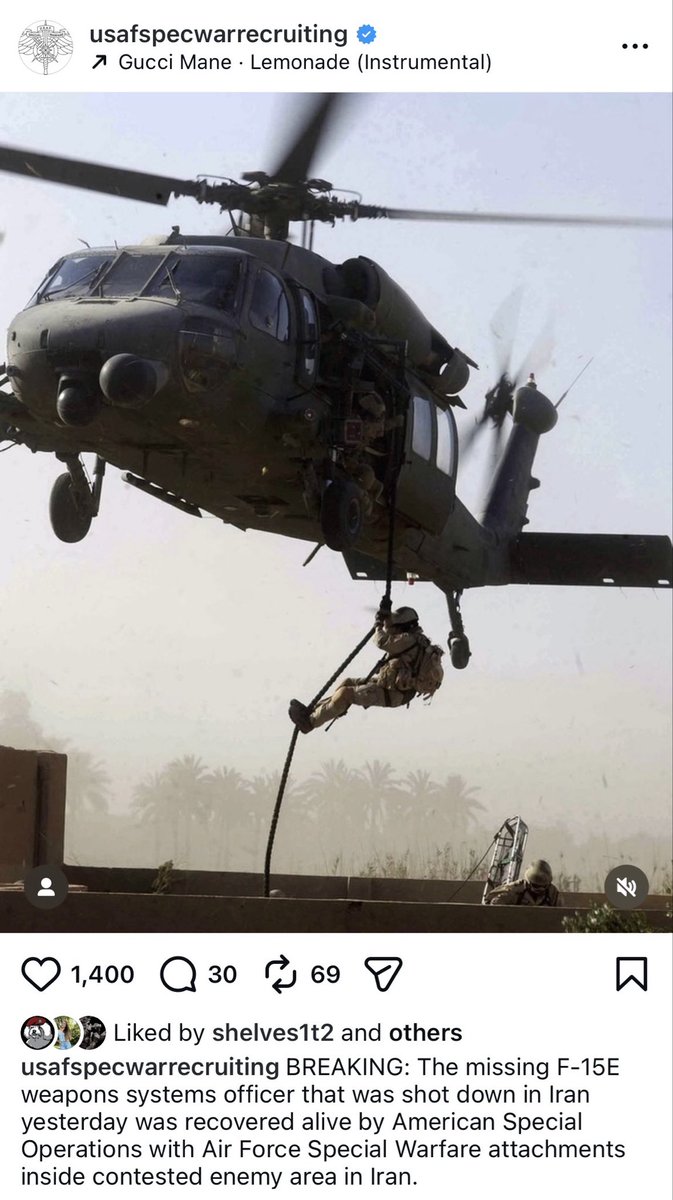
My Pentagon source has indicated that the second crew member was the Weapons Systems Officer (WSO) and had established initial radio or beacon contact with US forces earlier, which is helping guide the ongoing search.
However, this has not yet translated into a successful recovery. Prayers are being requested as the situation is a race against Iranian forces and locals.
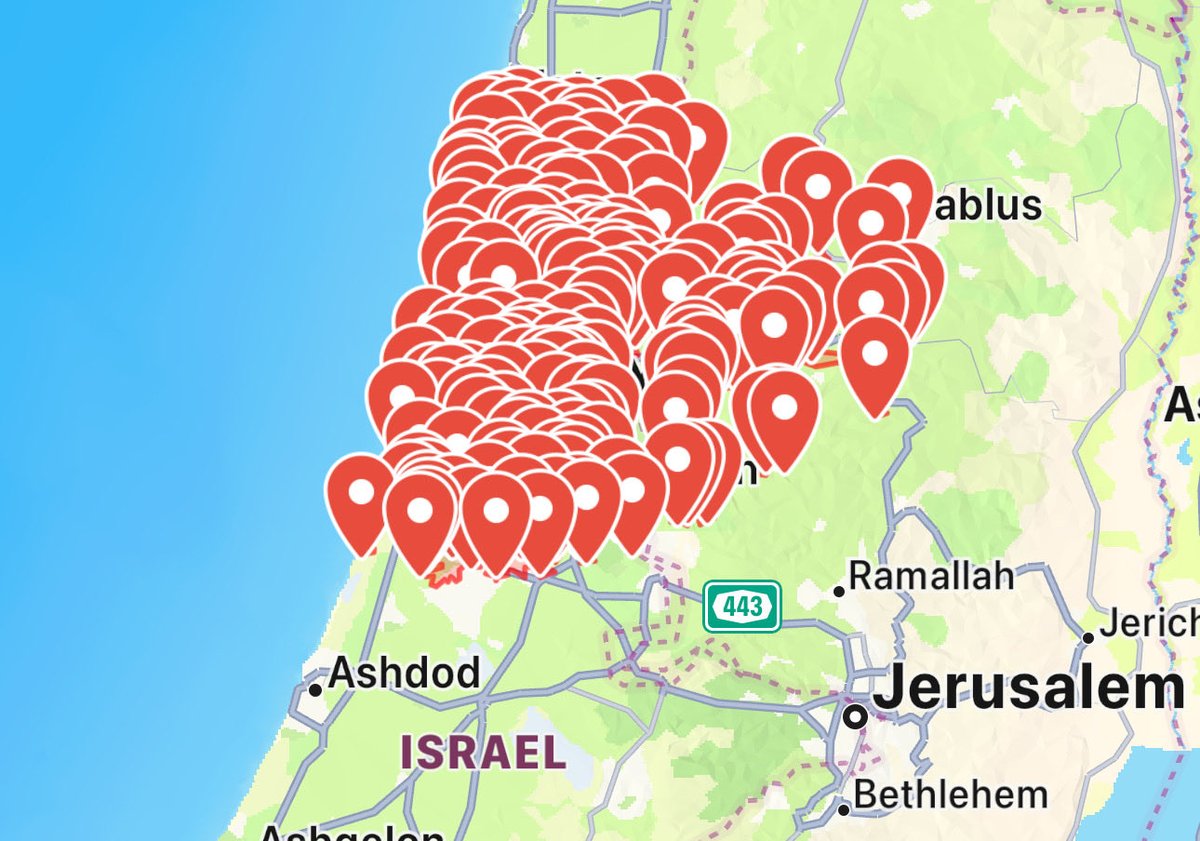
US fighter pilots, including those flying the F-15E Strike Eagle, receive intensive SERE (Survival, Evasion, Resistance, and Escape) training. This is specifically designed to prepare them for exactly the scenario unfolding with the missing second crew member in southwestern/central-southern Iran (Khuzestan and Kohgiluyeh and Boyer-Ahmad provinces).
What SERE training covers
All US military aviators (and many high-risk personnel like special operators) go through SERE as part of their preparation. Key phases include:
Survival: Immediate actions after ejection — treating injuries, finding water/food, building shelter, signaling for rescue while in harsh terrain (mountains, desert valleys in this case).
Evasion: The core skill you're referencing — avoiding detection and capture. Pilots learn camouflage, movement discipline (travel at night, stay off roads/trails), terrain masking, and the use of natural cover. The goal is to buy time until friendly forces (like the low-flying Black Hawks and HC-130Js we've seen) can extract them. They prioritize concealment over aggressive fighting, as "you're not going to gun your way out" in most cases.
Resistance & Escape: If captured, techniques to resist interrogation, avoid giving propaganda value, and look for escape opportunities. This draws from the military Code of Conduct.
SERE includes realistic field exercises: live evasion against simulated enemies, navigation challenges, and mock captivity with stress inoculation. It's demanding and tailored — Air Force SERE has its own schools, while Navy/Marine programs (sometimes involving SEAL instructors) can overlap for certain personnel. Special operations forces (including SEALs) undergo advanced SERE variants, often integrated with or building on BUD/S (Basic Underwater Demolition/SEAL training) skills like small-unit tactics, hand-to-hand, and endurance under duress. Fighter pilots get a focused version emphasizing aircrew-specific needs (e.g., using survival vests, radios, beacons from the ejection seat kit).
In real-world terms, this training "kicks in" almost immediately after ejection — even while descending under parachute, decisions about landing zones and initial hiding spots are made. Ex-pilots and instructors note that muscle memory from SERE often helps downed aircrew stay calm and methodical in the critical first hours.
The missing crew member (the Weapons Systems Officer) is presumed to be applying these exact skills right now:
Hiding in the mountainous or riverine terrain to avoid Iranian forces and locals mobilized by state media bounties.
Using encrypted survival radios or beacons for intermittent contact with US rescue forces.
Moving cautiously toward a recoverable location while US CSAR assets provide top cover.
🙏