Maxim A. Suchkov

17.1K posts

Maxim A. Suchkov banner
Maxim A. Suchkov

Maxim A. Suchkov

@m_suchkov

Strategy, security, Russia, US, Mideast | Director @mgimo_iis | Associate Professor @mgimo | Ex @AlMonitor & @IEuniversity | Views mine.RT≠endorsement

Moscow, Russia เข้าร่วม Şubat 2015
372 กำลังติดตาม24.2K ผู้ติดตาม
Maxim A. Suchkov
Maxim A. Suchkov@m_suchkov·
So, in response to #Iran's partial blockade of the Strait of Hormuz, #Trump orders full blockade of the Strait of Hormuz.
English
1
1
5
525
Maxim A. Suchkov รีทวีตแล้ว
Peter Baker
Peter Baker@peterbakernyt·
Twenty one hours of talks between the US and Iran fail to produce an agreement to end the war, leaving the question of what happens after the current two-week cease-fire up in the air. “They have chosen not to accept our terms,” Vance says. @tylerpager nytimes.com/live/2026/04/1…
English
18
50
103
13.7K
Maxim A. Suchkov รีทวีตแล้ว
Hamidreza Azizi
Hamidreza Azizi@HamidRezaAz·
#Iran’s Lebanon Dilemma: Has Tehran Abandoned Hezbollah? 🔹The massive Israeli strikes in Lebanon – coming less than a day after the U.S.-Iran ceasefire announcement – have injected immediate uncertainty into planned negotiations in Islamabad. From Tehran’s perspective, any ceasefire that excludes Lebanon is fundamentally incomplete and unacceptable. 🔹Iranian officials have consistently emphasized that, based on understandings reached through Pakistani mediation, the ceasefire was supposed to be regional in scope. The exclusion of Lebanon is therefore not seen as a technical oversight, but as a political shift. 🔹In Tehran’s reading, that shift reflects a deliberate decision by Donald Trump to align more closely with Israeli priorities following consultations with Benjamin Netanyahu. 🔹This has already reinforced a long-standing concern in Iran, i.e., the unreliability of U.S. commitments. Entering negotiations under these conditions is seen as strategically risky and politically costly. 🔹At the same time, Iran has drawn a firm red line. It has made clear that it will not participate in negotiations while Israeli strikes against Hezbollah continue. A reduction in the tempo of attacks is not sufficient, and Tehran is demanding a complete halt. 🔹This position reflects deeper structural pressures – both regional and domestic – that constrain Iran’s room for maneuver. 🔹In Iran, analysts increasingly interpret the situation as a calculated strategy by Washington and Tel Aviv to push Iran into a lose-lose scenario. 🔹If Iran escalates militarily in response to Israeli actions, it risks being blamed, especially domestically, for breaking the ceasefire. This is particularly sensitive given widespread public fatigue with war. 🔹A significant portion of the Iranian population, while not necessarily supportive of the regime, welcomed the ceasefire as a pathway toward stability. Renewed escalation could therefore trigger public backlash. 🔹This is compounded by an existing perception among many Iranians that the government invests heavily in regional conflicts, particularly in Lebanon and Gaza, at the expense of domestic priorities. 🔹In such a context, any Iranian military response could be framed internally not as national defense, but as a war fought on behalf of external actors. This interpretation that carries serious political risks. 🔹At the same time, restraint is not cost-free. Failing to respond risks alienating the Islamic Republic’s core ideological base, which has significant sympathy toward Hezbollah and expects tangible action. 🔹These constituencies – though smaller – are highly organized and politically significant. Their frustration with perceived inaction is already visible. 🔹As a result, Tehran finds itself navigating between two competing domestic pressures: a war-weary public on one side, and a mobilized ideological base on the other. 🔹Iran’s current approach reflects an attempt to balance these pressures. Rather than escalating directly, it is combining diplomatic maneuvering with indirect forms of pressure. 🔹On the diplomatic front, Foreign Minister Abbas Araghchi has engaged regional and European counterparts, emphasizing the need for a comprehensive, region-wide ceasefire. 🔹At the same time, Iran has avoided direct military escalation against Israel and instead turned to its most critical leverage point, namely the Strait of Hormuz. The aim is to push the U.S. to constrain Israel. 🔹Despite expectations that maritime traffic would return to normal after the ceasefire, only a handful of ships passed since yesterday, indicating a deliberate effort to sustain pressure. 🔹From the perspective of some Iranian analysts, this form of economic and maritime pressure is more strategically valuable than missile retaliation. There is a growing view that limited missile strikes against Israel would achieve little beyond signaling solidarity, and could even play into Israel’s hands. 🔹The argument here is that Israel may actually prefer continued escalation, and that its demonstrated resilience in absorbing Iranian strikes has exposed the limits of Iran’s long-range missile deterrence. This has shifted the debate within Iran. The question is no longer whether to respond, but how. 🔹One camp argues that Iran could resume direct strikes against Israel while maintaining the ceasefire with the United States, effectively decoupling the two fronts. 🔹In this scenario, Washington – if genuinely interested in de-escalation – might tolerate limited Iran-Israel confrontation, allowing negotiations to proceed in parallel. Proponents see this as advantageous: it would sideline the United States and allow Iran to confront Israel directly. 🔹The opposing camp is more skeptical. They argue that even without direct U.S. offensive involvement, Washington would continue to provide Israel with logistical, defensive, and intelligence support. From this perspective, the idea of U.S. disengagement is largely illusory. 🔹Moreover, restricting the conflict to Iran and Israel would reduce Iran’s strategic flexibility. Tehran’s most effective leverage has come from its ability to target U.S. interests across the region, not just Israel itself. 🔹This creates a stark strategic dilemma: either escalate broadly, including against U.S. interests, or maintain the ceasefire and pursue diplomacy. 🔹Beyond these immediate tactical debates, Iranian analysts are increasingly focused on two broader strategic concerns. 🔹The first is reputational. Failure to support Hezbollah risks undermining the principle of mutual support that underpins Iran’s regional network. 🔹If Tehran does not act, allies in Iraq, Yemen, and elsewhere may begin to question whether the costs of supporting Iran are reciprocated. Such a shift would weaken Iran’s deterrence posture and erode its influence across the “axis of resistance.” 🔹The second concern is structural: the future balance of power in the region. 🔹Iran appears to view the current moment as a rare opportunity to reshape that balance, particularly through its leverage in the Persian Gulf. 🔹From this perspective, continued Israeli operations in Lebanon are not just tactical, but they are strategic moves aimed at fragmenting Iran’s regional network. 🔹By isolating and pressuring individual nodes like Hezbollah, Israel may be attempting to prevent coordinated, multi-front responses. Over time, this could create a new strategic reality in which Iran’s allies are weakened sequentially, leaving Tehran itself more exposed. 🔹Iran’s objective, by contrast, is to preserve its model of collective deterrence, in the sense that any attack on one actor should trigger a broader regional response. 🔹This logic explains Tehran’s insistence on including Lebanon in the ceasefire. For Iran, this is not a secondary issue, but central to preserving its regional architecture. 🔹Ultimately, the current crisis is being interpreted in Tehran as both a tactical challenge and a strategic inflection point. 🔹How Iran navigates this moment – balancing domestic pressures, alliance commitments, and great-power dynamics – will shape not only the fate of the negotiations, but probably also the contours of future of the future regional order.
English
2
255
778
231.7K
Maxim A. Suchkov รีทวีตแล้ว
Amberin Zaman
Amberin Zaman@amberinzaman·
A sobering read from @ProfessorPape on how Iran is fast becoming a new world power thanks to the war unleashed by Israel and the United States: Explore this gift article from The New York Times. You can read it for free without a subscription. nytimes.com/2026/04/06/opi…
English
6
59
123
16.3K
Maxim A. Suchkov
Maxim A. Suchkov@m_suchkov·
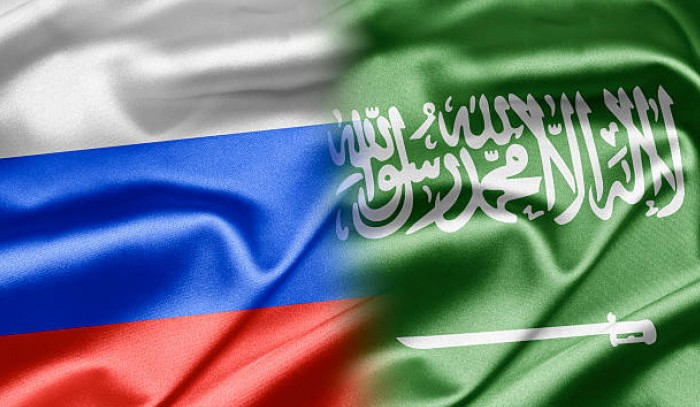
⚡️#Russia - #SaudiArabia agreement on mutual visa-free travel for citizens of both countries will take effect on May 11.
Maxim A. Suchkov tweet media
English
0
1
1
460
Maxim A. Suchkov รีทวีตแล้ว
Jennifer Kavanagh
Jennifer Kavanagh@jekavanagh·
This has been true for some time. The U.S. has dozens of military commitments that the American public would balk at upholding. Time for a massive audit & strategic change.
Park MacDougald@hpmcd1

If you think the people arguing we should liquidate the US position in Europe are going to back sending Americans to die in the defense of Taiwan—or even Japan and South Korea, which aren't deploying to the Persian Gulf either—then I've got a bridge to sell you.

English
1
12
41
7.3K
Maxim A. Suchkov
Maxim A. Suchkov@m_suchkov·
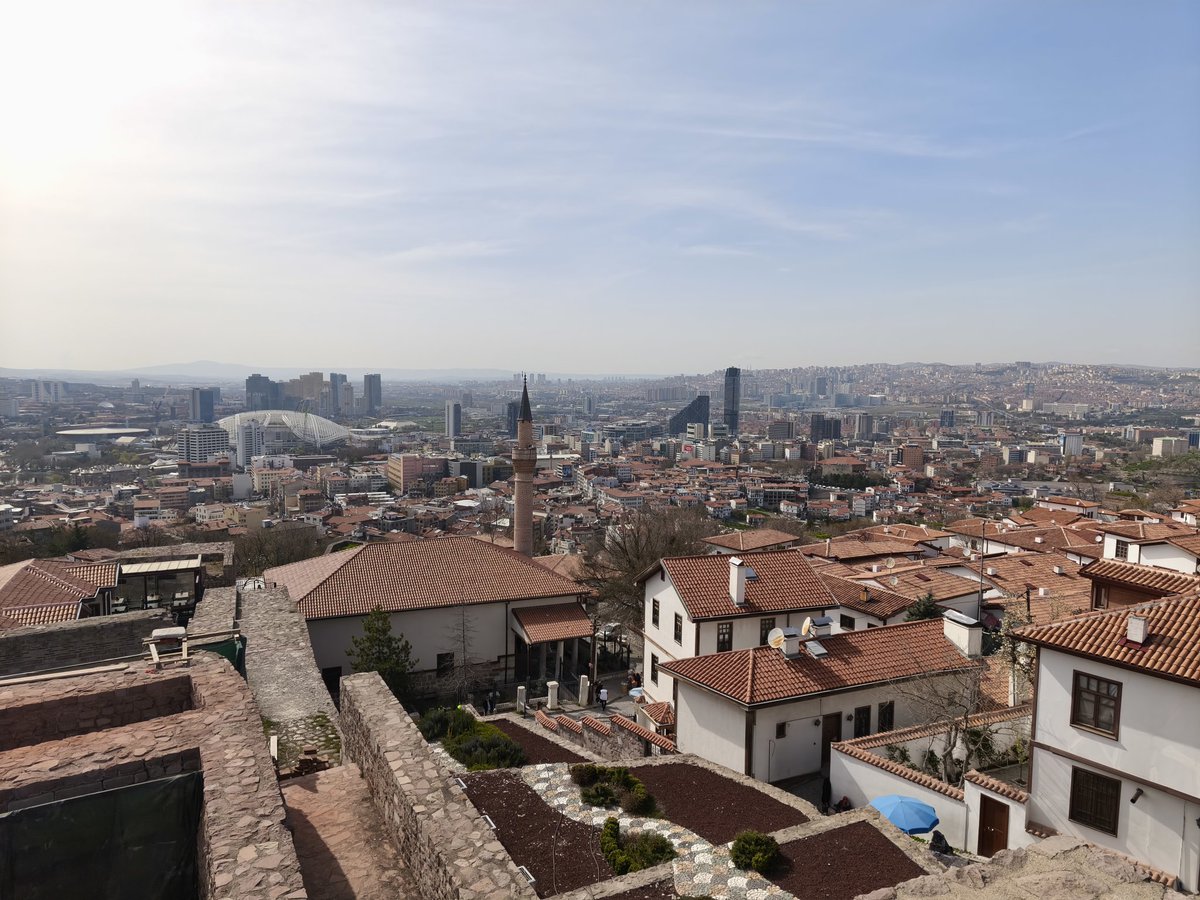
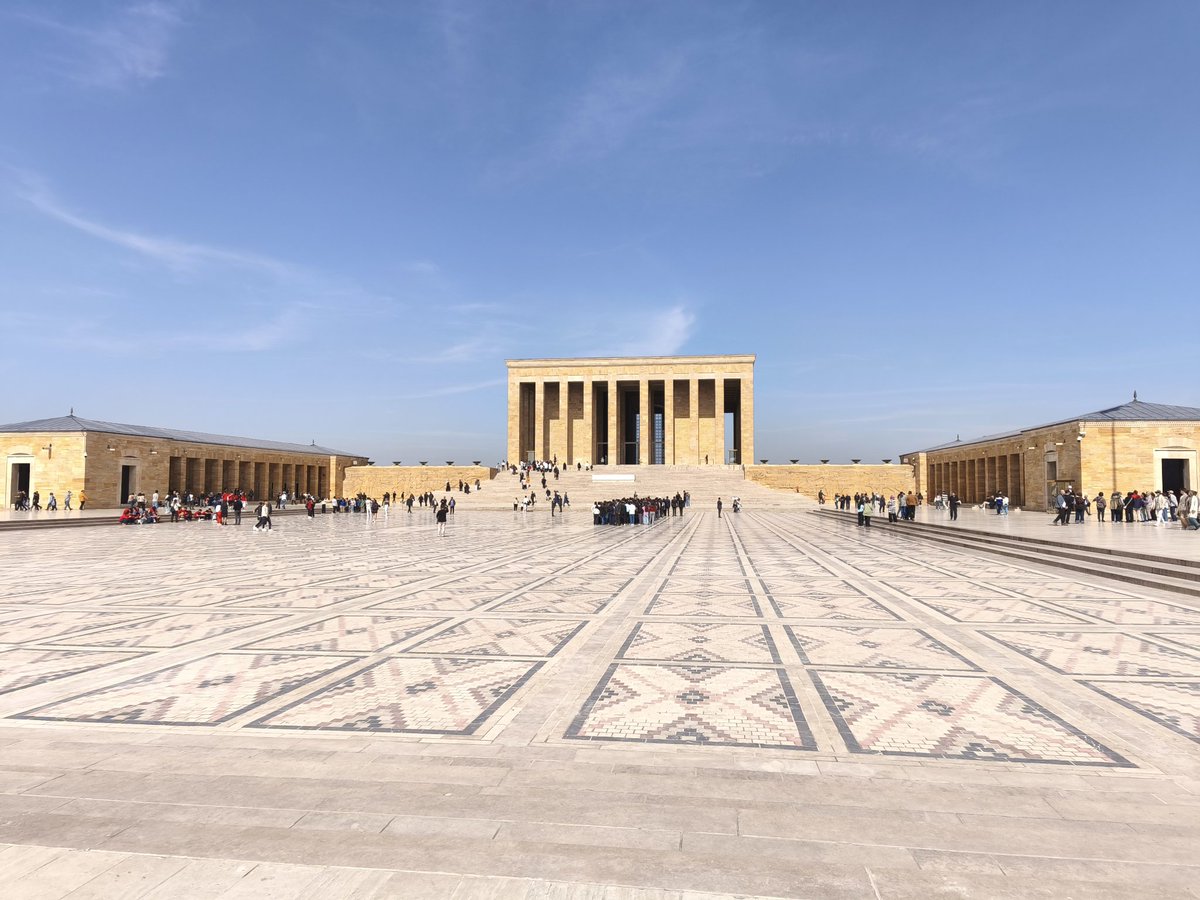
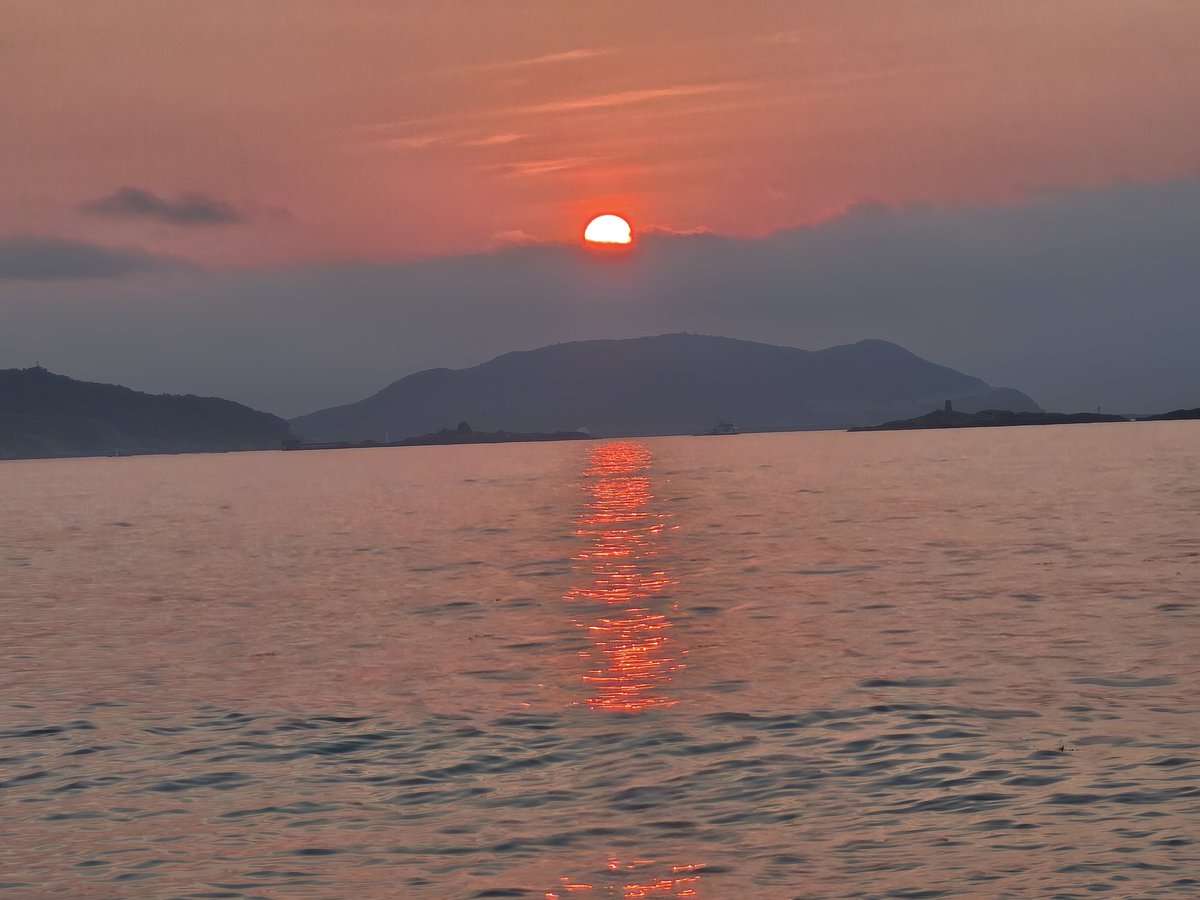
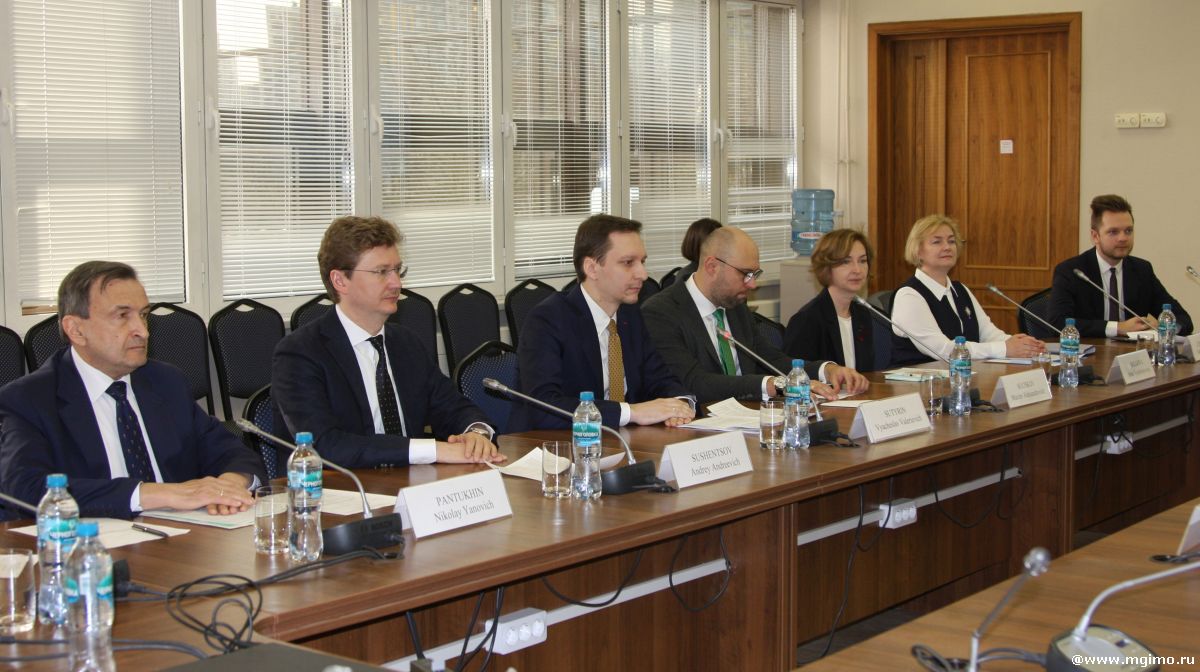
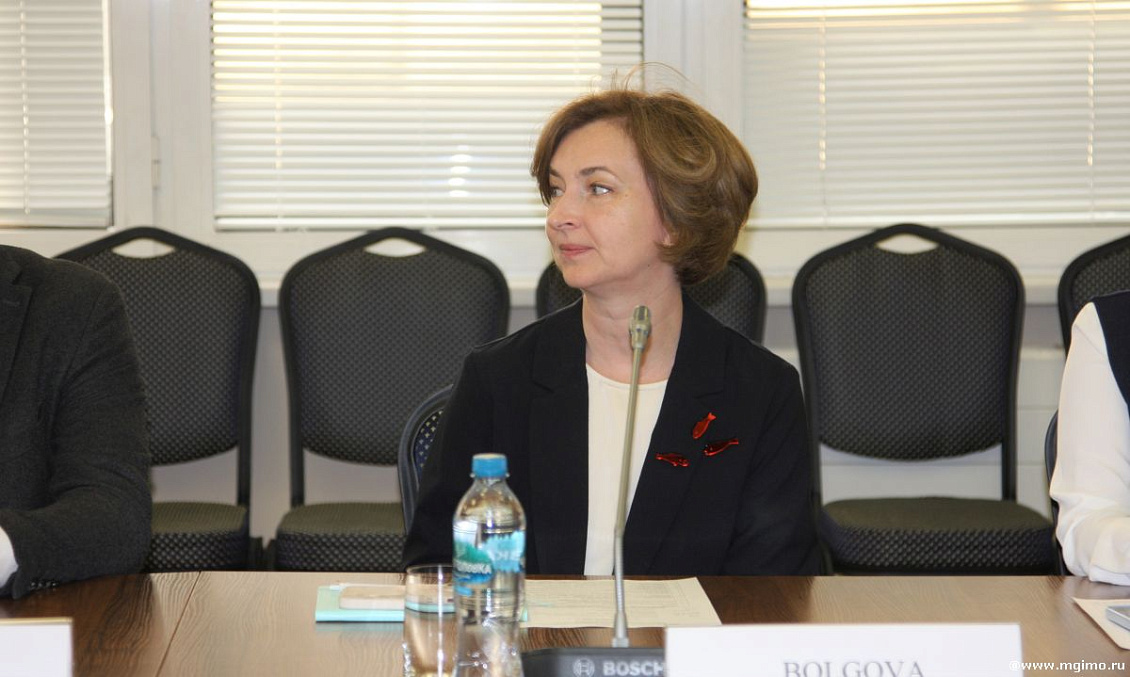
Great scenery & fruitful debates of #Russia-#China rels,#US,#Iran,Ukraine, #Arctic at Hainan island (aka West Hawaii). The paradise-like appearances make you feel world's hottest spots are far away.But the naval base nearby reminds that increasingly few places today left of boom
Maxim A. Suchkov tweet mediaMaxim A. Suchkov tweet mediaMaxim A. Suchkov tweet mediaMaxim A. Suchkov tweet media
English
0
0
0
500
Maxim A. Suchkov รีทวีตแล้ว
Mohammad Ali Shabani
Mohammad Ali Shabani@mashabani·
Israeli outlet owned by Trump donor Miriam Adelson says Netanyahu's plan is to destroy Iran's energy sector and transportation network to foment state collapse. The strategy has long been apparent but is full of holes and could badly backfire. israelhayom.com/2026/04/04/thi…
English
22
274
634
114.6K
Maxim A. Suchkov รีทวีตแล้ว
Yonatan Touval
Yonatan Touval@Yonatan_Touval·
The algebra of the war makers will have been flawless. But what they cannot read, they will not have reckoned with — and wars are made of resentment, dishonor, loyalty and grief as much as of algorithms and fire. My Guest Essay in @nytimes: nytimes.com/2026/03/29/opi…
English
55
119
320
134.8K
Maxim A. Suchkov รีทวีตแล้ว
Hamidreza Azizi
Hamidreza Azizi@HamidRezaAz·
#Iran War Update No. 30 (focus on Iranian strategic narrative): 🔹Iranian strategic assessments increasingly point to a prolonged conflict, with expectations that the war could last at least eight more weeks and may escalate further, including the potential deployment of U.S. ground forces. 🔹In response, Iranian planning is no longer centered on absorbing strikes but on shaping the battlefield in advance. A concept described as “preemptive destruction” is emerging, involving continuous targeting of U.S. bases, logistics hubs, and staging areas in countries such as Kuwait and Bahrain to disrupt any potential ground or heliborne operation before it can be executed. 🔹This builds on the earlier shift toward “active preemption” and reflects a more offensive posture aimed at suppressing U.S. force buildup at its source rather than responding after an operation. 🔹The United States, however, continues to move in the opposite direction. Reports indicate preparations for limited ground operations involving special forces and airborne units, alongside the deployment of additional naval assets and Marines to the region. 🔹Iranian officials appear to be taking these signals seriously. Military statements emphasize readiness for scenarios involving island seizures, heliborne raids, or limited incursions, while also framing such operations as opportunities to inflict significant casualties on U.S. forces. 🔹At the same time, Israeli and U.S. strikes continue to expand across Iran’s industrial base. A petrochemical facility in Tabriz and infrastructure linked to Isfahan Industrial University have been targeted, reinforcing a pattern of gradual degradation of Iran’s economic and scientific capacity. 🔹Iran’s response continues to mirror this pattern. Iranian strikes have increasingly focused on infrastructure-related targets in Israel, including petrochemical and industrial facilities, indicating a sustained shift toward reciprocal infrastructure warfare. 🔹This dynamic is reinforced by Iranian assessments that Israel is pursuing an incremental strategy aimed at destroying Iran’s infrastructure over time without triggering a large-scale response. In turn, some Iranian analysts are calling for more disproportionate and combined vertical and horizontal escalation to deter further attacks. 🔹The Strait of Hormuz remains a central lever. Iran continues to allow selective passage for certain countries, while maintaining broader restrictions, reinforcing its role as a regulator of maritime traffic while still avoiding a full blockade. 🔹At the same time, diplomatic efforts are attempting to translate this leverage into a negotiated framework. Proposals discussed in Islamabad include the creation of a multinational consortium to manage oil flows through the Strait, potentially offering a face-saving off-ramp for both Iran and the United States. 🔹Iran’s decision to allow a Saudi oil shipment to transit toward Pakistan on the same day appears to align with this diplomatic track, suggesting cautious signaling toward a potential diplomatic solution. 🔹Beyond the Persian Gulf, the war’s geographic scope continues to widen. The Houthis’ entry into the conflict has raised concerns about the security of the Red Sea and Bab el-Mandab, with explicit threats to potentially disrupt shipping in the Red Sea region under certain conditions. 🔹European maritime authorities have already warned vessels to avoid Yemeni waters, indicating that even limited Houthi involvement is beginning to affect shipping behavior. 🔹Regionally, fault lines are becoming more visible. While some Gulf states are moving toward a more confrontational stance alongside the United States, others – particularly Oman and Qatar – continue to pursue de-escalation and maintain either neutral (in the case of Muscat) or cautious positions. 🔹Inside Iran, there is a noticeable shift in tone. While earlier phases of the war were marked by concern over regime survival, current discourse increasingly emphasizes achieving strategic outcomes and reshaping the long-term balance. 🔹This is reflected in official messaging. Statements by senior figures stress not only resilience but also perceived successes, including continued control over the Strait of Hormuz, sustained missile operations, and the involvement of regional allies such as Hezbollah and the Houthis. 🔹At the same time, internal security measures are intensifying. Authorities have expanded arrests, business closures, and digital surveillance, while the Chief Justice warns of severe punishment for those deemed “betraying the homeland,” reflecting continued concern about domestic stability. 🔹Meanwhile, in a key political signal, Mohammad Bagher Ghalibaf framed Iran’s war strategy around a three-dimensional framework: “missiles, the streets, and the strait [of Hormuz].” This reflects an integrated approach combining military pressure, control over global energy flows, and sustained domestic mobilization. 🔹The emphasis on “the streets” is particularly notable. The regime continues to call supporters into public spaces every night, both to project internal cohesion externally and to deny the opposition any opportunity to mobilize under wartime conditions. 🔹Economically, the war’s impact continues to deepen. Oil prices have risen to $115 per barrel, suggesting that markets are reacting primarily to battlefield developments rather than diplomatic signaling. 🔹On the battlefield, Iran continues to apply sustained pressure through low-intensity but continuous missile fire, aimed less at immediate destruction and more at maintaining constant disruption and psychological pressure inside Israel. 🔹Confirmation of the destruction of a U.S. E-3 AWACS aircraft in Saudi Arabia has been widely amplified in Iranian media, serving as a major morale boost and reinforcing the narrative that high-value U.S. assets are increasingly vulnerable. 🔹Overall, Day 30 reflects a further shift toward anticipatory escalation. Iran is increasingly attempting to disrupt future operations before they occur, while the United States and Israel continue to expand pressure on Iran’s infrastructure, bringing both sides closer to a phase where escalation is driven less by reaction and more by preemption.
English
0
214
666
170.8K
Maxim A. Suchkov
Maxim A. Suchkov@m_suchkov·
Following phone call w/ Trunp yesterday #Putin just had a call w/ #Pezeshkian - 2nd over past 3 days. Putin reiterated RU position to "promt deescalation,diplomatic solution to conflict". Pezeshkian thanked Putin for #Russia's htimanitarian aid to #Iran". Looks Putin meditating
Maxim A. Suchkov tweet media
English
1
3
3
593
Maxim A. Suchkov รีทวีตแล้ว
Trita Parsi
Trita Parsi@tparsi·
I have a piece in the @nytimes today where I argue that the central assumption underpinning Trump’s diplomacy with Iran and his subsequent warmaking was that Tehran was on the verge of collapse. This assumption first led him to insist that diplomacy had to deliver Iranian surrender - or war. It delivered war. The same assumption - the unrealistic pursuit of Iranian surrender - is now causing his war to turn into a quagmire. Trump is undermining his stated goals in other ways as well. He thinks he can find a defector within the theocracy willing to play the role of Venezuela's Dolsey. But the Iranians see that Trump brags about having turned Venezuela effectively into an American colony and that one of the first decisions Dolsey had to swallow was to end oil sales to Cuba and begin shipping oil to Israel. The Venezuelan option simply could not be any more unattractive to even the most eager Dolsey impersonator within the Iranian system. I cannot see any credible leader in that system — a person who can mobilize others, keep the security establishment intact, and sell the deal to the population — that ever could accept such a complete shift in Iran’s orientation. nytimes.com/interactive/20…
English
41
260
966
75.6K