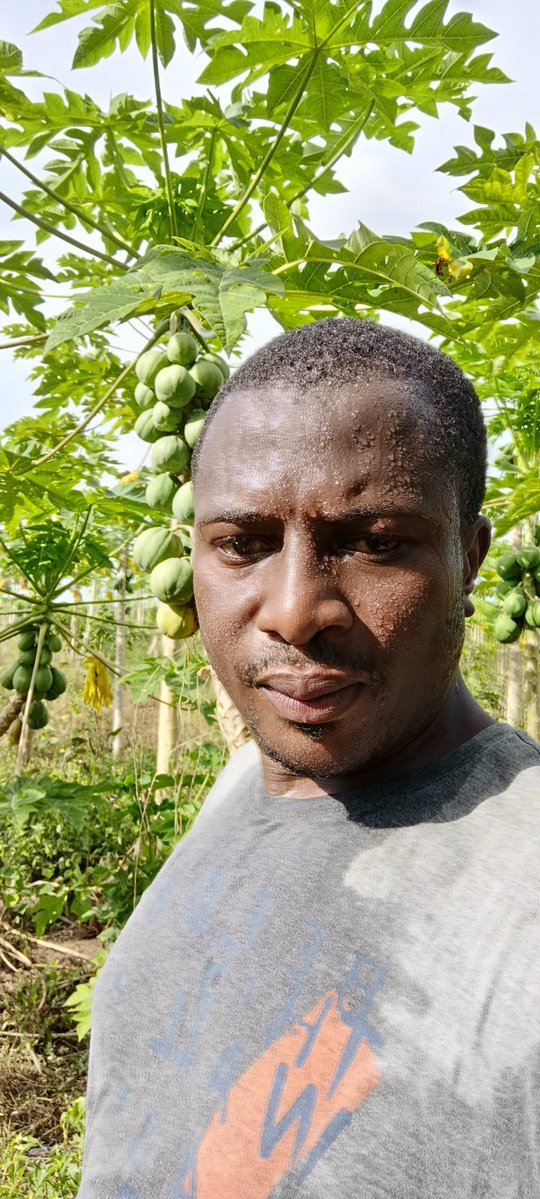
@AbiluTangwa Find your #organic #farmshop, restaurants etc. organictracker.eu #organic #biologisch #biologique
Or add your organic venture yourself.
English
OrganicTracker
58 posts

@organic_tracker
Find your local organic store or farmshop https://t.co/rKf6X42kdV Do you own an Organic shop, farmshop or restaurant? Map it!

Shout out and a HUGE thank you @organic_tracker for adding our store to your website!! 🥰


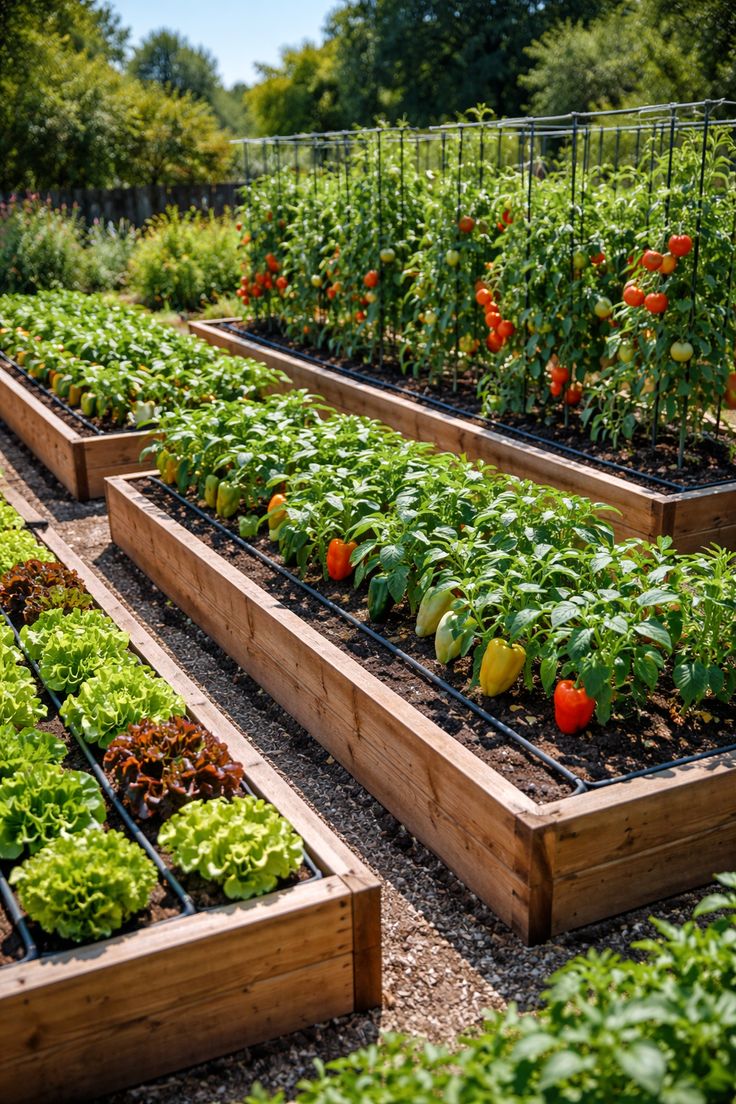
🌾 Organic Market Garden: A Model of Sustainable Farming This image captures a beautifully organized market garden, a small-scale, high-efficiency farming system designed to produce a wide variety of crops intensively on limited land. It’s a perfect example of how modern agriculture can be both productive and environmentally responsible. 🌱 What Is a Market Garden? A market garden is a farm that focuses on: Growing diverse crops (vegetables, herbs, flowers) Selling directly to local markets, restaurants, or communities Maximizing yield from relatively small areas Unlike large industrial farms, market gardens prioritize quality, diversity, and sustainability. 🧑🌾 Key Features in This Garden 1. Neat, Organized Rows Crops are planted in straight, evenly spaced beds Makes planting, watering, and harvesting more efficient Improves airflow and reduces disease 2. Crop Diversity You can see multiple crops growing side by side: Leafy greens (lettuce, spinach) Brassicas (kale, cabbage) Root crops and flowers (like marigolds for pest control) 3. Companion Planting The bright orange flowers are likely marigolds, which: Repel pests Attract beneficial insects Improve overall plant health 4. Greenhouses (Polytunnels) Extend the growing season Protect crops from weather Allow year-round production 🌍 Benefits of This Farming Approach 🌿 Sustainability Less reliance on chemicals Focus on soil health and biodiversity 🥕 High Productivity Intensive planting methods maximize output per square meter 🐝 Eco-Friendly Supports pollinators and natural ecosystems 🛒 Local Food Production Fresh, seasonal produce for nearby communities 🛠️ Techniques Used Raised beds or defined rows for better soil management Crop rotation to maintain soil fertility Composting to enrich the soil naturally Manual or light mechanization instead of heavy machinery 💡 Why This Matters This type of farming represents the future of food: More resilient to climate change Less dependent on industrial systems Healthier for both people and the planet 🌟 Final Thought A well-designed market garden like this proves that you don’t need massive land or heavy machinery to grow abundant, healthy food. With smart planning, diversity, and care for the soil, small-scale farming can be incredibly powerful.