Peter Green

4K posts

Peter Green

Peter Green

@peter8green

Director of Sport in a state comprehensive.

Oxfordshire เข้าร่วม Haziran 2011
539 กำลังติดตาม1.5K ผู้ติดตาม
Chris Morgan
Chris Morgan@chrismorgan1980·
I’m deeply saddened to share that my father, Garfield Morgan, passed away yesterday. He was more than just a father—he was my mentor, my hero, and my role model.
English
17
0
29
4.3K
Peter Green รีทวีตแล้ว
Salisbury Rovers FC
Salisbury Rovers FC@Salisburyrovers·
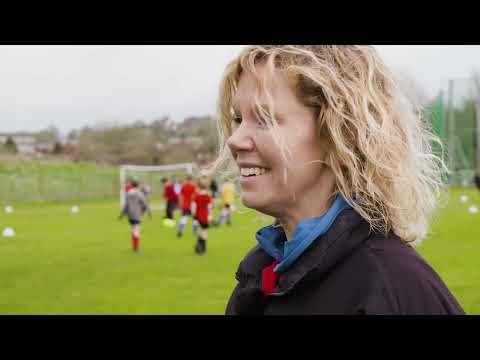
Earlier this year, the English Cricket Board visited Salisbury Rovers to make a short film about our club for their coaching courses. Here is the film. This is our truth. The game belongs to the players. ♥️⚽️ youtu.be/IxjFjekYjlo
YouTube video
YouTube
English
0
3
6
898
Peter Green รีทวีตแล้ว
Pritesh Raichura
Pritesh Raichura@Mr_Raichura·
Thanks to everyone who attended this #rED24 session & gave 100% attention! 😉 Some of the ideas from my talk can be found in this blog: bunsenblue.wordpress.com/2023/04/08/che…
Pritesh Raichura tweet media
Pritesh Raichura@Mr_Raichura

Very excited to speak at #rED24 today at 11:25 (Session 3) in the Dining Hall. My session is full of practical tips you can use from Monday to secure 100% attention in lessons. There will be videos of me using the strategies in my own classroom as a concrete model.

English
2
24
114
33.2K
Peter Green รีทวีตแล้ว
Daniel Abrahams
Daniel Abrahams@DanAbrahams77·
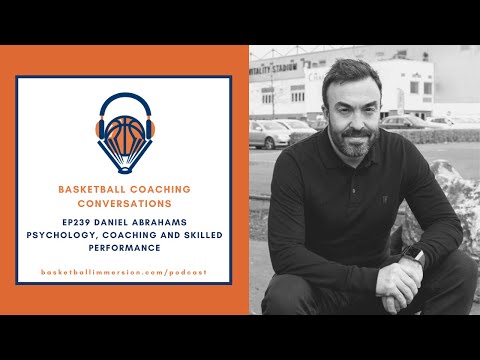
𝐈𝐧 𝐭𝐡𝐞 𝐜𝐥𝐢𝐩 𝐛𝐞𝐥𝐨𝐰 𝐈 𝐭𝐚𝐥𝐤 𝐚𝐛𝐨𝐮𝐭 𝐭𝐰𝐨 𝐭𝐲𝐩𝐞𝐬 𝐨𝐟 𝐪𝐮𝐞𝐬𝐭𝐢𝐨𝐧𝐢𝐧𝐠 𝐭𝐡𝐚𝐭 𝐜𝐨𝐚𝐜𝐡𝐞𝐬 𝐜𝐚𝐧 𝐮𝐬𝐞: 𝐜𝐨𝐧𝐯𝐞𝐫𝐠𝐞𝐧𝐭 𝐚𝐧𝐝 𝐝𝐢𝐯𝐞𝐫𝐠𝐞𝐧𝐭 𝐪𝐮𝐞𝐬𝐭𝐢𝐨𝐧𝐬 Let’s do a deeper dive into the science and art of asking players questions as a coach 👇🏻👇🏻👇🏻 Skilful coach questioning can help players: -to take responsibility for their learning -to learn how to learn -to be more curious -to persist -to self-monitor -to develop critical thinking So being a skilful questioner is quite important, right? Absolutely! But it turns out coaches don’t ask that many questions… Here’s some fascinating research for you from the very brilliant combo of @CoachC1, Paul Ford, and Mark Williams from 2012 - they found that coach questioning typically ranges between 2% and 7% of coaching behaviours. Just 2-7%? Ok…not a lot! Here’s a link to that paper with free access: researchgate.net/publication/23… So, questioning is important, but perhaps we don’t do enough of it. And actually, what questioning we do as coaches can tend to lack sophistication… Let’s return to research from @CoachC1 led by @drstephenharvey and ably supported by @EdCope1 and @Bob_Muir in 2013 They found that the questions coaches ask can tend to be ‘closed’ rather than ‘open’…not so great for building the intelligent player! This research paper is here: buff.ly/4g0DK48 So, what kind of questions can coaches ask? (I mean, what’s the difference between sophisticated and less sophisticated questions?) Well, let’s turn to the advice of the outstanding Dr Spencer Kagan (@SpencerKagan) - University of California Professor of Psychology and Education… Professor Kagan proposes 6 categories of questions: -skinny -fat -review -true -high consensus -low consensus Now let’s break these down: Skinny: questions that require a yes/no answer with little thought Fat: questions that require more evaluation and thought Review: questions that ask for a recall of information True: questions that ask for more thought and detail High consensus: questions for which most of the team would provide a similar response Low consensus: questions which might evoke different responses from different players So, look at it this way… Fat, true, and low consensus questions can really get players thinking (which doesn’t mean you shouldn’t use skinny, review, high questions) Ok…next… To be a skilful questioner it takes practice. But it also takes knowledge of how to ask a question. Enter Carrie Kracl (@3JKsMom) - a professor of teacher education from Nebraska University, who has done brilliant work on ‘question starters’. For example: -“How are you deciding…” -“How could you improve…” -“What’s the most important thing…” -“If you…” Ok…next… When should coaches ask questions? Here’s some ideas (you probably have some thoughts yourself): -𝐬𝐭𝐨𝐩 𝐭𝐡𝐞 𝐠𝐚𝐦𝐞 𝐚𝐭 𝐚 𝐭𝐞𝐚𝐜𝐡𝐚𝐛𝐥𝐞 𝐦𝐨𝐦𝐞𝐧𝐭 -𝐬𝐭𝐨𝐩 𝐭𝐡𝐞 𝐠𝐚𝐦𝐞 𝐚𝐧𝐝 𝐡𝐚𝐯𝐞 𝐚 ‘𝐭𝐢𝐦𝐞𝐨𝐮𝐭’ 𝐭𝐨 𝐝𝐢𝐬𝐜𝐮𝐬𝐬 𝐭𝐡𝐞 𝐪𝐮𝐞𝐬𝐭𝐢𝐨𝐧 𝐢𝐧 𝐬𝐦𝐚𝐥𝐥 𝐠𝐫𝐨𝐮𝐩𝐬 -𝐝𝐨𝐧’𝐭 𝐬𝐭𝐨𝐩 𝐭𝐡𝐞 𝐠𝐚𝐦𝐞, 𝐜𝐚𝐥𝐥 𝐚𝐧 𝐢𝐧𝐝𝐢𝐯𝐢𝐝𝐮𝐚𝐥 𝐨𝐟𝐟 𝐭𝐡𝐞 𝐟𝐢𝐞𝐥𝐝, 𝐚𝐧𝐝 𝐚𝐬𝐤 𝐭𝐡𝐞 𝐪𝐮𝐞𝐬𝐭𝐢𝐨𝐧 -𝐝𝐨𝐧’𝐭 𝐬𝐭𝐨𝐩 𝐭𝐡𝐞 𝐠𝐚𝐦𝐞, 𝐩𝐨𝐬𝐞 𝐭𝐡𝐞 𝐪𝐮𝐞𝐬𝐭𝐢𝐨𝐧, 𝐚𝐧𝐝 𝐥𝐞𝐭 𝐩𝐥𝐚𝐲 𝐜𝐨𝐧𝐭𝐢𝐧𝐮𝐞 (𝐲𝐨𝐮 𝐜𝐚𝐧 𝐜𝐨𝐦𝐞 𝐛𝐚𝐜𝐤 𝐭𝐨 𝐢𝐭 𝐥𝐚𝐭𝐞𝐫) -𝐪𝐮𝐞𝐬𝐭𝐢𝐨𝐧𝐬 𝐛𝐞𝐭𝐰𝐞𝐞𝐧 𝐫𝐞𝐩𝐬 𝐚𝐧𝐝/𝐨𝐫 𝐚𝐜𝐭𝐢𝐯𝐢𝐭𝐢𝐞𝐬 In conclusion: skilful questioning can help promote an array of player benefits, not least ‘thinking’ and ‘social interaction’ (between coaches and players, and between players themselves). To learn more about this topic please read the original source I used for this thread…which is an outstanding paper from the awesome @drstephenharvey and @richardlight11 here: tandfonline.com/doi/abs/10.108… Note: clip taken from @BBallImmersion podcast which you can watch here: youtu.be/uz95iLJPP78?si…
YouTube video
YouTube
English
1
4
15
5.9K
Peter Green
Peter Green@peter8green·
One to read in more detail later and check the figures. Skim read suggests higher proportion of private school students represent their country in rowing and equestrian. Who would have thought?!?!
The Sutton Trust@suttontrust

The London 2012 Olympic motto was to “Inspire a generation”, with the games aiming to increase participation in sport. 12 years on, the proportion of privately educated medallists in Team GB has barely shifted. More analysis of our medallists 👇 suttontrust.com/news-opinion/a…

English
0
0
0
174
Peter Green รีทวีตแล้ว
Steve Magness
Steve Magness@stevemagness·
Lyles was in last at 40 meters, 7th at halfway... His close & holding on to speed is amazing. You can see the slight difference in the last two 10 meter splits. He ran .84 and .86 versus Thompson's .85 and .87 What a race. What a close.
Steve Magness tweet media
English
27
334
1.7K
240.3K
Peter Green รีทวีตแล้ว
Adam Boxer
Adam Boxer@adamboxer1·
It's that time of year again where I start to see people's school improvement plans for next year. If you are looking looking at metacognition, oracy, turn and talk, literacy, trauma informed practice or bits of individual theory from cognitive science, I'm not saying these things are a waste of time, but there's a need to prioritise. Whatever it is you are spending your summer planning, I'd consider checking the list below first, if all those things are sorted in your school then go for it, but if they aren't I'd suggest they are prioritised. Calm, orderly, predictable classrooms across the school. Calling out does not occur. Teachers are consistently putting students' names at the end of questions. Teachers have "rules of thumb" for which students they ask questions to and when. There are always checks for understanding in-between explanation and practice. Checks for understanding in the majority of subject are delivered using miniwhiteboards. Miniwhiteboards are used with "hover and show" routines. Students are in the room and learning (i.e. actually doing something academically meaningful) extremely quickly at the start of lessons. Departments have long-term memory strategies that map out how teachers give students the retrieval practice they need. As above, once that stuff is in play, go to town. But if it isn't, it's probably where you should focus.
English
29
111
626
118.9K
Peter Green รีทวีตแล้ว
Alexandra Jonson
Alexandra Jonson@AlexandraJonson·
Dad, Son, 33 years apart, same stadium, same celebration!
English
420
24.7K
146.6K
10.7M
Peter Green
Peter Green@peter8green·
Enjoyed listening to this and reflecting on how much we accomplished with @Webb97Lift as a department. If you think movement should be in a PE curriculum take a listen. Movement scholars High performance Movement fundamentals KS3 PE homework open.spotify.com/episode/5YJKvA…
English
0
1
4
325
Peter Green รีทวีตแล้ว
Tom Starkey
Tom Starkey@tstarkey1212·
And THAT, kids, is why you keep writing until the exam is over.
English
0
33
247
23.9K