sanguinaria canadensis 🇵🇸 รีทวีตแล้ว
sanguinaria canadensis 🇵🇸
22.1K posts

sanguinaria canadensis 🇵🇸
@pinnulet
i have a disease | she/her
เข้าร่วม Aralık 2008
575 กำลังติดตาม244 ผู้ติดตาม

I think i might have to do grad school somewhere besides Santa Cruz which is really breaking my heart because I loved it so so much there. idk
English
sanguinaria canadensis 🇵🇸 รีทวีตแล้ว

The Chilkat River, the lifeblood of Klukwan, Alaska Native communities, supports an abundance of salmon, bears, and other wildlife, including the largest congregation of bald eagles in the world.
But a large, acid-producing hard rock mine, known as the Palmer project, would contaminate the Alaska watershed, endangering a way of life that has existed for thousands of years.
🗣️ Use your voice today! Help protect the Chilkat for generations to come: AmericanRivers.org/ChilkatRiver20…
English
@aina0660 It has such a round fluffy face... So cute!!
English

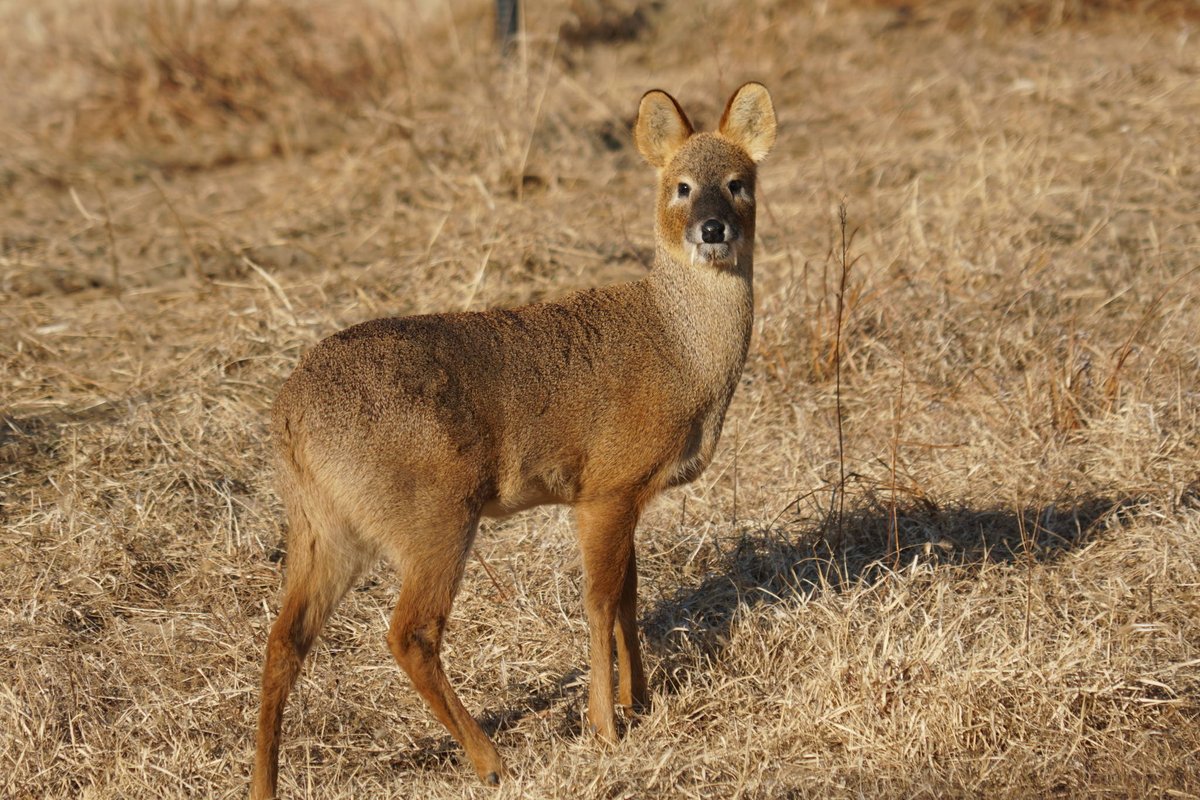
"고라니"
한국인들도 잘 모르는 정보인데 고라니는 멸종위기종이며 종의 90%이상이 한국에서 산다
한국에서는 유해동물로 지정될만큼 흔해서 한국사람들이 딱히 인식은 못하는데 한국 고유동물임

Nicky💕@jas_d_barbie
China has the panda, Australia has the kangaroo. What does your country have ?
한국어
sanguinaria canadensis 🇵🇸 รีทวีตแล้ว

21 whales died in SF Bay in one year.
We need to pull the plug on the Alaskan trawling fleet immediately. Addressing the loss of sea ice will take decades, but we can stop shredding their feeding grounds today.
We are starving whales to death for fish sticks and imitation crab.
SFGATE@SFGate
Gray whales are out of luck in San Francisco Bay sfgate.com/bayarea/articl…
English
sanguinaria canadensis 🇵🇸 รีทวีตแล้ว

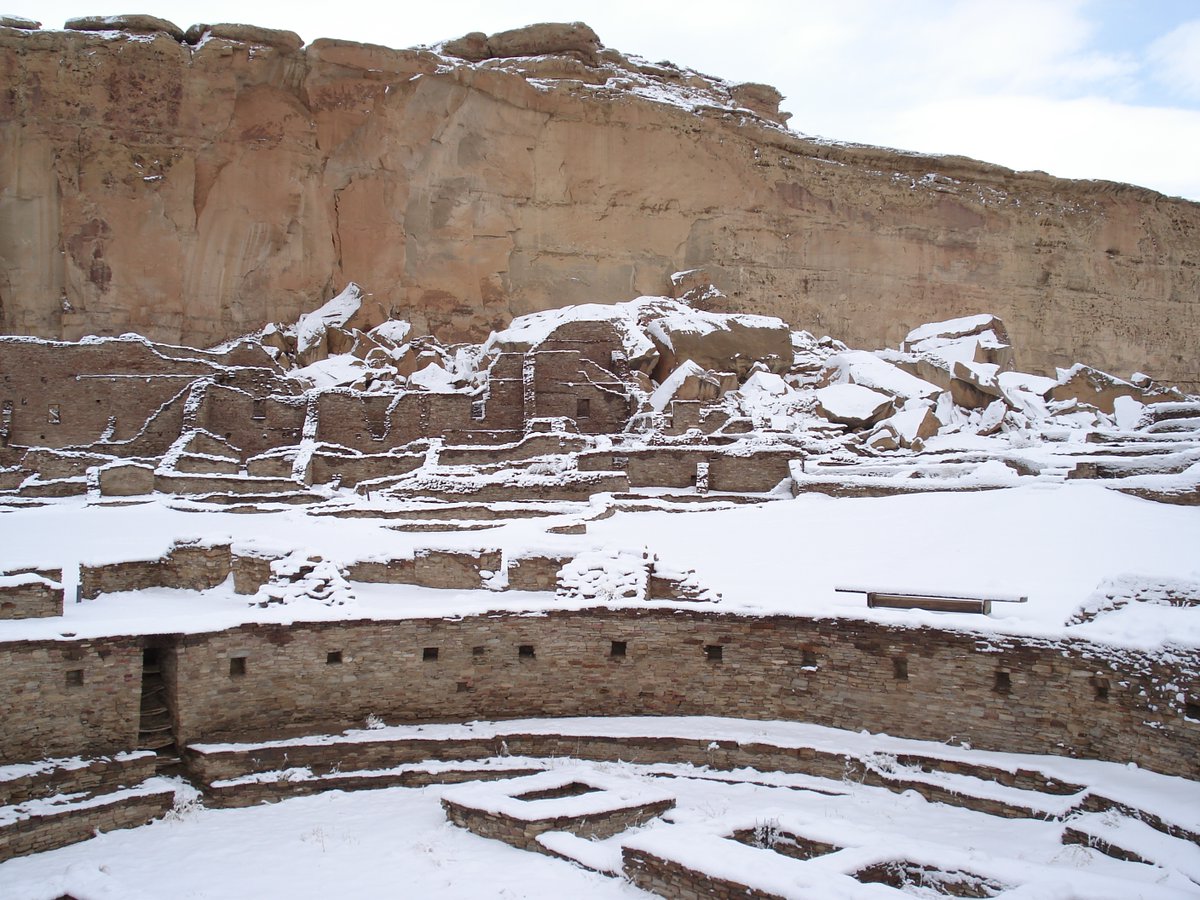
Trump’s Bureau of Land Management is once again trying to fast-track decisions that impact Chaco Canyon, a 1,000+ year-old sacred cultural and historical site, with an outrageously short public comment period. They think we aren’t paying attention.
BLM plans to release a Draft Environmental Assessment in the coming months, followed by just 14 days for public input.
14 days to save a 1,000+ year old heritage site? Follow for more updates and when the public comment period will start. Let’s keep fighting to protect Chaco.

English
Oh shit it was supposed to be 4.... Ok knock off the sycamore I guess :(
English
(no particular order)
1) Sycamore
2) American persimmon
3) Bigleaf maple
4) Pitch pine
5) Ponderosa or coulter pine
salt creek@jornagain
Mine are 1) Tulip poplar 2) Shagbark hickory 3) Pitch pine 4) Douglas fir
English
sanguinaria canadensis 🇵🇸 รีทวีตแล้ว

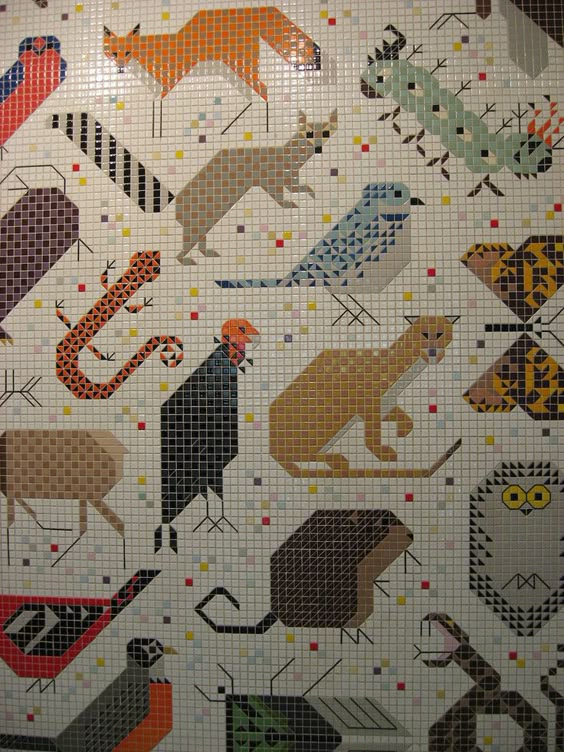
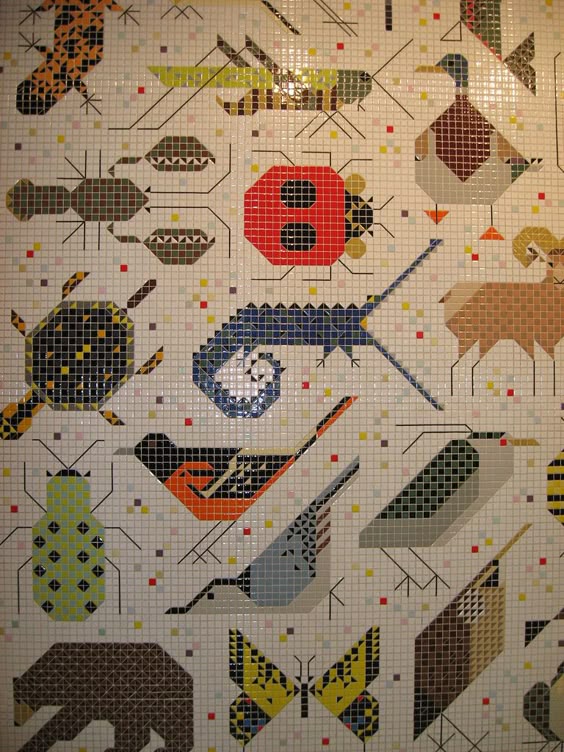
@butleriano also I love the fish roe tube but will admit that's probably for a more niche audience
English
@butleriano The brown cheese is delicious, I think it would be appealing to most people! It was trendy in Korea a few years ago which is how I was introduced to it (through youtube vloggers lol)
English

when I was growing up nobody born after the war ever touched the Deep Scandi dishes at family parties, but now that millennial food culture has happened and a third of us have married into cultures where you have to eat everything they are slowly becoming more popular.
⚢@wnchvstr
common foods in scandinavia i think would kill an american
English
@_lizharvey It feels like my eyeballs are shriveling up!!!!
English

I believe this is true for a lot of people for a lot of things but if i sleep less than 7 hours all i can talk about is how much it hurts. i dont understand how for some people it doesnt hurt.
Aakash Gupta@aakashgupta
The scariest finding in this paper: the subjects couldn't tell it was happening. UPenn ran this study on 48 healthy adults. One group slept 8 hours. Another slept 6. Another slept 4. For 14 straight days. They tested cognitive performance every 2 hours from 7:30am to 11:30pm. The 6-hour group's reaction times, working memory, and sustained attention deteriorated on a near-linear curve. By day 14 they were performing at the same level as someone who hadn't slept at all in 48 hours. The 4-hour group hit that threshold by day 6. Here's the part that should unsettle everyone who thinks they "do fine" on 6 hours: the subjects' self-reported sleepiness flatlined after the first few days. Their brains kept getting worse. Their perception of how impaired they were stopped updating. The cognitive decline was invisible to the person experiencing it. The researchers found a hard threshold. Any wakefulness beyond 15.84 hours in a day produces cumulative neurobiological cost. That cost compounds every single day you exceed it and does not reset with a weekend of sleeping in. About 35% of American adults sleep less than 7 hours a night. 40% of those get 6 hours or less. In 1942 that number was 11%. We built an entire professional culture around a sleep schedule that this paper says is functionally equivalent to pulling consecutive all-nighters. "I'm fine on 6 hours" is the most common response to sleep research. The first thing chronic sleep debt destroys is your ability to notice chronic sleep debt.
English
sanguinaria canadensis 🇵🇸 รีทวีตแล้ว

Good news. Tropical forests recover quickly once they are protected. Ninety per cent of biodiversity returned in 30 years, in this case.
phys.org/news/2026-04-e…
English
sanguinaria canadensis 🇵🇸 รีทวีตแล้ว


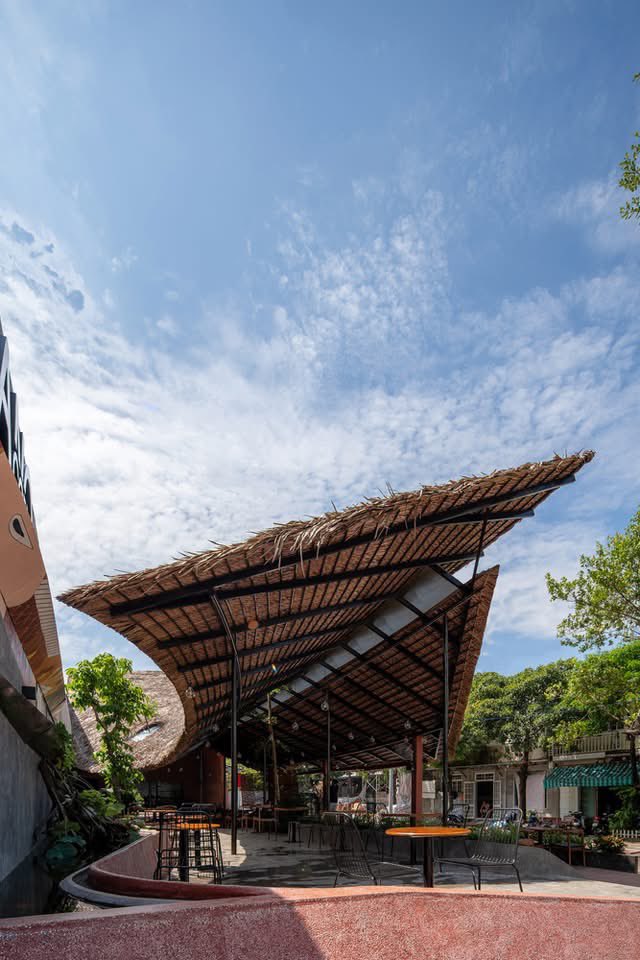
@shavnyuy I don't know what it is about a roof like that but it's relaxing just to look at it!
English

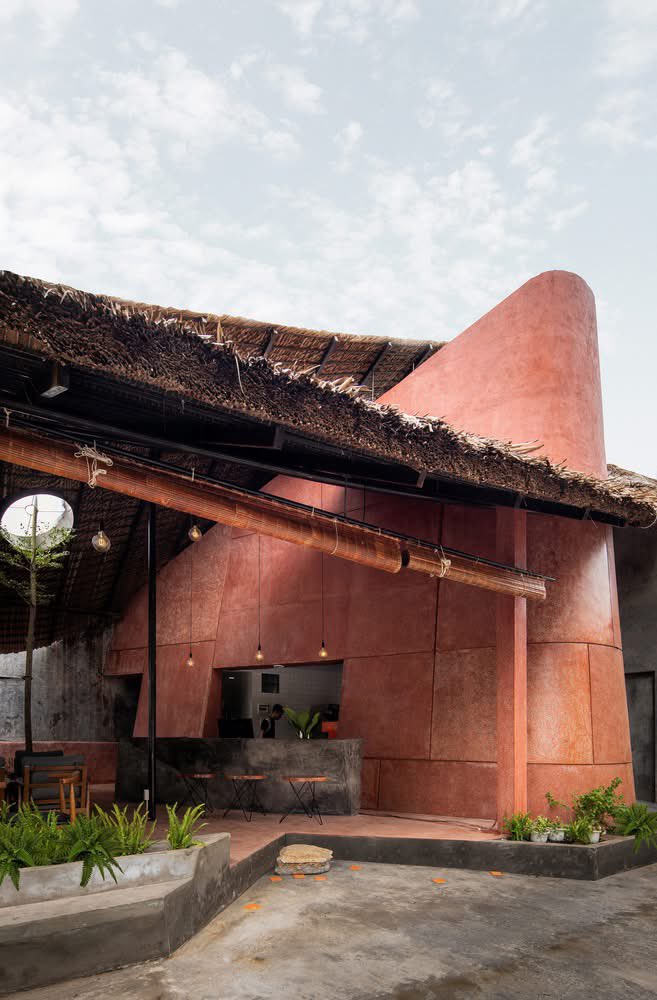
Vietnam at it again.
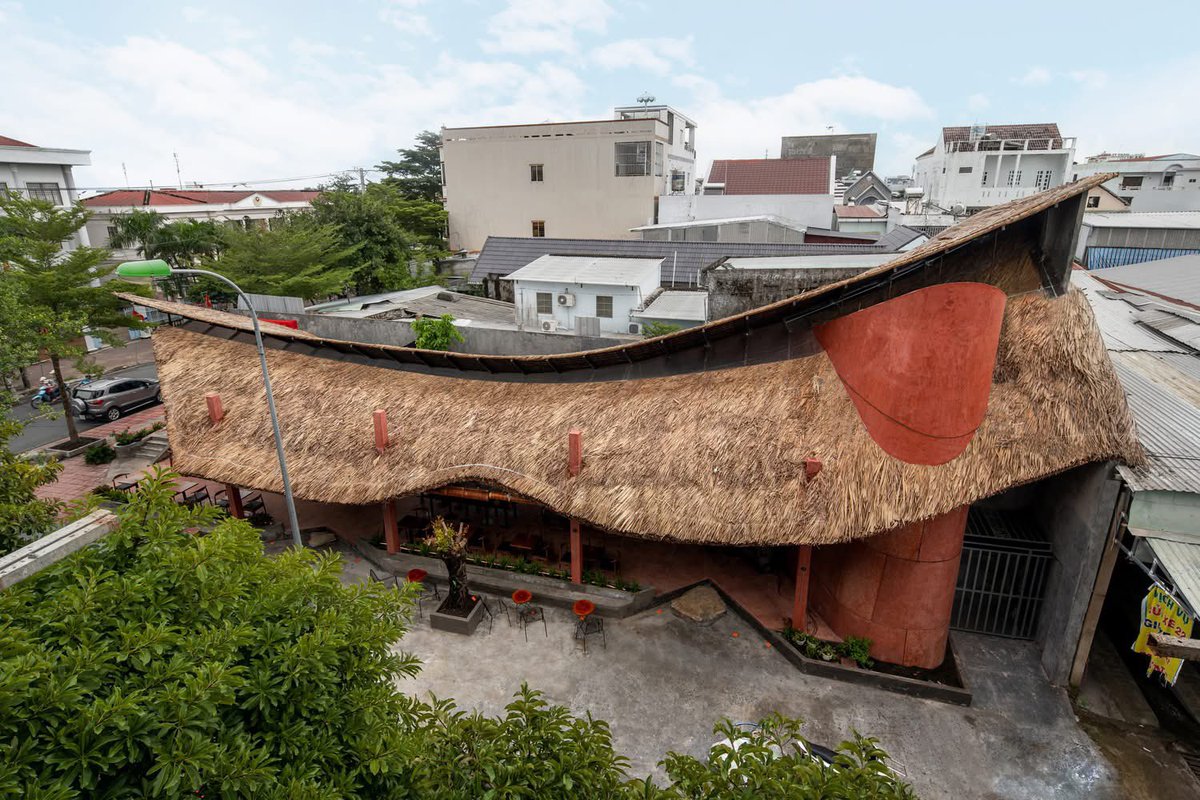
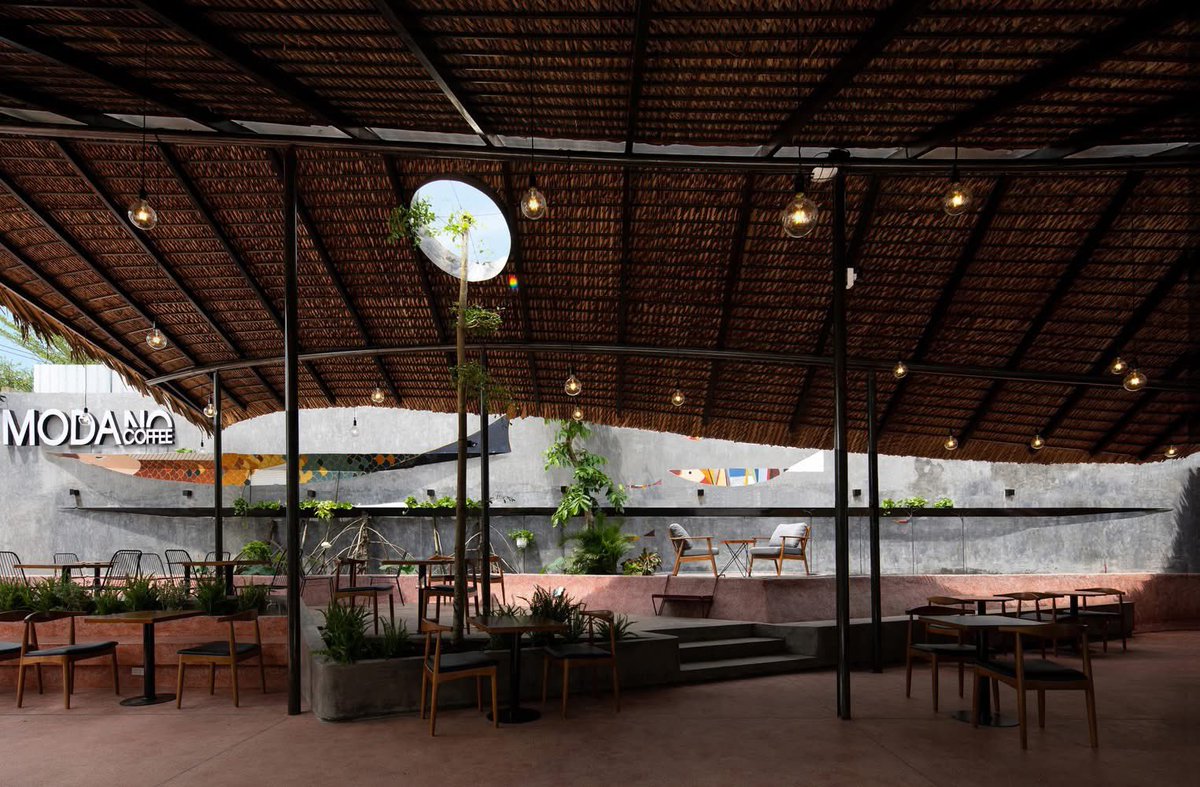
Before urbanization, the Mekong River Delta had a building tradition — stilt houses, light roofs over open frames, structures that moved with the water and the season. Modano Coffee didn’t ignore that. It took the logic of those houses and built a café from it.
Thatched roof and open in every direction. The kind of place you sit in on a Saturday and forget what day it is.
Africa has traditions just as rich. The question is when our architects will start building from them instead of around them.
More photos in the comments.
📍 Cà Mau, Mekong River Delta, Vietnam 🇻🇳
🏛 AD+studio
📷 Dũng Huỳnh
English
sanguinaria canadensis 🇵🇸 รีทวีตแล้ว

sanguinaria canadensis 🇵🇸 รีทวีตแล้ว
There's so much beauty in this stupid fucking ugly fucking piece of shit world
English
sanguinaria canadensis 🇵🇸 รีทวีตแล้ว

➡️ "Once the science is gone, there’s nobody left to flag the damage. Nobody left to say “this will destroy this stream” or “this species can’t survive this level of harvest.” The unprecedented mandatory logging quotas from the reconciliation bill can proceed without anyone left who has the data, the authority, or the institutional standing to object. The timber industry gets its clearcuts. The mining companies get their access roads. And the next time someone asks “what will this do to the forest?” the answer will be silence, because the people who knew are gone and the studies that would have told us were terminated by press release on a Tuesday in March."
Danielle Langlois@DanielleLangWa
“Late Tuesday afternoon….Trump administration announced the most devastating attack on the U.S. Forest Service in the agency’s 121-year history. Not a budget cut. Not a policy shift. Not a “reorganization.” An execution. They’re ripping the headquarters out of Washington and shipping it to Salt Lake City, Utah — the beating heart of the anti-public-lands movement in America. They’re shuttering every single one of the ten regional offices that have governed this agency since Gifford Pinchot built the system over a century ago — and with them, the career professionals who spent entire lifetimes earning the expertise and the authority to push back when politicians came calling with bad ideas and worse motives. They’re destroying more than fifty research facilities across thirty-one states, labs that house decades of irreplaceable long-term science, the kind you literally cannot restart once it’s gone. And they’re replacing all of it — the offices, the scientists, the institutional knowledge, the professional independence — with fifteen political appointees called “state directors,” embedded in state capitals alongside the very governors, legislators, and industry lobbyists who have spent their careers demanding that the Forest Service log more, protect less, and get out of the way. One hundred and ninety-three million acres of your national forests. An area larger than Texas. The largest public land agency in the country. Just handed, on a silver platter, to the people who’ve spent their entire careers trying to destroy it.” hatchmag.com/articles/trump…
English
sanguinaria canadensis 🇵🇸 รีทวีตแล้ว

Hamidreza Afrideh, a composer and kamancheh player, sits on the ruins of his music school and says:
"I wanted the last sound that remains here to be music, not bombs and missiles."
English
sanguinaria canadensis 🇵🇸 รีทวีตแล้ว