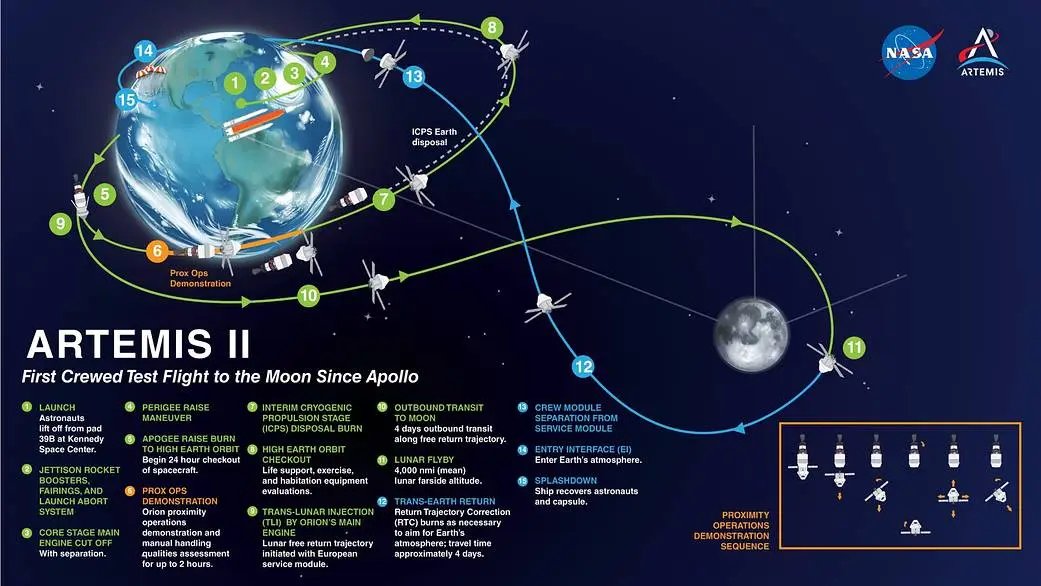
After a journey of more than 690,000 miles, the crew is nearly home.
The Artemis II crew will splash down off the coast of San Diego later today and, though it won’t be visible from land, you can still wave in their general direction to welcome them back to Earth! 👋
Ready… set… Earth! 🌎
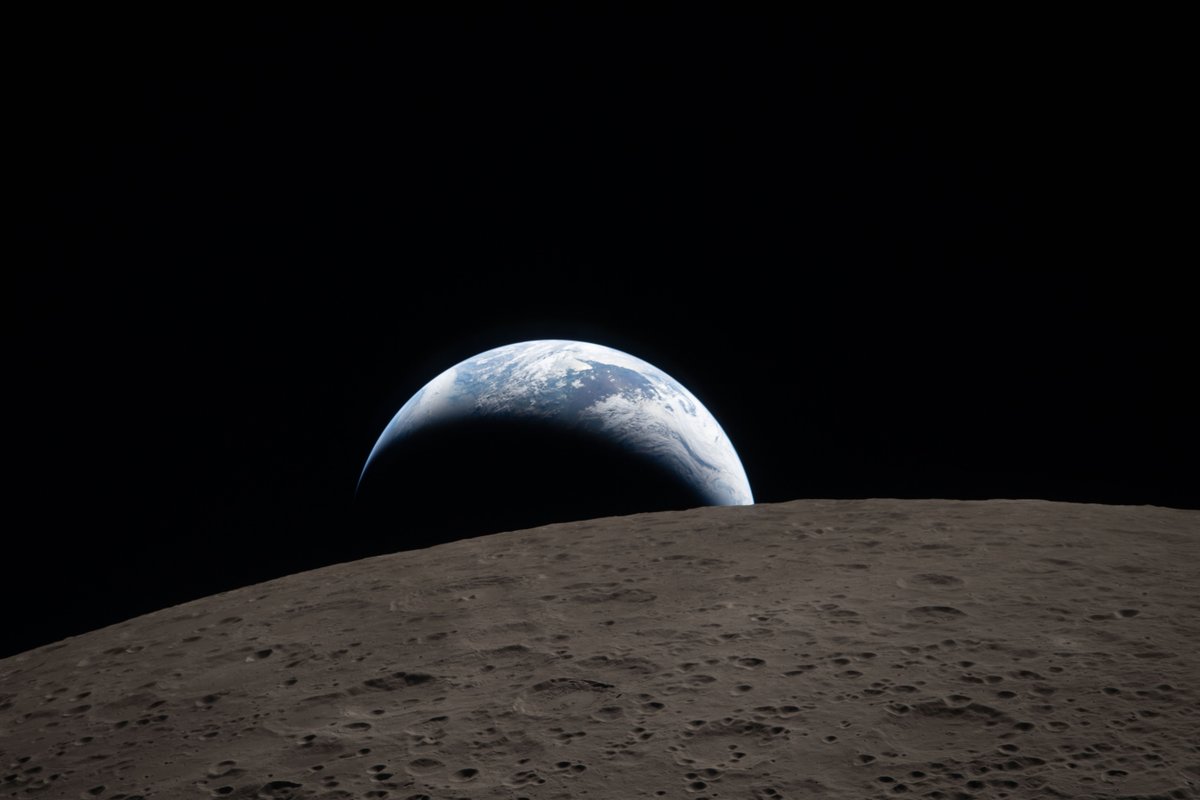
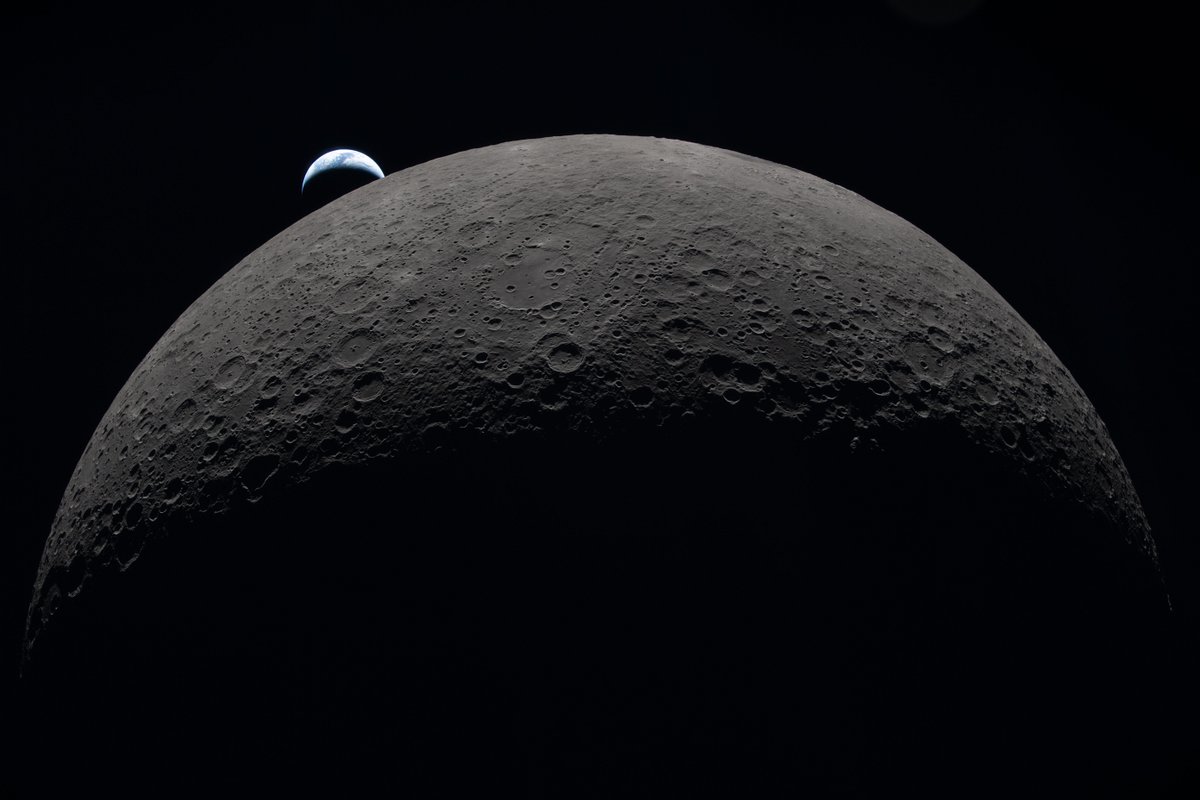
As Artemis II flew around the far side of the Moon, the crew captured a new view of home. These images show Earthset, when Earth dips below the lunar horizon. Parts of Australia & Oceania are visible, while the dark side of Earth is experiencing nighttime.
🌞🌕🧑🚀
Right now, the Orion capsule is passing behind the Moon, so the Sun is entirely eclipsed from their perspective. During this time, they will view a mostly darkened Moon and will use the opportunity to analyze the solar corona.
LIVE: Watch with us as the Artemis II astronauts make their closest approach to the Moon, traveling farther from Earth than ever before. twitter.com/i/broadcasts/1…
We see our home planet as a whole, lit up in spectacular blues and browns. A green aurora even lights up the atmosphere. That's us, together, watching as our astronauts make their journey to the Moon.
The Orion spacecraft successfully separated from the upper stage of the rocket, and the "proximity operations" test is underway. The Artemis II astronauts are manually piloting Orion similarly to how they would if they were docking with another spacecraft.
For the first time in over 50 years, humans are Moonbound.
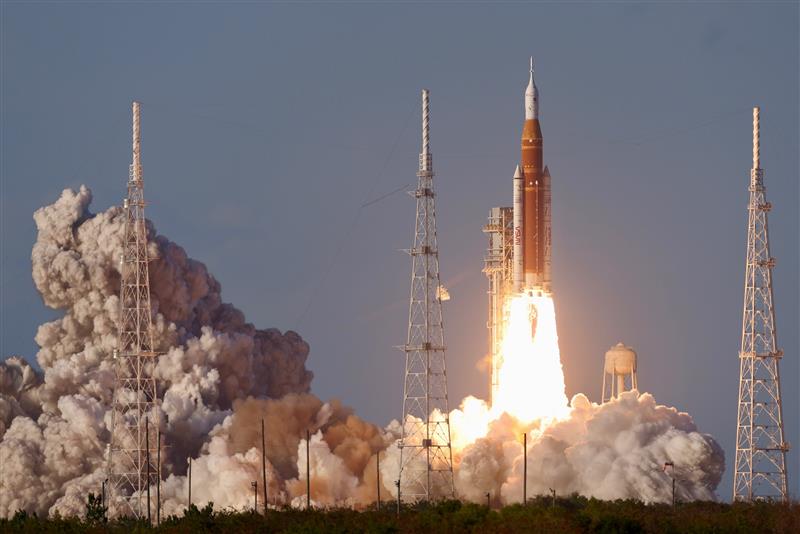
At 6:35 p.m. EDT (2235 UTC) NASA’s Space Launch System rocket and the Orion spacecraft lifted off from the agency’s Kennedy Space Center in Florida, sending four astronauts on a planned test flight around the Moon and back. go.nasa.gov/4tlRfRS
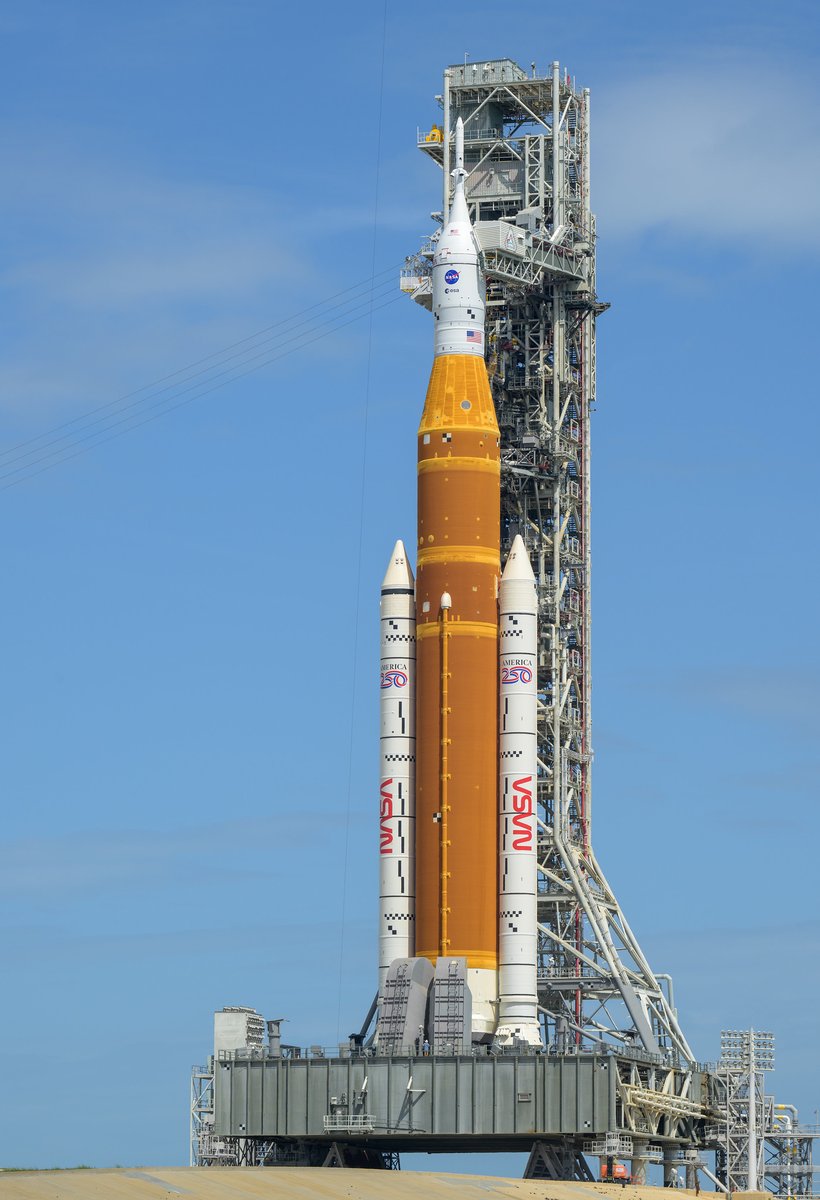
The countdown begins.
Teams at @NASAKennedy have arrived to their stations at the Launch Control Center. We are about 48 hours from the launch of the Artemis II mission around the Moon. go.nasa.gov/4bHcwzx