Rafael Dominguez รีทวีตแล้ว

This doesn’t look like the work of someone stuck in the Stone Age or on their way back to it.
They seem way too confident and have good scriptwriters, we have to admit.
English
Rafael Dominguez
6.3K posts

@somoscode
Founder, sustainability, running, music and my family. Song writer “whales gotta eat”, “Axolotle Anthem - Remix”. Former MSFTy. Say hola!
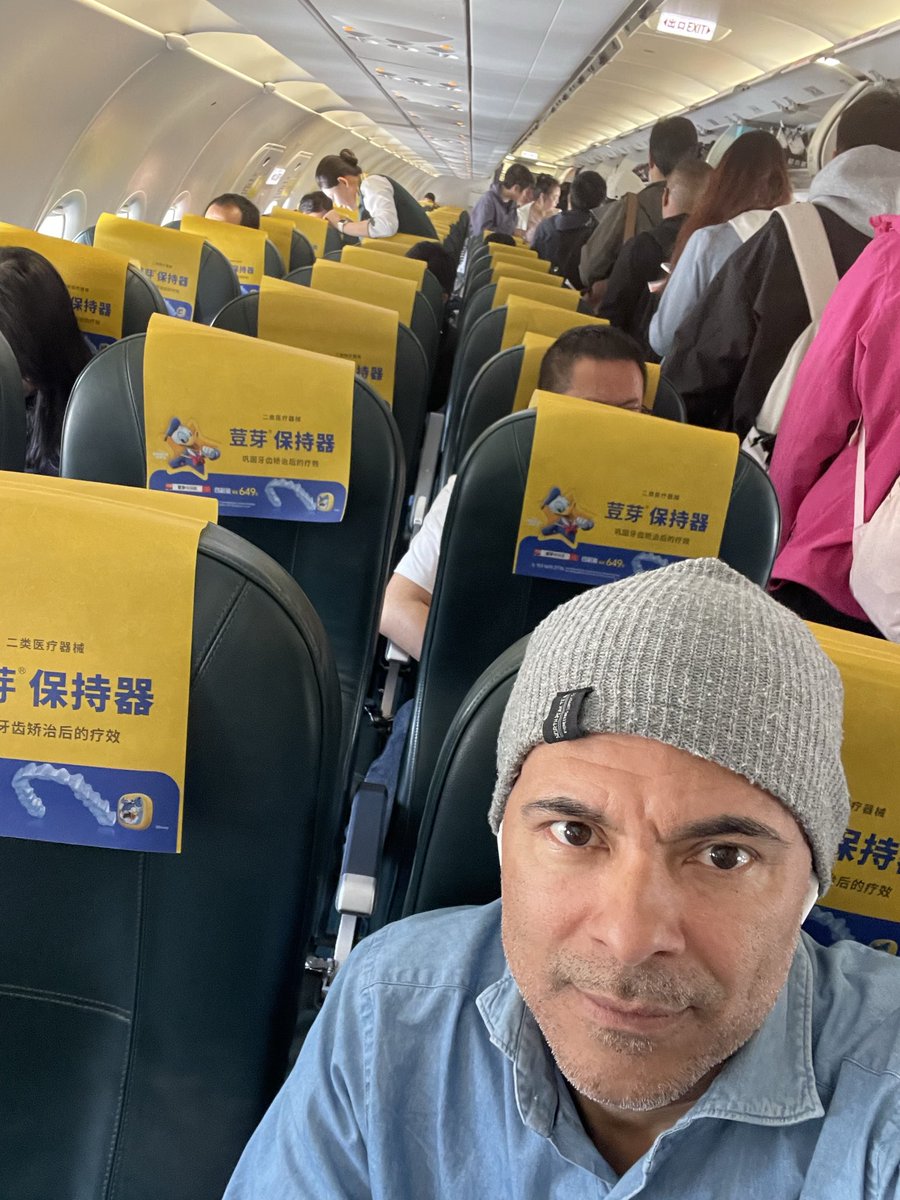

Chinese infrastructure photos are wild because they seem so advanced, except then you're reminded that China has a GDP per capita similar to Mexico. Impressive 30+ year gains, but what this tells us is that infrastructure is actually kinda easy to do!

The root cause of the disruption in the Strait of Hormuz is the U.S.-Israel illegal military operations against Iran. Only by ending the military actions and restoring peace and stability in the Gulf can the international shipping lane be open and safe. The international community needs to work together for de-escalation to prevent regional turmoil from further hitting the global economy and energy security.

Imagine seeing something like this built in the US in the modern era…

Just had a long talk with a former IAF commander on why Iran is managing to shoot down these US planes. He told me that since the 12 day war Iran has rethought its entire system after seeing how easily it was bombed. The new system is far better and more resilient and Israeli pilots have noticed how difficult it is to operate there now: 1) Each of Iran's 31 zones now has the authority to operate independently if central command is cut off, allowing local commanders to launch missiles and engage aircraft without waiting for orders from Tehran. That was a major problem for them in the past. 2) Recognizing that fixed sites are easily destroyed, Iran moved many of its restored air defenses into missile cities, deeply buried underground tunnels and rugged coastal terrain that serve as cover for mobile launchers. These targets are now hardened. 3) Since traditional radar gives away a system's location, Iran has leaned into passive infrared (heat-seeking) sensors and new software algorithms that can track jets without emitting detectable signals. 4) Iran has increased reliance on mobile, medium-range surface-to-air SAM systems. Its mobility allows shoot-and-scoot tactics that make it difficult to target with pre-planned airstrikes. 5) Iran has moved away from Russian missiles to its own Bavar-373 which appears to be superior to the S-300 and possibly to the S-400 too. Recent upgrades include increased autonomy for launchers, allowing them to operate even if centralized command centers are destroyed. 6) They use new Majid system, which relies on passive infrared detection rather than radar. Because it doesn't emit radar signals, it is significantly harder for aircraft to detect before a missile is launched. 7) Most important, he confirmed to me that Iran is using HQ-9B, the best long-range surface-to-air missile China has to offer. It has both active radar homing and a passive infrared seeker. This makes it harder for aircraft to spoof the missile with standard electronic countermeasures and improves its ability to track stealth. It seems to be exceeding expectations. He told me, "the days when flying over Iran was a walk in the park are over." In sum, new tactics and a switch from Russian technology to Iranian and Chinese technology have turned Iranian airspace into a contested space. Air superiority there is gone. The IAF and USAF will have to adapt accordingly or lose more aircraft.

US tourists in Hong Kong must reveal their device passwords - or be arrested trib.al/DGQc2SX


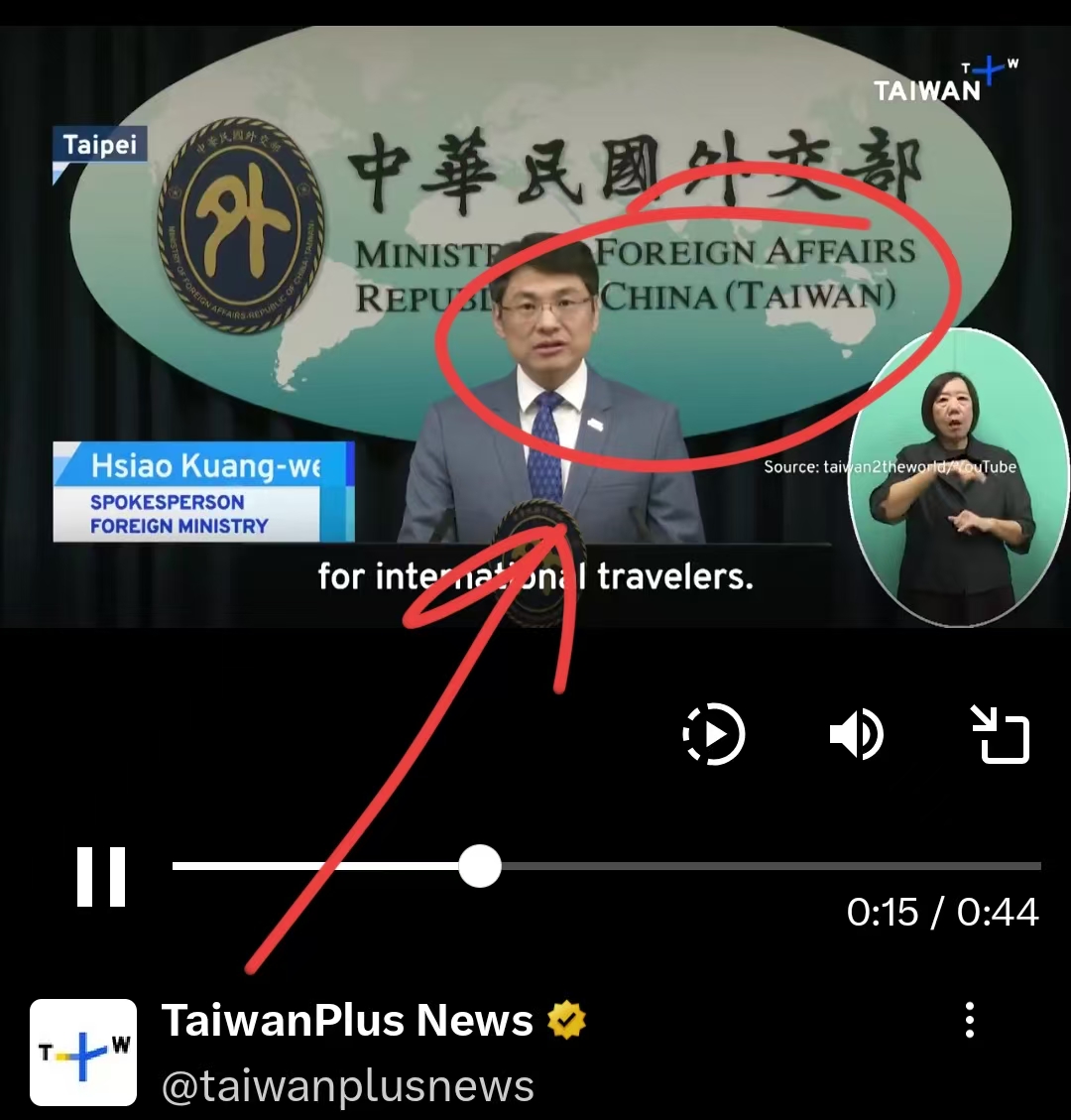
Taiwan has temporarily paused changes to its e-arrival system amid an ongoing dispute with South Korea over how Korean e-arrival forms labeled the country as "China (Taiwan)."


Kim Jong Un took his daughter to a pet shop in Pyongyang, playing with dogs and cats as he called for more pet supply stores.
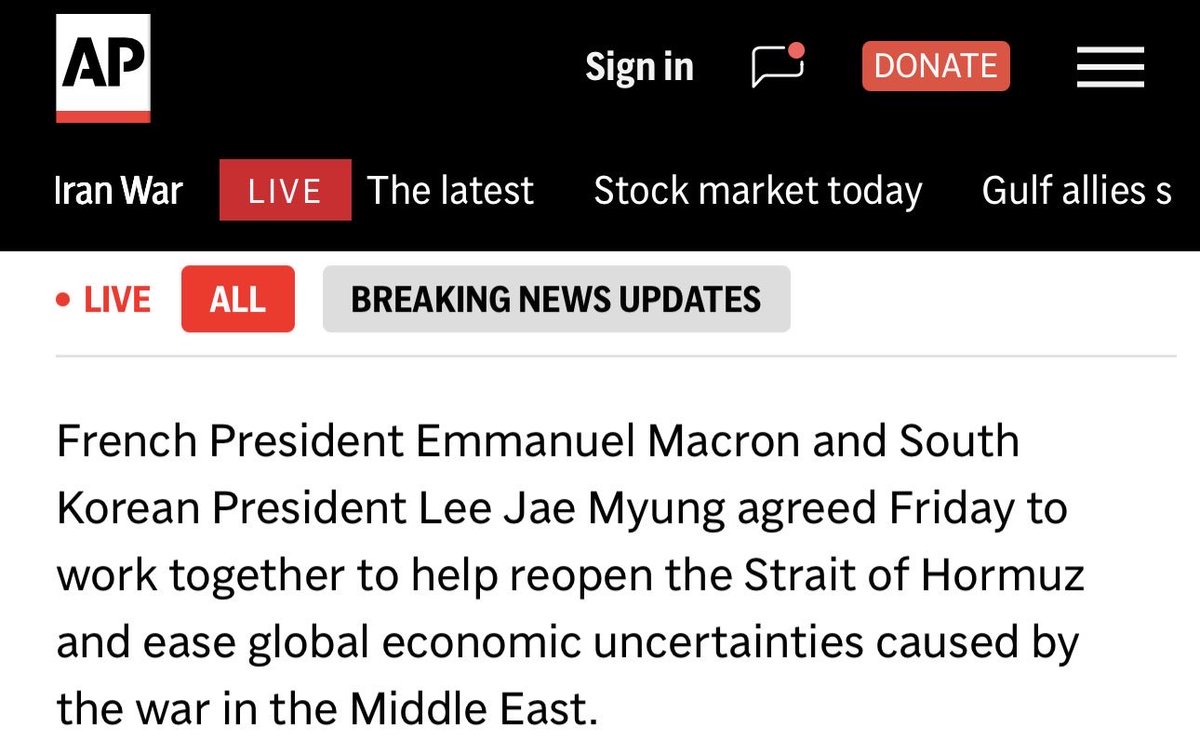
JUST IN: 🇫🇷🇰🇷 France and South Korea agree to help reopen the Strait of Hormuz.



Shares of Chinese companies that offer cross-border payments rose, after the commerce ministry noted that the yuan is being used to pay tolls for passage through the Strait of Hormuz bloomberg.com/news/articles/…