Stefano Cacciatore

1.5K posts

Stefano Cacciatore banner
Stefano Cacciatore

Stefano Cacciatore

@stecacMD

MD | Geriatrician | MSc Epidemiology & Biostatistics | Visiting Researcher, Institute on Aging, Department of Physiology and Aging – University of Florida @UF

Gainesville, Florida, USA เข้าร่วม Ağustos 2013
3.5K กำลังติดตาม1.2K ผู้ติดตาม
Stefano Cacciatore
Stefano Cacciatore@stecacMD·
Publishing with Integrity@fake_journals

When metrics look extraordinary: the Google Scholar profile of Alireza Heidari Google Scholar profiles often provide a quick snapshot of a researcher’s academic influence. They display publications, citation counts and h-index values. For many people, these numbers act as a shorthand signal of scholarly impact. But occasionally a profile appears that raises more questions than it answers. One example is the Google Scholar profile of Alireza Heidari, which anyone can view here: buff.ly/79dkaMz (I have also archived a screenshot of this page as at 05 Apr 2026: buff.ly/sEnGTF6). Some readers may already be aware of this researcher, as I have mentioned him before and he is known among people who follow discussions about research integrity. The metrics are remarkable. ⚫️ More than 2.1 million citations ⚫️ An h-index of 663 ⚫️ An i10-index of 2,379 For context, even the most highly cited scientists in the world typically have h-indices far lower than this. A legitimate h-index of 100 is widely considered outstanding. But there is another detail that stands out. The headline description states: "Winner of the Nobel Research Award 2025 in Chemistry." This raises an obvious question. ________________________________________ How reliable are the signals we rely on? The official Nobel Prize in Chemistry is awarded by the Royal Swedish Academy of Sciences and the list of laureates is publicly available. At the time of writing, Alireza Heidari does not appear among the Nobel laureates in Chemistry, at least as far as I can see. Google Scholar profiles are largely self-managed. Researchers can create them, edit them and maintain their own publication lists. This flexibility is useful, but it also means that profiles may contain information that has not been independently verified. ________________________________________ Why this matters Citation counts, h-indices and online profiles increasingly influence how researchers are perceived. They appear in promotion cases, funding applications, rankings and dashboards. When those signals become unreliable, the wider academic ecosystem can also be affected. For that reason, profiles like this are worth examining carefully. Not necessarily to reach immediate conclusions, but to ask a simple question: How much confidence should we place in the metrics we see online? ________________________________________ In the coming days or weeks, I plan to look more closely at several aspects of this case, including: ⚫️ Citation patterns ⚫️ Institutional affiliations ⚫️ Where articles are being published For now, the Google Scholar profile alone already provides an interesting starting point. What do you think when you see metrics like this? If you have any knowledge of Alireza Heidari that you are willing to share, either in the comments or privately via DM, I would be interested to hear from you.
Svenska
0
0
0
104
Stefano Cacciatore
Stefano Cacciatore@stecacMD·
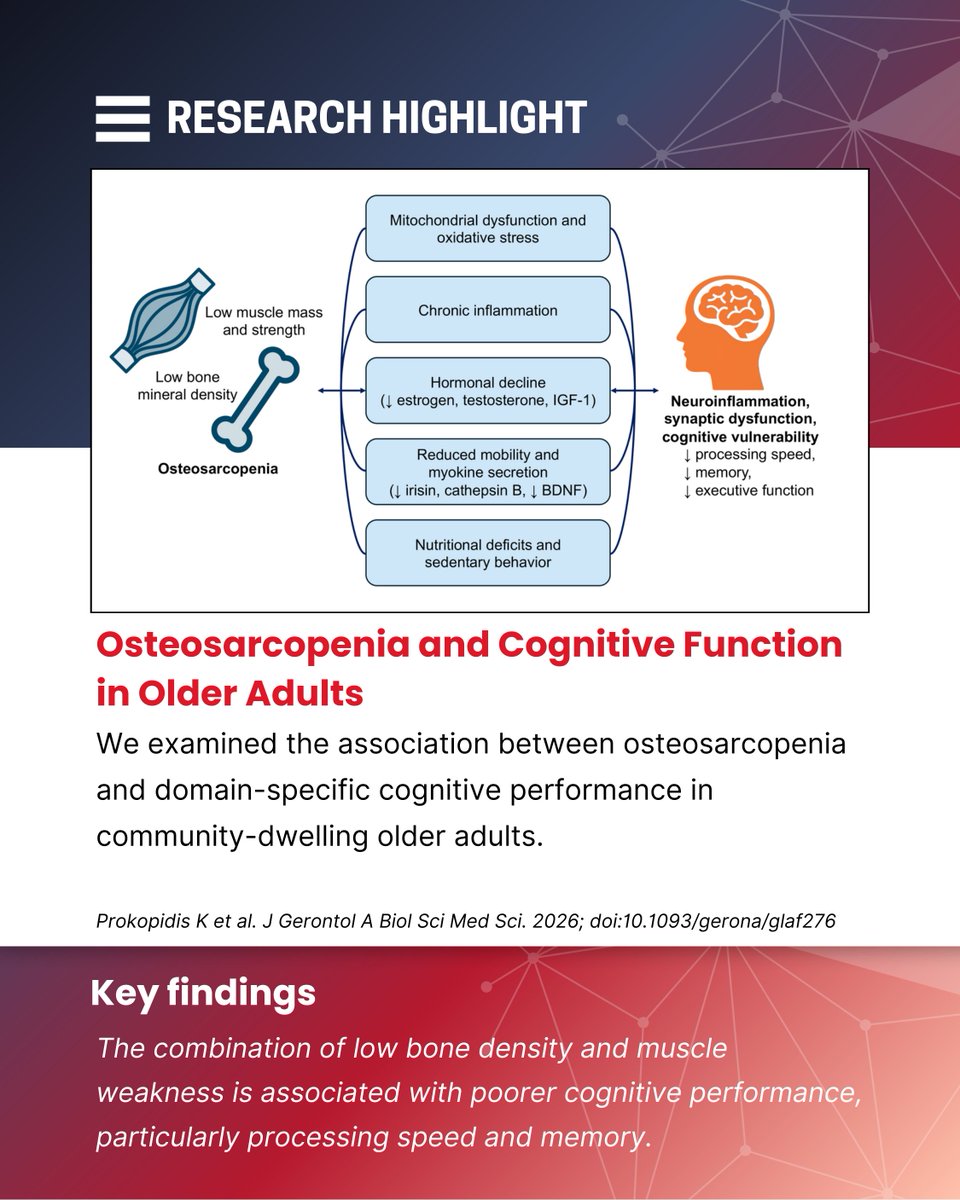
🧠🦴 Research Highlight: #Osteosarcopenia & Cognition We investigated the association between osteosarcopenia and domain-specific cognitive performance in community-dwelling older adults, using data from a large, nationally representative US cohort. 🔍 What did we find? The combination of low bone mineral density and reduced muscle strength was associated with poorer cognitive performance, particularly in processing speed and memory. These associations were not observed when bone or muscle impairment occurred in isolation. 🧩 Why does it matter? Our findings support osteosarcopenia as a clinically relevant multidimensional phenotype and reinforce the need for integrated assessment of musculoskeletal and cognitive health in aging populations. 🤝 A big thank you to @KostasProko for leading this work, and to all co-authors for the collaboration @MathiasSchloegl, @DrBenKirk, @ilmannato, @DrGustavoDuque 📄 Prokopidis K, Cacciatore S, Kirk B, Veronese N, Duque G, Schlögl M, Associations between osteosarcopenia and cognitive function in community-dwelling older adults: evidence from a US cohort, The Journals of Gerontology: Series A, Volume 81, Issue 3, March 2026, glaf276, doi.org/10.1093/gerona…
Stefano Cacciatore tweet media
English
0
4
8
456
Stefano Cacciatore
Stefano Cacciatore@stecacMD·
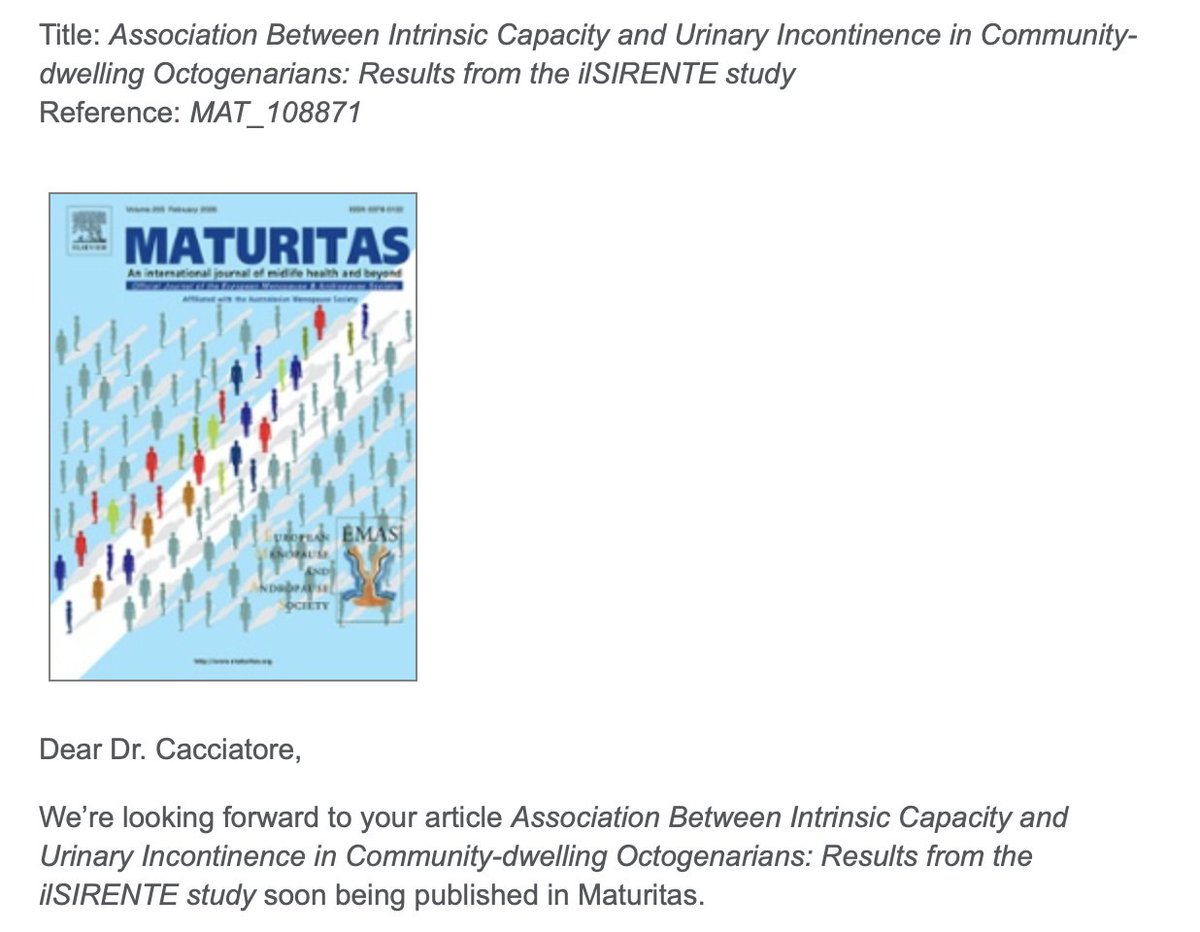
Scam journal. Urgent tone. Ricky Martin.
Stefano Cacciatore tweet media
English
1
0
0
459
Stefano Cacciatore
Stefano Cacciatore@stecacMD·
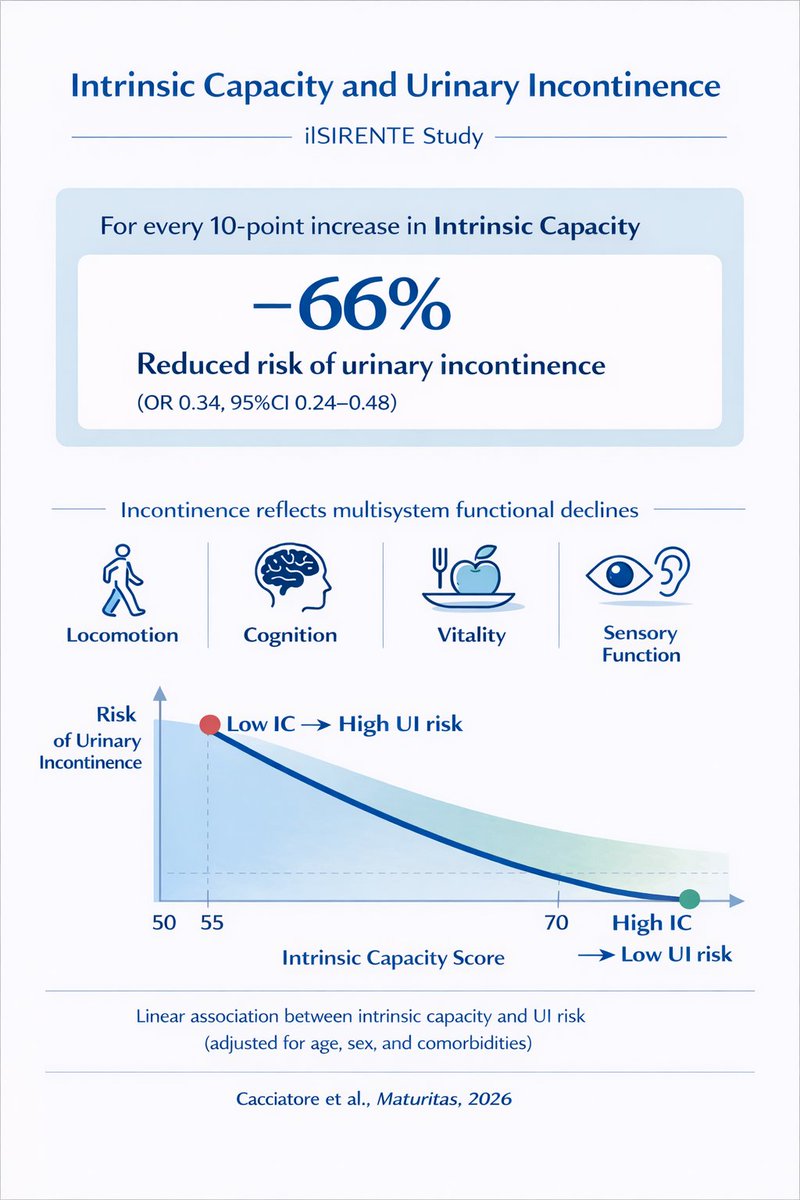
In our latest study, just published in Maturitas @maturitas_j, we put numbers to something we often see in clinical practice but rarely quantify so clearly: urinary incontinence is a marker of global functional decline, not just a bladder issue In community-dwelling adults aged 80+, lower intrinsic capacity was strongly associated with urinary incontinence. Key findings from the ilSIRENTE study: 🔹 Lower intrinsic capacity scores were strongly linked to urinary incontinence 🔹 Every 10-point increase in intrinsic capacity was associated with a 66% lower odds of incontinence 🔹 Incontinence appears to reflect reduced functional reserve, not isolated organ dysfunction 🔹 These results support @WHO ICOPE guidance (Chapter 13), reinforcing that continence should be integrated into intrinsic capacity–based care 👉 Addressing multiple domains may be just as important as bladder-focused treatments when preventing and managing incontinence in older age. A great reminder that geriatric syndromes demand multidomain thinking 🧩 Link: doi.org/10.1016/j.matu… #HealthyAging #Geriatrics #IntrinsicCapacity #ICOPE #UrinaryIncontinence @MathiasSchloegl, @r_calv, @e_marzetti
Stefano Cacciatore tweet media
English
0
0
2
235
Stefano Cacciatore
Stefano Cacciatore@stecacMD·
4 articles accepted in 4 weeks We're getting better at this ☀️
Stefano Cacciatore tweet media
English
1
0
1
217
Stefano Cacciatore
Stefano Cacciatore@stecacMD·
Always fun when two papers come out on the very same day 📄📄 even more so when they’re written with special co-authors you truly enjoy working with! 🔹 Paper #1 | Intrinsic Capacity, Frailty & Inflammation ( 🔗  doi.org/10.1016/j.exge…) Intrinsic Capacity and frailty offer complementary views of biological aging We observed a clear inflammatory gradient across IC–frailty phenotypes, with lower intrinsic capacity linked to higher CRP, IL-6, and TNF-α Locomotion and vitality appear to be key domains linking functional decline with systemic inflammation 🚶‍♂️💪 🔹 Paper #2 | Physical activity, protein intake & muscle health in cancer ( 🔗 rdcu.be/eXR1x) In adults aged 40–59 years with cancer, meeting moderate or vigorous WHO physical activity guidelines combined with higher protein intake above the RDA was not associated with ALSTI in fully adjusted models. A significant positive association emerged only among participants meeting both moderate and vigorous physical activity guidelines, highlighting the complexity of lifestyle factors in muscle health 🏃‍♂️🥗 @r_calv, @e_marzetti, @KostasProko, @MathiasSchloegl, @ilmannato, @BrendonStubbs23, @DrCarlaPrado
Stefano Cacciatore tweet media
English
0
2
7
386
Stefano Cacciatore
Stefano Cacciatore@stecacMD·
So… what can I get you for your birthday? 🎂 Starting my journey at the University of Florida on my birthday and celebrating the acceptance of our paper on intrinsic capacity–frailty phenotypes and subclinical inflammation in Experimental Gerontology feels like a pretty nice gift
Stefano Cacciatore tweet media
English
0
0
2
99
Stefano Cacciatore
Stefano Cacciatore@stecacMD·
Shoutout to the best place I’ve written papers in 2025
Stefano Cacciatore tweet media
English
0
0
1
89
Stefano Cacciatore
Stefano Cacciatore@stecacMD·
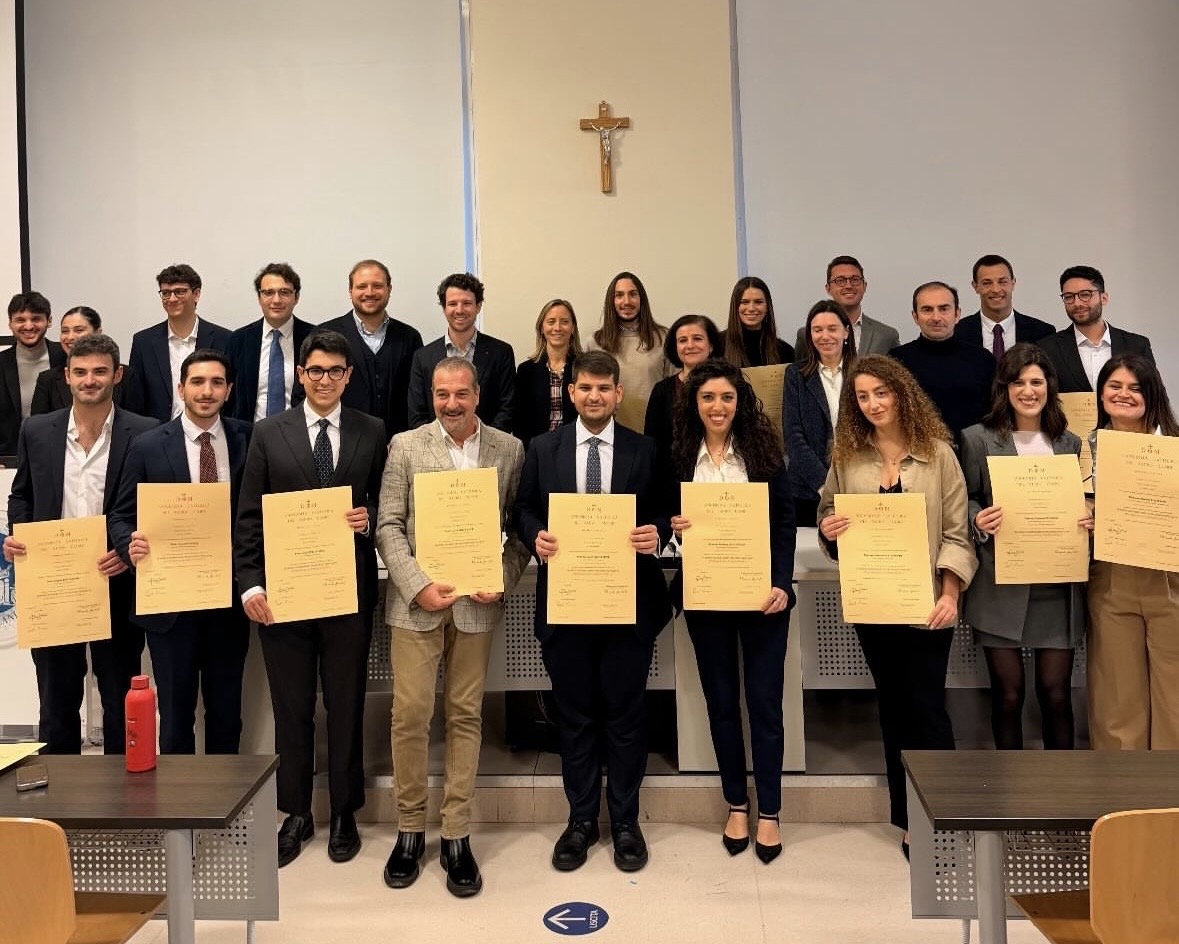
Wrapping up a fantastic 2025 with the completion of my Second-Level Master’s in Epidemiology and Biostatistics, a meaningful step in my academic and research journey 🎓 Grateful to everyone who contributed along the way 🚀
Stefano Cacciatore tweet media
English
0
0
3
118
Stefano Cacciatore
Stefano Cacciatore@stecacMD·
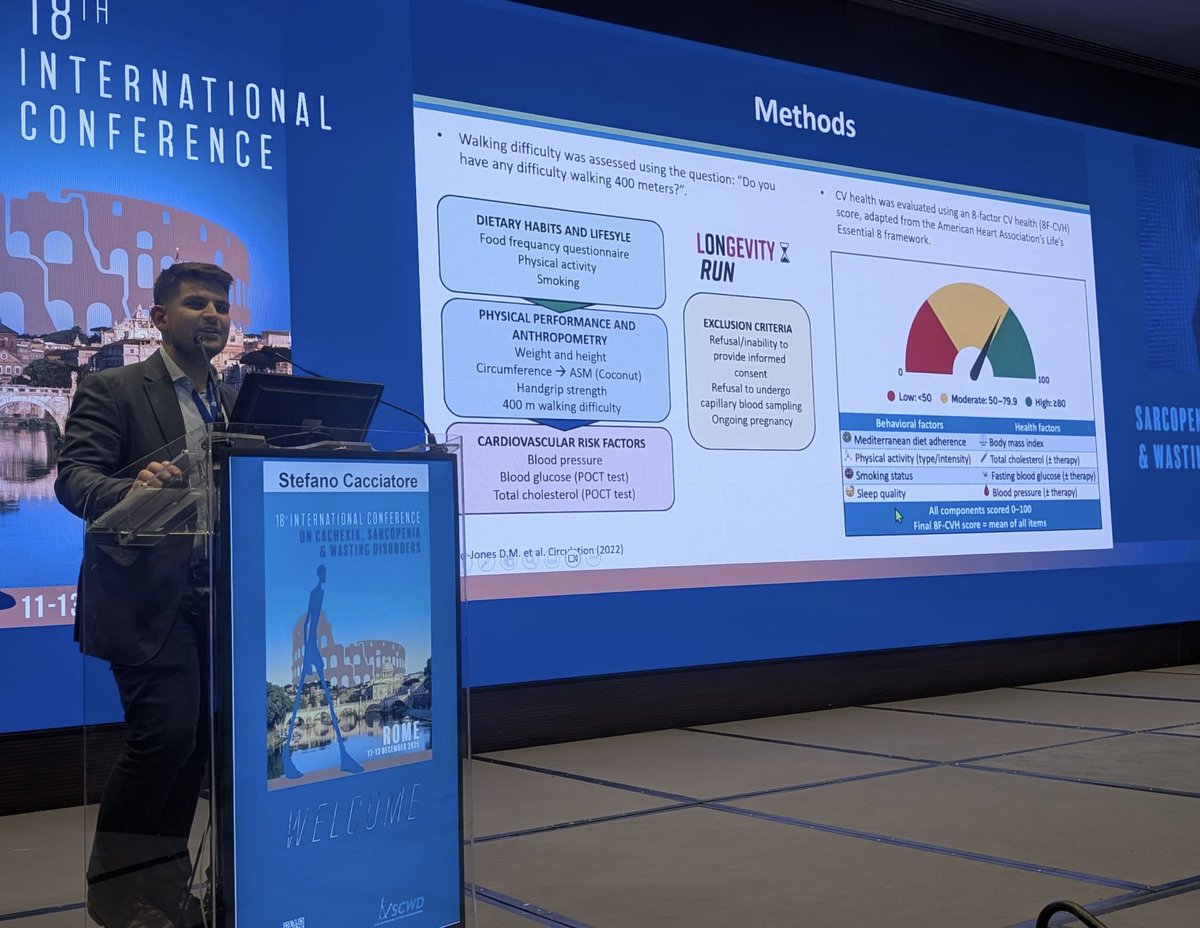
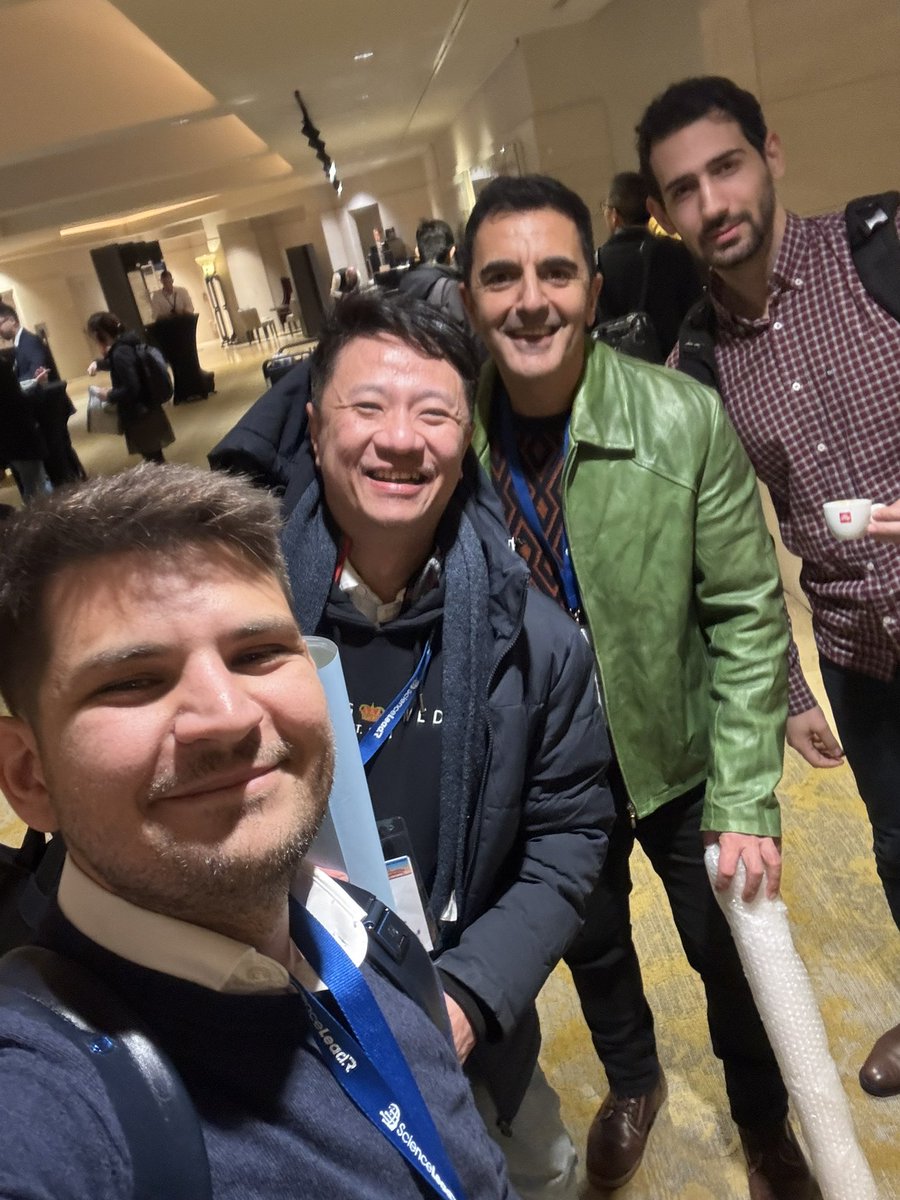
I’m very happy to have attended the 18th International Congress of the Society on Sarcopenia, Cachexia and Wasting Disorders @SCWDnews, supported by the @HealthcareMDPI_ Travel Award It was an inspiring and intellectually stimulating meeting, and a great opportunity to reconnect with friends and meet amazing people and scientists. A truly special moment at the end of an intense and fulfilling 2025 ⭐️
Stefano Cacciatore tweet mediaStefano Cacciatore tweet media
English
0
1
1
124
Stefano Cacciatore รีทวีตแล้ว
Scott Powers
Scott Powers@skppowers·
In 2020, a classic review was published in Sports Medicine and Health Science (doi.org/10.1016/j.smhs…) discussing the COVID-19 pandemic and physical activity-check out the latest update on this topic at doi.org/10.1016/j.smhs…
English
0
1
4
502
Stefano Cacciatore
Stefano Cacciatore@stecacMD·
Truly amazed by the launch of geriatrics-update.com, an important step toward accessible, high-quality geriatric education and the development of a shared core curriculum in clinical and research competencies Congratulations to @MathiasSchloegl for driving such an impactful and forward-thinking initiative for our field! @EuGMSSociety @UZH_en
Stefano Cacciatore tweet media
English
0
0
2
96
Stefano Cacciatore รีทวีตแล้ว
Società Italiana di Gerontologia e Geriatria
Sono aperte le iscrizioni ai Corsi Pre-Congressuali del 70° Congresso SIGG! Anche quest’anno la proposta formativa è ricca e pensata per chi vuole consolidare competenze cliniche e metodologiche Info su sigg.it
Società Italiana di Gerontologia e Geriatria tweet media
Italiano
0
2
2
128
Stefano Cacciatore
Stefano Cacciatore@stecacMD·
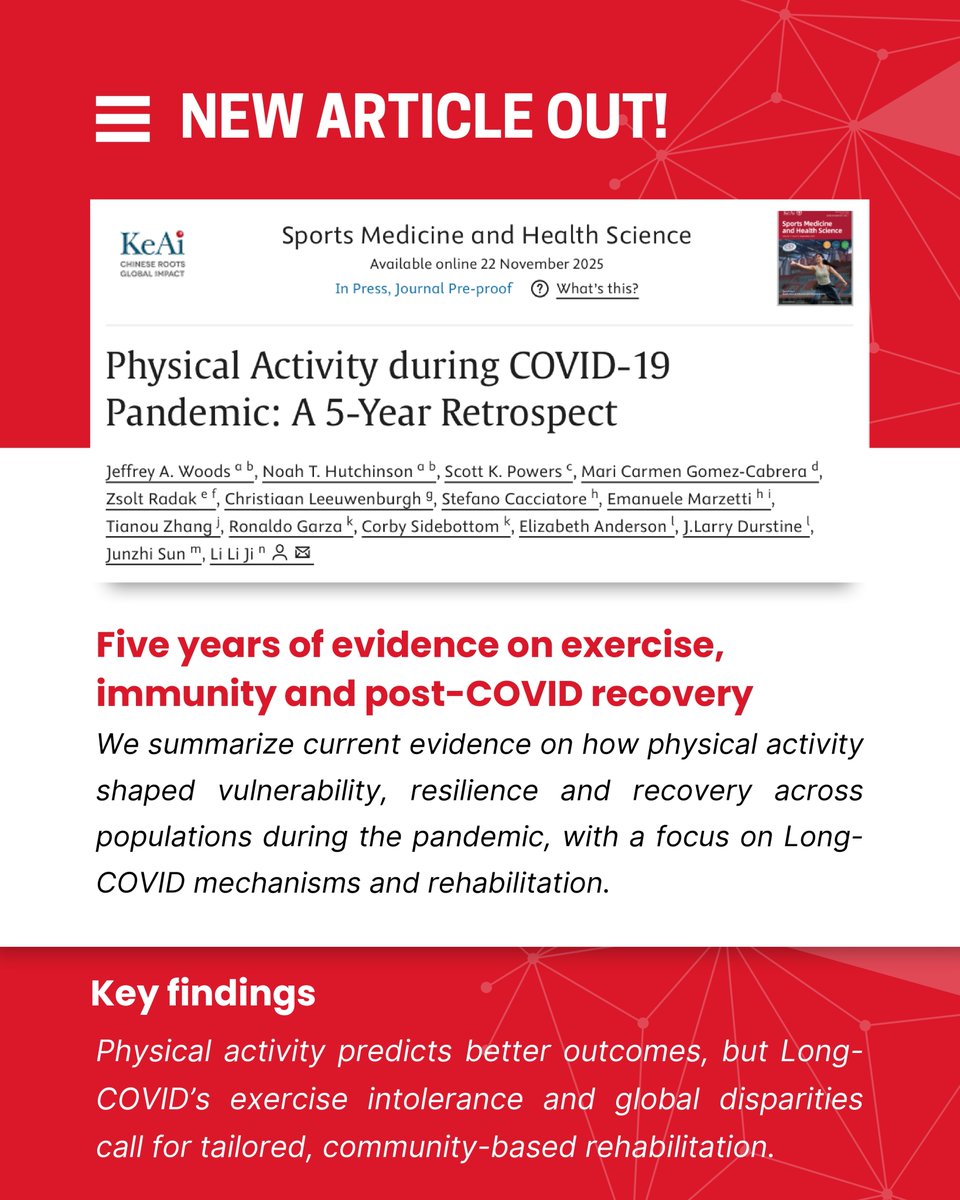
Honoured to be part of an international collaboration bringing together leading researchers from the US, Europe, and Asia to reflect on five years of scientific evidence on physical activity, #COVID19, and Long-COVID 📘 “Physical Activity during COVID-19 Pandemic: A 5-Year Retrospect” now available in Sports Medicine and Health Science (SMHS) @SMHS_Online Link: sciencedirect.com/science/articl… What we cover: 🛡️ A comprehensive overview of how physical activity shaped vulnerability, resilience, and recovery during the pandemic. 🧬 Immune, cardiovascular, pulmonary, musculoskeletal, and neurological effects of both acute COVID-19 and Long-COVID. 👵 A deep focus on older adults, who experienced the greatest burden of disease and functional decline. 🎓 Insights into how lifestyle disruption affected college students’ health and behaviour. 🏃 Evidence on Long-COVID exercise intolerance and the physiological mechanisms behind reduced tolerance and fatigue. 💡 Three key messages emerge: ✅ Physical activity is one of the strongest predictors of better outcomes, including lower hospitalization and mortality. ✅ Exercise intolerance in Long-COVID is multifactorial and requires tailored, patient-centred rehabilitation strategies. ✅ The pandemic revealed major global inequalities in access to movement, highlighting the need for scalable, community-based programs. If you work in exercise science, geriatrics, cardiopulmonary medicine, or post-COVID care, this review offers a timely synthesis of where we stand and what comes next.
Stefano Cacciatore tweet media
English
0
1
3
226