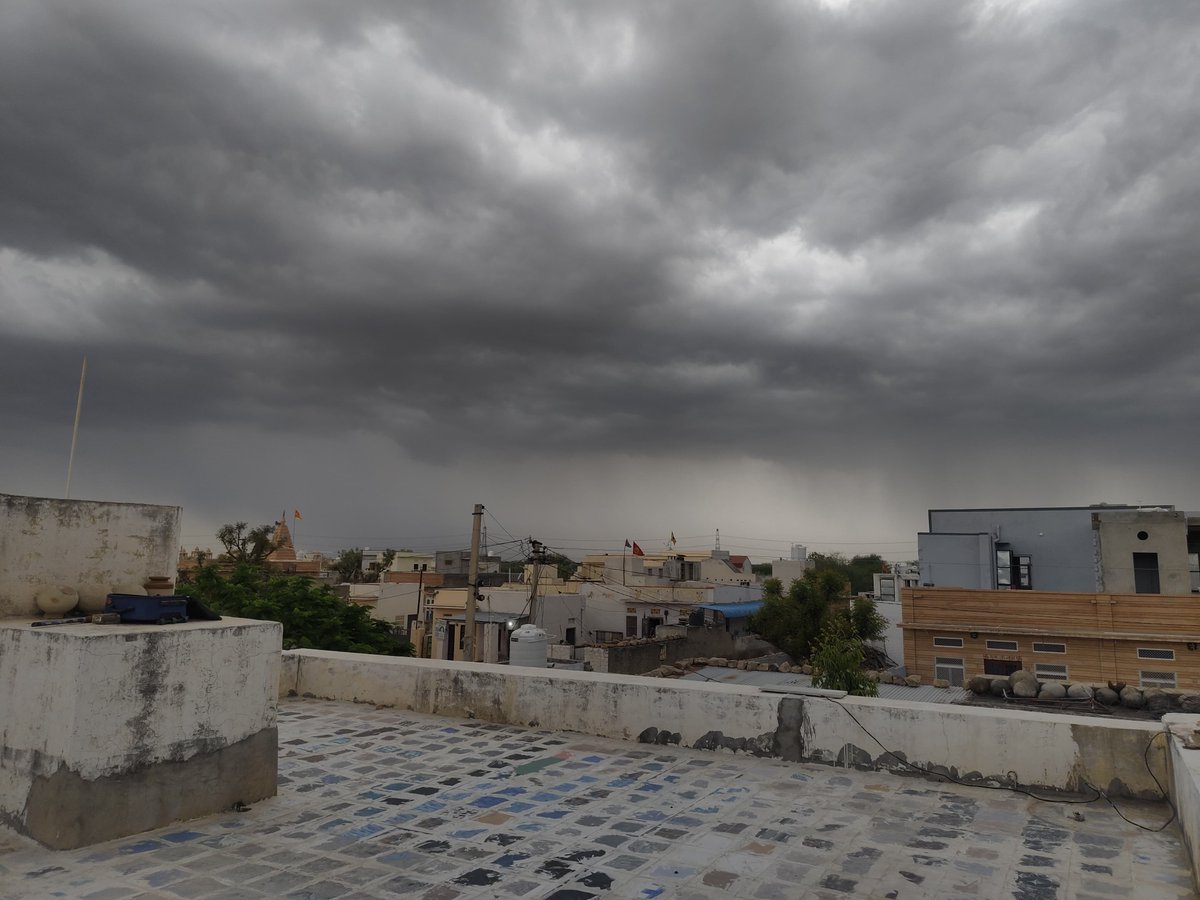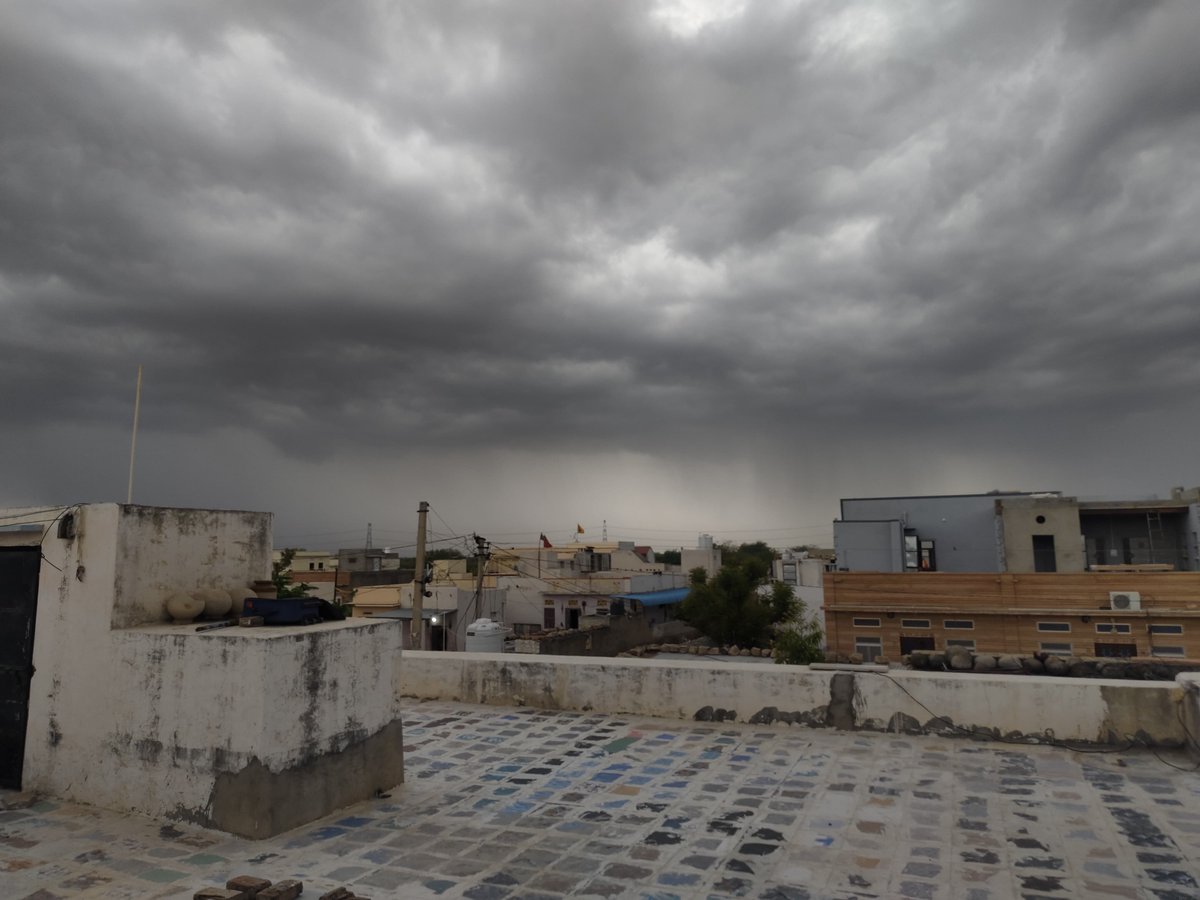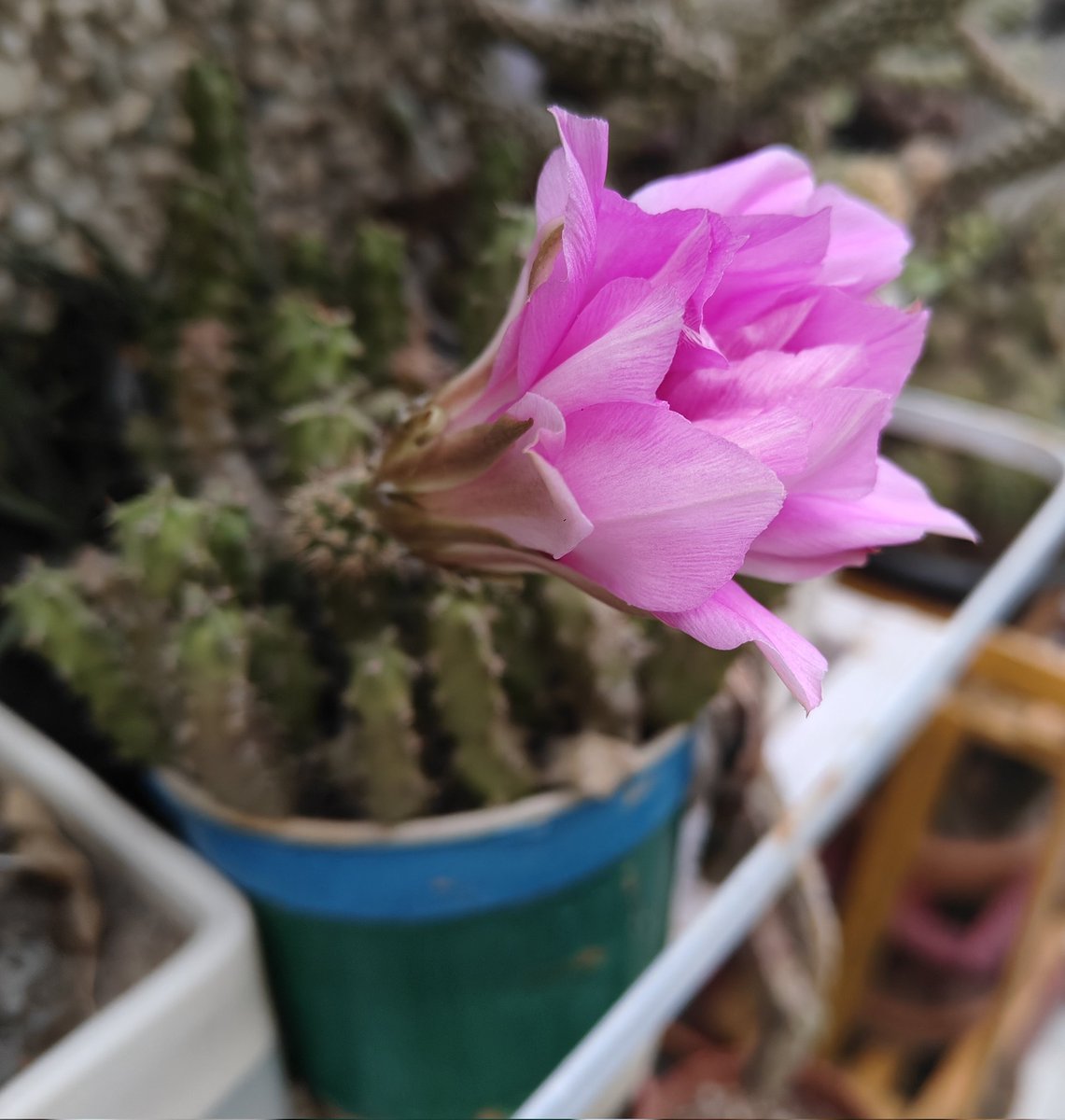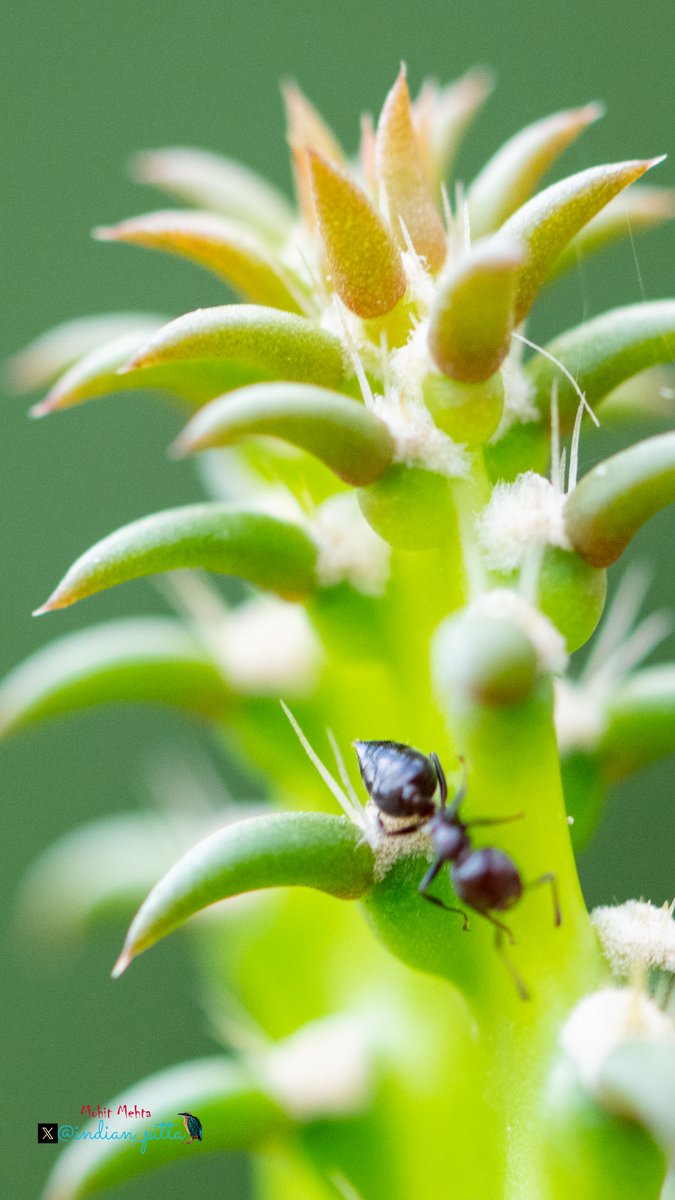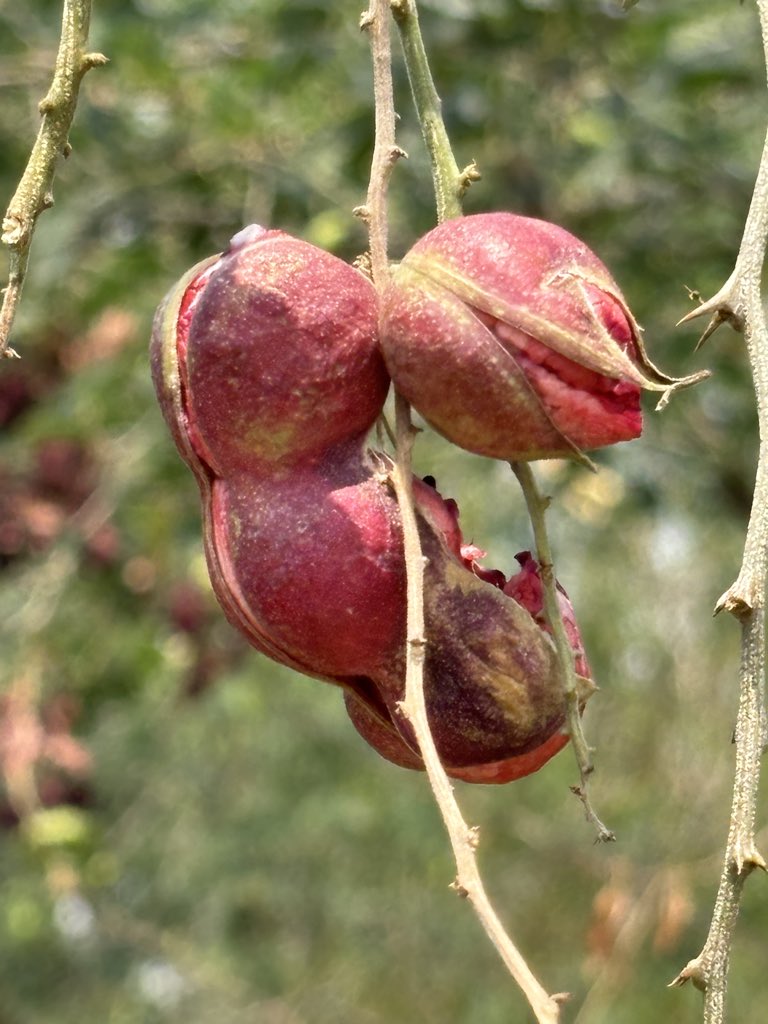
@delhitrees Thanks to Parakeets, they had a good feast on soft seeds
English
Sumit Dookia
17.4K posts
@sumitdookia
Trained Wildlife Biologist, Working 4 Conservation of #GIB, Biodiversity of Thar Desert. Ungulates, Small Carnivores, Bats, Urban Biodiversity. Member @IUCN_CEM
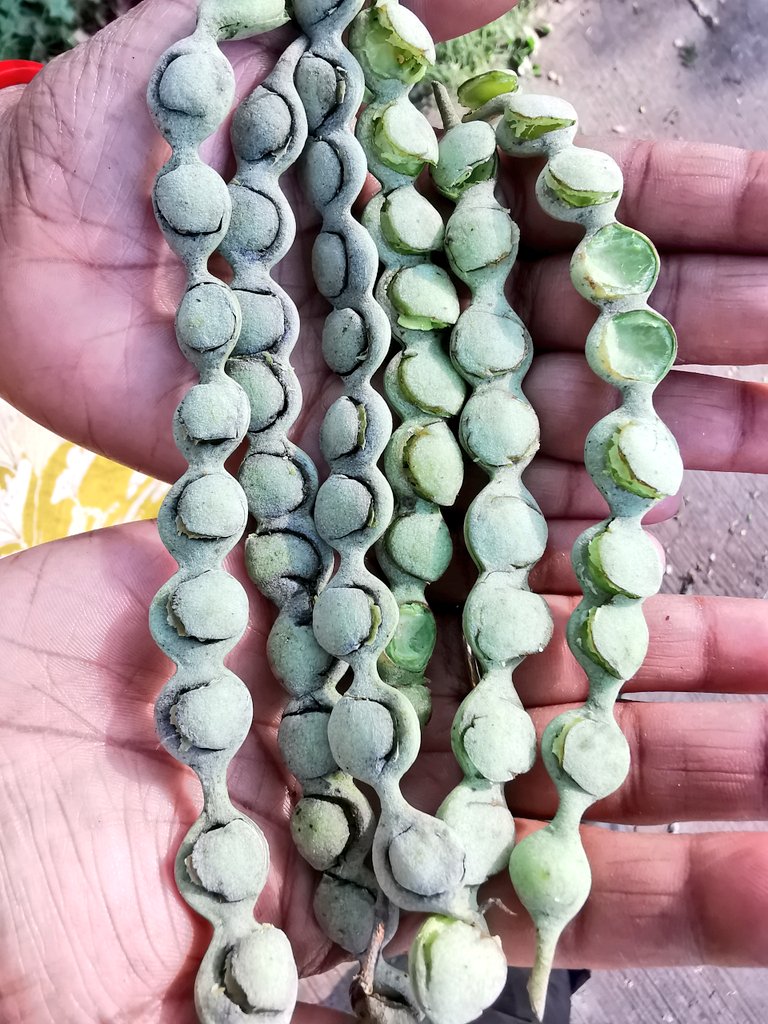









Once upon a time these ‘rosary peas’/ ‘prayer beads’ were used to weigh gold (Ratti). In some cultures, the pretty beads are strung together. The seeds come in various colours, the red and black being the most common. I have seen white with black tops, red with white tops and pure white ones. Ecologically, the climber is held to be invasive. It is however common in the dry deciduous forests of India, certainly in the Aravallis. These seeds are extremely toxic if ingested. There is no known antidote. Abrus precatorius (family Fabaceae) #biodiversity #wildplants #floraofindia @dharmkhandal @GobindsagarBha1 @ParveenKaswan @rameshpandeyifs @vrtiwari1 @NationalBiodiv @ForestRajasthan @sumitdookia
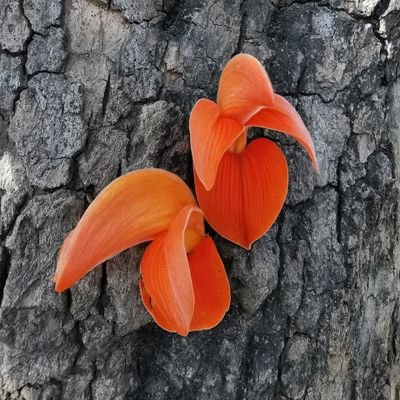
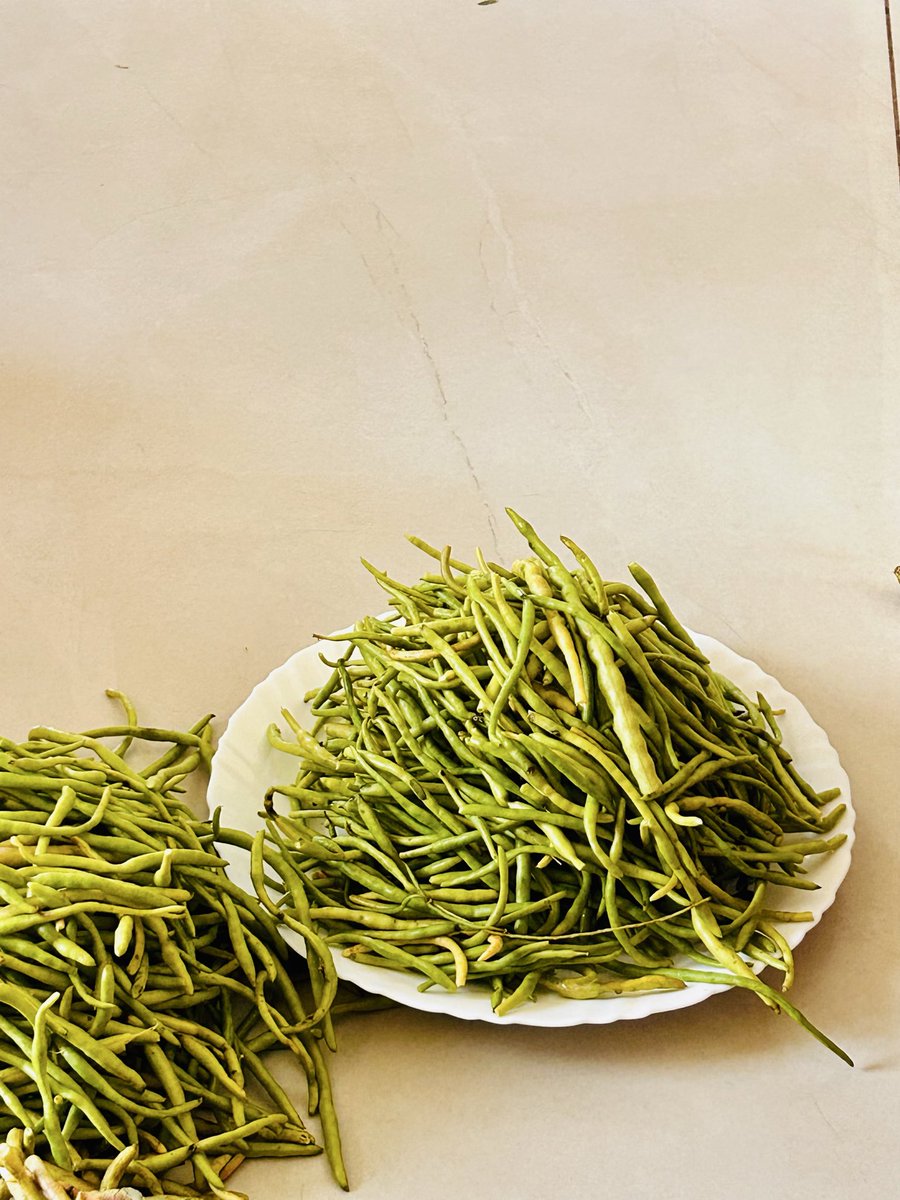
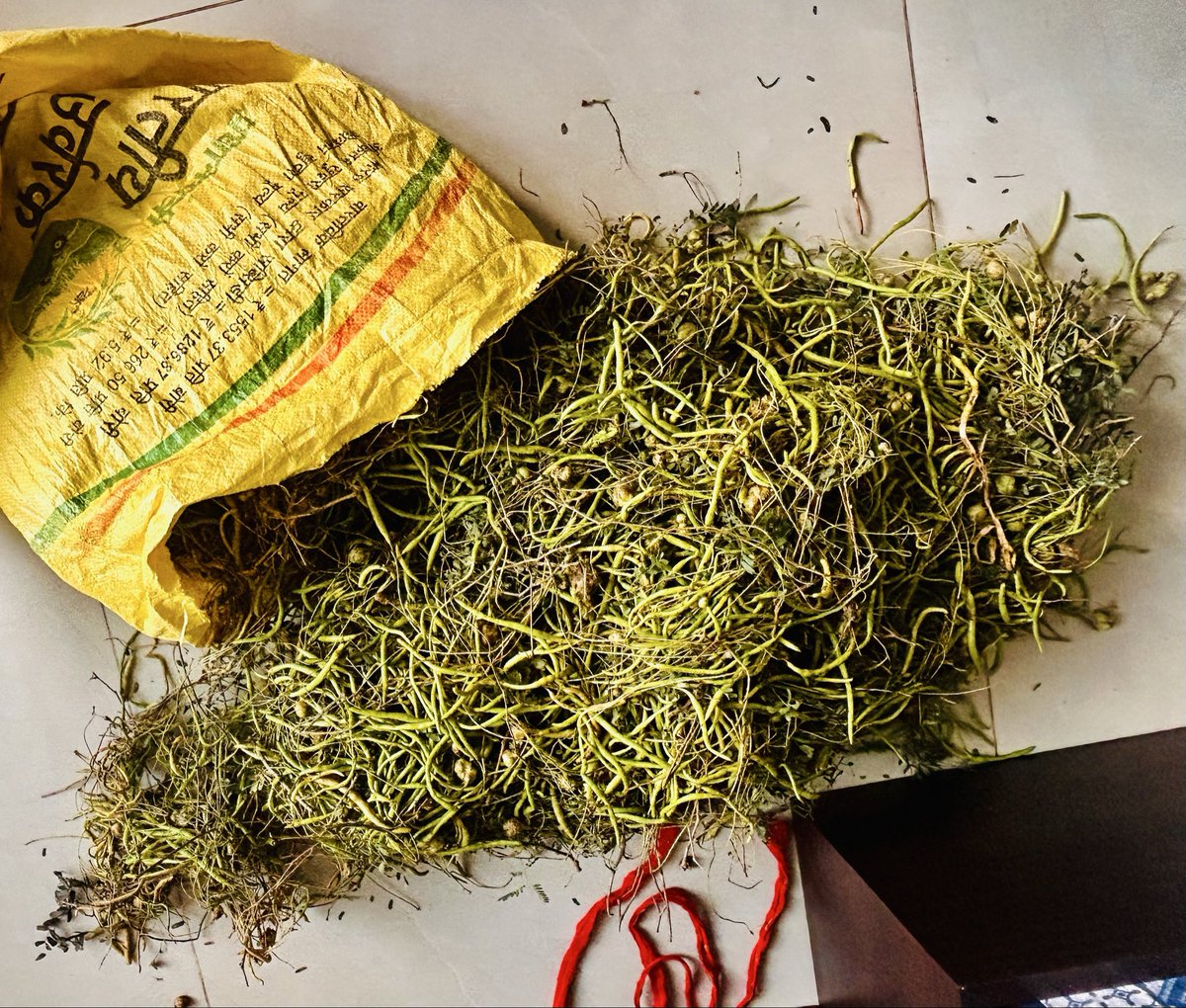
Flowers and fruits… Kair (Capparis decidua; Fam- Capparaceae) #biodiversity #desertplants #wildfoods @sumitdookia @GobindsagarBha1 @bmbalap @subhoranjansen @rameshpandeyifs @vrtiwari1 @JaipalSing60174 @tewari23san @VijayDhasmana5

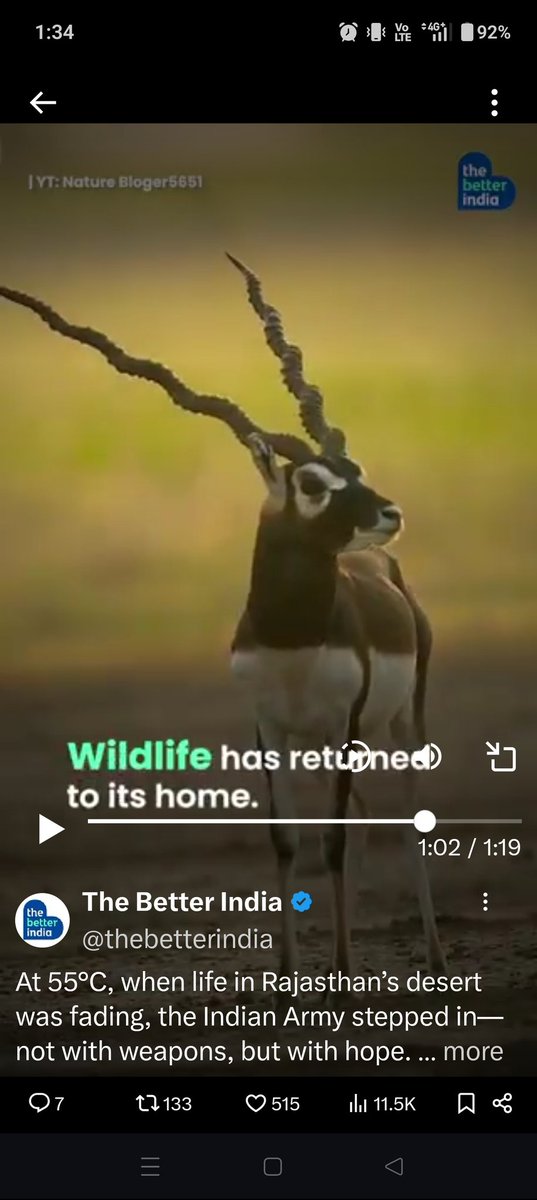
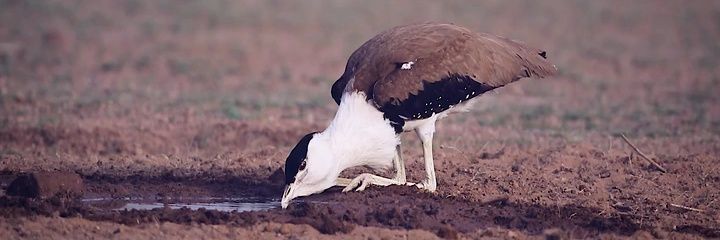
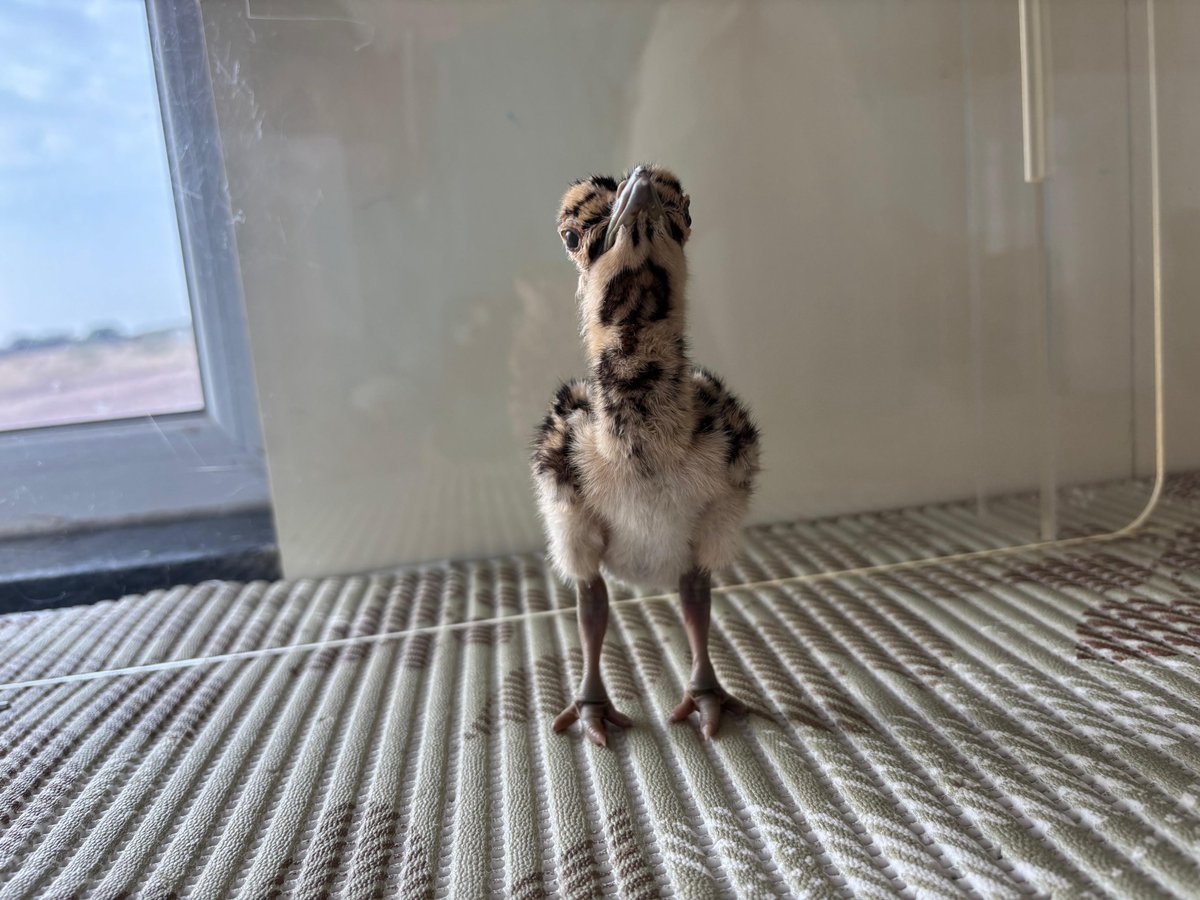
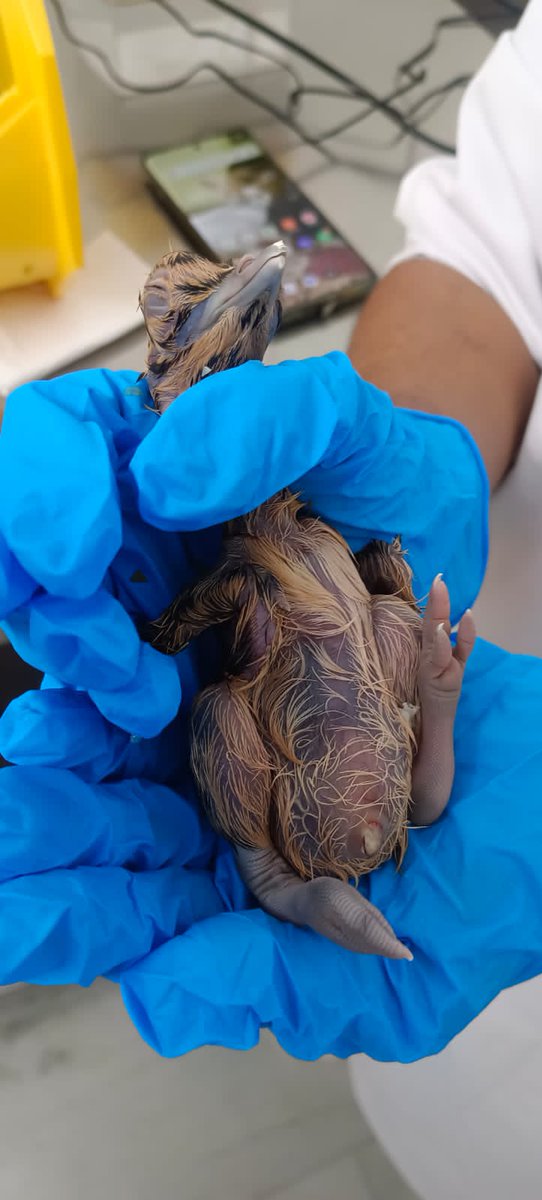
At 55°C, when life in Rajasthan’s desert was fading, the Indian Army stepped in—not with weapons, but with hope. By reviving age-old ponds buried under sand, they brought water, wildlife, and livelihoods back. From villagers to the endangered Great Indian Bustard, life found a way again. In the harshest conditions, they didn’t just defend borders—they restored life. Do we need more such heroes? Tell us below. #Inspiration #IndianArmy #WaterConservation #Sustainability #PositiveNews [Indian Army Water Restoration, Rajasthan Desert Revival, Great Indian Bustard, Traditional Water Conservation India, Wildlife Conservation Rajasthan, Community Impact Stories]

Never heard of any other ink brands growing up.