ทวีตที่ปักหมุด

All you need to know about #GroomingGangs but afraid to ask.
vm.tiktok.com/ZGdBw69ks/
English
xtc_uk
145.3K posts
@xtc_uk
"Israel" = regime. "Israeli" = some Israeli citizens. "zionist" = atheist European supremacist ideology. "Judaism" = revelation from God. "Jewish" = some Jews.
The BBC has been speaking to the creators of Iran's viral Lego-style AI slopaganda. Explosive Media admitted for the first time that the Iranian government is a direct "customer" of theirs. Read our piece here... With: @Matt_A_Shea bbc.co.uk/news/articles/…

For the first time in my life, I think that the world is moving into an epic catastrophe!


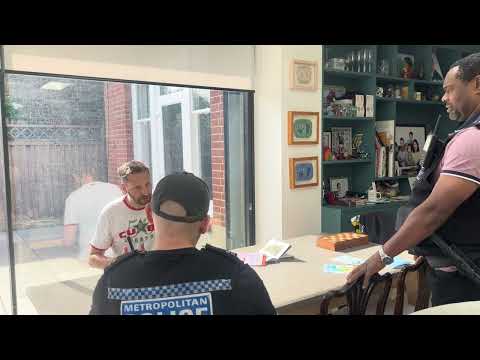

17 minutes of total lunacy by @metpoliceuk It's so urgent and they can't wait...the supervisor - an inspector - thinks calling for an end to that fake terrorist construct called "israel" warrants an arrest of a Consultant Vascular surgeon @Rango1917 and they can't wait until he has sorted childcare. youtu.be/GSg60Pfl09o?si…


The former head of the Labour Friends of Israel, Lord Walney, pressures the government to ban Palestine Action John Woodcock, in his role as an 'independent' government advisor, is calling for Palestine Action to be proscribed as an extremist organisation. He has been revealed to be simultaneously chair of the Purpose Business Coalition part of Crowne Associates, which lobbies for arms company Leonardo, a regular target of Palestine Action.
Never in British history has a local councillor appeared on TV more than this woman #politicslive


BREAKING: Sir Keir Starmer says Israeli bombing of Lebanon is 'wrong' and 'should stop now'. The prime minister also tells MPs in the Commons: "We call for Lebanon to be included, urgently, in the ceasefire." 🔗 trib.al/JsAksx7
These repeated claims about imminent threats to our security might be more convincing is they had not been made many times before, and always proved false. Starmer's corrosive complacency on defence puts UK in peril, says ex-NATO chief theguardian.com/uk-news/2026/a…


Britain's only private Jewish secondary school, Immanuel College, will shut down this summer. In an email sent to parents they blame "the introduction of VAT on independent school fees (...) prolonged high inflation (...) and increased National Insurance contributions".

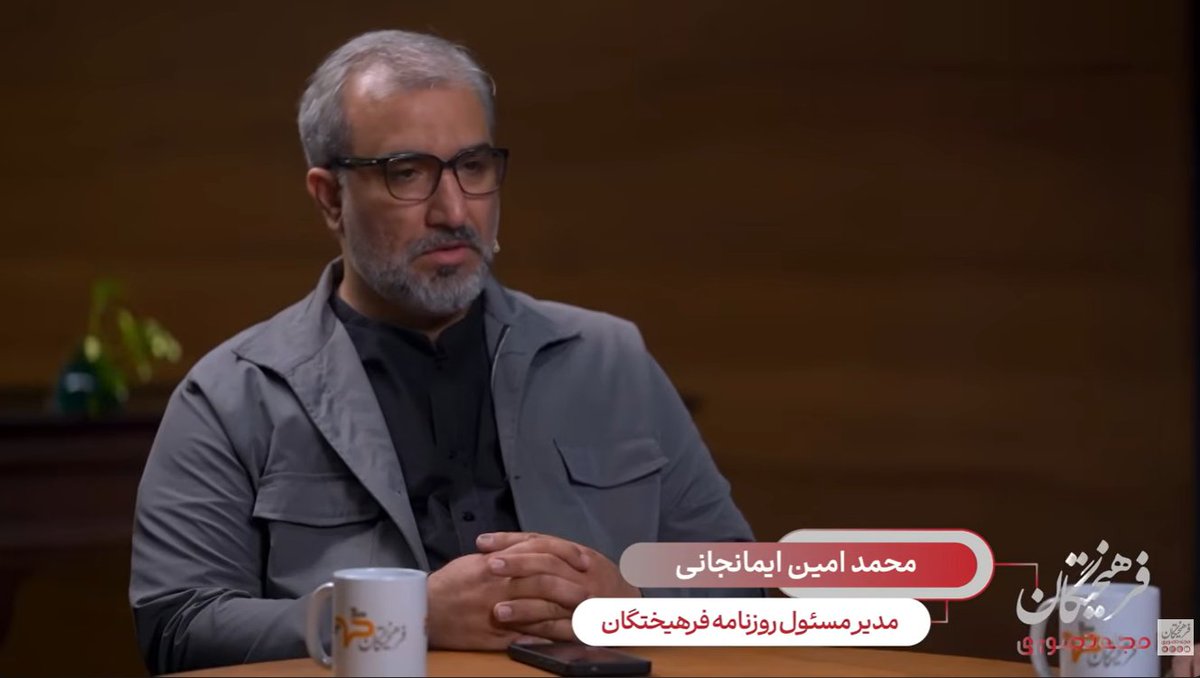
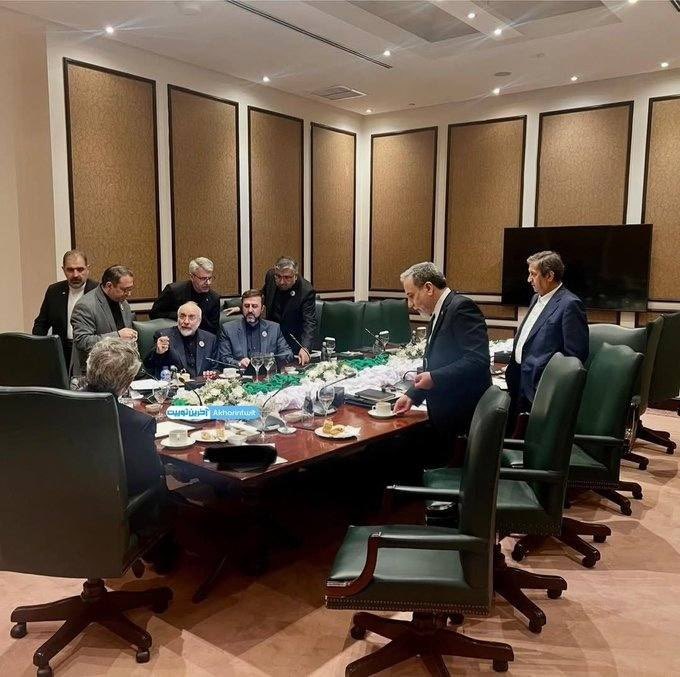
Farhikhtegan Magazine published a 42 minute discussion about the Islamabad Negotiations from an Iranian perspective, featuring Mohamad Amin Imanjani, one of the media members of the Iranian delegation. There were quite a few interesting points illustrating the Iranian perspective on the talks. Here were some of the main ones: - The Iranians believed the US delegation largely lacked the technical expertise to fully understand the issues in depth. They also did not have the authority to make major decisions (he points out Vance himself said he made multiple calls to Trump). - In contrast the Iranian delegation was highly specialized. They included two previous heads of Iran's negotiating teams (Araghchi and Bagheri Kani) along with the head of one of the three branches and were ready to make decisions. - They believed the US delegation led by the Vice President was primarily there to assess the state of Iranian thinking after weeks of war. They intentionally made maximalist demands to see how the Iranians would react. - Despite the very real damage Iran suffered form the war, the Iranian side believed they had a stronger hand than previous rounds of negotiations. Whereas after the 12 Day War Iran's main source of leverage was the 60% enriched uranium, now it has the Strait of Hormoz in addition to that. The Iranian negotiators aimed to maintain those gains. - Iran saw a this meeting as a rare opportunity for a high level encounter with the United States (the head of Iran's Parliament meeting with the US VP) for both systems (IR & USA) to gain a clear understanding of each other. - He affirms there were trilateral meetings with Iran, the US, and the Pakistanis in the same room and on the same table. No one was shuttling between rooms like the previous rounds. - This opportunity of direct dialogue at such a high level was quite valuable in each side getting a precise understanding of each other. He emphasized again that Iran had reached the conclusions from previous rounds that neither Witkoff, nor Kushner had the technical knowledge, experience, or ability to property communicate the main issues with high level US decisionmakers. [At this point a different journalist named Mohammad Sadegh Alizadeh also joins the discussion. He was not present in Islamabad] - The US neither was able to accept Iran's conditions, nor did it want to return to all out war like before. Thus a naval blockade is their attempt at a third path that still maintains pressure on Iran without the pains of all out conflict. Iran has concluded from this that the US strongly prefers not to return to previous war conditions. - Trump's logic is that if Iran is going to try to strangle the world economy then he will strangle the Iranian economy. - Given that over 80% of Iran's oil exports go to China, this will create an additional crisis between China and the US (on top of tariffs and other issues at hand). Iran is keeping a close eye to see if Trump's trip to China gets delayed again - if so they believe that is a sign of a wider gap between them. - Iran believes there is a risk that a blockade will push China to change its stance and more actively seek to put pressure on Iran to end its blockage of the Strait of Hormoz. This is a danger, because China has some leverage over Iran. Additionally up to now China has been friendly to Iran in this conflict and Iran used its veto at the UNSC. That may change. - It was noted that a UAE delegation went to China today and Iran believes this is an attempt to push China towards this direction. - If no agreement is reached and there is longer conflict, then in the next round of talks it is possible that in addition to the new card of the Strait of Hormoz, Iran will also have the card of Bab el Mandeb. He also notes that in normal times it may be possible to make up for a loss of Iranian oil in the market, but if the Strait remains closed, that loss is much more profound. And if Bab el Mandeb is closed that impact is amplified even more. Link to the full discussion (in Persian) is in the first comment