

もくもく
187 posts

@MiltonFriedom5 Curiosamente, para ti es así, pero para los japoneses, ella es una fracasada, por no ser una ama de casa
Español

Sin tatuajes. Sin pelos violeta. Sin cejas de rocha. Sin piercings en la cara. Sin cara de orto. Sin hablar como rocha. Femenina. Empoderada. Capitalismo y trabajo duro. Por algo ella es el capital humano de Japón y vos, zurda mugrienta, el de Argentina.
Español
もくもく รีทวีตแล้ว


@michaelgwaltz Who dropped nukes on Japan? Do you think the Japanese won't avenge you?
English

This is a big deal. Japan is an ally truly stepping up to ensure the Pacific stays free and open.👇
Visioner@visionergeo
‼️‼️🇯🇵 BREAKING - The Japanese government has approved a major relaxation of arms export rules, effectively ending the post-war pacifism era and opening the country's military-industrial complex to the global market. Japan, with a $60 billion military budget, already produces high-tech systems — ranging from submarines and warships to its own missiles, tanks, and combat aircraft. Corporations like Toshiba and Mitsubishi Electric are beginning massive hiring and factory expansions, expecting defense sales to grow by more than 50% by 2031. As a first practical step, Tokyo plans to supply second-hand missile frigates to the Philippines to strengthen the balance against China in the South China Sea, as well as joint projects with Poland in the fields of electronic warfare and anti-drone systems. Additionally, Ukraine is expected to join this initiative: an industrial group is already being formed in Tokyo to combine the efforts of Japanese and Ukrainian drone manufacturers. Although the ban on supplying weapons to active war zones remains, the formation of supply chains independent from the U.S. in Asia makes Japan a serious competitor, including for South Korea and Israel. At the same time, the country's relatively unique and self-sufficient technological base allows it to quickly take a position in the niche of air defense components and systems, offering allies an alternative to the overburdened U.S. defense industry. See the latest updates with us: @visionergeo
English
もくもく รีทวีตแล้ว
国会で
長妻昭「内調に尋ねますが国会議員を国会質問に関連して尾行したことはあるか?」
高市早苗総理大臣「質問主意書の中では『お答えは差し控える』と答弁している。現在も同じ状況だ」
長妻「政治的目的の調査は控えて頂きたい」
スパイ防止法に反対するとともに
「高市は内調に俺達を尾行させている」
という印象操作を目的にしています。
内調なんて予算も人員も足りなくていちいち尾行なんてくだらないことをさせている余裕なんざありません。
オールドメディアが民主党政権を守るためにほとんど問題としなかった事件をここで思い出したい。
民主党政権は自衛隊の情報保全隊を野党議員の監視に私的に使っていました。
元陸上自衛隊である佐藤正久議員の後援会にもそのために情報保全隊員が紛れ込んでいることがバレました。
同じく自分の講演会に知らない人間が紛れ込んでいる事に気付いたみんなの党の小野次郎は不審に思ってその者を追及したところ自衛隊の情報保全隊員であることが判明。この事を国会でも追及しています。
立民議員の質問と疑いの根拠はいつもだいたいが
「俺達はやっていた」「俺達ならば必ずそうするはず」
だったりするのです。
民主党政権では自衛隊を民主党の私兵として悪用して野党議員を監視させて調査報告させていたのだからあいつらだってやらないはずがないと考えるのでしょう。
日本語

それでもまだ脱炭素の亡霊には取り憑かれてるんだな
This is Formula 1@ThisIsFormu1a1
🚨BREAKING | Formula 1, the farewell to the hybrid is a concrete possibility. Return to turbocharged V8 with synthetic fuels since 2031: — The current hybrid power units in Formula 1, which feature an equal distribution between thermal and electrical components, have sparked significant debate among fans and professionals alike. Many drivers have expressed dissatisfaction, suggesting that the hybrid era may be nearing its end. — Despite the substantial investments made by teams like Ferrari, Mercedes, Red Bull, Audi, and Honda in developing these power units, a shift towards thermal engines powered by synthetic fuels is being discussed behind the scenes. These fuels are touted as 100% sustainable with zero carbon emissions. — Auto Motor und Sport revealed that the new engine regulations could be introduced in 2031. The publication noted: “In theory, the hybrid component could be completely eliminated. Fuels with zero CO₂ emissions would be sufficient to ensure sustainability. Since almost all production cars now use turbocharged engines, Formula 1 engines are also expected to be turbocharged. The current favorite is a 2.4-liter turbocharged V8 engine.” — This potential shift has been hinted at by FIA president Mohammed Ben Sulayem and could receive approval from F1 CEO Stefano Domenicali. If implemented, it would mark a significant departure from the hybrid path initiated in 2014. #formula1 #f1 #fia VIA: [formulapassion]
日本語
もくもく รีทวีตแล้ว

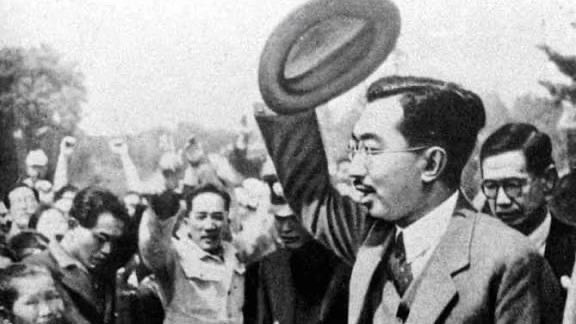
昭和天皇が御巡幸先で訪れた村で
「こんなものしかございませんが」と差し出した蒸したサツマイモ。
コレが陛下は大喜びで舌鼓を打った。
それを聞いた料理番たちが「そんなにお喜びなら」とふかし芋をこしらえた
食べやすいように、キレイに皮をむいて差し上げたら
陛下は寂しそうに「…皮のところが美味しいのに」とポツリ。
そのガッカリぶりは女官さんを通して料理番に伝わり
以来「ふかし芋は皮付き」となったのだが
…時々新人が事情を知らず差し上げる直前で皮をむいては
女官さんに叱られた(´・ω・`)
日本語
@KomoriYoshihisa この記者の質問がいつまで続くんだろうかと絶望してそこで視聴をやめましたよ
本当にこういう記者の質問はやめて欲しい
日本語

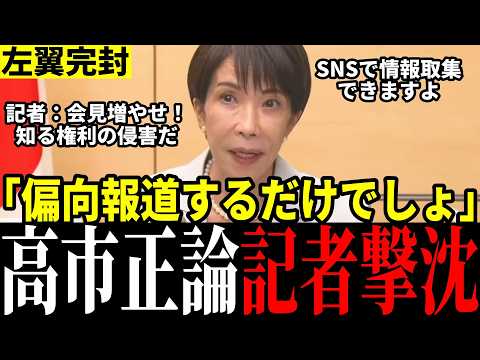
一人の記者がなんと7つの質問をだらだらと続けた。4月7日に高市首相の記者会見。記者会見は本来の趣旨は一問一答、せいぜいフォローアップでもう一問が正常だろう。テレビ朝日の奥住という記者、予算審議から石油供給の見通し、トランプ大統領の言葉への対応などなど、1人で7問も、「それでえーー」という言葉でつなげて、延々と。高市首相はそのすべてに答えていたが、こんなに数の多い質問が一人の記者から連続で出てくれば、それに対する答えは希薄で短絡となる。
一人で七問の独占、他の記者の質問の機会がなくなる。予想通り、この会見は他の記者の質問は一人だけ、
しかも同列の朝日新聞記者だった。首相側のメディア
対策も、国民の知る権利を重視せよ。一部メディアのだらだら質問はその権利への侵害だ。
youtube.com/watch?v=HUzNZa…
YouTube
日本語

ここの認識が一般と新聞業界とでズレているのではないですかね。
「加えて新聞記者は訓練を受けている。取材をして確認したうえで、客観的なファクトと、正しいオピニオンを切り分けて書くには訓練が必要だ。そして新聞には責任がある。誤報があれば訂正し、検証をする。責任を果たせなかったときは謝るべきだという考えが業界全体に共有されている」
読売新聞社長、取材力で「メディア不信はね返す」 AIは安易に使わず - 日本経済新聞 nikkei.com/article/DGXZQO…
日本語

もくもく รีทวีตแล้ว

【注意喚起】中国メディアで広がっているデマです、マジでムカつく( ˘•ω•˘ )
「3月28日時点で日本のガソリン・軽油・灯油の商業在庫が全部ゼロになった」「254日分の国家備蓄を1ヶ月で使い切った」という内容が拡散されています。
これは完全に誤りです。
事実:
日本石油協会(PAJ)はホルムズ海峡封鎖の影響で、3/21以降「石油製品在庫量」の公表を当面見合わせ中(精度維持困難のため)。在庫がゼロになったわけではありません。
・経産省は毎日「石油備蓄日数」を公表しており、3月末時点でも200日超の備蓄が残っています。民間・国家備蓄を一部放出していますが「全部消費」ではありません。
公式情報:
・PAJ統計 → stats.paj.gr.jp
・経産省 石油備蓄状況 → enecho.meti.go.jp/statistics/pet…
デマに騙されず、正しい情報で冷静に対応しましょう。RTで拡散お願いします🙏

日本語

@yoidorehiro You have..... no idea how much American military geeks are excitedly waiting to see what your designers cook up with modern technology...
English
Lets be done with NATO forever
Lets start a new POTO with Japan (Pacific Ocean Treaty Organization)
Europeans repulse me
Japan will take it's defense seriously as a partner
Remove the PaxAmericana from Europe and allow them to descend into their traditional bi-monthly genocide of each-other again
English