Post

クリシュナ ☀️🦚
クリシュナ ☀️🦚@ExiledSeraph6·
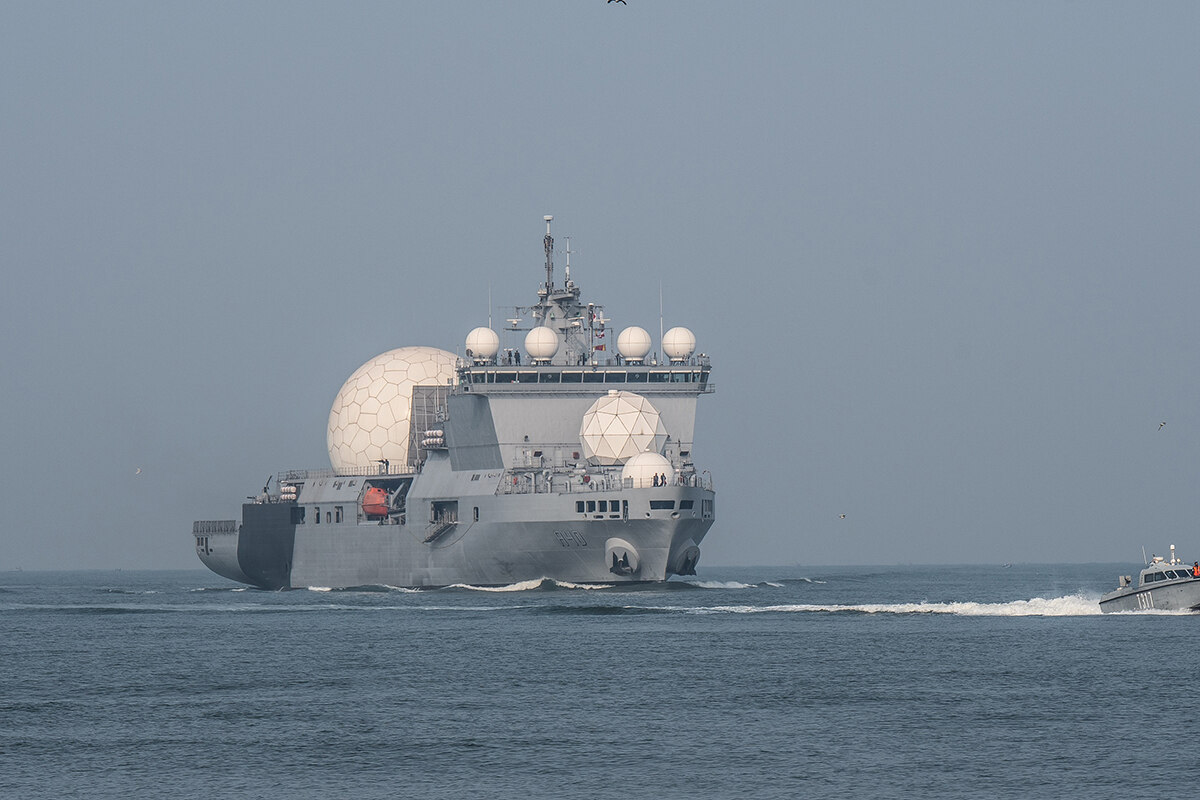
is expected to be deployed on this class. Combine these with targeting data from long-range tracking ships such as INS Dhruv, and you get a powerful BMD node, not merely a destroyer.
クリシュナ ☀️🦚 tweet media
English
1
1
39
658
クリシュナ ☀️🦚
クリシュナ ☀️🦚@ExiledSeraph6·
b) Long Range Area Defence (Kusha M2 and M1): (M1 tested, M2 in development) Once the outermost layer is bypassed, the engagement envelope passes to this system. It has two interceptors M1 and M2. M2 (250km) engages high value targets such as AEW&C, aircraft, cruise missiles.
クリシュナ ☀️🦚 tweet media
English
1
1
38
639
クリシュナ ☀️🦚
クリシュナ ☀️🦚@ExiledSeraph6·
M1(150km) will engage targets such as aircrafts and cruise missiles. It can be used for saturation defence. These two layers are critical for fleet wide protection and maritime air denial especially during carrier operations.
English
1
1
32
579
クリシュナ ☀️🦚
クリシュナ ☀️🦚@ExiledSeraph6·
c) Medium Range Fleet Defence (VL-SRSAM): (Nearing induction on current vessels) The available reaction time gets drastically reduced if targets such as aircraft or cruise missiles bypass the area defence layer. This is why this layer becomes so important. VL-SRSAM has a faster
クリシュナ ☀️🦚 tweet media
English
1
1
35
576
クリシュナ ☀️🦚
クリシュナ ☀️🦚@ExiledSeraph6·
reaction time to engage faster incoming threats such as aircraft and sea skimming cruise missiles. It has a range up to 80km. An important layer of the larger layered defence.
English
1
0
33
524
クリシュナ ☀️🦚
クリシュナ ☀️🦚@ExiledSeraph6·
d) Innermost Point Defence (VSHORAD): (Tests done) The last layer of the missile defence system. It is designed to engage helicopters, UAVs, drones, low flying threats. Very important for defence against drone saturation attacks.
クリシュナ ☀️🦚 tweet media
English
1
1
39
524
クリシュナ ☀️🦚
クリシュナ ☀️🦚@ExiledSeraph6·
As of today, several tests of VSHORAD have been successfully completed with CROSSHAIR-N by Adani Defence especially designed for naval platforms.
English
1
1
36
505
クリシュナ ☀️🦚
クリシュナ ☀️🦚@ExiledSeraph6·
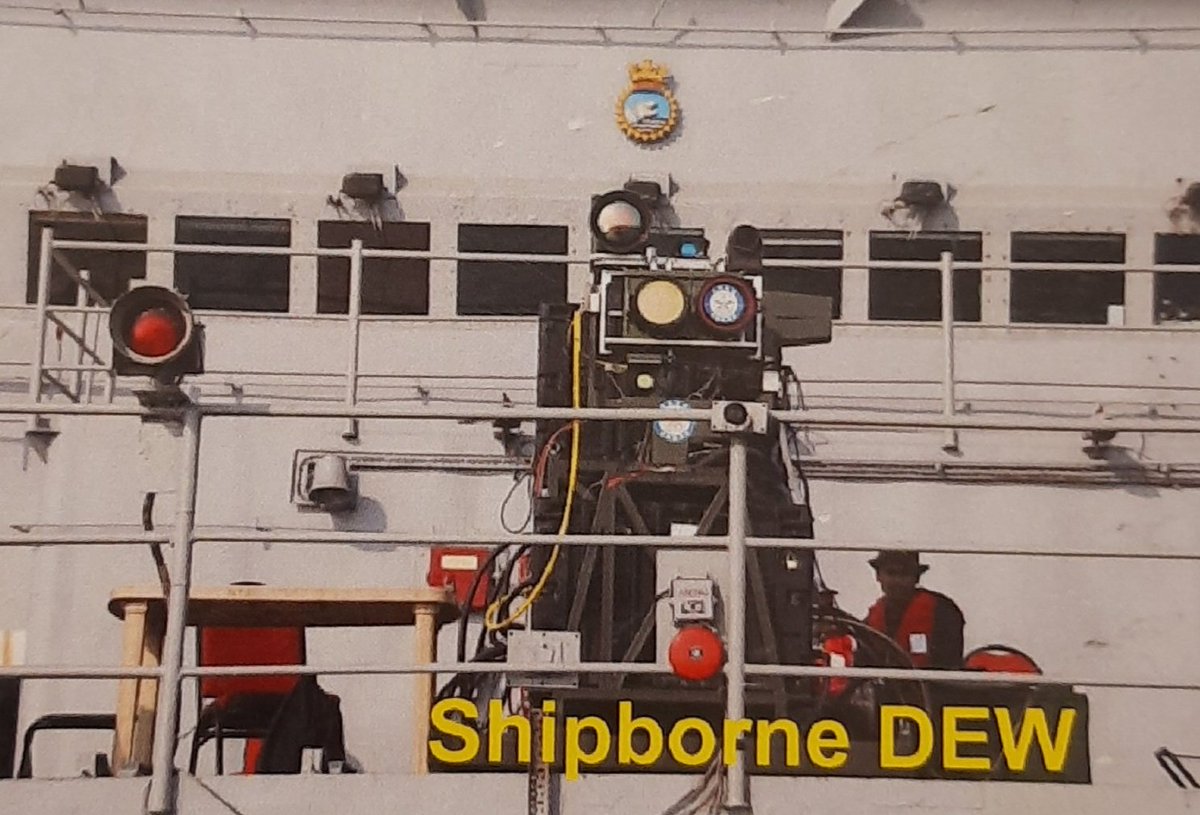
e) DEW: (Systems from 2KW to 100KW have been tested) This could be one of the most important parts of layered defence against drone saturation attacks, especially when cost asymmetry is considered. Shipborne DEW systems have already been tested from naval platforms
クリシュナ ☀️🦚 tweet media
English
1
1
38
508
クリシュナ ☀️🦚
クリシュナ ☀️🦚@ExiledSeraph6·
from as low as 2KW. New DEW systems of 10KW, 20KW, 50KW and 100KW classes are being tested. This layer will reduce the use of VSHORAD against Shahed class drones.
English
1
1
35
475
クリシュナ ☀️🦚
クリシュナ ☀️🦚@ExiledSeraph6·
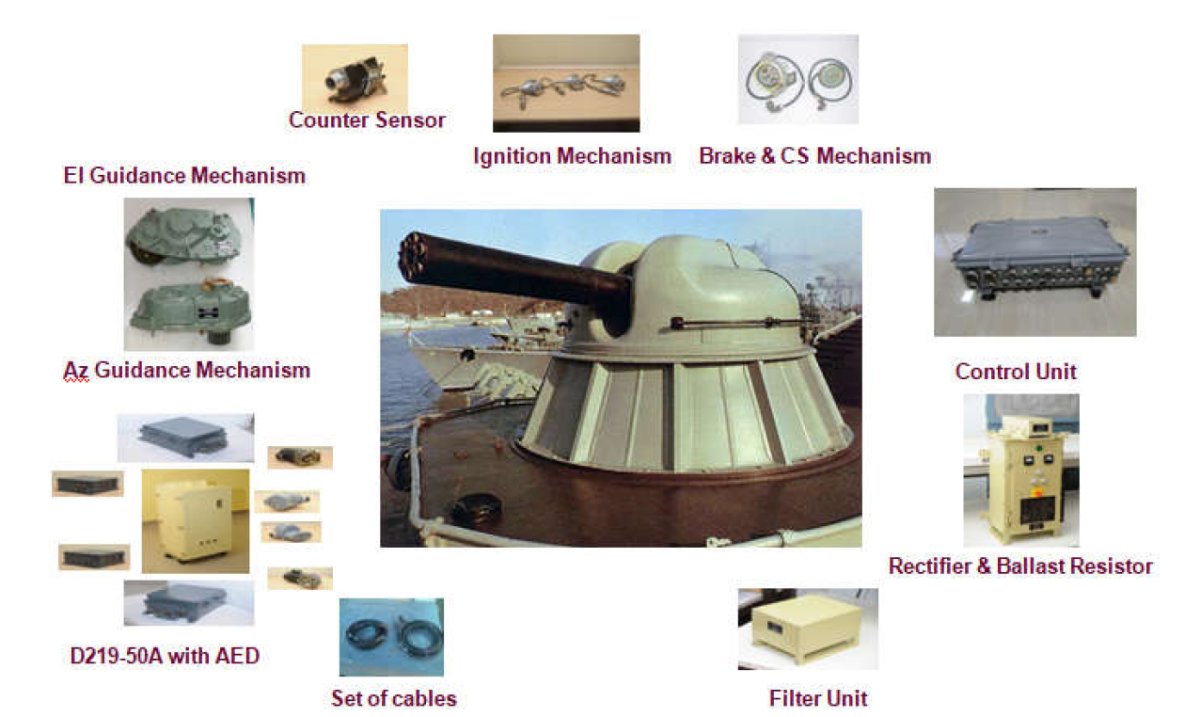
f) CIWS (AK630): If all previous layers fail this is the final wall before incoming threats reach the ship. The last line of defence with a high rate of fire.
クリシュナ ☀️🦚 tweet media
English
1
0
37
476
クリシュナ ☀️🦚
クリシュナ ☀️🦚@ExiledSeraph6·
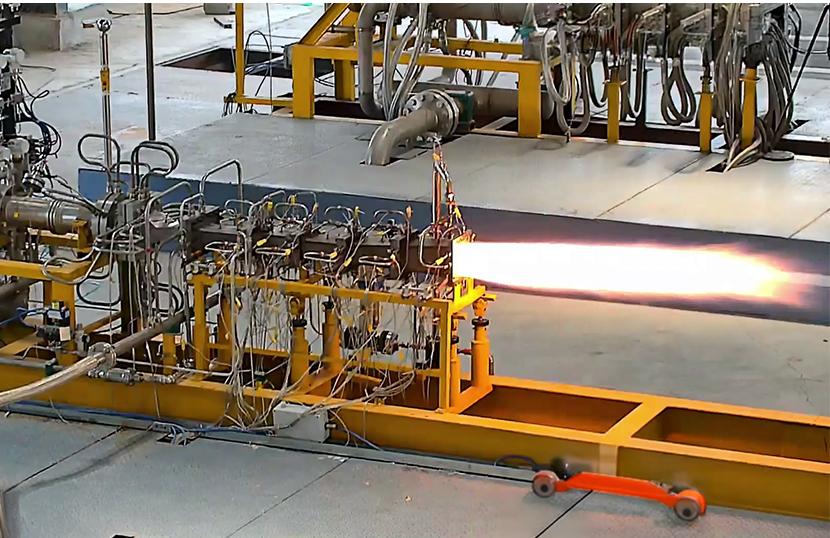
5) Layered Offence: a) Strategic Strike Layer (ET-LDHCM or Project Vishnu): (Scramjet engine tested for 1200sec) This is expected to be the primary strategic weapon of the P18 class. Hypersonic cruise missile with a range 1500km+ will act against carrier strike groups,
クリシュナ ☀️🦚 tweet media
English
1
1
37
491
クリシュナ ☀️🦚
クリシュナ ☀️🦚@ExiledSeraph6·
hardened strategic infrastructure, high value maritime targets. The missile maintains a sustained speed between Mach 6-8 throughout its flight path. This reduces the enemy reaction time,
クリシュナ ☀️🦚 tweet media
English
1
1
32
461
クリシュナ ☀️🦚
クリシュナ ☀️🦚@ExiledSeraph6·
significantly improving the survivability of the missile. The role of the missile is strategic and is not meant for saturation purposes.
English
1
1
27
437
クリシュナ ☀️🦚
クリシュナ ☀️🦚@ExiledSeraph6·
b) Long-Range Saturation Strike Layer (LR-LACM/ Nirbhay/ ITCM): (Tests done) Subsonic, 1500km range. It is perfect for long range saturation strikes. Lower production cost and shorter production time. It provides operational sustainability, flexibility and volume to carry out
クリシュナ ☀️🦚 tweet media
English
1
1
33
444
クリシュナ ☀️🦚
クリシュナ ☀️🦚@ExiledSeraph6·
roles such as long-range coastal attacks, saturation of enemy air defences and long-range land targets. This preserves the strategically important missiles such as HCM or Brahmos ER for their respective roles.
English
1
1
31
453
クリシュナ ☀️🦚
クリシュナ ☀️🦚@ExiledSeraph6·
c) Long-Range Maritime Strike Layer (BrahMos-ER): (Induction on current warships soon) BrahMos-ER will be the primary anti-ship weapon of the P18.
クリシュナ ☀️🦚 tweet media
English
1
1
32
466
クリシュナ ☀️🦚
クリシュナ ☀️🦚@ExiledSeraph6·
800km range with sustained supersonic flight at Mach 3+ with a sea skimming profile is a major threat for destroyers, cruisers, coastal targets, high value maritime targets.
English
1
1
32
435
クリシュナ ☀️🦚
クリシュナ ☀️🦚@ExiledSeraph6·
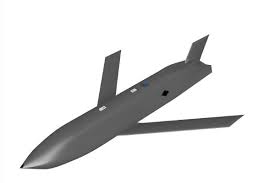
d) Long-Range Stealth Strike Layer (LRASM equivalent): (Doesn’t exist. Although one should be developed) This one is speculative. LRASM is a subsonic anti-ship missile with stealth features designed to operate in a heavily contested EW environment while retaining target autonomy
クリシュナ ☀️🦚 tweet media
English
1
1
31
433
クリシュナ ☀️🦚
クリシュナ ☀️🦚@ExiledSeraph6·
and survivability. It has a range of 1000km. Official range classified. We currently do not have such a missile and from my understanding are not working on something similar. If we ever develop such missile then it’d improve the operational flexibility of the future P18 class.
English
1
0
24
410
クリシュナ ☀️🦚
クリシュナ ☀️🦚@ExiledSeraph6·
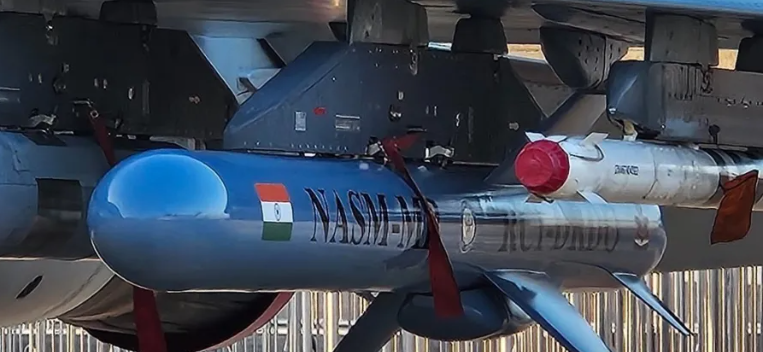
e) Medium-Range Strike Layer (NASM-MR): (Undergoing trials) The Naval anti-ship missile medium range has a range 100 - 350km. It is subsonic. It can be used to engage smaller targets such as patrol boats, missile boats, targets of opportunity, corvettes, etc.
クリシュナ ☀️🦚 tweet media
English
1
0
27
408
クリシュナ ☀️🦚
クリシュナ ☀️🦚@ExiledSeraph6·
Using it instead of relying on the more expensive BrahMos-ER improves engagement economics.
English
1
1
23
403
クリシュナ ☀️🦚
クリシュナ ☀️🦚@ExiledSeraph6·
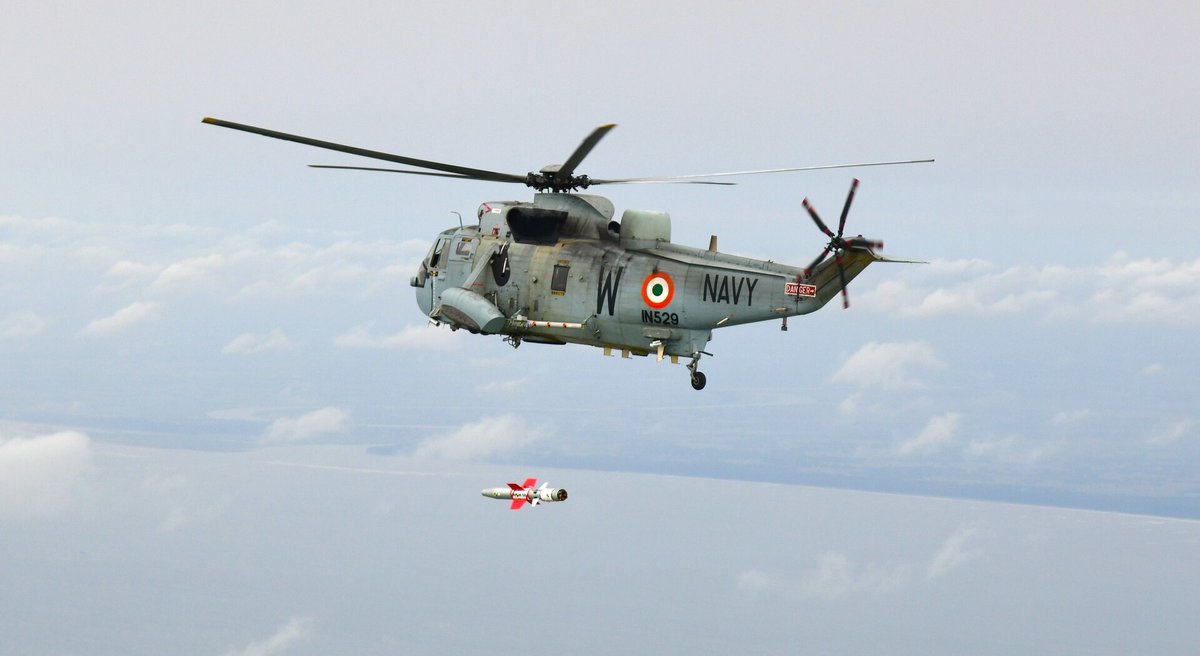
f) Short-Range Strike Layer (NASM-SR): (Undergoing trials) Short range anti-ship missile with 55km of range. Helicopter launched. Can engage fast attack craft, littoral threats etc.
クリシュナ ☀️🦚 tweet media
English
1
1
26
400
クリシュナ ☀️🦚
クリシュナ ☀️🦚@ExiledSeraph6·
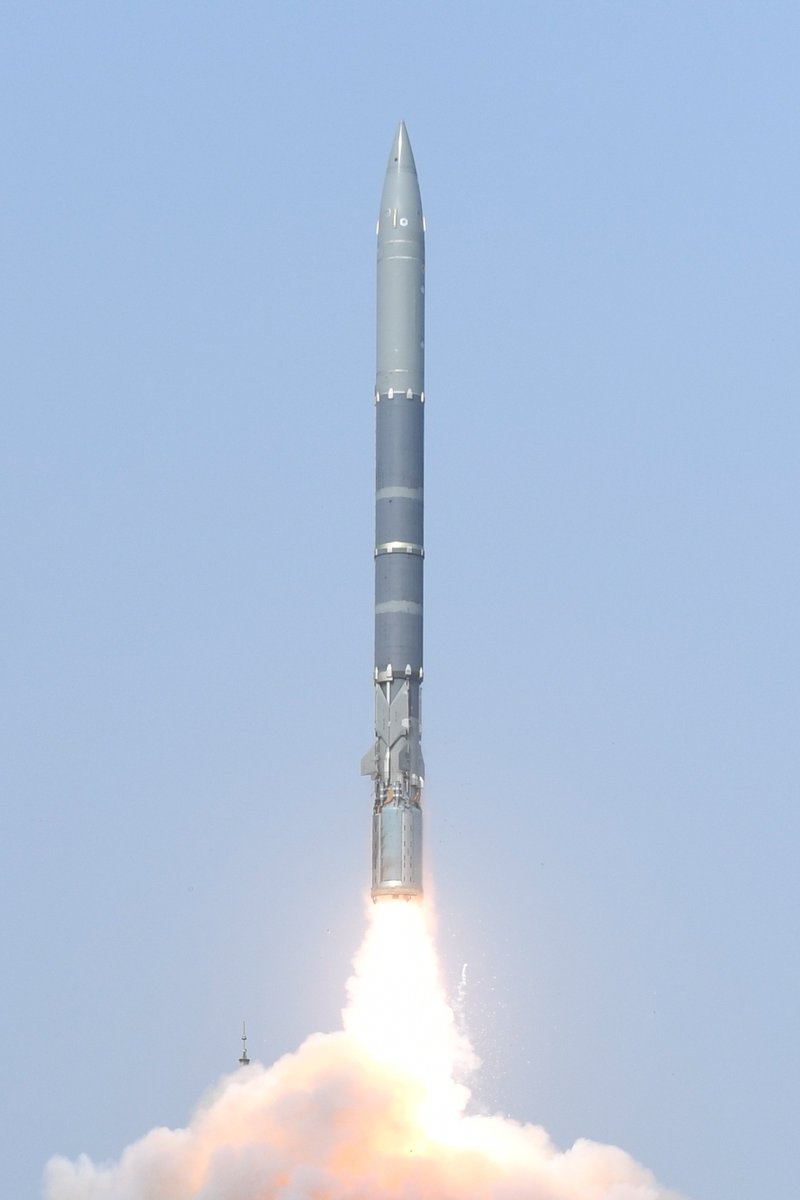
6) Anti-Submarine Strike Layer: a) SMART: (Undergoing trials) Supersonic Missile Assisted Release of Torpedo (I love these acronyms) is designed to deliver a torpedo over longer distances. It is both a missile and a torpedo. The delivery vehicle has a range of 643Km
クリシュナ ☀️🦚 tweet media
English
1
0
21
135
クリシュナ ☀️🦚
クリシュナ ☀️🦚@ExiledSeraph6·
while the torpedo has a range of 20km post-release. This could drastically improve the ASW capability of the current and future ships such as P18.
English
1
0
17
123
クリシュナ ☀️🦚
クリシュナ ☀️🦚@ExiledSeraph6·
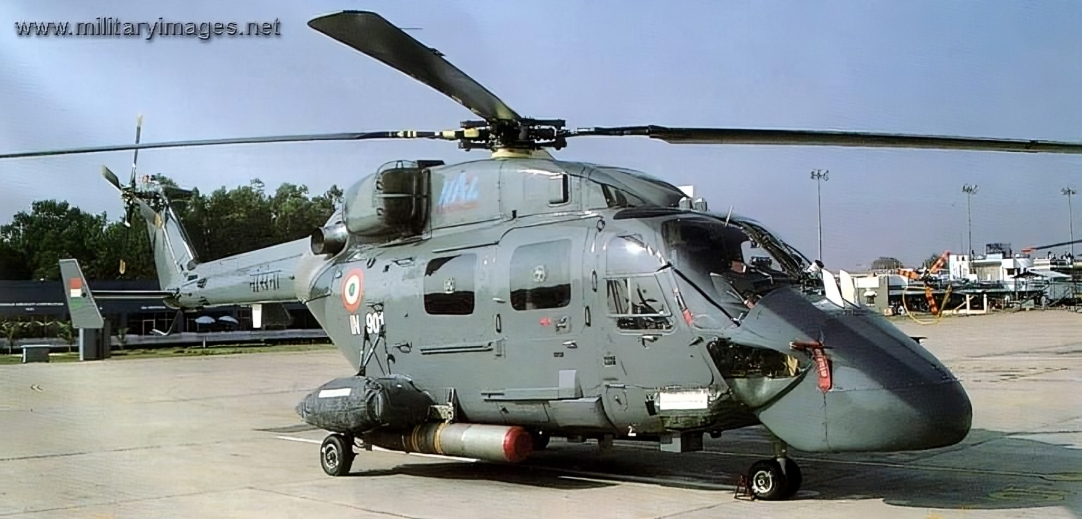
b) Helicopter Based Anti-Submarine Layer: Each ship likely to have two multirole helicopters capable of anti-sub warfare equipped with lightweight torpedoes. This fits in the medium range anti sub engagement envelope.
クリシュナ ☀️🦚 tweet media
English
1
1
16
134
クリシュナ ☀️🦚
クリシュナ ☀️🦚@ExiledSeraph6·
As shown in the render naval IMRH will have a maritime surveillance radar and a dipping sonar that will assist in anti-sub warfare.
クリシュナ ☀️🦚 tweet media
English
1
1
17
127
クリシュナ ☀️🦚
クリシュナ ☀️🦚@ExiledSeraph6·
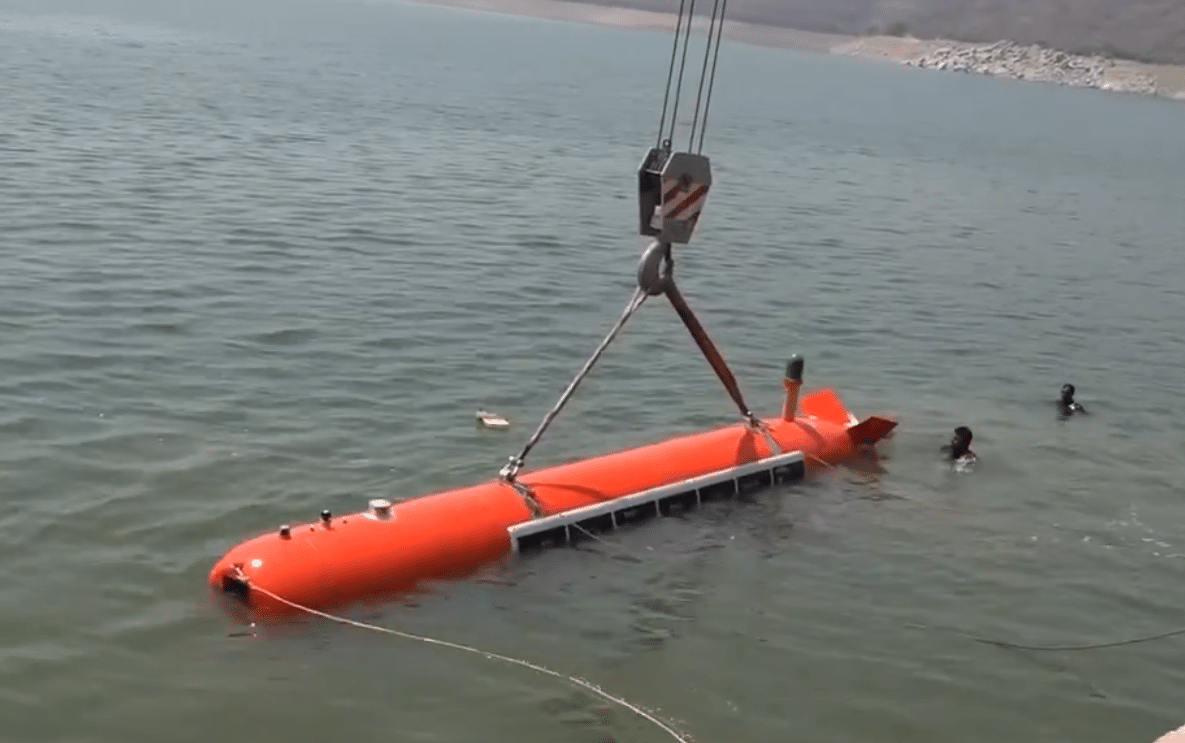
c)Ship Based Anti-Submarine layer: Varunastra heavyweight torpedo is capable of engaging underwater threats at a max range of 50km. It can be considered the last layer of the anti-sub strike envelope. Varunastra becomes necessary for targets that have made it past the prev layer
English
1
1
19
129
クリシュナ ☀️🦚
クリシュナ ☀️🦚@ExiledSeraph6·
So the anti-submarine kill chain would most likely be: SMART for long range. Helicopter-based torpedoes for medium range. Ship-launched Varunastra as the final layer.
English
1
1
19
128
クリシュナ ☀️🦚
クリシュナ ☀️🦚@ExiledSeraph6·
[*One caveat: engaging submarines is one thing, but detecting and tracking them at that range is difficult.]
English
1
1
17
116
クリシュナ ☀️🦚
クリシュナ ☀️🦚@ExiledSeraph6·
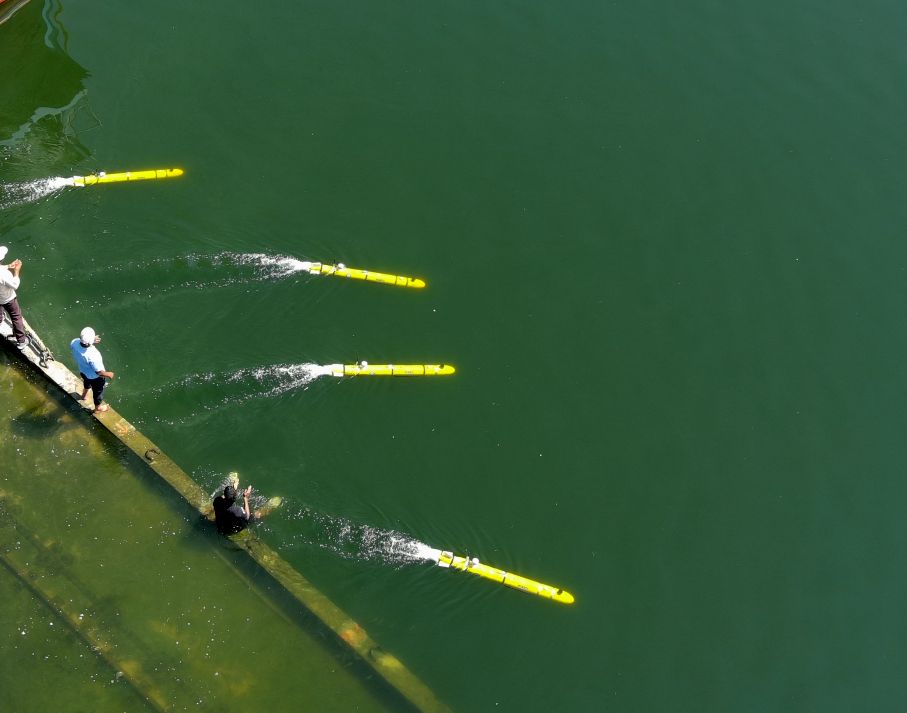
7) Autonomous Underwater Capabilities: The Indian Navy has tested the HEAUV (High Endurance Autonomous Underwater Vehicle) in March 2025. This AUV is capable of handling ISR, mine countermeasures (MCM) and mine-laying and potential strike roles.
クリシュナ ☀️🦚 tweet media
English
1
1
17
134
クリシュナ ☀️🦚
クリシュナ ☀️🦚@ExiledSeraph6·
MPAUV(Man portable autonomous underwater vehicle) has also been tested for the Indian Navy. These are smaller, hence the term man-portable. Role is mine detection and countermeasures. Because of the smaller size, these can be deployed from any surface vessel giving it MCM ability
クリシュナ ☀️🦚 tweet media
English
1
1
18
132
クリシュナ ☀️🦚
クリシュナ ☀️🦚@ExiledSeraph6·
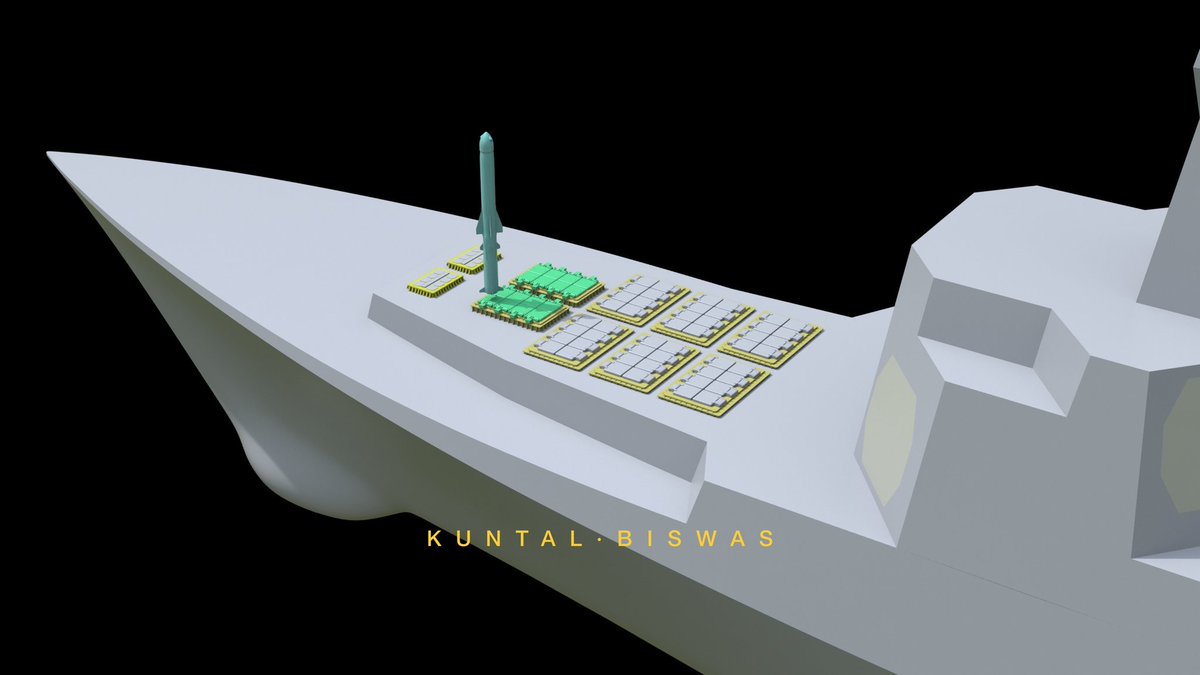
8) Limitations: At present, the P18 is in design phase. Most of the subsystems and missiles are either under development or undergoing trials. Integrating this many systems on a single platform is going to be a challenging engineering endeavour. Integration of sensors,
English
1
1
17
121
クリシュナ ☀️🦚
クリシュナ ☀️🦚@ExiledSeraph6·
power generation, cooling, combat management, Unmanned underwater systems will pose a significant challenge in the development of the class. Once these challenges are addressed, P18 could become the most advanced and complex combat vessel ever built by the country.
English
1
1
17
140
クリシュナ ☀️🦚
クリシュナ ☀️🦚@ExiledSeraph6·
9) In this thread, I have tried to highlight the future potential of the Indian Navy and how vessels like the P18 transform the country’s aspirations from regional sea control to global power projection. Thank you for reading!
クリシュナ ☀️🦚 tweet media
English
2
1
19
225
Paylaş