Adam Bornstein ๐ŸŒ‹๐Ÿ˜บ๐Ÿ“ฆโ›“

4.7K posts

Adam Bornstein ๐ŸŒ‹๐Ÿ˜บ๐Ÿ“ฆโ›“ banner
Adam Bornstein ๐ŸŒ‹๐Ÿ˜บ๐Ÿ“ฆโ›“

Adam Bornstein ๐ŸŒ‹๐Ÿ˜บ๐Ÿ“ฆโ›“

@AdamBornstein

Character, the ultimate innovator, thrives in languages, values, identities, and stories. It sparks transformation, reshaping our world profoundly.


South Korea Sumali Haziran 2014
178 Sinusundan620 Mga Tagasunod
Adam Bornstein ๐ŸŒ‹๐Ÿ˜บ๐Ÿ“ฆโ›“ nag-retweet
Lauri Myllyvirta
Lauri Myllyvirta@laurimyllyvirtaยท
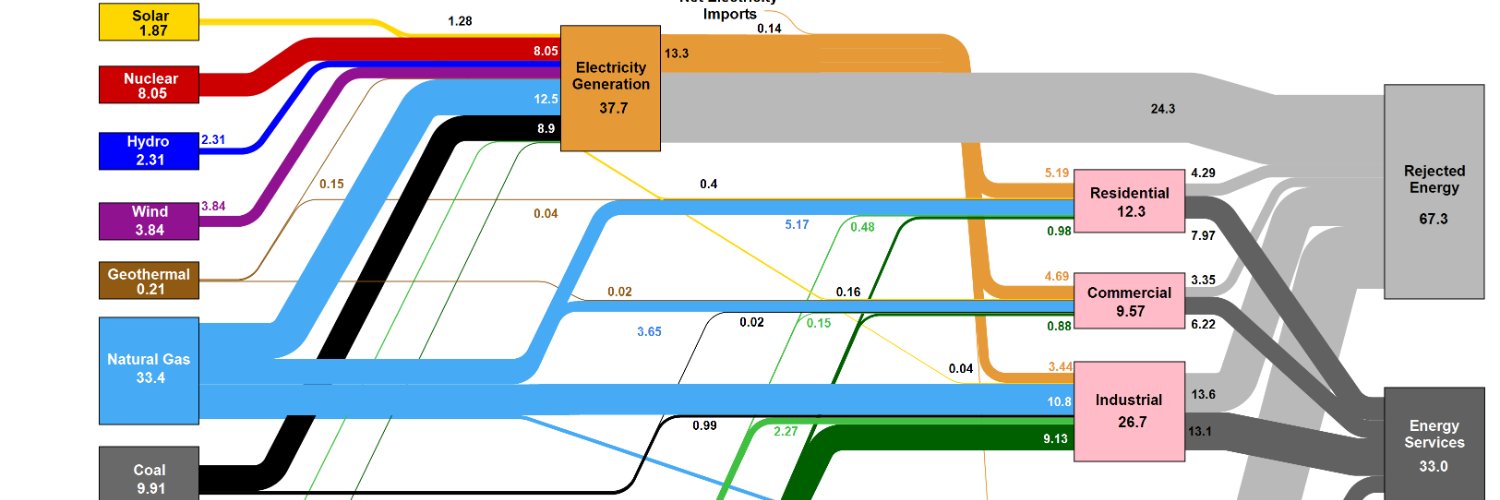
I spent the past three days in Beijing doing back-to-back meetings and presentations with people working on energy and climate. The U.S. election outcome came up often, obviously, with questions about the implications for different countries, sectors, policies and negotiations. But one comment from a Chinese researcher provided striking, unexpected clarity. What she said is that if as an individual you are committed to promoting a green future, an election changes nothing about what you need to do. You need to keep working and doing the right things. Individuals with this conviction work in governments, corporations, academia and civil society around the world. My short visit was an inspiring opportunity to connect and reconnect with some of those people in China, once again seeing the tireless work being done to adopt more ambitious policies, implement clean energy on the ground, improve emissions reporting and carry out many of the countless other steps needed to put the country on track to carbon neutrality. Climate action in the U.S. will also continue on the state level, in enterprises and in many communities. Their job will be made much harder by an obstructionist president and Congress but again it changes nothing about what needs to be done. The need for the clean energy transition or acting on the grave threat of climate change were not on the ballot even in the U.S. - those policies remain popular but became the victims of unrelated politics. I'm not downplaying the fact that Trump's likely policies will slow down the energy transition in the U.S., compared with what Harris would have done. But the largest potential impact of Trump's presidency would be a knock-on effect on the efforts in the rest of the world, and that impact will only happen if others let them be swayed by obstructionist rhetoric and policies from the U.S.
Lauri Myllyvirta tweet media
English
20
52
242
23.6K
Adam Bornstein ๐ŸŒ‹๐Ÿ˜บ๐Ÿ“ฆโ›“ nag-retweet
Lauri Myllyvirta
Lauri Myllyvirta@laurimyllyvirtaยท
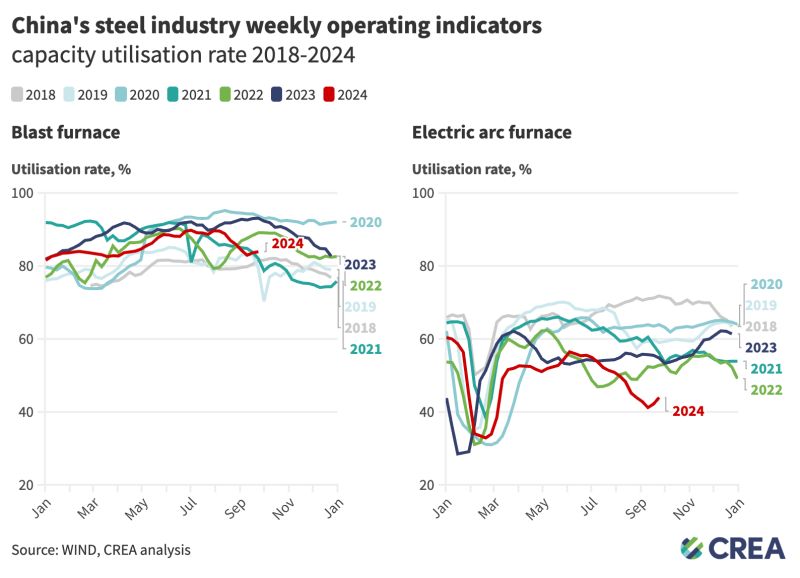
Great charts on China's steel sector trends from @ShenXinyi313 @CREACleanAir. Steel output is currently falling quite sharply, leading to reductions in coal use and emissions. However, the brunt of the drop is borne by the cleaner electric arc steelmakers rather than the dirtier coal-based steel plants. This highlights the main obstacle to the decarbonization of the sector: coal-based blast furnaces are too cheap to run compared with electric arc furnaces which use recycled scrap and have much lower emissions. This also undermines the economic incentive to increase scrap recycling rates. It's a major problem that not only holds back decarbonization but also increases China's reliance on imported iron ore and coking coal. The inclusion of steel in China's emissions trading could in theory help, but it's unfortunately very likely that the sector will be treated in the same way as thermal power, setting separate emissions benchmarks for coal-based (BF-BOF) steelmaking and electric steelmaking. This means that the system will create no incentive to switch to electricity. The additional challenge is that steel demand has shifted from relatively low quality construction steel to manufacturing, so there's a need for China's electric steelmakers to improve quality and innovate. Which obviously doesn't happen when the profitability and incentives aren't there. The Xi administration isn't big on economic incentives and the problem doesn't really get even discussed much in those terms far as I can tell, so administrative intervention seems the more likely tool for the government to use. After new steelmaking projects were banned last month, capping coal-based steel production instead of (or in addition to) total steel production and starting to decommission older coal-based capacity would be the natural steps to take.
Lauri Myllyvirta tweet mediaLauri Myllyvirta tweet media
English
3
51
121
20.8K
Jan Rosenow
Jan Rosenow@janrosenowยท
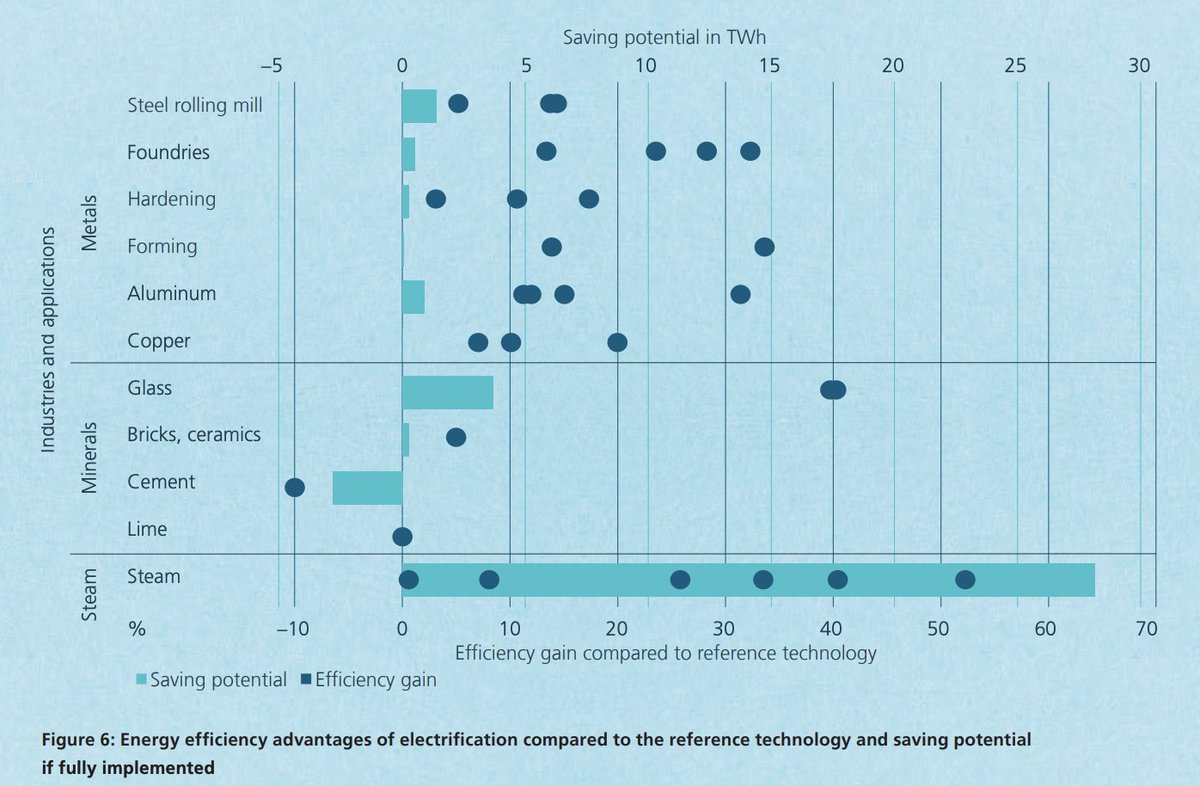
NEW RESEARCH: Electrification of industrial processes can deliver significant energy efficiency gains. This excellent new policy brief demonstrates this using Germany as a case study. The policy brief also provides a useful analysis of technical applications, barriers to uptake and policy solutions. The graphic in this post shows the savings potential for selected applications in TWh (bars) and the efficiency gains specific technologies can deliver (blue dots represent applications listed earlier in the policy brief in Figure 4). Authors are from @FraunhoferISI & @RWTH Full policy brief available here: lnkd.in/enB4H3j8
Jan Rosenow tweet media
English
6
78
193
27.2K
Adam Bornstein ๐ŸŒ‹๐Ÿ˜บ๐Ÿ“ฆโ›“ nag-retweet
Michael Liebreich - @MLiebreich.bsky.social
Did you know this: when you use renewable electricity to make hydrogen, you can't use it for things that abate 2x to 9x more emissions, namely getting coal off the grid, powering heat pumps and charging EVs. Call me old-fashioned, but I think this should have policy implications.
Michael Liebreich - @MLiebreich.bsky.social tweet media
English
41
240
780
72.3K
Anthony Pompliano ๐ŸŒช
Anthony Pompliano ๐ŸŒช@APomplianoยท
Food prices have increased nearly 26% since November 2020. It is difficult to describe the economic pain many Americans are living through.
English
116
91
769
88.7K
Adam Bornstein ๐ŸŒ‹๐Ÿ˜บ๐Ÿ“ฆโ›“ nag-retweet
Lauri Myllyvirta
Lauri Myllyvirta@laurimyllyvirtaยท
Chinaโ€™s State Council released a plan on speeding up the creation of a โ€œdual control systemโ€ to control total CO2 emissions and emissions intensity. It clarifies the timeline for China to start regulating carbon emissions domestically and to adopt absolute emissions targets, but despite the name, doesnโ€™t โ€œspeed upโ€ the process in any way compared with earlier plans. China has pledged carbon intensity targets, i.e. targets to reduce CO2 emissions per unit of GDP, since the 12th five-year plan, for 2011-15. Yet, domestically, the โ€œhardโ€ target that local governments and the central government had to meet was the target for energy intensity, not carbon intensity, which focused efforts on energy efficiency and reducing structural reliance on the most energy-intensive industries, but didnโ€™t create an incentive for boosting clean energy, as all forms of energy are treated the same under the target. Until the zero-Covid period, the country was comfortably meeting the carbon intensity targets, which allowed emissions to keep growing rapidly as long as GDP growth was even faster. Now the new plan reiterates what the government already said in the current five-year plans, for 2021-25 - China will build the system for regulating carbon intensity and total CO2 emissions during this period. The plan is that the 15th five-year plan will make carbon intensity targets binding in the 2026-30 period. There will be a non-binding, โ€œsupplementaryโ€ target for absolute emissions level in 2030, and then in the following five-year periods, when CO2 emissions have peaked, there will be a binding absolute emissions target. If anything, this is a slower approach than actually building the full โ€œdual controlโ€ system targeting both CO2 intensity and total CO2 emissions by 2025. So rather than โ€œspeeding upโ€ itโ€™s a confirmation that Chinaโ€™s planners are still anticipating a late peak in emissions just before 2030. However, if Chinaโ€™s โ€œbindingโ€ domestic carbon intensity target for 2030 is in line with the countryโ€™s internationally pledged commitment for 2030, the target will need to be quite demanding. This is because China fell so badly behind the intensity targets during zero-Covid while economic growth was driven by energy-intensive manufacturing. At expected rates of GDP growth, there is no space for CO2 emissions to increase from 2023 to 2030. The plan does leave this a bit ambiguous, listing Chinaโ€™s international commitments as one factor to be โ€œconsideredโ€ when setting the national carbon intensity target. The carbon intensity target for 2024, a 3.9% reduction, fell far short of what would be needed to get on track to the 2025 and 2030 commitments. At any rate, the plan describes an elaborate system of CO2 emissions accounting on the level of local governments, industrial sectors and firms. The shift to carbon emissions control has already become one driver of the enthusiasm of local governments and state-owned firms towards clean energy projects, as the more clean energy you have, the more space for industrial growth you will have locally. The effect of such incentives is profound in Chinaโ€™s system.
Lauri Myllyvirta tweet media
English
2
30
71
7.6K
Ian O'Donnell
Ian O'Donnell@contrar_ianยท
@Oabousamra & @AdamBornstein, we had a chance to highlight @PrepareCenter, @danskrodekors, and @KenyaRedCross work with the Atlas app and local inclusion currencies in this blog post on engaging local businesses in Anticipatory Action. Keep up the good work!
Connecting Business Initiative (CBI)@Connecting_biz

Acting before disasters hit saves lives. That's why humanitarians are increasingly investing in anticipatory approaches. For #DRRDay, see how businesses can help: connectingbusiness.org/news-events/blโ€ฆ

English
1
0
3
0
Dr. Kash Sirinanda
Dr. Kash Sirinanda@kashthefuturistยท
This is how planets of the solar system rotate
English
2
59
144
0